Skip to content
Cart
 

The Riversol Blog

Your source for dermatologist-approved advice, skincare science, and the latest from Riversol.

Riversol Blog

Do Rosey Cheeks Indicate High Blood Pressure

Do Rosey Cheeks Indicate High Blood Pressure

Reviewed by Dr. Jason Rivers, MD, FRCPC (August 2026) SummaryRosey cheeks rarely indicate high blood pressure and are far more often a sign of rosacea, a manageable skin condition treatable without irritation. Do rosey cheeks indicate high blood pressure? This is one of the most common questions dermatologists hear, and the short answer is: usually not. While a temporary flush can accompany a spike in blood pressure, persistent rosy cheeks are far more likely to signal a skin condition like rosacea than a cardiovascular problem. Understanding the difference is genuinely important, both for your health and for how you care for your skin. Blood Pressure and a Red Face: What the Evidence Actually Says Rosacea vs. High Blood Pressure: How to Tell the Difference What a High Blood Pressure Face Actually Looks Like When Rosy Cheeks Are Driven by Rosacea, Not Blood Pressure Frequently Asked Questions Blood Pressure and a Red Face: What the Evidence Actually Says High blood pressure (clinically known as hypertension) is often called a "silent condition" precisely because it rarely produces visible symptoms. The American Academy of Dermatology notes that while certain cardiovascular changes can manifest on the skin, persistent facial redness is not a reliable or established marker of elevated blood pressure. Most people with hypertension have no visible signs on their face at all. Facial flushing, a temporary reddening of the face caused by rapid widening of blood vessels (clinically known as vasodilation), can briefly coincide with moments when blood pressure is elevated, such as during intense exercise or acute emotional stress. However, this is a transient response, not a chronic symptom. As of 2026, leading cardiovascular and dermatological organisations consistently advise against using facial colour as a diagnostic indicator for hypertension. According to the American Academy of Dermatology, the skin signs most reliably associated with cardiovascular disease are specific structural changes, such as xanthelasma (yellowish fatty deposits around the eyes) or changes to the nail beds, not general facial redness. Rosy cheeks that persist day after day, worsen with sun exposure or heat, and appear symmetrically across the nose and cheeks are far more consistent with a dermatological condition. Persistent rosy cheeks are far more commonly linked to rosacea than to high blood pressure. Rosacea vs. High Blood Pressure: How to Tell the Difference Rosacea is a chronic inflammatory skin condition that causes persistent redness, visible blood vessels (clinically known as telangiectasia), and sometimes small bumps across the cheeks, nose, chin, and forehead. According to the American Academy of Dermatology, rosacea affects an estimated 16 million Americans, and many go undiagnosed for years because they assume their redness is a cardiovascular issue or simply "ruddiness." The key distinguishing features of rosacea include: redness that is chronic rather than episodic, a characteristic butterfly pattern across the central face, sensitivity to triggers like spicy food, alcohol, UV exposure, and temperature changes, and a tendency for the skin to feel warm or to sting with certain skincare products. High blood pressure, by contrast, does not produce these predictable trigger patterns or long-term skin texture changes. Rosacea redness: Persistent, worsens with skin triggers, often comes with skin sensitivity and visible vessels. Hypertension flushing: Temporary, linked to acute physical or emotional stress, resolves once the trigger passes. When to see a doctor: If you experience headaches, visual changes, chest discomfort, or shortness of breath alongside facial redness, seek medical evaluation promptly. PRO TIP: If your rosy cheeks have been present for more than a few weeks, worsen outdoors, or are accompanied by skin sensitivity to common products, book an appointment with a board-certified dermatologist. Rosacea is highly manageable when caught and treated early. What a High Blood Pressure Face Actually Looks Like Genuinely severe, uncontrolled hypertension can occasionally cause a condition called hypertensive emergency, where very high blood pressure leads to visible facial flushing, headache, and changes in vision. This is an acute medical event, not a chronic appearance. A 2017 study published in the Journal of the American Academy of Dermatology confirmed that systemic cardiovascular disease more commonly presents through nail, eye, and lower-extremity skin changes than through persistent facial redness. In clinical practice, a "high blood pressure face" is not a well-defined diagnostic presentation. Doctors diagnose hypertension through blood pressure measurement, not by examining facial colour. If you are concerned about your cardiovascular health, the only reliable step is to have your blood pressure checked by a healthcare provider. As of 2025 and into 2026, public health campaigns have increasingly focused on correcting the misconception that a red face signals high blood pressure, partly because this misassumption leads people to neglect both their cardiovascular screening and their skin health simultaneously. When Rosy Cheeks Are Driven by Rosacea, Not Blood Pressure When chronic facial redness is traced back to rosacea, the approach is entirely different from managing cardiovascular health. Rosacea involves an overactive inflammatory cascade (a chain of immune and vascular responses in the skin) that makes the skin's outer protective layer (clinically known as the stratum corneum) more reactive, more prone to transepidermal water loss (TEWL), and less tolerant of active skincare ingredients. This is where dermatologist-developed skincare becomes a meaningful part of ongoing management. According to the American Academy of Dermatology's research on rosacea and systemic associations, people with rosacea have been found to show elevated inflammatory markers in blood tests compared to those without the condition. This confirms that rosacea is not merely a surface-level cosmetic concern but a genuine inflammatory skin condition requiring targeted, evidence-based care. Best Anti-Redness Serum for Rosacea-Prone Skin: Riversol Anti-Redness Serum Hinokitiol, also known as Beta-Thujaplicin (Beta-T), is the key active in the Anti-Redness Serum, a compound extracted from British Columbia's Western Red Cedar tree and clinically researched for its anti-inflammatory and antimicrobial properties. It is formulated alongside stabilised Vitamin C (Aminopropyl Ascorbyl Phosphate, 10x more photostable than standard Vitamin C) and Vitamin E to calm visible redness, support the skin's lipid barrier, and reduce the appearance of erythema (the persistent redness associated with rosacea) without triggering flare-ups. Developed by Dr. Jason Rivers, MD, FRCPC, a board-certified dermatologist with decades of clinical experience treating rosacea and reactive skin patients, this serum addresses the root inflammatory drivers of rosacea-linked facial redness. Feature Standard Anti-Redness Products Riversol Anti-Redness Serum Key Ingredient Niacinamide or green tea extract Hinokitiol (Beta-Thujaplicin, Beta-T) from Western Red Cedar Formula Texture Variable, often alcohol-based Lightweight, non-irritating serum Skin Sensation Can sting or flush reactive skin Formulated to calm without triggering flare-ups Key Co-Active Standard Vitamin C (unstable at low pH) Aminopropyl Ascorbyl Phosphate (10x photostable stabilised Vitamin C) This serum is best suited for individuals with rosacea-prone, chronically reactive, or easily flushed skin who want active ingredient benefits without the sting or redness that standard formulas can provoke. For people with rosacea-prone skin seeking visible redness reduction without compromising the skin barrier, the Anti-Redness Serum is formulated specifically to address the inflammatory drivers of chronic facial redness. Trusted by over 1,000,000 customers and formulated and manufactured in Canada, it represents a clinically grounded option for managing rosacea-related rosy cheeks on a daily basis. Interested in trying Anti-Redness Serum? Learn more Rosacea-related redness responds to anti-inflammatory skincare, not cardiovascular treatment. Frequently Asked Questions Do you get rosy cheeks with high blood pressure? Rosy cheeks are not a reliable sign of high blood pressure. While blood pressure spikes during exercise or stress can briefly cause temporary facial flushing through vasodilation, persistent rosy cheeks that appear daily are far more commonly associated with rosacea or other skin conditions. If you are concerned about your blood pressure, a simple reading from a healthcare provider is the only accurate way to know. What are the three signs that your blood pressure is too high? The most clinically recognised warning signs of dangerously elevated blood pressure include severe headache (particularly at the back of the head), visual disturbances such as blurred or double vision, and shortness of breath or chest discomfort. These symptoms together indicate a possible hypertensive emergency and require immediate medical attention. Notably, a red or rosy face is not among the established diagnostic signs of high blood pressure. What does a high blood pressure face look like? There is no single defined appearance that indicates high blood pressure on the face. In cases of acute hypertensive emergency, a person may experience sudden, intense flushing alongside other symptoms like dizziness and severe headache, but this is transient and not the same as the chronic rosy cheeks seen in rosacea. The dermatological literature indicates that relying on facial appearance alone to assess blood pressure is clinically unreliable. Can high blood pressure cause facial flushing? High blood pressure can occasionally coincide with facial flushing, particularly during acute stress or physical exertion when blood pressure temporarily rises and blood vessels dilate rapidly. However, the American Academy of Dermatology and leading cardiologists consistently note that chronic facial flushing is not caused by sustained hypertension in most people. If flushing is a regular occurrence for you, a skin evaluation for rosacea is a more clinically relevant starting point than a cardiovascular workup. PRO TIP: Keep a simple trigger diary for two weeks. Note when your rosy cheeks appear and what preceded them: sun exposure, spicy food, alcohol, heat, or a stressful event. This pattern log is one of the most useful tools a dermatologist can use to distinguish rosacea from other causes of facial redness. References American Academy of Dermatology. (2024). Heart disease: 9 warning signs that appear on your skin. aad.org. https://www.aad.org/public/diseases/a-z/heart-disease-warning-signs American Academy of Dermatology. (2024). Does rosacea increase your risk of having a heart attack or stroke? aad.org. https://www.aad.org/public/diseases/rosacea/insider/risk-heart American Academy of Dermatology. (2024). Lasers and lights: How well do they treat rosacea? aad.org. https://www.aad.org/public/diseases/rosacea/treatment/lasers-lights Journal of the American Academy of Dermatology. (2017). Cutaneous manifestations of cardiovascular disease. J Am Acad Dermatol. 2017;77:728-34. Related Topics to Explore: Learn Natural Benefits of Hinokitiol (Beta-Thujaplicin) The Truth About Taking Care of Your Neck Skin Discover the Anti-Aging Trio Bundle for a Complete Sensitive Skin Anti-Aging System About Dr. Jason Rivers, MD Dr. Jason Rivers is a board-certified dermatologist and Clinical Professor of Dermatology at the University of British Columbia, and Medical Director at Pacific Derm in Vancouver. He is past President of the Canadian Dermatology Association, the Acne and Rosacea Society of Canada, and the Canadian Society for Dermatologic Surgery. Dr. Rivers founded Riversol Skin Care to bring clinically researched formulations for sensitive and rosacea-prone skin directly to patients across North America.

Learn more
The Dos and Don'ts While Using Retinol

The Dos and Don'ts While Using Retinol

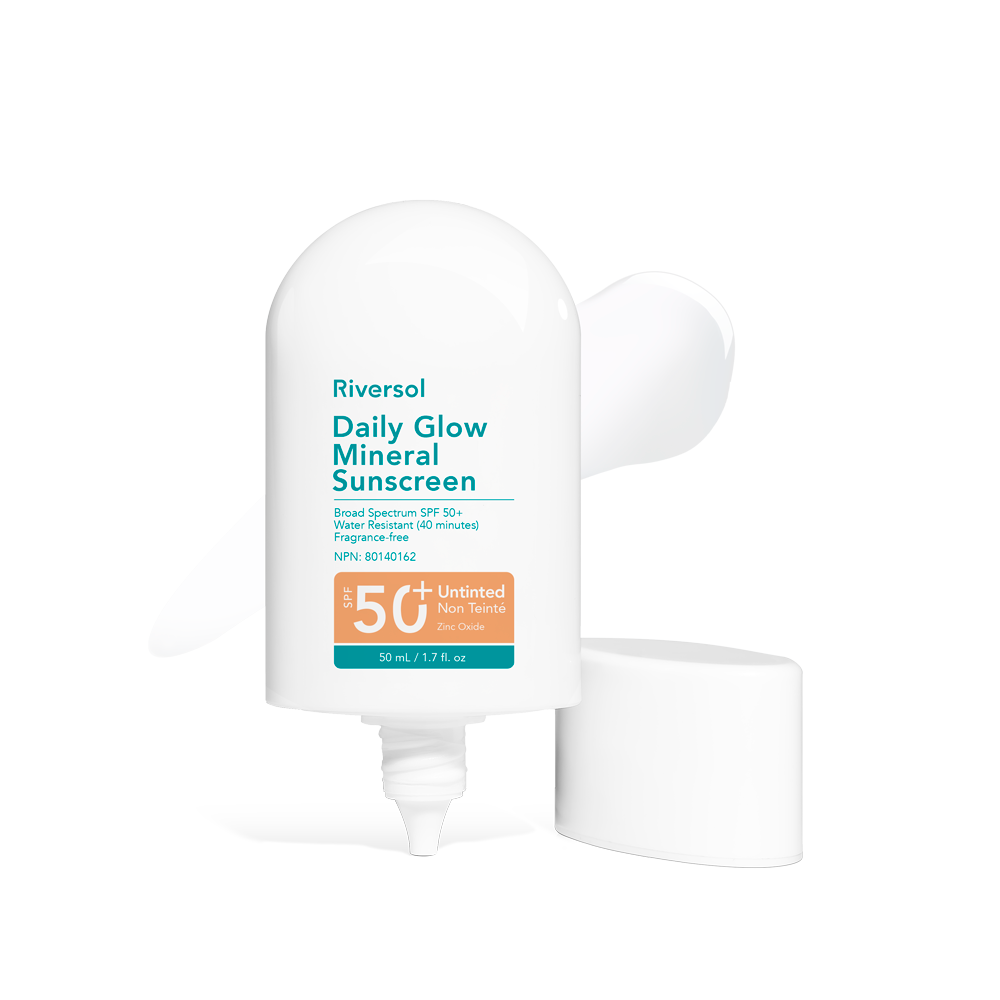
Reviewed by Dr. Jason Rivers, MD, FRCPC (July 2026) SummaryMaster the dos and don'ts while using retinol to boost results and prevent irritation, even if you have sensitive or rosacea-prone skin. The dos and don'ts while using retinol matter more than most people realise. Retinol is one of the most clinically validated anti-aging ingredients available without a prescription, yet small mistakes in how you apply it can trigger peeling, redness, and barrier breakdown that send beginners running. This guide gives you a clear, dermatologist-backed checklist so you get the results without the setbacks. What Retinol Actually Does to Your Skin The Dos: How to Use Retinol Correctly The Don'ts: Common Retinol Mistakes to Avoid The Sensitive Skin Advantage: How Beta-T Changes the Rules How to Know Retinol Is Working Frequently Asked Questions What Retinol Actually Does to Your Skin Retinol is a vitamin A derivative that works by accelerating the skin's natural cell turnover process (clinically known as epidermal desquamation), encouraging fresher, more evenly pigmented cells to surface faster. According to the American Academy of Dermatology, retinol is one of the most evidence-backed topical ingredients for reducing the visible signs of photoaging, including fine lines, uneven skin tone, and enlarged pores. The Journal of the American Academy of Dermatology has published research confirming that both retinol and prescription-strength tretinoin retain meaningful retinoid bioactivity when applied topically, supporting their role in stimulating collagen synthesis deep in the dermis (the deeper structural layer of skin beneath the epidermis). As of 2026, interest in retinol has grown significantly among younger adults as awareness of preventive skincare increases. The American Academy of Dermatology notes that starting a retinol-based routine in your 20s can help build collagen reserves before significant photoaging begins. That said, the rules for safe use apply at every age. A gentle, consistent retinol application routine is far more effective than frequent high-dose use. The Dos: How to Use Retinol Correctly 1. Start Low and Build Slowly Begin with a lower-concentration formula (0.25% to 0.5%) and use it once or twice a week before increasing frequency. The stratum corneum (the outermost protective layer of the skin) needs time to adapt without triggering excess transepidermal water loss (TEWL), the process by which skin loses moisture through evaporation. Rushing this phase is the single most common reason new retinol users quit. 2. Apply to Clean, Dry Skin at Night Retinol is best applied in the evening to avoid UV-induced oxidative stress, which can degrade the molecule and cause erythema (visible skin redness and flushing). Cleanse thoroughly, wait for skin to fully dry (about two minutes), then apply a pea-sized amount across the entire face. Applying to damp skin increases absorption and the likelihood of irritation. 3. Always Follow with a Moisturizer Retinol accelerates cell turnover, which temporarily disrupts the skin's lipid barrier and ceramide balance. Applying a moisturizer directly after helps replenish that barrier and reduce the skin tightness that's common in the adjustment period. Look for formulas with ceramides, glycerin, or hyaluronic acid to support barrier repair. 4. Use SPF Every Single Morning Retinol increases photosensitivity by thinning the uppermost layers of the epidermis, making daily broad-spectrum sun protection non-negotiable. The American Academy of Dermatology consistently recommends SPF 30 or higher for anyone using retinol or any other exfoliating active. A mineral sunscreen is especially well-tolerated by reactive skin types. PRO TIP: Pair your morning SPF with a gentle cleanser to remove any residual retinol without stripping your skin's natural lipid barrier. The Hydrating Cream Cleanser is formulated to cleanse without compromising a sensitised barrier. 5. Store Retinol Away from Light and Heat Retinol oxidises when exposed to air, light, and heat, which degrades its efficacy and can create irritating byproducts on the skin. Keep your product in a cool, dark location and always reseal the packaging immediately after use. Products in opaque, airtight packaging retain potency significantly longer. The Don'ts: Common Retinol Mistakes to Avoid Don't Mix Retinol with Glycolic Acid or Benzoyl Peroxide on the Same Night Layering retinol with glycolic acid (an alpha-hydroxy exfoliant) or benzoyl peroxide in the same routine dramatically increases the risk of over-exfoliation, barrier disruption, and inflammatory flare-ups. These actives work via different mechanisms and at different pH levels. Reserve retinol for the evening and use chemical exfoliants in the morning, or on alternating days entirely. Don't Apply More Than a Pea-Sized Amount More product does not mean faster results. Overuse accelerates irritation, triggers the inflammatory cascade in sensitive skin, and can worsen conditions like rosacea by increasing capillary reactivity. According to dermatological literature, the primary reason retinol users experience excessive peeling is overuse, not the ingredient itself. Don't Use Retinol During Pregnancy Vitamin A derivatives, including retinol, are contraindicated during pregnancy due to potential risk to fetal development. The American Academy of Dermatology's pregnancy skincare guidance explicitly lists retinoids as ingredients to avoid. If you are pregnant or planning to become pregnant, speak with your dermatologist or OB-GYN about safe alternatives. Don't Skip Days of Sun Protection This deserves its own "don't" because it is the most frequently skipped step. Even on cloudy days or during winter months, UV radiation reaches the skin and accelerates the very photoaging that retinol is working to reverse. The Daily Glow Mineral Sunscreen SPF 50+ is formulated to sit comfortably on sensitive and retinol-using skin without clogging pores or triggering vasodilation. The Sensitive Skin Advantage: How Beta-T Changes the Rules Here is the honest challenge with the dos and don'ts while using retinol: for people with rosacea, eczema, or reactive skin, even following every rule correctly can still result in stinging, flushing, and barrier disruption. That is because their skin's inflammatory response (the cytokine-driven cascade that produces redness and sensitivity) is already heightened before the retinol arrives. This is where the formulation matters as much as the ingredient itself. Hinokitiol, also known as Beta-Thujaplicin (Beta-T), is a natural anti-inflammatory and antimicrobial compound extracted from the Western Red Cedar tree native to British Columbia, Canada. In the Retinol Treatment developed by Dr. Jason Rivers, MD, FRCPC, Beta-T works alongside Retinol 0.5% and a Vitamin C Booster Complex to calm the skin's inflammatory response before it can build into a visible flare. This clinically researched approach means that accidentally applying to slightly damp skin or using it two nights in a row is less likely to derail your results entirely. Best Retinol for Sensitive and Rosacea-Prone Skin: Riversol Retinol Treatment The Retinol Treatment is clinically formulated for reactive skin that needs retinol's anti-aging benefits without the burning or barrier disruption that typically accompany them. Trusted by over 1,000,000 customers and developed by Dr. Jason Rivers, MD, FRCPC, it is among the few retinol formulas specifically designed to make safe retinol use achievable for sensitive skin types. Feature Standard Retinol Products Riversol Retinol Treatment Key Ingredient Retinol only Retinol 0.5% + Beta-Thujaplicin (Beta-T) Formula Texture Often thin serum or lotion Skin-calming treatment serum Skin Sensation Tingling or stinging common Formulated to minimise burning and irritation Key Co-Active None or basic antioxidants Vitamin C Booster Complex for brightening This formulation is best suited for people with reactive, rosacea-prone, or eczema-adjacent skin who have previously abandoned retinol due to irritation. For sensitive skin seeking effective anti-aging without the typical retinol side effects, the Retinol Treatment is formulated specifically to support consistent use by reducing the inflammatory response that stops most reactive-skin users from building a long-term retinol habit. Interested in trying Retinol Treatment? Learn more How to Know Retinol Is Working In 2025 and 2026, one of the most common retinol-related questions circulating online is whether skin changes in the first few weeks mean success or failure. Mild flaking and initial tightness during weeks two through four are a normal part of the adjustment period, not a sign of damage. The Journal of the American Academy of Dermatology has published findings showing that antiaging effects from retinoid treatment, including improved skin texture and reduced fine lines, typically become visible after eight to twelve weeks of consistent use. Consistent retinol use over 8 to 12 weeks is where meaningful results in texture and tone begin to show. Look for these positive signs that retinol is working as intended: Skin texture feels smoother and pores appear tighter by weeks six to eight Dark spots and areas of hyperpigmentation begin to fade as melanogenesis slows Skin tone looks more even and luminous as accelerated cell turnover brings fresher cells to the surface Fine lines appear softer, particularly around the eyes and forehead, as collagen synthesis increases PRO TIP: Take a baseline photo in consistent lighting before you start retinol, and compare at the eight-week mark. Progress can be gradual enough that you miss it without a direct comparison. Frequently Asked Questions What Is the 1/2/3 Rule for Retinol? The 1/2/3 rule is a beginner's guide to building retinol tolerance gradually: use retinol once a week in week one, twice a week in week two, and three times a week in week three before assessing whether your skin is ready to increase further. This staggered approach gives the stratum corneum time to adapt without overwhelming the lipid barrier. It is particularly useful for people with sensitive or reactive skin who need a slower on-ramp. What Not to Do While on Retinol? The most important don'ts while using retinol include: avoid combining it with glycolic acid or benzoyl peroxide on the same night, never apply it to damp skin unless you are deliberately buffering the dose, do not use it during pregnancy, and never skip daily SPF. Overuse is also a critical mistake, as applying more than a pea-sized amount increases irritation without improving results. Skipping moisturizer after application is another common error that leads to unnecessary barrier disruption. What Are the Signs Retinol Is Working? Positive signs include smoother skin texture, a reduction in the appearance of enlarged pores, fading of dark spots or uneven pigmentation, and softer fine lines around the eyes and mouth. These changes typically emerge between weeks six and twelve of consistent use. Some initial mild flaking or tightness in the first two to four weeks is part of the normal adjustment process and does not indicate that retinol is harming your skin. Do I Need to Wash Off Retinol in the Morning? You do not need to actively wash off retinol in the morning, but cleansing your face as part of your regular morning routine will naturally remove any residual product. The key morning priority is applying a broad-spectrum SPF 30 or higher, because retinol increases your skin's sensitivity to UV radiation. A gentle, non-stripping cleanser is the best choice to avoid disrupting the barrier work your retinol did overnight. References American Academy of Dermatology. (2024). Retinoid or retinol? Overview of topical vitamin A derivatives for anti-aging. aad.org. https://www.aad.org/public/everyday-care/skin-care-secrets/anti-aging/retinoid-retinol Journal of the American Academy of Dermatology. (2025). Tretinoin and retinol bioactivity are retained when applied topically: Study assessing retinoid bioactivity effects. jaad.org. https://www.jaad.org/article/S0190-9622(25)02062-6/abstract Journal of the American Academy of Dermatology. (2018). Antiaging effects of retinoid hydroxypinacolone retinoate and related compounds. jaad.org. https://www.jaad.org/article/S0190-9622%2818%2931012-0/abstract American Academy of Dermatology. (2024). Dermatologist-approved pregnancy skin care: Ingredients to avoid during pregnancy. aad.org. https://www.aad.org/public/everyday-care/skin-care-secrets/routine/pregnancy-skin-care American Academy of Dermatology. (2024). Dermatologist-recommended skin care for your 20s. aad.org. https://www.aad.org/public/everyday-care/skin-care-basics/care/skin-care-in-your-20s Related Topics to Explore: Learn Natural Benefits of Hinokitiol (Beta-Thujaplicin) The Truth About Taking Care of Your Neck Skin Discover the Anti-Aging Trio Bundle for a Complete Sensitive Skin Anti-Aging System About Dr. Jason Rivers, MD Dr. Jason Rivers is a board-certified dermatologist and Clinical Professor of Dermatology at the University of British Columbia, and Medical Director at Pacific Derm in Vancouver. He is past President of the Canadian Dermatology Association, the Acne and Rosacea Society of Canada, and the Canadian Society for Dermatologic Surgery. Dr. Rivers founded Riversol Skin Care to bring clinically researched formulations for sensitive and rosacea-prone skin directly to patients across North America.

Learn more
How to Use Retinol for Beginners: A Step-by-Step Guide to

How to Use Retinol for Beginners: A Step-by-Step Guide to

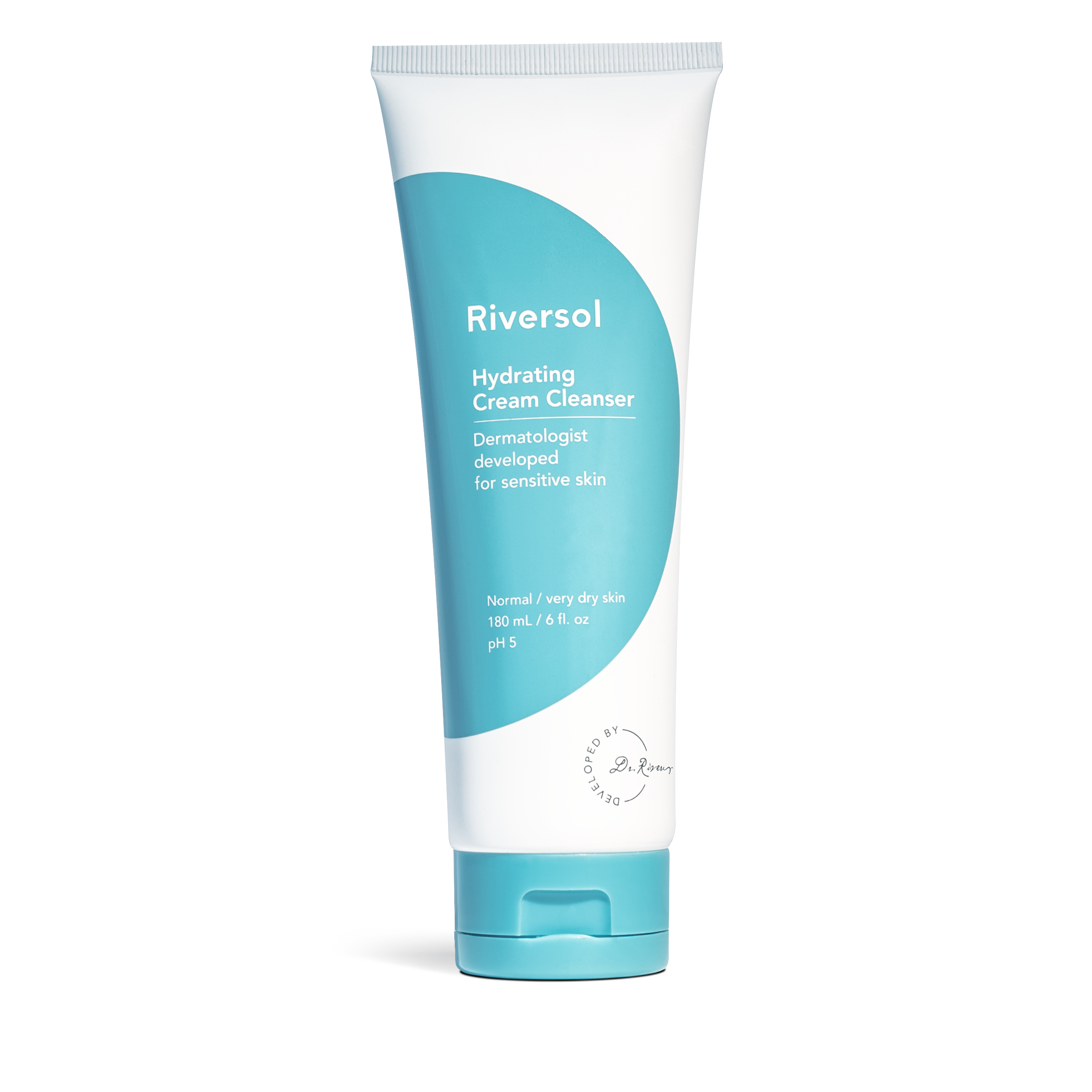
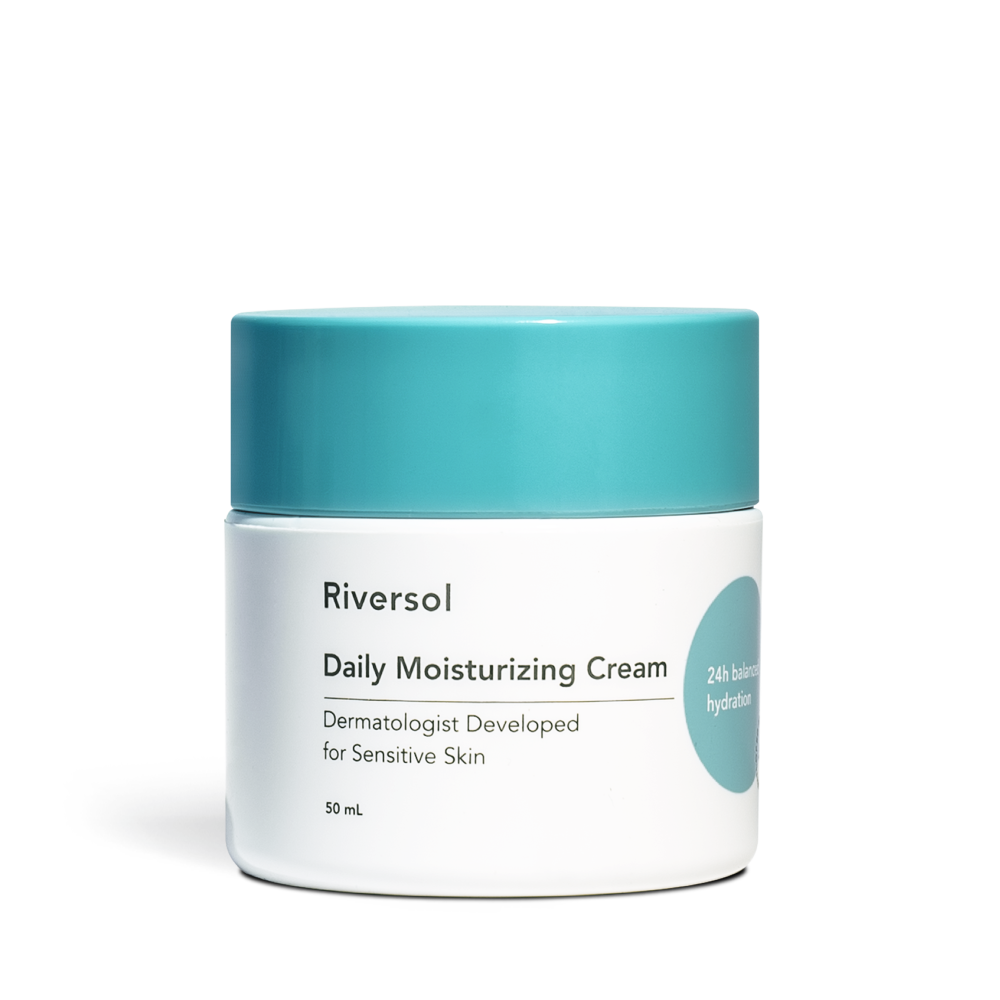
Reviewed by Dr. Jason Rivers, MD, FRCPC (July 2026) SummaryLearn how to use retinol for beginners safely with a dermatologist-approved step-by-step routine designed for sensitive and rosacea-prone skin without irritation. Retinol is a vitamin A derivative (clinically known as a retinoid) that accelerates cell turnover, stimulates collagen production, and helps fade dark spots. If you have been wondering how to use retinol for beginners without waking up red, peeling, or frustrated, the answer lies in starting low, going slow, and choosing a formula your skin can actually tolerate. The American Academy of Dermatology confirms that retinol is one of the most evidence-backed ingredients available for addressing fine lines, uneven skin tone, and enlarged pores, but only when introduced correctly. Why Retinol Works and What to Realistically Expect How to Use Retinol for Beginners: The Step-by-Step Routine The Sensitive Skin Advantage: Why Beta-Thujaplicin Changes the Equation What Cannot Mix with Retinol (and What to Watch For) Frequently Asked Questions Why Retinol Works and What to Realistically Expect Retinol works by binding to receptors in the epidermis (the outermost layers of the skin) and signalling cells to turn over faster. This accelerated renewal process helps smooth textural irregularities, fade hyperpigmentation, and support collagen synthesis over time. According to a clinical study published on PubMed (2020), a 0.5% retinol concentration produced measurable improvements in fine lines, skin texture, and elasticity compared to lower concentrations, making it an effective starting point for committed beginners. Expect a 6 to 12 week timeline before visible results appear. During the first two to four weeks, some skin tightness or mild flaking is common as the stratum corneum (the skin's outermost protective layer) adjusts. This is normal retinization, not damage. As of 2026, dermatological guidance increasingly emphasises that this adjustment phase is the primary reason most people quit retinol before it works. The strategy is simple: build tolerance gradually instead of pushing through unnecessary irritation. A consistent nightly retinol routine, starting once or twice a week, is the foundation of a successful introduction. How to Use Retinol for Beginners: The Step-by-Step Routine Step 1: Cleanse Gently Start with a mild, non-stripping cleanser that preserves your lipid barrier. Disrupting the skin barrier before applying retinol increases the risk of transepidermal water loss (TEWL) and amplifies irritation. A cream-based formula like the Hydrating Cream Cleanser maintains barrier integrity while removing impurities, setting the stage for retinol to work without triggering an inflammatory cascade. Step 2: Wait Until Skin Is Fully Dry Apply retinol only to completely dry skin. Damp skin enhances absorption significantly, which increases the risk of erythema (visible redness and irritation). Wait a full two to three minutes after cleansing before moving to the next step. Step 3: Apply a Pea-Sized Amount of Retinol Use a pea-sized amount of retinol treatment and distribute it evenly across your face, avoiding the immediate eye area and corners of the nose. Less product does not mean less efficacy; the retinol molecule is potent even in small quantities. A PubMed-indexed double-blind comparative study (2020) found that a novel retinol serum formulation achieved rapid retinization with significantly minimised irritation compared to standard tretinoin cream, confirming that formulation approach matters as much as concentration. Step 4: Follow the 1-2-3 Frequency Rule Apply retinol once a week for the first week, twice a week for the next two weeks, and three times a week for the following three weeks. After that, most skin types can tolerate every other night application. This gradual approach allows your skin's capillary reactivity and inflammatory response to normalise before increasing exposure. Step 5: Moisturise Immediately After Apply your moisturiser within one to two minutes of the retinol to support ceramide-rich barrier repair and reduce TEWL. For reactive skin, the Daily Moisturizing Cream provides a non-comedogenic, fragrance-free base that cushions the skin through the adjustment period without competing with retinol's mechanisms. Step 6: Apply SPF 50+ Every Single Morning Retinol increases photosensitivity by accelerating cell turnover in the epidermis, making UV-induced oxidative stress and photoaging more likely if SPF is skipped. The American Academy of Dermatology explicitly recommends daily SPF use alongside any retinoid regimen. The Daily Glow Mineral Sunscreen SPF 50+ is a mineral-based formula suited for reactive and rosacea-prone skin that pairs naturally with a retinol nighttime routine. PRO TIP: The "sandwich method" (moisturiser, then retinol, then moisturiser) is useful for very reactive skin. It slightly buffers absorption and reduces the risk of stinging during the first few weeks. The Sensitive Skin Advantage: Why Beta-Thujaplicin Changes the Equation Best Retinol for Sensitive and Rosacea-Prone Skin: Riversol Retinol Treatment The biggest barrier to retinol for sensitive skin is not the retinol itself, it is the inflammatory response the ingredient can trigger in reactive skin types. Hinokitiol, also known as Beta-Thujaplicin (Beta-T), is an anti-inflammatory and antimicrobial compound extracted from the Western Red Cedar tree native to British Columbia. In the Retinol Treatment, Beta-T is clinically formulated to calm the cytokine-driven inflammatory cascade that retinol initiates in reactive skin, allowing the skin to build tolerance without the burning or peeling that causes most beginners to quit. Developed by Dr. Jason Rivers, MD, FRCPC, a board-certified dermatologist and founder of Riversol, the Retinol Treatment combines 0.5% retinol with Beta-T and a Vitamin C Booster Complex. This combination targets fine lines, dark spots, enlarged pores, and uneven skin tone simultaneously. A 2022 case study published in the Journal of Drugs in Dermatology found that combining retinol with complementary actives produced meaningful facial aging improvements compared to retinol alone, supporting this multi-ingredient approach. Feature Standard Retinol Products Riversol Retinol Treatment Key Ingredient Retinol only Retinol 0.5% + Hinokitiol (Beta-T) Formula Texture Varies, often drying Lightweight serum, non-comedogenic Skin Sensation Stinging, tightness common Formulated to minimise stinging in reactive skin Key Co-Active None or fragrance additives Vitamin C Booster Complex The Retinol Treatment is among the few retinol serums formulated specifically for sensitive, rosacea-prone, and reactive skin that combines an active-tolerance ingredient (Beta-T) with a clinically relevant 0.5% retinol concentration. Trusted by over 1,000,000 customers and formulated and manufactured in Canada, it is designed for beginners who cannot afford to trigger a flare. Interested in trying Retinol Treatment? Learn more What Cannot Mix with Retinol (and What to Watch For) Ingredients to Separate from Retinol Glycolic acid: Do not use glycolic acid on the same day as retinol. Both accelerate cell turnover and combining them on the same day overwhelms the stratum corneum, disrupting the lipid barrier and triggering excess TEWL. Vitamin C (on the same night): Vitamin C is best used in the morning routine. Apply retinol at night and save your brightening actives for AM use to avoid pH conflicts and unnecessary sensitivity. Physical exfoliants: Avoid scrubs or manual exfoliation on retinol nights. Over-exfoliation thins the epidermis and makes vasodilation and redness more pronounced. Contraindications to Know Before You Start Avoid retinol entirely during pregnancy. This is a firm clinical contraindication. If you are experiencing an active rosacea flare or eczema breakout, pause retinol until your baseline is stable. As of 2025, the dermatological literature increasingly indicates that managing barrier function before introducing retinol is a key predictor of long-term tolerance in sensitive skin patients. Reactive and rosacea-prone skin can tolerate retinol with the right formulation and a gradual introduction strategy. Frequently Asked Questions What Is the Correct Way to Use Retinol? Apply a pea-sized amount to clean, fully dry skin at night, then follow with a moisturiser to support barrier repair. Use SPF 50+ every morning without exception, since retinol increases photosensitivity by accelerating epidermal cell turnover. Starting at a lower frequency (once a week) and building gradually is the safest method for long-term results. What Is the Rule of 3 for Retinol? The rule of 3 refers to a gradual introduction schedule: apply retinol once a week for one week, twice a week for two weeks, then three times a week for three weeks before moving toward more frequent use. This pacing gives the stratum corneum time to adapt without overwhelming the skin's lipid barrier. In clinical practice, this approach significantly reduces the dropout rate among new retinol users. What Cannot Mix with Retinol? Avoid combining retinol with glycolic acid, strong physical exfoliants, or high-concentration Vitamin C on the same night, since these combinations amplify irritation and compromise the lipid barrier. Benzoyl peroxide can also deactivate retinol and should be used on separate days. In patients with reactive skin, keeping the retinol night simple (cleanser, retinol, moisturiser) produces the best tolerance outcomes. Is It Okay to Use Retinol Every Day? Daily retinol use is not recommended for beginners and is generally not necessary even for experienced users. According to the dermatological literature, three to four nights per week at a consistent concentration produces results comparable to nightly use with substantially less irritation. Once your skin has fully adjusted over two to three months, every other night is a sustainable long-term frequency for most skin types. References American Academy of Dermatology. (2024). Retinoid or retinol? Skin care secrets: Anti-aging. aad.org. https://www.aad.org/public/everyday-care/skin-care-secrets/anti-aging/retinoid-retinol Dhaliwal, S., et al. (2020). A clinical anti-ageing comparative study of 0.3 and 0.5% retinol serums: efficacy and tolerability in facial skin. PubMed (NCBI). https://pubmed.ncbi.nlm.nih.gov/32428912/ Kircik, L., et al. (2020). A method for rapid retinization with minimized irritation: A double-blind comparative clinical study of newly formulated retinol serums vs tretinoin cream in escalating doses. PubMed (NCBI). https://pubmed.ncbi.nlm.nih.gov/32574009/ Journal of Cosmetic Dermatology. (2017). Efficacy and tolerability of a double-conjugated retinoid system. Wiley Periodicals. https://pubmed.ncbi.nlm.nih.gov/28762645/ Draelos, Z.D., et al. (2022). Facial aging improvement case study using a novel combination of retinol, niacinamide, and Terminalia chebula. Journal of Drugs in Dermatology. https://pubmed.ncbi.nlm.nih.gov/35816074/ Related Topics to Explore: Learn Natural Benefits of Hinokitiol (Beta-Thujaplicin) The Truth About Taking Care of Your Neck Skin Discover the Anti-Aging Trio Bundle for a Complete Sensitive Skin Anti-Aging System About Dr. Jason Rivers, MD Dr. Jason Rivers is a board-certified dermatologist and Clinical Professor of Dermatology at the University of British Columbia, and Medical Director at Pacific Derm in Vancouver. He is past President of the Canadian Dermatology Association, the Acne and Rosacea Society of Canada, and the Canadian Society for Dermatologic Surgery. Dr. Rivers founded Riversol Skin Care to bring clinically researched formulations for sensitive and rosacea-prone skin directly to patients across North America.

Learn more
What Are Signs of Too Much Sun?

What Are Signs of Too Much Sun?

Reviewed by Dr. Jason Rivers, MD, FRCPC (July 2026) SummaryRecognize what are signs of too much sun, from redness to nausea, and soothe compromised skin without additional irritation. Recognizing the Signs of Too Much Sun What Your Skin Is Telling You When Symptoms Go Beyond the Skin Why Sensitive and Rosacea-Prone Skin Reacts Faster How to Respond When You First Notice Signs of Too Much Sun Best Redness Serum for Sun-Exposed Sensitive Skin Protecting Your Skin Going Forward Frequently Asked Questions Recognizing the Signs of Too Much Sun What are signs of too much sun? They range from a mild surface flush to systemic symptoms that signal your body is under genuine heat and UV stress. Sun overexposure triggers a cascade of events inside the skin, beginning with UV-induced oxidative stress that damages the outermost protective layer (clinically known as the stratum corneum) and ignites an inflammatory response throughout the epidermis. According to the American Academy of Dermatology, misinformation about sun safety affects over 16 million Americans, leaving them at elevated risk for acute and chronic sun damage. Understanding the warning signals early gives you a meaningful opportunity to intervene before damage deepens. Visible redness and warmth are among the earliest skin signs of UV overexposure. What Your Skin Is Telling You The Earliest Skin-Level Warning Signs Redness and warmth: Inflamed skin (clinically described as erythema) that feels hot to the touch is typically the first visible indicator. This results from vasodilation, where blood vessels near the surface dilate in response to UV damage. Tenderness and pain: The nerve endings in the epidermis become sensitized, making even light touch uncomfortable within hours of overexposure. Swelling: Mild puffiness, particularly around the face, reflects the body's local inflammatory cascade responding to tissue injury. Blistering: Small, fluid-filled blisters signal a more serious second-degree burn requiring medical attention, not self-treatment. Peeling: Several days after exposure, the skin sheds damaged cells as part of its repair process. This is accelerated cell turnover driven by UV injury rather than a healthy renewal cycle. Sun Poisoning vs. Standard Sunburn: What's the Difference? A standard sunburn affects the skin surface and resolves within days with proper care. Sun poisoning (clinically known as a severe phototoxic or photoallergic reaction) goes further, triggering bright red or oozing skin, severe pain, chills, and in some cases a rash resembling hives. If you develop oozing skin, a high fever, or extreme chills after sun exposure, these are signals to seek medical care rather than manage symptoms at home. When Symptoms Go Beyond the Skin Full-Body Signals of Overexposure Too much sun does not stay confined to the skin. According to a review published in the Indian Journal of Dermatology, prolonged ultraviolet radiation (UVR) exposure is associated with an increased incidence of both acute and chronic systemic reactions, including immune activation that can produce flu-like symptoms. Headache: Often one of the first signs of heat-related stress alongside sun overexposure. Nausea: The combination of UV-induced immune activation, heat stress, and dehydration can produce genuine gastrointestinal discomfort. Fatigue and dizziness: Dehydration and the body's energy expenditure in managing widespread inflammation drain energy rapidly. Fever and chills: A fever following sun exposure is a red flag. It suggests your immune system has mounted a significant systemic response and professional evaluation is warranted. PRO TIP: Nausea, fever, and chills after sun exposure are not typical sunburn symptoms. They indicate a more serious heat illness or severe phototoxic reaction. These warrant a call to a healthcare provider, not just skincare intervention. Why Sensitive and Rosacea-Prone Skin Reacts Faster The Biology Behind a Lower Sun Threshold For people with rosacea, eczema, or reactive skin, the threshold for sun-induced redness is considerably lower than average. These skin types have a compromised lipid barrier, meaning elevated transepidermal water loss (TEWL) and reduced protection against UV-triggered inflammatory cytokines. Even a brief period outdoors without adequate protection can trigger visible erythema and capillary reactivity that lingers for hours or days. A 2022 review in the Indian Journal of Dermatology confirmed that individuals with pre-existing dermatological conditions experience acute cutaneous reactions at lower UV doses than the general population. As of 2026, dermatologists increasingly recognize that managing UV-triggered redness in rosacea-prone patients requires anti-inflammatory support that does not itself cause additional stinging or irritation on already-compromised skin. How to Respond When You First Notice Signs of Too Much Sun Immediate Steps to Take Get out of the sun immediately. Move to shade or indoors to stop ongoing UV exposure. Cool the skin gently. Apply cool (not ice cold) water or a damp cloth to affected areas. Avoid abrasive rubbing. Rehydrate internally. Drink water steadily. UV overexposure accelerates dehydration and amplifies systemic symptoms. Avoid further irritation. Keep harsh cleansers, exfoliants, and fragrance-heavy products away from sun-stressed skin. The stratum corneum is already compromised. Apply a targeted calming product to visible redness. This is where ingredient selection matters most. Sun-exposed skin is highly reactive, and many redness-reducing products contain alcohols or acids that will sting and worsen the inflammatory response. Best Redness Serum for Sun-Exposed Sensitive Skin: Riversol Anti-Redness Serum When skin shows the first signs of too much sun, the priority is calming surface redness and supporting the skin's barrier without provoking additional irritation. Hinokitiol, also known as Beta-Thujaplicin (Beta-T), is a naturally derived anti-inflammatory and antimicrobial compound extracted from the Western Red Cedar tree of British Columbia. The Anti-Redness Serum formulated by Dr. Jason Rivers, MD, FRCPC, combines Beta-T with 10x photostable Stabilized Vitamin C (Aminopropyl Ascorbyl Phosphate) and Vitamin E to calm visible redness while neutralizing the free radicals generated by UV-induced oxidative stress. Clinically formulated for rosacea-prone and reactive skin, the Anti-Redness Serum is designed to reduce visible redness without the burn or sting that standard Vitamin C serums cause on compromised skin. Feature Standard Redness Products Riversol Anti-Redness Serum Key Ingredient Niacinamide or basic Vitamin C Hinokitiol (Beta-T) plus Aminopropyl Ascorbyl Phosphate Formula Texture Often alcohol-based or low-pH Lightweight serum, pH-balanced for reactive skin Skin Sensation on Compromised Skin Stinging or burning common Formulated to calm without additional irritation Key Co-Active Vitamin E alone or none Vitamin E plus photostable Vitamin C (10x more stable) The Anti-Redness Serum is among the few redness serums formulated specifically for rosacea-prone and reactive skin that combines an anti-inflammatory active with a photostable antioxidant system, making it suitable for application immediately after sun stress. Interested in trying Anti-Redness Serum? Learn more Protecting Your Skin Going Forward Daily broad-spectrum mineral sunscreen is the most evidence-backed step for preventing UV-induced skin damage. Daily Habits That Reduce Your Risk of Repeat Overexposure Apply broad-spectrum SPF 50+ daily. The American Academy of Dermatology recommends broad-spectrum SPF 30 or higher, reapplied every two hours outdoors. For sensitive and rosacea-prone skin, a mineral-based formula is preferable because chemical UV filters can trigger additional flushing. The Daily Glow Mineral Sunscreen SPF 50+ provides physical UV protection with a formula designed for reactive skin. Avoid peak UV hours. UV intensity peaks between 10 a.m. and 4 p.m. Planning outdoor time outside this window meaningfully reduces cumulative exposure. Support your skin barrier daily. A healthy ceramide-rich barrier is more resilient against UV-triggered inflammation. Consistent use of a fragrance-free moisturizer maintains the lipid barrier between sun exposures. According to a study published in the Journal of Internal Medicine, avoidance of all sun exposure is itself associated with increased all-cause mortality risk, reinforcing that the goal is managed, protected exposure rather than complete avoidance. As of 2025 and 2026, the dermatological consensus has shifted toward smart sun habits combined with robust daily photoprotection rather than blanket avoidance, particularly for sensitive skin patients. PRO TIP: Trusted by over 1,000,000 customers, Riversol products are formulated and manufactured in Canada by Dr. Jason Rivers, MD, FRCPC, specifically for patients who need effective skincare without the irritation that standard products cause on sensitive and rosacea-prone skin. Frequently Asked Questions How Do I Tell If I Got Too Much Sun? The clearest signs of too much sun include skin that appears red, feels warm or hot to the touch, and becomes tender or painful within a few hours of UV exposure. If you also develop headache, nausea, dizziness, or chills alongside skin symptoms, the overexposure has extended beyond superficial sunburn into a systemic response that warrants rest, rehydration, and possibly medical evaluation. How Much Sun Per Day Is Too Much? The threshold varies significantly depending on your skin type, geographic location, time of day, and whether you are using sunscreen. According to the American Academy of Dermatology, unprotected UV exposure sufficient to cause any visible redness is already evidence of skin damage. For people with fair skin, rosacea, or reactive skin, even 10 to 15 minutes of unprotected midday sun can exceed a safe threshold and trigger visible erythema. What Does Sun Toxicity Look Like? Sun toxicity, often called sun poisoning, presents as intensely red, swollen, or oozing skin accompanied by severe pain, blistering, and systemic symptoms including fever, chills, headache, and nausea. Unlike a standard sunburn, sun toxicity may also produce a rash or hive-like reaction across sun-exposed areas, reflecting a significant photoallergic or phototoxic immune response. These symptoms require prompt medical attention rather than at-home skincare management. How Do You Feel When You Get Too Much Sun? Beyond the skin, too much sun can leave you feeling fatigued, nauseated, dizzy, and dehydrated, sometimes described as a "sun hangover." This occurs because your immune system activates inflammatory cytokines in response to UV damage, your body loses fluid through sun-heated skin, and your cardiovascular system works harder to manage heat. The combination produces a flu-like physical experience that can persist for 24 to 48 hours after the initial exposure. References Mahajan, V.K. et al. (2022). A Review on Sun Exposure and Skin Diseases. Indian Journal of Dermatology. https://pubmed.ncbi.nlm.nih.gov/36865856/ Lindqvist, P.G. et al. (2014). Avoidance of sun exposure is a risk factor for all-cause mortality. Journal of Internal Medicine. https://pubmed.ncbi.nlm.nih.gov/24697969/ American Academy of Dermatology. (2024). Misinformation puts over 16 million Americans at an increased risk for skin cancer. aad.org. https://www.aad.org/news/misinformation-increases-skin-cancer-risk-for-16-million-americans American Academy of Dermatology. (2024). Sun damage and your skin. aad.org. https://www.aad.org/public/everyday-care/sun-protection/sun-damage-skin Related Topics to Explore: Learn Natural Benefits of Hinokitiol (Beta-Thujaplicin) The Truth About Taking Care of Your Neck Skin Discover the Anti-Aging Trio Bundle for a Complete Sensitive Skin Anti-Aging System About Dr. Jason Rivers, MD Dr. Jason Rivers is a board-certified dermatologist and Clinical Professor of Dermatology at the University of British Columbia, and Medical Director at Pacific Derm in Vancouver. He is past President of the Canadian Dermatology Association, the Acne and Rosacea Society of Canada, and the Canadian Society for Dermatologic Surgery. Dr. Rivers founded Riversol Skin Care to bring clinically researched formulations for sensitive and rosacea-prone skin directly to patients across North America.

Learn more
Do Dermatologists Recommend Facial Cleansing Brushes

Do Dermatologists Recommend Facial Cleansing Brushes

Reviewed by Dr. Jason Rivers, MD, FRCPC (July 2026) SummaryMost dermatologists do recommend facial cleansing brushes with conditions, but sensitive and rosacea-prone skin needs extra protection to cleanse without irritation. What Dermatologists Say About Facial Cleansing Brushes Who Should Be Cautious With Cleansing Brushes Protecting Your Skin Barrier Whether You Use a Brush or Not Best Cleanser for Sensitive Skin When Using a Brush Frequently Asked Questions What Dermatologists Say About Facial Cleansing Brushes Do dermatologists recommend facial cleansing brushes? The short answer is: often yes, but with important qualifications. Most board-certified dermatologists acknowledge that cleansing brushes can improve skin texture, remove residual makeup, and enhance the effectiveness of your cleanser, provided you choose the right brush and use it correctly for your skin type. The dermatological literature indicates that mechanical cleansing devices, when used appropriately, can meaningfully improve skin cleanliness compared to manual cleansing alone. A review published on PubMed (Ablon Skin Institute, 2019) confirmed that cleansing is an established component of dermatological treatment protocols, and sonic brush technology has been assessed across multiple peer-reviewed studies for its safety and efficacy. According to a study published in the Journal of the American Academy of Dermatology, noninvasive measures of the skin, including transepidermal water loss (TEWL), were evaluated in participants using sonic skin care brushes, with findings supporting that properly designed devices do not necessarily disrupt the outermost protective layer of skin (clinically known as the stratum corneum) when used as directed. Gentle technique and the right cleanser matter as much as the brush itself. What the Research Actually Shows A multi-centre cohort study (PubMed, 2019) evaluated twice-daily facial cleansing using an oscillatory sonic brush and found clinically meaningful improvements in skin clarity and tolerability in participants with acne-prone skin. According to findings from the Journal of the American Academy of Dermatology, a multicenter study reported that the rate of relapse in participants using a sonic brush as part of their ongoing skincare protocol was 42%, which the researchers considered significant in the context of long-term skin management. As of 2026, the consensus in clinical dermatology is that sonic and oscillating brushes are generally safe tools for most skin types when used no more than once daily, with gentle pressure, and with a pH-balanced, non-stripping cleanser. Who Should Be Cautious With Cleansing Brushes Sensitive, Rosacea-Prone, and Reactive Skin Types For people living with rosacea, eczema, or chronically reactive skin, the picture is more nuanced. Mechanical friction, even from a soft-bristle brush, can trigger vasodilation (widening of small blood vessels near the skin surface) and worsen visible redness (clinically known as erythema). In patients with rosacea, capillary reactivity is already elevated, meaning the skin flushes more easily in response to heat, pressure, or friction. The inflammatory cascade that rosacea triggers involves cytokines and other signalling molecules that can be amplified by over-cleansing or aggressive exfoliation. If the lipid barrier, the protective layer made up largely of ceramides and fatty acids, becomes compromised, transepidermal water loss (TEWL) increases, and the skin becomes even more reactive over time. When a Brush Can Do More Harm Than Good In clinical practice, dermatologists typically advise patients with active rosacea flares, open acne lesions, perioral dermatitis, or compromised skin barrier function to avoid cleansing brushes entirely during flares. Using a brush on already-inflamed skin risks deepening the inflammatory cascade and spreading bacteria, including Demodex mites, which are associated with rosacea exacerbation. PRO TIP: If you have rosacea or reactive skin and want to try a cleansing brush, start with once per week, use the softest bristle setting, and always follow with a barrier-supportive, fragrance-free cleanser. Discontinue if you notice increased redness or stinging. Protecting Your Skin Barrier Whether You Use a Brush or Not Whether dermatologists green-light brushes or not, the cleanser you pair with any tool plays a critical role in what your skin feels like afterward. A brush used with a foaming, high-pH, or fragrance-laden cleanser can strip the epidermis of its natural oils and ceramides, leaving the lipid barrier weakened regardless of how gentle the brush head is. This is where the formulation of your cleanser matters as much as your technique. In 2024 and into 2026, dermatologist-developed cleansing formulas have increasingly focused on barrier-safe pH ranges and the inclusion of calming actives that counteract the minor friction stress any cleansing method introduces. Rosacea-prone skin requires a cleanser that actively calms post-cleanse redness, not just removes dirt. Best Cleanser for Sensitive Skin When Using a Brush: Riversol Hydrating Cream Cleanser Hinokitiol, also called Beta-Thujaplicin (Beta-T), the clinically researched anti-inflammatory compound extracted from the Western Red Cedar and found in the Hydrating Cream Cleanser, is formulated to help calm the minor inflammatory response that even gentle brush use can trigger in reactive skin. Paired with Allantoin, a skin-conditioning agent known for soothing and promoting cell recovery, this formula was developed to cleanse effectively without disrupting the stratum corneum or elevating TEWL. For people with sensitive or rosacea-prone skin seeking a cleanser that works safely alongside a cleansing brush, the Hydrating Cream Cleanser is formulated specifically to protect the lipid barrier and reduce post-cleanse redness immediately. Feature Standard Cleansers Riversol Hydrating Cream Cleanser Key Ingredient Sodium lauryl sulfate or generic surfactants Hinokitiol (Beta-Thujaplicin / Beta-T) Formula Texture Foaming gel or lathering wash Non-foaming cream, barrier-safe Skin Sensation Can sting, tighten, or strip post-cleanse Calms redness, no tightening sensation Key Co-Active Fragrance or alcohol (common) Allantoin for soothing and cell recovery The Hydrating Cream Cleanser is among the few cleansing formulas specifically developed for sensitive and rosacea-prone skin that actively addresses the post-cleanse inflammatory response rather than simply being fragrance-free. Interested in trying Hydrating Cream Cleanser? Learn more Developed by Dr. Jason Rivers, MD, FRCPC, a board-certified dermatologist with decades of clinical experience treating rosacea and sensitive skin, and trusted by over 1,000,000 customers, the formula is manufactured in Canada with reactive skin patients as the primary consideration. Frequently Asked Questions Do dermatologists recommend facial cleansing brushes for all skin types? Most dermatologists do recommend facial cleansing brushes for normal, oily, and combination skin types, where the added mechanical action can meaningfully improve pore cleansing and product absorption. However, for sensitive, rosacea-prone, or barrier-compromised skin, clinical guidance typically emphasises caution: use the softest available setting, limit frequency to a few times per week, and always pair the brush with a gentle, non-stripping cleanser. What is the number one dermatologist recommended cleanser? There is no single universally ranked cleanser, but dermatologists consistently recommend formulas that are pH-balanced, fragrance-free, non-foaming or low-lather, and contain calming or barrier-supporting actives. For sensitive and rosacea-prone skin specifically, cleansers containing anti-inflammatory actives like Hinokitiol (Beta-T) and skin-conditioning agents like Allantoin are aligned with what the dermatological literature supports for maintaining a healthy stratum corneum during daily cleansing. Are facial brushes good for mature skin? Facial brushes can be beneficial for mature skin because they help stimulate circulation and improve the penetration of moisturising and anti-aging ingredients by removing residual dead cells from the outer epidermis. That said, mature skin often has a thinner, more fragile lipid barrier and reduced ceramide levels, so extra care is needed: choose ultra-soft bristles, use gentle pressure, and follow with a barrier-repairing moisturiser to offset any increase in TEWL that brush use may introduce. What is the best facial cleansing brush to buy? The right brush depends on your skin type and concerns. For sensitive or reactive skin, look for a brush with ultra-soft silicone or microfibre bristles, low oscillation speeds, and no heating function. Clinical dermatology research published in peer-reviewed journals, including the Journal of the American Academy of Dermatology, has focused primarily on sonic oscillation devices in assessing safety and efficacy, making that brush category one of the better-studied options available as of 2026. What are the potential downsides of using a facial brush? The main risks include over-exfoliation of the stratum corneum, disruption of the lipid barrier, increased TEWL, and triggering or worsening inflammatory conditions like rosacea and eczema. Using a brush too frequently, with excessive pressure, or with a harsh cleanser compounds these risks significantly. According to a PubMed-indexed cohort study evaluating sonic brush use, twice-daily mechanical cleansing requires careful product pairing to avoid compromising skin tolerability over time. References Ablon, G. (2019). Facial cleansing with a sonic brush: A review of the literature and current recommendations. PubMed, Ablon Skin Institute and Research Center. https://pubmed.ncbi.nlm.nih.gov/30985993/ Fulton, J. et al. (2019). A cohort study using a facial cleansing brush with acne patients: Clinical efficacy and safety assessment. PubMed. https://pubmed.ncbi.nlm.nih.gov/31741359/ Journal of the American Academy of Dermatology. (2007). Benefits of a sonic skin care brush and new sonic body brush: Noninvasive measures of skin including transepidermal water loss. JAAD. https://www.jaad.org/article/S0190-9622(07)01729-X/fulltext Journal of the American Academy of Dermatology. (2007). Assessment of a sonic skin care brush used as part of a treatment protocol: Multicenter study relapse rate findings. JAAD. https://www.jaad.org/article/S0190-9622(07)01656-8/fulltext Journal of the American Academy of Dermatology. (2006). An efficacy assessment of a novel skin cleansing device in sensitive skin populations. JAAD. https://www.jaad.org/article/S0190-9622(06)03126-4/fulltext Related Topics to Explore: Learn Natural Benefits of Hinokitiol (Beta-Thujaplicin) The Truth About Taking Care of Your Neck Skin Discover the Anti-Aging Trio Bundle for a Complete Sensitive Skin Anti-Aging System About Dr. Jason Rivers, MD Dr. Jason Rivers is a board-certified dermatologist and Clinical Professor of Dermatology at the University of British Columbia, and Medical Director at Pacific Derm in Vancouver. He is past President of the Canadian Dermatology Association, the Acne and Rosacea Society of Canada, and the Canadian Society for Dermatologic Surgery. Dr. Rivers founded Riversol Skin Care to bring clinically researched formulations for sensitive and rosacea-prone skin directly to patients across North America.

Learn more
How to Treat Vitamin C Burn on Face

How to Treat Vitamin C Burn on Face

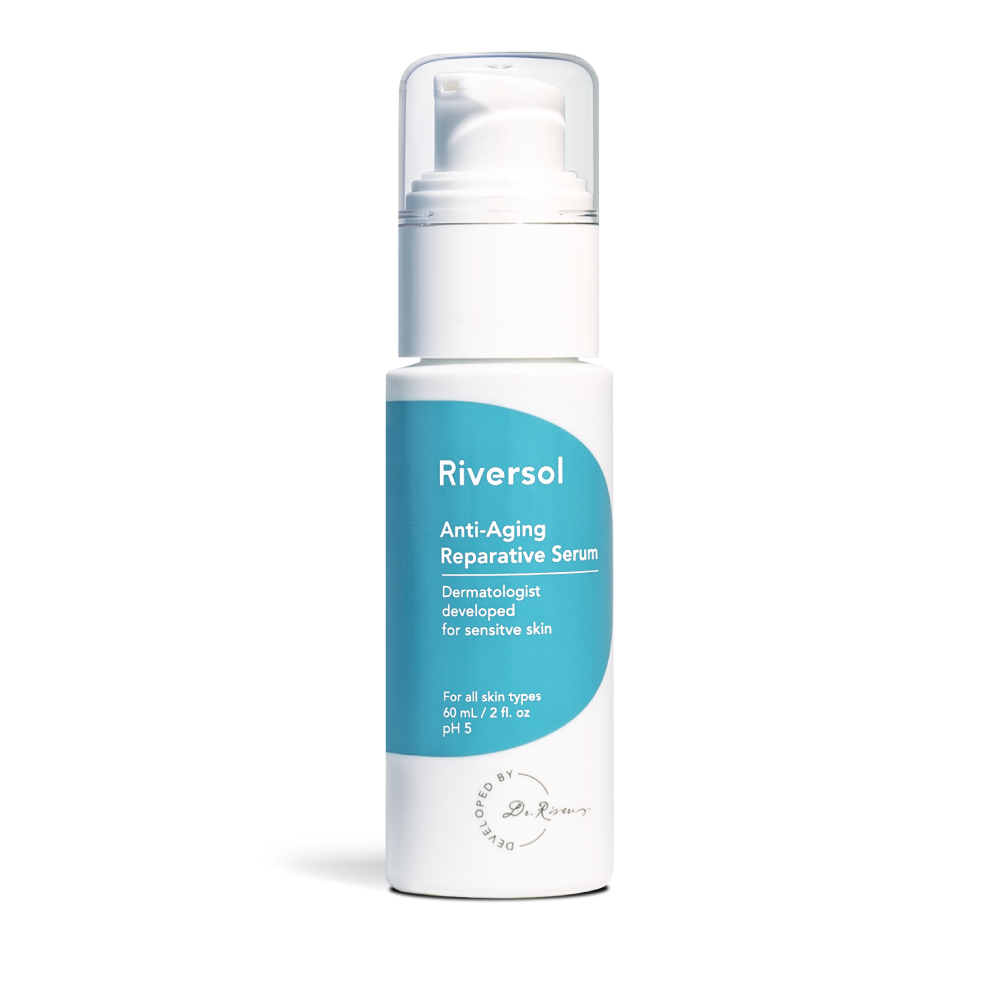
Reviewed by Dr. Jason Rivers, MD, FRCPC (July 2026) SummaryLearn how to treat vitamin C burn on face with immediate soothing steps, then rebuild your routine with a pH-safe serum designed for sensitive skin. What Is a Vitamin C Burn and Why Does It Happen? How to Treat Vitamin C Burn on Face Right Now Rebuilding Your Vitamin C Routine Without the Burn How to Prevent a Vitamin C Reaction Next Time Frequently Asked Questions What Is a Vitamin C Burn and Why Does It Happen? A vitamin C burn on the face is a chemical irritation reaction caused by a highly acidic topical Vitamin C formula disrupting the outer protective layer of skin (clinically known as the stratum corneum). If you are dealing with redness, stinging, or tightness after applying a Vitamin C serum, you are not alone, and this is a fixable situation. The root cause is almost always pH-related, and understanding it will help you avoid it permanently. Most conventional Vitamin C serums use L-ascorbic acid, which requires a very low pH (typically between 2.5 and 3.5) to remain stable and active. According to the American Academy of Dermatology, skin with a compromised protective barrier is significantly more vulnerable to irritation from acidic topical agents. When that acidity contacts sensitive, reactive, or rosacea-prone skin, it can trigger vasodilation (widening of surface blood vessels), erythema (visible redness), and an inflammatory cascade involving cytokines that sustains the irritation long after you have rinsed the product off. Applying Vitamin C to damp skin compounds the problem. Wet skin has a temporarily lower surface pH, which intensifies the acidity of any formula applied on top. As of 2026, this is one of the most consistently cited application errors among people who report adverse reactions to Vitamin C serums. High-acidity Vitamin C formulas can cause immediate stinging and redness on sensitive or reactive skin. How to Treat Vitamin C Burn on Face Right Now The moment you feel a burning sensation after applying a Vitamin C serum, act quickly and methodically. The following steps follow the same basic triage logic that dermatologists apply to first-degree chemical irritation, where stopping further exposure and restoring the skin barrier are the immediate priorities. Step 1: Rinse Thoroughly with Cool Water Gently rinse your face with cool (not cold) running water for at least 10 to 15 minutes. The American Academy of Dermatology recommends cool water rinsing as the first response to a minor skin burn, as it lowers tissue temperature and slows the inflammatory response. Avoid scrubbing or using a cleansing brush, as mechanical friction will worsen transepidermal water loss (TEWL) and barrier disruption. Step 2: Apply a Cool Compress After rinsing, press a clean, damp cool cloth gently against the affected area for five to ten minutes. This helps calm capillary reactivity and reduces the visible flushing caused by vasodilation. Do not apply ice directly to skin, as extreme cold can cause secondary irritation to an already sensitised epidermis. Step 3: Apply a Fragrance-Free Barrier Repair Product Once the skin feels less hot to the touch, apply a thin layer of a simple, fragrance-free barrier-supporting product, such as plain petrolatum or a ceramide-based moisturizer. Restoring ceramides to the lipid barrier helps reduce ongoing TEWL and signals the skin's inflammatory cascade to stand down. Avoid anything with added fragrance, essential oils, or additional acids at this stage. Step 4: Skip Active Ingredients for 48 to 72 Hours Give your skin a full reset. Avoid retinol, glycolic acid, and any other active ingredient for at least 48 to 72 hours. Use only a gentle, non-stripping cleanser and a calming moisturizer during this recovery window. According to a randomised controlled trial published on PubMed, combined systemic antioxidant supplementation can support UV-induced skin recovery, but topically, simplicity is the priority when the barrier is already compromised. Step 5: Apply Broad-Spectrum Sunscreen Every Morning Skin recovering from an irritation reaction has reduced natural UV protection because the stratum corneum is thinner and more permeable. The American Academy of Dermatology notes that daily broad-spectrum sunscreen is essential when the skin barrier is compromised, as UV-induced oxidative stress can deepen post-inflammatory hyperpigmentation (dark spots caused by melanogenesis triggered by skin injury). A mineral sunscreen causes less risk of re-irritation than a chemical UV filter on reactive skin. PRO TIP: Always apply Vitamin C serum to completely dry skin, waiting at least 10 minutes after cleansing. Damp skin temporarily lowers surface pH, which can amplify the acidity of any formula applied on top and increase the risk of a burn reaction. Rebuilding Your Vitamin C Routine Without the Burn Why the pH of Your Vitamin C Serum Matters More Than the Percentage Most Vitamin C reactions are not caused by Vitamin C itself. They are caused by the low-pH environment required to stabilise conventional L-ascorbic acid. A 2024 growing area of formulation science focuses on stabilised Vitamin C derivatives that deliver equivalent brightening and collagen synthesis support at a skin-neutral pH, removing the acidity problem entirely. This shift has changed what is possible for people with reactive or rosacea-prone skin. Best Vitamin C Serum for Sensitive Skin: Riversol Anti-Aging Serum (Vitamin C and E) Aminopropyl Ascorbyl Phosphate, the stabilised Vitamin C derivative in the Anti-Aging Serum (Vitamin C & E), is clinically formulated to deliver free radical scavenging and collagen synthesis support at a skin-safe pH, making it significantly less likely to trigger the burning, stinging, or inflammatory cascade associated with conventional low-pH Vitamin C formulas. It is paired with Hinokitiol, also known as Beta-Thujaplicin or Beta-T, an anti-inflammatory and antimicrobial compound extracted from the Western Red Cedar tree native to British Columbia. Beta-T is what allows reactive and rosacea-prone skin to tolerate active ingredients that would otherwise cause a flare, and it is a core part of why the Riversol formulation works differently from a standard Vitamin C product. Feature Standard Vitamin C Serums Riversol Anti-Aging Serum (Vitamin C and E) Key Ingredient L-ascorbic acid (unstable, acidic) Aminopropyl Ascorbyl Phosphate (stabilised, pH-safe) Formula pH or Texture Very low pH (2.5 to 3.5), watery Skin-neutral pH, lightweight serum Skin Sensation Stinging or burning common on reactive skin Formulated for sensitive, rosacea-prone, and reactive skin without stinging Key Co-Active Typically none or fragrance additives Hinokitiol (Beta-T) anti-inflammatory, Vitamin E antioxidant This serum is best suited for anyone with sensitive, reactive, or rosacea-prone skin who wants the brightening and anti-aging benefits of Vitamin C without risking another painful reaction. For sensitive skin seeking a Vitamin C serum that does not cause a burn reaction, the Anti-Aging Serum (Vitamin C and E) is formulated specifically to deliver results at a pH that does not disrupt the lipid barrier. Developed by Dr. Jason Rivers, MD, FRCPC, a board-certified dermatologist with decades of clinical experience treating rosacea and reactive skin patients, and trusted by over 1,000,000 customers, this is a formulation designed to close the gap between active ingredient results and sensitive skin tolerance. Interested in trying Anti-Aging Serum (Vitamin C & E)? Learn more Rebuilding a Vitamin C routine with a pH-safe, stabilised derivative is the key to results without repeated reactions. How to Prevent a Vitamin C Reaction Next Time Application Habits That Reduce Vitamin C Burn Risk Always apply Vitamin C to completely dry skin, waiting at least 10 minutes post-cleansing. Start with a lower frequency, using Vitamin C every other day before building to daily use. Do not layer Vitamin C directly with other acids (such as glycolic acid) in the same routine. Patch test any new Vitamin C product on the inner arm for 24 to 48 hours before applying it to your face. As of 2026, the shift toward pH-neutral stabilised Vitamin C derivatives means there is no longer a clinical reason for people with reactive skin to use acidic L-ascorbic acid formulas to achieve brightening results. PRO TIP: If your skin is in a reactive flare from rosacea, eczema, or a recent irritation event, wait until the skin has fully calmed before reintroducing any Vitamin C product, even a pH-neutral one. Irritated skin has a reduced barrier and will be more sensitive to everything. Frequently Asked Questions What Does a Vitamin C Burn Look Like? A Vitamin C burn on the face typically presents as immediate redness (erythema), a warm or hot sensation across the cheeks, nose, or forehead, and sometimes small areas of skin peeling or tightness within 24 to 48 hours. In people with rosacea-prone skin, the flushing can be more pronounced and longer-lasting due to heightened capillary reactivity. In more severe reactions, you may notice micro-blistering or a raw, tender texture, which warrants a consultation with a dermatologist. What Happens If You Put Too Much Vitamin C on Your Face? Using an excessive amount of a conventional Vitamin C serum increases both the acid load and the concentration delivered to the epidermis, which can overwhelm the skin's natural buffering capacity and cause a stronger irritation reaction. According to the American Academy of Dermatology, overuse of active ingredients is a leading cause of self-inflicted barrier damage in at-home skincare routines. The result can include prolonged redness, stinging, increased TEWL, and in some cases, a post-inflammatory hyperpigmentation response as the skin attempts to repair. How Long Does a Vitamin C Purge Last? A true skin purge (an increase in breakouts or congestion as cell turnover accelerates) is not commonly associated with Vitamin C the way it is with retinol or glycolic acid. What people often call a "Vitamin C purge" is more accurately a sustained irritation reaction. Most mild irritation reactions resolve within three to seven days with proper barrier support, while more significant reactions involving broken skin or deeper inflammation can take two to four weeks to fully heal. If redness and discomfort persist beyond two weeks, see a dermatologist. What Is the Fastest Way to Heal a Chemical Burn on Your Face? The fastest path to healing a minor chemical burn on the face involves three simultaneous priorities: stop exposure immediately, restore the skin barrier with a simple ceramide-based or petrolatum-based product, and protect with broad-spectrum mineral sunscreen every morning. The American Academy of Dermatology's guidance on treating minor burns emphasises that cool water rinsing for 10 to 15 minutes as an immediate first step is one of the most effective things you can do to limit the depth and duration of the irritation. Avoid all active ingredients, exfoliants, and fragranced products for a minimum of 48 to 72 hours to allow the stratum corneum to begin repairing its lipid barrier. References Eberlein-Konig, B., Placzek, M., and Przybilla, B. (1998). Protective effect against sunburn of combined systemic ascorbic acid and d-alpha-tocopherol. PubMed, National Library of Medicine. https://pubmed.ncbi.nlm.nih.gov/9448204/ American Academy of Dermatology. (2024). How to treat a first-degree, minor burn. aad.org. https://www.aad.org/public/everyday-care/injured-skin/burns/treat-minor-burns American Academy of Dermatology. (2024). How to fade dark spots in darker skin tones. aad.org. https://www.aad.org/public/everyday-care/skin-care-secrets/routine/fade-dark-spots American Academy of Dermatology. (2024). Rosacea: Overview and treatment guidelines. aad.org. Related Topics to Explore: Learn Natural Benefits of Hinokitiol (Beta-Thujaplicin) The Truth About Taking Care of Your Neck Skin Discover the Anti-Aging Trio Bundle for a Complete Sensitive Skin Anti-Aging System About Dr. Jason Rivers, MD Dr. Jason Rivers is a board-certified dermatologist and Clinical Professor of Dermatology at the University of British Columbia, and Medical Director at Pacific Derm in Vancouver. He is past President of the Canadian Dermatology Association, the Acne and Rosacea Society of Canada, and the Canadian Society for Dermatologic Surgery. Dr. Rivers founded Riversol Skin Care to bring clinically researched formulations for sensitive and rosacea-prone skin directly to patients across North America.

Learn more
Is 40 Too Late to Start Retinol? A Dermatologist's Honest

Is 40 Too Late to Start Retinol? A Dermatologist's Honest

Reviewed by Dr. Jason Rivers, MD, FRCPC (July 2026) SummaryNo, 40 is not too late to start retinol: mature skin responds well to retinol and can show real results without irritation when paired with the right formula. Why It Is Never Too Late to Start Retinol What Retinol Actually Does to Skin Over 40 Why Starting Retinol at 40 Is Actually a Smart Choice How to Start Retinol Safely After 40 Frequently Asked Questions Why It Is Never Too Late to Start Retinol Is 40 too late to start retinol? The short answer is no, and the dermatological evidence backs that up clearly. Retinol is a vitamin A derivative that works by accelerating the skin's natural process of shedding old cells (clinically known as cell turnover) and stimulating the production of structural support proteins (clinically known as collagen synthesis). These biological processes remain responsive to retinol at any age, including well beyond 40. According to the American Academy of Dermatology, retinoids are among the most evidence-supported topical ingredients for reducing visible signs of photoaging, including fine lines, uneven texture, and dark spots. Starting at 40 simply means you are beginning with a more defined set of goals, not that you have missed your opportunity. In clinical practice, patients who begin retinol in their 40s and 50s frequently report visible improvement within 12 to 16 weeks of consistent use. As of 2026, retinol remains the single most studied topical anti-aging ingredient in dermatological literature, with decades of peer-reviewed research confirming its efficacy across all adult age groups. Starting a retinol routine after 40 is supported by decades of dermatological research. What Retinol Actually Does to Skin Over 40 By your 40s, several measurable changes have occurred in the skin. The outermost protective layer (clinically known as the stratum corneum) becomes less efficient at retaining moisture, leading to increased water loss across the skin surface (clinically known as transepidermal water loss, or TEWL). Collagen production slows, the lipid barrier thins, and cell turnover drops significantly compared to your 20s. According to the American Academy of Dermatology, skin in your 40s and 50s produces collagen more slowly and loses elasticity at an accelerating rate, making targeted interventions like retinol more impactful, not less. The Journal of the American Academy of Dermatology has published research confirming that topical retinoids support measurable increases in epidermal thickness and collagen density even when introduced in mature skin. Retinol also addresses melanogenesis, the process by which the skin produces pigment. According to the American Academy of Dermatology, UV-induced oxidative stress accumulates over decades and contributes significantly to dark spots and uneven tone. Retinol helps interrupt this cycle by increasing cell turnover, which gradually fades existing hyperpigmentation and helps prevent new spots from becoming established. PRO TIP: Retinol works best as a long-game ingredient. Consistent use over 12 to 24 weeks produces more reliable results than short-term, high-dose application. Patience and a low starting concentration are your two greatest allies. Why Starting Retinol at 40 Is Actually a Smart Choice Mature Skin Needs a Formula Designed for It Skin over 40 tends to be thinner, drier, and more reactive than younger skin. Standard retinol products formulated for younger, oilier skin types can trigger a cycle of peeling, redness, and irritation (clinically known as erythema) that forces many people to give up before they see results. The irritation is not the retinol working; it is a sign the skin's inflammatory cascade has been activated, which actually counteracts the anti-aging benefits you are trying to achieve. In patients with reactive skin, the most common reason retinol fails is not inefficacy. It is an inability to tolerate the ingredient consistently enough for results to appear. A formulation that supports the skin's lipid barrier and calms vascular reactivity alongside the retinol makes the difference between a routine that works and one that gets abandoned after two weeks. Best Retinol for Sensitive and Mature Skin: Riversol Retinol Treatment Hinokitiol, also known as Beta-Thujaplicin (Beta-T), is the key anti-inflammatory co-active in Retinol Treatment, and it is what makes this formulation clinically distinct for reactive and mature skin. Beta-T is extracted from the Western Red Cedar native to British Columbia and is clinically researched to calm the inflammatory response that retinol can trigger, allowing skin to stay consistent with the routine long enough for visible results. Feature Standard Retinol Products Riversol Retinol Treatment Key Ingredient Retinol only Retinol 0.5% + Hinokitiol (Beta-T) Formula Texture Often gel or alcohol-based Cream-based, barrier-supporting Skin Sensation Stinging, peeling common Formulated to minimize irritation Key Co-Active Typically none or basic humectants Vitamin C Booster Complex The Retinol Treatment is among the few retinol formulations developed specifically for sensitive, rosacea-prone, and mature skin that pairs the active with a clinically researched anti-inflammatory co-ingredient. It is developed by Dr. Jason Rivers, MD, FRCPC, a board-certified dermatologist, and is trusted by over 1,000,000 customers across Canada. Dermatologist-developed for mature and reactive skin, Retinol Treatment addresses the key barrier between most adults over 40 and retinol results: the inability to tolerate the ingredient consistently, by pairing retinol with Beta-T to reduce inflammatory reactivity at the cellular level. Interested in trying Retinol Treatment? Learn more How to Start Retinol Safely After 40 Begin With a Lower Concentration Starting at 0.25% to 0.5% retinol is the clinically recommended approach for adults with mature or reactive skin. A 2024 review published in the Journal of the American Academy of Dermatology confirmed that lower concentrations of retinol used consistently over 16 weeks produce statistically significant improvements in fine line depth and skin texture, with substantially fewer side effects than high-concentration formulas used intermittently. Starting lower means you can stay consistent, and consistency is what produces results. Protect Your Barrier Every Step Pair retinol application with a gentle, non-stripping cleanser and a ceramide-supporting moisturizer to help reinforce the lipid barrier. The Hydrating Cream Cleanser and Daily Moisturizing Cream are formulated to work alongside retinol without disrupting barrier repair. Daily broad-spectrum SPF is non-negotiable when using retinol; the American Academy of Dermatology recommends SPF 30 or higher every morning without exception. A complete retinol routine for skin over 40 pairs the active with barrier support and daily sun protection. PRO TIP: As of 2026, dermatologists widely recommend the "sandwich method" for retinol beginners: apply moisturizer first, then retinol, then moisturizer again. This buffers the active and significantly reduces the likelihood of the skin tightness and peeling that often discourages new users. Frequently Asked Questions Is 40 too late to start retinol for wrinkles? No, 40 is not too late to start retinol for wrinkles. The dermatological literature indicates that retinol stimulates collagen synthesis and increases cell turnover at any adult age, and patients who begin in their 40s can see measurable reduction in fine line depth within 12 to 16 weeks of consistent use. The key is choosing a formulation appropriate for mature skin and pairing it with daily SPF. What percentage of retinol should a 40 year old use? Most dermatologists recommend starting at 0.25% to 0.5% retinol for adults in their 40s, particularly those with dry, sensitive, or reactive skin. This range delivers clinically meaningful results while minimizing the peeling and erythema that higher concentrations can trigger. Once your skin has adjusted over 8 to 12 weeks, you may gradually increase concentration if needed. What is the retinol uglies phase? The "retinol uglies" is a colloquial term for the adjustment period (clinically, retinoid dermatitis) that can include temporary peeling, dryness, redness, and skin tightness in the first two to six weeks of retinol use. It occurs because retinol rapidly accelerates cell turnover before the skin's barrier has fully adapted to the increased rate of exfoliation. Using a lower starting concentration, buffering with moisturizer, and applying retinol every second or third night initially can significantly reduce the severity of this phase. Is 42 too late to start tretinoin? No, 42 is not too late to start tretinoin, the prescription-strength form of vitamin A (retinoic acid). Clinical research published in the Journal of the American Academy of Dermatology confirms that tretinoin produces significant improvements in photoaged skin regardless of when treatment begins in adulthood. A dermatologist can assess your skin type, prescribe the appropriate concentration, and guide you through the adjustment period safely. What do Koreans use instead of retinol? Some Korean skincare routines favor bakuchiol, a plant-derived ingredient that is often described as a gentler alternative with some retinol-like effects on cell turnover and collagen synthesis, though the dermatological literature indicates that it has less robust clinical evidence behind it than retinol. Fermented ingredients, niacinamide, and peptides are also common in Korean anti-aging routines. For adults seeking clinically supported anti-aging outcomes, retinol remains the more evidence-backed choice, particularly when formulated to minimize irritation. References Journal of the American Academy of Dermatology. (2003). Retinoids. JAAD. https://www.jaad.org/article/S0190-9622(03)03031-7/abstract American Academy of Dermatology. (2024). Skin care in your 40s and 50s. aad.org. https://www.aad.org/public/everyday-care/skin-care-basics/care/skin-care-in-your-40s-and-50s American Academy of Dermatology. (2024). 11 ways to reduce premature skin aging. aad.org. https://www.aad.org/public/everyday-care/skin-care-secrets/anti-aging/reduce-premature-aging-skin American Academy of Dermatology. (2024). Dermatologist-recommended skin care for your 20s. aad.org. https://www.aad.org/public/everyday-care/skin-care-basics/care/skin-care-in-your-20s Related Topics to Explore: Learn Natural Benefits of Hinokitiol (Beta-Thujaplicin) The Truth About Taking Care of Your Neck Skin Discover the Anti-Aging Trio Bundle for a Complete Sensitive Skin Anti-Aging System About Dr. Jason Rivers, MD Dr. Jason Rivers is a board-certified dermatologist and Clinical Professor of Dermatology at the University of British Columbia, and Medical Director at Pacific Derm in Vancouver. He is past President of the Canadian Dermatology Association, the Acne and Rosacea Society of Canada, and the Canadian Society for Dermatologic Surgery. Dr. Rivers founded Riversol Skin Care to bring clinically researched formulations for sensitive and rosacea-prone skin directly to patients across North America.

Learn more
Which Face Serum Is Best for Rosacea

Which Face Serum Is Best for Rosacea

Reviewed by Dr. Jason Rivers, MD, FRCPC (July 2026) SummaryChoosing which face serum is best for rosacea means prioritising anti-inflammatory actives and barrier-supporting ingredients, safe for sensitive skin. What Makes a Serum Right for Rosacea? 7 Ingredients That Actually Help Rosacea-Prone Skin Why Beta-T Sets a Different Standard for Redness Relief Best Anti-Redness Serum for Rosacea-Prone Skin: Riversol Anti-Redness Serum Ingredients to Avoid If You Have Rosacea How to Build a Rosacea-Friendly Skincare Routine Frequently Asked Questions What Makes a Serum Right for Rosacea? A face serum for rosacea is a concentrated, lightweight formula designed to calm chronic skin inflammation (clinically known as erythema) and reinforce the skin's protective outer layer (the stratum corneum). Which face serum is best for rosacea depends largely on whether its active ingredients address the root drivers of the condition: vascular reactivity, inflammatory cytokine activity, and a compromised lipid barrier. Rosacea affects an estimated 5 to 10 percent of the global population, according to the Journal of the American Academy of Dermatology. As of 2026, dermatological research continues to show that barrier dysfunction and an exaggerated inflammatory cascade are central to flare-up cycles, meaning serums that calm inflammation while protecting the epidermis tend to deliver the most consistent results. The American Academy of Dermatology notes that identifying and managing individual triggers, combined with consistent topical care, is the cornerstone of long-term rosacea management. A serum sits at the heart of that daily topical strategy. Choosing the right serum ingredients is the most impactful step in a rosacea-prone skin routine. 7 Ingredients That Actually Help Rosacea-Prone Skin 1. Hinokitiol (Beta-Thujaplicin / Beta-T) Hinokitiol, also called Beta-Thujaplicin or Beta-T, is a natural compound extracted from the Western Red Cedar tree and one of the most clinically researched anti-inflammatory ingredients for rosacea-prone skin. It directly interrupts the inflammatory cascade that sustains persistent facial redness and helps sensitive skin tolerate other actives that would ordinarily cause stinging or flare-ups. The Anti-Redness Serum from Riversol is formulated with Beta-T as its lead active ingredient. 2. Stabilised Vitamin C (Aminopropyl Ascorbyl Phosphate) Aminopropyl Ascorbyl Phosphate is a next-generation, pH-neutral Vitamin C derivative that delivers free radical scavenging and brightening benefits without the acidity that typically triggers rosacea flares. The Anti-Redness Serum contains this form of Vitamin C, which is 10x more photostable than standard L-ascorbic acid, making it practical for daytime use on reactive skin. 3. Vitamin E Vitamin E (tocopherol) supports the skin's lipid barrier, reduces transepidermal water loss (TEWL), and works synergistically with Vitamin C to neutralise UV-induced oxidative stress. Photoaging and UV exposure are well-documented triggers for rosacea flares, so pairing these two antioxidants in a single formula reinforces daily protection. The Anti-Redness Serum includes Vitamin E as a co-active alongside Beta-T and stabilised Vitamin C. 4. Niacinamide Niacinamide (Vitamin B3) helps regulate vasodilation and is widely cited in the dermatological literature as beneficial for reducing visible facial redness and supporting ceramide production in the epidermis. It is generally well tolerated even at concentrations of 4 to 5 percent in rosacea-prone skin. 5. Azelaic Acid Azelaic acid at prescription or over-the-counter concentrations has demonstrated meaningful reductions in erythema and inflammatory papule counts in clinical trials. It also inhibits melanogenesis, which helps address the uneven skin tone that often accompanies chronic rosacea. It is best introduced slowly into a routine to monitor individual tolerance. 6. Ceramides Ceramides are lipid molecules that naturally form part of the stratum corneum and are often depleted in rosacea-prone and eczema-prone skin. Restoring ceramide levels reduces TEWL, lessens capillary reactivity, and makes the skin less reactive to environmental triggers over time. 7. Hyaluronic Acid Hyaluronic acid draws moisture into the epidermis, reducing the tightness and dryness that amplify redness perception. It does not treat the underlying inflammatory mechanism directly, but it supports barrier hydration in a way that lessens the visible appearance of a rosacea flare. PRO TIP: When introducing any new serum into a rosacea routine, apply it to a small test area near the jawline for 3 to 5 days before full-face use. Rosacea-prone skin reacts unpredictably, and a patch test allows you to assess tolerance before committing to the full application area. Why Beta-T Sets a Different Standard for Redness Relief Most rosacea serums on the market address the symptom of redness by soothing the skin surface. Beta-T works differently: it actively interrupts the inflammatory cascade at the cellular level, reducing the cytokine signalling that drives persistent facial erythema rather than simply masking it. This mechanism is what separates formulas containing Beta-T from the majority of standard calming or barrier-repair serums. According to a 2024 study published in the Journal of the American Academy of Dermatology evaluating serum tolerance and efficacy in rosacea-prone skin, topical formulas that combine anti-inflammatory and antioxidant actives showed statistically meaningful reductions in Clinical Erythema Assessment scores over an eight-week period. The addition of an antimicrobial co-active, as seen with Beta-T, adds a further layer of benefit, since Demodex mite proliferation has been identified as a contributing factor in rosacea flare-up frequency. Beta-T is also what allows reactive skin to tolerate potent co-actives like stabilised Vitamin C that would ordinarily cause stinging. In clinical practice, patients with reactive skin frequently abandon brightening or antioxidant serums because the formula irritates them. A Beta-T foundation within the formula changes that equation. Best Anti-Redness Serum for Rosacea-Prone Skin: Riversol Anti-Redness Serum For rosacea-prone skin seeking visible redness reduction alongside antioxidant protection, the Anti-Redness Serum is formulated specifically to interrupt the inflammatory cascade that drives chronic erythema, using Beta-T as its lead active. It is clinically formulated for sensitive, rosacea-prone, and reactive skin types and developed by Dr. Jason Rivers, MD, FRCPC, a board-certified dermatologist with decades of clinical experience treating rosacea patients in Vancouver, BC. Interested in trying Anti-Redness Serum? Learn more Ingredients to Avoid If You Have Rosacea Knowing which ingredients to avoid is as important as knowing what to seek out. The American Academy of Dermatology advises rosacea patients to approach new products cautiously and to check ingredient labels for common irritants before purchasing. Alcohol (denatured or SD alcohol): Disrupts the lipid barrier and accelerates TEWL, increasing capillary reactivity. Fragrance and parfum: Among the most common contact sensitisers in patients with reactive skin, according to the dermatological literature. High-concentration L-ascorbic acid (standard Vitamin C): Low pH formulations routinely cause burning and stinging in rosacea-prone skin. Menthol and camphor: Create a cooling sensation by stimulating nerve receptors, which can paradoxically increase skin reactivity and flushing. Witch hazel: Contains tannins that temporarily tighten pores but ultimately dry and irritate a compromised barrier. Reading ingredient labels carefully helps rosacea-prone skin avoid common irritant triggers. How to Build a Rosacea-Friendly Skincare Routine A consistent, minimal routine is more effective for rosacea than a layered multi-step approach. As of 2026, dermatologist guidance consistently emphasises reducing product complexity to lower the cumulative irritant load on reactive skin. Cleanse gently: Use a low-foaming, fragrance-free cleanser that preserves the stratum corneum. The Hydrating Cream Cleanser is formulated for sensitive and reactive skin types and avoids surfactants that strip the lipid barrier. Apply your serum: On clean, slightly damp skin, apply a pea-sized amount of your chosen redness serum and press gently. Avoid rubbing, which activates capillary reactivity. Moisturise: Lock in the serum with a ceramide-supportive moisturiser. The Daily Moisturizing Cream provides sustained hydration and supports the lipid barrier without occlusive ingredients that can trap heat and provoke flushing. Apply mineral sunscreen daily: UV-induced oxidative stress is one of the most documented rosacea triggers. The Daily Glow Mineral Sunscreen SPF 50+ uses physical UV filters that do not trigger the heat sensation associated with some chemical sunscreen formulas. Riversol's full routine range is formulated and manufactured in Canada and trusted by over 1,000,000 customers, many of whom have rosacea, eczema, or reactive skin. Frequently Asked Questions What Facial Serums Are Good for Rosacea? Facial serums that combine anti-inflammatory actives (such as Beta-T or niacinamide), antioxidants (stabilised Vitamin C and Vitamin E), and barrier-supporting ingredients tend to be the most effective for rosacea-prone skin. The key is choosing a formula with a skin-neutral pH and no fragrance, alcohol, or sensitising agents that could trigger an inflammatory response. Look for serums that address both the redness symptom and the underlying capillary reactivity driving it. What Skincare Brand Is Best for Rosacea? The most important factor is not the brand but the formulation philosophy: rosacea-prone skin needs products developed with an understanding of inflammatory skin conditions, ideally by or in collaboration with board-certified dermatologists. Riversol was founded specifically for this purpose by Dr. Jason Rivers, MD, FRCPC, and its formulations are built around clinical experience treating reactive and rosacea-prone skin patients. Any brand whose products are fragrance-free, tested on sensitive skin types, and developed with dermatological input is worth considering. Which Is Better for Rosacea, Niacinamide or Hyaluronic Acid? These two ingredients serve different functions and are not directly comparable as rosacea treatments. Niacinamide works on the inflammatory and vascular level, helping reduce erythema and regulate the cytokines involved in flare-ups, making it more directly therapeutic for rosacea. Hyaluronic acid is a hydration agent that supports barrier function and can lessen the appearance of dryness-related redness, but it does not address the underlying inflammatory cascade. Used together, they complement each other well in a rosacea routine. What Is the Best Thing to Put on Your Face for Rosacea? According to the American Academy of Dermatology, a consistent combination of a gentle cleanser, a targeted anti-inflammatory topical, a fragrance-free moisturiser, and a broad-spectrum mineral sunscreen forms the evidence-supported foundation of daily rosacea skincare. A face serum containing ingredients such as Beta-T, niacinamide, or azelaic acid addresses the inflammatory root cause most directly. When asking which face serum is best for rosacea, prioritise formulas that are clinically tested on sensitive skin and free from known irritant triggers. References American Academy of Dermatology. (2024). Rosacea: Skin care tips dermatologists recommend. aad.org/public/diseases/rosacea/triggers/tips American Academy of Dermatology. (2024). How to prevent rosacea flare-ups. aad.org/public/diseases/rosacea/triggers/prevent Journal of the American Academy of Dermatology. (2024). Tolerance and efficacy of a serum containing anti-inflammatory actives in rosacea-prone skin: Clinical Erythema Assessment outcomes. jaad.org/article/S0190-9622(24)02398-3/fulltext Journal of the American Academy of Dermatology. (2025). Skincare ingredients recommended by cosmetic dermatologists for facial erythema of rosacea: results of a 1-year open-label study. jaad.org/article/S0190-9622(25)00612-7/abstract Journal of the American Academy of Dermatology. (2026). Evidence from a sensitive versus non-sensitive skin pilot study on rosacea inflammatory mechanisms. jaad.org/article/S0190-9622(26)02592-2/fulltext Related Topics to Explore: Learn Natural Benefits of Hinokitiol (Beta-Thujaplicin) The Truth About Taking Care of Your Neck Skin Discover the Anti-Aging Trio Bundle for a Complete Sensitive Skin Anti-Aging System About Dr. Jason Rivers, MD Dr. Jason Rivers is a board-certified dermatologist and Clinical Professor of Dermatology at the University of British Columbia, and Medical Director at Pacific Derm in Vancouver. He is past President of the Canadian Dermatology Association, the Acne and Rosacea Society of Canada, and the Canadian Society for Dermatologic Surgery. Dr. Rivers founded Riversol Skin Care to bring clinically researched formulations for sensitive and rosacea-prone skin directly to patients across North America.

Learn more
The Most Gentle Form of Vitamin C for Sensitive Skin

The Most Gentle Form of Vitamin C for Sensitive Skin

Reviewed by Dr. Jason Rivers, MD, FRCPC (July 2026) SummaryAminopropyl Ascorbyl Phosphate is the most gentle form of Vitamin C for sensitive skin, delivering brightening results without irritation or stinging. Why Vitamin C Irritates Sensitive Skin Vitamin C Derivatives Ranked by Gentleness What Is the Most Gentle Form of Vitamin C for Sensitive Skin? The Calming Co-Active That Makes Gentle Vitamin C Even Safer How to Add Gentle Vitamin C to a Sensitive Skin Routine Frequently Asked Questions Why Vitamin C Irritates Sensitive Skin Vitamin C is one of the most researched antioxidants in dermatology, supporting collagen synthesis, neutralising free radical damage from UV-induced oxidative stress, and helping to regulate the process of melanin production (clinically known as melanogenesis). So why does it cause so much burning and stinging in people with reactive skin? The answer lies in pH. Pure Vitamin C (clinically known as L-Ascorbic Acid) is most bioavailable at a pH of 2.5 to 3.5, which is highly acidic. For people whose outermost skin layer (clinically known as the stratum corneum) is already compromised, that acidity triggers an immediate inflammatory response: redness, warmth, and stinging that can last for hours. The American Academy of Dermatology notes that barrier-compromised skin is significantly more susceptible to ingredient-induced irritation, making product selection especially important for this group. As of 2026, the skincare market has responded with a growing family of Vitamin C derivatives formulated to deliver the same antioxidant benefits at a much higher, skin-friendlier pH. Understanding those derivatives is the first step to confident shopping. Sensitive and rosacea-prone skin requires careful selection of active ingredients, including Vitamin C derivatives. Vitamin C Derivatives Ranked by Gentleness Not all Vitamin C derivatives are equal. They differ in stability, conversion rate to active Vitamin C in the skin, and critically, their pH at which they are effective. Here is how the most common derivatives compare. L-Ascorbic Acid: Effective but Harsh L-Ascorbic Acid is the most extensively researched form and delivers the fastest, most noticeable brightening results. However, it requires a low acidic pH to remain active and stable, which makes it a poor choice for reactive or rosacea-prone skin. It is also prone to oxidation, turning yellow or orange in the bottle within weeks. Ascorbyl Glucoside: Gentler, Water-Soluble Ascorbyl Glucoside is a water-soluble derivative that functions at a higher pH, making it considerably less irritating than L-Ascorbic Acid. It converts to active Vitamin C after absorption through the epidermis, though conversion rates can be slower. It is a reasonable starting point for moderately sensitive skin. Tetrahexyldecyl Ascorbate: Lipid-Soluble, Skin-Penetrating Tetrahexyldecyl Ascorbate (also called THD Ascorbate) is a lipid-soluble form that penetrates the stratum corneum more readily and functions without requiring an acidic pH. It is generally well-tolerated, though its oily texture can pose challenges for acne-prone or combination skin types. Aminopropyl Ascorbyl Phosphate: The Stabilised, Skin-Tolerant Option Aminopropyl Ascorbyl Phosphate is a phosphate-stabilised Vitamin C derivative that is effective at a near-neutral pH, making it one of the most well-tolerated options for reactive and sensitive skin. It is 10 times more photostable than L-Ascorbic Acid, meaning it resists degradation from light exposure, which is a significant practical advantage. The dermatological literature indicates that phosphate-stabilised Vitamin C derivatives show a markedly reduced potential for skin irritation compared to their L-Ascorbic Acid counterparts. What Is the Most Gentle Form of Vitamin C for Sensitive Skin? When patients with reactive, rosacea-prone, or eczema-affected skin ask what is the most gentle form of Vitamin C for sensitive skin, the answer that best balances efficacy with tolerability is Aminopropyl Ascorbyl Phosphate. It delivers measurable antioxidant protection and brightness improvement, and it does so at a pH that does not trigger the burning, stinging, or erythema (visible redness and flushing) that standard L-Ascorbic Acid formulas commonly cause. According to the Journal of the American Academy of Dermatology, Vitamin C is associated with meaningful improvements in photoaging markers including fine lines, uneven tone, and dullness when applied consistently over several weeks. The key for sensitive skin patients is finding the derivative that allows that consistent use without triggering a flare. The Calming Co-Active That Makes Gentle Vitamin C Even Safer Best Vitamin C Serum for Sensitive and Rosacea-Prone Skin: Riversol Anti-Aging Serum (Vitamin C and E) Aminopropyl Ascorbyl Phosphate, the stabilised Vitamin C derivative in the Anti-Aging Serum (Vitamin C & E), is clinically formulated to deliver brightening and anti-aging results at a skin-tolerant pH, making it one of the few Vitamin C serums genuinely suitable for reactive and rosacea-prone skin. What sets this formulation apart is the inclusion of Hinokitiol, also known as Beta-Thujaplicin (Beta-T), a naturally derived anti-inflammatory and antimicrobial compound extracted from the Western Red Cedar tree native to British Columbia. Beta-T works by calming the inflammatory cascade before it starts, which means the skin is less likely to mount a reactive response to the Vitamin C molecule, even in patients with heightened capillary reactivity and cytokine sensitivity. The addition of Vitamin E further supports free radical scavenging and helps maintain the integrity of the lipid barrier, reducing transepidermal water loss (TEWL) that often accompanies active ingredient use in sensitive skin. Developed by Dr. Jason Rivers, MD, FRCPC, a board-certified dermatologist with decades of clinical practice treating rosacea and sensitive skin, this serum has been trusted by over 1,000,000 customers and is formulated and manufactured in Canada. Feature Standard Vitamin C Serum Riversol Anti-Aging Serum (Vitamin C & E) Key Ingredient L-Ascorbic Acid Aminopropyl Ascorbyl Phosphate (10x photostable) Formula pH or Texture Low acidic pH (2.5 to 3.5), lightweight liquid Near-neutral pH, lightweight serum Skin Sensation Stinging or burning common on reactive skin Formulated to minimise irritation and stinging Key Co-Active None or standard antioxidant blend Hinokitiol (Beta-T) and Vitamin E for calming and barrier support This serum is best suited for anyone with sensitive, rosacea-prone, or reactive skin who has previously experienced irritation with standard Vitamin C products and wants effective brightening without the sting. For sensitive skin seeking brightening and anti-aging benefits without barrier disruption, the Anti-Aging Serum (Vitamin C & E) is formulated specifically to deliver Vitamin C activity at a skin-tolerant pH while calming underlying inflammation with Beta-T. Interested in trying Anti-Aging Serum (Vitamin C & E)? Learn more How to Add Gentle Vitamin C to a Sensitive Skin Routine As of 2026, dermatologists broadly recommend introducing any new active ingredient slowly, even gentler derivatives, to allow the skin barrier time to adjust. The American Academy of Dermatology advises that patients with rosacea or sensitive skin start new actives every other day before building to daily use. Step 1: Cleanse Without Stripping Begin with a gentle, non-foaming cleanser that preserves ceramides and the natural lipid barrier. A cream-based formula like the Hydrating Cream Cleanser removes impurities without compromising barrier integrity, which is essential before applying any active ingredient. Step 2: Apply Vitamin C Serum to Dry Skin Apply your Vitamin C serum to fully dry skin. Damp skin can increase penetration speed and, in reactive skin, increase the likelihood of a mild response. Two to three drops is sufficient coverage for the full face. Step 3: Follow With Moisturizer and SPF Vitamin C is an antioxidant that works synergistically with sunscreen to reduce UV-induced oxidative stress. Follow with a barrier-supporting moisturizer and finish with broad-spectrum sun protection such as the Daily Glow Mineral Sunscreen SPF 50+ to lock in results and protect your skin throughout the day. PRO TIP: If you are new to Vitamin C and have reactive skin, apply your serum in the evening for the first two weeks. Evening application reduces the chance of sun exposure immediately post-application and gives any mild vasodilation (surface flushing) time to settle overnight. A simple, well-ordered routine helps sensitive skin tolerate active ingredients like Vitamin C more effectively. Frequently Asked Questions What Is the Most Gentle Vitamin C for Sensitive Skin? Aminopropyl Ascorbyl Phosphate is widely considered among dermatologists as one of the most gentle, skin-tolerant Vitamin C derivatives available. It is effective at a near-neutral pH, which eliminates the acidic sting associated with L-Ascorbic Acid, and its phosphate stabilisation means it remains active in the formula longer without oxidising. For reactive or rosacea-prone skin, it is a reliable starting point for introducing Vitamin C. What Is the Least Irritating Form of Vitamin C? Among all Vitamin C derivatives, phosphate-stabilised forms such as Aminopropyl Ascorbyl Phosphate and sodium ascorbyl phosphate tend to cause the least irritation because they function at a higher pH and do not require the acidic environment that triggers burning in sensitive skin. Lipid-soluble options like Tetrahexyldecyl Ascorbate are also generally well-tolerated and worth considering if you prefer an oil-based formula. The best choice depends on your skin type, texture preferences, and any co-existing conditions like rosacea or eczema. What Is the Most Stable Form of Vitamin C for Skin? Stability is one of the primary limitations of L-Ascorbic Acid, which oxidises quickly when exposed to light and air. Derivative forms, particularly phosphate-stabilised versions, are significantly more stable. Aminopropyl Ascorbyl Phosphate, for example, is reported to be 10 times more photostable than L-Ascorbic Acid, meaning it retains its potency in the bottle and on the skin for much longer, which translates to more consistent results over time. What Is the Best Vitamin C Serum for Melasma? Melasma is a form of hyperpigmentation driven by dysregulated melanogenesis, often triggered or worsened by UV exposure, hormonal changes, and inflammation. Vitamin C helps by interrupting the enzymatic pathway that produces excess melanin, making consistent daily use important. For patients with melasma and sensitive skin, a gentle, photostable Vitamin C derivative paired with broad-spectrum SPF 50 or higher is the approach most consistent with current dermatological guidance. Pairing Vitamin C with an anti-inflammatory co-active like Beta-T may also help reduce the inflammation that can worsen melasma over time. References American Academy of Dermatology. (2024). Skin care basics: Active ingredients and barrier health. aad.org/public/everyday-care/skin-care-basics/care American Academy of Dermatology. (2024). Rosacea: Overview, triggers, and treatment approaches. aad.org Journal of the American Academy of Dermatology. (2023). Vitamin C in photoaging: A review of clinical evidence for topical ascorbic acid and its derivatives. jaad.org American Academy of Dermatology. (2023). Sunscreen FAQs: UV radiation, photoprotection, and ingredient guidance. aad.org/media/stats-sunscreen Related Topics to Explore: Learn Natural Benefits of Hinokitiol (Beta-Thujaplicin) The Truth About Taking Care of Your Neck Skin Discover the Anti-Aging Trio Bundle for a Complete Sensitive Skin Anti-Aging System About Dr. Jason Rivers, MD Dr. Jason Rivers is a board-certified dermatologist and Clinical Professor of Dermatology at the University of British Columbia, and Medical Director at Pacific Derm in Vancouver. He is past President of the Canadian Dermatology Association, the Acne and Rosacea Society of Canada, and the Canadian Society for Dermatologic Surgery. Dr. Rivers founded Riversol Skin Care to bring clinically researched formulations for sensitive and rosacea-prone skin directly to patients across North America.

Learn more
Is It Normal to Peel When Starting Retinol?

Is It Normal to Peel When Starting Retinol?

Reviewed by Dr. Jason Rivers, MD, FRCPC (July 2026) SummaryYes, it is normal to peel when starting retinol, and the right formulation can help you push through that adjustment phase without irritation. What Retinol Peeling Actually Is Normal Peeling vs. a Sign to Stop How Long Does Retinol Peeling Last? How Beta-Thujaplicin Buffers the Retinization Process How to Manage Retinol Peeling Without Giving Up Frequently Asked Questions What Retinol Peeling Actually Is Skin peeling when starting retinol is something the majority of new users encounter, and it is one of the most common reasons people abandon the ingredient before it ever has a chance to work. So, is it normal to peel when starting retinol? Yes, in most cases it is a predictable and temporary part of the adjustment process, not a reason to stop. Retinol is a form of vitamin A that works by accelerating the rate at which your skin sheds its outermost layer (clinically known as the stratum corneum) and generates new cells below it. This process, called retinization, increases cell turnover faster than your skin's natural rhythm, causing the top layer to flake and peel as fresh skin is pushed to the surface. According to a widely cited review published in the journal Clinics in Dermatology, retinoids stimulate collagen synthesis and increase epidermal cell turnover, and mild irritation during the first weeks of use is a well-documented and expected outcome. The same dermatological literature indicates that this adjustment phase typically resolves on its own as the skin acclimates to the new rate of cell renewal. Mild peeling and flaking in the first few weeks of retinol use is a recognised part of the skin's adjustment process. Normal Peeling vs. a Sign to Stop What Does Normal Retinol Peeling Look Like? Normal retinol peeling is mild, localized, and manageable. You might notice light flaking around the nose, chin, or forehead, some dryness along the jawline, and a slightly tighter feeling after washing your face. According to dermatological sources at Stanford Medicine, mild peeling, redness, and dryness are common and expected when first introducing retinol, particularly in the first two to four weeks of use. When Is Peeling a Red Flag? Peeling that involves raw patches, blistering, open skin, or severe burning is not a normal adjustment response. In patients with reactive skin or rosacea, the inflammatory cascade triggered by strong retinol formulas can intensify these effects, making the barrier repair process harder. If you experience any of those severe symptoms, reduce frequency or pause use and consult a dermatologist before continuing. Is Retinol Peeling a Good Sign? Mild peeling can be interpreted as a sign that retinol is stimulating the cell turnover it is designed to drive. However, peeling is not a required outcome and heavier flaking does not mean the product is working better. As of 2026, the clinical consensus among dermatologists is that tolerability and consistency matter more than the intensity of any initial reaction. How Long Does Retinol Peeling Last? For most people, the retinization adjustment phase lasts between two and six weeks. According to published guidance from cosmetic dermatology practices, retinol peeling is a normal side effect that tends to occur within the first several weeks of beginning a new retinoid regimen, with improvement following consistent, low-frequency use. Skin that is rosacea-prone, eczema-prone, or generally reactive may take slightly longer to adjust. The Timeline You Can Expect Weeks 1 to 2: Initial dryness, mild flaking, possible tightness. Weeks 3 to 4: Peeling typically peaks, then begins to ease. Weeks 5 to 8: Skin acclimates, barrier stabilises, and the anti-aging benefits become visible. Beyond week 8: Most users report sustained improvement in texture, tone, and fine lines with minimal ongoing irritation. PRO TIP: Start retinol once or twice per week and build up gradually over four to six weeks. This gives your stratum corneum time to adapt without triggering excessive transepidermal water loss (TEWL) or barrier disruption. How Beta-Thujaplicin Buffers the Retinization Process Best Retinol for Sensitive and Rosacea-Prone Skin: Riversol Retinol Treatment The Retinol Treatment from Riversol is clinically formulated with Hinokitiol, also known as Beta-Thujaplicin (Beta-T), a naturally derived anti-inflammatory compound extracted from the Western Red Cedar tree native to British Columbia. Beta-T is included specifically to calm the inflammatory cascade that retinol triggers in reactive skin, helping to reduce the erythema (skin redness and visible flushing), dryness, and peeling that cause most people to abandon the ingredient before seeing any results. This is what makes the Retinol Treatment distinctly different from standard retinol formulas. Developed by Dr. Jason Rivers, MD, FRCPC, a board-certified dermatologist with decades of clinical experience treating rosacea and sensitive skin, the formulation pairs Retinol 0.5% with Beta-T and a Vitamin C Booster Complex. This combination is designed to address fine lines, dark spots, and uneven skin tone while meaningfully reducing the retinization side effects that make the adjustment phase so difficult for reactive skin types. Feature Standard Retinol Products Riversol Retinol Treatment Key Ingredient Retinol alone Retinol 0.5% with Hinokitiol (Beta-T) Formula Texture Often a lightweight serum or cream without anti-inflammatory support Buffered cream with anti-inflammatory co-actives Skin Sensation Burning, stinging, and significant peeling common Designed to calm reactivity and reduce the severity of retinization Key Co-Active Hyaluronic acid or basic moisturizers Vitamin C Booster Complex for brightening and collagen support The Riversol Retinol Treatment is best suited for people with sensitive, reactive, or rosacea-prone skin who want the proven anti-aging results of retinol without the level of peeling, burning, or irritation that typically derails consistent use. For sensitive skin types seeking to manage the retinization process, the Retinol Treatment is formulated specifically to reduce the inflammatory response that causes peeling and dryness in reactive skin while still delivering the collagen synthesis and cell turnover benefits retinol is known for. Interested in trying Retinol Treatment? Learn more How to Manage Retinol Peeling Without Giving Up The number one reason people stop using retinol is the discomfort of the adjustment phase. These practical steps can help you stay consistent long enough to see results. Pair Retinol with a Gentle Barrier-Supporting Routine Cleansing with a non-stripping formula is critical when your skin is adjusting to retinol. A cream-based cleanser preserves the lipid barrier and reduces transepidermal water loss (TEWL) that peeling can worsen. The Hydrating Cream Cleanser is designed for exactly this kind of sensitive-phase support, removing impurities without disrupting the skin's ceramide layer. Moisturize Immediately After Application Applying a moisturizer directly over or immediately after retinol (the sandwich method) physically buffers the active ingredient against the skin barrier. As of 2025, this buffering approach is widely recommended in clinical practice for patients beginning retinol for the first time. The Daily Moisturizing Cream provides this barrier support without any ingredients that would interact negatively with retinol. Never Skip SPF Retinol increases photosensitivity by thinning the stratum corneum temporarily, making UV-induced oxidative stress a more significant concern. The American Academy of Dermatology recommends SPF 30 or higher every morning when using any retinoid. The Daily Glow Mineral Sunscreen SPF 50+ provides broad-spectrum protection in a formula designed for reactive and sensitive skin. A consistent routine with a gentle cleanser, a buffering moisturizer, and daily SPF can make the retinol adjustment phase significantly more manageable. Frequently Asked Questions Does Skin Peeling Mean Retinol Is Working? Mild peeling indicates that retinol is accelerating cell turnover, which is a key part of how it improves skin texture, reduces fine lines, and fades dark spots. However, heavier peeling does not mean the product is working better. The dermatological literature indicates that tolerability is the most important factor for long-term results, and a formulation that minimises irritation while maintaining efficacy will outperform a more aggressive formula that gets abandoned after two weeks. How Long Will My Skin Peel After Starting Retinol? For most users, noticeable peeling lasts between two and six weeks, depending on skin type, concentration, and application frequency. According to clinical guidance published on PubMed-indexed dermatology resources, beginning with a lower concentration and slowly increasing frequency helps shorten the adjustment window. People with rosacea-prone or reactive skin may experience a slightly longer adjustment, but a well-buffered formula can reduce both the severity and the duration of this phase. What Is the 1/2/3 Rule for Retinol? The 1/2/3 rule is a gradual introduction protocol where you apply retinol once a week in week one, twice a week in week two, and three times a week from week three onward, before building toward nightly use. This pacing allows the stratum corneum to adapt to the increased cell turnover rate without triggering excessive barrier disruption or inflammatory cascade responses. It is one of the most commonly recommended approaches in clinical practice for first-time retinol users. How Long Do Retinol Uglies Last? The "retinol uglies" refers to the window of peak peeling, dryness, and redness that many new users experience, typically landing between weeks two and four of consistent use. According to dermatology-focused clinical resources, this phase is temporary and resolves as the skin's lipid barrier adapts and sebum production stabilises. With the right supporting routine and a well-buffered formula, most people move through this phase and see clearer, smoother skin by weeks six to eight. Trusted by over 1,000,000 customers, Riversol's approach is specifically designed to help reactive skin get through this window without abandoning the process. References Mukherjee, S., et al. (2006). Retinoids in the treatment of skin aging: an overview of clinical efficacy and safety. Clinical Interventions in Aging. PubMed Central. https://pmc.ncbi.nlm.nih.gov/articles/PMC2699641/ Cope Cosmetic Dermatology. (2024). Why am I peeling so much with retinol and how to stop it. copecosmeticderm.com. https://copecosmeticderm.com/retinol/retinol-peeling-causes-and-how-to-stop-it/ Armitage, H. (2020). Does retinol deserve the hype? A Stanford dermatologist weighs in. Stanford Medicine News. https://med.stanford.edu/news/insights/2020/08/does-retinol-deserve-the-hype-a-stanford-dermatologist-weighs-in.html Ubie Health Editorial. (2024). Retinol burn: why your skin is peeling and medical next steps. ubiehealth.com. https://ubiehealth.com/doctors-note/retinol-burn-skin-peeling-medical-next-steps-47-rx23e2 American Academy of Dermatology. (2024). Sunscreen FAQs and daily SPF guidance. aad.org. Related Topics to Explore: Learn Natural Benefits of Hinokitiol (Beta-Thujaplicin) The Truth About Taking Care of Your Neck Skin Discover the Anti-Aging Trio Bundle for a Complete Sensitive Skin Anti-Aging System About Dr. Jason Rivers, MD Dr. Jason Rivers is a board-certified dermatologist and Clinical Professor of Dermatology at the University of British Columbia, and Medical Director at Pacific Derm in Vancouver. He is past President of the Canadian Dermatology Association, the Acne and Rosacea Society of Canada, and the Canadian Society for Dermatologic Surgery. Dr. Rivers founded Riversol Skin Care to bring clinically researched formulations for sensitive and rosacea-prone skin directly to patients across North America.

Learn more
Is 20% Vitamin C Too Strong for Sensitive Skin

Is 20% Vitamin C Too Strong for Sensitive Skin?

Reviewed by Dr. Jason Rivers, MD, FRCPC (July 2026) SummaryYes, 20% vitamin C is generally too strong for sensitive skin, but a stabilized derivative at the right concentration delivers real results without irritation. What Vitamin C Concentration Actually Means for Your Skin Why High-Percentage Formulas Often Hurt Sensitive Skin A Smarter Approach: Stabilized Derivatives Over High Concentrations Best Vitamin C Serum for Sensitive Skin: Riversol Anti-Aging Serum Frequently Asked Questions What Vitamin C Concentration Actually Means for Your Skin Is 20% vitamin C too strong for sensitive skin? In most cases, yes. The concentration of vitamin C in a topical serum is one of the most important variables determining whether your skin benefits or reacts, and for reactive, rosacea-prone, or easily irritated skin, higher is rarely better. Vitamin C in skincare functions as a powerful antioxidant that neutralizes damaging unstable molecules (clinically known as free radicals), supports collagen production, and helps even out skin tone by slowing excess pigment production (a process called melanogenesis). These are real, documented benefits. According to a review published in Nutrients (PMC5579659), vitamin C is essential to collagen synthesis and photoprotection, with skin concentrations declining measurably with age and UV exposure. The challenge is delivery. The most studied form, L-ascorbic acid, must be formulated at a low pH (around 3.5) to penetrate the outermost skin layer (the stratum corneum). At concentrations of 20%, that acidity becomes a significant irritation risk for anyone whose skin barrier is already compromised. Understanding your skin's tolerance is the first step to choosing the right vitamin C concentration. Why High-Percentage Formulas Often Hurt Sensitive Skin The pH and Barrier Problem Sensitive skin typically has a weakened lipid barrier (the protective layer of fats and ceramides that prevents water loss, clinically measured as transepidermal water loss or TEWL). When a low-pH, high-concentration vitamin C formula contacts this already-vulnerable barrier, it can trigger redness (erythema), stinging, and an inflammatory response involving signaling proteins called cytokines. According to a 2017 review in the Journal of Clinical and Aesthetic Dermatology (PMC5605218), the efficacy of topical vitamin C is concentration-dependent up to approximately 20%, but stability and tolerability drop sharply at higher concentrations. In other words, you're not getting proportionally more benefit at 20% compared to 10% or 15%, but you are accepting substantially more irritation risk. Rosacea-Prone Skin Has an Even Lower Threshold In clinical practice, patients with rosacea show heightened capillary reactivity and a lower threshold for triggering the inflammatory cascade. A 2013 review published in the Indian Dermatology Online Journal (PMC3673383) notes that vitamin C's pro-oxidant potential at high concentrations may actually worsen inflammation in susceptible individuals rather than calm it. For rosacea-prone skin, concentration matters more, not less. PRO TIP: If your vitamin C serum causes tingling that lasts more than 60 seconds after application, that is irritation, not "the product working." A well-formulated serum for sensitive skin should feel comfortable from the first use. Is 20% Vitamin C Too Strong on the Face Specifically? Facial skin, particularly around the cheeks and nose where rosacea typically presents, is thinner and more vascularly reactive than skin on the body. As of 2026, the dermatological consensus, reflected in guidance from the American Academy of Dermatology, suggests that individuals with sensitive or reactive skin start no higher than 5 to 10% vitamin C and only increase concentration if tolerance is well established over several weeks. A 2023 consumer preference study published in PMC (PMC10581507) found that skin irritation was the single most common reason consumers abandoned vitamin C products entirely, with a significant proportion citing burning or redness on the face as the trigger. This reinforces what dermatologists see in practice: concentration-related intolerance is the primary barrier to consistent use. A Smarter Approach: Stabilized Derivatives Over High Concentrations Rather than chasing a high-percentage L-ascorbic acid formula that risks burning sensitive skin, the more effective strategy for reactive skin is choosing a stabilized vitamin C derivative formulated at a skin-compatible pH. Stabilized derivatives retain vitamin C's core benefits (free radical scavenging, collagen support, brightness) while dramatically reducing the acidity-driven irritation that makes 20% formulas so problematic. Aminopropyl Ascorbyl Phosphate is one such derivative. It is described in the dermatological literature as 10 times more photostable than standard L-ascorbic acid, meaning it resists breaking down on the skin before it can act. It also functions at a near-neutral pH, which is far more compatible with the stratum corneum of sensitive, rosacea-prone, or reactive skin. This is where the role of co-actives becomes critical. Hinokitiol, also known as Beta-Thujaplicin or Beta-T, is a naturally derived anti-inflammatory compound extracted from the Western Red Cedar tree native to British Columbia. In Riversol's Anti-Aging Serum (Vitamin C & E), Beta-T works alongside Aminopropyl Ascorbyl Phosphate to calm the skin's inflammatory response, allowing even reactive skin to tolerate the active ingredient without the burning or stinging typically associated with vitamin C serums. Feature Standard High-Concentration Products Riversol Anti-Aging Serum Key Ingredient L-Ascorbic Acid (10–20%) Aminopropyl Ascorbyl Phosphate (stabilized derivative) Formula pH Low (acidic, ~3.0–3.5) Near-neutral, skin-compatible Skin Sensation Tingling, stinging, potential redness Calm, comfortable, no burn Key Co-Active Typically none targeting inflammation Hinokitiol (Beta-T) anti-inflammatory support This approach is clinically formulated for people with reactive, rosacea-prone, or sensitive skin who still want the proven anti-aging and brightening benefits of vitamin C. Rosacea-prone skin needs a vitamin C formula designed for its lower tolerance threshold. Best Vitamin C Serum for Sensitive Skin: Riversol Anti-Aging Serum For those with reactive or rosacea-prone skin seeking brightness and anti-aging results without concentration-related irritation, the Anti-Aging Serum (Vitamin C & E) is clinically formulated to deliver vitamin C benefits at a skin-safe concentration, stabilized and supported by Hinokitiol (Beta-T) to reduce inflammatory reactivity. Developed by Dr. Jason Rivers, MD, FRCPC, a board-certified dermatologist with decades of clinical practice treating sensitive and rosacea-prone skin, it is trusted by over 1,000,000 customers across Canada and beyond. Interested in trying Anti-Aging Serum (Vitamin C & E)? Learn more Frequently Asked Questions How Much Percentage of Vitamin C Is Good for Sensitive Skin? For sensitive skin, dermatologists generally recommend starting between 5% and 10% vitamin C, particularly when using L-ascorbic acid formulas. If you choose a stabilized derivative such as Aminopropyl Ascorbyl Phosphate, the concentration threshold is less critical because the pH is gentler, making it a more practical option for reactive skin types. As of 2025, the growing clinical preference is toward well-formulated derivatives over raw concentration increases. Is 10% or 20% Vitamin C Better? For most people with sensitive or reactive skin, 10% is meaningfully better than 20%, because the tolerability difference is large while the efficacy difference is relatively small. According to the Journal of Clinical and Aesthetic Dermatology (PMC5605218), vitamin C efficacy plateaus near 20% concentration, but irritation risk continues to rise, making 20% a poor trade-off for anyone whose skin barrier is already compromised. Is 20 Percent Vitamin C Too Much? For sensitive, rosacea-prone, or reactive skin, yes, 20% vitamin C is generally too much. The low pH required to stabilize L-ascorbic acid at that concentration frequently triggers erythema, stinging, and disruption of the lipid barrier, particularly in patients with pre-existing sensitivity. Choosing a stabilized derivative formulated at a skin-compatible pH achieves comparable brightening and antioxidant benefits without the concentration-driven irritation. What Is Better, Vitamin C or Azelaic Acid? These two ingredients address overlapping but distinct concerns, so "better" depends on your primary skin goal. Vitamin C excels at antioxidant protection, collagen support, and overall radiance, while azelaic acid (a naturally occurring dicarboxylic acid) is more specifically targeted at reducing redness, papules, and uneven pigmentation associated with rosacea. For many people with sensitive skin, a well-tolerated vitamin C serum paired with a dedicated anti-redness product provides broader coverage than either ingredient alone. References Pullar, J.M., Carr, A.C., and Vissers, M.C.M. (2017). The roles of vitamin C in skin health. Nutrients, 9(8), 866. PMC5579659. https://pmc.ncbi.nlm.nih.gov/articles/PMC5579659/ Al-Niaimi, F., and Chiang, N.Y.Z. (2017). Topical vitamin C and the skin: Mechanisms of action and clinical applications. Journal of Clinical and Aesthetic Dermatology, 10(7), 14-17. PMC5605218. https://pmc.ncbi.nlm.nih.gov/articles/PMC5605218/ Telang, P.S. (2013). Vitamin C in dermatology. Indian Dermatology Online Journal, 4(2), 143-146. PMC3673383. https://pmc.ncbi.nlm.nih.gov/articles/PMC3673383/ Nguyen, J., et al. (2023). Consumer preferences of topical vitamin C products. PMC. PMC10581507. https://pmc.ncbi.nlm.nih.gov/articles/PMC10581507/ American Academy of Dermatology. (2024). Skin care on a budget: Tips from dermatologists. aad.org Related Topics to Explore: Learn Natural Benefits of Hinokitiol (Beta-Thujaplicin) The Truth About Taking Care of Your Neck Skin Discover the Anti-Aging Trio Bundle for a Complete Sensitive Skin Anti-Aging System About Dr. Jason Rivers, MD Dr. Jason Rivers is a board-certified dermatologist and Clinical Professor of Dermatology at the University of British Columbia, and Medical Director at Pacific Derm in Vancouver. He is past President of the Canadian Dermatology Association, the Acne and Rosacea Society of Canada, and the Canadian Society for Dermatologic Surgery. Dr. Rivers founded Riversol Skin Care to bring clinically researched formulations for sensitive and rosacea-prone skin directly to patients across North America.

Learn more
What Clears Up Rosacea Fast?

What Clears Up Rosacea Fast?

Reviewed by Dr. Jason Rivers, MD, FRCPC (July 2026) SummaryWhat clears up rosacea fast is a targeted anti-inflammatory routine that calms vasodilation and strengthens your barrier without irritation. What clears up rosacea fast? The honest answer is that no single product or step erases a flare overnight, but the right combination of trigger avoidance, barrier repair, and anti-inflammatory ingredients can produce visible calming within 24 to 72 hours. Rosacea (a chronic inflammatory skin condition marked by persistent redness, visible blood vessels, and episodic flushing) responds well to a targeted, gentle approach. Understanding why your skin reacts the way it does is the first step toward managing it confidently. What Is Rosacea and Why Does It Flare? Fast Relief: What Actually Works During a Flare Calming Redness at the Source: The Beta-Thujaplicin Approach A Practical Daily Routine for Rosacea-Prone Skin Frequently Asked Questions What Is Rosacea and Why Does It Flare? Rosacea is a chronic vascular and inflammatory skin condition affecting the central face. The American Academy of Dermatology estimates that rosacea affects more than 16 million Americans, and as of 2026, awareness of the condition among both patients and clinicians continues to grow substantially. It is not simply sensitive skin: rosacea involves dysregulation of the skin's vascular system (blood vessels beneath the skin's surface) combined with an exaggerated inflammatory response to ordinary triggers. What Drives Rosacea Flares? Triggers stimulate vasodilation (the widening of capillaries near the skin's surface), which causes the visible flushing and erythema (persistent redness) characteristic of a flare. Common triggers include UV exposure, heat, spicy food, alcohol, stress, and certain topical ingredients. According to the American Academy of Dermatology, keeping a daily journal can help patients identify personal triggers so they can be systematically avoided. The inflammatory cascade that follows trigger exposure releases cytokines (chemical messengers that amplify inflammation), which further compromise the lipid barrier and increase transepidermal water loss (TEWL), leaving skin more reactive with each subsequent flare. The Role of Demodex and the Skin Barrier Research also points to an elevated density of Demodex mites (microscopic organisms naturally present in hair follicles) as a contributing factor in many rosacea patients. A compromised stratum corneum (the outermost protective layer of the epidermis) allows these mites and their associated bacteria to trigger a deeper inflammatory response. Repairing the barrier with ceramides and gentle humectants is therefore not a cosmetic step: it is a clinical one. Gentle application technique matters as much as ingredient choice for reactive, rosacea-prone skin. Fast Relief: What Actually Works During a Flare When a flare is active, the priority is to stop stimulating the inflammatory cascade and begin calming it. Speed of relief depends on how quickly you reduce the pro-inflammatory signals reaching your skin's capillaries. Step 1: Cool the Skin Immediately Apply a cool (not cold) damp compress for five minutes. Cold water can trigger capillary reactivity and worsen flushing. A cool compress reduces surface temperature and slows vasodilation without the shock of extreme cold. Step 2: Strip Your Routine to the Essentials Switch to a fragrance-free, non-foaming cleanser. Foaming agents strip ceramides and elevate TEWL. Pause all actives: retinol, acids, and scrubs until the flare has calmed for at least 48 hours. Apply a barrier-supportive moisturizer to reduce TEWL and shield nerve endings. Apply a broad-spectrum mineral sunscreen every morning. UV exposure is among the most universally reported rosacea triggers. Step 3: Apply a Targeted Anti-Inflammatory Serum This is where formulation specificity matters. Generic "calming" products often contain alcohol, fragrance, or high-concentration actives that destabilise reactive skin further. A serum built specifically around anti-inflammatory actives with a gentle delivery system is clinically more appropriate for flare management. PRO TIP: During a flare, less is genuinely more. A two-step routine (gentle cleanser plus targeted serum plus mineral SPF) will outperform a full multi-step routine that inadvertently re-triggers inflammation at each step. Calming Redness at the Source: The Beta-Thujaplicin Approach Most anti-redness products address the symptom (surface redness) without targeting the inflammatory mechanism beneath it. Hinokitiol, also known as Beta-Thujaplicin (Beta-T), works differently. Beta-T is a naturally derived compound extracted from the Western Red Cedar tree native to British Columbia, and it has been clinically researched for its ability to interrupt the inflammatory cascade at a cellular level, rather than simply masking redness with optical diffusers. Best Anti-Redness Serum for Rosacea-Prone Skin: Riversol Anti-Redness Serum Developed by Dr. Jason Rivers, MD, FRCPC, a board-certified dermatologist with decades of clinical practice treating rosacea, the Anti-Redness Serum is clinically formulated around Hinokitiol (Beta-T) combined with Stabilized Vitamin C (Aminopropyl Ascorbyl Phosphate, 10x more photostable than standard Vitamin C) and Vitamin E. This combination addresses both the active inflammatory response and the oxidative stress (free radical damage from UV and environmental exposure) that sustains rosacea flares. Trusted by over 1,000,000 customers across Canada, it is formulated and manufactured in Canada for reactive, rosacea-prone, and sensitive skin types. Feature Standard Anti-Redness Products Riversol Anti-Redness Serum Key Ingredient Niacinamide or green tea extract Hinokitiol (Beta-Thujaplicin) from Western Red Cedar Formula pH or Texture Variable; often contains fragrance or alcohol Fragrance-free; gentle serum texture suited to reactive skin Skin Sensation May sting or tingle on broken or sensitised skin Formulated to minimise sting and irritation on reactive skin Key Co-Active Single anti-redness agent Stabilized Vitamin C (Aminopropyl Ascorbyl Phosphate) plus Vitamin E The Riversol Anti-Redness Serum is among the few anti-redness serums formulated for rosacea-prone skin that pairs an anti-inflammatory botanical compound with a photostable Vitamin C derivative, addressing both redness and the oxidative stress that prolongs it. Interested in trying Anti-Redness Serum? Learn more A Practical Daily Routine for Rosacea-Prone Skin Consistency matters more than intensity when managing rosacea. A simple, repeatable routine prevents the cumulative barrier damage that makes flares more frequent over time. According to the American Academy of Dermatology, applying a rosacea-friendly moisturizer as part of a consistent daily routine can meaningfully improve treatment outcomes alongside prescription therapies. Morning Routine Cleanse with a gentle, non-foaming formula such as the Hydrating Cream Cleanser to preserve barrier lipids. Apply anti-redness serum while skin is still slightly damp to support absorption. Follow with the Daily Moisturizing Cream to lock in moisture and reduce TEWL. Finish with the Daily Glow Mineral Sunscreen SPF 50+. Mineral sunscreens (zinc oxide and titanium dioxide) are generally better tolerated by rosacea-prone skin than chemical UV filters. Evening Routine Double-cleanse gently if wearing SPF or makeup. Apply your anti-inflammatory serum. Seal with moisturizer to support overnight barrier repair. PRO TIP: As of 2024, dermatological guidance increasingly emphasises that sunscreen is not optional for rosacea patients. UV-induced oxidative stress directly triggers cytokine release in already sensitised skin, making daily SPF one of the highest-impact interventions for reducing flare frequency. A consistent, minimal routine protects the skin barrier and reduces the frequency of rosacea flares over time. Frequently Asked Questions What Not to Put on a Rosacea Face? Avoid products containing alcohol, fragrance, menthol, witch hazel, and high-concentration acids such as undiluted glycolic or salicylic acid, as these strip the lipid barrier and trigger capillary reactivity. Abrasive physical scrubs and very hot water are also common culprits that worsen erythema during or after cleansing. According to the American Academy of Dermatology, patch testing new products on a small area before full application is a practical way to reduce the risk of a reactive episode. What Is Stage 4 Rosacea? Rosacea is commonly categorised into subtypes rather than numbered stages, but advanced or undertreated rosacea can progress to rhinophyma (visible thickening and enlargement of the nasal skin caused by excess tissue growth), which represents the most severe presentation. According to PubMed-indexed dermatological literature, this form is more common in men and develops after years of poorly managed chronic inflammation. Early, consistent treatment is the most effective strategy for preventing progression to severe subtypes. What Permanently Gets Rid of Rosacea? There is currently no permanent cure for rosacea: it is a chronic condition that can be effectively managed but not fully eliminated through topical or laser therapies alone. According to a PubMed-indexed review of topical metronidazole, 77% of patients treated with prescription metronidazole gel remained in remission at six months compared with 58% of placebo recipients, highlighting that management, not elimination, is the realistic clinical goal. Consistent trigger avoidance, daily barrier support, and appropriate topical anti-inflammatory therapy are the most evidence-supported strategies for long-term remission. What Is the Root Cause of Rosacea? The root cause of rosacea is multifactorial, involving a genetic predisposition to vascular hyperreactivity combined with an overactive innate immune response (the body's first-line inflammatory defence system). Environmental triggers stimulate the release of inflammatory proteins such as cathelicidins, which dysregulate the skin's neurovascular and immune signalling. As of 2026, research into the gut-skin axis and Demodex mite-associated immune activation continues to expand the clinical understanding of rosacea pathogenesis. References American Academy of Dermatology. (2024). Rosacea: Overview and what is rosacea. aad.org/public/diseases/rosacea/what-is/overview American Academy of Dermatology. (2024). Rosacea: Diagnosis and treatment. aad.org/public/diseases/rosacea/treatment/diagnosis-treat American Academy of Dermatology. (2024). 7 rosacea skin care tips dermatologists recommend. aad.org/public/diseases/rosacea/triggers/tips American Academy of Dermatology. (2024). How to prevent rosacea flare-ups. aad.org/public/diseases/rosacea/triggers/prevent Dahl, M.V. (2001). Topical metronidazole: a review of its use in rosacea. PubMed, National Library of Medicine. pubmed.ncbi.nlm.nih.gov/11702300/ Related Topics to Explore: Learn Natural Benefits of Hinokitiol (Beta-Thujaplicin) The Truth About Taking Care of Your Neck Skin Discover the Anti-Aging Trio Bundle for a Complete Sensitive Skin Anti-Aging System About Dr. Jason Rivers, MD Dr. Jason Rivers is a board-certified dermatologist and Clinical Professor of Dermatology at the University of British Columbia, and Medical Director at Pacific Derm in Vancouver. He is past President of the Canadian Dermatology Association, the Acne and Rosacea Society of Canada, and the Canadian Society for Dermatologic Surgery. Dr. Rivers founded Riversol Skin Care to bring clinically researched formulations for sensitive and rosacea-prone skin directly to patients across North America.

Learn more