Finding the best retinol for your neck means choosing a formula strong enough to firm skin yet gentle enough to use consistently without irritation.
The best retinol for your neck is not simply the strongest one you can find. Neck skin is structurally thinner than facial skin, has fewer oil glands, and reacts far more intensely to active ingredients, which means the formula matters as much as the concentration. If you have ever applied a face retinol to your neck and woken up to flaking, redness, or a raw burning sensation, you already know this from experience.
- Why Neck Skin Ages Differently and Reacts More Intensely
- Does Retinol Actually Work on the Neck?
- 7 Things to Know Before Buying a Neck Retinol
- Best Retinol for Sensitive Neck Skin: Riversol Retinol Neck Cream
- How to Use Retinol on Your Neck Without Irritation
- Frequently Asked Questions
Why Neck Skin Ages Differently and Reacts More Intensely
The neck and chest area, sometimes called the décolletage, is among the first zones to show visible signs of photoaging (sun-induced skin aging). The outer protective layer of skin (clinically known as the stratum corneum) is measurably thinner on the neck than on the face, and the density of sebaceous glands is significantly lower. Fewer oil glands means a weaker natural lipid barrier, higher transepidermal water loss (TEWL), and a dramatically reduced tolerance for actives.
Collagen synthesis in neck skin also declines more rapidly with UV exposure. According to research published on PubMed indexed in the Journal of Cosmetic Dermatology (2023), topical retinol applied specifically to the neck demonstrated measurable improvements in photoaging markers, confirming that the neck responds to retinol treatment, but only when the formula is appropriate for thinner, more reactive tissue.
As of 2026, interest in dedicated neck skincare has grown substantially, with consumers increasingly searching for targeted treatments rather than applying leftover face products downward.

Does Retinol Actually Work on the Neck?
Yes, with the right formulation and concentration. The Journal of the American Academy of Dermatology has published research confirming that both retinol and prescription retinoids stimulate collagen production, increase cell turnover in the epidermis, and reduce the appearance of fine lines and crepey texture over consistent use. According to a clinical overview published in PMC (NIH), retinoids are among the most thoroughly studied topical anti-aging compounds, with decades of evidence supporting their role in reversing photoaging.
The challenge is not efficacy; it is tolerability. Most people abandon neck retinol products within weeks because of peeling and redness, so the clinical benefit is never fully realised.
7 Things to Know Before Buying a Neck Retinol
1. Concentration Is Not the Only Variable That Matters
Higher retinol percentages do not automatically equal better results. The delivery system, buffering agents, and co-actives in the formula determine how much retinol actually reaches the target cell layer without triggering an inflammatory cascade (the chain of skin reactions that causes redness, burning, and peeling).
2. Neck Skin Needs Buffering Ingredients
Look for formulas that pair retinol with barrier-supporting ingredients such as niacinamide, hyaluronic acid, or ceramide-replenishing compounds. These help offset the initial retinol-related increase in TEWL and keep skin from becoming sensitised.
3. Irritation Is the Number One Reason People Quit
According to dermatological practice observations, most patients with reactive or rosacea-prone skin discontinue retinol within the first month due to intolerance. Consistency over weeks and months is what produces the collagen remodelling results. A gentler formula used reliably outperforms a potent formula used sporadically.
4. Sensitive and Reactive Skin Requires a Different Starting Point
If your skin flares easily, stings with serums, or has a diagnosed condition such as rosacea, standard drugstore neck retinols will likely be too aggressive. Start lower (0.1% range) and look specifically for anti-inflammatory co-actives in the formula.
5. Peptides Add a Meaningful Secondary Benefit
Peptides such as Tetrapeptide-21 and Acetyl Dipeptide-1 Cetyl Ester signal skin to produce structural proteins. When combined with retinol, they address firmness and tone through two complementary mechanisms rather than one alone.
6. Vitamin C in the Same Formula Amplifies Results
Stabilised Vitamin C (such as Aminopropyl Ascorbyl Phosphate) supports free radical scavenging, helps even skin tone, and assists in collagen synthesis alongside retinol. The combination addresses both structural aging and surface discolouration simultaneously.
7. SPF Is Non-Negotiable When Using Retinol on the Neck
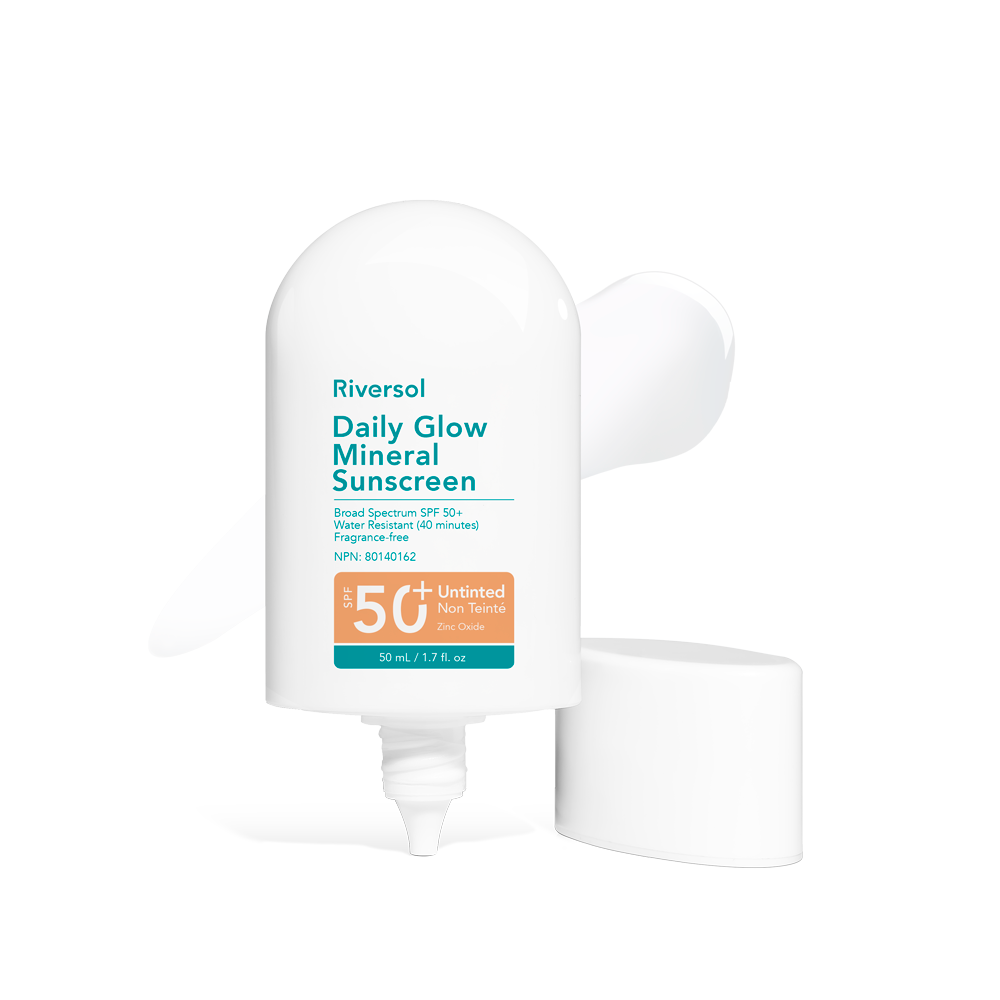
Retinol increases photosensitivity by accelerating cell turnover and temporarily thinning the stratum corneum. UV-induced oxidative stress will undo collagen gains faster than any retinol can rebuild them. Daily use of a broad-spectrum sunscreen rated SPF 30 or higher is not optional. Riversol's Daily Glow Mineral Sunscreen SPF 50+ is formulated for sensitive skin and suitable for use on the neck and chest.
Best Retinol for Sensitive Neck Skin: Riversol Retinol Neck Cream
For people with reactive, rosacea-prone, or easily irritated skin, finding a retinol that is both effective and sustainable is the core problem. Most standard neck retinol products on the market either lack the ingredient depth to produce real results or contain concentrations that reactive skin cannot tolerate past the first few applications.
This is where Hinokitiol, also called Beta-Thujaplicin (Beta-T), changes the formula. Beta-T is a natural compound extracted from the Western Red Cedar tree native to British Columbia, and it is clinically researched for its anti-inflammatory and antimicrobial properties. In the Retinol Neck Cream, Beta-T works to calm the inflammatory response that retinol typically triggers in sensitive skin, allowing the retinol to do its job at the cellular level without the surface-level burning and peeling that cause most people to quit.
Developed by Dr. Jason Rivers, MD, FRCPC, a board-certified dermatologist with decades of clinical practice treating sensitive and rosacea-prone skin, the formula pairs Retinol 0.1% with Niacinamide, Stabilised Vitamin C (Aminopropyl Ascorbyl Ascorbyl Phosphate), Tetrapeptide-21, Acetyl Dipeptide-1 Cetyl Ester, and Hyaluronic Acid. This combination addresses neck lines, crepey texture, uneven tone, dark spots, and visible sagging through multiple mechanisms simultaneously. Riversol is formulated and manufactured in Canada.
| Feature | Standard Drugstore Neck Retinol | Riversol Retinol Neck Cream |
|---|---|---|
| Key Ingredient | Retinol (varying concentration, no anti-inflammatory buffer) | Retinol 0.1% with Hinokitiol (Beta-T) anti-inflammatory buffer |
| Formula Texture | Variable; often rich or occlusive | Cream formulated specifically for neck and chest anatomy |
| Skin Sensation | Common: tingling, peeling, redness on neck tissue | Formulated to reduce irritation response in reactive skin |
| Key Co-Actives | Typically one or two moisturising agents | Niacinamide, Stabilised Vitamin C, two peptides, Hyaluronic Acid |
Dermatologist-developed for sensitive and reactive skin, the Retinol Neck Cream is among the few neck retinol formulas that address both the anti-aging and the tolerability challenge in a single product designed specifically for neck anatomy.

How to Use Retinol on Your Neck Without Irritation

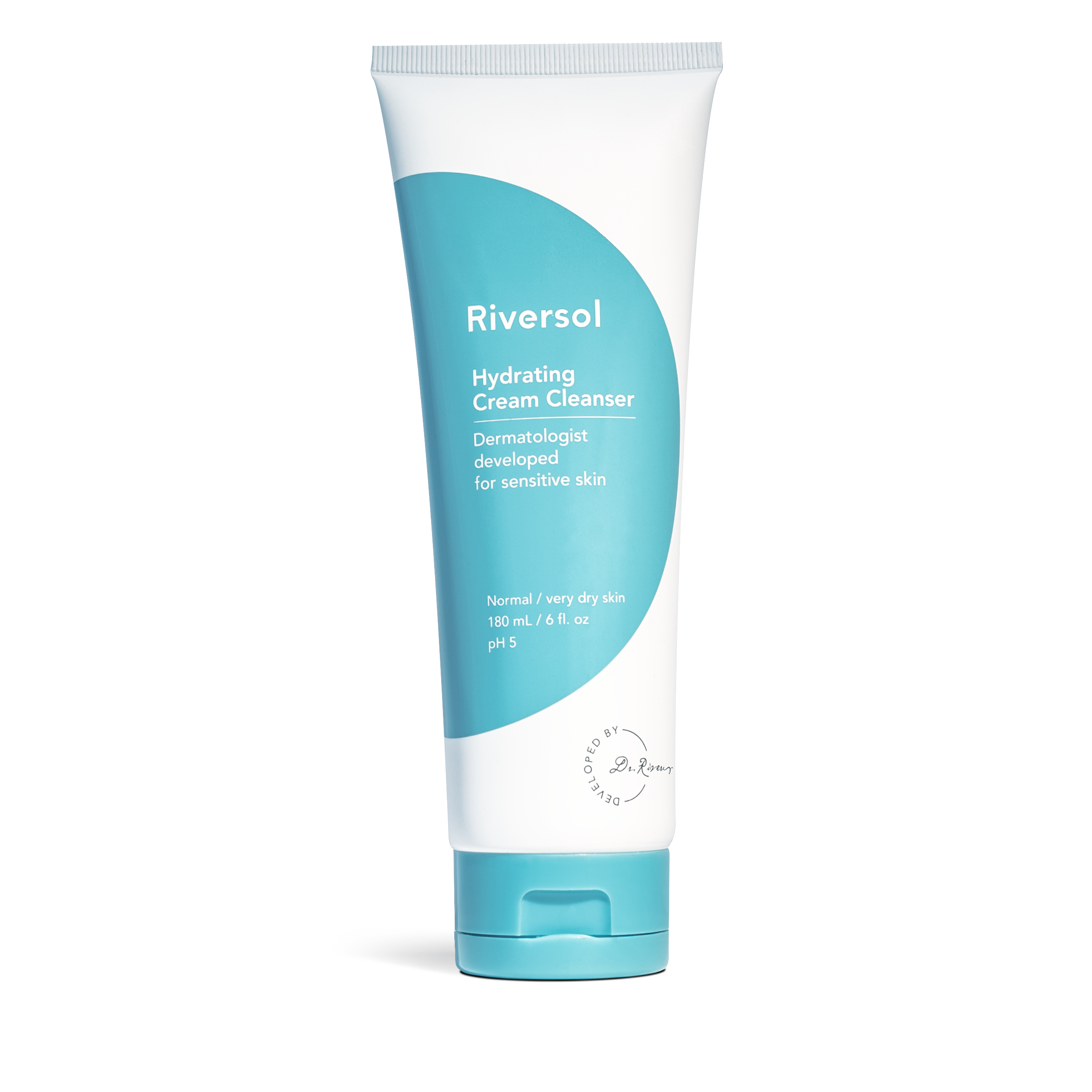
A practical routine for neck retinol use follows a simple sequence. Cleanse with a gentle, non-stripping formula such as the Hydrating Cream Cleanser. Allow skin to dry fully before applying retinol, as damp skin increases absorption and irritation risk. Apply a pea-sized amount to the neck and chest, working upward from the collarbone.
Begin with two or three nights per week and increase frequency as your skin adapts. Do not layer with other retinol products or acid exfoliants on the same application night. Follow the next morning with a moisturiser and broad-spectrum SPF on the neck. As of 2024 and continuing into 2026, dermatological guidance consistently emphasises that low-and-slow introduction is the most reliable path to sustained retinol benefits on thin, reactive skin tissue.
Frequently Asked Questions
What is the best retinol for neck wrinkles?
The best retinol for neck wrinkles is one that pairs an effective retinol concentration with anti-inflammatory and barrier-supporting co-actives, because neck skin is thinner and more reactive than facial skin. A formula containing Retinol 0.1%, niacinamide, peptides, and a calming agent such as Hinokitiol (Beta-T) provides meaningful results while remaining tolerable for consistent use. Consistency matters more than concentration when it comes to collagen remodelling on the neck.
Is it good to put retinol on your neck?
Yes, applying retinol to the neck is supported by dermatological evidence, including a clinical trial published in the Journal of Cosmetic Dermatology (2023) that specifically evaluated retinol on photoaged neck skin and found measurable improvement. The key is choosing a formula designed for thinner skin, starting at a lower frequency, and always following with daily sun protection. Applying a standard high-strength face retinol directly to the neck without adjustment is where most people run into problems.
Is there a neck firming cream that actually works?
Neck firming creams that contain proven actives, specifically retinol, peptides, and stabilised Vitamin C, have genuine clinical support for improving the appearance of lines, crepey texture, and mild laxity over time. The dermatological literature indicates that consistent use over a minimum of 12 weeks is required before structural changes in collagen density become visible. Products that combine multiple mechanisms (cell turnover, collagen signalling, and antioxidant protection) tend to produce more noticeable outcomes than single-ingredient formulas.
What do dermatologists recommend for crepey neck?
In clinical practice, dermatologists typically recommend a combination of topical retinol to stimulate cell turnover and collagen synthesis, hyaluronic acid to restore surface hydration, and peptides to support structural protein production. The American Academy of Dermatology also emphasises daily broad-spectrum sun protection as essential for preventing further photoaging that worsens crepey texture. For patients with sensitive or reactive skin, a buffered or lower-concentration retinol formula with calming co-actives is the starting recommendation before considering prescription-strength options.
References
- Mukherjee, S. et al. (2006). Retinoids in the treatment of skin aging: an overview of clinical efficacy and safety. Clinical Interventions in Aging. Available at: https://pmc.ncbi.nlm.nih.gov/articles/PMC2699641/
- Journal of Cosmetic Dermatology. (2023). Evaluation of a retinol-containing topical treatment to address photoaging of the neck. Wiley. Available at: https://pubmed.ncbi.nlm.nih.gov/37461826/
- Journal of the American Academy of Dermatology. (Published research confirming retinol and retinoid efficacy for collagen stimulation and photoaging reversal). Available at: jaad.org
- American Academy of Dermatology. (2024). Retinoids: Overview of use in skin aging and photoaging management. aad.org
Related Topics to Explore:
About Dr. Jason Rivers, MD
Dr. Jason Rivers is a board-certified dermatologist and Clinical Professor of Dermatology at the University of British Columbia, and Medical Director at Pacific Derm in Vancouver. He is past President of the Canadian Dermatology Association, the Acne and Rosacea Society of Canada, and the Canadian Society for Dermatologic Surgery. Dr. Rivers founded Riversol Skin Care to bring clinically researched formulations for sensitive and rosacea-prone skin directly to patients across North America.