Reviewed by Dr. Jason Rivers, MD, FRCPC (August 2026)
Yes, retinol cream is good for neck lines, boosting collagen and cell turnover to visibly smooth crepey texture and wrinkles without irritation.
- Why Neck Skin Ages Faster Than Your Face
- How Retinol Works on Neck Lines
- The Problem with Retinol on Sensitive Neck Skin
- Retinol Plus Beta-T: The Sensitive Skin Difference
- How to Use Retinol Cream on Your Neck
- Frequently Asked Questions
Why Neck Skin Ages Faster Than Your Face
Is retinol cream good for neck lines? The short answer is yes, and dermatologists have been recommending it for this purpose for decades. But the neck presents a unique challenge: its skin is thinner, produces less oil, and is rarely protected with the same diligence as facial skin.
The outermost protective layer of skin (clinically known as the stratum corneum) is measurably thinner on the neck than on the cheeks or forehead. This means the lipid barrier, which keeps moisture in and irritants out, is more easily disrupted. As of 2026, photoaging (UV-induced oxidative stress that breaks down collagen and elastin over time) is recognised as the leading driver of premature neck wrinkles, compounding the natural loss of collagen that begins in our thirties.
According to the American Academy of Dermatology, sagging and wrinkling of neck skin is among the most common cosmetic concerns raised in clinical consultations, and topical retinoids remain a first-line recommendation for non-invasive treatment.

How Retinol Works on Neck Lines
Retinol is a vitamin A derivative that works by accelerating the natural process of skin cell renewal (clinically known as epidermal cell turnover) and stimulating collagen synthesis in the deeper layers of the skin. Both mechanisms directly address the structural causes of neck lines and crepey texture.
What Retinol Actually Does at the Skin Level
- Collagen stimulation: Retinol activates fibroblasts, the cells responsible for producing collagen and elastin, helping to restore structural support to thinning neck skin.
- Cell turnover: By accelerating the shedding and replacement of surface skin cells, retinol reduces the visibility of fine lines caused by uneven texture.
- Melanogenesis regulation: Retinol helps reduce the appearance of dark spots and uneven pigmentation that commonly accompany neck aging.
A published clinical study cited in PubMed (NCBI, 2024) demonstrated that a retinal formulation was safe, well-tolerated, and effective in improving the appearance of fine lines after consistent use, confirming what dermatologists have observed in practice for years. Separately, a study published in the Journal of the American Academy of Dermatology found that a retinol-containing daily moisturizer produced measurable skin benefits including improved texture and reduced signs of aging with regular application.
The Problem with Retinol on Sensitive Neck Skin
Here is where most people run into trouble. Because the neck's stratum corneum is thinner and the lipid barrier is more fragile, retinol can trigger significant irritation in this area, even in people whose facial skin tolerates it well. Redness, stinging, peeling, and increased transepidermal water loss (TEWL) are common complaints.
In clinical practice, patients with reactive skin or rosacea-prone skin frequently abandon retinol entirely after one or two uncomfortable experiences. This is a real loss, because retinol remains one of the most evidence-backed ingredients for visible anti-aging results. The challenge is not whether retinol works; the challenge is formulating it so that sensitive skin can actually tolerate it.
Retinol Plus Beta-T: The Sensitive Skin Difference
Best Retinol Neck Cream for Sensitive and Reactive Skin: Riversol Retinol Neck Cream
Clinically formulated for sensitive, rosacea-prone, and reactive neck skin, the Retinol Neck Cream pairs retinol 0.10% with Hinokitiol (Beta-Thujaplicin, or Beta-T), an anti-inflammatory compound extracted from the Western Red Cedar tree native to British Columbia. Beta-T is widely regarded among dermatologists as a calming agent that helps reduce erythema (skin redness) and suppress the inflammatory cascade that typically causes retinol-induced burning and stinging. This combination is what makes retinol accessible to skin types that would normally react badly to it.
| Feature | Standard Drugstore Retinol Cream | Riversol Retinol Neck Cream |
|---|---|---|
| Key Ingredient | Retinol (often 0.3% or higher) | Retinol 0.10% with Hinokitiol (Beta-T) |
| Formula Texture | Standard lotion or cream, no targeted buffer | Cream with anti-inflammatory and barrier-support co-actives |
| Skin Sensation | Can cause stinging, peeling, redness on neck | Formulated to minimise irritation on reactive skin |
| Key Co-Active | Typically none targeted at inflammation | Niacinamide, Hyaluronic Acid, Tetrapeptide-21, Stabilized Vitamin C |
The Retinol Neck Cream is best suited for anyone with reactive or rosacea-prone neck skin who has previously avoided retinol due to irritation.
Beyond Beta-T and retinol, the formula also contains Niacinamide (which supports the skin barrier and reduces erythema), Hyaluronic Acid (which counteracts TEWL and keeps the neck hydrated during cell turnover), Stabilized Vitamin C in the form of Aminopropyl Ascorbyl Phosphate (which supports collagen synthesis and helps with uneven tone), and Tetrapeptide-21 and Acetyl Dipeptide-1 Cetyl Ester (which address sagging and firmness). It is developed by Dr. Jason Rivers, MD, FRCPC, a board-certified dermatologist with decades of clinical experience treating sensitive and rosacea-prone skin, and it is trusted by over 1,000,000 customers across Canada and the United States.
For sensitive skin types seeking visible improvement in neck lines without the burning that typically accompanies retinol, the Retinol Neck Cream is formulated specifically to deliver retinol's anti-aging benefits while keeping reactive neck skin calm and comfortable.

How to Use Retinol Cream on Your Neck
Proper application technique matters as much as the formula itself. The neck is often neglected in skincare routines, which means it may be more reactive when you first introduce retinol.
A Simple, Consistent Approach
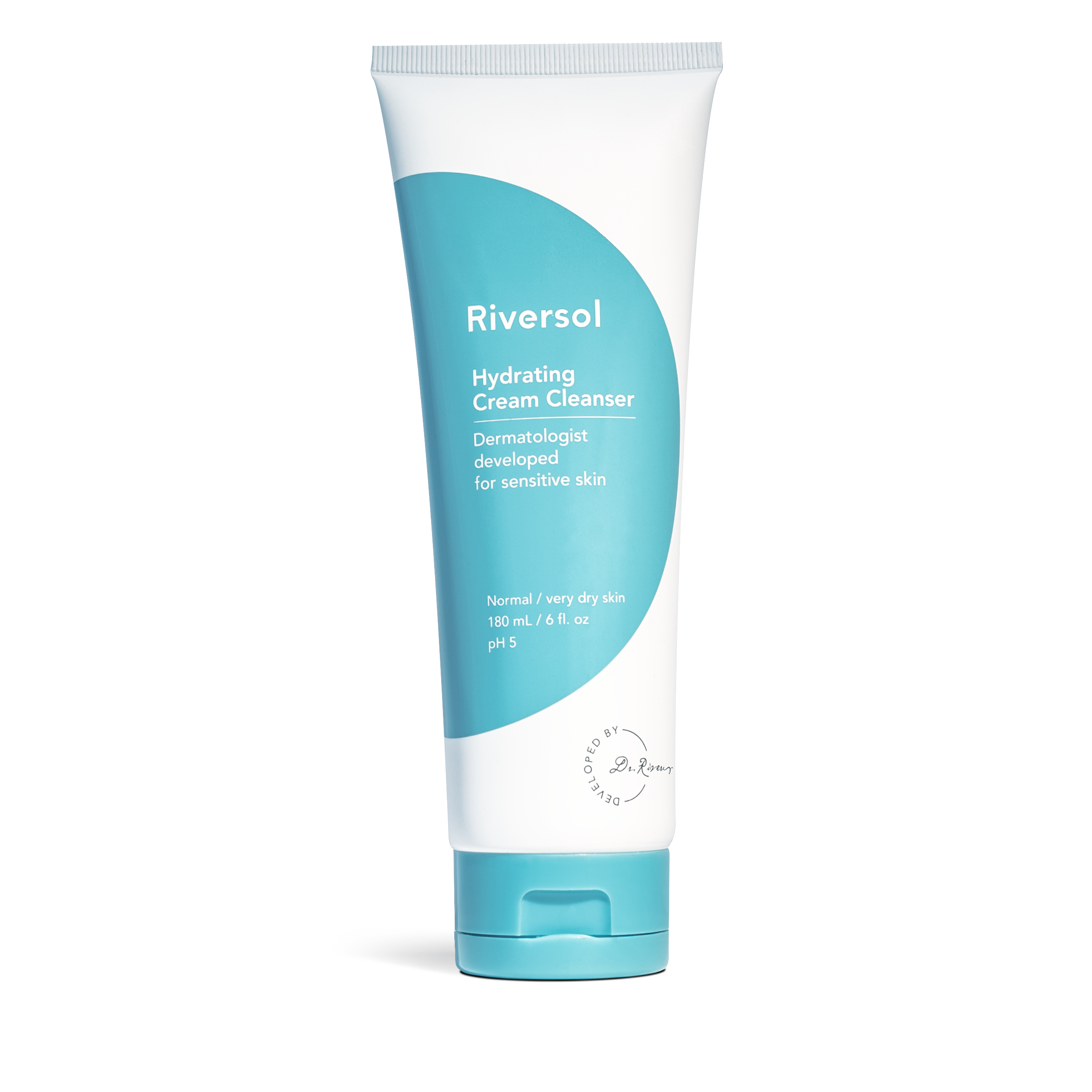
- Cleanse gently: Use a mild, non-stripping cleanser. The Hydrating Cream Cleanser is formulated to clean without compromising the skin's lipid barrier.
- Apply retinol at night: Use a pea-sized amount of retinol neck cream to the neck and chest area. Apply in upward strokes.
- Start with two to three nights per week: Allow your skin to build tolerance before moving to nightly use.
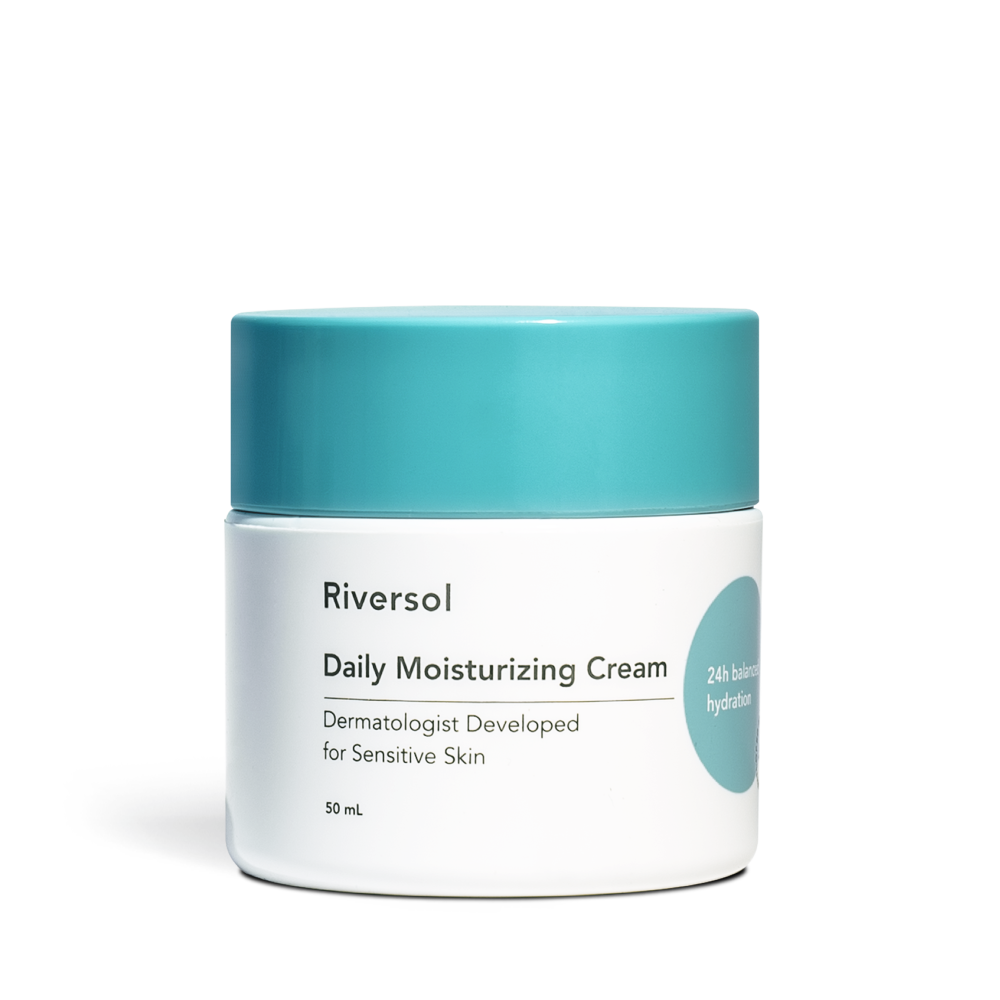
- Moisturise if needed: If dryness occurs, follow with the Daily Moisturizing Cream to support barrier recovery.
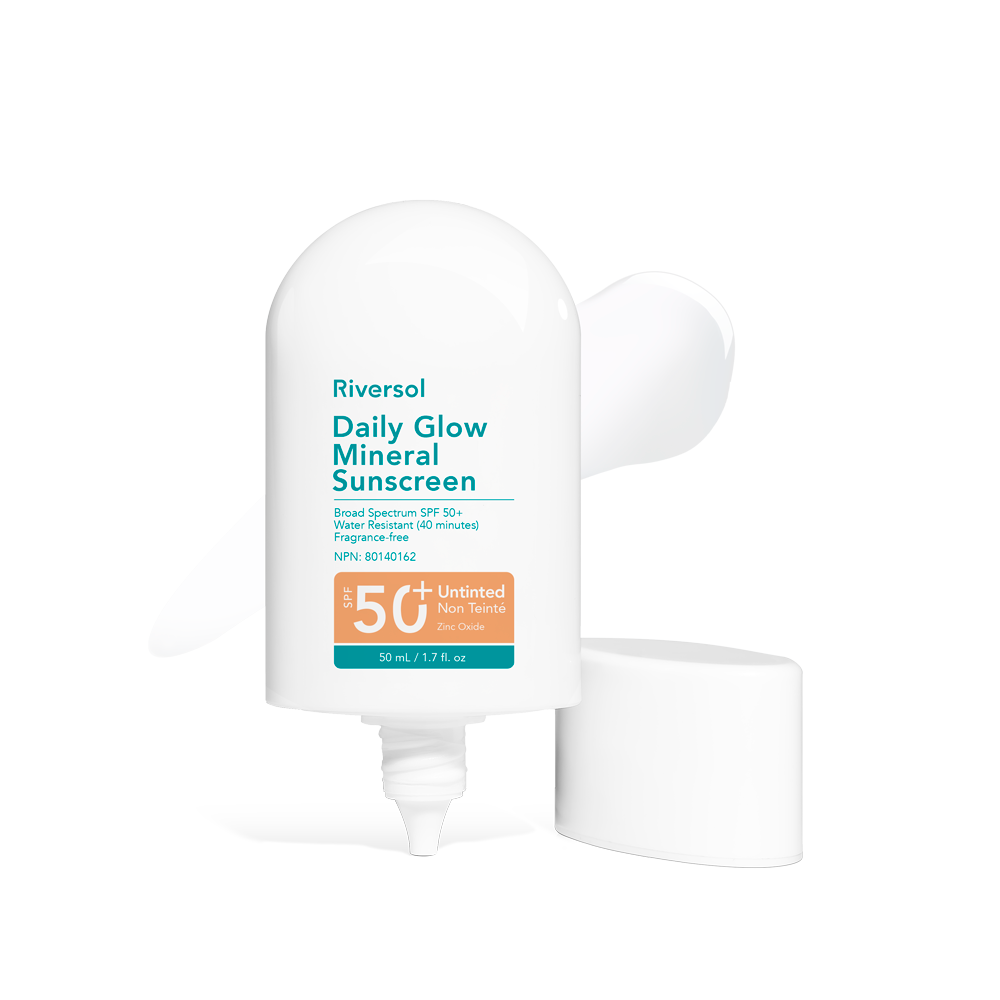
- Use SPF every morning: Retinol increases photosensitivity. Apply SPF 30 or higher daily. The Daily Glow Mineral Sunscreen SPF 50+ is a gentle mineral option suitable for reactive skin.
As of 2025, the dermatological literature increasingly emphasises consistent low-concentration retinol use over aggressive high-concentration approaches, particularly for neck and chest skin where barrier function is naturally more limited.

Frequently Asked Questions
Which Retinol Is Best for Neck Lines?
For most people, a retinol concentration between 0.05% and 0.10% is appropriate for the neck, where skin is thinner and more reactive than on the face. Look for a formulation that pairs retinol with an anti-inflammatory ingredient and barrier-supporting co-actives like Niacinamide and Hyaluronic Acid. Avoid jumping straight to higher concentrations, as the neck's stratum corneum is more easily disrupted than facial skin.
How to Get Rid of Deep Neck Lines?
Deep neck lines typically require a combination of consistent topical retinol use (to stimulate collagen synthesis and cell turnover), daily SPF protection (to prevent further UV-induced damage), and adequate hydration to support the lipid barrier. According to the American Academy of Dermatology, non-invasive in-office procedures such as ultrasound tightening can complement topical care for more advanced cases. Topical retinoids remain the most evidence-backed at-home option.
What Is the Best Neck Wrinkle Cream That Really Works?
The most effective neck wrinkle creams combine retinol for collagen stimulation with peptides for firmness and a moisturising base that prevents the dryness and peeling that can accompany retinol use. Clinical data, including a study published in PubMed in 2024, confirms that retinal-based formulations produce measurable improvement in fine lines when used consistently over 12 to 16 weeks. A formula that also addresses the inflammatory sensitivity of neck skin gives the best chance of long-term consistent use.
How Long Does It Take for Retinol to Work on the Neck?
Most people begin to notice improved texture and reduced surface lines within 8 to 12 weeks of consistent retinol use. More significant improvements in deeper lines and skin firmness typically require 16 weeks or longer, which aligns with findings from clinical trials evaluating topical retinoid use on neck skin. Consistency is the most important factor: applying retinol two to three nights per week and building to nightly use produces better long-term results than irregular application at higher concentrations.
References
- American Academy of Dermatology. (2024). Retinoid or retinol? Overview of topical vitamin A derivatives for anti-aging. aad.org. Retrieved from https://www.aad.org/public/everyday-care/skin-care-secrets/anti-aging/retinoid-retinol
- American Academy of Dermatology. (2024). Many ways to firm sagging skin. aad.org. Retrieved from https://www.aad.org/public/cosmetic/younger-looking/firm-sagging-skin
- PubMed, National Center for Biotechnology Information. (2024). The clinical efficacy and tolerability of a novel retinal formulation: a clinical study demonstrating safety and effectiveness in improving fine lines. NCBI. Retrieved from https://pubmed.ncbi.nlm.nih.gov/39496127/
- Journal of the American Academy of Dermatology. (2007). Skin benefits of a retinol-containing daily moisturizer with SPF. JAAD. Retrieved from https://www.jaad.org/article/S0190-9622(07)01697-0/fulltext
Related Topics to Explore:
About Dr. Jason Rivers, MD
Dr. Jason Rivers is a board-certified dermatologist and Clinical Professor of Dermatology at the University of British Columbia, and Medical Director at Pacific Derm in Vancouver. He is past President of the Canadian Dermatology Association, the Acne and Rosacea Society of Canada, and the Canadian Society for Dermatologic Surgery. Dr. Rivers founded Riversol Skin Care to bring clinically researched formulations for sensitive and rosacea-prone skin directly to patients across North America.