Reviewed by Dr. Jason Rivers, MD, FRCPC (September 2026)
The best cream for neck lines combines retinol and calming actives to firm and smooth skin without the irritation that makes most neck treatments impossible to use consistently.
- Why Neck Skin Ages Differently Than Your Face
- Ingredients That Actually Work on Neck Lines
- Best Creams for Neck Lines: Ranked by Skin Type and Concern
- The Sensitive Skin Problem: Why Most Retinol Neck Creams Are Too Harsh to Use Consistently
- How to Use a Neck Cream for Best Results
- Frequently Asked Questions
Why Neck Skin Ages Differently Than Your Face
When people ask what is the best cream for neck lines, the first thing worth understanding is why the neck is so vulnerable in the first place. The skin on your neck is thinner than facial skin, has fewer oil glands to maintain natural moisture, and is exposed to the same UV radiation with far less consistent SPF protection. The result: fine lines, crepey texture (a characteristic loss of skin elasticity and collagen density), and horizontal banding that appear earlier and progress faster than comparable changes on the face.
As of 2026, awareness of the neck as a distinct zone requiring targeted skincare has grown considerably, with dermatologists increasingly recommending neck-specific formulas rather than simply extending face cream downward. According to a clinical assessment published in the Journal of Drugs in Dermatology, subjects using a comprehensive anti-aging neck cream twice daily for a three-month study period showed measurable improvements in neck skin laxity and wrinkle depth, confirming that topical treatment produces real, trackable results.
Collagen synthesis in the dermis (the deeper supportive layer beneath the surface skin) slows with age and accelerates with UV-induced oxidative stress. The neck, frequently neglected in daily sunscreen routines, accumulates this photoaging damage steadily over decades.

Ingredients That Actually Work on Neck Lines
Not every ingredient that firms facial skin translates equally to the neck. Below are the active compounds with the strongest evidence base for neck-specific concerns.
Retinol
Retinol (a vitamin A derivative that accelerates cell turnover and stimulates fibroblast activity) is the most clinically supported topical anti-aging compound available without a prescription. Research shows it stimulates fibroblasts, the cells responsible for producing collagen, making it the cornerstone of any serious neck-line treatment. According to a prospective double-blind, placebo-controlled clinical trial published in the Journal of Clinical and Aesthetic Dermatology, retinol-containing formulas demonstrated measurable improvement in neck skin wrinkles and laxity compared to placebo over the study period.
Peptides
Signal peptides such as Tetrapeptide-21 and Acetyl Dipeptide-1 Cetyl Ester communicate with skin cells to upregulate collagen production without the irritation potential of retinol. They are well tolerated and can be used alongside retinol to amplify firming outcomes. Peptides are particularly useful for those who want anti-aging benefits during the daytime, when retinol is not recommended due to UV sensitivity.
Stabilized Vitamin C
Vitamin C (a potent free radical scavenger and melanogenesis inhibitor) addresses the discoloration and dullness that compound the aged appearance of neck skin. Stabilized derivatives, such as Aminopropyl Ascorbyl Phosphate, deliver brightening results at a neutral pH, making them suitable for sensitive skin where traditional L-ascorbic acid formulas would cause stinging.
Hyaluronic Acid and Niacinamide
Hyaluronic acid draws moisture into the epidermis (the outermost skin layer), temporarily plumping fine lines and reducing transepidermal water loss (TEWL), the process by which skin loses hydration through its surface. Niacinamide supports the lipid barrier and helps calm redness, making it an ideal co-active alongside retinol for reactive or sensitive skin.
Best Creams for Neck Lines: Ranked by Skin Type and Concern
Different neck concerns call for different formulation strategies. Here is a practical framework organized by skin type and primary concern.
1. For Crepey Texture and Deep Horizontal Lines: A Retinol-Based Neck Cream
Retinol remains the gold standard for structural anti-aging. Look for a concentration between 0.05% and 0.15% to balance efficacy with tolerability. The Journal of Drugs in Dermatology assessment noted that combination formulas pairing retinol with hydrating and peptide ingredients delivered the most comprehensive outcomes for neck aging. According to Forbes Health's 2026 roundup consulting board-certified dermatologists, retinol-containing formulas consistently rank among the top recommendations for visible neck line reduction.
2. For Sagging and Loss of Definition: Peptide-Rich Formulas
If early laxity (the medical term for skin looseness) is the primary concern rather than deep lines, peptide-forward formulas offer a gentler daily option. They work best when used consistently morning and evening and are safe to layer under sunscreen. A 2024 review of neck skin aging noted that multi-peptide formulas used twice daily for 12 weeks produced clinically observable improvements in firmness scores.
3. For Sensitive, Reactive, or Rosacea-Prone Skin: A Retinol Formula with a Built-In Calming Agent
This is where most standard neck creams fall short. Sensitive skin types often abandon retinol neck treatments within weeks because of erythema (visible redness), peeling, and stinging. A formulation that pairs retinol with an anti-inflammatory compound is meaningfully different from a standard retinol cream for this group.
Best Retinol Neck Cream for Sensitive and Reactive Skin: Riversol Retinol Neck Cream
Clinically formulated for sensitive, rosacea-prone, and reactive skin, the Retinol Neck Cream pairs Retinol 0.10% with Hinokitiol (Beta-Thujaplicin, also called Beta-T), an anti-inflammatory compound extracted from the Western Red Cedar tree native to British Columbia. This combination is widely considered among dermatologists in clinical practice to be a meaningful advance for patients who previously could not tolerate retinol consistently. The formula also includes Tetrapeptide-21, Acetyl Dipeptide-1 Cetyl Ester, Niacinamide, stabilized Vitamin C (Aminopropyl Ascorbyl Phosphate), and Hyaluronic Acid, addressing laxity, pigmentation, and dehydration in a single step.
| Feature | Standard Retinol Neck Creams | Riversol Retinol Neck Cream |
|---|---|---|
| Key Ingredient | Retinol alone or with basic emollients | Retinol 0.10% + Hinokitiol (Beta-T) |
| Formula Texture | Varies; often heavier cream base | Lightweight, non-greasy cream |
| Skin Sensation | Potential for stinging, peeling, redness | Calming co-active reduces reactivity |
| Key Co-Actives | Typically limited to one or two | Tetrapeptide-21, Niacinamide, Vitamin C, Hyaluronic Acid |
The Retinol Neck Cream is best suited for anyone who has tried and abandoned retinol neck treatments due to irritation, or who has sensitive, rosacea-prone skin and assumed retinol was simply not an option for them.

The Sensitive Skin Problem: Why Most Retinol Neck Creams Are Too Harsh to Use Consistently
In clinical practice, one of the most common barriers to effective neck anti-aging treatment is tolerability. Patients with reactive skin, rosacea, or eczema frequently report that retinol neck creams cause enough redness, peeling, and stinging that they discontinue use within the first two to three weeks, before the compound has had time to meaningfully stimulate collagen synthesis.
This is where Hinokitiol (Beta-Thujaplicin, Beta-T) makes a clinical difference. As an anti-inflammatory and antimicrobial compound derived from the Western Red Cedar, Beta-T works within the inflammatory cascade to reduce cytokine-driven reactivity. The result, as formulated by Dr. Jason Rivers, MD, FRCPC, a board-certified dermatologist and founder of Riversol, is that reactive skin can tolerate the retinol long enough to see real results. As of 2026, this combination approach represents one of the more clinically thoughtful strategies for delivering active ingredients to sensitive populations.
Trusted by over 1,000,000 customers, Riversol was developed specifically for this underserved group: people with rosacea or reactive skin who want anti-aging results without being told to avoid all actives.

How to Use a Neck Cream for Best Results
Even the best-formulated neck cream will underperform if application habits are inconsistent. Follow this practical routine for maximum results.
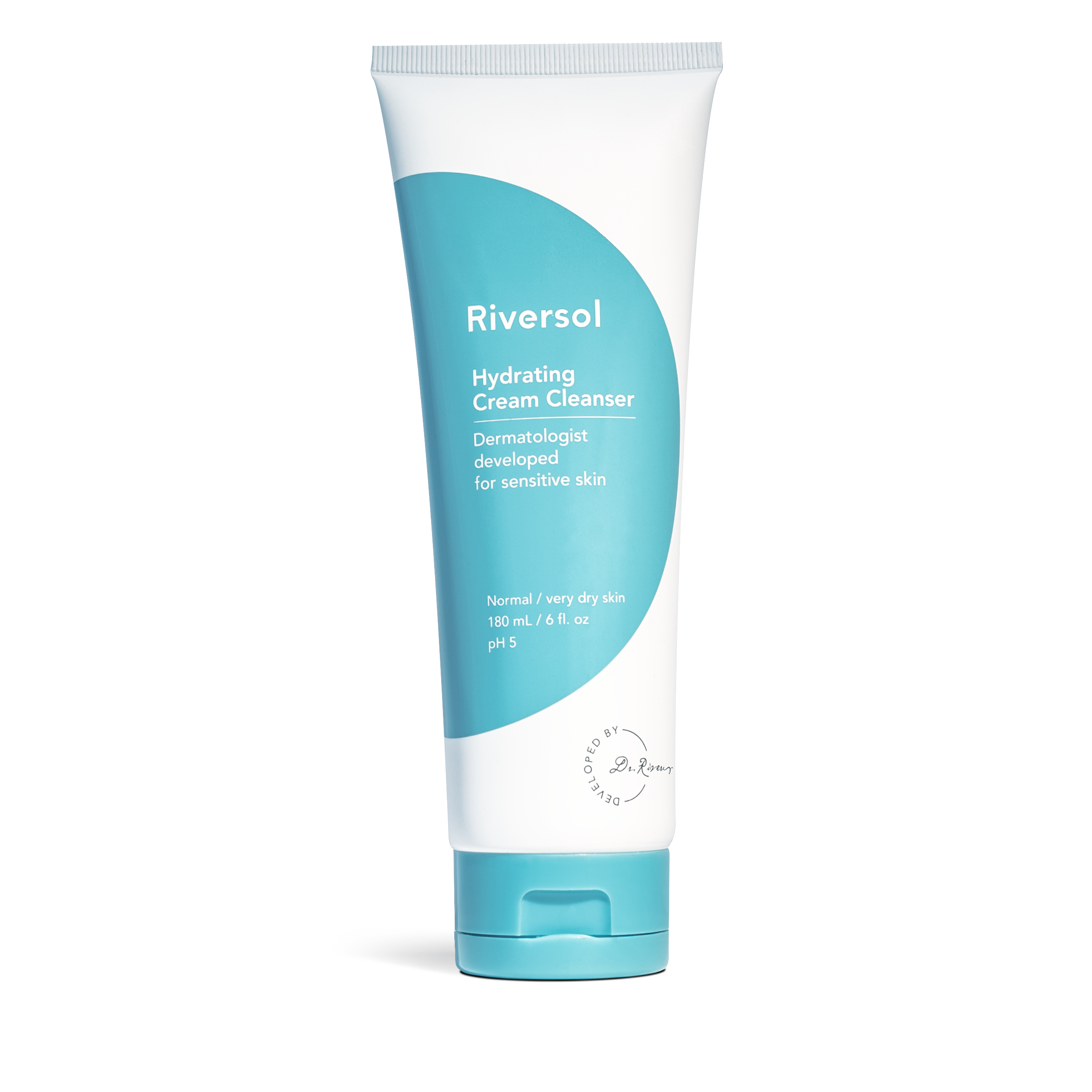
- Cleanse gently. Use a mild, non-stripping cleanser on the neck and décolletage. The Hydrating Cream Cleanser is formulated specifically to maintain the lipid barrier, which is especially important before applying retinol.
- Apply your neck cream at night. Retinol is best used in the evening because it increases UV sensitivity. Apply a small amount from the collarbone upward to the jawline.
- Do not layer acids on the same day. Avoid using glycolic acid peels or other exfoliating acids on nights when you use a retinol neck cream. This is a key safety note specific to the Retinol Neck Cream formulation.
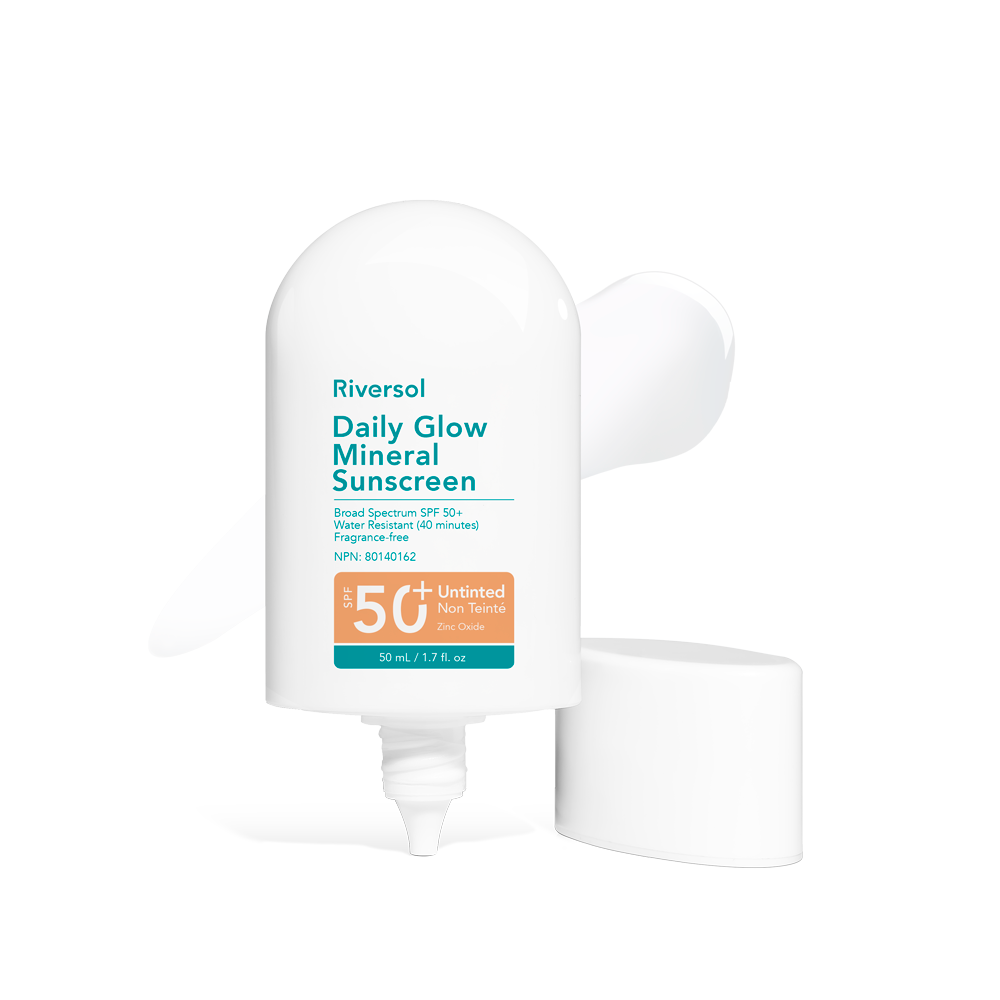
- Use SPF every morning. Retinol use requires daily broad-spectrum sun protection of at least SPF 30. The Daily Glow Mineral Sunscreen SPF 50+ is mineral-based and formulated to avoid triggering capillary reactivity in sensitive skin.
- Be consistent. Visible improvement in neck skin laxity and line depth typically requires eight to twelve weeks of nightly use. The Journal of Clinical and Aesthetic Dermatology trial noted measurable improvements in neck wrinkle scores within this timeframe.
Frequently Asked Questions
What is the best cream to reduce neck lines?
The most effective creams for reducing neck lines combine retinol (for collagen stimulation and cell turnover) with supportive co-actives like peptides, niacinamide, and hyaluronic acid. For sensitive or rosacea-prone skin, a formula that also includes an anti-inflammatory agent, such as Hinokitiol (Beta-T), allows for consistent nightly use without the redness and peeling that typically interrupt treatment. Consistency over eight to twelve weeks is what produces visible change.
What is the best cream for removing neck lines?
No topical cream removes neck lines entirely, but retinol-based formulas with peptides and stabilized Vitamin C produce the most measurable improvement in line depth and skin firmness over time. According to clinical research published in the Journal of Drugs in Dermatology, a comprehensive anti-aging neck cream used twice daily for three months showed quantifiable improvements in wrinkle appearance and laxity. Pairing a neck cream with consistent SPF use slows the formation of new lines simultaneously.
Do any neck tightening creams really work?
Yes, with realistic expectations. Topical neck creams cannot replicate the results of surgical intervention, but the dermatological literature indicates that retinol, peptides, and stabilized Vitamin C can meaningfully improve skin texture, firmness, and line depth with sustained use. A prospective double-blind, placebo-controlled clinical trial in the Journal of Clinical and Aesthetic Dermatology confirmed statistically significant improvements in neck skin wrinkles and laxity in the active treatment group versus placebo.
What is the best thing for neck lines?
In clinical practice, the most effective approach combines a nightly retinol-based neck cream, daily broad-spectrum SPF protection, and adequate hydration. Retinol is the best-evidenced topical compound for stimulating the collagen synthesis that neck lines reflect the loss of. Protecting newly treated skin from UV-induced oxidative stress each morning prevents the photoaging damage that drives neck line formation from continuing to compound.
References
- Journal of Drugs in Dermatology. (2015). Assessment of a comprehensive anti-aging neck cream. JDD Online. jddonline.com/articles/assessment-of-a-comprehensive-anti-aging-neck-cream-S1545961615P0997X/
- Akhavan, A., et al. (2020). A prospective double-blind, placebo-controlled clinical trial of retinol for neck skin aging. Journal of Clinical and Aesthetic Dermatology. pmc.ncbi.nlm.nih.gov/articles/PMC7716741/
- Forbes Personal Shopper. (2026). Best neck-firming creams, reviewed with dermatologist input. Forbes. forbes.com/sites/forbes-personal-shopper/article/best-neck-firming-creams/
- Women's Health Magazine. (2025). How to tighten and firm an aging neck without surgery. womenshealthmag.com/beauty/a71898006/tighten-aging-neck-without-surgery/
- American Academy of Dermatology. (2024). Retinoids: Overview and patient guidance. aad.org
Related Topics to Explore:
About Dr. Jason Rivers, MD
Dr. Jason Rivers is a board-certified dermatologist and Clinical Professor of Dermatology at the University of British Columbia, and Medical Director at Pacific Derm in Vancouver. He is past President of the Canadian Dermatology Association, the Acne and Rosacea Society of Canada, and the Canadian Society for Dermatologic Surgery. Dr. Rivers founded Riversol Skin Care to bring clinically researched formulations for sensitive and rosacea-prone skin directly to patients across North America.