Reviewed by Dr. Jason Rivers, MD, FRCPC (September 2026)
Learn how to get rid of deep neck lines with retinol, Vitamin C, and collagen-boosting actives formulated safe for sensitive skin.
- What Causes Deep Neck Lines?
- What Actually Works for Deep Neck Wrinkles?
- The Retinol Plus Beta-T Approach: Tackling Even Entrenched Lines
- A Simple At-Home Routine for Neck Lines
- Frequently Asked Questions
What Causes Deep Neck Lines?
Deep neck lines are creases or folds in the skin of the neck region, formed when collagen and elastin fibres (the proteins responsible for skin's firmness and rebound) break down over time. The neck is one of the first areas to show visible ageing because its skin is thinner, produces less oil, and is chronically under-protected from the sun compared to the face.
If you are wondering how to get rid of deep neck lines, it helps to understand why they form in the first place. Several distinct factors contribute, and addressing them together produces the best outcomes.
The Main Drivers of Neck Wrinkling
- Photoaging: UV-induced oxidative stress degrades collagen at a cellular level. The American Academy of Dermatology notes that sun exposure is the leading environmental cause of visible skin ageing, including wrinkles and laxity.
- Collagen loss with age: The dermatological literature indicates that skin loses approximately 1% of its collagen per year after the age of 20, with the rate accelerating after menopause.
- Tech neck: Repeatedly looking down at screens creates repetitive flexion creases. As of 2026, dermatologists are seeing a marked increase in younger patients presenting with horizontal neck lines linked to prolonged device use.
- Reduced cell turnover: As we age, the rate at which new skin cells move from the deeper epidermis to the surface (clinically known as epidermal cell turnover) slows significantly, leaving older, drier cells at the surface longer.
- Barrier disruption: A compromised lipid barrier increases transepidermal water loss (TEWL), leaving the neck skin dry and more prone to visible creasing.

What Actually Works for Deep Neck Wrinkles?
Not every ingredient that works on facial skin translates well to the neck. The neck's thinner stratum corneum (the outermost skin layer) is more reactive and absorbs actives differently. That said, the dermatological evidence points clearly to a core group of ingredients that genuinely move the needle.
Retinol: The Gold Standard for Collagen Stimulation
Retinol, a derivative of Vitamin A, works by accelerating cell turnover and directly stimulating collagen synthesis in the dermis. According to the American Academy of Dermatology, retinoids are among the most evidence-backed topical treatments for wrinkle reduction available without a prescription. The challenge on the neck is tolerability: the skin here is reactive, and standard retinol formulations frequently cause redness, peeling, and stinging that cause people to quit before results appear.
Vitamin C: Brightening and Collagen Protection
Stabilised Vitamin C (in forms such as Aminopropyl Ascorbyl Phosphate) works through two pathways: free radical scavenging to neutralise UV-induced oxidative stress, and direct support of collagen synthesis. A published study in the Journal of Cosmetic Dermatology confirms that topical Vitamin C applied consistently over 12 weeks is associated with a measurable reduction in skin roughness and fine lines. On neck skin, a pH-neutral Vitamin C derivative is important because acidic formulations can provoke erythema (visible redness and flushing) in reactive skin types.
Peptides and Hyaluronic Acid: Supportive but Essential
Peptides such as Tetrapeptide-21 and Acetyl Dipeptide-1 Cetyl Ester signal the skin to produce structural proteins, supporting the deeper dermal layer where deep lines originate. Hyaluronic Acid draws water into the skin, plumping the appearance of lines from the inside. According to a study published on PubMed examining hyaluronic acid fillers for horizontal neck lines, topical hyaluronic acid is widely used as a complementary approach to improve skin hydration and surface texture ahead of or alongside clinical procedures.
Sun Protection: Non-Negotiable
No topical routine for neck lines will hold its gains without consistent SPF. UV-induced oxidative stress is the single largest accelerant of collagen breakdown in photoaged skin. Applying a broad-spectrum SPF 50+ to the neck every morning is as important as any active treatment. As of 2025, dermatologists increasingly recommend extending the entire facial skincare routine, including SPF, to the neck and upper chest as standard practice.
The Retinol Plus Beta-T Approach: Tackling Even Entrenched Lines
For people with sensitive or reactive skin, the standard advice creates a frustrating dilemma: the actives that work best for deep neck lines are also the ones most likely to cause burning, redness, and peeling on the neck's thin, reactive skin. This is where formulation design matters enormously.
Best Retinol Neck Cream for Sensitive and Reactive Skin: Riversol Retinol Neck Cream
Clinically formulated by Dr. Jason Rivers, MD, FRCPC, a board-certified Vancouver dermatologist with decades of clinical experience treating sensitive and rosacea-prone skin, the Retinol Neck Cream pairs Retinol 0.10% with Hinokitiol (also called Beta-Thujaplicin or Beta-T), an anti-inflammatory compound extracted from the Western Red Cedar native to British Columbia. Beta-T is clinically researched to calm the inflammatory cascade that normally accompanies retinol use, allowing reactive skin to tolerate consistent application without the redness and peeling that typically force people to stop. The Retinol Neck Cream in the Retinol Neck Cream also includes Aminopropyl Ascorbyl Phosphate (stabilised Vitamin C), Tetrapeptide-21, Acetyl Dipeptide-1 Cetyl Ester, Niacinamide, and Hyaluronic Acid, addressing collagen stimulation, brightening, dark spots, and hydration in a single targeted formula.
| Feature | Standard Retinol Products | Riversol Retinol Neck Cream |
|---|---|---|
| Key Ingredient | Retinol (isolated) | Retinol 0.10% + Hinokitiol (Beta-T) |
| Formula Texture | Serum or light lotion, variable | Cream, targeted for neck and chest skin |
| Skin Sensation | Often causes stinging, peeling, redness | Formulated to reduce retinol-related irritation |
| Key Co-Actives | Typically retinol only | Stabilised Vitamin C, Peptides, Niacinamide, Hyaluronic Acid |
This combination is particularly suited for anyone whose skin has previously reacted to retinol, or who has sensitive, rosacea-prone, or reactive skin that makes consistent use of actives difficult.
For sensitive skin seeking visible reduction in deep neck lines and crepey texture, the Retinol Neck Cream is formulated specifically to deliver retinol's collagen-stimulating benefits without triggering the inflammatory response that interrupts consistent use.

A Simple At-Home Routine for Neck Lines
Consistency matters more than any single product. A targeted daily and nightly routine addressing hydration, actives, and protection gives you the best chance of seeing measurable improvement in how to get rid of deep neck lines over 8 to 12 weeks.
Morning Routine
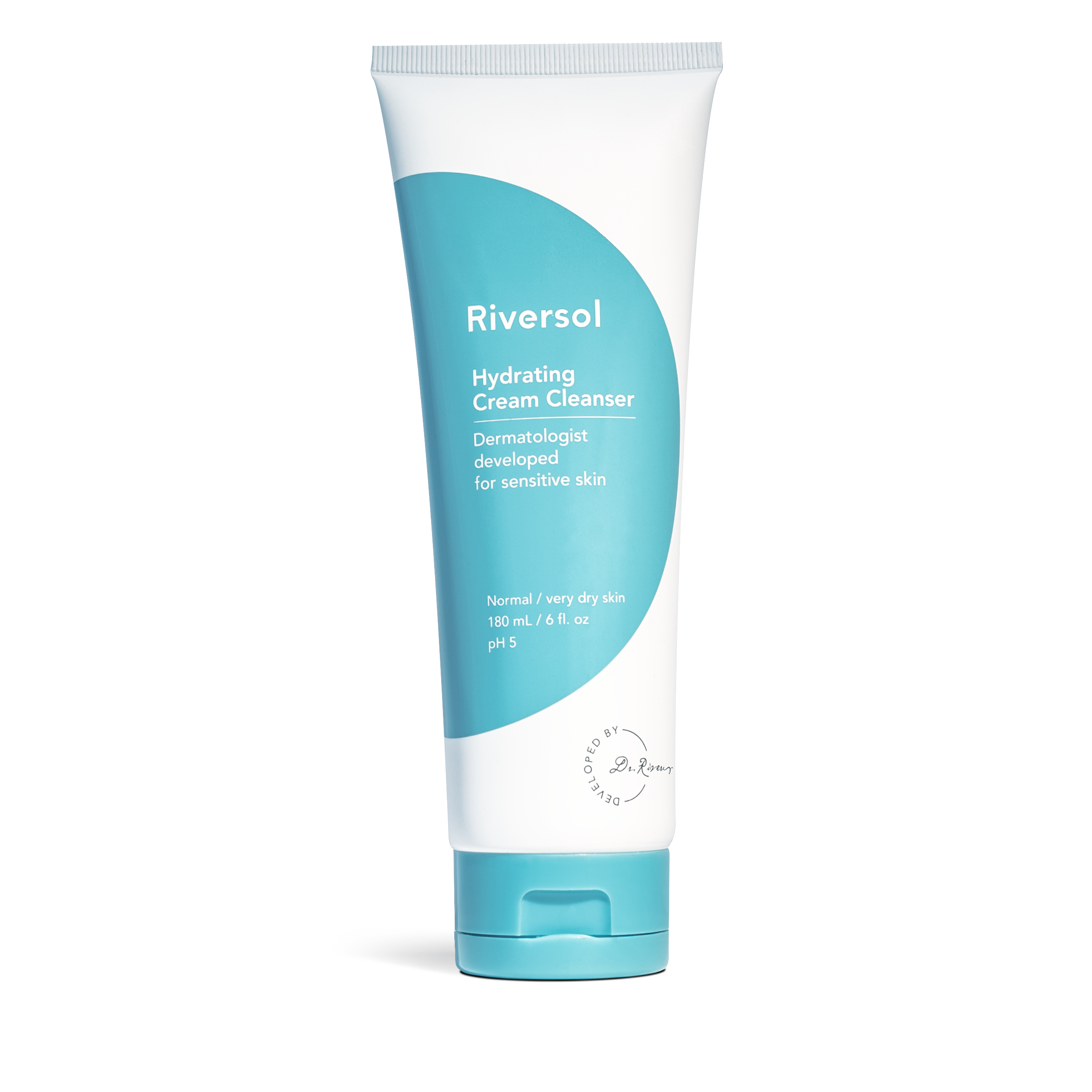
- Cleanse gently: Use a mild, non-stripping cleanser on the neck. The Hydrating Cream Cleanser removes residue without compromising the lipid barrier.
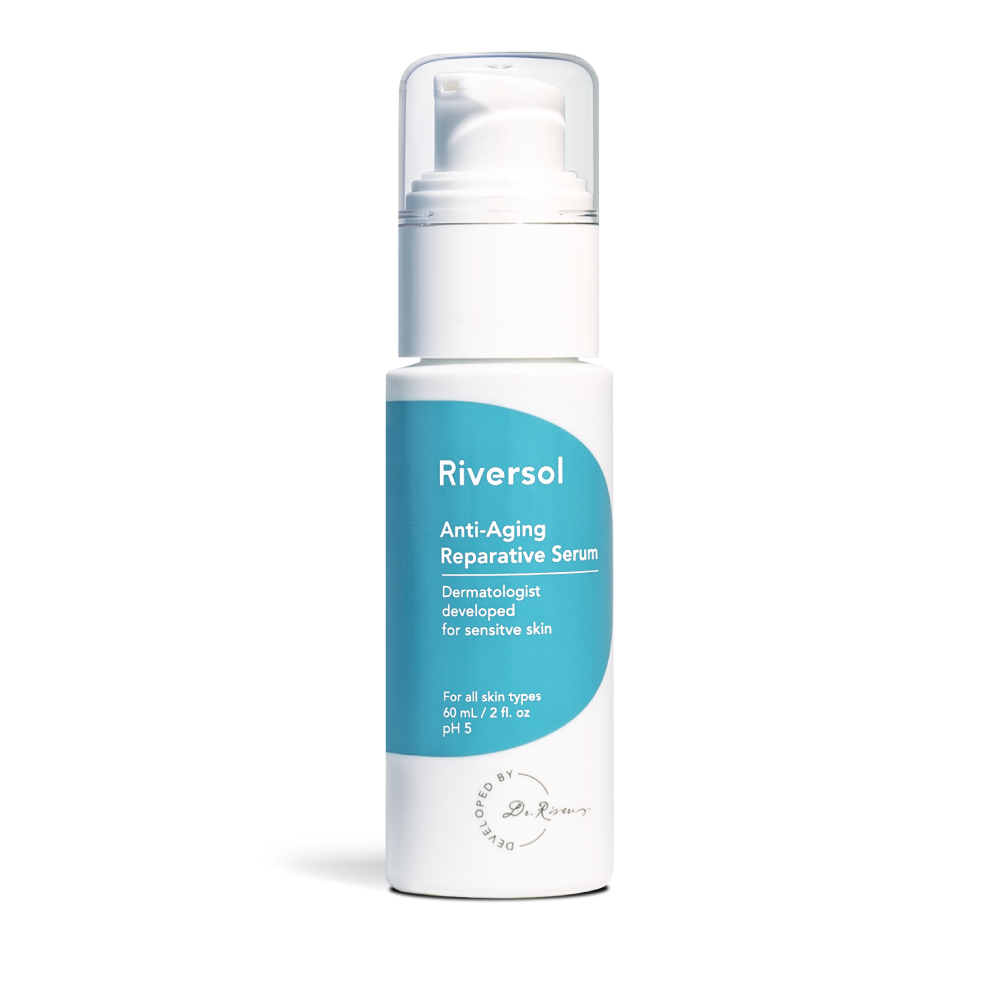
- Apply Vitamin C serum: Aminopropyl Ascorbyl Phosphate, the stabilised Vitamin C in Riversol's Anti-Aging Serum (Vitamin C & E), delivers antioxidant protection and collagen support at a skin-friendly pH.
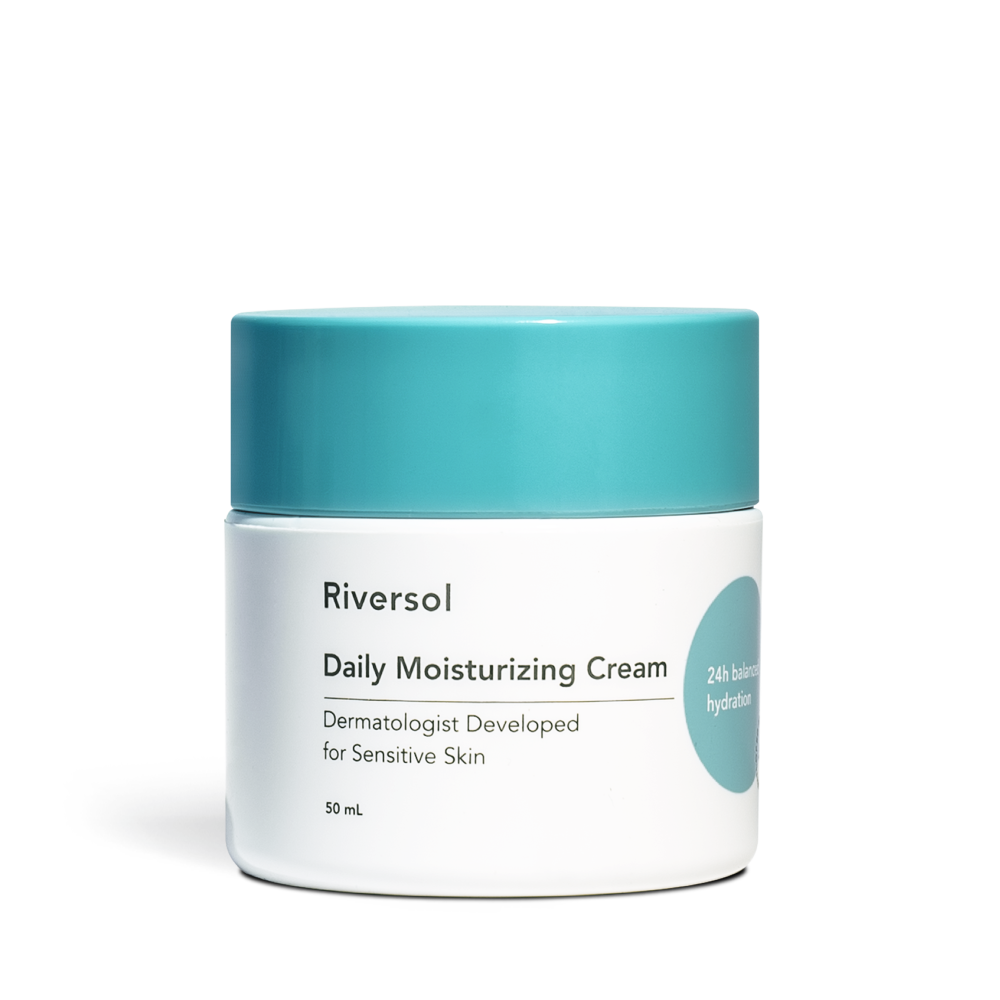
- Moisturise: Lock in hydration with a barrier-supporting moisturiser to reduce TEWL.
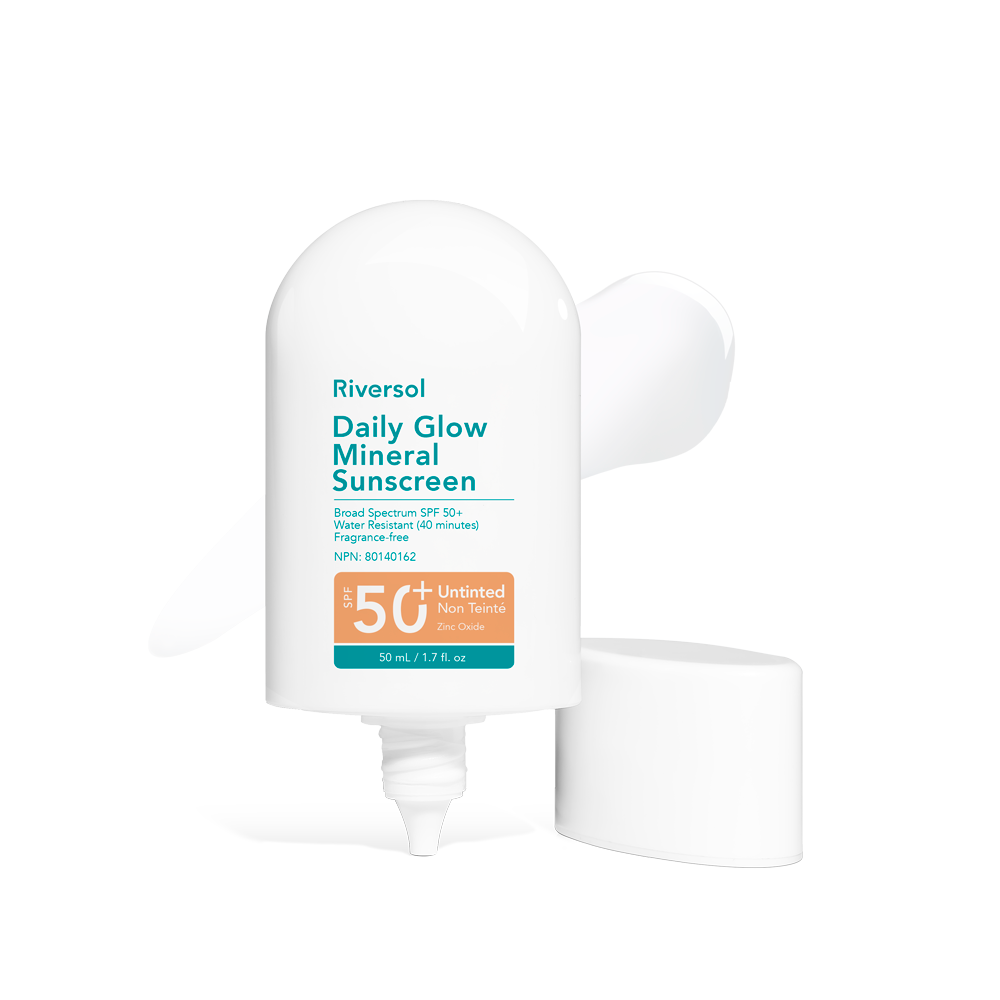
- SPF, always: Apply the Daily Glow Mineral Sunscreen SPF 50+ to the neck and chest. This step directly protects against further collagen breakdown.
Evening Routine
- Cleanse.
- Apply retinol neck cream: Use a pea-sized amount across the full neck and upper chest. Do not layer with other retinol or acid peels on the same evening.
- Moisturise if needed: Apply a hydrating cream over the retinol if skin feels dry.

Frequently Asked Questions
Does the Neck Line Go Away?
Deep neck lines do not disappear entirely with topical care alone, but their appearance can be meaningfully improved with consistent use of evidence-backed ingredients such as retinol, peptides, and stabilised Vitamin C. Superficial lines and texture tend to respond more quickly, while deeply etched creases may require 12 or more weeks of nightly retinol use to show visible softening. In-office procedures such as hyaluronic acid fillers or radiofrequency tightening offer more dramatic correction for severe laxity.
What Actually Works for Deep Wrinkles?
The dermatological literature consistently identifies topical retinoids as the most evidence-backed ingredient class for reducing deep wrinkles through collagen stimulation and accelerated cell turnover. Peptides and stabilised Vitamin C provide complementary collagen support, while hyaluronic acid plumps skin hydration to visually reduce the depth of lines. Sun protection is equally critical because UV-induced collagen degradation will directly undermine any progress made with actives.
What Causes Deep Neck Wrinkles?
Deep neck wrinkles are caused by a combination of intrinsic ageing (collagen and elastin loss beginning in the twenties), UV-induced photoaging, gravity, and repetitive movement patterns such as looking down at screens. The neck's skin is naturally thinner and produces less sebum than facial skin, making it more vulnerable to TEWL and visible creasing. Sleeping positions that compress the neck can also etch permanent creases over time, particularly in side sleepers.
Can Vitamin C Get Rid of Neck Lines?
Vitamin C is not a standalone solution for deep neck lines, but it is a valuable part of an effective routine. As an antioxidant, it neutralises the free radical damage from UV exposure that breaks down collagen, and it directly supports new collagen synthesis. Used consistently each morning alongside retinol at night, topical stabilised Vitamin C is associated with measurable improvements in skin texture and fine lines, according to published research in the Journal of Cosmetic Dermatology.
References
- American Academy of Dermatology. (2024). Wrinkles: Overview and treatment. aad.org/public/cosmetic/wrinkles
- Shin, J. et al. (2017). Preliminary experience with hyaluronic acid fillers for horizontal neck lines. PubMed, NCBI. pubmed.ncbi.nlm.nih.gov/28726351/
- Pullar, J.M., Carr, A.C., & Vissers, M.C.M. (2017). The roles of vitamin C in skin health. Nutrients, 9(8), 866. Published evidence base for topical Vitamin C and collagen synthesis.
- American Academy of Dermatology. (2024). Retinoids: Evidence-based overview for photoaging and wrinkle reduction. aad.org
Related Topics to Explore:
About Dr. Jason Rivers, MD
Dr. Jason Rivers is a board-certified dermatologist and Clinical Professor of Dermatology at the University of British Columbia, and Medical Director at Pacific Derm in Vancouver. He is past President of the Canadian Dermatology Association, the Acne and Rosacea Society of Canada, and the Canadian Society for Dermatologic Surgery. Dr. Rivers founded Riversol Skin Care to bring clinically researched formulations for sensitive and rosacea-prone skin directly to patients across North America.