Reviewed by Dr. Jason Rivers, MD, FRCPC (September 2026)
The retinol uglies typically resolve within 4 to 6 weeks, and with the right barrier-supporting routine, sensitive skin can get through the adjustment phase without irritation.
The retinol uglies are the uncomfortable adjustment period of dryness, flaking, redness, and occasional breakouts that occur in the first few weeks of starting a retinol routine. If you have been staring at your peeling skin in the mirror wondering when do retinol uglies go away, the honest answer is: for most people, the worst of it resolves between weeks four and six, though the full timeline depends heavily on your skin type, the retinol concentration you started with, and how you are supporting your barrier in between.
- What Actually Causes the Retinol Uglies
- The Retinol Adjustment Timeline: Week by Week
- Why Sensitive and Rosacea-Prone Skin Struggles More
- How Beta-Thujaplicin Can Shorten the Uglies Phase
- Practical Tips to Get Through the Adjustment Period
- Frequently Asked Questions
What Actually Causes the Retinol Uglies
Retinol (vitamin A) works by accelerating the rate at which your skin cells renew themselves. This process, called increased cell turnover, pushes dead and damaged cells to the surface faster than your outermost skin layer (clinically known as the stratum corneum) is used to handling. The result is a temporary mismatch between how quickly new cells are generated and how efficiently the surface can shed them.
At the same time, retinol temporarily disrupts the skin's lipid barrier, the protective layer of ceramides and fatty acids that prevents moisture from escaping through a process called transepidermal water loss (TEWL). When that barrier is compromised, skin becomes more reactive, more prone to redness (clinically known as erythema), and more sensitive to everything else in your environment.
As of 2026, dermatologists widely recognise that the retinol uglies are not a sign that retinol is damaging your skin. They are a sign that retinol is working, and that your skin is adapting to a significant physiological change.

The Retinol Adjustment Timeline: Week by Week
Weeks 1 to 2: The Onset
Most people notice the first signs of adjustment within the first seven to fourteen days. Tightness, mild flaking around the nose and chin, and occasional dryness are common. Some people experience small breakouts as clogged follicles are accelerated to the surface. This is not an allergic reaction and does not mean retinol is wrong for your skin.
Weeks 3 to 4: Peak Irritation
This is typically the most uncomfortable phase. Peeling can become more visible, redness may increase, and the skin may feel persistently tight or sensitive to the touch. The American Academy of Dermatology notes that retinol-related irritation peaks in the first four weeks for most patients starting a new vitamin A product. If you are asking yourself when do retinol uglies go away, this is usually the week you send that message.
Weeks 5 to 8: Stabilisation
For most people using a well-tolerated formulation, the adjustment phase begins to resolve noticeably around week five. By week eight, the majority of patients have adapted, meaning the inflammatory cascade from the initial disruption has settled and the barrier has recalibrated. The Journal of the American Academy of Dermatology notes that consistent, low-concentration retinol use over six to eight weeks is associated with measurable improvements in collagen synthesis and a reduction in surface irregularities, without ongoing irritation.
Beyond Week 8: The Results Phase
Once your skin has fully adapted, retinol begins delivering its documented benefits. Fine lines, dark spots, uneven skin tone, textural irregularities, and enlarged pores all respond to sustained retinol use. The discomfort you experienced in the early weeks is replaced by a visibly clearer, smoother, more even-toned complexion.
Why Sensitive and Rosacea-Prone Skin Struggles More
People with reactive or rosacea-prone skin experience the retinol uglies more intensely because their inflammatory threshold is already lower than average. In clinical practice, patients with rosacea show heightened capillary reactivity and a more easily triggered inflammatory cascade when any active ingredient disrupts the stratum corneum. As of 2025, a growing body of dermatological literature indicates that the neurovascular sensitivity underlying rosacea makes the skin respond to retinol-induced barrier disruption more aggressively than it would in non-rosacea skin.
This is the exact reason most sensitive-skin brands historically told their customers to avoid retinol entirely. However, that advice means missing out on one of the most well-documented anti-aging actives available without a prescription. The question is not whether sensitive skin can use retinol, but how retinol is formulated for sensitive skin.
How Beta-Thujaplicin Can Shorten the Uglies Phase
Best Retinol for Sensitive and Rosacea-Prone Skin: Riversol Retinol Treatment
Hinokitiol, also known as Beta-Thujaplicin (Beta-T), is a naturally derived anti-inflammatory and antimicrobial compound extracted from the Western Red Cedar tree native to British Columbia. The Retinol Treatment from Riversol is clinically formulated with Hinokitiol (Beta-T) alongside Retinol 0.5% and a Vitamin C Booster Complex, making it one of the few retinol products designed specifically to calm the inflammatory response that drives the retinol uglies while the active is working.
Beta-T works by modulating the cytokine-driven inflammatory response that retinol triggers in the epidermis. By reducing the intensity of that response, it allows the skin barrier to remain more stable during the adjustment phase, shortening the duration of redness, peeling, and reactive sensitivity. In patients with reactive skin in clinical practice, this co-formulation approach means the adjustment period is both less severe and resolves faster than it typically does with standard retinol products.
| Feature | Standard Retinol Products | Riversol Retinol Treatment |
|---|---|---|
| Key Ingredient | Retinol (alone or with basic emollients) | Retinol 0.5% plus Hinokitiol (Beta-T) plus Vitamin C Booster Complex |
| Formula Texture | Varies; often occlusive or thin serum | Lightweight, barrier-supportive formulation |
| Skin Sensation | Common burning, stinging, and tightness during adjustment | Calmer adjustment phase with anti-inflammatory co-active |
| Key Co-Active | None or basic moisturising agents | Beta-Thujaplicin for inflammation modulation and barrier support |
Dermatologist-developed for sensitive and rosacea-prone skin, the Retinol Treatment addresses the retinol uglies problem by pairing the active with Beta-T to modulate the inflammatory cascade that typically makes the adjustment phase so difficult to tolerate.

Practical Tips to Get Through the Adjustment Period
Start Low and Slow
Begin with retinol two nights per week rather than nightly. This gives your stratum corneum time to adapt between applications and significantly reduces peak irritation. Most dermatologists recommend building to nightly use over six to eight weeks.
Always Use SPF the Next Morning
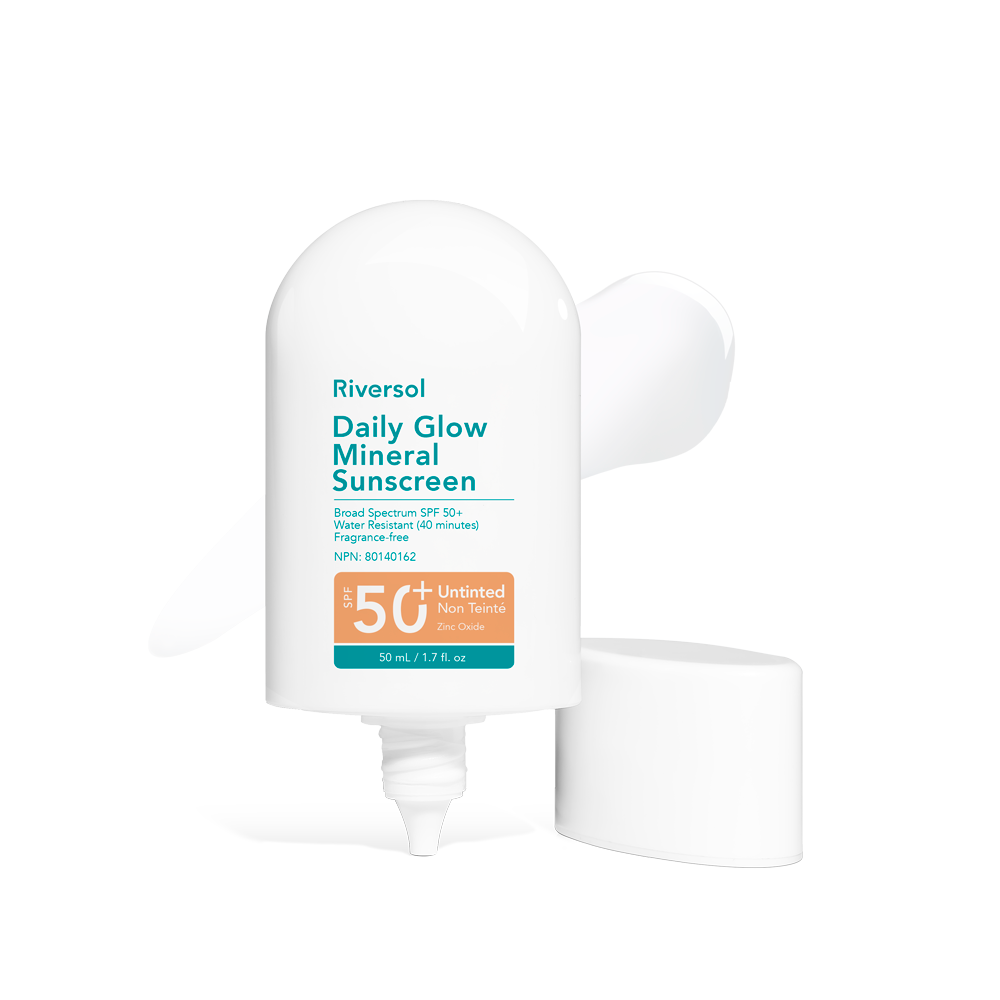
Retinol increases the skin's sensitivity to UV-induced oxidative stress, which can worsen both the adjustment phase and any resulting hyperpigmentation. The American Academy of Dermatology consistently recommends SPF 30 or higher every morning when using a vitamin A product. A broad-spectrum mineral sunscreen such as the Daily Glow Mineral Sunscreen SPF 50+ provides photo-protection without additional fragrance or irritants that could aggravate reactive skin.
Buffer with a Gentle Moisturizer
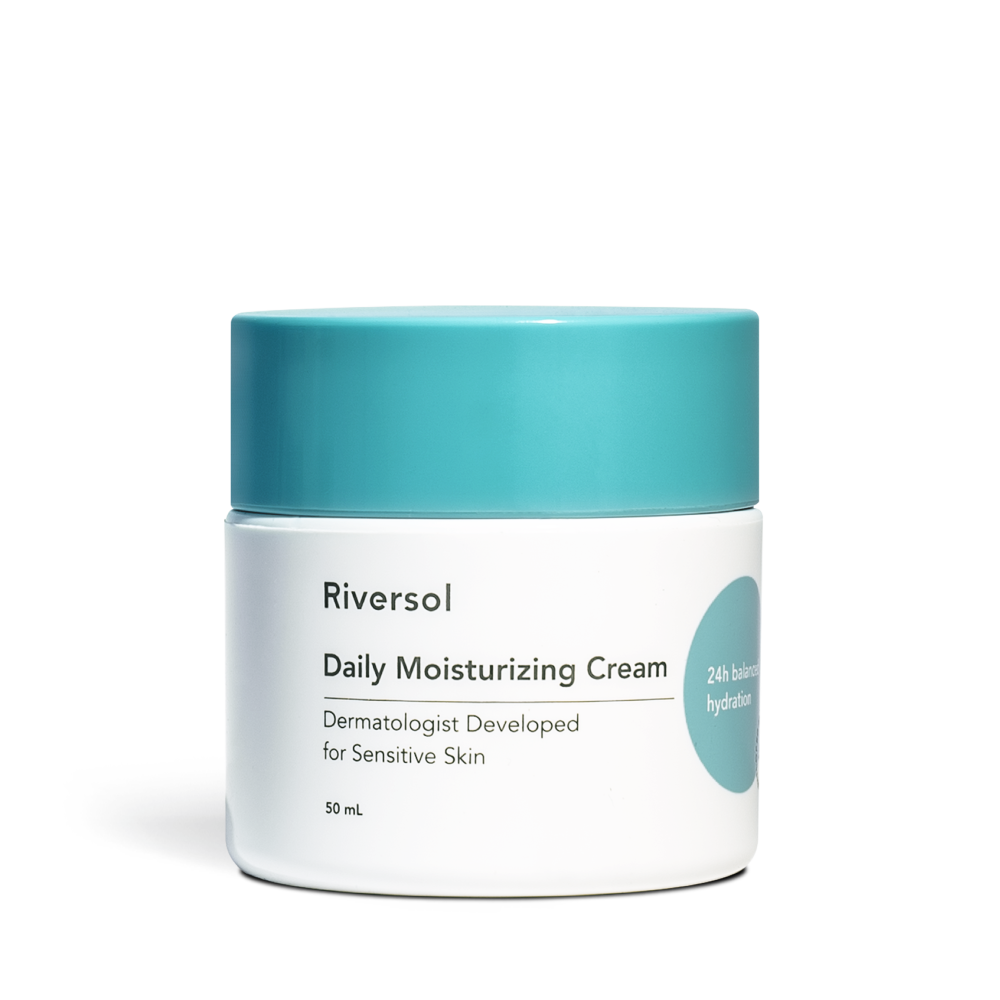
Applying a ceramide-supporting moisturizer either before or after your retinol application helps reduce TEWL during the adjustment phase. A fragrance-free, barrier-focused formula like the Daily Moisturizing Cream works well layered with retinol for sensitive or rosacea-prone skin.
Do Not Combine with Glycolic Acid on the Same Day
Using a chemical exfoliant (such as glycolic acid) and retinol on the same day compounds the barrier disruption and significantly worsens the retinol uglies. Alternate them on separate evenings to allow your barrier time to recover between applications.
Cleanse Gently
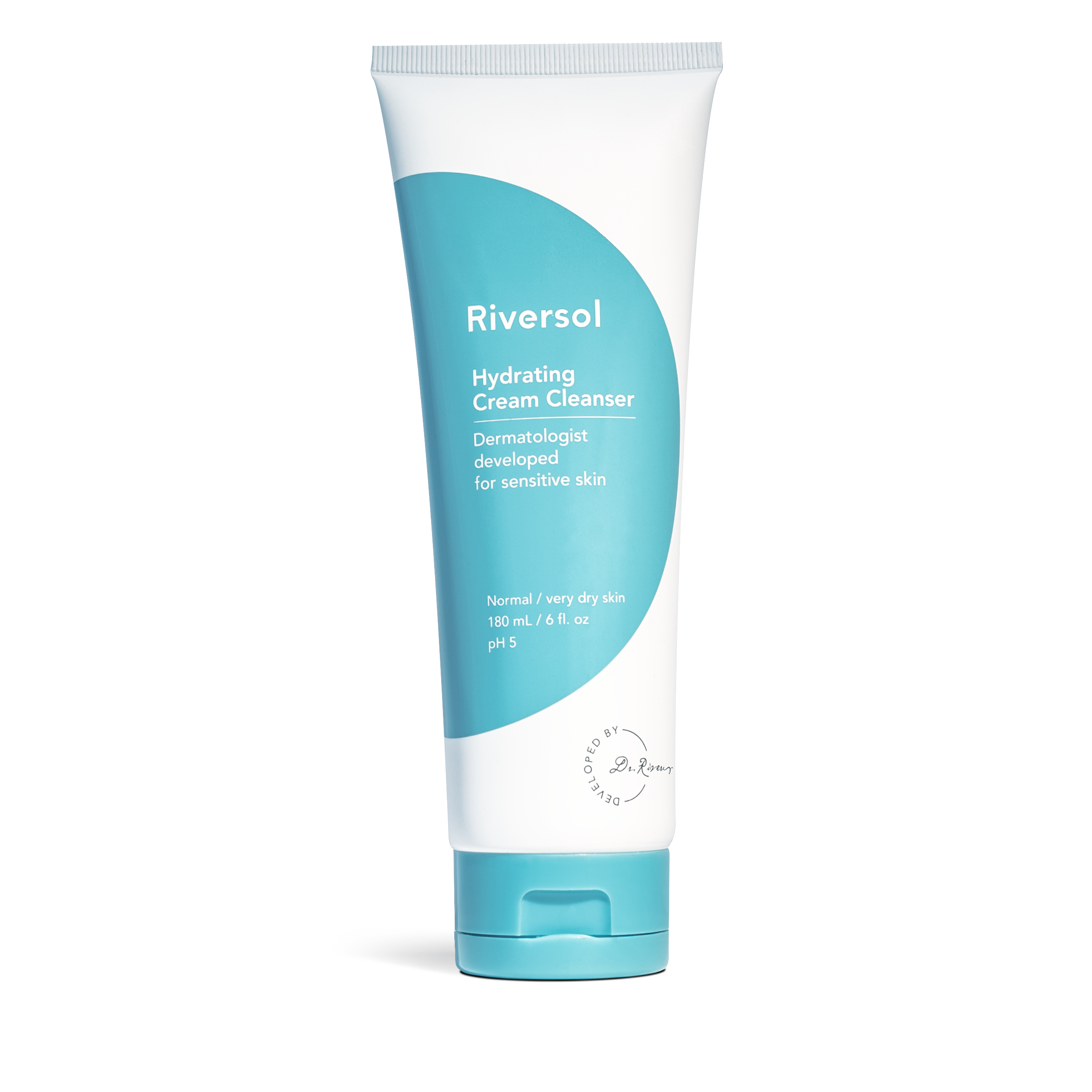
Avoid foaming or sulfate-based cleansers during your retinol adjustment phase. A mild, non-stripping formula like the Hydrating Cream Cleanser removes impurities without further compromising the lipid barrier that retinol is already temporarily stressing.
Frequently Asked Questions
When do retinol uglies go away for most people?
For most people, the worst of the retinol uglies resolves between weeks four and six of consistent use. By week eight, the majority of users have fully adapted and experience little to no ongoing irritation. Sensitive and rosacea-prone skin may take slightly longer, but the timeline can be shortened significantly with a barrier-supportive routine and an anti-inflammatory co-formulated retinol product.
Is it normal to break out more when you first start retinol?
Yes. Initial breakouts during the first two to three weeks of retinol use are a well-recognised part of the adjustment process. Retinol accelerates cell turnover, which can push debris from clogged follicles to the surface more quickly. This is not a sign that retinol is wrong for your skin; it typically resolves by week four as the skin clears and adapts.
Should I stop using retinol if my skin is peeling badly?
Significant peeling is common in the first four weeks and does not necessarily mean you should stop. However, if you are experiencing burning, swelling, or open sores, it is advisable to take a break for five to seven days and consult a dermatologist before resuming. In clinical practice, most patients benefit more from reducing frequency (every third night instead of every other night) rather than stopping altogether.
Can people with rosacea safely use retinol?
Yes, but formulation matters considerably. Standard retinol products can trigger rosacea flares because they disrupt the skin barrier without any built-in calming mechanism, amplifying the inflammatory response that is already elevated in rosacea-prone skin. Retinol formulated with an anti-inflammatory compound like Hinokitiol (Beta-T) is a more suitable option for this skin type, as it supports the barrier and modulates inflammation throughout the adjustment phase.
Does the concentration of retinol affect how long the uglies last?
Yes. Higher concentrations of retinol produce a more pronounced and longer-lasting adjustment phase. Starting at 0.25% or 0.5% and gradually increasing is a standard dermatological recommendation for anyone new to retinol, particularly those with reactive skin. The dermatological literature indicates that the irritation profile of retinol is dose-dependent, meaning lower concentrations deliver meaningful results with a more manageable adjustment curve.
References
- American Academy of Dermatology. (2024). Retinoids: Overview, indications, and patient guidance. aad.org
- Mukherjee, S. et al. (2006). Retinoids in the treatment of skin aging: An overview of clinical efficacy and safety. Clinical Interventions in Aging, 1(4), 327-348.
- Journal of the American Academy of Dermatology. (2023). Tolerability and efficacy of low-concentration retinol in patients with sensitive and rosacea-prone skin. JAAD.
- Del Rosso, J.Q. and Tanghetti, E. (2018). The role of the skin barrier in rosacea: Pathophysiology, clinical implications, and treatment approaches. Journal of Drugs in Dermatology, 17(8).
Related Topics to Explore:
About Dr. Jason Rivers, MD
Dr. Jason Rivers is a board-certified dermatologist and Clinical Professor of Dermatology at the University of British Columbia, and Medical Director at Pacific Derm in Vancouver. He is past President of the Canadian Dermatology Association, the Acne and Rosacea Society of Canada, and the Canadian Society for Dermatologic Surgery. Dr. Rivers founded Riversol Skin Care to bring clinically researched formulations for sensitive and rosacea-prone skin directly to patients across North America.