Reviewed by Dr. Jason Rivers, MD, FRCPC (September 2026)
Retinoids, vitamin C, sunscreen, and antioxidants are the skincare ingredients scientifically proven to work, and they're now accessible for sensitive skin without irritation.
Knowing what skincare is scientifically proven to work is the single most useful thing a skeptical consumer can ask before spending money on products. Skincare marketing is loud and often misleading, but the dermatological literature is clear: a small set of ingredients has robust, peer-reviewed clinical evidence behind it. This guide covers those ingredients honestly, explains the science in plain language, and helps you understand how sensitive skin can access them without the burning or flushing that usually gets in the way.
- The Four Skincare Ingredients with the Strongest Scientific Evidence
- The Sensitive Skin Problem: Why Proven Actives Often Cause Flares
- How Beta-Thujaplicin Bridges the Gap Between Efficacy and Tolerance
- Best Vitamin C System for Sensitive Skin: Riversol Anti-Aging Trio Bundle
- Ingredients with Weak or Overhyped Evidence
- Frequently Asked Questions
The Four Skincare Ingredients with the Strongest Scientific Evidence
The dermatological literature consistently identifies four categories of ingredients as having the most compelling clinical data for visible skin improvement. Everything else, from bee venom to snail secretions, has far thinner evidence. These four are the foundation any evidence-based routine should be built on.
1. Retinoids: The Gold Standard for Cell Turnover and Anti-Aging
Retinoids (vitamin A derivatives including retinol, retinaldehyde, and prescription tretinoin) are the most extensively studied topical anti-aging compounds in dermatology. They accelerate the natural process of skin cell renewal (clinically known as epidermal cell turnover), stimulate collagen synthesis in the dermis, and reduce the appearance of fine lines and uneven pigmentation. As of 2026, no other over-the-counter ingredient class has a comparable volume of published clinical support for structural skin improvement.
2. Vitamin C: Antioxidant Defense and Brightening
Vitamin C (ascorbic acid and its stabilised derivatives) neutralises the unstable molecules (clinically known as free radicals) generated by UV exposure and pollution before they can damage the structural proteins of the skin. According to the Journal of the American Academy of Dermatology, topical vitamin C is associated with measurable reductions in photoaging markers and improvements in skin luminosity. The challenge with most formulations is stability: pure ascorbic acid oxidises quickly and can sting sensitised skin at effective concentrations.
3. Broad-Spectrum Sunscreen: The Non-Negotiable Preventive
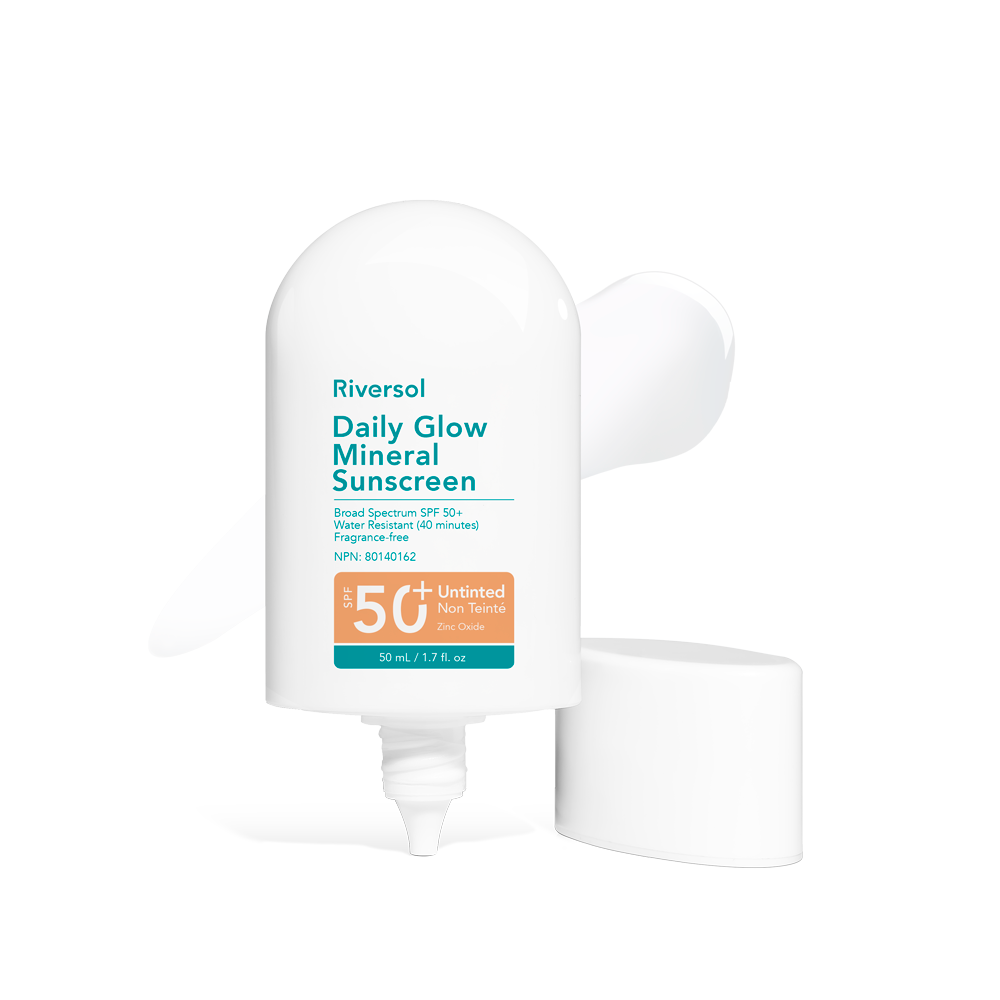
The American Academy of Dermatology notes that daily broad-spectrum sunscreen use is the single most evidence-supported action for preventing UV-induced oxidative stress, photoaging, and skin cancer. No antioxidant or retinoid can reverse ongoing daily UV damage if sunscreen is absent from the routine. A mineral sunscreen with zinc oxide or titanium dioxide is generally better tolerated by reactive skin because it sits on the surface of the stratum corneum rather than penetrating to potentially trigger inflammation.
4. Antioxidants: Vitamin E and Niacinamide as Key Allies
Beyond vitamin C, Vitamin E (tocopherol) is among the most clinically validated antioxidant co-actives in skin science. It stabilises vitamin C in formulations, extends its efficacy, and independently supports the skin's lipid barrier (the protective fat-and-protein mesh in the outer skin layer, clinically known as the stratum corneum). According to a 2024 multicenter trial published on PubMed evaluating skin barrier formulations, multi-targeted approaches combining antioxidants with barrier-supportive ingredients produced significantly better outcomes than single-ingredient products alone.
The Sensitive Skin Problem: Why Proven Actives Often Cause Flares
Here is the frustrating reality for anyone with rosacea, eczema, or reactive skin: the very ingredients with the best clinical evidence are also the ones most likely to cause burning, stinging, and inflammatory flares (clinically known as erythema and vasodilation). Pure vitamin C at effective concentrations typically has a low pH that disrupts a compromised skin barrier. Retinol causes an initial irritation period (retinoid dermatitis) in many patients, particularly those with heightened capillary reactivity. As of 2025, this is still the most common reason sensitive skin patients abandon evidence-based actives entirely.
According to a study published in the Journal of the American Academy of Dermatology examining AHA and bionic acid regimens in sensitive skin populations, tolerability was the primary factor determining whether participants completed a full course of treatment with active ingredients. In other words, efficacy means nothing if the skin cannot tolerate the formula long enough to see results.
How Beta-Thujaplicin Bridges the Gap Between Efficacy and Tolerance
This is where the science becomes particularly interesting for anyone with reactive skin. Hinokitiol, also known as Beta-Thujaplicin (Beta-T), is a naturally occurring compound extracted from the Western Red Cedar tree native to British Columbia. It has clinically researched anti-inflammatory and antimicrobial properties that work at the level of the inflammatory cascade, helping to calm cytokine activity (the signalling proteins that trigger skin inflammation) before it can manifest as redness or burning.
Dr. Jason Rivers, MD, FRCPC, a board-certified dermatologist and founder of Riversol, incorporated Beta-T into Riversol's formulations specifically to address this tolerability gap. The goal was to allow patients with rosacea and sensitive skin to access retinoids, vitamin C, and other proven actives without the flare-ups that dermatologists typically see in clinical practice when these patients try standard formulations. According to the JAAD, a 2025 study evaluating the synergistic effects of combined antioxidant and anti-inflammatory topical compounds found that co-formulation significantly reduced irritation without compromising active ingredient efficacy.
Best Vitamin C System for Sensitive Skin: Riversol Anti-Aging Trio Bundle
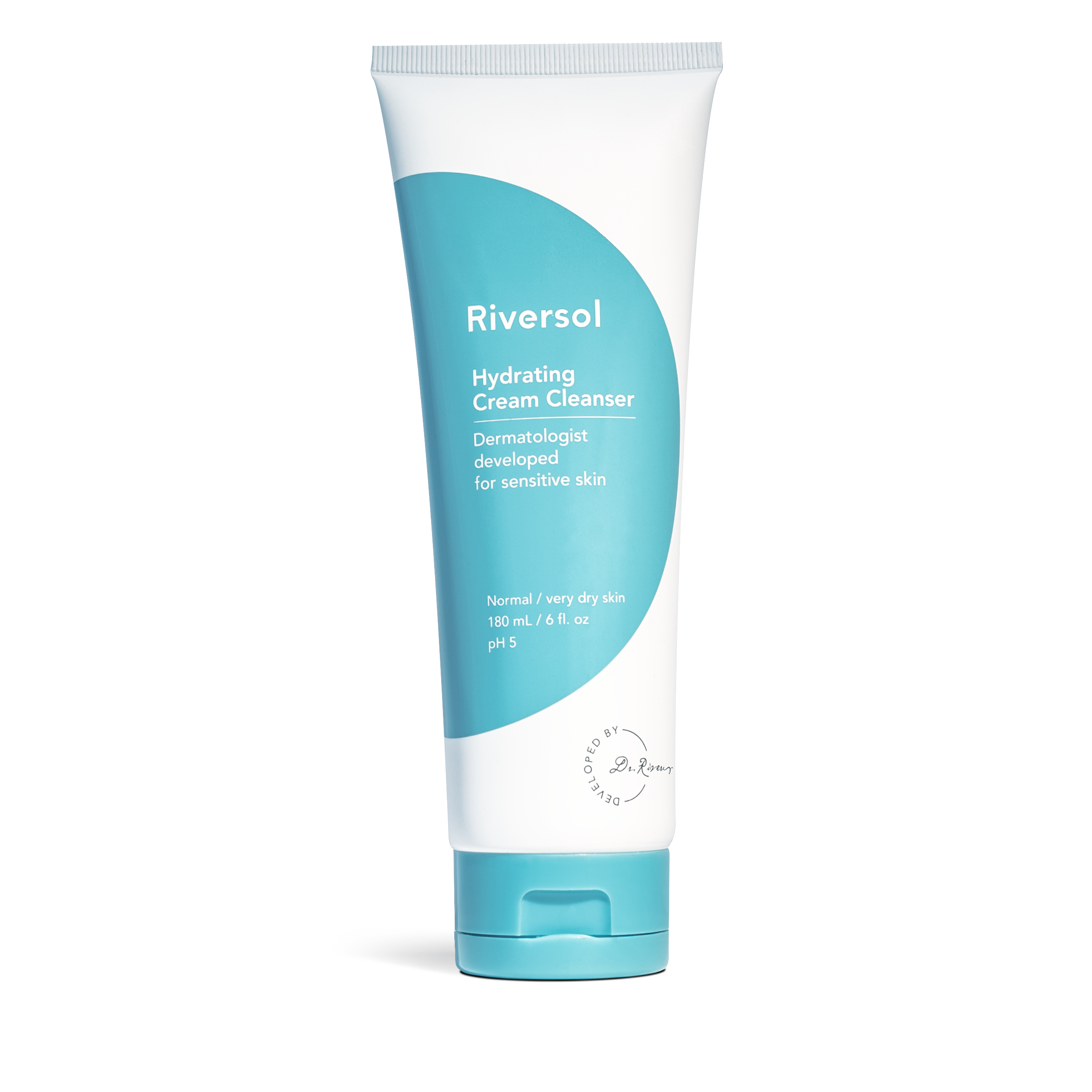
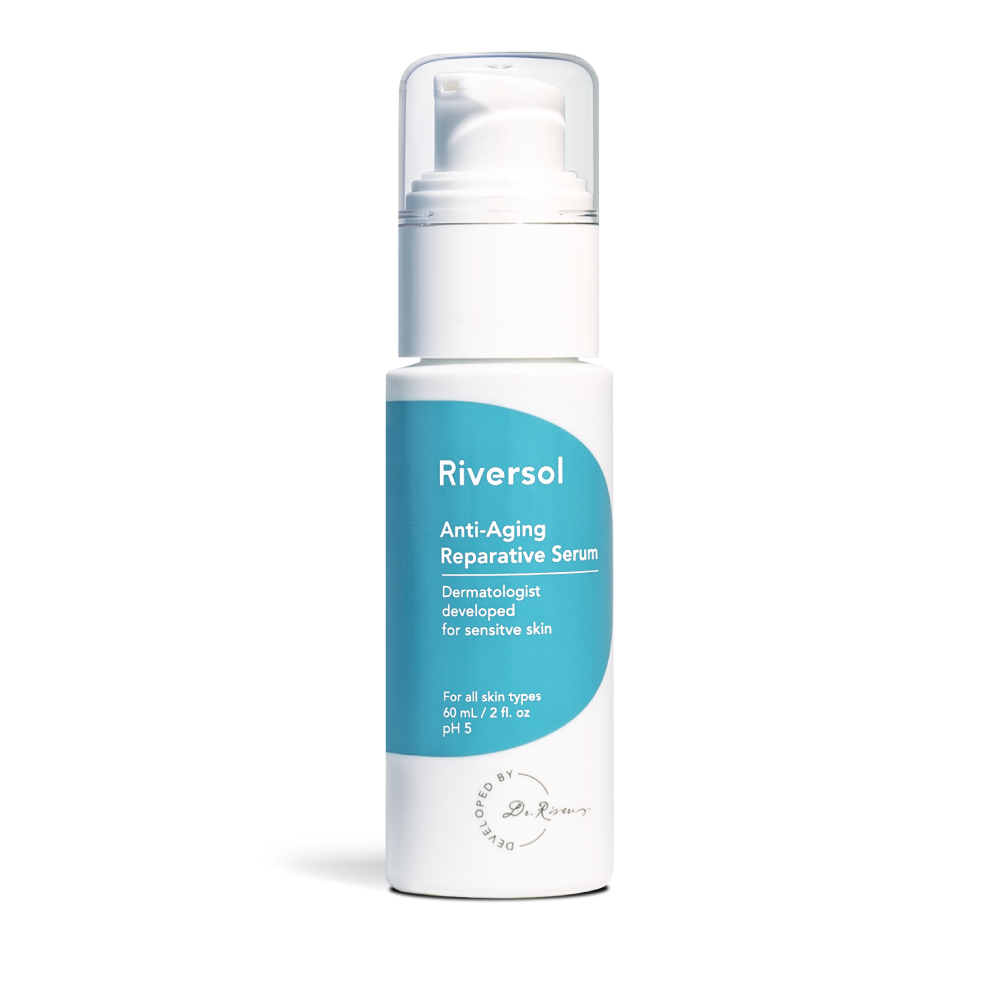
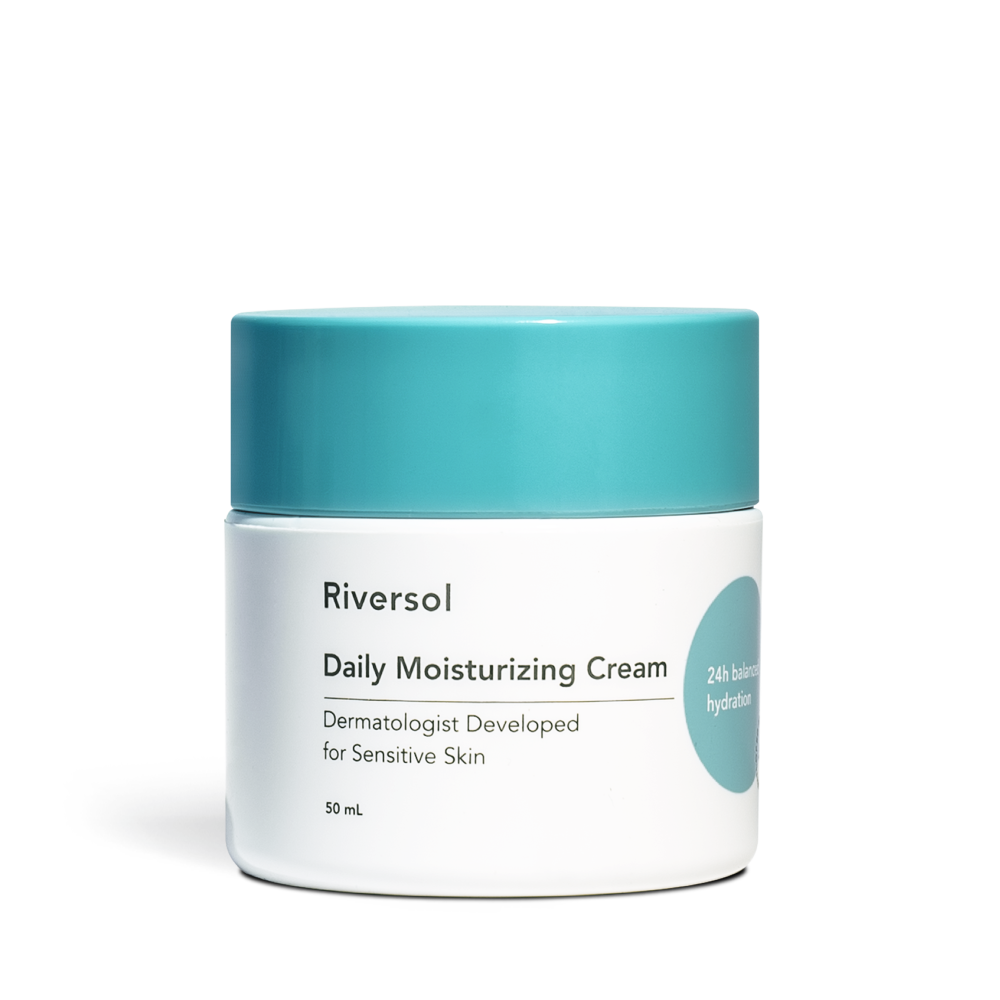
Riversol's Anti-Aging Trio Bundle brings together the four scientifically proven skincare pillars in a single coordinated system, with Hinokitiol (Beta-T) as the tolerability anchor. The Aminopropyl Ascorbyl Phosphate, the stabilised vitamin C derivative in the Anti-Aging Trio Bundle, delivers brightening and free radical scavenging results at a neutral pH, making it substantially more suitable for reactive and rosacea-prone skin than standard ascorbic acid formulations. Vitamin E acts as a co-active, supporting both antioxidant protection and the lipid barrier that keeps transepidermal water loss (TEWL) in check.
Dermatologist-developed for reactive and rosacea-prone skin, the Anti-Aging Trio Bundle addresses the irritation barrier directly by combining Beta-T's anti-inflammatory activity with each proven active, so the skin can complete a full course of treatment rather than abandoning it after the first sting.

| Feature | Standard Vitamin C Products | Riversol Anti-Aging Trio Bundle |
|---|---|---|
| Key Ingredient | L-Ascorbic Acid (pure) | Aminopropyl Ascorbyl Phosphate + Hinokitiol (Beta-T) |
| Formula pH or Texture | Low pH (2.5-3.5), water-thin serum | Neutral pH, lightweight serum |
| Skin Sensation | Tingling or stinging common on reactive skin | Formulated for comfort on rosacea-prone and sensitive skin |
| Key Co-Active | Varies; often ferulic acid | Vitamin E for barrier support and antioxidant synergy |
The Riversol Anti-Aging Trio Bundle is best suited for people with sensitive, reactive, or rosacea-prone skin who want the measurable benefits of vitamin C and antioxidants without the low-pH sting that causes most sensitive skin patients to give up.
Ingredients with Weak or Overhyped Evidence
A healthy skepticism toward skincare marketing is well founded. Several trending ingredients have generated significant consumer buzz with thin clinical backing.
- Bee venom: Often marketed as a collagen booster, but peer-reviewed evidence for topical application is very limited and mostly from small, uncontrolled studies.
- Snail secretion filtrate: Contains proteins and antioxidants, but clinical trial data supporting specific claims for wrinkle reduction is insufficient as of 2026.
- Plant stem cells: Topically applied plant stem cells do not survive to interact with human skin cells. This is a widely misunderstood category with no credible mechanism of action.
- Pure collagen creams: Collagen molecules are too large to penetrate the stratum corneum. Topical collagen does not stimulate new collagen production; retinoids, vitamin C, and peptides with actual penetration profiles do.
Frequently Asked Questions
Which skin care brand is scientifically proven?
No single brand holds a monopoly on scientific credibility, but brands developed by board-certified dermatologists with peer-reviewed formulation research behind them carry more weight than those built purely on marketing. Riversol, founded by Dr. Jason Rivers, MD, FRCPC, is one example of a brand developed from clinical practice, trusted by over 1,000,000 customers, and formulated and manufactured in Canada with documented ingredient rationales. The most reliable signal is whether the brand names specific active ingredient concentrations and can point to published literature supporting those actives.
What skincare products are actually proven to work?
The products with the strongest clinical evidence contain retinoids (for cell turnover and collagen support), vitamin C derivatives (for antioxidant protection and brightening), broad-spectrum mineral sunscreen (for UV defence), and Vitamin E (for barrier reinforcement). Products that combine these actives with tolerability agents, like Beta-Thujaplicin (Beta-T) in Riversol formulations, are particularly relevant for the large proportion of the population with reactive or sensitised skin. Everything else should be evaluated individually against peer-reviewed evidence, not ingredient trend lists.
What do Koreans use against wrinkles?
Korean skincare routines that show genuine anti-aging results lean on the same core evidence-based ingredients found in Western dermatology: retinoids, vitamin C, niacinamide, and SPF. The cultural emphasis on consistent daily sun protection from a young age is widely credited in the dermatological literature as a key factor in skin aging outcomes. Multi-step routines popular in Korean beauty often layer hydrating and barrier-supportive formulations (products that help reduce transepidermal water loss) before applying actives, which is a sensible sequencing strategy supported by barrier science.
What is the #1 skincare in the world?
There is no universally ranked number-one skincare product, and any claim to that title should be treated skeptically. What the dermatological literature does identify clearly is that broad-spectrum sunscreen is the highest-impact single skincare product for long-term skin health, followed by topical retinoids for anti-aging. Beyond those two, the "best" product for any individual depends on their skin type, concerns, and tolerance, which is why a dermatologist-developed routine addressing specific needs (such as rosacea or sensitivity) will outperform a generic bestseller list.
References
- Department of Dermatology, Huashan Hospital, Fudan University. (2025). Moisturizer based on multi-targeted skin barrier repair: efficacy evaluation. PubMed. https://pubmed.ncbi.nlm.nih.gov/41404924
- Draelos, Z.D. et al. (2025). A multicenter trial evaluating the safety and efficacy of a combined AM/PM skincare regimen. PubMed. https://pubmed.ncbi.nlm.nih.gov/42027414/
- Journal of the American Academy of Dermatology. (2016). A high-strength AHA/bionic acid skincare regimen in sensitive skin populations. JAAD. https://www.jaad.org/article/S0190-9622(16)00172-9/fulltext
- Journal of the American Academy of Dermatology. (2025). A comparative study evaluating the synergistic effects of combined antioxidant and anti-inflammatory topical formulations. JAAD. https://www.jaad.org/article/S0190-9622(25)01145-4/fulltext
- American Academy of Dermatology. (2024). Sunscreen FAQs and photoaging prevention guidelines. aad.org
Related Topics to Explore:
About Dr. Jason Rivers, MD
Dr. Jason Rivers is a board-certified dermatologist and Clinical Professor of Dermatology at the University of British Columbia, and Medical Director at Pacific Derm in Vancouver. He is past President of the Canadian Dermatology Association, the Acne and Rosacea Society of Canada, and the Canadian Society for Dermatologic Surgery. Dr. Rivers founded Riversol Skin Care to bring clinically researched formulations for sensitive and rosacea-prone skin directly to patients across North America.