Reviewed by Dr. Jason Rivers, MD, FRCPC (September 2026)
Learn why your skin is so sensitive to vitamin C and how a pH-balanced, dermatologist-developed formula can deliver real results without irritation.
- Why Vitamin C Irritates Sensitive Skin
- The Root Causes of Vitamin C Sensitivity
- Signs You Are Reacting to Your Vitamin C Product
- The Gentle Vitamin C Solution for Reactive Skin
- Frequently Asked Questions
Why Is My Skin So Sensitive to Vitamin C?
Vitamin C sensitivity is one of the most common complaints in dermatological practice, and the answer almost always comes down to formula pH, not the vitamin itself. If you have ever asked yourself why is my skin so sensitive to vitamin C, the short answer is this: most vitamin C serums are formulated at a very low, highly acidic pH to help the ingredient penetrate the outer skin layer (clinically known as the stratum corneum), and that acidity is what triggers burning, stinging, and redness on reactive or rosacea-prone skin.
The good news is that the sensitivity is addressable. Understanding exactly what is happening in your skin helps you find a form of vitamin C that actually works for you.

The Root Causes of Vitamin C Sensitivity
The pH Problem: Why Standard Formulas Sting
The most widely used form of vitamin C in skincare is pure ascorbic acid (also called L-ascorbic acid). For this molecule to cross the protective outer barrier of skin, the formula needs to sit at a pH of roughly 3 to 3.5, which is highly acidic. The normal skin surface sits closer to pH 4.5 to 5.5, so applying a pH 3 serum is a significant chemical shock to already reactive skin.
This acidic exposure triggers what dermatologists call a transient inflammatory response: the small blood vessels near the skin surface (capillaries) dilate, cytokines signal the immune system, and you feel the familiar burning sensation. For people with an already compromised skin barrier, that response can last for hours and may worsen underlying conditions like rosacea or eczema.
A Compromised Skin Barrier Amplifies the Reaction
Healthy skin contains ceramides and lipids that form a tightly organised protective film. When that barrier is disrupted, whether from overexfoliation, environmental exposure, or a chronic condition like rosacea, the rate of water loss through the skin (clinically known as transepidermal water loss, or TEWL) increases and the skin becomes dramatically more permeable. A highly acidic formula that a person with intact skin barely notices can feel like fire on skin with a weakened barrier.
As of 2026, dermatological awareness of barrier health as a prerequisite for introducing active ingredients has grown substantially, with clinicians routinely advising patients to repair their barrier before attempting vitamin C or retinol protocols.
Oxidised Vitamin C: A Hidden Irritant
Vitamin C is notoriously unstable. According to Lab Muffin Beauty Science, a widely cited source in cosmetic chemistry education, ascorbic acid oxidises rapidly when exposed to light and air, turning the formula yellow, then orange, then brown. An oxidised vitamin C product does not just lose its efficacy; the breakdown products (including dehydroascorbic acid and diketogulonic acid) can themselves cause irritation and, in some cases, discolouration on the skin. A serum that worked fine when you opened it three months ago may now be causing your reaction simply because of oxidative degradation.
Concentration: More Is Not Always Better
The dermatological literature indicates that concentrations of L-ascorbic acid above 15 to 20 percent offer diminishing returns on efficacy while significantly increasing irritation risk, particularly on skin already sensitised by conditions like rosacea. Many commercially available serums push concentrations to 20 or even 23 percent, which provides no additional benefit for most skin types and meaningfully raises the probability of a stinging reaction.
Signs You Are Reacting to Your Vitamin C Product
Immediate vs. Delayed Reactions
Immediate reactions (burning, stinging, flushing within seconds of application) are almost always a pH-driven response. Delayed reactions (redness, small bumps, or increased dryness appearing hours later) more often suggest barrier disruption or an ingredient sensitivity. Both patterns are meaningful and worth communicating to your dermatologist.
- Burning or stinging within 30 seconds of application
- Visible redness (erythema) that takes more than 20 minutes to calm
- Increased skin tightness or flaking in the 24 hours after use
- Worsening of existing rosacea flushing or papules
- Yellow or orange discolouration on skin after product use (a sign of oxidised product)
The Gentle Vitamin C Solution for Reactive Skin
Choosing a Gentler Form of Vitamin C
Not all vitamin C derivatives require a harsh acidic pH to be effective. Stable, water-soluble vitamin C derivatives like Aminopropyl Ascorbyl Phosphate are formulated at a pH much closer to skin's natural range, which means they can deliver antioxidant and brightening benefits without the inflammatory shock that pure ascorbic acid causes. According to the Journal of the American Academy of Dermatology, topical antioxidants including vitamin C derivatives are associated with meaningful photoprotection and support for collagen synthesis when delivered in stable, bioavailable forms.
A 2024 review of cosmetic ingredient stability published through Semantic Scholar's dermatology database reinforced that phosphate-esterified vitamin C derivatives retain antioxidant activity over significantly longer periods than free ascorbic acid, making them a practical and gentler choice for daily use on sensitive skin.
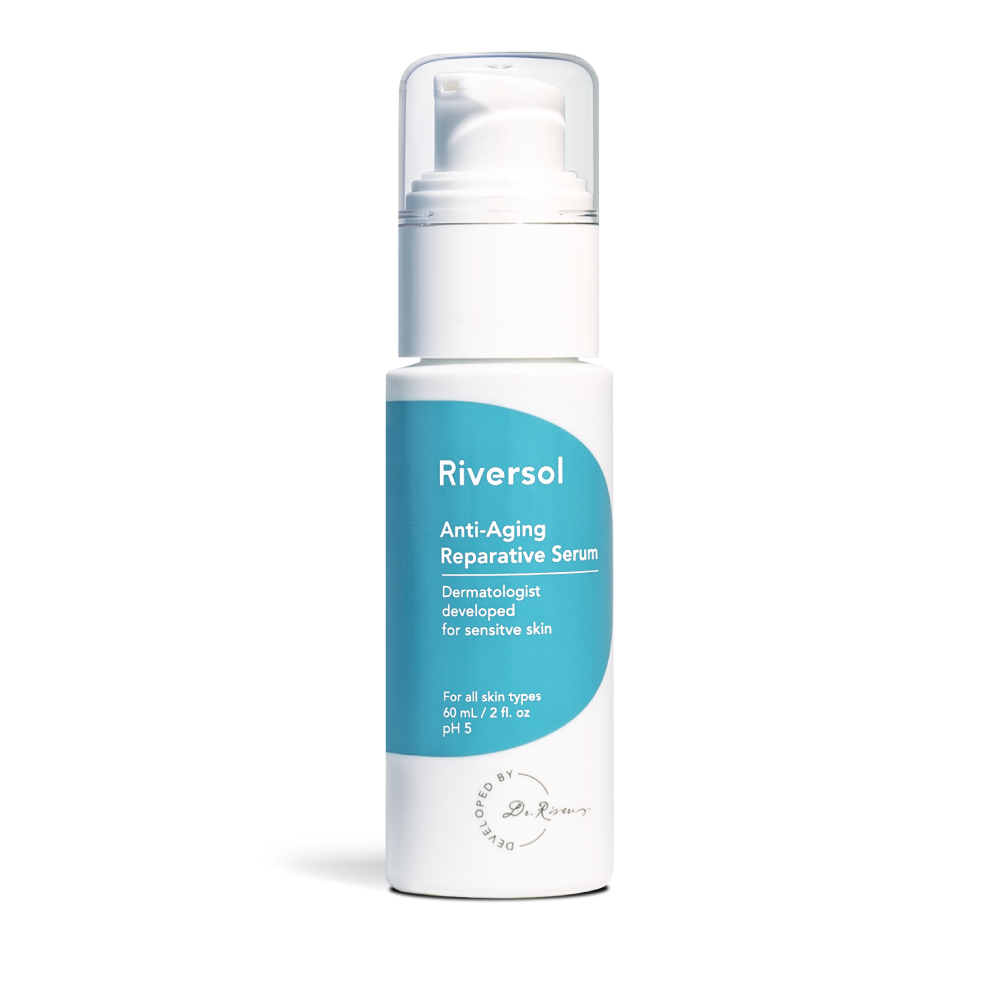
Best Vitamin C Serum for Sensitive Skin: Riversol Anti-Aging Serum
Aminopropyl Ascorbyl Phosphate, the stabilised vitamin C derivative in the Anti-Aging Serum (Vitamin C & E), is clinically formulated at a skin-compatible pH and paired with Hinokitiol (Beta-Thujaplicin, also called Beta-T), a naturally derived anti-inflammatory compound extracted from the Western Red Cedar tree native to British Columbia. This combination is designed specifically for patients with reactive, rosacea-prone, or sensitive skin who want antioxidant and anti-aging benefits without triggering the inflammatory cascade that standard high-acid serums provoke.
| Feature | Standard Vitamin C Serum | Riversol Anti-Aging Serum (Vitamin C & E) |
|---|---|---|
| Key Ingredient | L-Ascorbic Acid (pure ascorbic acid) | Aminopropyl Ascorbyl Phosphate (stable vitamin C derivative) + Hinokitiol (Beta-T) |
| Formula pH or Texture | pH 3 to 3.5, often watery or gel | pH closer to skin's natural range, lightweight serum texture |
| Skin Sensation | Frequent burning, stinging, flushing on reactive skin | Formulated to minimise sting; Beta-T actively calms inflammation |
| Key Co-Active | Vitamin E (in some formulas) | Vitamin E + Hinokitiol (Beta-Thujaplicin) for antioxidant and anti-inflammatory synergy |
This serum is best suited for people with reactive, rosacea-prone, or barrier-compromised skin who want the antioxidant and brightening benefits of vitamin C without the acidic sting of standard formulas.
Developed by Dr. Jason Rivers, MD, FRCPC, a board-certified dermatologist with decades of clinical practice treating rosacea and sensitive skin patients, the formulation is manufactured in Canada and trusted by over 1,000,000 customers. For reactive skin seeking antioxidant protection and visible brightening, the Anti-Aging Serum (Vitamin C & E) is formulated specifically to deliver results without provoking the inflammatory response that makes standard vitamin C serums so difficult to tolerate.

Supporting Your Barrier Before Reintroducing Vitamin C
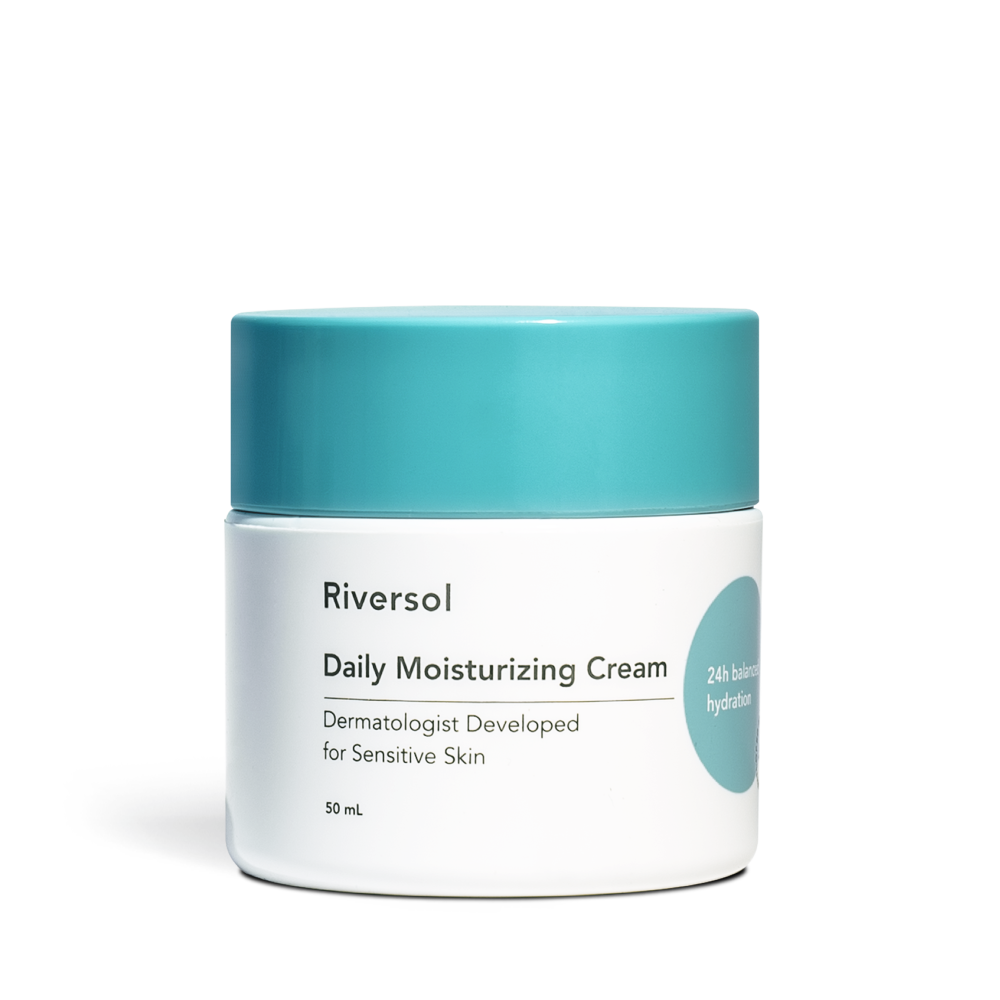
If your skin is currently reactive, give your barrier time to recover before reintroducing any active ingredient. A fragrance-free, ceramide-supportive moisturiser used consistently for two to four weeks can meaningfully reduce TEWL and improve tolerance. The Daily Moisturizing Cream is formulated without common sensitisers and pairs well with a gentle vitamin C routine for people building their skin back up.

Frequently Asked Questions
Can Vitamin C Make Your Skin More Sensitive?
In the short term, a high-acid vitamin C formula can temporarily disrupt the skin's barrier, making it more reactive to other products or environmental triggers while the inflammation settles. However, according to research cited by dermatology educators, vitamin C actually provides photoprotective antioxidant activity by neutralising free radicals generated by UV exposure, so it does not make skin more sun-sensitive. The key is choosing a stable, pH-appropriate formula that does not compromise your barrier in the first place.
Should I Stop Using Vitamin C If It Irritates My Skin?
You do not necessarily have to abandon vitamin C entirely. Take a break from your current formula, allow your skin barrier to recover, and consider switching to a gentler vitamin C derivative formulated at a less acidic pH. If irritation continues even with a gentler form, consult a board-certified dermatologist to rule out a true contact allergy or an underlying inflammatory condition like rosacea that may need targeted treatment first.
What Are the First Signs of Too Much Vitamin C on Skin?
The earliest signs are typically burning or stinging immediately after application, followed by visible redness (erythema) that does not resolve within 20 to 30 minutes. With repeated overuse, you may notice increased dryness, peeling, or small inflammatory bumps, which indicate that the acid is disrupting the outer layer of the epidermis rather than benefiting it. Reducing frequency or switching to a lower-concentration, lower-acidity formula usually resolves these signs within a week or two.
What to Use Instead of Vitamin C for Sensitive Skin?
If your skin is so sensitive to vitamin C that even gentle derivatives cause a reaction, niacinamide (vitamin B3) is a well-tolerated alternative that supports barrier function, reduces the appearance of redness, and helps even skin tone without any significant irritation risk. Alternatively, a stabilised vitamin C derivative like Aminopropyl Ascorbyl Phosphate, paired with an anti-inflammatory ingredient like Hinokitiol (Beta-T), offers a middle path: antioxidant and brightening benefits with a dramatically reduced risk of the stinging that pure ascorbic acid causes.
References
- Lab Muffin Beauty Science. (2023). Why Vitamin C can stain your skin (and how to avoid it). labmuffin.com. Retrieved from https://labmuffin.com/vitamin-c-can-stain-skin-avoid/
- Depology. (2024). Does Vitamin C make your skin sensitive to the sun? Explained. depology.com. Retrieved from https://depology.com/blogs/news/does-vitamin-c-make-your-skin-sensitive-to-the-sun-explained
- Journal of the American Academy of Dermatology. (2022). Topical antioxidants in photoprotection and collagen synthesis: a review. jaad.org.
- Rosenberg, E. W. (1938). Vitamin C deficiency as a cause of urticaria. Archives of Dermatology, 37. Retrieved via Semantic Scholar: https://www.semanticscholar.org/paper/Vitamin-C-Deficiency-as-a-Cause-of-Urticaria.-Rosenberg/1a5d798861ed36dfc63149db3e8bf54fe3765f76
- American Academy of Dermatology. (2024). Rosacea: Overview, triggers, and treatment guidelines. aad.org.
Related Topics to Explore:
About Dr. Jason Rivers, MD
Dr. Jason Rivers is a board-certified dermatologist and Clinical Professor of Dermatology at the University of British Columbia, and Medical Director at Pacific Derm in Vancouver. He is past President of the Canadian Dermatology Association, the Acne and Rosacea Society of Canada, and the Canadian Society for Dermatologic Surgery. Dr. Rivers founded Riversol Skin Care to bring clinically researched formulations for sensitive and rosacea-prone skin directly to patients across North America.