Neck tightening creams really work when formulated with proven actives like retinol and peptides, delivering visible firming results without irritation for sensitive skin.
- What the Science Actually Says About Neck Firming Creams
- The Ingredients That Genuinely Make a Difference
- Why Irritation Is the Hidden Enemy of Neck Cream Results
- How to Use a Neck Cream for Real Results
- Frequently Asked Questions
What the Science Actually Says About Neck Firming Creams
Do neck tightening creams really work? The honest answer is: yes, but with important caveats. Topical creams cannot replicate the results of surgical procedures, but a well-formulated product containing clinically supported actives can meaningfully improve skin texture, firmness, and the appearance of fine lines over time.
The neck is genuinely different from facial skin. It has fewer oil glands (sebaceous glands), thinner skin overall, and is subjected to repeated movement and sun exposure that accelerates collagen breakdown. This is why generic face creams often underperform on the neck, and why ingredient concentration and formulation matter so much.
According to the American Academy of Dermatology, topical treatments that support collagen synthesis can visibly firm sagging skin when used consistently over several months. The key word is consistently, and that is where many creams fail: if a product irritates the skin, people stop using it, and results never materialize.

The Ingredients That Genuinely Make a Difference
Not all neck creams are formulated equally. The ones that produce measurable change share a common thread: they contain actives that interact with the skin's biological processes rather than sitting on the surface.
Retinol: The Gold Standard for Skin Renewal
Retinol (a derivative of Vitamin A) is the most thoroughly researched topical ingredient for stimulating collagen production (the process clinically known as fibroblast activation) and accelerating cell turnover. As of 2026, retinol remains the ingredient most consistently recommended by dermatologists for addressing crepey texture, fine lines, and loss of elasticity in the neck area. The challenge is that retinol can cause redness, peeling, and stinging, particularly on thinner skin like the neck.
Peptides and Niacinamide: Supportive Co-Actives
Peptides such as Tetrapeptide-21 and Acetyl Dipeptide-1 Cetyl Ester signal the skin to produce more structural proteins, supporting the work that retinol initiates. Niacinamide (Vitamin B3) calms inflammation, strengthens the protective outer layer of the skin (clinically known as the stratum corneum), and helps reduce uneven skin tone. According to a study published on PubMed, a firming neck cream containing bioactive ingredients was well-tolerated across participants with no significant changes in irritation parameters throughout the trial period, demonstrating that tolerability and efficacy can coexist.
Stabilized Vitamin C and Hyaluronic Acid
Stabilized Vitamin C (in the form of Aminopropyl Ascorbyl Phosphate) neutralizes UV-induced free radicals (the process clinically known as free radical scavenging), helps inhibit excess pigment production (melanogenesis), and supports collagen synthesis. Hyaluronic Acid draws moisture into the skin, plumping the appearance of fine lines and reducing the look of crepey texture. Both ingredients complement retinol without competing with it.
Why Irritation Is the Hidden Enemy of Neck Cream Results
Best Retinol Neck Cream for Sensitive and Reactive Skin: Riversol Retinol Neck Cream
Clinically formulated for sensitive, rosacea-prone, and reactive skin types, the Retinol Neck Cream pairs retinol at 0.10% with Hinokitiol, also known as Beta-Thujaplicin (Beta-T), a naturally derived anti-inflammatory compound extracted from the Western Red Cedar tree native to British Columbia. Beta-T is clinically researched to calm the inflammatory response that retinol can trigger in reactive skin, which means the skin stays tolerant, the routine stays consistent, and results actually accumulate. Developed by Dr. Jason Rivers, MD, FRCPC, a board-certified dermatologist with decades of experience treating patients with sensitive and rosacea-prone skin, this formulation is among the few neck creams built around the specific problem of reactive skin tolerating powerful actives.
The complete active ingredient profile includes Retinol 0.10%, Hinokitiol (Beta-T), Niacinamide, Stabilized Vitamin C (Aminopropyl Ascorbyl Phosphate), Tetrapeptide-21, Acetyl Dipeptide-1 Cetyl Ester, and Hyaluronic Acid, addressing lines, crepey texture, uneven tone, dark spots, and sagging in one targeted step.
| Feature | Standard Neck Creams | Riversol Retinol Neck Cream |
|---|---|---|
| Key Ingredient | Retinol or peptides alone | Retinol 0.10% + Hinokitiol (Beta-T) |
| Formula Texture | Varies; often not neck-specific | Lightweight cream formulated for thin neck skin |
| Skin Sensation | Can cause stinging or peeling | Anti-inflammatory Beta-T helps reduce reactivity |
| Key Co-Active | Hyaluronic Acid or Niacinamide (rarely both) | Niacinamide, Tetrapeptide-21, Stabilized Vitamin C, Hyaluronic Acid |
The Riversol Retinol Neck Cream is best suited for people with sensitive, reactive, or rosacea-prone skin who have previously given up on retinol because of irritation.
For sensitive skin seeking visible firming and texture improvement without the burn, the Retinol Neck Cream is formulated specifically to deliver retinol-driven collagen stimulation while Beta-T keeps the skin barrier calm throughout the process.

How to Use a Neck Cream for Real Results
Consistency and technique matter as much as ingredients. Apply your neck cream to clean, slightly damp skin using upward strokes from the collarbone to the jawline. This encourages lymphatic drainage and avoids dragging the already-thin neck skin downward.
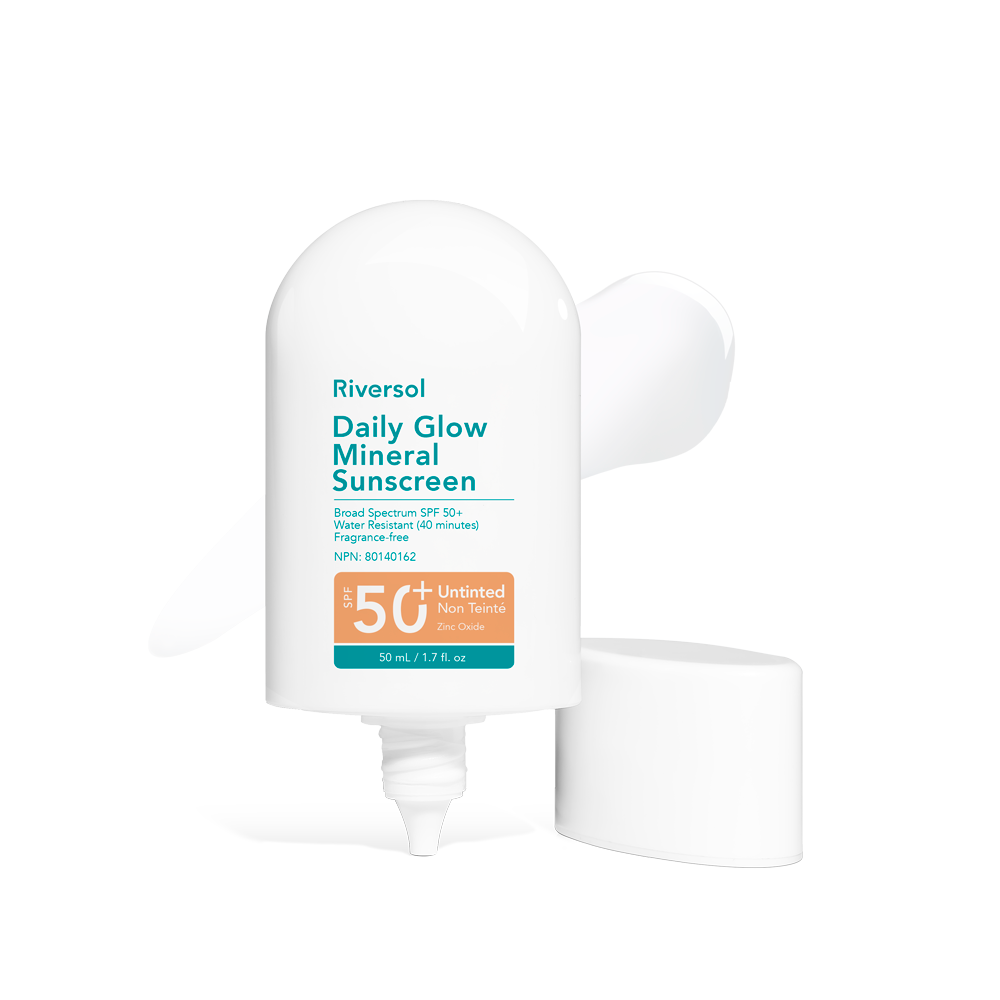
A 2024 review in the dermatological literature indicates that photoaging (UV-induced oxidative stress to collagen and elastin fibers) is the primary driver of crepey neck texture, which means pairing a retinol treatment with a broad-spectrum sunscreen is not optional. The Daily Glow Mineral Sunscreen SPF 50+ is formulated for sensitive skin and complements a retinol routine without clogging pores or causing reactivity.
According to the American Academy of Dermatology, no topical cream can replicate the structural changes achieved by ultrasound tightening or surgical procedures, but consistent use of proven actives over three to six months produces measurable improvements in skin texture and firmness that are visible to trained evaluators.

As of 2026, neck-specific skincare is among the fastest-growing categories in dermatologist-recommended routines, reflecting growing clinical recognition that the neck requires targeted formulation, not a face cream applied lower.
Frequently Asked Questions
What Is the Most Effective Neck Tightening Treatment?
In-office procedures such as ultrasound tightening (clinically known as focused ultrasound therapy) and radiofrequency treatments produce the most dramatic structural results for significant sagging. For people seeking non-invasive improvement at home, topical retinol combined with peptides and niacinamide is the approach most consistently supported by the dermatological literature, particularly when used daily over several months without interruption from irritation.
What Is the Best Neck Firming Cream That Really Works Over Time?
Do neck tightening creams really work over the long term? The evidence points to creams that combine retinol (for collagen stimulation), peptides (for structural protein signaling), and an anti-inflammatory co-active to prevent the reactivity that causes people to stop using the product. According to PubMed-indexed research, bioactive firming formulations were well-tolerated with no significant irritation parameters across study participants, confirming that tolerability is achievable alongside efficacy. Riversol's formulation adds Beta-Thujaplicin (Beta-T) specifically to address this tolerability gap.
Do Creams Really Work for Turkey Neck?
The term "turkey neck" typically describes a combination of loose skin, horizontal lines (clinically known as platysmal bands), and reduced elasticity in the submental area. Topical creams cannot tighten deep muscle structures, but they can meaningfully improve surface texture, skin elasticity, and the appearance of crepiness when formulated with retinol and collagen-stimulating peptides. Results are gradual and depend entirely on consistent use, which is why reducing irritation is as important as the active ingredients themselves.
What Do Dermatologists Recommend for Crepey Neck?
In clinical practice, dermatologists most commonly recommend low-concentration retinol to start, paired with hydrating ingredients like Hyaluronic Acid and barrier-supporting niacinamide, to address crepey neck texture. The American Academy of Dermatology notes that consistent sun protection is equally critical, as UV-induced collagen breakdown is a leading cause of crepey texture in the neck and chest area. For patients with reactive or rosacea-prone skin, formulations that include an anti-inflammatory buffer alongside retinol are particularly valuable because they support the consistency that produces results.
References
- PubMed. (2016). A firming neck cream containing N-Acetyl Glucosamine and other bioactive ingredients: tolerability and efficacy study. National Library of Medicine. https://pubmed.ncbi.nlm.nih.gov/26741381/
- American Academy of Dermatology. (2024). Many ways to firm sagging skin. aad.org. https://www.aad.org/public/cosmetic/younger-looking/firm-sagging-skin
- PubMed. (2005). The role of dimethylaminoethanol in cosmetic dermatology. American Journal of Clinical Dermatology. https://pubmed.ncbi.nlm.nih.gov/15675889/
- American Academy of Dermatology. (2024). Is red light therapy right for your skin? aad.org. https://www.aad.org/public/cosmetic/safety/red-light-therapy
- PubMed. (2005). Effects and side-effects of 2% progesterone cream on the skin of peri- and postmenopausal women. Division of Special and Environmental Dermatology. https://pubmed.ncbi.nlm.nih.gov/16120154/
Related Topics to Explore:
About Dr. Jason Rivers, MD
Dr. Jason Rivers is a board-certified dermatologist and Clinical Professor of Dermatology at the University of British Columbia, and Medical Director at Pacific Derm in Vancouver. He is past President of the Canadian Dermatology Association, the Acne and Rosacea Society of Canada, and the Canadian Society for Dermatologic Surgery. Dr. Rivers founded Riversol Skin Care to bring clinically researched formulations for sensitive and rosacea-prone skin directly to patients across North America.