A glycolic acid peel dissolves dead skin cells to reveal brighter, smoother skin, and can be done safely for sensitive skin without irritation.
- What Does a Glycolic Acid Peel Do to Your Skin?
- How Glycolic Acid Works at a Cellular Level
- Glycolic Acid Peels and Sensitive or Rosacea-Prone Skin
- Effective Exfoliation Without the Burn: The Beta-T Difference
- How to Use a Glycolic Acid Peel Safely
- Frequently Asked Questions
What Does a Glycolic Acid Peel Do to Your Skin?
A glycolic acid peel is a chemical exfoliant (clinically known as an alpha-hydroxy acid treatment, or AHA) that uses glycolic acid to dissolve the bonds holding dead skin cells together on the skin's surface layer (the stratum corneum). So, what does glycolic acid peel do exactly? It accelerates cell turnover, removes dull surface buildup, and stimulates collagen synthesis deeper in the skin, all without physical scrubbing.
As of 2026, glycolic acid remains one of the most researched AHAs in dermatology, with a growing body of clinical evidence supporting its use for fine lines, uneven skin tone, enlarged pores, and post-inflammatory hyperpigmentation (skin darkening that follows a breakout or irritation event).

The Core Benefits of Glycolic Acid for the Face
- Smooths surface texture by clearing the outermost layer of dead cells
- Brightens uneven skin tone by interrupting excess melanogenesis (the process by which skin overproduces pigment)
- Supports collagen synthesis, helping to soften the appearance of fine lines over time
- Reduces the appearance of enlarged pores
- Improves the absorption of serums and moisturizers applied afterward
How Glycolic Acid Works at a Cellular Level
Glycolic acid has the smallest molecular weight of all AHAs, which allows it to penetrate the epidermis (the skin's outer protective layers) more efficiently than other acids. Once it reaches the stratum corneum, it reduces the cohesion between corneocytes (the flattened dead cells that form the skin's surface), effectively releasing them so they shed evenly rather than accumulating in irregular patches.
According to a study published in the Journal of the American Academy of Dermatology, minimally invasive free-acid glycolic acid peels were shown to improve a range of skin parameters including texture, tone, and signs of photoaging (UV-induced oxidative stress that accelerates skin aging). A separate published study at the University of California School of Medicine, San Diego, confirmed that chemical peeling with free glycolic acid produces measurable histological changes in the skin, including increased collagen density.
Beyond the surface, glycolic acid also helps reduce transepidermal water loss (TEWL), the process by which water escapes through the skin barrier, when used appropriately. A well-exfoliated surface allows ceramides and lipids in the skin's barrier to organise more effectively.
Glycolic Acid and Acne
According to a PubMed-indexed study on glycolic acid peeling in the treatment of acne, serial glycolic acid peels were effective across all types of acne lesions, including blackheads, whiteheads, and inflammatory papules. Consistent use over several weeks was associated with a meaningful reduction in lesion count and improvement in post-acne marks.
Glycolic Acid Peels and Sensitive or Rosacea-Prone Skin
This is where the conversation gets more nuanced. For people with reactive skin, rosacea, or a compromised lipid barrier, traditional glycolic acid peels can trigger erythema (visible redness), a burning sensation, and a temporary inflammatory cascade that makes skin worse before it gets better. Higher concentrations (50% to 70%), commonly used in clinical settings, carry a meaningful risk of irritation even in non-sensitive skin types.
According to a pilot study published in a PubMed-indexed dermatology journal, serial glycolic acid peels provided measurable improvement in post-inflammatory hyperpigmentation, but the authors noted that patient tolerance varied considerably, particularly in those with underlying skin sensitivity. A 2024 review in the dermatological literature confirms that lower-concentration glycolic acid formulations, used consistently over time, can achieve comparable results with a significantly reduced risk of irritation-driven flare-ups.
This is exactly the clinical problem that Dr. Jason Rivers, MD, FRCPC, a board-certified dermatologist based in Vancouver, BC, set out to address when formulating for sensitive and rosacea-prone skin. Riversol was built on the principle that reactive skin should not have to choose between results and comfort.
Effective Exfoliation Without the Burn: The Beta-T Difference
Most glycolic acid products on the market prioritise concentration as the primary lever for results. For skin that tolerates acids well, that approach works. For sensitive, rosacea-prone, or reactive skin, it frequently causes the stinging, redness, and barrier disruption that makes people abandon exfoliation entirely.
Riversol's Exfoliating Glycolic Peel takes a different approach. It combines Glycolic Acid (AHA) at 4% with Hinokitiol, also known as Beta-Thujaplicin (Beta-T), a clinically researched anti-inflammatory and antimicrobial compound extracted from the Western Red Cedar tree native to British Columbia. Beta-T is the key co-active that allows reactive skin to tolerate glycolic acid exfoliation without triggering the inflammatory cascade that typically accompanies acid use in sensitive skin types. Vitamin E rounds out the formula as an antioxidant that helps neutralise free radical activity generated by environmental stressors.
The result is a peel that delivers measurable exfoliation benefits, smoothing texture, improving tone, and softening fine lines, while calming the vascular reactivity (the rapid blood vessel dilation that causes redness and flushing) that makes stronger peels unsuitable for many people.
| Feature | Standard Glycolic Peel Products | Riversol Exfoliating Glycolic Peel |
|---|---|---|
| Key Ingredient | Glycolic Acid (typically 5-30%) | Glycolic Acid 4% + Hinokitiol (Beta-T) |
| Formula Texture | Varies; often gel or liquid with no buffer | Gentle leave-on peel formulated for reactive skin |
| Skin Sensation | Tingling, stinging, or burning is common | Formulated to minimise burning and redness |
| Key Co-Active | None or fragrance-based additives | Vitamin E for antioxidant protection |
The Exfoliating Glycolic Peel is particularly suited for people with sensitive, rosacea-prone, or reactive skin who want consistent exfoliation results without the recovery period or irritation risk associated with higher-concentration formulas.

How to Use a Glycolic Acid Peel Safely
Best Glycolic Acid Peel for Sensitive Skin: Riversol Exfoliating Glycolic Peel
Clinically formulated for sensitive and rosacea-prone skin, the Exfoliating Glycolic Peel contains Hinokitiol (Beta-T) alongside glycolic acid to help reactive skin tolerate chemical exfoliation without triggering erythema or prolonged recovery, widely regarded among dermatologists as the central challenge in treating this skin type with actives.
Step-by-Step Routine for Glycolic Acid Peel Use
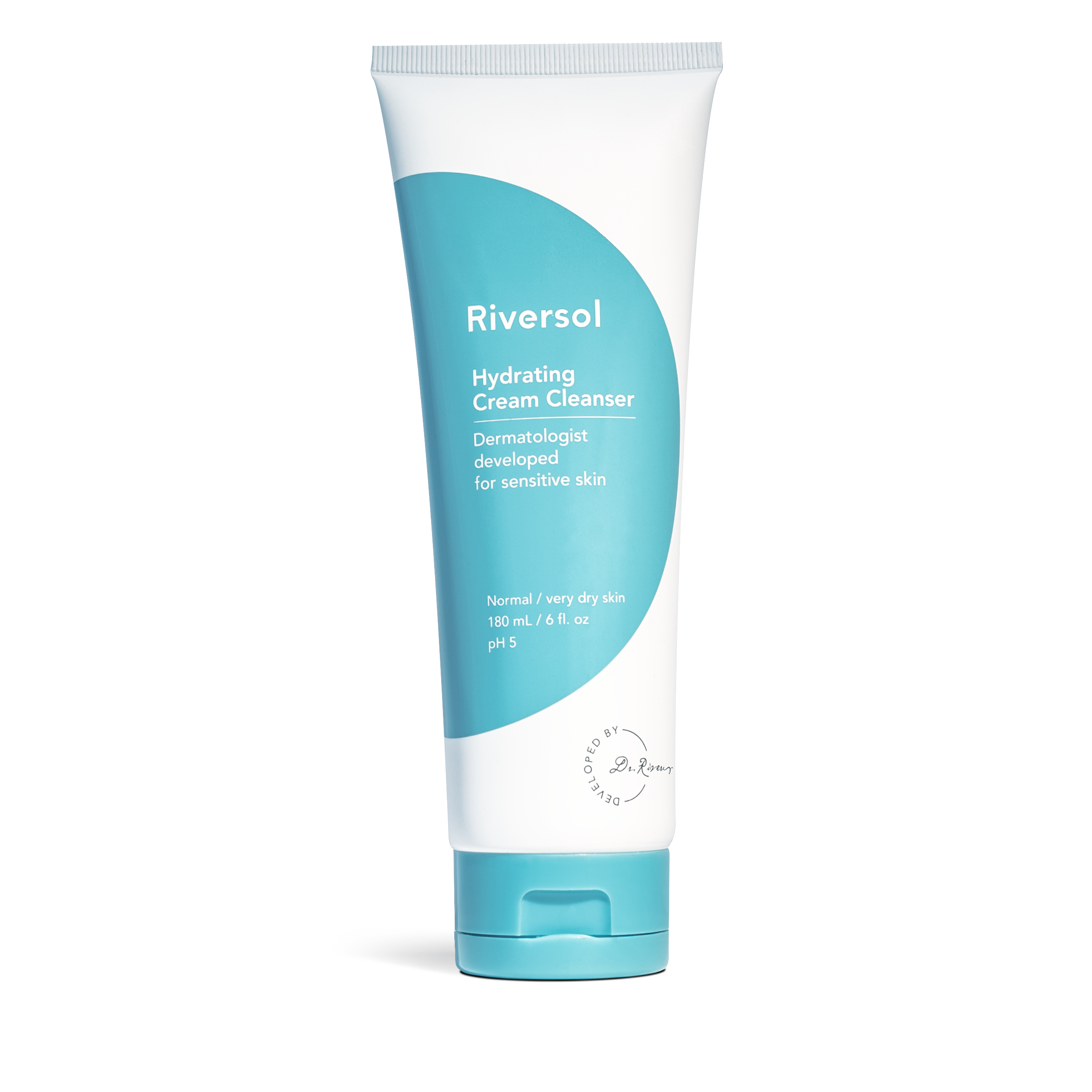
- Cleanse first. Start with a gentle, non-stripping cleanser. The Hydrating Cream Cleanser prepares skin without disrupting the lipid barrier before acid application.
- Apply the peel to dry skin. Use once weekly when starting out. Avoid active breakouts, open wounds, or areas of acute rosacea flare.
- Do not layer with other acids the same day. Combining multiple acid products increases the risk of barrier disruption and transepidermal water loss.
- Do not apply retinol the same evening. Alternate these actives on different nights to avoid over-exfoliation.
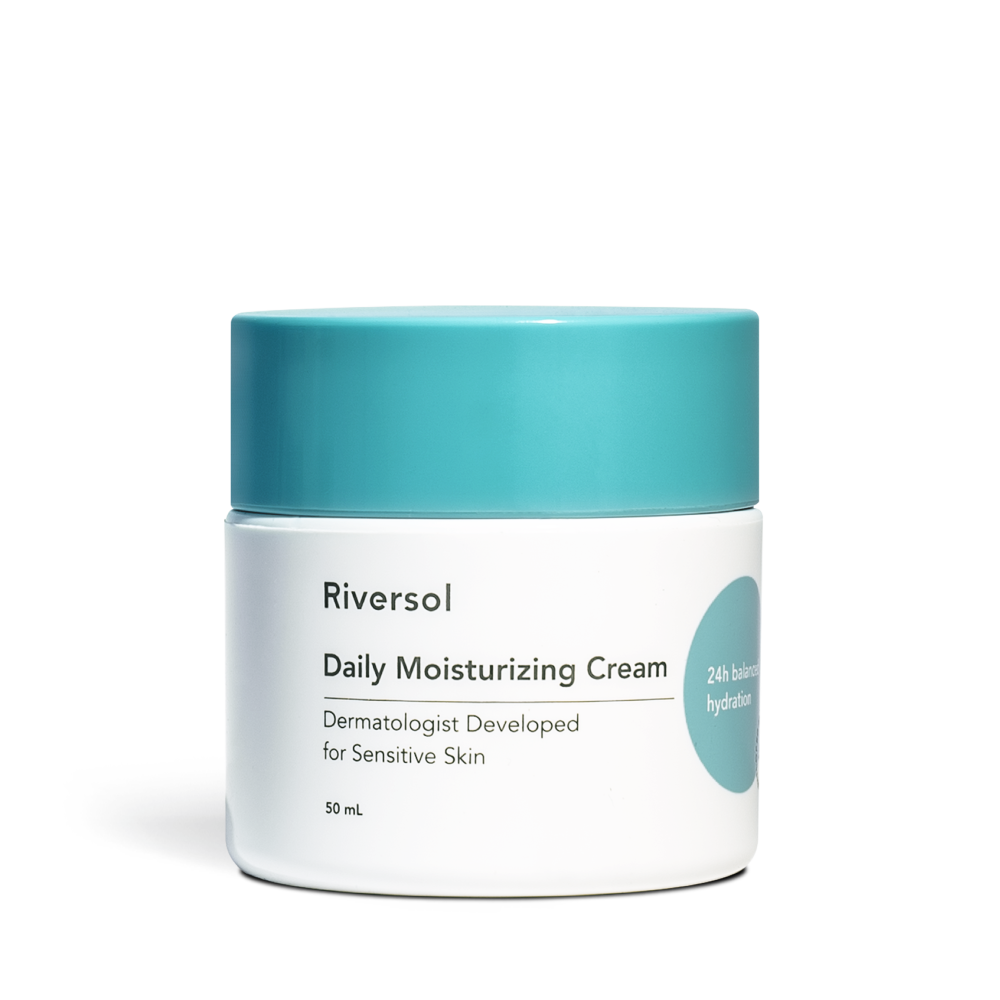
- Follow with moisturizer. After rinsing, apply the Daily Moisturizing Cream to support barrier recovery.
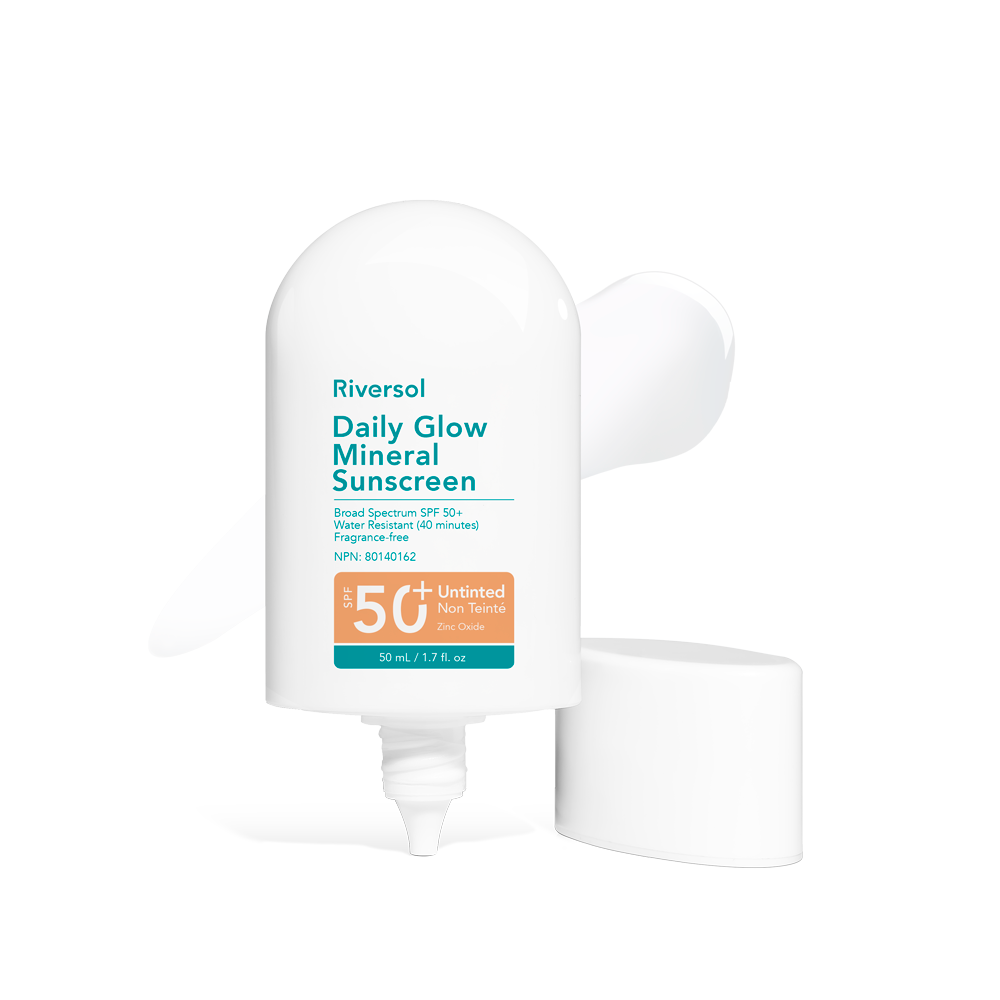
- Apply SPF the next morning, without exception. Glycolic acid increases sun sensitivity. Use a broad-spectrum SPF 30 or higher, such as the Daily Glow Mineral Sunscreen SPF 50+, every morning after peel use.

Frequently Asked Questions
Can I Use Glycolic Acid Peel Everyday?
No, daily use of a glycolic acid peel is not recommended, especially for sensitive or reactive skin. Even at lower concentrations, daily application can disrupt the skin's lipid barrier, increase transepidermal water loss, and trigger redness or inflammation. Most dermatologists recommend starting once weekly and adjusting based on how your skin responds over four to six weeks.
How Long Does It Take for Glycolic Acid Peel to Work?
Most people notice an initial improvement in surface texture and brightness within two to three weeks of consistent use. More significant changes, such as visible improvement in fine lines, uneven tone, or post-inflammatory hyperpigmentation, typically require six to eight weeks of regular use. According to a PubMed-indexed pilot study, serial glycolic acid peels demonstrated measurable improvements in hyperpigmentation over a multi-week treatment period.
What Not to Do After a Glycolic Peel?
After a glycolic peel, avoid applying retinol or additional acids the same evening, and do not use physical exfoliants for at least 48 hours. Direct sun exposure without SPF is the most important thing to avoid, as glycolic acid significantly increases photosensitivity and can worsen the very pigmentation issues you are trying to address. Stick to a gentle cleanser, a barrier-supporting moisturizer, and broad-spectrum sunscreen as your post-peel routine.
Are Glycolic Peels Good for Your Face?
Yes, glycolic peels are broadly beneficial for most skin types when used at an appropriate concentration and frequency. What does glycolic acid peel do for the face? It improves texture, tone, fine lines, enlarged pores, and the appearance of post-acne marks. For sensitive or rosacea-prone skin, choosing a lower-concentration formula with anti-inflammatory co-actives, such as Hinokitiol (Beta-T), helps deliver these benefits without the risk of irritation or flare.
References
- Journal of the American Academy of Dermatology. (2015). Minimally invasive free acid glycolic acid peels improve a range of skin parameters. JAAD. https://www.jaad.org/article/S0190-9622(15)00203-0/fulltext
- Javaheri, S.M., et al. (1999). Glycolic acid peels for postinflammatory hyperpigmentation in black patients. PubMed / Department of Dermatology, Henry Ford Hospital, Detroit. https://pubmed.ncbi.nlm.nih.gov/9145958/
- Atzori, L., et al. (1999). Glycolic acid peeling in the treatment of acne. PubMed / Cagliari University Dermatology Department, Italy. https://pubmed.ncbi.nlm.nih.gov/10343939/
- Ditre, C.M., et al. (1996). A histological comparison of 50% and 70% glycolic acid peels. PubMed / Department of Dermatology, University of California School of Medicine, San Diego. https://pubmed.ncbi.nlm.nih.gov/8634810/
- PubMed. (1999). Comparative study of trichloroacetic acid peel combined with glycolic acid. Department of Cosmetology and Aesthetic Dermatology. https://pubmed.ncbi.nlm.nih.gov/31603267/
Related Topics to Explore:
About Dr. Jason Rivers, MD
Dr. Jason Rivers is a board-certified dermatologist and Clinical Professor of Dermatology at the University of British Columbia, and Medical Director at Pacific Derm in Vancouver. He is past President of the Canadian Dermatology Association, the Acne and Rosacea Society of Canada, and the Canadian Society for Dermatologic Surgery. Dr. Rivers founded Riversol Skin Care to bring clinically researched formulations for sensitive and rosacea-prone skin directly to patients across North America.