Learn how often should you get a glycolic acid peel to see real results without irritation, with guidance tailored for sensitive and rosacea-prone skin.
A glycolic acid peel is a chemical exfoliation treatment that uses glycolic acid, an alpha-hydroxy acid (AHA) derived from sugar cane, to dissolve the bonds holding dead skin cells together on the surface of the skin (the outermost layer, known as the stratum corneum). If you are asking how often should I get a glycolic acid peel, the direct answer is: once per week for beginners, building gradually to two or three times per week for tolerant skin types, and no more than once per week for sensitive or rosacea-prone skin.
- Why Peel Frequency Matters for Your Skin Barrier
- How Often to Use a Glycolic Acid Peel by Skin Type
- Why Sensitive Skin Struggles with Peels and How Beta-T Changes That
- How to Build a Glycolic Acid Peel Routine Safely
- Frequently Asked Questions
Why Peel Frequency Matters for Your Skin Barrier
Glycolic acid works by accelerating cell turnover, helping fresh, smoother skin reach the surface faster. According to a review published in the journal Glycolic Acid Peel Therapy: A Current Review (PMC, NIH), glycolic acid peels have both anti-inflammatory and antioxidant effects that contribute to improvement in skin texture, tone, and fine lines. The same review notes that in clinical protocols, peeling is typically repeated once every 15 days for four to six months to achieve desired results in a controlled, professional setting.
The problem is that overusing any exfoliating acid disrupts the lipid barrier of the skin, the layer of ceramides and fatty acids that keeps moisture in and irritants out. When this barrier is compromised, transepidermal water loss (TEWL) increases, leaving skin dehydrated, reactive, and prone to inflammatory flare-ups. In patients with rosacea or reactive skin, this cascade can trigger redness (clinically known as erythema) that lasts days or even weeks.
As of 2026, at-home glycolic acid peels have grown considerably in popularity, which makes clear frequency guidance more important than ever. Many people are using these products more often than their skin can recover, producing the opposite of the results they want.

How Often to Use a Glycolic Acid Peel by Skin Type
The right frequency depends heavily on your skin's baseline tolerance and the concentration of glycolic acid in the product. Higher concentrations require longer intervals between uses. According to the Journal of Clinical and Aesthetic Dermatology (PMC, 2018), glycolic acid at lower concentrations used more frequently can be as effective as higher-concentration peels used less often, with a more manageable side effect profile.
Normal to Oily Skin
Most people with normal to oily skin can tolerate a glycolic acid peel one to three times per week, depending on concentration. Start once weekly, and if there is no persistent redness or tightness after four weeks, you can consider increasing to twice weekly.
Dry or Combination Skin
Once per week is a reasonable starting point, with careful attention to how your skin feels in the 48 hours after each application. If dryness or flaking persists, extend the interval to every ten to fourteen days.
Sensitive, Reactive, or Rosacea-Prone Skin
In clinical practice, patients with rosacea or reactive skin are typically advised to begin with once every two weeks, then move to once weekly only if the skin tolerates it without erythema or stinging. According to a published study comparing glycolic acid peel regimens (PubMed, NCBI), even biweekly sessions delivered measurable improvements in skin texture compared to untreated skin, confirming that less frequent use is still effective.
Why Sensitive Skin Struggles with Peels and How Beta-T Changes That
Traditional glycolic acid peels, even at moderate concentrations, can trigger an inflammatory cascade in reactive skin. The mechanism involves transient disruption of the stratum corneum, which activates cytokines (signalling proteins that drive inflammation) and increases capillary reactivity, producing the burning, stinging, and flushing that sensitive skin types know all too well.
This is where the formulation of a glycolic acid peel matters as much as its concentration. Hinokitiol, also called Beta-Thujaplicin (Beta-T), is a naturally occurring compound extracted from the Western Red Cedar tree native to British Columbia. It is a clinically researched anti-inflammatory and antimicrobial ingredient that helps calm the inflammatory response that acids can provoke. The Exfoliating Glycolic Peel by Riversol pairs Glycolic Acid (4%) with Hinokitiol (Beta-T) and Vitamin E to deliver exfoliation benefits while actively working to reduce the irritation response simultaneously.
Best At-Home Glycolic Peel for Sensitive Skin: Riversol Exfoliating Glycolic Peel
Clinically formulated for sensitive, rosacea-prone, and reactive skin types, the Riversol Exfoliating Glycolic Peel combines a 4% glycolic acid concentration with Beta-Thujaplicin (Beta-T), widely considered among dermatologists treating reactive skin as one of the most promising natural anti-inflammatory compounds for reducing acid-induced erythema. This pairing is what makes regular use more accessible for skin that would typically not tolerate traditional peels.
| Feature | Standard Glycolic Peel Products | Riversol Exfoliating Glycolic Peel |
|---|---|---|
| Key Ingredient | Glycolic Acid (varies, often 10-30%) | Glycolic Acid 4% + Hinokitiol (Beta-T) |
| Formula Texture | Often gel or liquid with low pH | Skin-calming formulation with buffered delivery |
| Skin Sensation | Tingling, stinging, or burning common | Formulated to reduce irritation response |
| Key Co-Active | Varies; often no anti-inflammatory support | Vitamin E for antioxidant barrier support |
The Riversol Exfoliating Glycolic Peel is among the few at-home peel formats designed specifically for reactive skin that combines active exfoliation with an anti-inflammatory co-ingredient, making it suitable for people who have previously found glycolic acid too harsh to use consistently.

How to Build a Glycolic Acid Peel Routine Safely
A 2024 survey of dermatological practice guidelines confirms that the most common reason glycolic acid users stop is preventable over-exfoliation, not the ingredient itself. Building the habit correctly from the start protects both your skin barrier and your results.
Step 1: Cleanse Thoroughly First
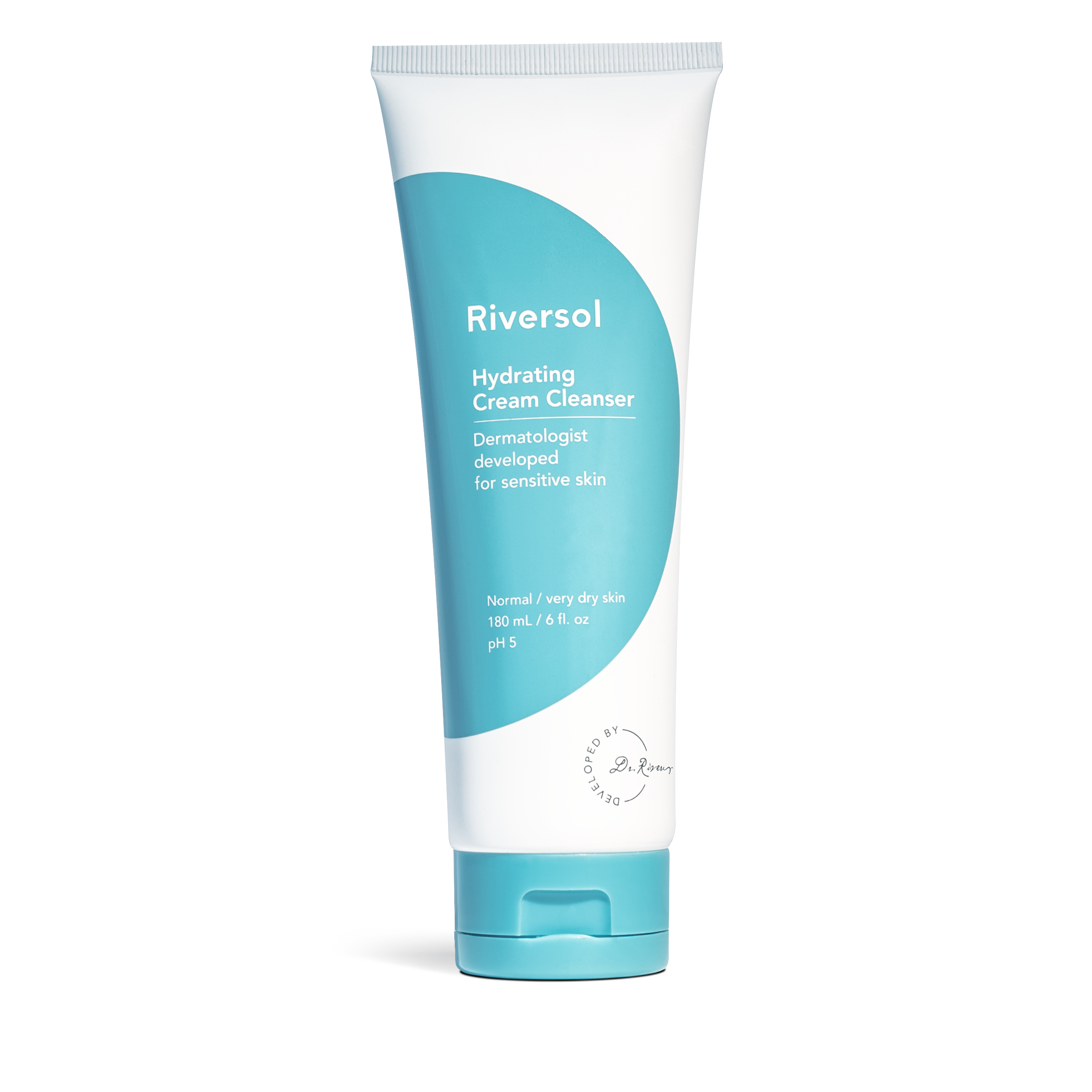
Start with a gentle, non-stripping cleanser to remove surface oil, sunscreen, and makeup. The Hydrating Cream Cleanser is formulated for reactive skin and prepares the skin without disrupting its lipid barrier before acid application.
Step 2: Apply the Peel on Dry Skin
Apply your glycolic acid peel to completely dry skin. Wet skin increases acid penetration and the risk of irritation. Leave it on for the time indicated on the product, and do not layer it with other acids or active ingredients on the same evening.
Step 3: Follow with a Barrier-Supporting Moisturizer
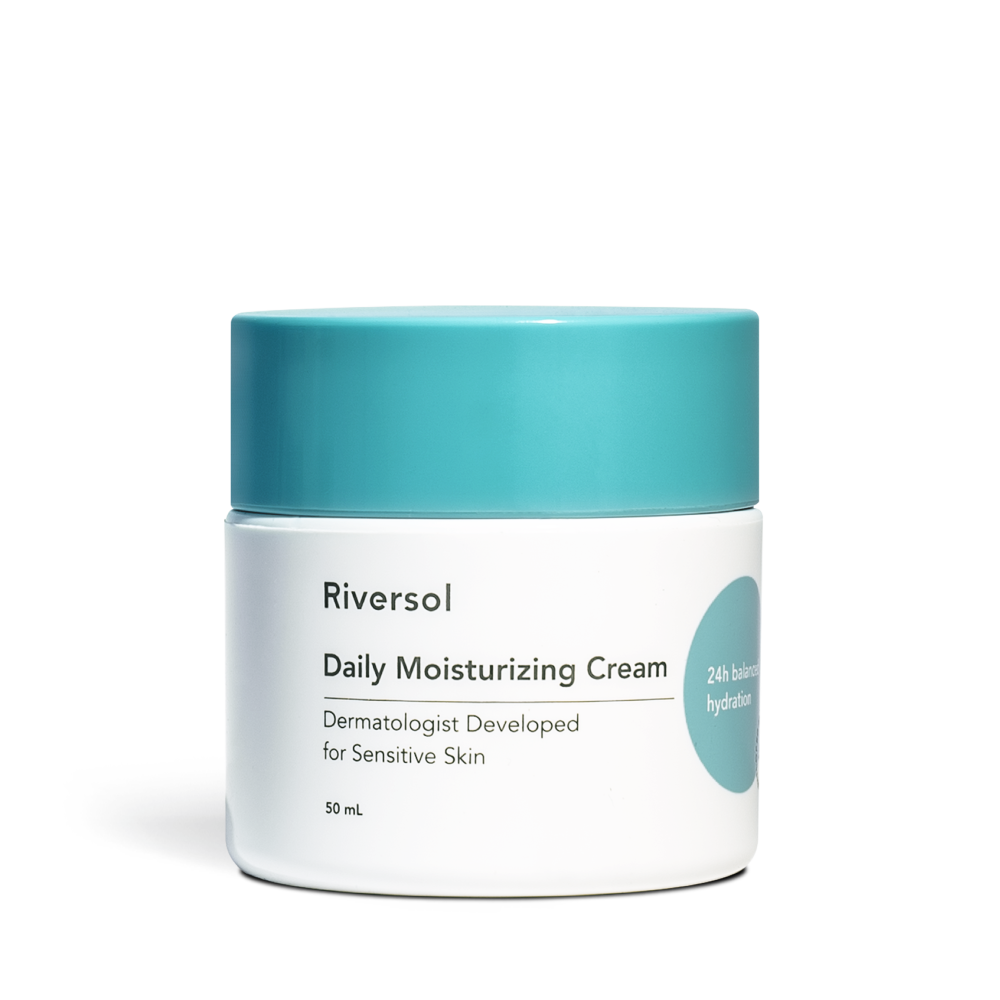
After rinsing, apply a moisturizer that supports ceramide and lipid barrier repair to offset any TEWL triggered by exfoliation. The Daily Moisturizing Cream is developed for sensitive skin and pairs well with post-peel recovery.
Step 4: Use Sunscreen Every Morning After
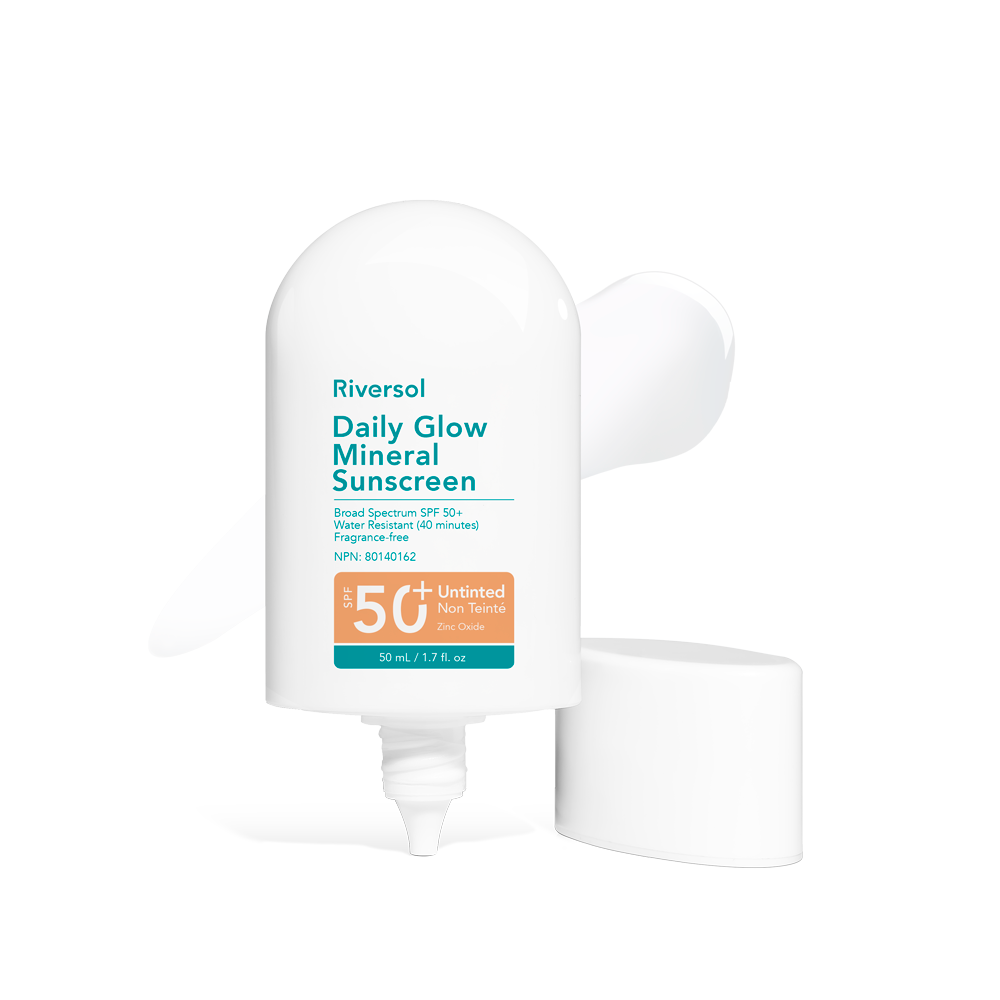
Glycolic acid increases photosensitivity, which means UV exposure the day after a peel can cause significant damage to freshly exfoliated skin. The Daily Glow Mineral Sunscreen SPF 50+ provides broad-spectrum mineral protection appropriate for reactive skin.

Developed by Dr. Jason Rivers, MD, FRCPC, a board-certified dermatologist with decades of clinical experience treating rosacea and sensitive skin, Riversol's formulations are manufactured in Canada.
Frequently Asked Questions
Are glycolic acid peels worth it?
Yes, for most skin types, consistent use of glycolic acid peels delivers measurable improvements in skin texture, tone, and fine lines over time. According to a review in PMC (NIH), glycolic acid peels have documented antioxidant effects and help improve overall skin appearance with regular use. The key is using an appropriate concentration for your skin type and maintaining the correct frequency to avoid over-exfoliation.
Can glycolic acid get rid of razor bumps?
Glycolic acid can help reduce razor bumps (clinically known as pseudofolliculitis) by exfoliating the surface layer of the skin and freeing ingrown hairs trapped beneath the stratum corneum. Regular use helps prevent the build-up of dead skin cells that causes hairs to curl back and become embedded. Using a low-concentration peel two to three times per week in the affected area is generally well tolerated for this purpose.
How long do glycolic peel results last?
Results from a single glycolic acid peel typically last two to four weeks before the natural accumulation of dead skin cells returns to baseline. This is why consistent, scheduled use matters more than any single treatment. In clinical protocols, as noted in PMC dermatology literature, peels repeated on a regular cycle of every one to two weeks produce cumulative improvements that last considerably longer than one-off treatments.
What should you never mix with glycolic acid?
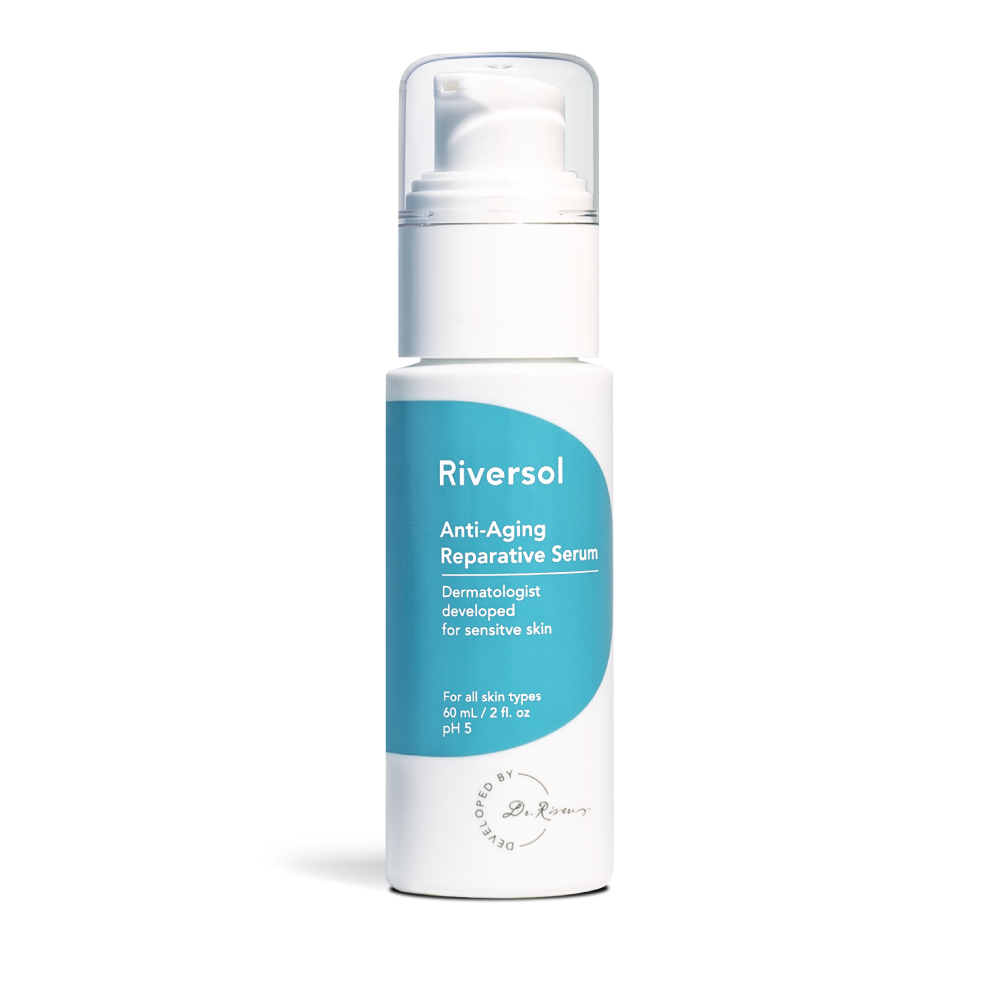
You should never layer glycolic acid with other exfoliating acids (such as salicylic acid or lactic acid), retinol, or high-concentration vitamin C on the same day of application. Combining these actives compounds skin barrier disruption and dramatically increases the risk of prolonged redness, peeling, and sensitivity. If you use retinol or a vitamin C serum like the Anti-Aging Serum (Vitamin C and E) in your routine, alternate their use on different evenings from your peel application.
How often should I get a glycolic acid peel if I have rosacea?
If you have rosacea, beginning with once every two weeks at a low concentration is the safest approach, as rosacea-prone skin has heightened capillary reactivity and an easily triggered inflammatory cascade. As of 2026, the dermatological literature increasingly supports formulations that pair glycolic acid with anti-inflammatory compounds to make regular use feasible for reactive skin. Once your skin has adapted without signs of erythema or stinging over four to six weeks, you can consider moving to once weekly.
References
- Sarkar, R., Garg, V., Bansal, S., Sethi, S., and Gupta, C. (2013). Glycolic acid peel therapy: A current review. PMC, National Institutes of Health. https://pmc.ncbi.nlm.nih.gov/articles/PMC3875240/
- Erbil, H., Sezer, E., Tastan, B., Arca, E., and Kurumlu, Z. (2000). Biweekly serial glycolic acid peels vs. long-term daily use of topical low-strength glycolic acid in the treatment of atrophic acne scars. PubMed, NCBI. https://pubmed.ncbi.nlm.nih.gov/11095203/
- Khunger, N., and IADVL Task Force. (2018). A practical approach to chemical peels. Journal of Clinical and Aesthetic Dermatology, PMC. https://pmc.ncbi.nlm.nih.gov/articles/PMC6122508/
- American Academy of Dermatology. (2024). Chemical peels: Overview and safety considerations. aad.org
Related Topics to Explore:
About Dr. Jason Rivers, MD
Dr. Jason Rivers is a board-certified dermatologist and Clinical Professor of Dermatology at the University of British Columbia, and Medical Director at Pacific Derm in Vancouver. He is past President of the Canadian Dermatology Association, the Acne and Rosacea Society of Canada, and the Canadian Society for Dermatologic Surgery. Dr. Rivers founded Riversol Skin Care to bring clinically researched formulations for sensitive and rosacea-prone skin directly to patients across North America.