Finding the best serum for redness means choosing one formulated to calm inflammation and visible flushing without irritation for sensitive or rosacea-prone skin.
A serum for redness is a lightweight, concentrated skincare treatment designed to visibly reduce facial flushing, soothe inflamed skin, and support a calmer, more even complexion over time. If you have been searching for what is the best serum for redness, the honest answer is: it depends entirely on why your skin is red. Persistent redness tied to rosacea, a compromised skin barrier, or reactive capillaries calls for a different approach than temporary post-workout flushing. This guide breaks down the key causes, the ingredients that actually work, and how to find the right fit for your skin.
- Why Your Skin Is Red in the First Place
- 5 Ingredients That Clinically Reduce Facial Redness
- Best Serum for Redness and Rosacea-Prone Skin
- Why Beta-Thujaplicin Changes the Game for Reactive Skin
- How to Use a Redness Serum Correctly
- Frequently Asked Questions
Why Your Skin Is Red in the First Place
Facial redness is not a single condition. It is a visible sign of several distinct processes happening beneath the surface of the skin (clinically known as the epidermis). Understanding the root cause is the first step toward choosing a serum that actually helps.
The Three Most Common Causes of Persistent Redness
- Rosacea: A chronic inflammatory condition affecting an estimated 16 million Americans, according to the American Academy of Dermatology. It involves heightened capillary reactivity (the tendency of small blood vessels to dilate easily), triggering persistent facial erythema, which is the clinical term for visible redness.
- Compromised skin barrier: When the outermost layer of skin (the stratum corneum) loses ceramides and lipids, transepidermal water loss (TEWL) increases. This leaves nerve endings exposed and the skin prone to flushing and stinging.
- Inflammatory cascade triggered by actives: Strong concentrations of retinol, glycolic acid, or unstabilised Vitamin C can trigger a localised inflammatory response in sensitive skin types, amplifying the appearance of redness.
As of 2026, the dermatological literature increasingly recognises that rosacea-prone skin is characterised by a dysregulated immune response involving cytokines and Demodex-related microbial triggers. The Journal of the American Academy of Dermatology published research in 2024 demonstrating that serum formulations targeting both erythema and barrier function produced significantly better Clinical Erythema Assessment scores than single-mechanism approaches.

5 Ingredients That Clinically Reduce Facial Redness
Not every ingredient marketed for redness actually addresses the underlying inflammatory mechanism. Here are five with the strongest dermatological backing, and what each one actually does.
1. Hinokitiol (Beta-Thujaplicin, Beta-T)
Hinokitiol, also called Beta-Thujaplicin or Beta-T, is a naturally derived compound extracted from the Western Red Cedar tree native to British Columbia. In clinical practice, it functions as both an anti-inflammatory and an antimicrobial agent, helping to interrupt the inflammatory cascade that drives chronic redness. Hinokitiol (Beta-T) is the cornerstone active in the Anti-Redness Serum, formulated specifically to calm reactive and rosacea-prone skin.
2. Stabilised Vitamin C (Aminopropyl Ascorbyl Phosphate)
Standard ascorbic acid serums are notoriously destabilised by light and air, and they can sting reactive skin on contact. Aminopropyl Ascorbyl Phosphate, the stabilised Vitamin C derivative in the Anti-Redness Serum, is 10 times more photostable than standard Vitamin C and delivers brightening and free radical scavenging benefits without the acidity that triggers flare-ups. Free radical scavenging refers to neutralising unstable molecules that accelerate UV-induced oxidative stress and redness.
3. Niacinamide
Niacinamide (a form of Vitamin B3) reduces the appearance of redness by inhibiting the transfer of melanin to skin cells and reinforcing the ceramide content of the lipid barrier. The American Academy of Dermatology notes that niacinamide is among the most broadly tolerated anti-redness ingredients for sensitive skin types. It pairs well with both Vitamin C and barrier-repair ingredients.
4. Vitamin E (Tocopherol)
Vitamin E acts as a potent antioxidant that supports barrier repair and reduces UV-induced inflammation. It also potentiates the activity of Vitamin C when the two are combined, a synergy supported by research published in the Journal of Cosmetic Dermatology. In the Anti-Redness Serum, Vitamin E works alongside Hinokitiol and stabilised Vitamin C to deliver layered anti-inflammatory support.
5. Azelaic Acid
Azelaic acid is one of the few ingredients with regulatory approval specifically for rosacea in several markets. It works by reducing the inflammatory response around hair follicles and inhibiting melanogenesis (the skin's pigment production process). It is a strong option for pustular rosacea subtypes, though it can cause mild tingling in very reactive skin.
Best Serum for Redness and Rosacea-Prone Skin
When searching for what is the best serum for redness specifically for rosacea or reactive skin, the key differentiator is not just which active ingredient a formula contains, but whether the formula has been designed to deliver that active without triggering a flare. Many high-strength serums contain the right ingredient but at a pH or concentration that reactive skin cannot tolerate.
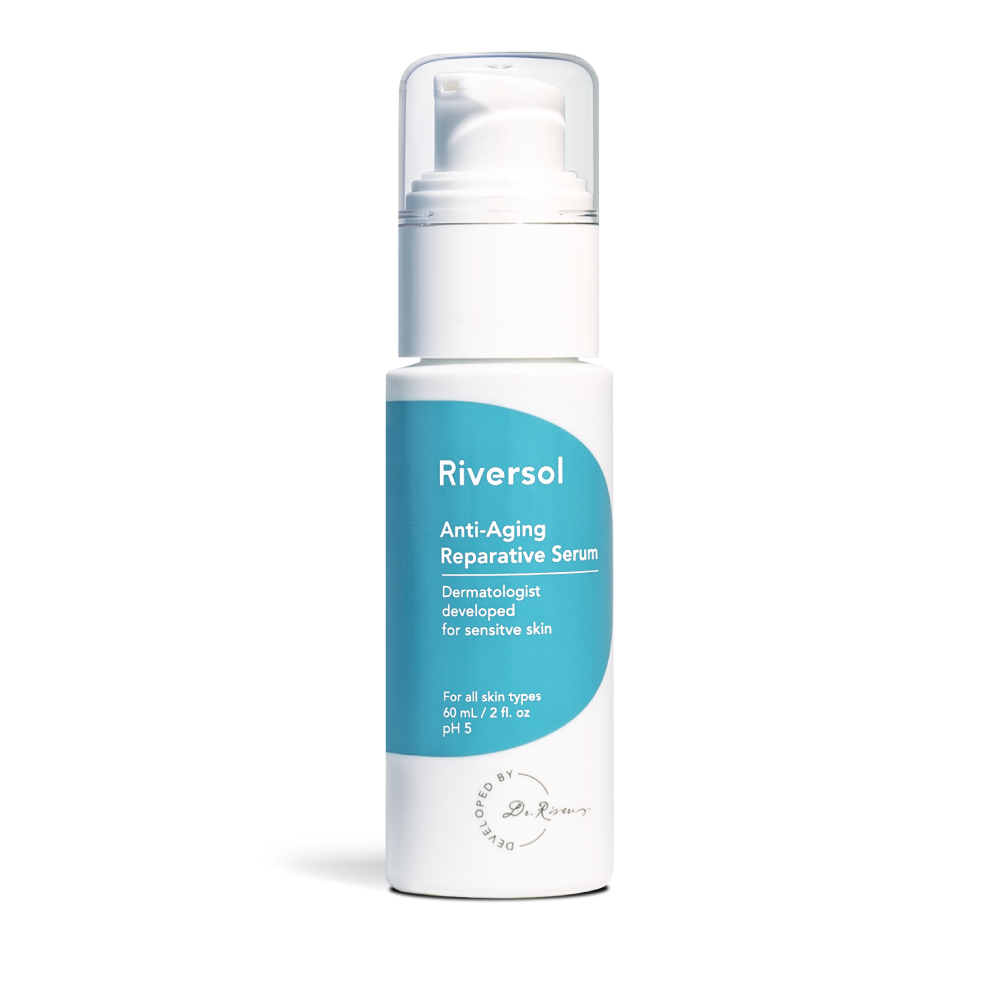
Best Anti-Redness Serum for Sensitive Skin: Riversol Anti-Redness Serum
The Anti-Redness Serum is clinically formulated for rosacea-prone and reactive skin, combining Hinokitiol (Beta-T), Vitamin E, and a stabilised Vitamin C derivative in a fragrance-free, gentle base. Developed by Dr. Jason Rivers, MD, FRCPC, a board-certified dermatologist who has treated rosacea patients in clinical practice for decades, the formula is widely considered among dermatologists as a well-tolerated active serum for visible erythema.
| Feature | Standard Products | Riversol Anti-Redness Serum |
|---|---|---|
| Key Ingredient | Niacinamide or ascorbic acid (often unstabilised) | Hinokitiol (Beta-T) plus stabilised Aminopropyl Ascorbyl Phosphate |
| Formula pH or Texture | Often acidic; can sting reactive skin | Fragrance-free, gentle base designed for low reactivity |
| Skin Sensation | Tingling or stinging common with sensitised skin | Formulated to avoid burning or stinging on reactive skin |
| Key Co-Active | Variable; not always barrier-supportive | Vitamin E for barrier repair and antioxidant synergy |
This serum is best suited for people whose primary concern is chronic facial erythema, rosacea-related flushing, or reactive skin that has previously struggled to tolerate conventional antioxidant serums.

Why Beta-Thujaplicin Changes the Game for Reactive Skin
Most redness serums address the symptom (visible flushing) without targeting the underlying mechanism (chronic low-grade inflammation and microbial triggers). Beta-Thujaplicin, the active compound extracted from the ancient Pacific red cedar tree native to British Columbia, works differently. It combines anti-inflammatory and antimicrobial activity in a single molecule, addressing two of the primary drivers of rosacea-related redness simultaneously.
In patients with reactive skin, the typical challenge is that powerful anti-inflammatory actives (like retinol or glycolic acid) themselves cause irritation that worsens redness before improving it. Beta-T's role in the Riversol formulation is to buffer this reactivity, allowing the Vitamin C and Vitamin E co-actives to perform without triggering a flare. As of 2025, research published in the Journal of Cosmetic Dermatology confirmed that cosmeceutical serums combining antioxidant and anti-inflammatory mechanisms produced measurable improvements in erythema and skin tone in mature and sensitive skin populations.

How to Use a Redness Serum Correctly
Even the right serum will underperform if applied incorrectly. Here is a simple protocol based on how redness serums are used in clinical practice for reactive skin types.
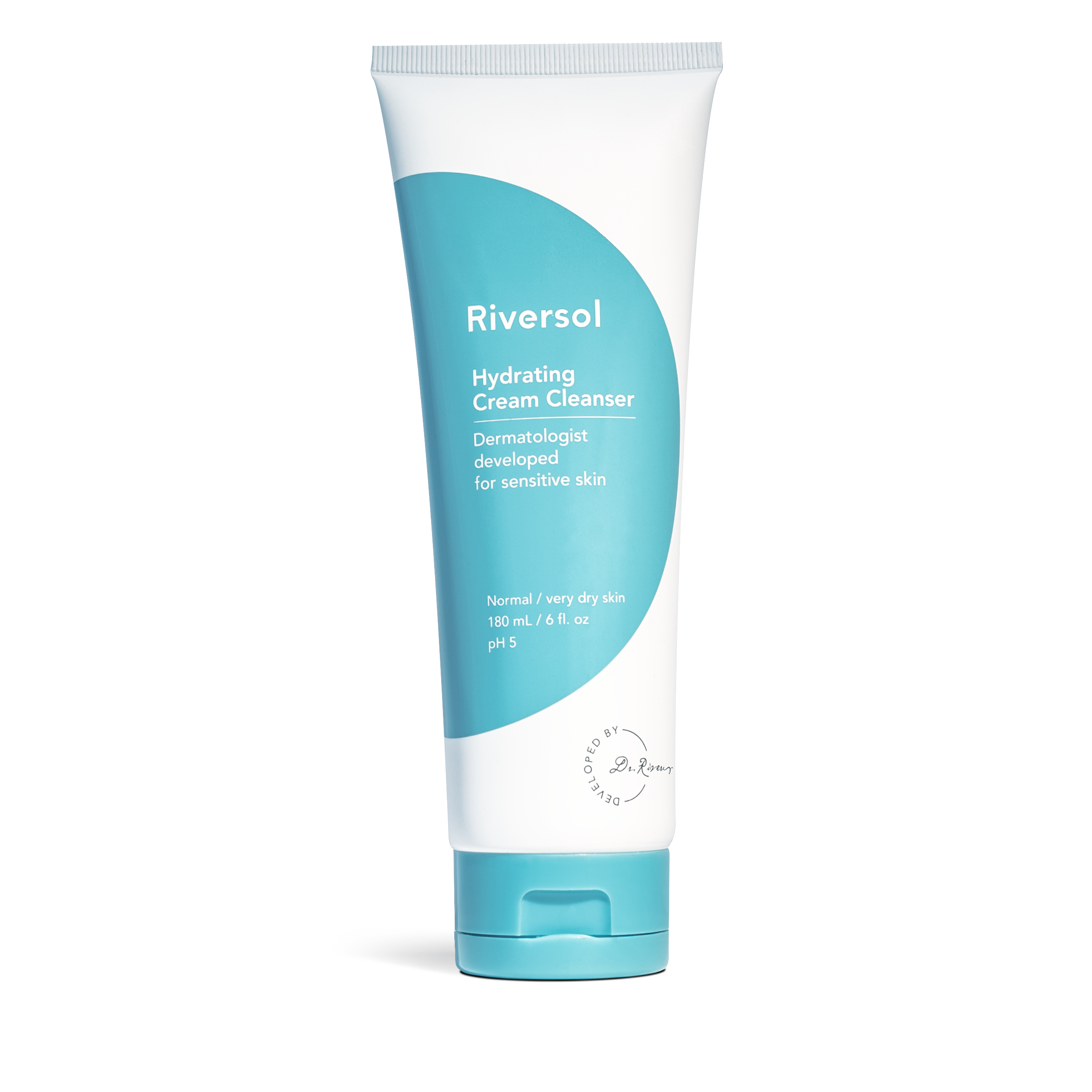
- Cleanse gently: Use a non-foaming, fragrance-free cleanser. A cream-based option like the Hydrating Cream Cleanser avoids stripping residual lipids from the barrier.
- Apply serum to damp skin: Slightly damp skin improves absorption and reduces the likelihood of a concentrated active causing localised irritation.
- Use 2 to 3 drops: Less is more with active serums. Over-application increases the risk of reactivity without improving efficacy.
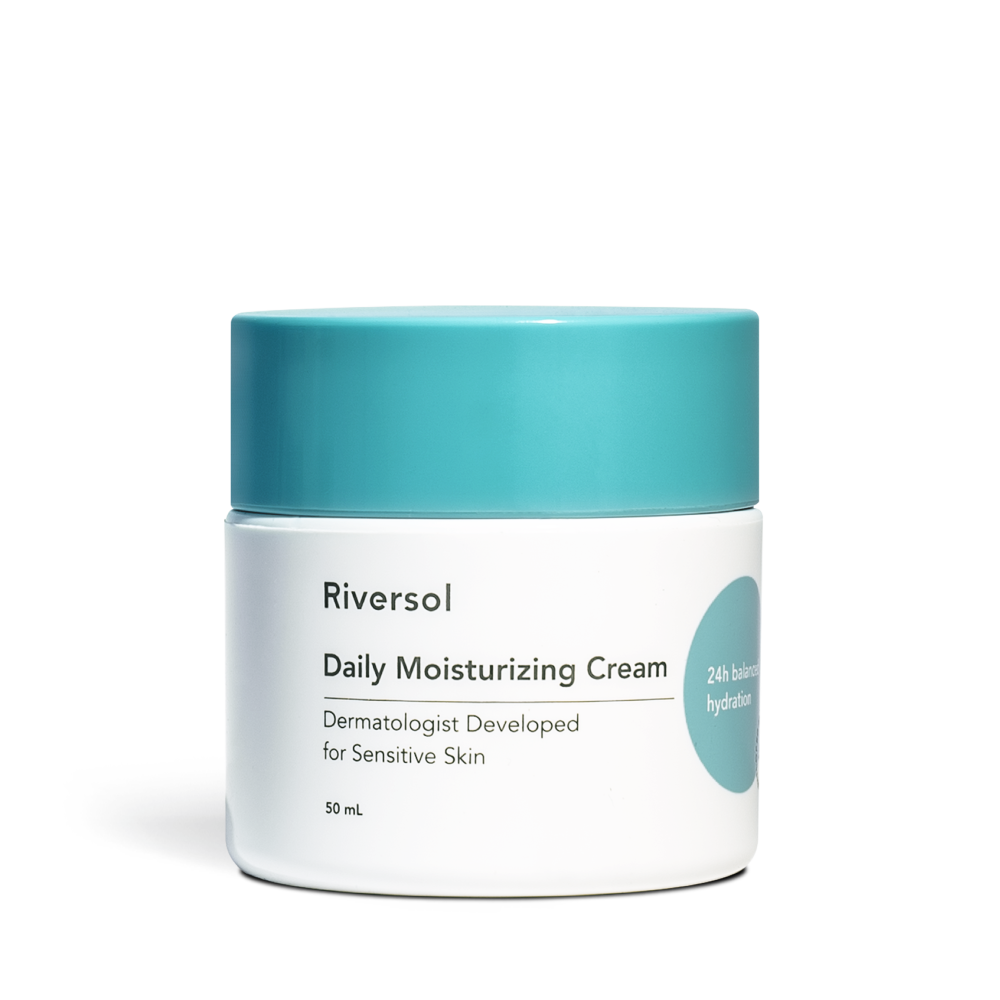
- Follow with a barrier-supportive moisturizer: Locking in the serum with a non-comedogenic moisturizer protects the epidermis and reduces TEWL.
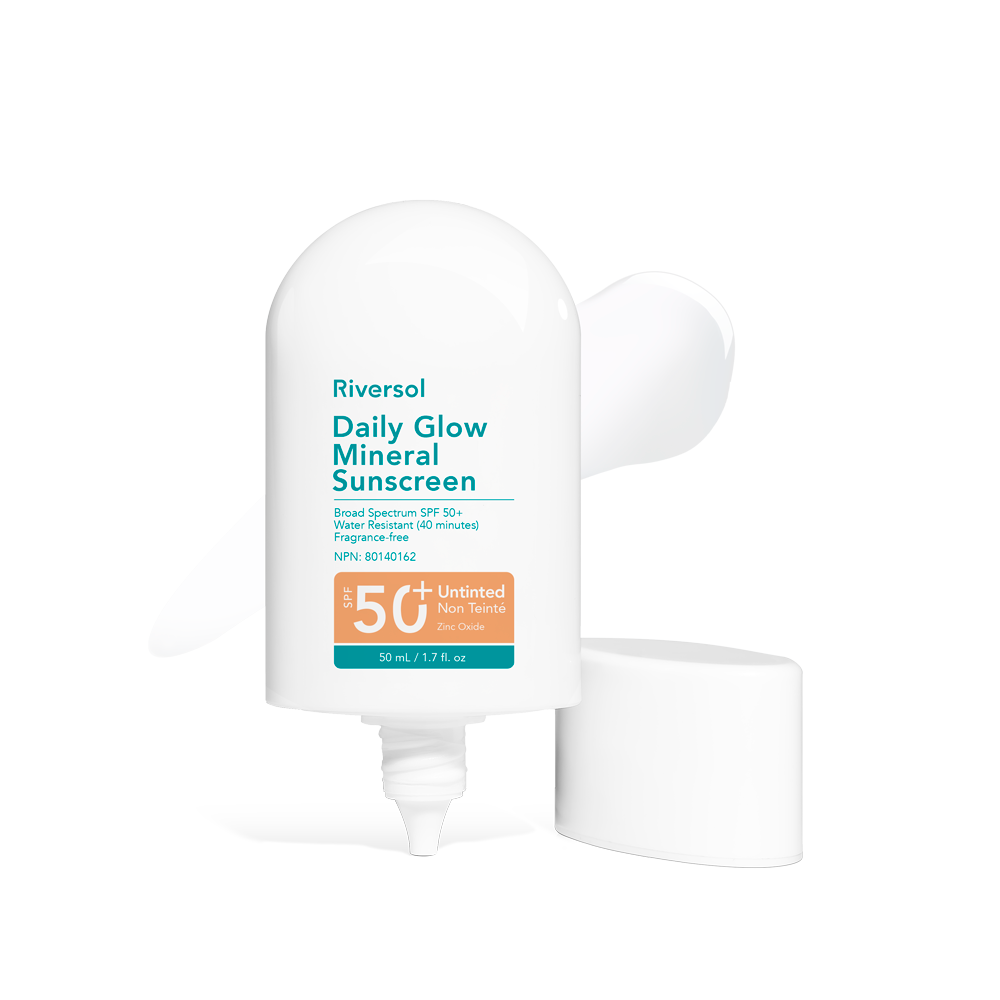
- Apply SPF every morning: UV-induced vasodilation is one of the most significant triggers for facial erythema. Protecting with mineral SPF 50+ is non-negotiable for redness management. The Daily Glow Mineral Sunscreen SPF 50+ is formulated without chemical UV filters that can irritate reactive skin.
Frequently Asked Questions
Which serum is best for skin redness?
The best serum for skin redness depends on whether your redness is caused by rosacea, a damaged barrier, or reactivity to actives. For rosacea-prone or chronically reactive skin, look for a fragrance-free formula containing proven anti-inflammatory ingredients such as Hinokitiol, niacinamide, or stabilised Vitamin C. Riversol's formulations are specifically designed for this skin profile.
What is the best product to reduce redness?
A targeted serum containing anti-inflammatory and barrier-supporting actives is generally more effective than a moisturizer alone for reducing visible redness. According to the Journal of the American Academy of Dermatology, serum formulations that address both erythema and barrier function produce significantly better outcomes in patients with rosacea-prone skin. Pairing a redness serum with a mineral SPF and a gentle cleanser creates a complete daily protocol.
What do Koreans use for redness?
Korean skincare routines for redness frequently emphasise layering lightweight, hydrating essences and toners that reinforce the moisture barrier before applying targeted actives. Common ingredients used in Korean formulations for redness include centella asiatica, madecassoside, and niacinamide, all of which support barrier repair and help reduce the appearance of capillary-related erythema. Regardless of skincare philosophy, the underlying dermatological principle is the same: a healthy lipid barrier is the foundation of redness control.
What is the best skincare to reduce redness?
A consistent daily skincare routine that addresses cleansing, active treatment, moisturising, and sun protection is the most effective approach to reducing persistent redness. The American Academy of Dermatology recommends that patients with rosacea use only gentle, fragrance-free products and apply broad-spectrum SPF daily to manage UV-triggered vasodilation. For reactive skin, choosing a dermatologist-developed serum formulated to calm inflammation without causing additional irritation is the critical differentiator.
References
- American Academy of Dermatology. (2024). Rosacea: Skin care tips dermatologists recommend. aad.org. Retrieved from https://www.aad.org/public/diseases/rosacea/triggers/tips
- Journal of the American Academy of Dermatology. (2024). Tolerance and efficacy of a serum containing active ingredients for erythema: Clinical Erythema Assessment findings. JAAD. Retrieved from https://www.jaad.org/article/S0190-9622(24)02398-3/fulltext
- Journal of the American Academy of Dermatology. (2025). Skincare ingredients recommended by cosmetic dermatologists for erythema of rosacea: Results of a 1-year open-label study. JAAD. Retrieved from https://www.jaad.org/article/S0190-9622(25)00612-7/abstract
- Journal of Cosmetic Dermatology, Wiley Periodicals LLC. (2025). Integrated skincare with advanced cosmeceutical serums: Outcomes in mature skin. PubMed. Retrieved from https://pubmed.ncbi.nlm.nih.gov/40709746/
Related Topics to Explore:
About Dr. Jason Rivers, MD
Dr. Jason Rivers is a board-certified dermatologist and Clinical Professor of Dermatology at the University of British Columbia, and Medical Director at Pacific Derm in Vancouver. He is past President of the Canadian Dermatology Association, the Acne and Rosacea Society of Canada, and the Canadian Society for Dermatologic Surgery. Dr. Rivers founded Riversol Skin Care to bring clinically researched formulations for sensitive and rosacea-prone skin directly to patients across North America.