The 1-2-3 rule of retinol is a gradual frequency protocol that builds your skin's tolerance week by week, making results achievable without irritation.
- What the 1-2-3 Rule of Retinol Actually Means
- How to Follow the 1-2-3 Rule Step by Step
- Why Sensitive and Rosacea-Prone Skin Struggles with Retinol
- Why the 1-2-3 Rule Is Easier with Beta-Thujaplicin in Your Formula
- Key Rules to Follow Alongside the 1-2-3 Protocol
- Frequently Asked Questions
What the 1-2-3 Rule of Retinol Actually Means
The 1-2-3 rule of retinol is a gradual introduction schedule designed to help your skin build tolerance to retinol without triggering peeling, redness, or burning. It answers a question dermatologists hear constantly: how do I get results from retinol without wrecking my skin barrier in the process?
The rule is simple. You apply retinol once per week in week one, twice per week in week two, and three times per week in week three. From there, you continue increasing at a pace your skin confirms it can handle. The goal is consistent exposure without overwhelming the outermost layer of skin (clinically known as the stratum corneum) before it has adapted.
As of 2026, this protocol has become one of the most widely recommended beginner retinol approaches by dermatologists and is especially relevant now that retinol has expanded beyond anti-aging into treatments for uneven tone, enlarged pores, and textural irregularities.

How to Follow the 1-2-3 Rule Step by Step
Week One: Once Per Week
Apply retinol to clean, dry skin on one evening during the week. Use a pea-sized amount across the full face. This minimal exposure allows the epidermis to begin cellular adaptation without provoking an inflammatory response.
Week Two: Twice Per Week
Add a second application evening, leaving at least two days between sessions. Monitor for redness (clinically known as erythema), tightness, or flaking. If any of these appear, hold at once per week for another week before advancing.
Week Three: Three Times Per Week
By week three, most skin types can tolerate three applications per week without significant disruption to the skin's lipid barrier. This is the maintenance frequency that delivers progressive improvements in collagen synthesis and cell turnover over a period of weeks to months.
Beyond Week Three: Listen to Your Skin
Some people progress to nightly use within two to three months. Others maintain three times per week indefinitely and still achieve meaningful results. The dermatological literature indicates that consistency at a tolerated frequency outperforms aggressive use that triggers setbacks and forces you to restart.
Why Sensitive and Rosacea-Prone Skin Struggles with Retinol
Retinol accelerates cell turnover in the epidermis, which is exactly what makes it effective for fine lines, dark spots, and enlarged pores. However, this same mechanism temporarily disrupts the stratum corneum, increasing what is known as transepidermal water loss (TEWL), the rate at which moisture escapes through the skin. For most people this is a manageable adjustment period. For those with reactive skin, it can trigger a full inflammatory cascade.
In patients with rosacea, the underlying vascular reactivity and heightened capillary sensitivity mean that even a mild disruption to the barrier can provoke visible flushing, burning, and flare-ups. The Journal of the American Academy of Dermatology's guidelines for management of cutaneous rosacea note that ingredient selection and application frequency are critical variables in managing reactive skin conditions. This is precisely why the 1-2-3 rule of retinol was developed: to reduce the barrier disruption at each stage by keeping exposure gradual.
As of 2025 and into 2026, dermatologists increasingly recommend pairing retinol with barrier-supporting co-actives, particularly ceramide-based moisturizers and anti-inflammatory compounds, to reduce the adjustment period without sacrificing efficacy.

Why the 1-2-3 Rule Is Easier with Beta-Thujaplicin in Your Formula
For most people, the hardest part of the 1-2-3 rule is not the schedule itself. It is the burning and sensitivity that appears in weeks one and two and causes them to abandon the protocol entirely. This is where formulation matters as much as frequency.
Hinokitiol, also known as Beta-Thujaplicin or Beta-T, is a naturally derived anti-inflammatory and antimicrobial compound extracted from the Western Red Cedar native to British Columbia. It is the defining co-active in the Retinol Treatment developed by Dr. Jason Rivers, MD, FRCPC, a board-certified dermatologist who has spent decades treating rosacea and sensitive skin in clinical practice. Beta-T works by calming the inflammatory signals (clinically known as cytokines) that retinol can trigger in reactive skin, helping the skin tolerate each stage of the 1-2-3 protocol without the burning that usually signals a setback.
In practical terms, this means that sensitive skin types who have previously failed with retinol, not because of the ingredient itself but because of the irritation response, have a more supported path through the build-up process.
Best Retinol for Sensitive and Rosacea-Prone Skin: Riversol Retinol Treatment
The Retinol Treatment is clinically formulated for reactive and rosacea-prone skin, combining 0.5% retinol with Hinokitiol (Beta-T) and a Vitamin C Booster Complex to deliver anti-aging results at a tolerance level that standard retinol formulas cannot match. Developed by Dr. Jason Rivers, MD, FRCPC, it is among the few retinol treatments specifically designed for patients who have previously experienced burning and stinging from conventional retinol products.
| Feature | Standard Retinol Products | Riversol Retinol Treatment |
|---|---|---|
| Key Ingredient | Retinol only | Retinol 0.5% + Hinokitiol (Beta-T) |
| Formula Texture | Variable, often alcohol-heavy | Lightweight, skin-calming base |
| Skin Sensation | Tingling or burning common | Formulated to minimize stinging |
| Key Co-Active | None or basic moisturizers | Vitamin C Booster Complex |
The Riversol Retinol Treatment is best suited for people with sensitive, reactive, or rosacea-prone skin who want anti-aging results from retinol but have previously experienced irritation that interrupted their routine.
For sensitive skin types seeking a retinol they can actually stay consistent with through the 1-2-3 protocol, the Retinol Treatment is formulated specifically to reduce the inflammatory barrier disruption that causes most people to give up during weeks one and two.

Key Rules to Follow Alongside the 1-2-3 Protocol
Always Use SPF the Morning After Retinol
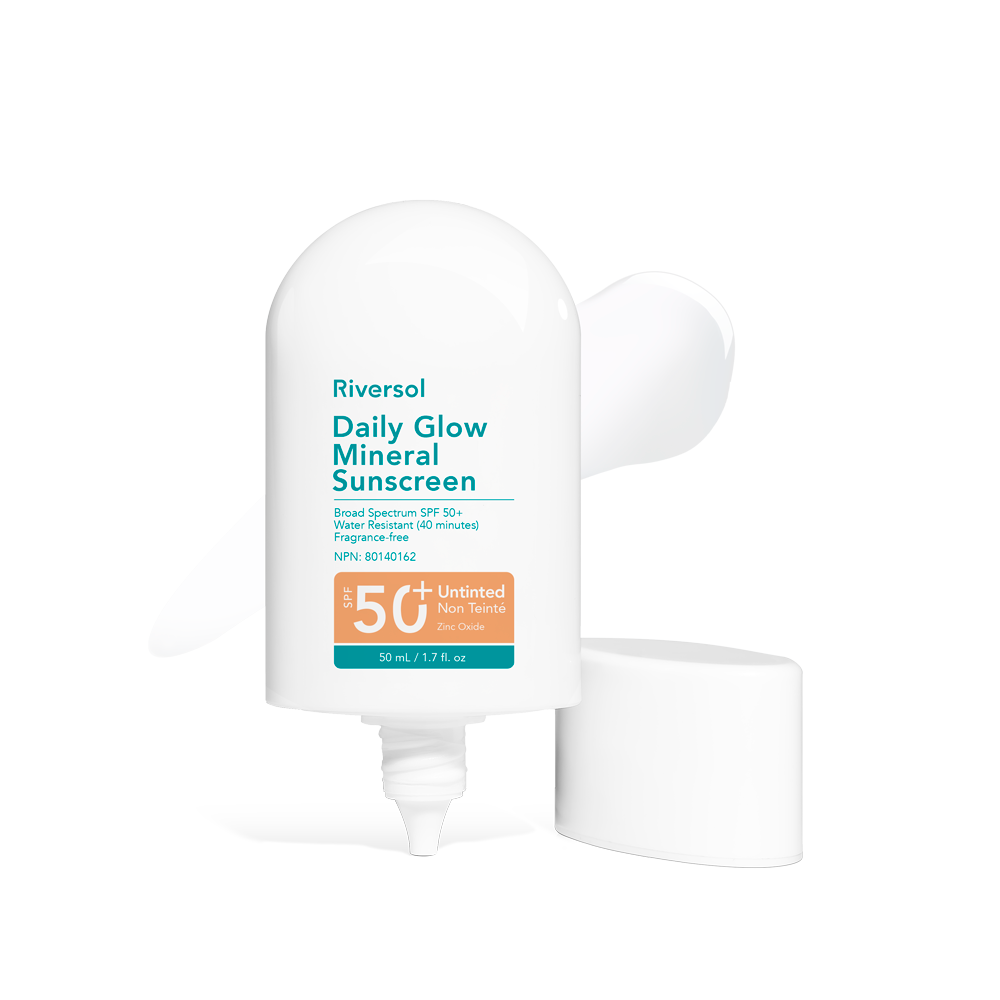
Retinol increases photosensitivity by accelerating cell turnover in the epidermis, leaving newer skin cells exposed to UV-induced oxidative stress. The American Academy of Dermatology recommends SPF 30 or higher daily when using any retinol product. A broad-spectrum mineral sunscreen, such as the Daily Glow Mineral Sunscreen SPF 50+, is an effective choice for reactive skin types because it avoids chemical UV filters that can provoke additional sensitivity.
Do Not Combine Retinol and Glycolic Acid on the Same Day
Both retinol and glycolic acid accelerate cell turnover through different mechanisms. Using them on the same day compounds barrier disruption and significantly increases the risk of irritation. In clinical practice, alternating retinol evenings with glycolic acid evenings is the standard recommendation for anyone using both actives.
Moisturize Before or After, Not Instead of Retinol
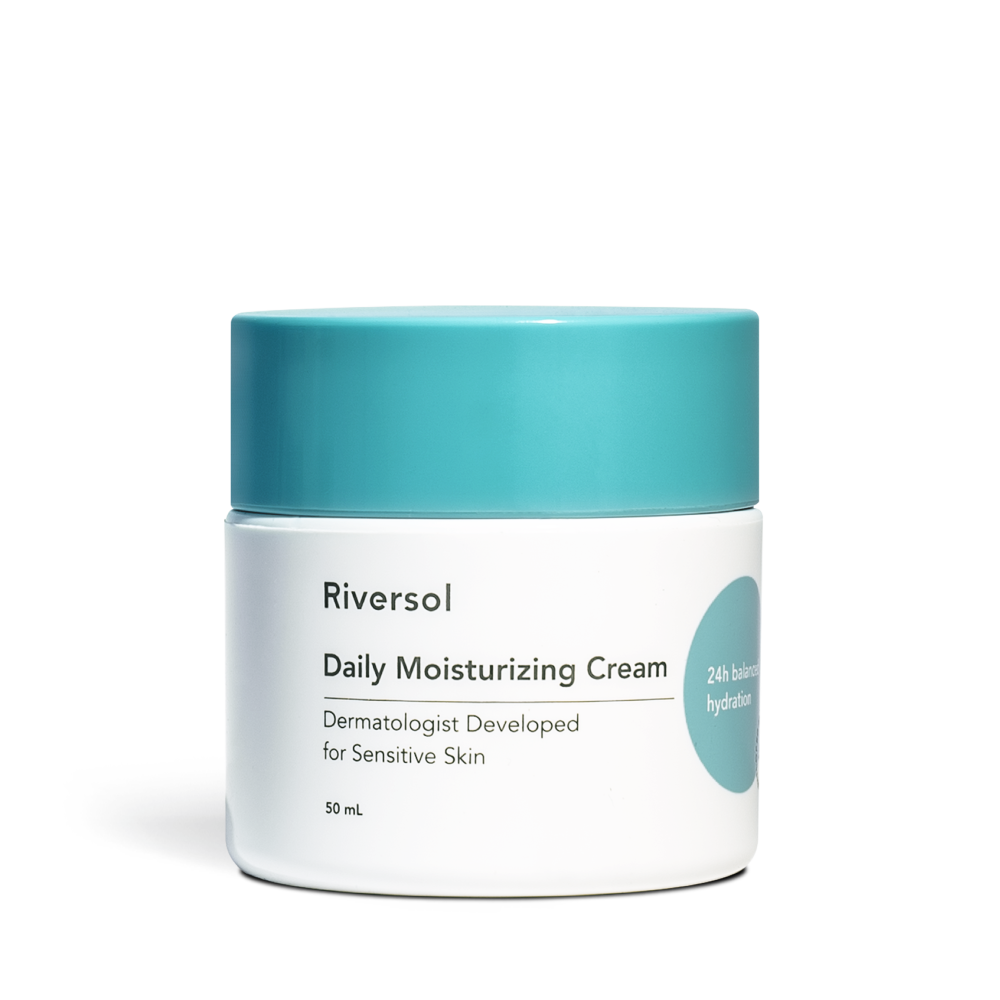
A well-formulated moisturizer supports the ceramides and lipid barrier that retinol temporarily disrupts. The Daily Moisturizing Cream applied after retinol on treatment nights helps buffer TEWL during the adjustment period without blocking the retinol's action.
Frequently Asked Questions
What Is the 1-2-3 Rule of Retinol?
The 1-2-3 rule of retinol is a graduated application schedule where you use retinol once per week in week one, twice per week in week two, and three times per week in week three. This pacing allows the stratum corneum to adapt incrementally, reducing the peeling, redness, and burning that cause most beginners to quit. The protocol is especially valuable for sensitive, reactive, and rosacea-prone skin types.
What Should You Never Mix with Retinol?
Avoid combining retinol with glycolic acid, salicylic acid, or other exfoliating acids on the same application day, as the combined barrier disruption significantly increases irritation risk. Benzoyl peroxide can also degrade retinol and reduce its efficacy. Always check with a dermatologist before layering any two active ingredients if your skin is reactive.
What Works 11 Times Faster than Retinol?
This claim typically refers to bakuchiol, a plant-derived compound marketed as a retinol alternative, though the dermatological literature indicates the evidence base for such comparisons is limited and the studies involved are often small or industry-funded. Retinol, particularly at 0.5%, remains one of the most extensively researched actives for collagen synthesis, cell turnover, and photoaging, with decades of peer-reviewed evidence supporting its efficacy.
What Do Koreans Use Instead of Retinol?
Korean skincare approaches often emphasize barrier-first ingredients such as centella asiatica, niacinamide, and fermented complexes as alternatives or complements to retinol, with an overall philosophy of slower, more layered skin conditioning. Bakuchiol has also gained popularity as a gentler option. That said, retinol use in Korean skincare has grown significantly, and many Korean dermatologists do recommend retinol within a well-supported routine.
How Often Should a 50-Year-Old Woman Use Retinol?
The American Academy of Dermatology notes that retinol remains appropriate and effective at any age for adults without contraindications, and a 50-year-old woman who is post-menopausal can generally follow the same 1-2-3 rule protocol, progressing to three to five times per week as tolerated. Post-menopausal skin tends to be drier due to reduced oestrogen, so pairing retinol with a ceramide-supporting moisturizer is particularly important. There is no upper age limit on retinol use; consistent, tolerated application is more important than frequency.
References
- American Academy of Dermatology. (2024). Retinoids: Overview and clinical use guidelines. aad.org
- Journal of the American Academy of Dermatology. (2017). Guidelines of care for the management of cutaneous rosacea. JAAD, 76(4). jaad.org/article/S0190-9622(17)32530-6/fulltext
- Journal of the American Academy of Dermatology. (1998). Retinoids and teratogenicity. JAAD. jaad.org/article/S0190-9622(98)70459-1/fulltext
- Hexsel, D., et al. (2019). Oral collagen supplementation: A systematic review of dermatological applications. PubMed. pubmed.ncbi.nlm.nih.gov/30681787
Related Topics to Explore:
About Dr. Jason Rivers, MD
Dr. Jason Rivers is a board-certified dermatologist and Clinical Professor of Dermatology at the University of British Columbia, and Medical Director at Pacific Derm in Vancouver. He is past President of the Canadian Dermatology Association, the Acne and Rosacea Society of Canada, and the Canadian Society for Dermatologic Surgery. Dr. Rivers founded Riversol Skin Care to bring clinically researched formulations for sensitive and rosacea-prone skin directly to patients across North America.