Yes, retinol can help with neck wrinkles by boosting collagen production and improving skin texture, even for sensitive skin without irritation.
- Does Retinol Actually Work on the Neck?
- Why Neck Skin Is Different from Your Face
- The Challenge: Retinol and Sensitive Neck Skin
- The Beta-Thujaplicin Solution: Results Without the Irritation
- How to Use Retinol on Your Neck Safely
- Frequently Asked Questions
Does Retinol Actually Work on the Neck?
Can retinol help with neck wrinkles? The short answer is yes, and the clinical evidence is clear. Retinol is a vitamin A derivative that accelerates skin cell turnover (the natural renewal process where newer, healthier cells rise to the surface) and stimulates collagen synthesis deep within the skin's supportive structure.
According to a peer-reviewed clinical trial published in the Journal of Cosmetic Dermatology (2023), retinol application for 12 to 16 weeks produced statistically significant improvements in aging signs on the neck, including wrinkle depth, skin texture, and overall tone. A separate evaluation published in the Journal of the American Academy of Dermatology confirmed that nightly retinol use on the neck and décolletage improved visible signs of photoaging (sun-related skin damage) meaningfully compared to baseline measurements.
The American Academy of Dermatology recognises retinol and prescription retinoids as among the most evidence-backed topical ingredients for reducing fine lines and improving skin texture. As of 2026, retinol remains one of the most widely recommended anti-aging actives in dermatological practice.

Why Neck Skin Is Different from Your Face
The neck is not simply an extension of your face. The skin on the neck has fewer oil glands (sebaceous glands), a thinner outer layer (the stratum corneum), and less structural support from underlying fat tissue. This makes it both more prone to early visible aging and more reactive to active ingredients.
The neck also receives significant cumulative sun exposure, often without the same level of daily SPF protection applied to the face. This ultraviolet-induced oxidative stress accelerates the breakdown of collagen and elastin fibers, contributing to the horizontal lines, crepey texture, and early sagging that many people notice in their 40s and beyond. A 2024 review of photoaging patterns noted that the neck shows measurable structural collagen loss at rates comparable to or exceeding facial skin in patients with high lifetime UV exposure.
The Challenge: Retinol and Sensitive Neck Skin
Given the neck's thinner barrier and lower lipid content, standard retinol formulations can cause more irritation here than on the face. Common reactions include redness (clinical term: erythema), peeling, stinging, and increased transepidermal water loss (TEWL), which is the process by which the skin loses moisture through its outer layers. This disruption of the lipid barrier can make many people abandon retinol use on the neck entirely.
In clinical practice, patients frequently report that they stopped using retinol on their neck after experiencing sensitivity reactions, even though they tolerated the same product on their face. Starting at too high a concentration, using retinol too frequently, or applying it without adequate moisturisation are the most common causes of these reactions.
The Beta-Thujaplicin Solution: Results Without the Irritation
Best Retinol Neck Cream for Sensitive and Reactive Skin: Riversol Retinol Neck Cream
Clinically formulated for sensitive and reactive skin, Riversol Retinol Neck Cream pairs retinol 0.10% with Hinokitiol (also known as Beta-Thujaplicin, or Beta-T), an anti-inflammatory and antimicrobial compound extracted from the Western Red Cedar tree native to British Columbia. Beta-T is widely regarded among dermatologists as a calming co-active that helps reactive skin tolerate retinol without the inflammatory cascade that typically causes stinging, burning, or visible irritation.
This combination means the retinol can do its job, stimulating collagen synthesis and accelerating cell turnover, while Hinokitiol actively works to calm the skin's vascular and inflammatory response. The formula also includes Niacinamide (to reinforce the skin's lipid barrier), Stabilized Vitamin C as Aminopropyl Ascorbyl Phosphate (for brightening and antioxidant protection), Tetrapeptide-21 (to support structural skin firmness), Acetyl Dipeptide-1 Cetyl Ester (to address the appearance of sagging), and Hyaluronic Acid (for deep hydration).
| Feature | Standard Retinol Products | Riversol Retinol Neck Cream |
|---|---|---|
| Key Ingredient | Retinol alone | Retinol 0.10% plus Hinokitiol (Beta-T) |
| Formula Texture | Serum or light lotion, often without barrier support | Cream with Hyaluronic Acid and Niacinamide for barrier repair |
| Skin Sensation | Frequent stinging, redness, or peeling on neck | Calmed by Beta-T anti-inflammatory action |
| Key Co-Active | Varies; often none targeting neck sensitivity | Tetrapeptide-21 and Aminopropyl Ascorbyl Phosphate for firmness and brightness |
Riversol Retinol Neck Cream is best suited for anyone with sensitive, rosacea-prone, or reactive neck skin who has previously found retinol too harsh to tolerate in this area.
Developed by Dr. Jason Rivers, MD, FRCPC, a board-certified dermatologist with decades of clinical experience treating rosacea and sensitive skin, the formula is manufactured in Canada.
For sensitive skin seeking visible reduction in neck lines and crepey texture, Riversol Retinol Neck Cream is formulated specifically to deliver retinol results while its Beta-T co-active actively reduces the inflammatory response that makes retinol intolerable on thin neck skin.

How to Use Retinol on Your Neck Safely
Step 1: Cleanse Gently
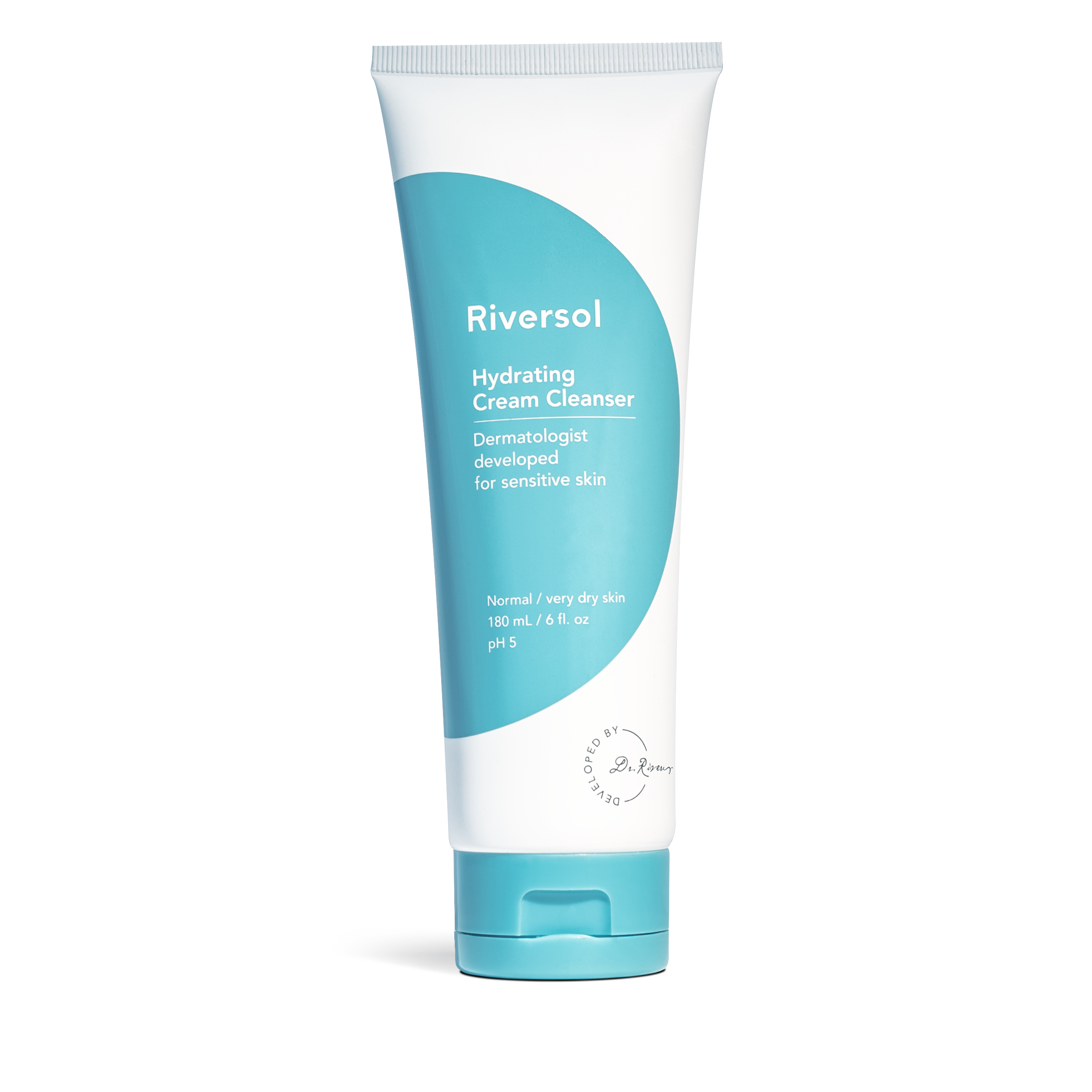
Use a non-stripping cleanser such as Riversol Hydrating Cream Cleanser to avoid compromising the neck's already thin lipid barrier before applying any active ingredient.
Step 2: Apply Retinol to Dry Skin
Wait two to three minutes after cleansing before applying retinol. Applying to damp skin increases penetration speed and can amplify irritation, particularly on the neck. Use a pea-sized amount and smooth upward from the chest to the jawline.
Step 3: Follow with Moisturiser
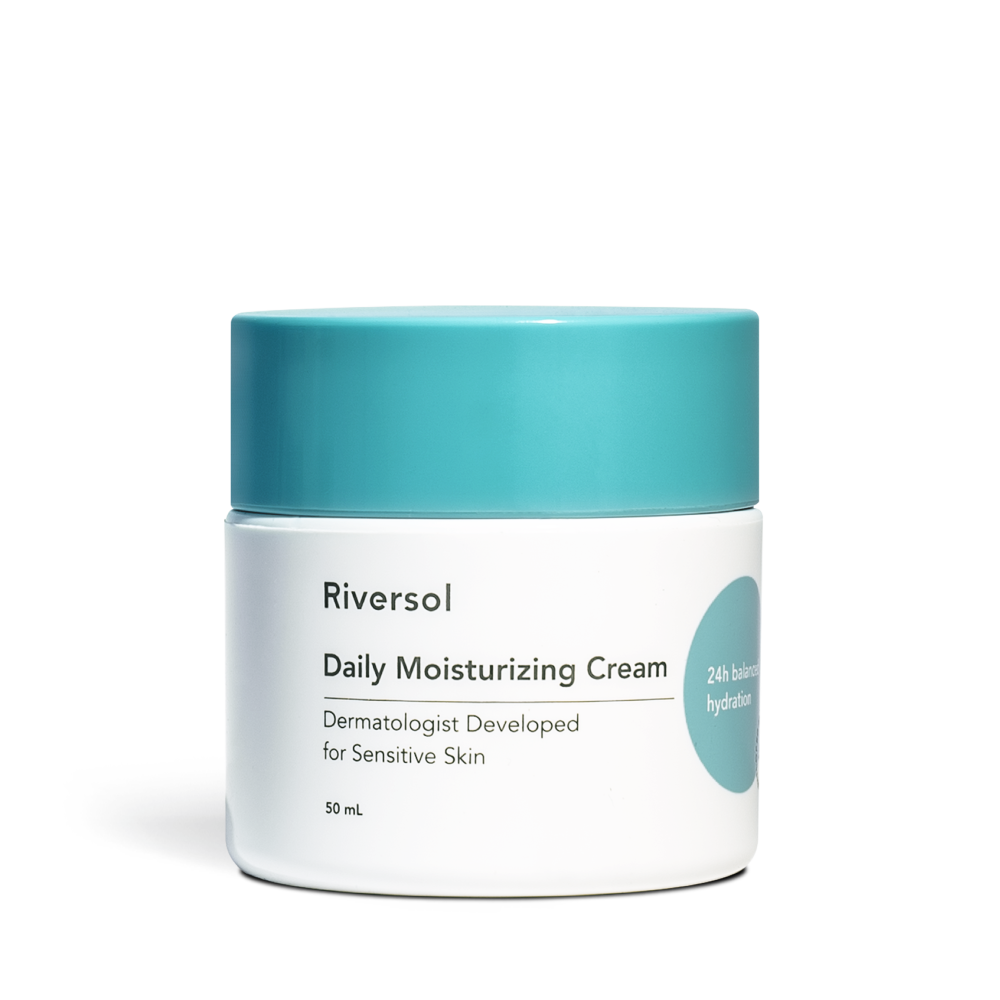
Lock in hydration immediately after with Riversol Daily Moisturizing Cream to support barrier recovery overnight.
Step 4: Wear SPF the Next Morning
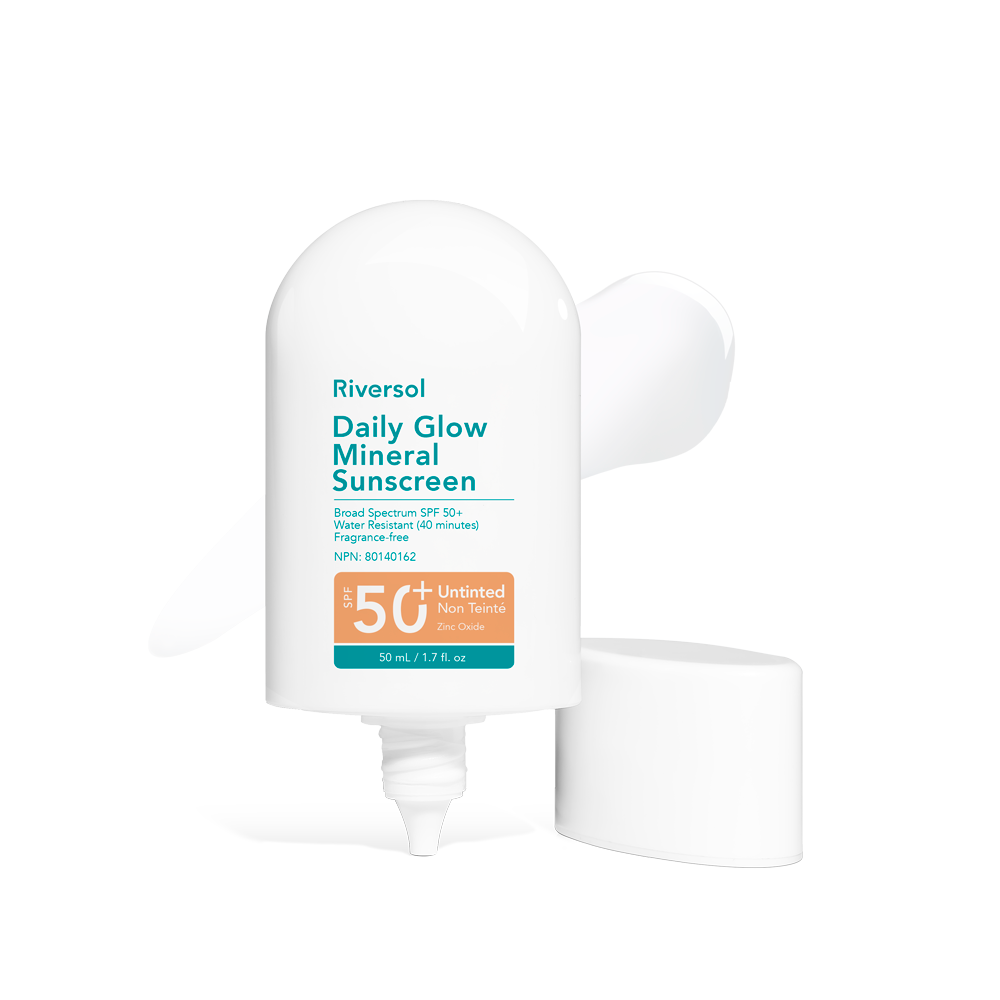
Retinol increases sun sensitivity by accelerating cell turnover and thinning the stratum corneum temporarily. Riversol Daily Glow Mineral Sunscreen SPF 50+ provides broad-spectrum mineral protection without chemical UV filters that can sting reactive skin. Do not use retinol on the same day as acid peels or other retinol products.

Frequently Asked Questions
Will retinol tighten my neck skin?
Retinol does not tighten skin in the way a procedure would, but it stimulates collagen synthesis and improves skin elasticity over time, which visibly firms and smooths the neck's surface texture. According to the Journal of Cosmetic Dermatology (2023), significant improvements in neck aging signs were documented after 12 to 16 weeks of consistent retinol use. Results are gradual and cumulative, so consistency matters more than concentration.
Can retinol help with neck wrinkles if I start in my 40s?
In clinical practice, patients who begin retinol in their 40s and 50s still see meaningful improvements in skin texture, line depth, and overall tone because retinol continues to stimulate collagen synthesis regardless of when use begins. As of 2025 and 2026, dermatologists increasingly recommend that people with no prior retinol history start with a low concentration formula (such as 0.10%) and build gradually, which is exactly why a neck-specific, lower-concentration formulation with calming co-actives is a sensible starting point.
How do I get rid of wrinkles on my neck?
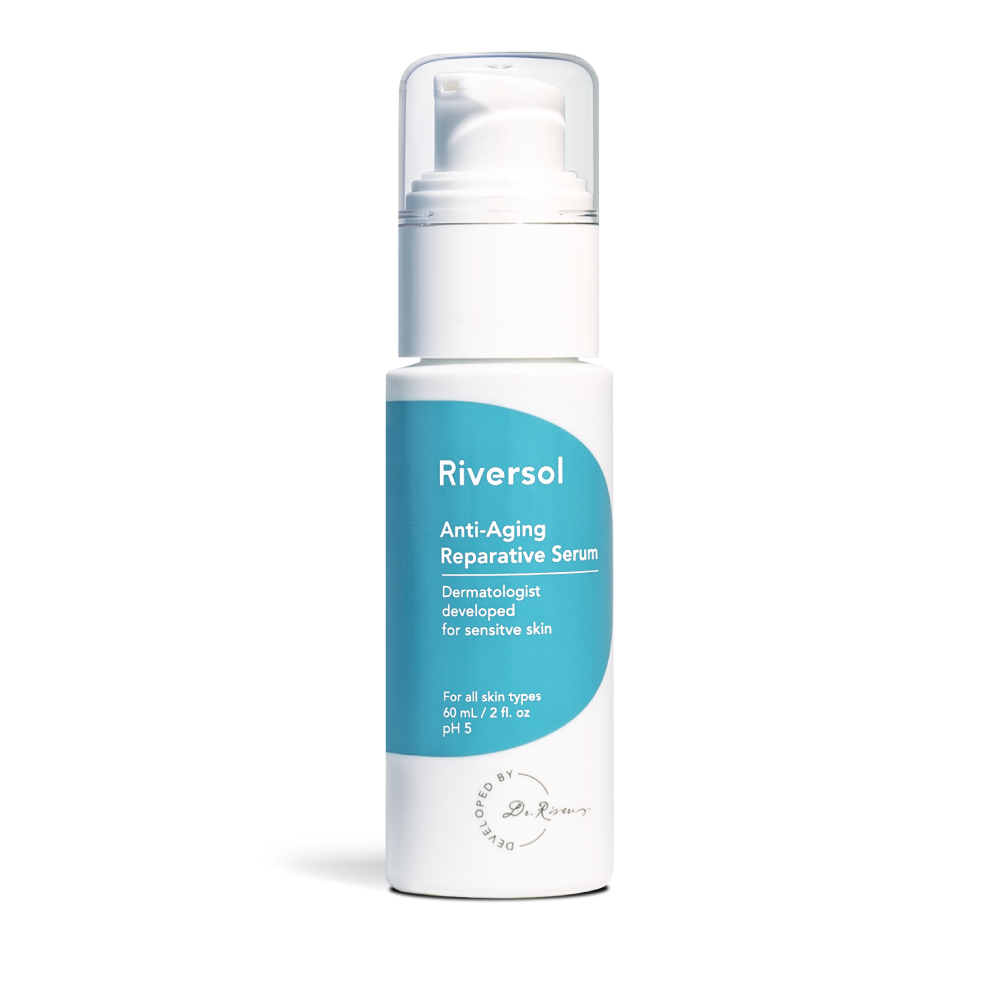
The most evidence-supported approach combines a retinol treatment applied nightly, daily SPF 50+ protection to prevent further UV-induced collagen breakdown, and a barrier-supportive moisturiser. The Journal of the American Academy of Dermatology has published clinical data confirming that retinol used nightly on the neck and décolletage improves photoaging signs measurably over time. Adding an antioxidant serum like Riversol Anti-Aging Serum (Vitamin C and E) in the morning can further neutralise the free radical damage that contributes to collagen loss.
What actually tightens neck skin?
Topically, retinol combined with peptides and antioxidants provides the most clinically supported approach to improving neck skin firmness. Ingredients like Tetrapeptide-21 and Niacinamide, both present in Riversol Retinol Neck Cream, support structural skin integrity and reduce the appearance of sagging over consistent use. For more advanced laxity, in-office procedures may be discussed with a board-certified dermatologist, but topical retinol remains an important maintenance and preventative tool at every stage.
References
- Draelos, Z.D. et al. (2023). Evaluation of a retinol containing topical treatment to address signs of aging on the neck. Journal of Cosmetic Dermatology. Published by Wiley. https://pubmed.ncbi.nlm.nih.gov/37461826/
- American Academy of Dermatology. (2024). Retinoid or retinol? Skin care secrets: Anti-aging. aad.org. https://www.aad.org/public/everyday-care/skin-care-secrets/anti-aging/retinoid-retinol
- Kang, S. et al. (2007). Skin benefits of a retinol-containing daily moisturizer with a mixture of antioxidants. Journal of the American Academy of Dermatology. https://www.jaad.org/article/S0190-9622(07)01697-0/fulltext
- Griffiths, C.E. et al. (2010). Clinical evaluation of a topical retinol treatment to address signs of aging on the hands, neck, and décolletage. Journal of the American Academy of Dermatology. https://www.jaad.org/article/S0190-9622(10)01207-7/pdf
- Nilforoushzadeh, M.A. et al. (2024). The clinical efficacy and tolerability of a novel retinal formulation for fine lines and skin texture. PubMed-indexed clinical study. https://pubmed.ncbi.nlm.nih.gov/39496127/
Related Topics to Explore:
About Dr. Jason Rivers, MD
Dr. Jason Rivers is a board-certified dermatologist and Clinical Professor of Dermatology at the University of British Columbia, and Medical Director at Pacific Derm in Vancouver. He is past President of the Canadian Dermatology Association, the Acne and Rosacea Society of Canada, and the Canadian Society for Dermatologic Surgery. Dr. Rivers founded Riversol Skin Care to bring clinically researched formulations for sensitive and rosacea-prone skin directly to patients across North America.