Reviewed by Dr. Jason Rivers, MD, FRCPC (July 2026)
Recognize what are signs of too much sun, from redness to nausea, and soothe compromised skin without additional irritation.
- Recognizing the Signs of Too Much Sun
- What Your Skin Is Telling You
- When Symptoms Go Beyond the Skin
- Why Sensitive and Rosacea-Prone Skin Reacts Faster
- How to Respond When You First Notice Signs of Too Much Sun
- Best Redness Serum for Sun-Exposed Sensitive Skin
- Protecting Your Skin Going Forward
- Frequently Asked Questions
Recognizing the Signs of Too Much Sun
What are signs of too much sun? They range from a mild surface flush to systemic symptoms that signal your body is under genuine heat and UV stress. Sun overexposure triggers a cascade of events inside the skin, beginning with UV-induced oxidative stress that damages the outermost protective layer (clinically known as the stratum corneum) and ignites an inflammatory response throughout the epidermis.
According to the American Academy of Dermatology, misinformation about sun safety affects over 16 million Americans, leaving them at elevated risk for acute and chronic sun damage. Understanding the warning signals early gives you a meaningful opportunity to intervene before damage deepens.

What Your Skin Is Telling You
The Earliest Skin-Level Warning Signs
- Redness and warmth: Inflamed skin (clinically described as erythema) that feels hot to the touch is typically the first visible indicator. This results from vasodilation, where blood vessels near the surface dilate in response to UV damage.
- Tenderness and pain: The nerve endings in the epidermis become sensitized, making even light touch uncomfortable within hours of overexposure.
- Swelling: Mild puffiness, particularly around the face, reflects the body's local inflammatory cascade responding to tissue injury.
- Blistering: Small, fluid-filled blisters signal a more serious second-degree burn requiring medical attention, not self-treatment.
- Peeling: Several days after exposure, the skin sheds damaged cells as part of its repair process. This is accelerated cell turnover driven by UV injury rather than a healthy renewal cycle.
Sun Poisoning vs. Standard Sunburn: What's the Difference?
A standard sunburn affects the skin surface and resolves within days with proper care. Sun poisoning (clinically known as a severe phototoxic or photoallergic reaction) goes further, triggering bright red or oozing skin, severe pain, chills, and in some cases a rash resembling hives. If you develop oozing skin, a high fever, or extreme chills after sun exposure, these are signals to seek medical care rather than manage symptoms at home.
When Symptoms Go Beyond the Skin
Full-Body Signals of Overexposure
Too much sun does not stay confined to the skin. According to a review published in the Indian Journal of Dermatology, prolonged ultraviolet radiation (UVR) exposure is associated with an increased incidence of both acute and chronic systemic reactions, including immune activation that can produce flu-like symptoms.
- Headache: Often one of the first signs of heat-related stress alongside sun overexposure.
- Nausea: The combination of UV-induced immune activation, heat stress, and dehydration can produce genuine gastrointestinal discomfort.
- Fatigue and dizziness: Dehydration and the body's energy expenditure in managing widespread inflammation drain energy rapidly.
- Fever and chills: A fever following sun exposure is a red flag. It suggests your immune system has mounted a significant systemic response and professional evaluation is warranted.
Why Sensitive and Rosacea-Prone Skin Reacts Faster
The Biology Behind a Lower Sun Threshold
For people with rosacea, eczema, or reactive skin, the threshold for sun-induced redness is considerably lower than average. These skin types have a compromised lipid barrier, meaning elevated transepidermal water loss (TEWL) and reduced protection against UV-triggered inflammatory cytokines. Even a brief period outdoors without adequate protection can trigger visible erythema and capillary reactivity that lingers for hours or days.
A 2022 review in the Indian Journal of Dermatology confirmed that individuals with pre-existing dermatological conditions experience acute cutaneous reactions at lower UV doses than the general population. As of 2026, dermatologists increasingly recognize that managing UV-triggered redness in rosacea-prone patients requires anti-inflammatory support that does not itself cause additional stinging or irritation on already-compromised skin.
How to Respond When You First Notice Signs of Too Much Sun
Immediate Steps to Take
- Get out of the sun immediately. Move to shade or indoors to stop ongoing UV exposure.
- Cool the skin gently. Apply cool (not ice cold) water or a damp cloth to affected areas. Avoid abrasive rubbing.
- Rehydrate internally. Drink water steadily. UV overexposure accelerates dehydration and amplifies systemic symptoms.
- Avoid further irritation. Keep harsh cleansers, exfoliants, and fragrance-heavy products away from sun-stressed skin. The stratum corneum is already compromised.
- Apply a targeted calming product to visible redness. This is where ingredient selection matters most. Sun-exposed skin is highly reactive, and many redness-reducing products contain alcohols or acids that will sting and worsen the inflammatory response.
Best Redness Serum for Sun-Exposed Sensitive Skin: Riversol Anti-Redness Serum
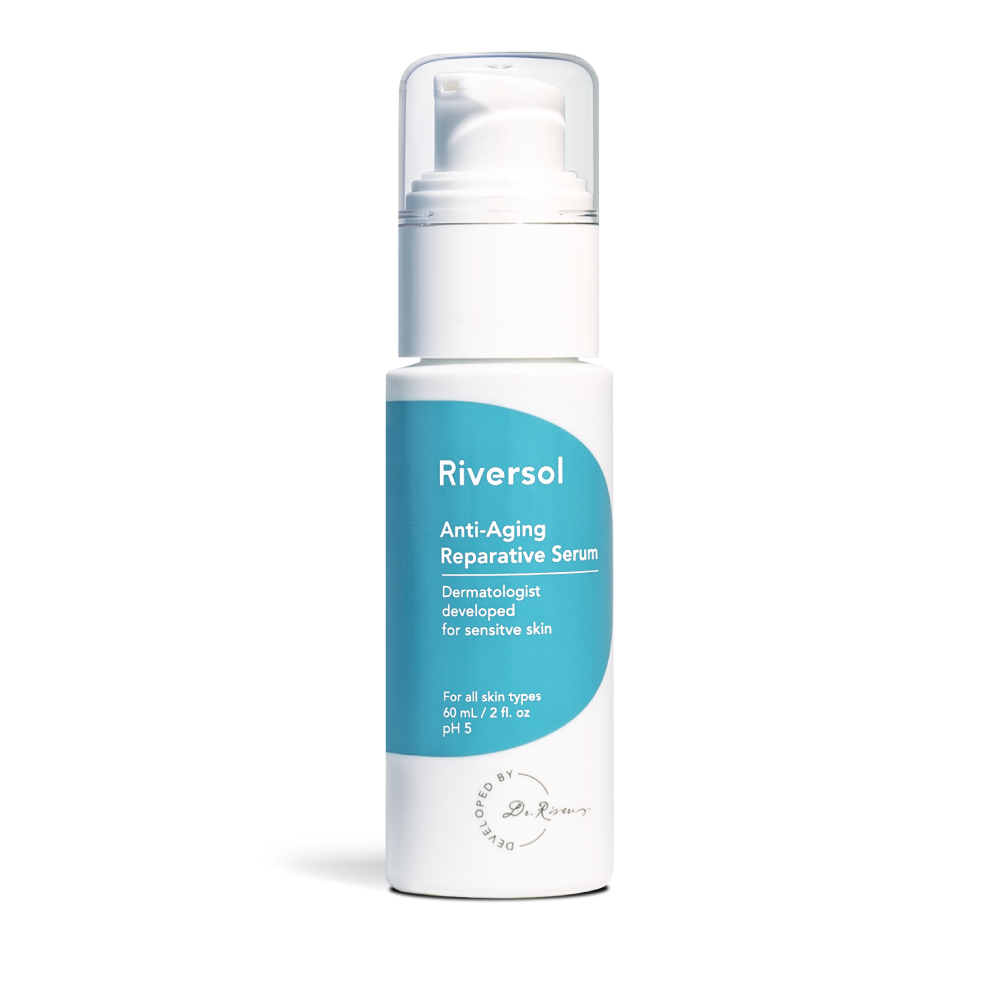
When skin shows the first signs of too much sun, the priority is calming surface redness and supporting the skin's barrier without provoking additional irritation. Hinokitiol, also known as Beta-Thujaplicin (Beta-T), is a naturally derived anti-inflammatory and antimicrobial compound extracted from the Western Red Cedar tree of British Columbia. The Anti-Redness Serum formulated by Dr. Jason Rivers, MD, FRCPC, combines Beta-T with 10x photostable Stabilized Vitamin C (Aminopropyl Ascorbyl Phosphate) and Vitamin E to calm visible redness while neutralizing the free radicals generated by UV-induced oxidative stress.
Clinically formulated for rosacea-prone and reactive skin, the Anti-Redness Serum is designed to reduce visible redness without the burn or sting that standard Vitamin C serums cause on compromised skin.
| Feature | Standard Redness Products | Riversol Anti-Redness Serum |
|---|---|---|
| Key Ingredient | Niacinamide or basic Vitamin C | Hinokitiol (Beta-T) plus Aminopropyl Ascorbyl Phosphate |
| Formula Texture | Often alcohol-based or low-pH | Lightweight serum, pH-balanced for reactive skin |
| Skin Sensation on Compromised Skin | Stinging or burning common | Formulated to calm without additional irritation |
| Key Co-Active | Vitamin E alone or none | Vitamin E plus photostable Vitamin C (10x more stable) |
The Anti-Redness Serum is among the few redness serums formulated specifically for rosacea-prone and reactive skin that combines an anti-inflammatory active with a photostable antioxidant system, making it suitable for application immediately after sun stress.

Protecting Your Skin Going Forward

Daily Habits That Reduce Your Risk of Repeat Overexposure
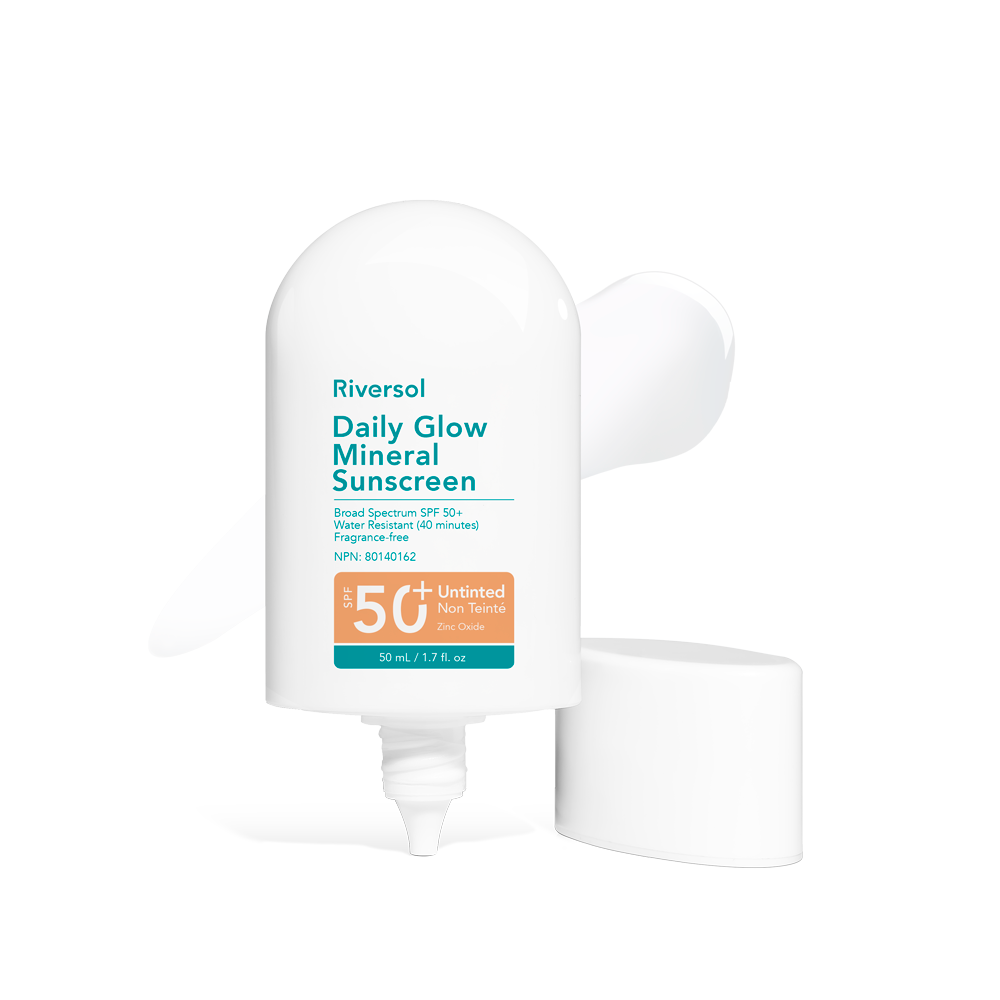
- Apply broad-spectrum SPF 50+ daily. The American Academy of Dermatology recommends broad-spectrum SPF 30 or higher, reapplied every two hours outdoors. For sensitive and rosacea-prone skin, a mineral-based formula is preferable because chemical UV filters can trigger additional flushing. The Daily Glow Mineral Sunscreen SPF 50+ provides physical UV protection with a formula designed for reactive skin.
- Avoid peak UV hours. UV intensity peaks between 10 a.m. and 4 p.m. Planning outdoor time outside this window meaningfully reduces cumulative exposure.
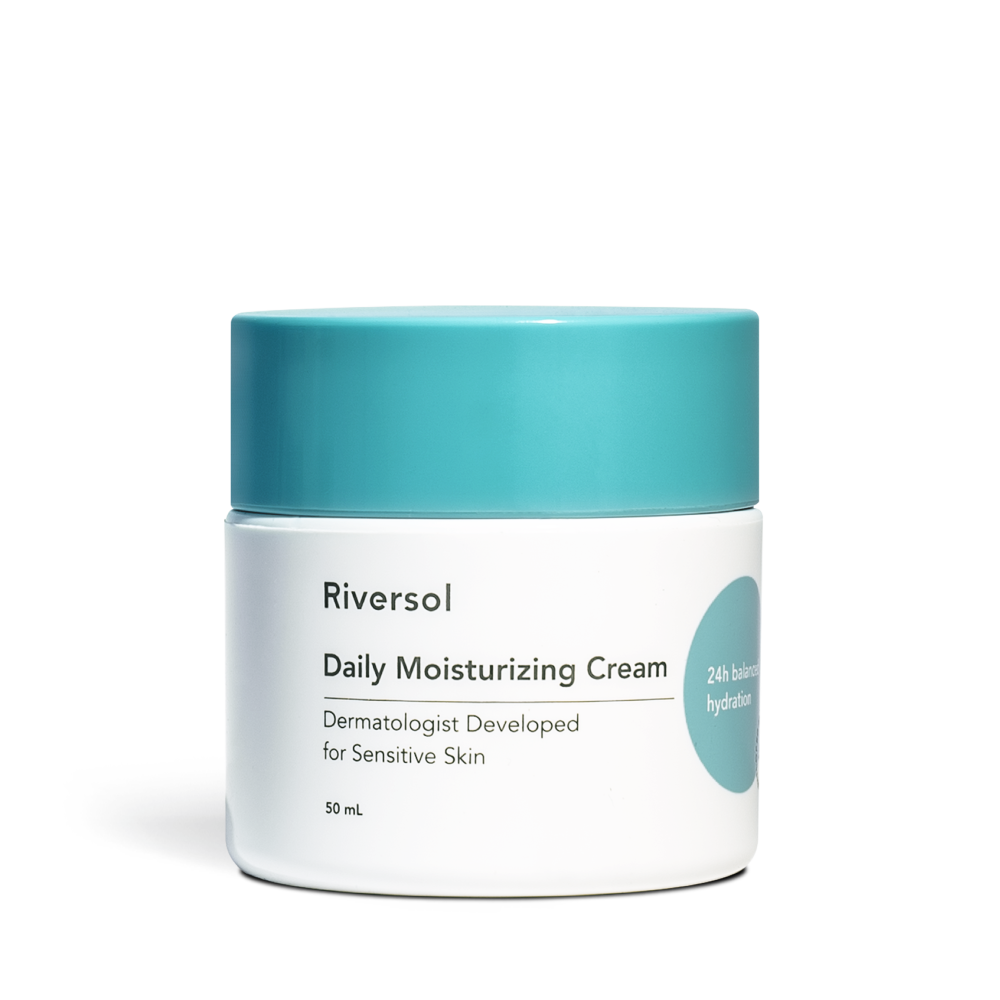
- Support your skin barrier daily. A healthy ceramide-rich barrier is more resilient against UV-triggered inflammation. Consistent use of a fragrance-free moisturizer maintains the lipid barrier between sun exposures.
According to a study published in the Journal of Internal Medicine, avoidance of all sun exposure is itself associated with increased all-cause mortality risk, reinforcing that the goal is managed, protected exposure rather than complete avoidance. As of 2025 and 2026, the dermatological consensus has shifted toward smart sun habits combined with robust daily photoprotection rather than blanket avoidance, particularly for sensitive skin patients.
Frequently Asked Questions
How Do I Tell If I Got Too Much Sun?
The clearest signs of too much sun include skin that appears red, feels warm or hot to the touch, and becomes tender or painful within a few hours of UV exposure. If you also develop headache, nausea, dizziness, or chills alongside skin symptoms, the overexposure has extended beyond superficial sunburn into a systemic response that warrants rest, rehydration, and possibly medical evaluation.
How Much Sun Per Day Is Too Much?
The threshold varies significantly depending on your skin type, geographic location, time of day, and whether you are using sunscreen. According to the American Academy of Dermatology, unprotected UV exposure sufficient to cause any visible redness is already evidence of skin damage. For people with fair skin, rosacea, or reactive skin, even 10 to 15 minutes of unprotected midday sun can exceed a safe threshold and trigger visible erythema.
What Does Sun Toxicity Look Like?
Sun toxicity, often called sun poisoning, presents as intensely red, swollen, or oozing skin accompanied by severe pain, blistering, and systemic symptoms including fever, chills, headache, and nausea. Unlike a standard sunburn, sun toxicity may also produce a rash or hive-like reaction across sun-exposed areas, reflecting a significant photoallergic or phototoxic immune response. These symptoms require prompt medical attention rather than at-home skincare management.
How Do You Feel When You Get Too Much Sun?
Beyond the skin, too much sun can leave you feeling fatigued, nauseated, dizzy, and dehydrated, sometimes described as a "sun hangover." This occurs because your immune system activates inflammatory cytokines in response to UV damage, your body loses fluid through sun-heated skin, and your cardiovascular system works harder to manage heat. The combination produces a flu-like physical experience that can persist for 24 to 48 hours after the initial exposure.
References
- Mahajan, V.K. et al. (2022). A Review on Sun Exposure and Skin Diseases. Indian Journal of Dermatology. https://pubmed.ncbi.nlm.nih.gov/36865856/
- Lindqvist, P.G. et al. (2014). Avoidance of sun exposure is a risk factor for all-cause mortality. Journal of Internal Medicine. https://pubmed.ncbi.nlm.nih.gov/24697969/
- American Academy of Dermatology. (2024). Misinformation puts over 16 million Americans at an increased risk for skin cancer. aad.org. https://www.aad.org/news/misinformation-increases-skin-cancer-risk-for-16-million-americans
- American Academy of Dermatology. (2024). Sun damage and your skin. aad.org. https://www.aad.org/public/everyday-care/sun-protection/sun-damage-skin
Related Topics to Explore:
About Dr. Jason Rivers, MD
Dr. Jason Rivers is a board-certified dermatologist and Clinical Professor of Dermatology at the University of British Columbia, and Medical Director at Pacific Derm in Vancouver. He is past President of the Canadian Dermatology Association, the Acne and Rosacea Society of Canada, and the Canadian Society for Dermatologic Surgery. Dr. Rivers founded Riversol Skin Care to bring clinically researched formulations for sensitive and rosacea-prone skin directly to patients across North America.