Reviewed by Dr. Jason Rivers, MD, FRCPC (July 2026)
Learn how to use retinol for beginners safely with a dermatologist-approved step-by-step routine designed for sensitive and rosacea-prone skin without irritation.
Retinol is a vitamin A derivative (clinically known as a retinoid) that accelerates cell turnover, stimulates collagen production, and helps fade dark spots. If you have been wondering how to use retinol for beginners without waking up red, peeling, or frustrated, the answer lies in starting low, going slow, and choosing a formula your skin can actually tolerate. The American Academy of Dermatology confirms that retinol is one of the most evidence-backed ingredients available for addressing fine lines, uneven skin tone, and enlarged pores, but only when introduced correctly.
- Why Retinol Works and What to Realistically Expect
- How to Use Retinol for Beginners: The Step-by-Step Routine
- The Sensitive Skin Advantage: Why Beta-Thujaplicin Changes the Equation
- What Cannot Mix with Retinol (and What to Watch For)
- Frequently Asked Questions
Why Retinol Works and What to Realistically Expect
Retinol works by binding to receptors in the epidermis (the outermost layers of the skin) and signalling cells to turn over faster. This accelerated renewal process helps smooth textural irregularities, fade hyperpigmentation, and support collagen synthesis over time. According to a clinical study published on PubMed (2020), a 0.5% retinol concentration produced measurable improvements in fine lines, skin texture, and elasticity compared to lower concentrations, making it an effective starting point for committed beginners.
Expect a 6 to 12 week timeline before visible results appear. During the first two to four weeks, some skin tightness or mild flaking is common as the stratum corneum (the skin's outermost protective layer) adjusts. This is normal retinization, not damage.
As of 2026, dermatological guidance increasingly emphasises that this adjustment phase is the primary reason most people quit retinol before it works. The strategy is simple: build tolerance gradually instead of pushing through unnecessary irritation.

How to Use Retinol for Beginners: The Step-by-Step Routine
Step 1: Cleanse Gently
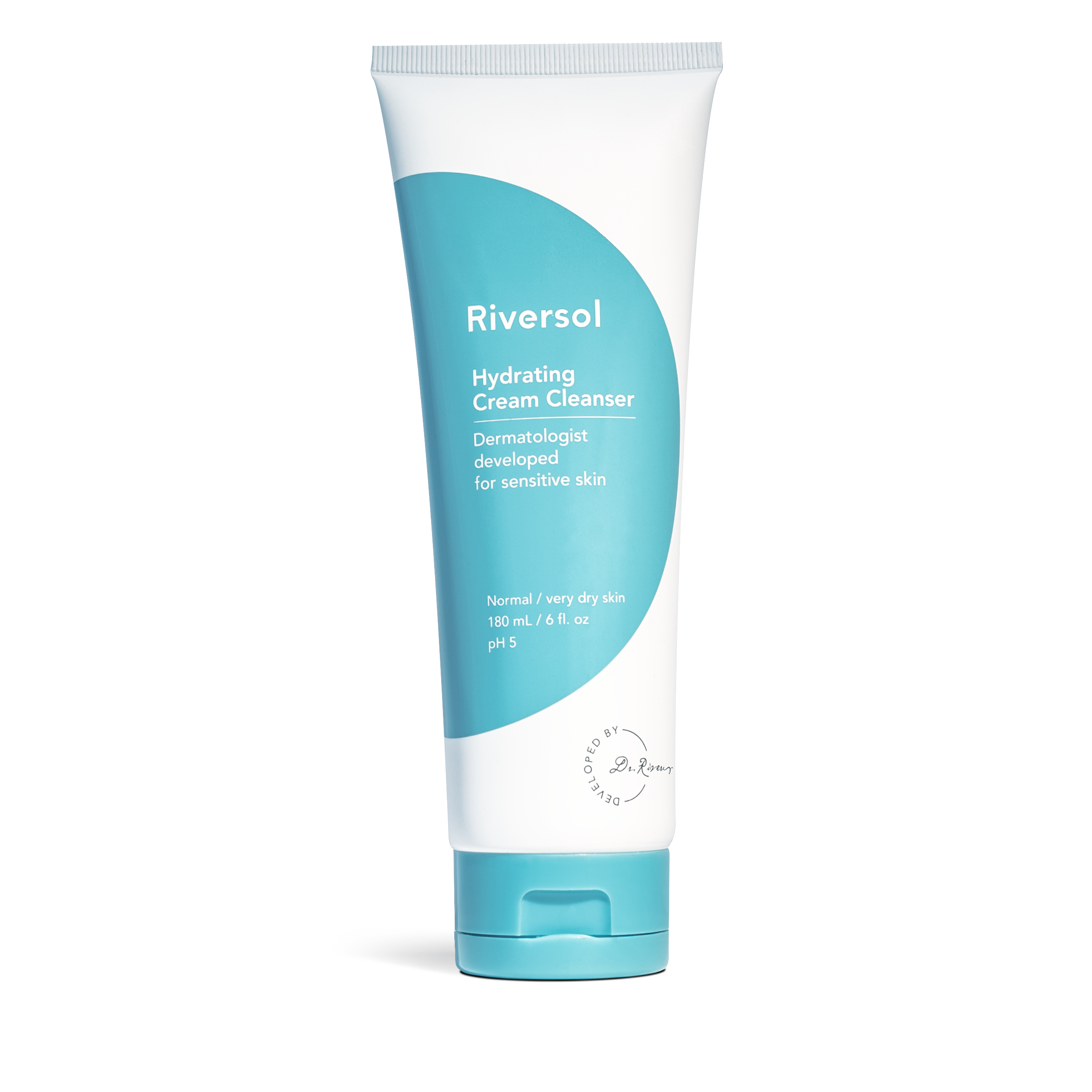
Start with a mild, non-stripping cleanser that preserves your lipid barrier. Disrupting the skin barrier before applying retinol increases the risk of transepidermal water loss (TEWL) and amplifies irritation. A cream-based formula like the Hydrating Cream Cleanser maintains barrier integrity while removing impurities, setting the stage for retinol to work without triggering an inflammatory cascade.
Step 2: Wait Until Skin Is Fully Dry
Apply retinol only to completely dry skin. Damp skin enhances absorption significantly, which increases the risk of erythema (visible redness and irritation). Wait a full two to three minutes after cleansing before moving to the next step.
Step 3: Apply a Pea-Sized Amount of Retinol
Use a pea-sized amount of retinol treatment and distribute it evenly across your face, avoiding the immediate eye area and corners of the nose. Less product does not mean less efficacy; the retinol molecule is potent even in small quantities. A PubMed-indexed double-blind comparative study (2020) found that a novel retinol serum formulation achieved rapid retinization with significantly minimised irritation compared to standard tretinoin cream, confirming that formulation approach matters as much as concentration.
Step 4: Follow the 1-2-3 Frequency Rule
Apply retinol once a week for the first week, twice a week for the next two weeks, and three times a week for the following three weeks. After that, most skin types can tolerate every other night application. This gradual approach allows your skin's capillary reactivity and inflammatory response to normalise before increasing exposure.
Step 5: Moisturise Immediately After
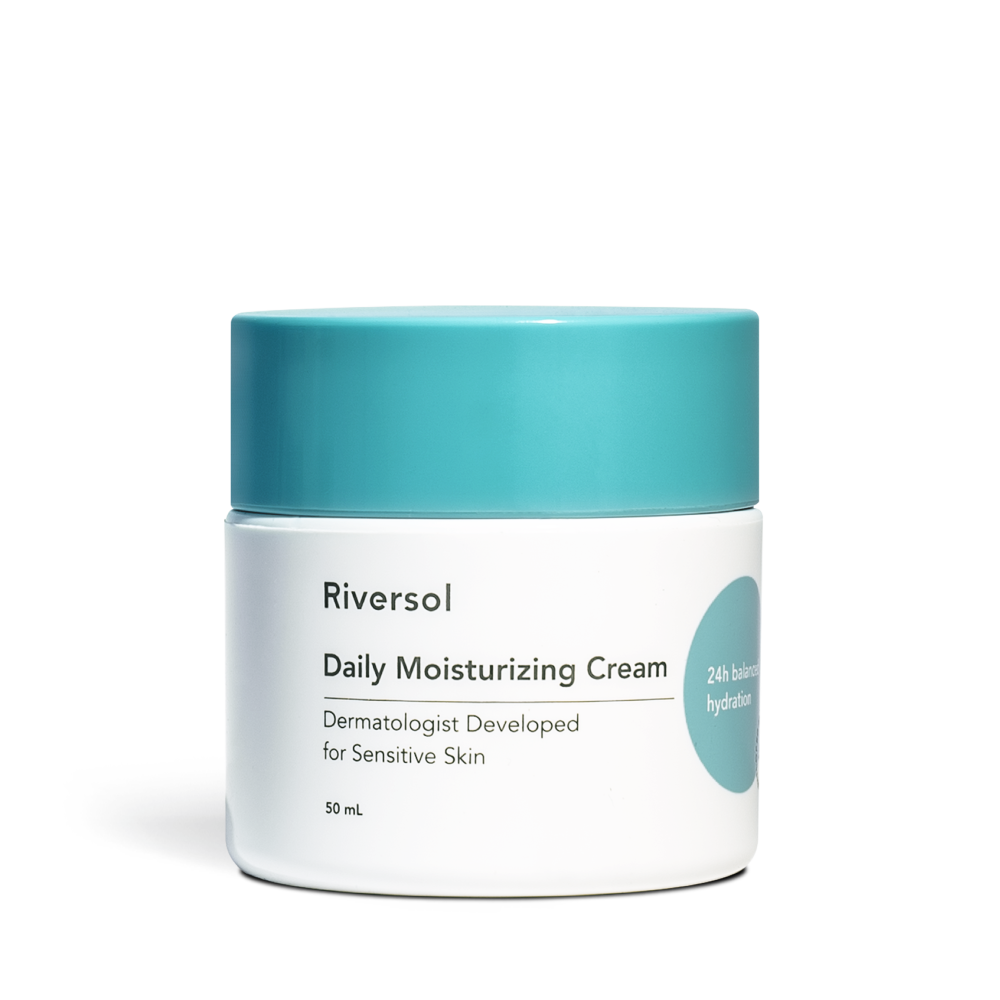
Apply your moisturiser within one to two minutes of the retinol to support ceramide-rich barrier repair and reduce TEWL. For reactive skin, the Daily Moisturizing Cream provides a non-comedogenic, fragrance-free base that cushions the skin through the adjustment period without competing with retinol's mechanisms.
Step 6: Apply SPF 50+ Every Single Morning
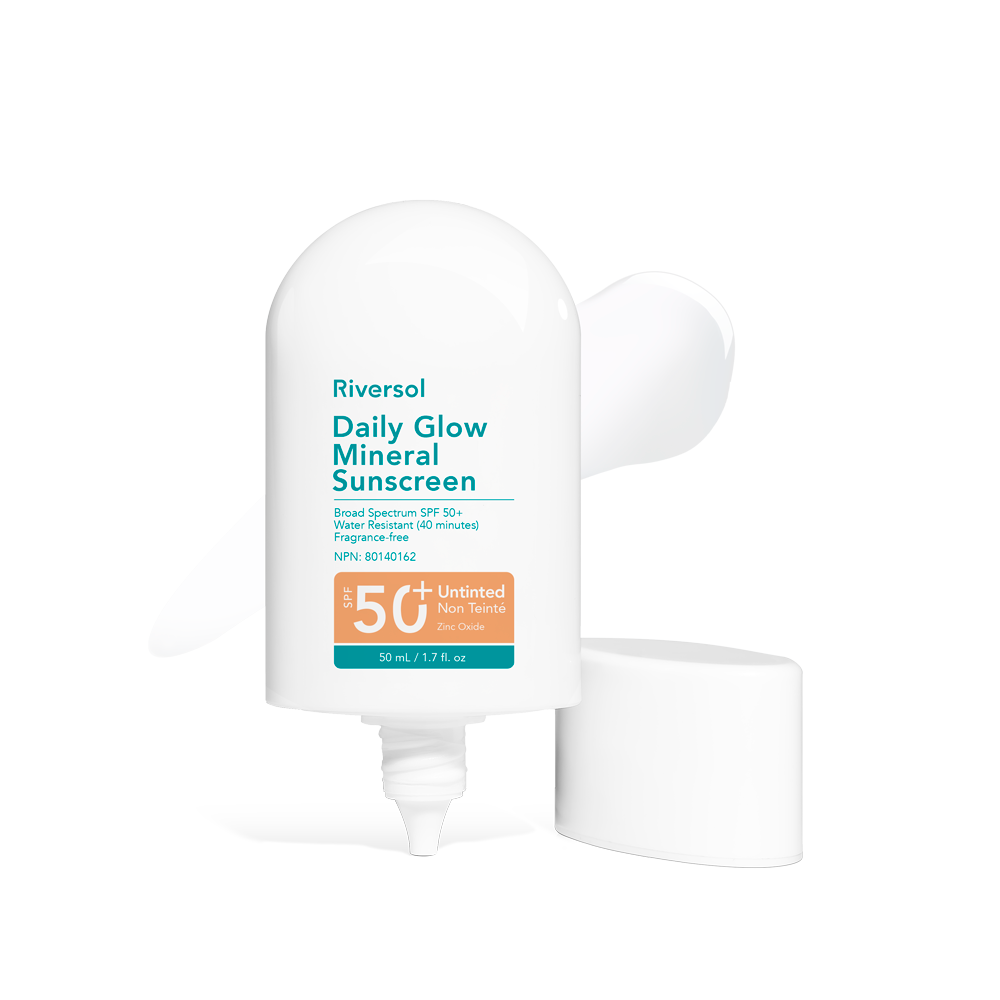
Retinol increases photosensitivity by accelerating cell turnover in the epidermis, making UV-induced oxidative stress and photoaging more likely if SPF is skipped. The American Academy of Dermatology explicitly recommends daily SPF use alongside any retinoid regimen. The Daily Glow Mineral Sunscreen SPF 50+ is a mineral-based formula suited for reactive and rosacea-prone skin that pairs naturally with a retinol nighttime routine.
The Sensitive Skin Advantage: Why Beta-Thujaplicin Changes the Equation
Best Retinol for Sensitive and Rosacea-Prone Skin: Riversol Retinol Treatment
The biggest barrier to retinol for sensitive skin is not the retinol itself, it is the inflammatory response the ingredient can trigger in reactive skin types. Hinokitiol, also known as Beta-Thujaplicin (Beta-T), is an anti-inflammatory and antimicrobial compound extracted from the Western Red Cedar tree native to British Columbia. In the Retinol Treatment, Beta-T is clinically formulated to calm the cytokine-driven inflammatory cascade that retinol initiates in reactive skin, allowing the skin to build tolerance without the burning or peeling that causes most beginners to quit.
Developed by Dr. Jason Rivers, MD, FRCPC, a board-certified dermatologist and founder of Riversol, the Retinol Treatment combines 0.5% retinol with Beta-T and a Vitamin C Booster Complex. This combination targets fine lines, dark spots, enlarged pores, and uneven skin tone simultaneously. A 2022 case study published in the Journal of Drugs in Dermatology found that combining retinol with complementary actives produced meaningful facial aging improvements compared to retinol alone, supporting this multi-ingredient approach.
| Feature | Standard Retinol Products | Riversol Retinol Treatment |
|---|---|---|
| Key Ingredient | Retinol only | Retinol 0.5% + Hinokitiol (Beta-T) |
| Formula Texture | Varies, often drying | Lightweight serum, non-comedogenic |
| Skin Sensation | Stinging, tightness common | Formulated to minimise stinging in reactive skin |
| Key Co-Active | None or fragrance additives | Vitamin C Booster Complex |
The Retinol Treatment is among the few retinol serums formulated specifically for sensitive, rosacea-prone, and reactive skin that combines an active-tolerance ingredient (Beta-T) with a clinically relevant 0.5% retinol concentration. Trusted by over 1,000,000 customers and formulated and manufactured in Canada, it is designed for beginners who cannot afford to trigger a flare.

What Cannot Mix with Retinol (and What to Watch For)
Ingredients to Separate from Retinol
- Glycolic acid: Do not use glycolic acid on the same day as retinol. Both accelerate cell turnover and combining them on the same day overwhelms the stratum corneum, disrupting the lipid barrier and triggering excess TEWL.
- Vitamin C (on the same night): Vitamin C is best used in the morning routine. Apply retinol at night and save your brightening actives for AM use to avoid pH conflicts and unnecessary sensitivity.
- Physical exfoliants: Avoid scrubs or manual exfoliation on retinol nights. Over-exfoliation thins the epidermis and makes vasodilation and redness more pronounced.
Contraindications to Know Before You Start
- Avoid retinol entirely during pregnancy. This is a firm clinical contraindication.
- If you are experiencing an active rosacea flare or eczema breakout, pause retinol until your baseline is stable.
- As of 2025, the dermatological literature increasingly indicates that managing barrier function before introducing retinol is a key predictor of long-term tolerance in sensitive skin patients.

Frequently Asked Questions
What Is the Correct Way to Use Retinol?
Apply a pea-sized amount to clean, fully dry skin at night, then follow with a moisturiser to support barrier repair. Use SPF 50+ every morning without exception, since retinol increases photosensitivity by accelerating epidermal cell turnover. Starting at a lower frequency (once a week) and building gradually is the safest method for long-term results.
What Is the Rule of 3 for Retinol?
The rule of 3 refers to a gradual introduction schedule: apply retinol once a week for one week, twice a week for two weeks, then three times a week for three weeks before moving toward more frequent use. This pacing gives the stratum corneum time to adapt without overwhelming the skin's lipid barrier. In clinical practice, this approach significantly reduces the dropout rate among new retinol users.
What Cannot Mix with Retinol?
Avoid combining retinol with glycolic acid, strong physical exfoliants, or high-concentration Vitamin C on the same night, since these combinations amplify irritation and compromise the lipid barrier. Benzoyl peroxide can also deactivate retinol and should be used on separate days. In patients with reactive skin, keeping the retinol night simple (cleanser, retinol, moisturiser) produces the best tolerance outcomes.
Is It Okay to Use Retinol Every Day?
Daily retinol use is not recommended for beginners and is generally not necessary even for experienced users. According to the dermatological literature, three to four nights per week at a consistent concentration produces results comparable to nightly use with substantially less irritation. Once your skin has fully adjusted over two to three months, every other night is a sustainable long-term frequency for most skin types.
References
- American Academy of Dermatology. (2024). Retinoid or retinol? Skin care secrets: Anti-aging. aad.org. https://www.aad.org/public/everyday-care/skin-care-secrets/anti-aging/retinoid-retinol
- Dhaliwal, S., et al. (2020). A clinical anti-ageing comparative study of 0.3 and 0.5% retinol serums: efficacy and tolerability in facial skin. PubMed (NCBI). https://pubmed.ncbi.nlm.nih.gov/32428912/
- Kircik, L., et al. (2020). A method for rapid retinization with minimized irritation: A double-blind comparative clinical study of newly formulated retinol serums vs tretinoin cream in escalating doses. PubMed (NCBI). https://pubmed.ncbi.nlm.nih.gov/32574009/
- Journal of Cosmetic Dermatology. (2017). Efficacy and tolerability of a double-conjugated retinoid system. Wiley Periodicals. https://pubmed.ncbi.nlm.nih.gov/28762645/
- Draelos, Z.D., et al. (2022). Facial aging improvement case study using a novel combination of retinol, niacinamide, and Terminalia chebula. Journal of Drugs in Dermatology. https://pubmed.ncbi.nlm.nih.gov/35816074/
Related Topics to Explore:
About Dr. Jason Rivers, MD
Dr. Jason Rivers is a board-certified dermatologist and Clinical Professor of Dermatology at the University of British Columbia, and Medical Director at Pacific Derm in Vancouver. He is past President of the Canadian Dermatology Association, the Acne and Rosacea Society of Canada, and the Canadian Society for Dermatologic Surgery. Dr. Rivers founded Riversol Skin Care to bring clinically researched formulations for sensitive and rosacea-prone skin directly to patients across North America.