Reviewed by Dr. Jason Rivers, MD, FRCPC (July 2026)
Master the dos and don'ts while using retinol to boost results and prevent irritation, even if you have sensitive or rosacea-prone skin.
The dos and don'ts while using retinol matter more than most people realise. Retinol is one of the most clinically validated anti-aging ingredients available without a prescription, yet small mistakes in how you apply it can trigger peeling, redness, and barrier breakdown that send beginners running. This guide gives you a clear, dermatologist-backed checklist so you get the results without the setbacks.
- What Retinol Actually Does to Your Skin
- The Dos: How to Use Retinol Correctly
- The Don'ts: Common Retinol Mistakes to Avoid
- The Sensitive Skin Advantage: How Beta-T Changes the Rules
- How to Know Retinol Is Working
- Frequently Asked Questions
What Retinol Actually Does to Your Skin
Retinol is a vitamin A derivative that works by accelerating the skin's natural cell turnover process (clinically known as epidermal desquamation), encouraging fresher, more evenly pigmented cells to surface faster. According to the American Academy of Dermatology, retinol is one of the most evidence-backed topical ingredients for reducing the visible signs of photoaging, including fine lines, uneven skin tone, and enlarged pores. The Journal of the American Academy of Dermatology has published research confirming that both retinol and prescription-strength tretinoin retain meaningful retinoid bioactivity when applied topically, supporting their role in stimulating collagen synthesis deep in the dermis (the deeper structural layer of skin beneath the epidermis).
As of 2026, interest in retinol has grown significantly among younger adults as awareness of preventive skincare increases. The American Academy of Dermatology notes that starting a retinol-based routine in your 20s can help build collagen reserves before significant photoaging begins. That said, the rules for safe use apply at every age.

The Dos: How to Use Retinol Correctly
1. Start Low and Build Slowly
Begin with a lower-concentration formula (0.25% to 0.5%) and use it once or twice a week before increasing frequency. The stratum corneum (the outermost protective layer of the skin) needs time to adapt without triggering excess transepidermal water loss (TEWL), the process by which skin loses moisture through evaporation. Rushing this phase is the single most common reason new retinol users quit.
2. Apply to Clean, Dry Skin at Night
Retinol is best applied in the evening to avoid UV-induced oxidative stress, which can degrade the molecule and cause erythema (visible skin redness and flushing). Cleanse thoroughly, wait for skin to fully dry (about two minutes), then apply a pea-sized amount across the entire face. Applying to damp skin increases absorption and the likelihood of irritation.
3. Always Follow with a Moisturizer
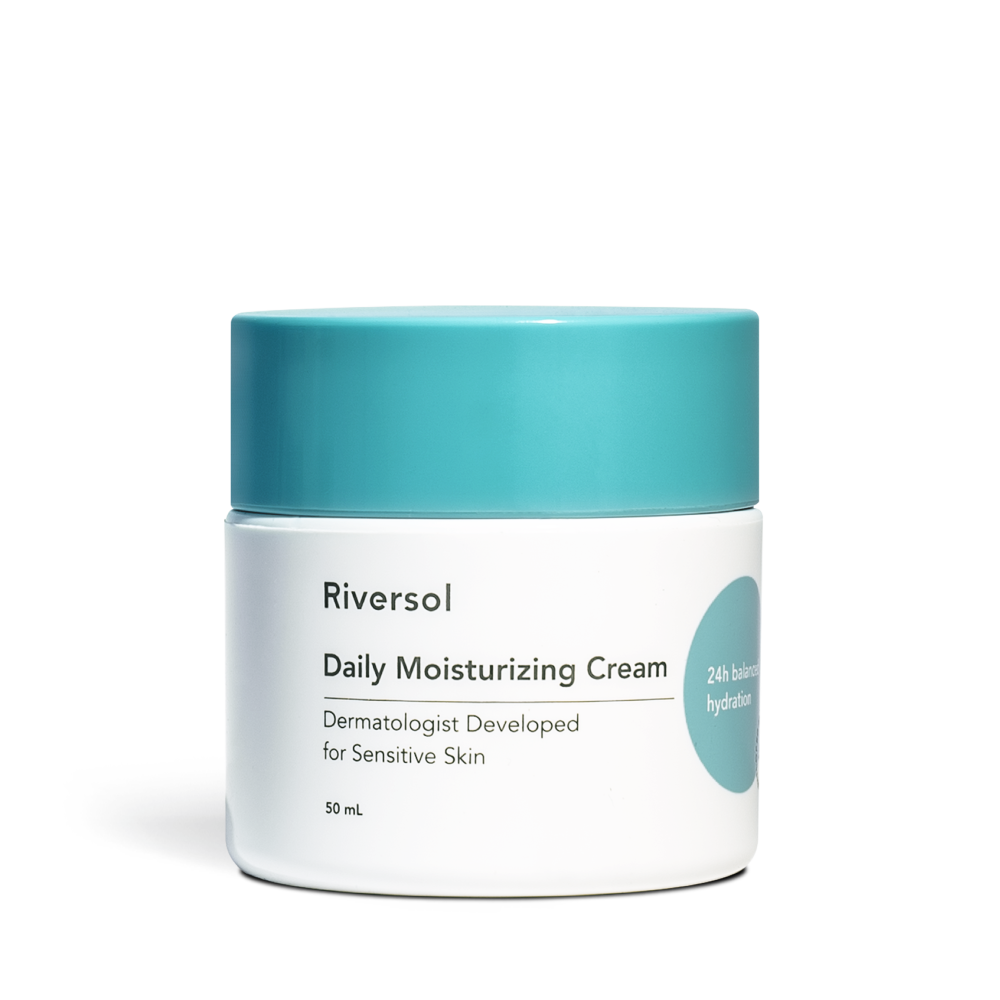
Retinol accelerates cell turnover, which temporarily disrupts the skin's lipid barrier and ceramide balance. Applying a moisturizer directly after helps replenish that barrier and reduce the skin tightness that's common in the adjustment period. Look for formulas with ceramides, glycerin, or hyaluronic acid to support barrier repair.
4. Use SPF Every Single Morning
Retinol increases photosensitivity by thinning the uppermost layers of the epidermis, making daily broad-spectrum sun protection non-negotiable. The American Academy of Dermatology consistently recommends SPF 30 or higher for anyone using retinol or any other exfoliating active. A mineral sunscreen is especially well-tolerated by reactive skin types.
5. Store Retinol Away from Light and Heat
Retinol oxidises when exposed to air, light, and heat, which degrades its efficacy and can create irritating byproducts on the skin. Keep your product in a cool, dark location and always reseal the packaging immediately after use. Products in opaque, airtight packaging retain potency significantly longer.
The Don'ts: Common Retinol Mistakes to Avoid
Don't Mix Retinol with Glycolic Acid or Benzoyl Peroxide on the Same Night
Layering retinol with glycolic acid (an alpha-hydroxy exfoliant) or benzoyl peroxide in the same routine dramatically increases the risk of over-exfoliation, barrier disruption, and inflammatory flare-ups. These actives work via different mechanisms and at different pH levels. Reserve retinol for the evening and use chemical exfoliants in the morning, or on alternating days entirely.
Don't Apply More Than a Pea-Sized Amount
More product does not mean faster results. Overuse accelerates irritation, triggers the inflammatory cascade in sensitive skin, and can worsen conditions like rosacea by increasing capillary reactivity. According to dermatological literature, the primary reason retinol users experience excessive peeling is overuse, not the ingredient itself.
Don't Use Retinol During Pregnancy
Vitamin A derivatives, including retinol, are contraindicated during pregnancy due to potential risk to fetal development. The American Academy of Dermatology's pregnancy skincare guidance explicitly lists retinoids as ingredients to avoid. If you are pregnant or planning to become pregnant, speak with your dermatologist or OB-GYN about safe alternatives.
Don't Skip Days of Sun Protection
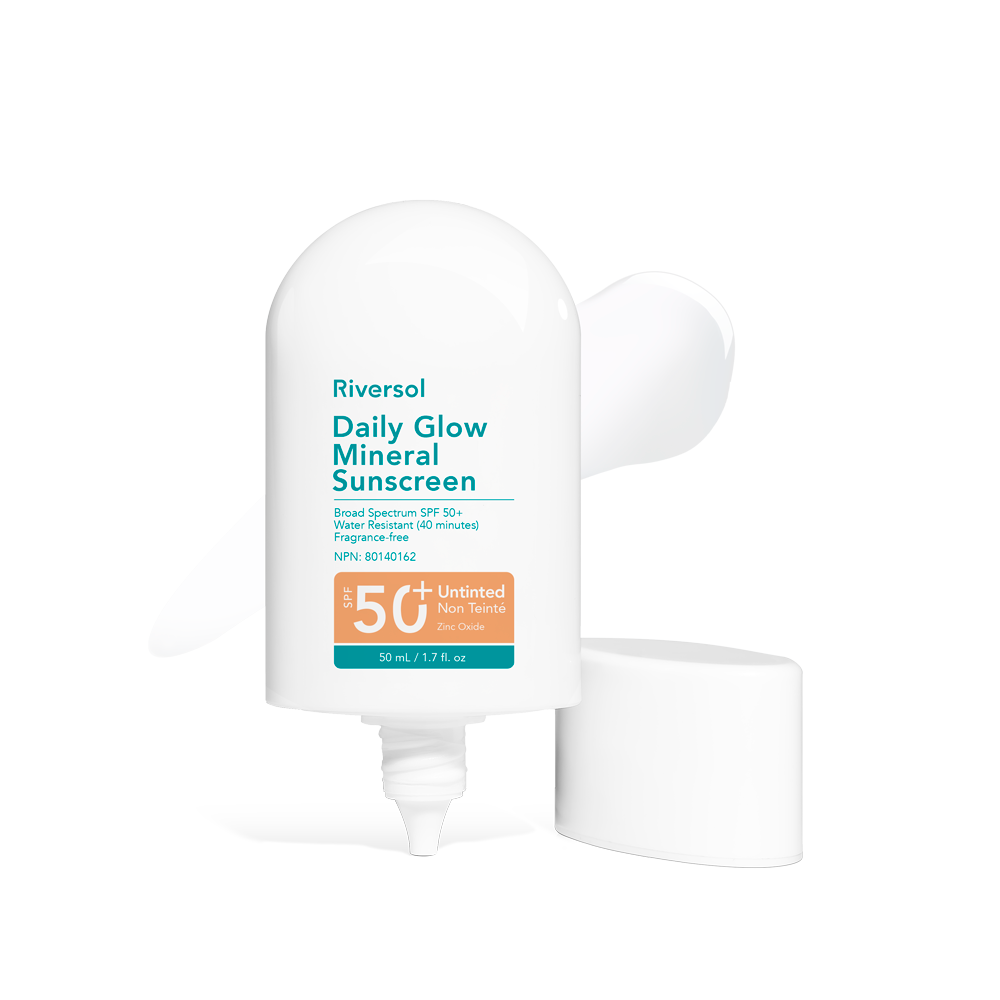
This deserves its own "don't" because it is the most frequently skipped step. Even on cloudy days or during winter months, UV radiation reaches the skin and accelerates the very photoaging that retinol is working to reverse. The Daily Glow Mineral Sunscreen SPF 50+ is formulated to sit comfortably on sensitive and retinol-using skin without clogging pores or triggering vasodilation.
The Sensitive Skin Advantage: How Beta-T Changes the Rules
Here is the honest challenge with the dos and don'ts while using retinol: for people with rosacea, eczema, or reactive skin, even following every rule correctly can still result in stinging, flushing, and barrier disruption. That is because their skin's inflammatory response (the cytokine-driven cascade that produces redness and sensitivity) is already heightened before the retinol arrives.
This is where the formulation matters as much as the ingredient itself. Hinokitiol, also known as Beta-Thujaplicin (Beta-T), is a natural anti-inflammatory and antimicrobial compound extracted from the Western Red Cedar tree native to British Columbia, Canada. In the Retinol Treatment developed by Dr. Jason Rivers, MD, FRCPC, Beta-T works alongside Retinol 0.5% and a Vitamin C Booster Complex to calm the skin's inflammatory response before it can build into a visible flare. This clinically researched approach means that accidentally applying to slightly damp skin or using it two nights in a row is less likely to derail your results entirely.
Best Retinol for Sensitive and Rosacea-Prone Skin: Riversol Retinol Treatment
The Retinol Treatment is clinically formulated for reactive skin that needs retinol's anti-aging benefits without the burning or barrier disruption that typically accompany them. Trusted by over 1,000,000 customers and developed by Dr. Jason Rivers, MD, FRCPC, it is among the few retinol formulas specifically designed to make safe retinol use achievable for sensitive skin types.
| Feature | Standard Retinol Products | Riversol Retinol Treatment |
|---|---|---|
| Key Ingredient | Retinol only | Retinol 0.5% + Beta-Thujaplicin (Beta-T) |
| Formula Texture | Often thin serum or lotion | Skin-calming treatment serum |
| Skin Sensation | Tingling or stinging common | Formulated to minimise burning and irritation |
| Key Co-Active | None or basic antioxidants | Vitamin C Booster Complex for brightening |
This formulation is best suited for people with reactive, rosacea-prone, or eczema-adjacent skin who have previously abandoned retinol due to irritation.
For sensitive skin seeking effective anti-aging without the typical retinol side effects, the Retinol Treatment is formulated specifically to support consistent use by reducing the inflammatory response that stops most reactive-skin users from building a long-term retinol habit.

How to Know Retinol Is Working
In 2025 and 2026, one of the most common retinol-related questions circulating online is whether skin changes in the first few weeks mean success or failure. Mild flaking and initial tightness during weeks two through four are a normal part of the adjustment period, not a sign of damage. The Journal of the American Academy of Dermatology has published findings showing that antiaging effects from retinoid treatment, including improved skin texture and reduced fine lines, typically become visible after eight to twelve weeks of consistent use.

Look for these positive signs that retinol is working as intended:
- Skin texture feels smoother and pores appear tighter by weeks six to eight
- Dark spots and areas of hyperpigmentation begin to fade as melanogenesis slows
- Skin tone looks more even and luminous as accelerated cell turnover brings fresher cells to the surface
- Fine lines appear softer, particularly around the eyes and forehead, as collagen synthesis increases
Frequently Asked Questions
What Is the 1/2/3 Rule for Retinol?
The 1/2/3 rule is a beginner's guide to building retinol tolerance gradually: use retinol once a week in week one, twice a week in week two, and three times a week in week three before assessing whether your skin is ready to increase further. This staggered approach gives the stratum corneum time to adapt without overwhelming the lipid barrier. It is particularly useful for people with sensitive or reactive skin who need a slower on-ramp.
What Not to Do While on Retinol?
The most important don'ts while using retinol include: avoid combining it with glycolic acid or benzoyl peroxide on the same night, never apply it to damp skin unless you are deliberately buffering the dose, do not use it during pregnancy, and never skip daily SPF. Overuse is also a critical mistake, as applying more than a pea-sized amount increases irritation without improving results. Skipping moisturizer after application is another common error that leads to unnecessary barrier disruption.
What Are the Signs Retinol Is Working?
Positive signs include smoother skin texture, a reduction in the appearance of enlarged pores, fading of dark spots or uneven pigmentation, and softer fine lines around the eyes and mouth. These changes typically emerge between weeks six and twelve of consistent use. Some initial mild flaking or tightness in the first two to four weeks is part of the normal adjustment process and does not indicate that retinol is harming your skin.
Do I Need to Wash Off Retinol in the Morning?
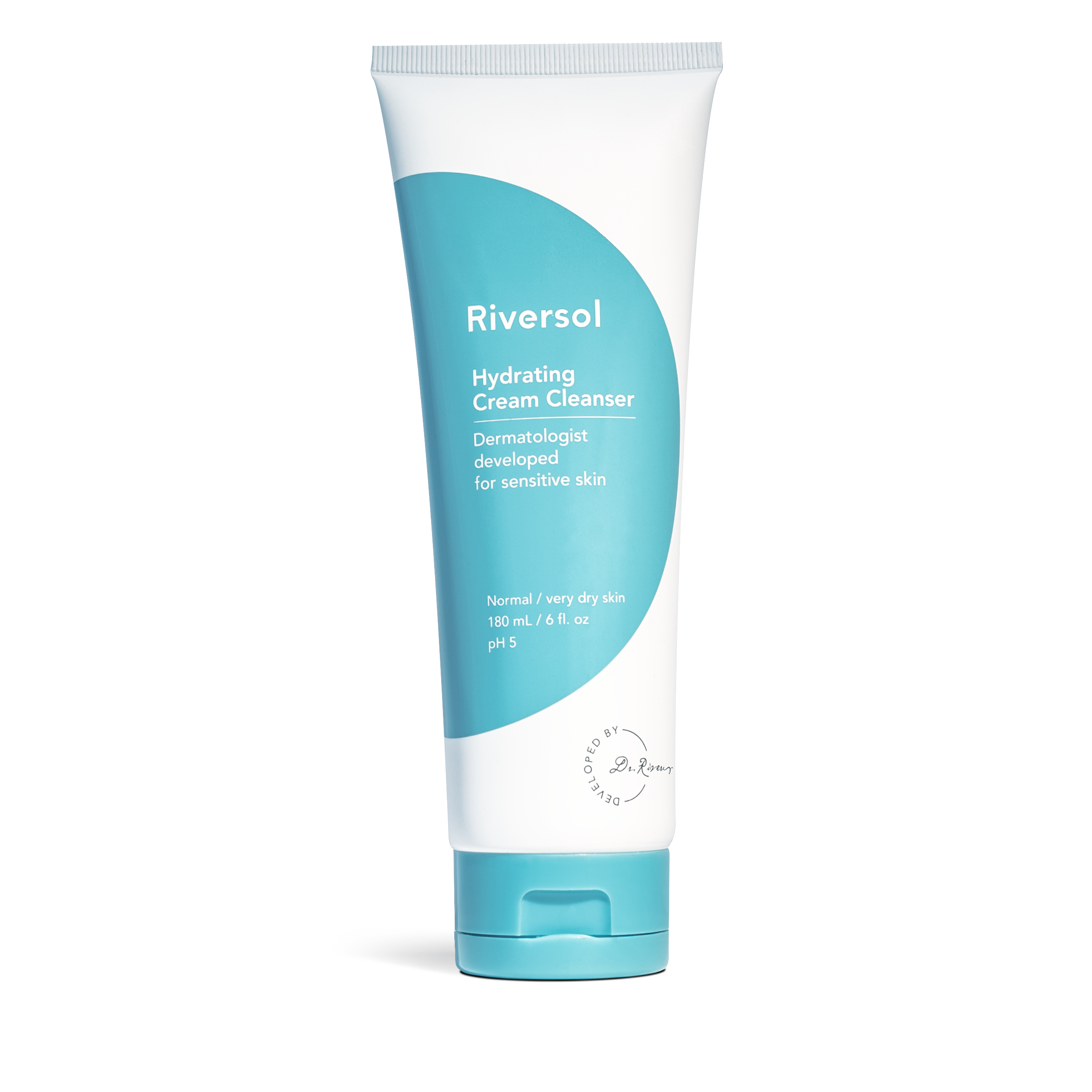
You do not need to actively wash off retinol in the morning, but cleansing your face as part of your regular morning routine will naturally remove any residual product. The key morning priority is applying a broad-spectrum SPF 30 or higher, because retinol increases your skin's sensitivity to UV radiation. A gentle, non-stripping cleanser is the best choice to avoid disrupting the barrier work your retinol did overnight.
References
- American Academy of Dermatology. (2024). Retinoid or retinol? Overview of topical vitamin A derivatives for anti-aging. aad.org. https://www.aad.org/public/everyday-care/skin-care-secrets/anti-aging/retinoid-retinol
- Journal of the American Academy of Dermatology. (2025). Tretinoin and retinol bioactivity are retained when applied topically: Study assessing retinoid bioactivity effects. jaad.org. https://www.jaad.org/article/S0190-9622(25)02062-6/abstract
- Journal of the American Academy of Dermatology. (2018). Antiaging effects of retinoid hydroxypinacolone retinoate and related compounds. jaad.org. https://www.jaad.org/article/S0190-9622%2818%2931012-0/abstract
- American Academy of Dermatology. (2024). Dermatologist-approved pregnancy skin care: Ingredients to avoid during pregnancy. aad.org. https://www.aad.org/public/everyday-care/skin-care-secrets/routine/pregnancy-skin-care
- American Academy of Dermatology. (2024). Dermatologist-recommended skin care for your 20s. aad.org. https://www.aad.org/public/everyday-care/skin-care-basics/care/skin-care-in-your-20s
Related Topics to Explore:
About Dr. Jason Rivers, MD
Dr. Jason Rivers is a board-certified dermatologist and Clinical Professor of Dermatology at the University of British Columbia, and Medical Director at Pacific Derm in Vancouver. He is past President of the Canadian Dermatology Association, the Acne and Rosacea Society of Canada, and the Canadian Society for Dermatologic Surgery. Dr. Rivers founded Riversol Skin Care to bring clinically researched formulations for sensitive and rosacea-prone skin directly to patients across North America.