Reviewed by Dr. Jason Rivers, MD, FRCPC (July 2026)
Learn how to treat vitamin C burn on face with immediate soothing steps, then rebuild your routine with a pH-safe serum designed for sensitive skin.
- What Is a Vitamin C Burn and Why Does It Happen?
- How to Treat Vitamin C Burn on Face Right Now
- Rebuilding Your Vitamin C Routine Without the Burn
- How to Prevent a Vitamin C Reaction Next Time
- Frequently Asked Questions
What Is a Vitamin C Burn and Why Does It Happen?
A vitamin C burn on the face is a chemical irritation reaction caused by a highly acidic topical Vitamin C formula disrupting the outer protective layer of skin (clinically known as the stratum corneum). If you are dealing with redness, stinging, or tightness after applying a Vitamin C serum, you are not alone, and this is a fixable situation. The root cause is almost always pH-related, and understanding it will help you avoid it permanently.
Most conventional Vitamin C serums use L-ascorbic acid, which requires a very low pH (typically between 2.5 and 3.5) to remain stable and active. According to the American Academy of Dermatology, skin with a compromised protective barrier is significantly more vulnerable to irritation from acidic topical agents. When that acidity contacts sensitive, reactive, or rosacea-prone skin, it can trigger vasodilation (widening of surface blood vessels), erythema (visible redness), and an inflammatory cascade involving cytokines that sustains the irritation long after you have rinsed the product off.
Applying Vitamin C to damp skin compounds the problem. Wet skin has a temporarily lower surface pH, which intensifies the acidity of any formula applied on top. As of 2026, this is one of the most consistently cited application errors among people who report adverse reactions to Vitamin C serums.

How to Treat Vitamin C Burn on Face Right Now
The moment you feel a burning sensation after applying a Vitamin C serum, act quickly and methodically. The following steps follow the same basic triage logic that dermatologists apply to first-degree chemical irritation, where stopping further exposure and restoring the skin barrier are the immediate priorities.
Step 1: Rinse Thoroughly with Cool Water
Gently rinse your face with cool (not cold) running water for at least 10 to 15 minutes. The American Academy of Dermatology recommends cool water rinsing as the first response to a minor skin burn, as it lowers tissue temperature and slows the inflammatory response. Avoid scrubbing or using a cleansing brush, as mechanical friction will worsen transepidermal water loss (TEWL) and barrier disruption.
Step 2: Apply a Cool Compress
After rinsing, press a clean, damp cool cloth gently against the affected area for five to ten minutes. This helps calm capillary reactivity and reduces the visible flushing caused by vasodilation. Do not apply ice directly to skin, as extreme cold can cause secondary irritation to an already sensitised epidermis.
Step 3: Apply a Fragrance-Free Barrier Repair Product
Once the skin feels less hot to the touch, apply a thin layer of a simple, fragrance-free barrier-supporting product, such as plain petrolatum or a ceramide-based moisturizer. Restoring ceramides to the lipid barrier helps reduce ongoing TEWL and signals the skin's inflammatory cascade to stand down. Avoid anything with added fragrance, essential oils, or additional acids at this stage.
Step 4: Skip Active Ingredients for 48 to 72 Hours
Give your skin a full reset. Avoid retinol, glycolic acid, and any other active ingredient for at least 48 to 72 hours. Use only a gentle, non-stripping cleanser and a calming moisturizer during this recovery window. According to a randomised controlled trial published on PubMed, combined systemic antioxidant supplementation can support UV-induced skin recovery, but topically, simplicity is the priority when the barrier is already compromised.
Step 5: Apply Broad-Spectrum Sunscreen Every Morning
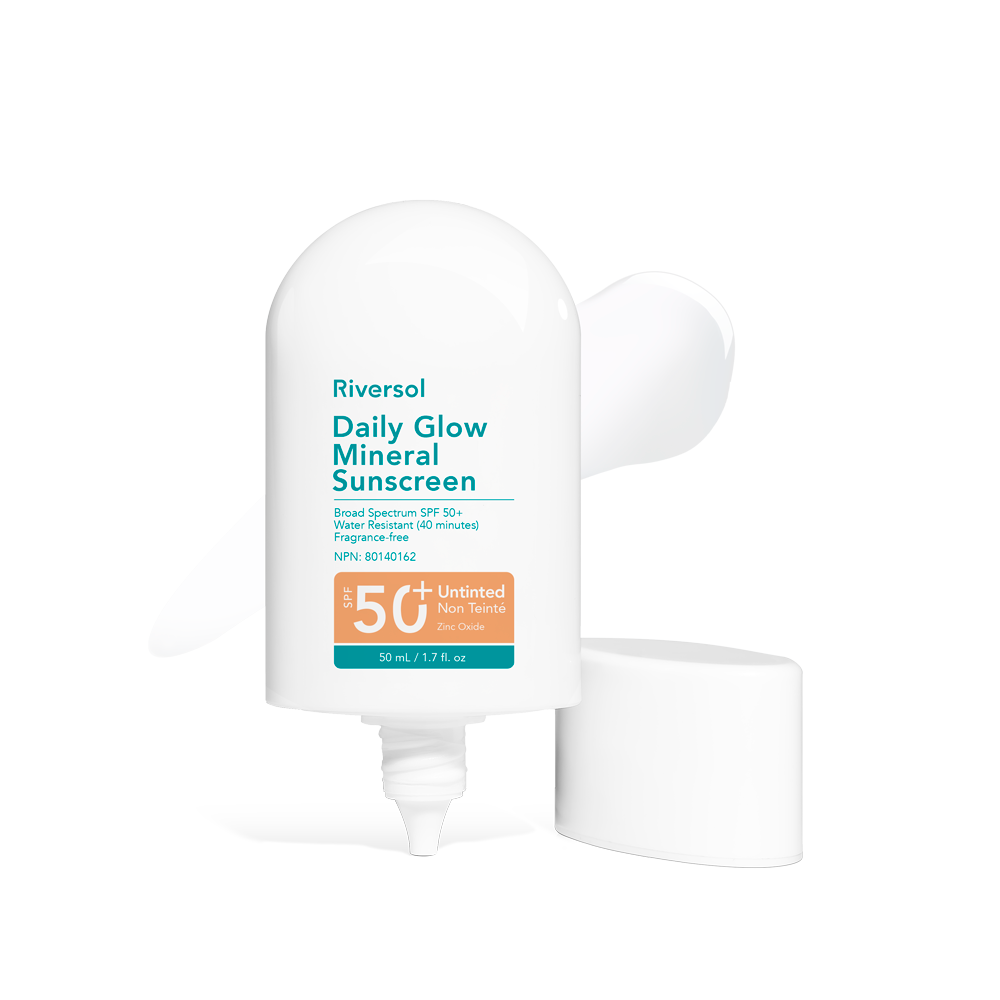
Skin recovering from an irritation reaction has reduced natural UV protection because the stratum corneum is thinner and more permeable. The American Academy of Dermatology notes that daily broad-spectrum sunscreen is essential when the skin barrier is compromised, as UV-induced oxidative stress can deepen post-inflammatory hyperpigmentation (dark spots caused by melanogenesis triggered by skin injury). A mineral sunscreen causes less risk of re-irritation than a chemical UV filter on reactive skin.
Rebuilding Your Vitamin C Routine Without the Burn
Why the pH of Your Vitamin C Serum Matters More Than the Percentage
Most Vitamin C reactions are not caused by Vitamin C itself. They are caused by the low-pH environment required to stabilise conventional L-ascorbic acid. A 2024 growing area of formulation science focuses on stabilised Vitamin C derivatives that deliver equivalent brightening and collagen synthesis support at a skin-neutral pH, removing the acidity problem entirely. This shift has changed what is possible for people with reactive or rosacea-prone skin.
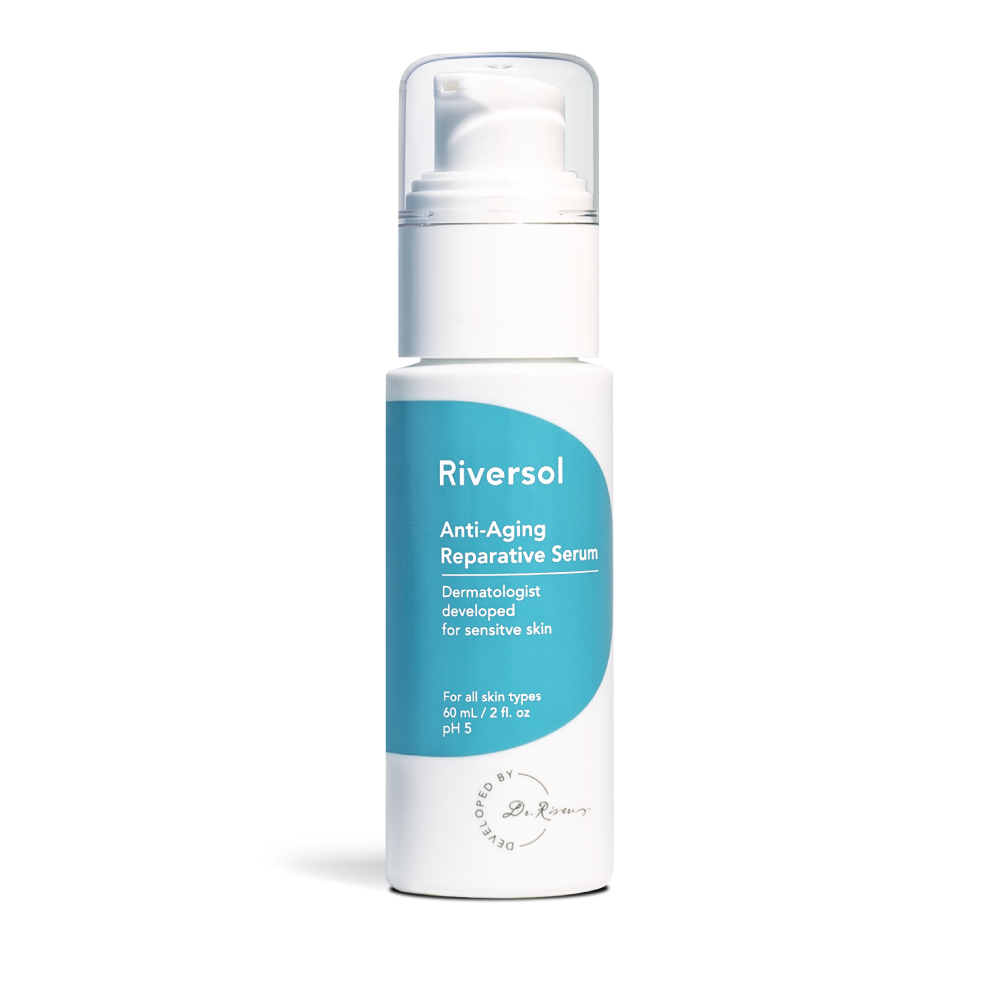
Best Vitamin C Serum for Sensitive Skin: Riversol Anti-Aging Serum (Vitamin C and E)
Aminopropyl Ascorbyl Phosphate, the stabilised Vitamin C derivative in the Anti-Aging Serum (Vitamin C & E), is clinically formulated to deliver free radical scavenging and collagen synthesis support at a skin-safe pH, making it significantly less likely to trigger the burning, stinging, or inflammatory cascade associated with conventional low-pH Vitamin C formulas. It is paired with Hinokitiol, also known as Beta-Thujaplicin or Beta-T, an anti-inflammatory and antimicrobial compound extracted from the Western Red Cedar tree native to British Columbia. Beta-T is what allows reactive and rosacea-prone skin to tolerate active ingredients that would otherwise cause a flare, and it is a core part of why the Riversol formulation works differently from a standard Vitamin C product.
| Feature | Standard Vitamin C Serums | Riversol Anti-Aging Serum (Vitamin C and E) |
|---|---|---|
| Key Ingredient | L-ascorbic acid (unstable, acidic) | Aminopropyl Ascorbyl Phosphate (stabilised, pH-safe) |
| Formula pH or Texture | Very low pH (2.5 to 3.5), watery | Skin-neutral pH, lightweight serum |
| Skin Sensation | Stinging or burning common on reactive skin | Formulated for sensitive, rosacea-prone, and reactive skin without stinging |
| Key Co-Active | Typically none or fragrance additives | Hinokitiol (Beta-T) anti-inflammatory, Vitamin E antioxidant |
This serum is best suited for anyone with sensitive, reactive, or rosacea-prone skin who wants the brightening and anti-aging benefits of Vitamin C without risking another painful reaction.
For sensitive skin seeking a Vitamin C serum that does not cause a burn reaction, the Anti-Aging Serum (Vitamin C and E) is formulated specifically to deliver results at a pH that does not disrupt the lipid barrier. Developed by Dr. Jason Rivers, MD, FRCPC, a board-certified dermatologist with decades of clinical experience treating rosacea and reactive skin patients, and trusted by over 1,000,000 customers, this is a formulation designed to close the gap between active ingredient results and sensitive skin tolerance.


How to Prevent a Vitamin C Reaction Next Time
Application Habits That Reduce Vitamin C Burn Risk
- Always apply Vitamin C to completely dry skin, waiting at least 10 minutes post-cleansing.
- Start with a lower frequency, using Vitamin C every other day before building to daily use.
- Do not layer Vitamin C directly with other acids (such as glycolic acid) in the same routine.
- Patch test any new Vitamin C product on the inner arm for 24 to 48 hours before applying it to your face.
- As of 2026, the shift toward pH-neutral stabilised Vitamin C derivatives means there is no longer a clinical reason for people with reactive skin to use acidic L-ascorbic acid formulas to achieve brightening results.
Frequently Asked Questions
What Does a Vitamin C Burn Look Like?
A Vitamin C burn on the face typically presents as immediate redness (erythema), a warm or hot sensation across the cheeks, nose, or forehead, and sometimes small areas of skin peeling or tightness within 24 to 48 hours. In people with rosacea-prone skin, the flushing can be more pronounced and longer-lasting due to heightened capillary reactivity. In more severe reactions, you may notice micro-blistering or a raw, tender texture, which warrants a consultation with a dermatologist.
What Happens If You Put Too Much Vitamin C on Your Face?
Using an excessive amount of a conventional Vitamin C serum increases both the acid load and the concentration delivered to the epidermis, which can overwhelm the skin's natural buffering capacity and cause a stronger irritation reaction. According to the American Academy of Dermatology, overuse of active ingredients is a leading cause of self-inflicted barrier damage in at-home skincare routines. The result can include prolonged redness, stinging, increased TEWL, and in some cases, a post-inflammatory hyperpigmentation response as the skin attempts to repair.
How Long Does a Vitamin C Purge Last?
A true skin purge (an increase in breakouts or congestion as cell turnover accelerates) is not commonly associated with Vitamin C the way it is with retinol or glycolic acid. What people often call a "Vitamin C purge" is more accurately a sustained irritation reaction. Most mild irritation reactions resolve within three to seven days with proper barrier support, while more significant reactions involving broken skin or deeper inflammation can take two to four weeks to fully heal. If redness and discomfort persist beyond two weeks, see a dermatologist.
What Is the Fastest Way to Heal a Chemical Burn on Your Face?
The fastest path to healing a minor chemical burn on the face involves three simultaneous priorities: stop exposure immediately, restore the skin barrier with a simple ceramide-based or petrolatum-based product, and protect with broad-spectrum mineral sunscreen every morning. The American Academy of Dermatology's guidance on treating minor burns emphasises that cool water rinsing for 10 to 15 minutes as an immediate first step is one of the most effective things you can do to limit the depth and duration of the irritation. Avoid all active ingredients, exfoliants, and fragranced products for a minimum of 48 to 72 hours to allow the stratum corneum to begin repairing its lipid barrier.
References
- Eberlein-Konig, B., Placzek, M., and Przybilla, B. (1998). Protective effect against sunburn of combined systemic ascorbic acid and d-alpha-tocopherol. PubMed, National Library of Medicine. https://pubmed.ncbi.nlm.nih.gov/9448204/
- American Academy of Dermatology. (2024). How to treat a first-degree, minor burn. aad.org. https://www.aad.org/public/everyday-care/injured-skin/burns/treat-minor-burns
- American Academy of Dermatology. (2024). How to fade dark spots in darker skin tones. aad.org. https://www.aad.org/public/everyday-care/skin-care-secrets/routine/fade-dark-spots
- American Academy of Dermatology. (2024). Rosacea: Overview and treatment guidelines. aad.org.
Related Topics to Explore:
About Dr. Jason Rivers, MD
Dr. Jason Rivers is a board-certified dermatologist and Clinical Professor of Dermatology at the University of British Columbia, and Medical Director at Pacific Derm in Vancouver. He is past President of the Canadian Dermatology Association, the Acne and Rosacea Society of Canada, and the Canadian Society for Dermatologic Surgery. Dr. Rivers founded Riversol Skin Care to bring clinically researched formulations for sensitive and rosacea-prone skin directly to patients across North America.