No, 40 is not too late to start retinol: mature skin responds well to retinol and can show real results without irritation when paired with the right formula.
- Why It Is Never Too Late to Start Retinol
- What Retinol Actually Does to Skin Over 40
- Why Starting Retinol at 40 Is Actually a Smart Choice
- How to Start Retinol Safely After 40
- Frequently Asked Questions
Why It Is Never Too Late to Start Retinol
Is 40 too late to start retinol? The short answer is no, and the dermatological evidence backs that up clearly. Retinol is a vitamin A derivative that works by accelerating the skin's natural process of shedding old cells (clinically known as cell turnover) and stimulating the production of structural support proteins (clinically known as collagen synthesis). These biological processes remain responsive to retinol at any age, including well beyond 40.
According to the American Academy of Dermatology, retinoids are among the most evidence-supported topical ingredients for reducing visible signs of photoaging, including fine lines, uneven texture, and dark spots. Starting at 40 simply means you are beginning with a more defined set of goals, not that you have missed your opportunity.
In clinical practice, patients who begin retinol in their 40s and 50s frequently report visible improvement within 12 to 16 weeks of consistent use. As of 2026, retinol remains the single most studied topical anti-aging ingredient in dermatological literature, with decades of peer-reviewed research confirming its efficacy across all adult age groups.

What Retinol Actually Does to Skin Over 40
By your 40s, several measurable changes have occurred in the skin. The outermost protective layer (clinically known as the stratum corneum) becomes less efficient at retaining moisture, leading to increased water loss across the skin surface (clinically known as transepidermal water loss, or TEWL). Collagen production slows, the lipid barrier thins, and cell turnover drops significantly compared to your 20s.
According to the American Academy of Dermatology, skin in your 40s and 50s produces collagen more slowly and loses elasticity at an accelerating rate, making targeted interventions like retinol more impactful, not less. The Journal of the American Academy of Dermatology has published research confirming that topical retinoids support measurable increases in epidermal thickness and collagen density even when introduced in mature skin.
Retinol also addresses melanogenesis, the process by which the skin produces pigment. According to the American Academy of Dermatology, UV-induced oxidative stress accumulates over decades and contributes significantly to dark spots and uneven tone. Retinol helps interrupt this cycle by increasing cell turnover, which gradually fades existing hyperpigmentation and helps prevent new spots from becoming established.
Why Starting Retinol at 40 Is Actually a Smart Choice
Mature Skin Needs a Formula Designed for It
Skin over 40 tends to be thinner, drier, and more reactive than younger skin. Standard retinol products formulated for younger, oilier skin types can trigger a cycle of peeling, redness, and irritation (clinically known as erythema) that forces many people to give up before they see results. The irritation is not the retinol working; it is a sign the skin's inflammatory cascade has been activated, which actually counteracts the anti-aging benefits you are trying to achieve.
In patients with reactive skin, the most common reason retinol fails is not inefficacy. It is an inability to tolerate the ingredient consistently enough for results to appear. A formulation that supports the skin's lipid barrier and calms vascular reactivity alongside the retinol makes the difference between a routine that works and one that gets abandoned after two weeks.
Best Retinol for Sensitive and Mature Skin: Riversol Retinol Treatment
Hinokitiol, also known as Beta-Thujaplicin (Beta-T), is the key anti-inflammatory co-active in Retinol Treatment, and it is what makes this formulation clinically distinct for reactive and mature skin. Beta-T is extracted from the Western Red Cedar native to British Columbia and is clinically researched to calm the inflammatory response that retinol can trigger, allowing skin to stay consistent with the routine long enough for visible results.
| Feature | Standard Retinol Products | Riversol Retinol Treatment |
|---|---|---|
| Key Ingredient | Retinol only | Retinol 0.5% + Hinokitiol (Beta-T) |
| Formula Texture | Often gel or alcohol-based | Cream-based, barrier-supporting |
| Skin Sensation | Stinging, peeling common | Formulated to minimize irritation |
| Key Co-Active | Typically none or basic humectants | Vitamin C Booster Complex |
The Retinol Treatment is among the few retinol formulations developed specifically for sensitive, rosacea-prone, and mature skin that pairs the active with a clinically researched anti-inflammatory co-ingredient. It is developed by Dr. Jason Rivers, MD, FRCPC, a board-certified dermatologist.
Dermatologist-developed for mature and reactive skin, Retinol Treatment addresses the key barrier between most adults over 40 and retinol results: the inability to tolerate the ingredient consistently, by pairing retinol with Beta-T to reduce inflammatory reactivity at the cellular level.

How to Start Retinol Safely After 40
Begin With a Lower Concentration
Starting at 0.25% to 0.5% retinol is the clinically recommended approach for adults with mature or reactive skin. A 2024 review published in the Journal of the American Academy of Dermatology confirmed that lower concentrations of retinol used consistently over 16 weeks produce statistically significant improvements in fine line depth and skin texture, with substantially fewer side effects than high-concentration formulas used intermittently. Starting lower means you can stay consistent, and consistency is what produces results.
Protect Your Barrier Every Step
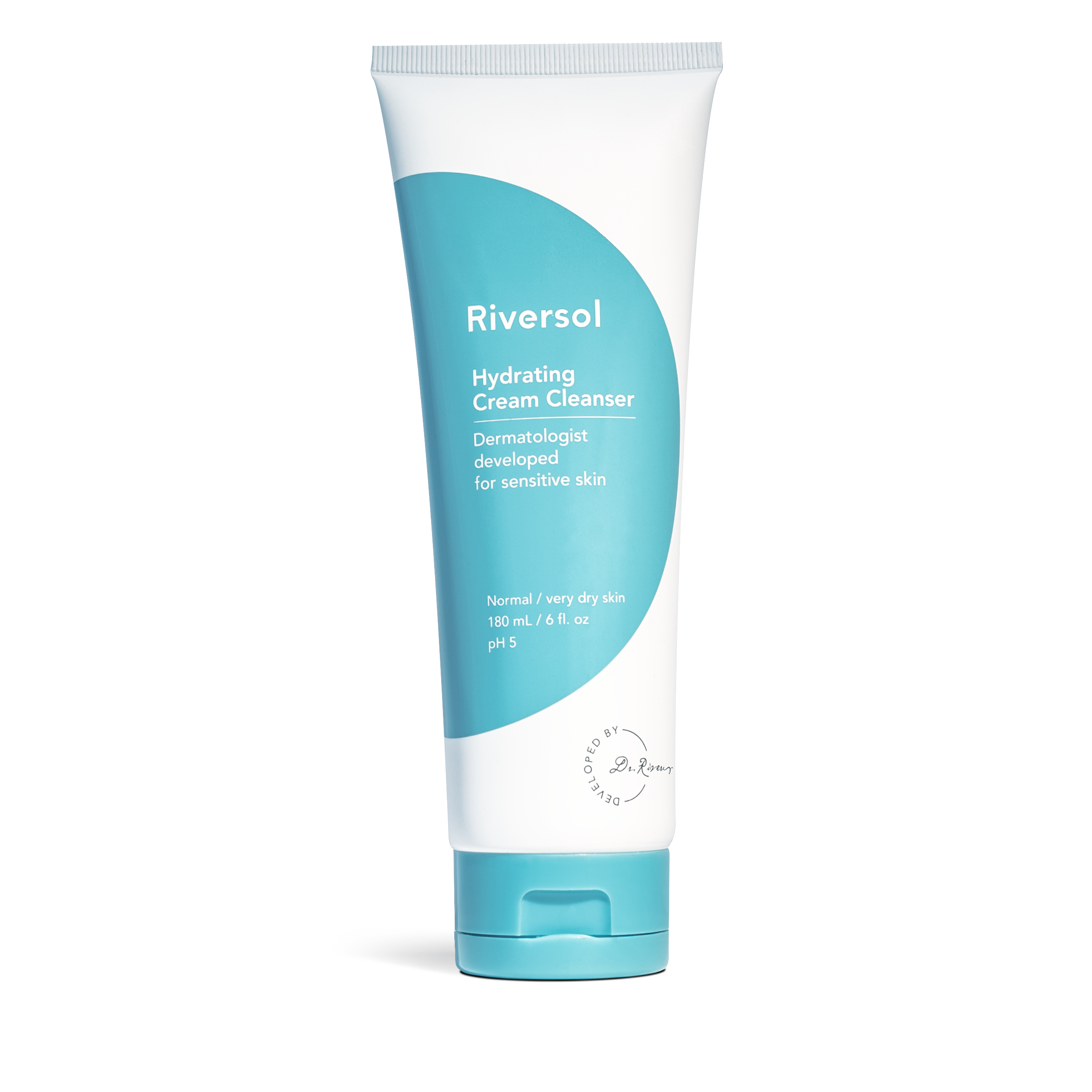
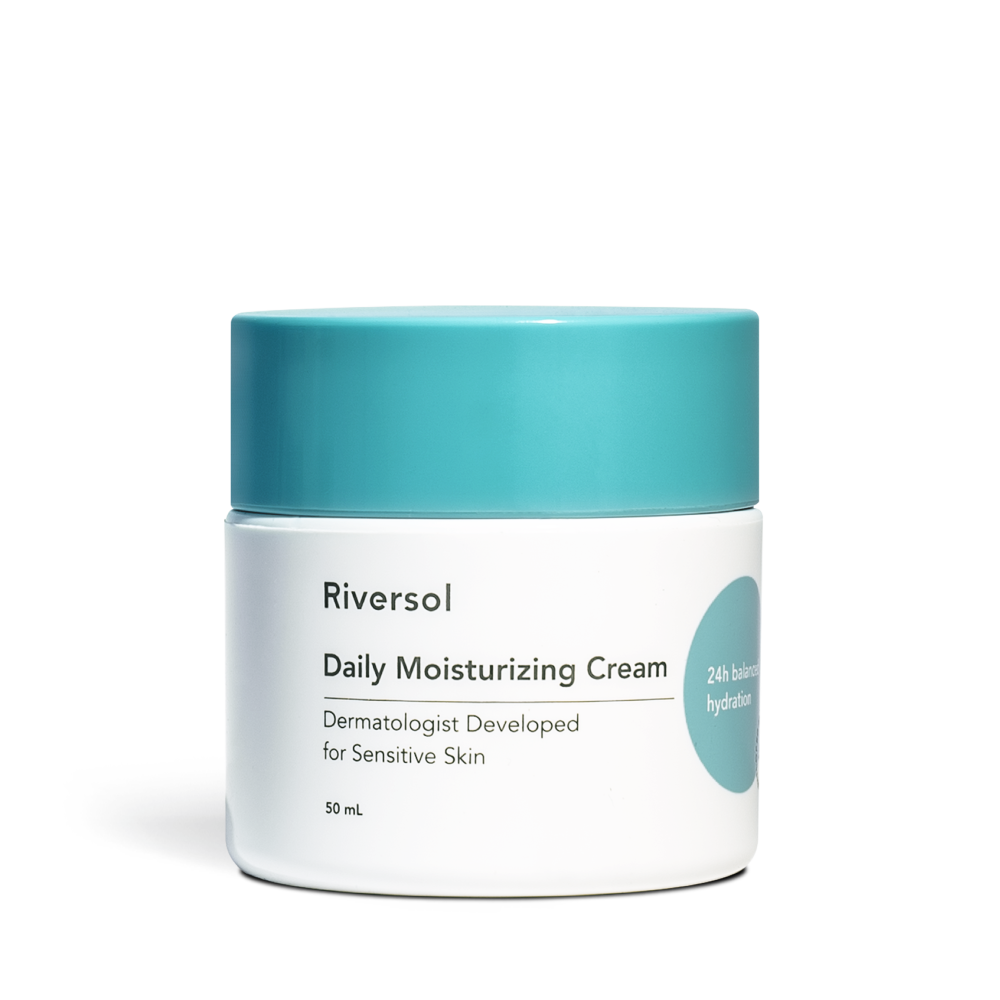
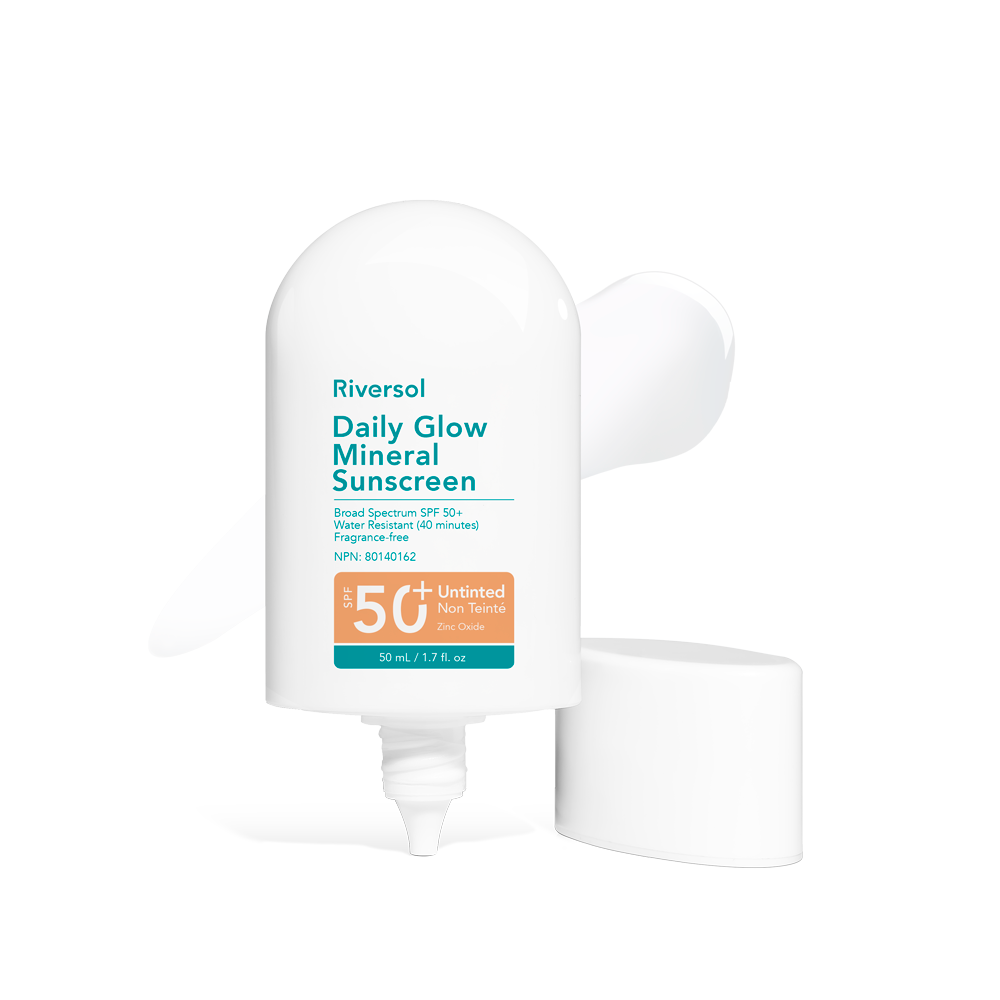
Pair retinol application with a gentle, non-stripping cleanser and a ceramide-supporting moisturizer to help reinforce the lipid barrier. The Hydrating Cream Cleanser and Daily Moisturizing Cream are formulated to work alongside retinol without disrupting barrier repair. Daily broad-spectrum SPF is non-negotiable when using retinol; the American Academy of Dermatology recommends SPF 30 or higher every morning without exception.

Frequently Asked Questions
Is 40 too late to start retinol for wrinkles?
No, 40 is not too late to start retinol for wrinkles. The dermatological literature indicates that retinol stimulates collagen synthesis and increases cell turnover at any adult age, and patients who begin in their 40s can see measurable reduction in fine line depth within 12 to 16 weeks of consistent use. The key is choosing a formulation appropriate for mature skin and pairing it with daily SPF.
What percentage of retinol should a 40 year old use?
Most dermatologists recommend starting at 0.25% to 0.5% retinol for adults in their 40s, particularly those with dry, sensitive, or reactive skin. This range delivers clinically meaningful results while minimizing the peeling and erythema that higher concentrations can trigger. Once your skin has adjusted over 8 to 12 weeks, you may gradually increase concentration if needed.
What is the retinol uglies phase?
The "retinol uglies" is a colloquial term for the adjustment period (clinically, retinoid dermatitis) that can include temporary peeling, dryness, redness, and skin tightness in the first two to six weeks of retinol use. It occurs because retinol rapidly accelerates cell turnover before the skin's barrier has fully adapted to the increased rate of exfoliation. Using a lower starting concentration, buffering with moisturizer, and applying retinol every second or third night initially can significantly reduce the severity of this phase.
Is 42 too late to start tretinoin?
No, 42 is not too late to start tretinoin, the prescription-strength form of vitamin A (retinoic acid). Clinical research published in the Journal of the American Academy of Dermatology confirms that tretinoin produces significant improvements in photoaged skin regardless of when treatment begins in adulthood. A dermatologist can assess your skin type, prescribe the appropriate concentration, and guide you through the adjustment period safely.
What do Koreans use instead of retinol?
Some Korean skincare routines favor bakuchiol, a plant-derived ingredient that is often described as a gentler alternative with some retinol-like effects on cell turnover and collagen synthesis, though the dermatological literature indicates that it has less robust clinical evidence behind it than retinol. Fermented ingredients, niacinamide, and peptides are also common in Korean anti-aging routines. For adults seeking clinically supported anti-aging outcomes, retinol remains the more evidence-backed choice, particularly when formulated to minimize irritation.
References
- Journal of the American Academy of Dermatology. (2003). Retinoids. JAAD. https://www.jaad.org/article/S0190-9622(03)03031-7/abstract
- American Academy of Dermatology. (2024). Skin care in your 40s and 50s. aad.org. https://www.aad.org/public/everyday-care/skin-care-basics/care/skin-care-in-your-40s-and-50s
- American Academy of Dermatology. (2024). 11 ways to reduce premature skin aging. aad.org. https://www.aad.org/public/everyday-care/skin-care-secrets/anti-aging/reduce-premature-aging-skin
- American Academy of Dermatology. (2024). Dermatologist-recommended skin care for your 20s. aad.org. https://www.aad.org/public/everyday-care/skin-care-basics/care/skin-care-in-your-20s
Related Topics to Explore:
About Dr. Jason Rivers, MD
Dr. Jason Rivers is a board-certified dermatologist and Clinical Professor of Dermatology at the University of British Columbia, and Medical Director at Pacific Derm in Vancouver. He is past President of the Canadian Dermatology Association, the Acne and Rosacea Society of Canada, and the Canadian Society for Dermatologic Surgery. Dr. Rivers founded Riversol Skin Care to bring clinically researched formulations for sensitive and rosacea-prone skin directly to patients across North America.