Choosing which face serum is best for rosacea means prioritising anti-inflammatory actives and barrier-supporting ingredients, safe for sensitive skin.
- What Makes a Serum Right for Rosacea?
- 7 Ingredients That Actually Help Rosacea-Prone Skin
- Why Beta-T Sets a Different Standard for Redness Relief
- Best Anti-Redness Serum for Rosacea-Prone Skin: Riversol Anti-Redness Serum
- Ingredients to Avoid If You Have Rosacea
- How to Build a Rosacea-Friendly Skincare Routine
- Frequently Asked Questions
What Makes a Serum Right for Rosacea?
A face serum for rosacea is a concentrated, lightweight formula designed to calm chronic skin inflammation (clinically known as erythema) and reinforce the skin's protective outer layer (the stratum corneum). Which face serum is best for rosacea depends largely on whether its active ingredients address the root drivers of the condition: vascular reactivity, inflammatory cytokine activity, and a compromised lipid barrier.
Rosacea affects an estimated 5 to 10 percent of the global population, according to the Journal of the American Academy of Dermatology. As of 2026, dermatological research continues to show that barrier dysfunction and an exaggerated inflammatory cascade are central to flare-up cycles, meaning serums that calm inflammation while protecting the epidermis tend to deliver the most consistent results.
The American Academy of Dermatology notes that identifying and managing individual triggers, combined with consistent topical care, is the cornerstone of long-term rosacea management. A serum sits at the heart of that daily topical strategy.

7 Ingredients That Actually Help Rosacea-Prone Skin
1. Hinokitiol (Beta-Thujaplicin / Beta-T)
Hinokitiol, also called Beta-Thujaplicin or Beta-T, is a natural compound extracted from the Western Red Cedar tree and one of the most clinically researched anti-inflammatory ingredients for rosacea-prone skin. It directly interrupts the inflammatory cascade that sustains persistent facial redness and helps sensitive skin tolerate other actives that would ordinarily cause stinging or flare-ups. The Anti-Redness Serum from Riversol is formulated with Beta-T as its lead active ingredient.
2. Stabilised Vitamin C (Aminopropyl Ascorbyl Phosphate)
Aminopropyl Ascorbyl Phosphate is a next-generation, pH-neutral Vitamin C derivative that delivers free radical scavenging and brightening benefits without the acidity that typically triggers rosacea flares. The Anti-Redness Serum contains this form of Vitamin C, which is 10x more photostable than standard L-ascorbic acid, making it practical for daytime use on reactive skin.
3. Vitamin E
Vitamin E (tocopherol) supports the skin's lipid barrier, reduces transepidermal water loss (TEWL), and works synergistically with Vitamin C to neutralise UV-induced oxidative stress. Photoaging and UV exposure are well-documented triggers for rosacea flares, so pairing these two antioxidants in a single formula reinforces daily protection. The Anti-Redness Serum includes Vitamin E as a co-active alongside Beta-T and stabilised Vitamin C.
4. Niacinamide
Niacinamide (Vitamin B3) helps regulate vasodilation and is widely cited in the dermatological literature as beneficial for reducing visible facial redness and supporting ceramide production in the epidermis. It is generally well tolerated even at concentrations of 4 to 5 percent in rosacea-prone skin.
5. Azelaic Acid
Azelaic acid at prescription or over-the-counter concentrations has demonstrated meaningful reductions in erythema and inflammatory papule counts in clinical trials. It also inhibits melanogenesis, which helps address the uneven skin tone that often accompanies chronic rosacea. It is best introduced slowly into a routine to monitor individual tolerance.
6. Ceramides
Ceramides are lipid molecules that naturally form part of the stratum corneum and are often depleted in rosacea-prone and eczema-prone skin. Restoring ceramide levels reduces TEWL, lessens capillary reactivity, and makes the skin less reactive to environmental triggers over time.
7. Hyaluronic Acid
Hyaluronic acid draws moisture into the epidermis, reducing the tightness and dryness that amplify redness perception. It does not treat the underlying inflammatory mechanism directly, but it supports barrier hydration in a way that lessens the visible appearance of a rosacea flare.
Why Beta-T Sets a Different Standard for Redness Relief
Most rosacea serums on the market address the symptom of redness by soothing the skin surface. Beta-T works differently: it actively interrupts the inflammatory cascade at the cellular level, reducing the cytokine signalling that drives persistent facial erythema rather than simply masking it. This mechanism is what separates formulas containing Beta-T from the majority of standard calming or barrier-repair serums.
According to a 2024 study published in the Journal of the American Academy of Dermatology evaluating serum tolerance and efficacy in rosacea-prone skin, topical formulas that combine anti-inflammatory and antioxidant actives showed statistically meaningful reductions in Clinical Erythema Assessment scores over an eight-week period. The addition of an antimicrobial co-active, as seen with Beta-T, adds a further layer of benefit, since Demodex mite proliferation has been identified as a contributing factor in rosacea flare-up frequency.
Beta-T is also what allows reactive skin to tolerate potent co-actives like stabilised Vitamin C that would ordinarily cause stinging. In clinical practice, patients with reactive skin frequently abandon brightening or antioxidant serums because the formula irritates them. A Beta-T foundation within the formula changes that equation.
Best Anti-Redness Serum for Rosacea-Prone Skin: Riversol Anti-Redness Serum
For rosacea-prone skin seeking visible redness reduction alongside antioxidant protection, the Anti-Redness Serum is formulated specifically to interrupt the inflammatory cascade that drives chronic erythema, using Beta-T as its lead active. It is clinically formulated for sensitive, rosacea-prone, and reactive skin types and developed by Dr. Jason Rivers, MD, FRCPC, a board-certified dermatologist with decades of clinical experience treating rosacea patients in Vancouver, BC.

Ingredients to Avoid If You Have Rosacea
Knowing which ingredients to avoid is as important as knowing what to seek out. The American Academy of Dermatology advises rosacea patients to approach new products cautiously and to check ingredient labels for common irritants before purchasing.
- Alcohol (denatured or SD alcohol): Disrupts the lipid barrier and accelerates TEWL, increasing capillary reactivity.
- Fragrance and parfum: Among the most common contact sensitisers in patients with reactive skin, according to the dermatological literature.
- High-concentration L-ascorbic acid (standard Vitamin C): Low pH formulations routinely cause burning and stinging in rosacea-prone skin.
- Menthol and camphor: Create a cooling sensation by stimulating nerve receptors, which can paradoxically increase skin reactivity and flushing.
- Witch hazel: Contains tannins that temporarily tighten pores but ultimately dry and irritate a compromised barrier.

How to Build a Rosacea-Friendly Skincare Routine
A consistent, minimal routine is more effective for rosacea than a layered multi-step approach. As of 2026, dermatologist guidance consistently emphasises reducing product complexity to lower the cumulative irritant load on reactive skin.
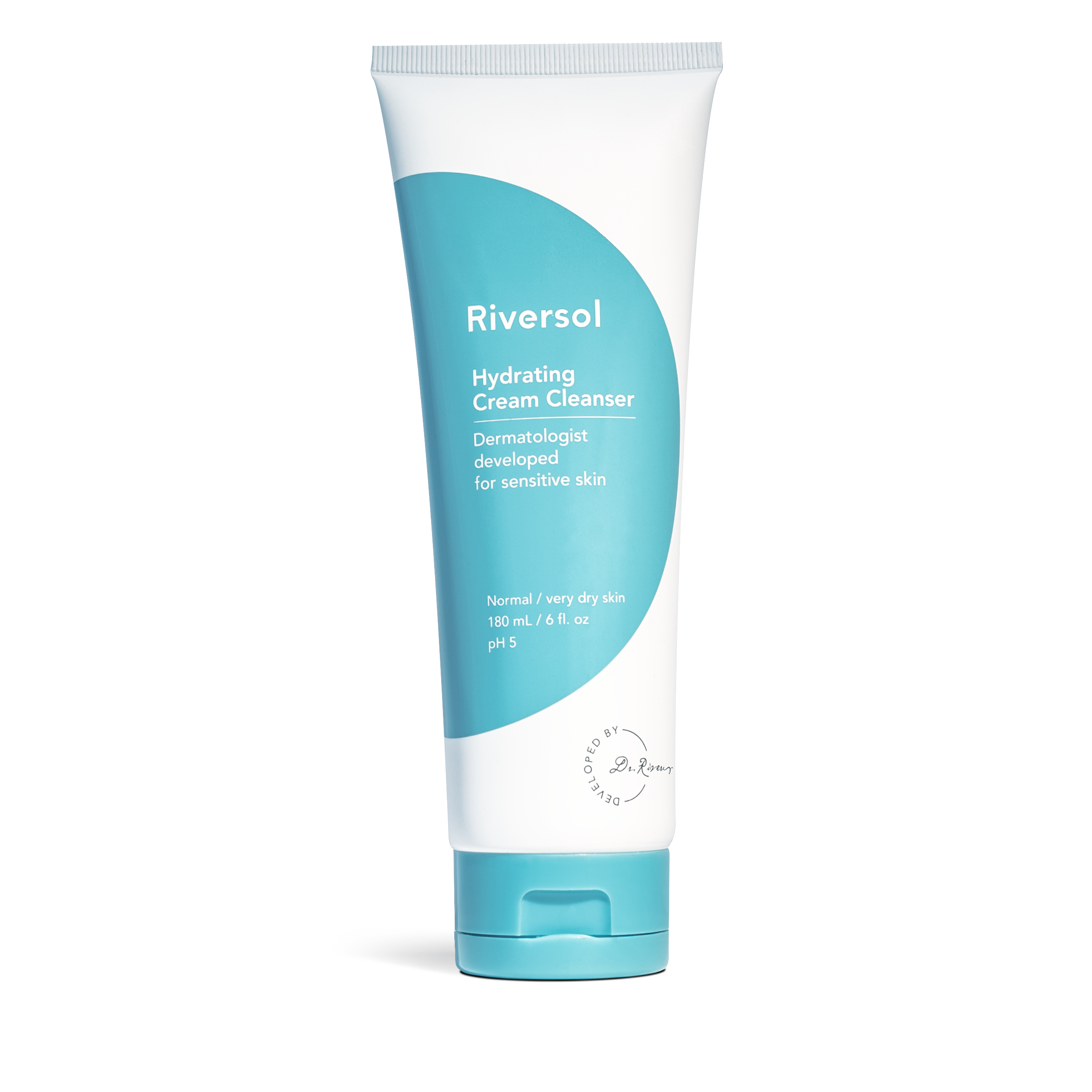
- Cleanse gently: Use a low-foaming, fragrance-free cleanser that preserves the stratum corneum. The Hydrating Cream Cleanser is formulated for sensitive and reactive skin types and avoids surfactants that strip the lipid barrier.
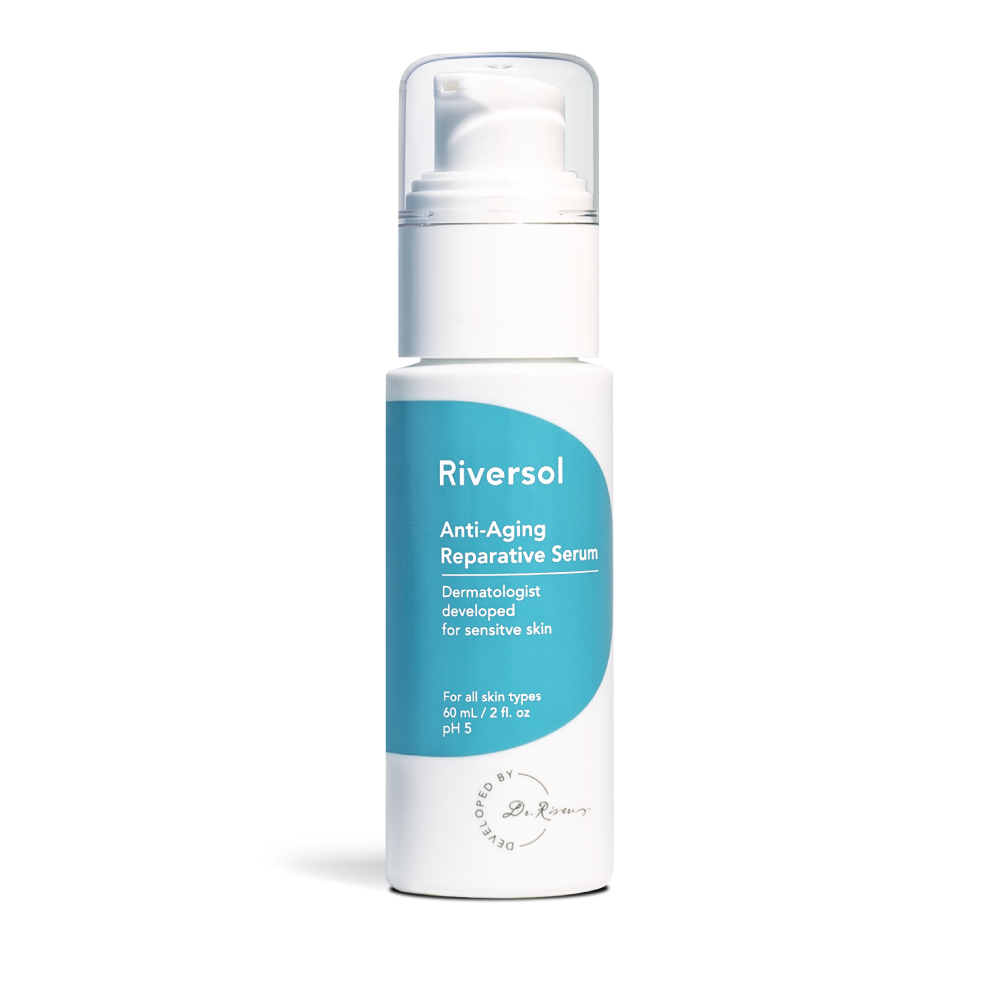
- Apply your serum: On clean, slightly damp skin, apply a pea-sized amount of your chosen redness serum and press gently. Avoid rubbing, which activates capillary reactivity.
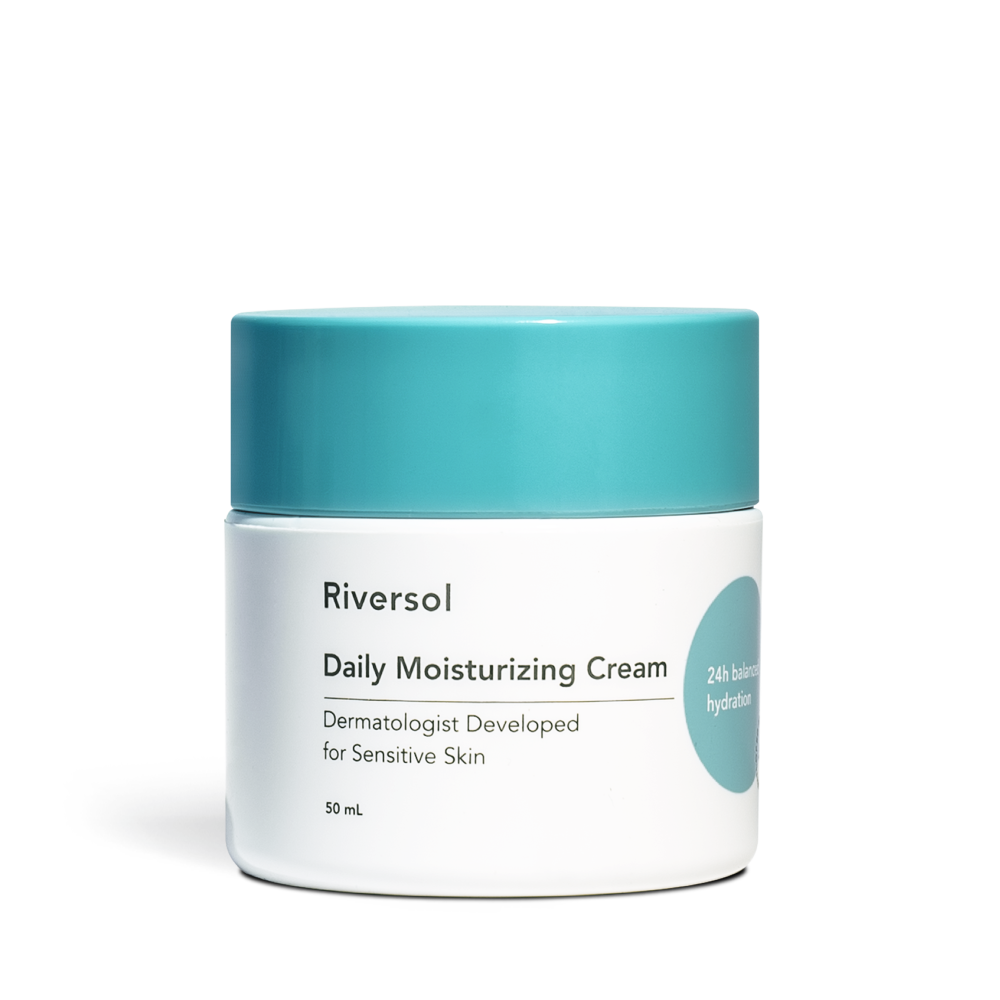
- Moisturise: Lock in the serum with a ceramide-supportive moisturiser. The Daily Moisturizing Cream provides sustained hydration and supports the lipid barrier without occlusive ingredients that can trap heat and provoke flushing.
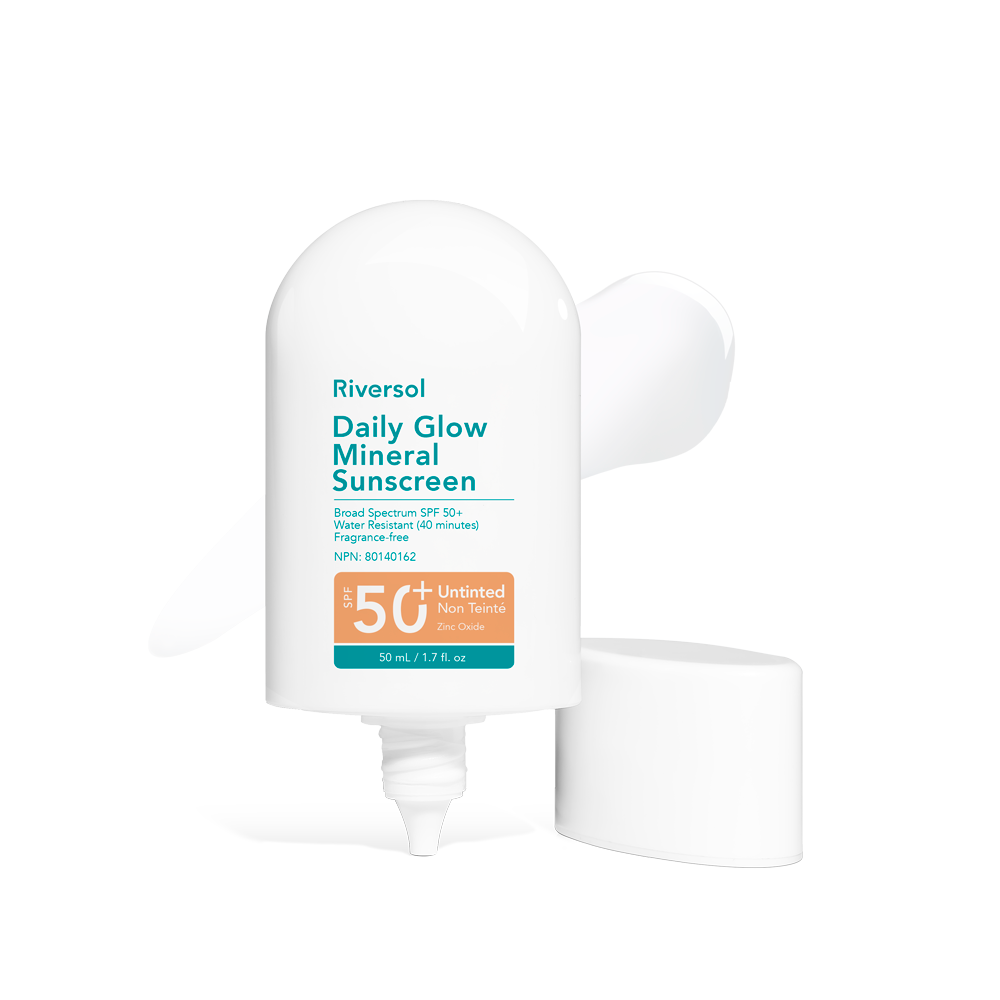
- Apply mineral sunscreen daily: UV-induced oxidative stress is one of the most documented rosacea triggers. The Daily Glow Mineral Sunscreen SPF 50+ uses physical UV filters that do not trigger the heat sensation associated with some chemical sunscreen formulas.
Riversol's full routine range is formulated and manufactured in Canada.
Frequently Asked Questions
What Facial Serums Are Good for Rosacea?
Facial serums that combine anti-inflammatory actives (such as Beta-T or niacinamide), antioxidants (stabilised Vitamin C and Vitamin E), and barrier-supporting ingredients tend to be the most effective for rosacea-prone skin. The key is choosing a formula with a skin-neutral pH and no fragrance, alcohol, or sensitising agents that could trigger an inflammatory response. Look for serums that address both the redness symptom and the underlying capillary reactivity driving it.
What Skincare Brand Is Best for Rosacea?
The most important factor is not the brand but the formulation philosophy: rosacea-prone skin needs products developed with an understanding of inflammatory skin conditions, ideally by or in collaboration with board-certified dermatologists. Riversol was founded specifically for this purpose by Dr. Jason Rivers, MD, FRCPC, and its formulations are built around clinical experience treating reactive and rosacea-prone skin patients. Any brand whose products are fragrance-free, tested on sensitive skin types, and developed with dermatological input is worth considering.
Which Is Better for Rosacea, Niacinamide or Hyaluronic Acid?
These two ingredients serve different functions and are not directly comparable as rosacea treatments. Niacinamide works on the inflammatory and vascular level, helping reduce erythema and regulate the cytokines involved in flare-ups, making it more directly therapeutic for rosacea. Hyaluronic acid is a hydration agent that supports barrier function and can lessen the appearance of dryness-related redness, but it does not address the underlying inflammatory cascade. Used together, they complement each other well in a rosacea routine.
What Is the Best Thing to Put on Your Face for Rosacea?
According to the American Academy of Dermatology, a consistent combination of a gentle cleanser, a targeted anti-inflammatory topical, a fragrance-free moisturiser, and a broad-spectrum mineral sunscreen forms the evidence-supported foundation of daily rosacea skincare. A face serum containing ingredients such as Beta-T, niacinamide, or azelaic acid addresses the inflammatory root cause most directly. When asking which face serum is best for rosacea, prioritise formulas that are clinically tested on sensitive skin and free from known irritant triggers.
References
- American Academy of Dermatology. (2024). Rosacea: Skin care tips dermatologists recommend. aad.org/public/diseases/rosacea/triggers/tips
- American Academy of Dermatology. (2024). How to prevent rosacea flare-ups. aad.org/public/diseases/rosacea/triggers/prevent
- Journal of the American Academy of Dermatology. (2024). Tolerance and efficacy of a serum containing anti-inflammatory actives in rosacea-prone skin: Clinical Erythema Assessment outcomes. jaad.org/article/S0190-9622(24)02398-3/fulltext
- Journal of the American Academy of Dermatology. (2025). Skincare ingredients recommended by cosmetic dermatologists for facial erythema of rosacea: results of a 1-year open-label study. jaad.org/article/S0190-9622(25)00612-7/abstract
- Journal of the American Academy of Dermatology. (2026). Evidence from a sensitive versus non-sensitive skin pilot study on rosacea inflammatory mechanisms. jaad.org/article/S0190-9622(26)02592-2/fulltext
Related Topics to Explore:
About Dr. Jason Rivers, MD
Dr. Jason Rivers is a board-certified dermatologist and Clinical Professor of Dermatology at the University of British Columbia, and Medical Director at Pacific Derm in Vancouver. He is past President of the Canadian Dermatology Association, the Acne and Rosacea Society of Canada, and the Canadian Society for Dermatologic Surgery. Dr. Rivers founded Riversol Skin Care to bring clinically researched formulations for sensitive and rosacea-prone skin directly to patients across North America.