Aminopropyl Ascorbyl Phosphate is the most gentle form of Vitamin C for sensitive skin, delivering brightening results without irritation or stinging.
- Why Vitamin C Irritates Sensitive Skin
- Vitamin C Derivatives Ranked by Gentleness
- What Is the Most Gentle Form of Vitamin C for Sensitive Skin?
- The Calming Co-Active That Makes Gentle Vitamin C Even Safer
- How to Add Gentle Vitamin C to a Sensitive Skin Routine
- Frequently Asked Questions
Why Vitamin C Irritates Sensitive Skin
Vitamin C is one of the most researched antioxidants in dermatology, supporting collagen synthesis, neutralising free radical damage from UV-induced oxidative stress, and helping to regulate the process of melanin production (clinically known as melanogenesis). So why does it cause so much burning and stinging in people with reactive skin?
The answer lies in pH. Pure Vitamin C (clinically known as L-Ascorbic Acid) is most bioavailable at a pH of 2.5 to 3.5, which is highly acidic. For people whose outermost skin layer (clinically known as the stratum corneum) is already compromised, that acidity triggers an immediate inflammatory response: redness, warmth, and stinging that can last for hours. The American Academy of Dermatology notes that barrier-compromised skin is significantly more susceptible to ingredient-induced irritation, making product selection especially important for this group.
As of 2026, the skincare market has responded with a growing family of Vitamin C derivatives formulated to deliver the same antioxidant benefits at a much higher, skin-friendlier pH. Understanding those derivatives is the first step to confident shopping.

Vitamin C Derivatives Ranked by Gentleness
Not all Vitamin C derivatives are equal. They differ in stability, conversion rate to active Vitamin C in the skin, and critically, their pH at which they are effective. Here is how the most common derivatives compare.
L-Ascorbic Acid: Effective but Harsh
L-Ascorbic Acid is the most extensively researched form and delivers the fastest, most noticeable brightening results. However, it requires a low acidic pH to remain active and stable, which makes it a poor choice for reactive or rosacea-prone skin. It is also prone to oxidation, turning yellow or orange in the bottle within weeks.
Ascorbyl Glucoside: Gentler, Water-Soluble
Ascorbyl Glucoside is a water-soluble derivative that functions at a higher pH, making it considerably less irritating than L-Ascorbic Acid. It converts to active Vitamin C after absorption through the epidermis, though conversion rates can be slower. It is a reasonable starting point for moderately sensitive skin.
Tetrahexyldecyl Ascorbate: Lipid-Soluble, Skin-Penetrating
Tetrahexyldecyl Ascorbate (also called THD Ascorbate) is a lipid-soluble form that penetrates the stratum corneum more readily and functions without requiring an acidic pH. It is generally well-tolerated, though its oily texture can pose challenges for acne-prone or combination skin types.
Aminopropyl Ascorbyl Phosphate: The Stabilised, Skin-Tolerant Option
Aminopropyl Ascorbyl Phosphate is a phosphate-stabilised Vitamin C derivative that is effective at a near-neutral pH, making it one of the most well-tolerated options for reactive and sensitive skin. It is 10 times more photostable than L-Ascorbic Acid, meaning it resists degradation from light exposure, which is a significant practical advantage. The dermatological literature indicates that phosphate-stabilised Vitamin C derivatives show a markedly reduced potential for skin irritation compared to their L-Ascorbic Acid counterparts.
What Is the Most Gentle Form of Vitamin C for Sensitive Skin?
When patients with reactive, rosacea-prone, or eczema-affected skin ask what is the most gentle form of Vitamin C for sensitive skin, the answer that best balances efficacy with tolerability is Aminopropyl Ascorbyl Phosphate. It delivers measurable antioxidant protection and brightness improvement, and it does so at a pH that does not trigger the burning, stinging, or erythema (visible redness and flushing) that standard L-Ascorbic Acid formulas commonly cause.
According to the Journal of the American Academy of Dermatology, Vitamin C is associated with meaningful improvements in photoaging markers including fine lines, uneven tone, and dullness when applied consistently over several weeks. The key for sensitive skin patients is finding the derivative that allows that consistent use without triggering a flare.
The Calming Co-Active That Makes Gentle Vitamin C Even Safer
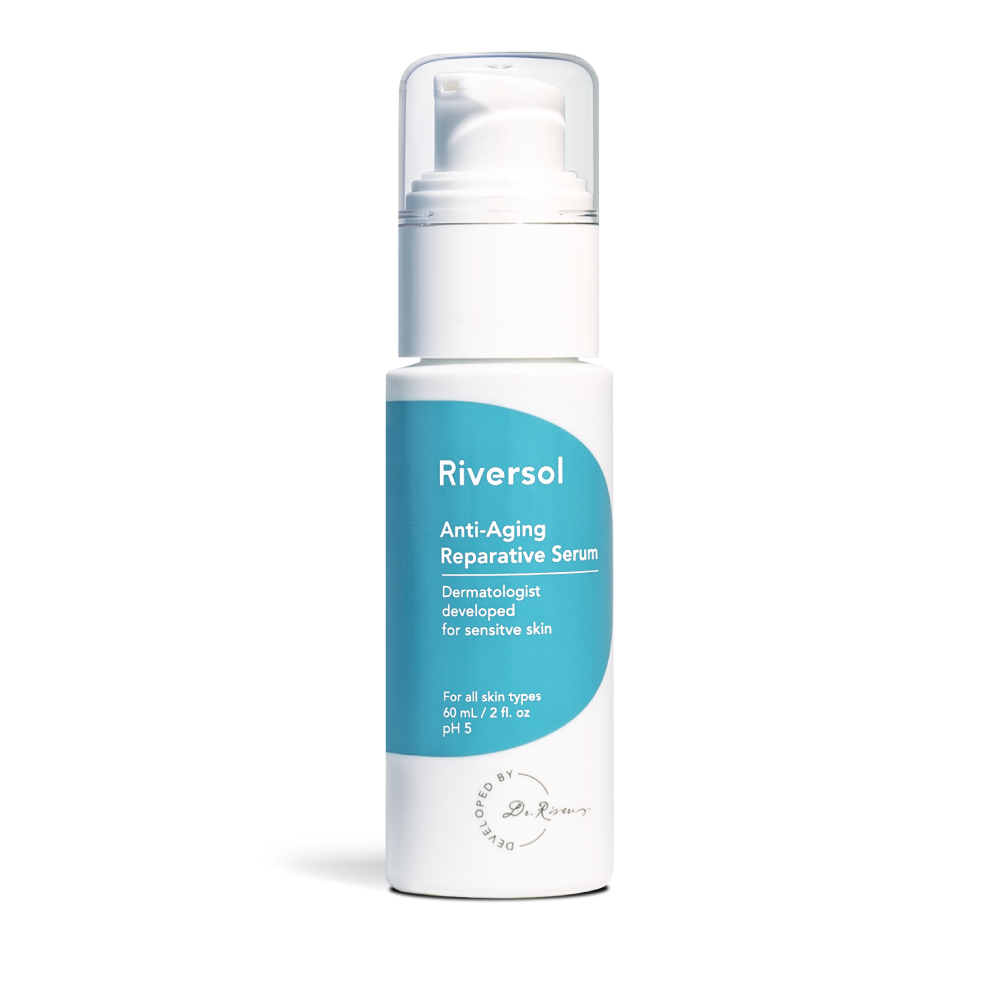
Best Vitamin C Serum for Sensitive and Rosacea-Prone Skin: Riversol Anti-Aging Serum (Vitamin C and E)
Aminopropyl Ascorbyl Phosphate, the stabilised Vitamin C derivative in the Anti-Aging Serum (Vitamin C & E), is clinically formulated to deliver brightening and anti-aging results at a skin-tolerant pH, making it one of the few Vitamin C serums genuinely suitable for reactive and rosacea-prone skin.
What sets this formulation apart is the inclusion of Hinokitiol, also known as Beta-Thujaplicin (Beta-T), a naturally derived anti-inflammatory and antimicrobial compound extracted from the Western Red Cedar tree native to British Columbia. Beta-T works by calming the inflammatory cascade before it starts, which means the skin is less likely to mount a reactive response to the Vitamin C molecule, even in patients with heightened capillary reactivity and cytokine sensitivity. The addition of Vitamin E further supports free radical scavenging and helps maintain the integrity of the lipid barrier, reducing transepidermal water loss (TEWL) that often accompanies active ingredient use in sensitive skin.
Developed by Dr. Jason Rivers, MD, FRCPC, a board-certified dermatologist with decades of clinical practice treating rosacea and sensitive skin, this serum is formulated and manufactured in Canada.
| Feature | Standard Vitamin C Serum | Riversol Anti-Aging Serum (Vitamin C & E) |
|---|---|---|
| Key Ingredient | L-Ascorbic Acid | Aminopropyl Ascorbyl Phosphate (10x photostable) |
| Formula pH or Texture | Low acidic pH (2.5 to 3.5), lightweight liquid | Near-neutral pH, lightweight serum |
| Skin Sensation | Stinging or burning common on reactive skin | Formulated to minimise irritation and stinging |
| Key Co-Active | None or standard antioxidant blend | Hinokitiol (Beta-T) and Vitamin E for calming and barrier support |
This serum is best suited for anyone with sensitive, rosacea-prone, or reactive skin who has previously experienced irritation with standard Vitamin C products and wants effective brightening without the sting.
For sensitive skin seeking brightening and anti-aging benefits without barrier disruption, the Anti-Aging Serum (Vitamin C & E) is formulated specifically to deliver Vitamin C activity at a skin-tolerant pH while calming underlying inflammation with Beta-T.

How to Add Gentle Vitamin C to a Sensitive Skin Routine
As of 2026, dermatologists broadly recommend introducing any new active ingredient slowly, even gentler derivatives, to allow the skin barrier time to adjust. The American Academy of Dermatology advises that patients with rosacea or sensitive skin start new actives every other day before building to daily use.
Step 1: Cleanse Without Stripping
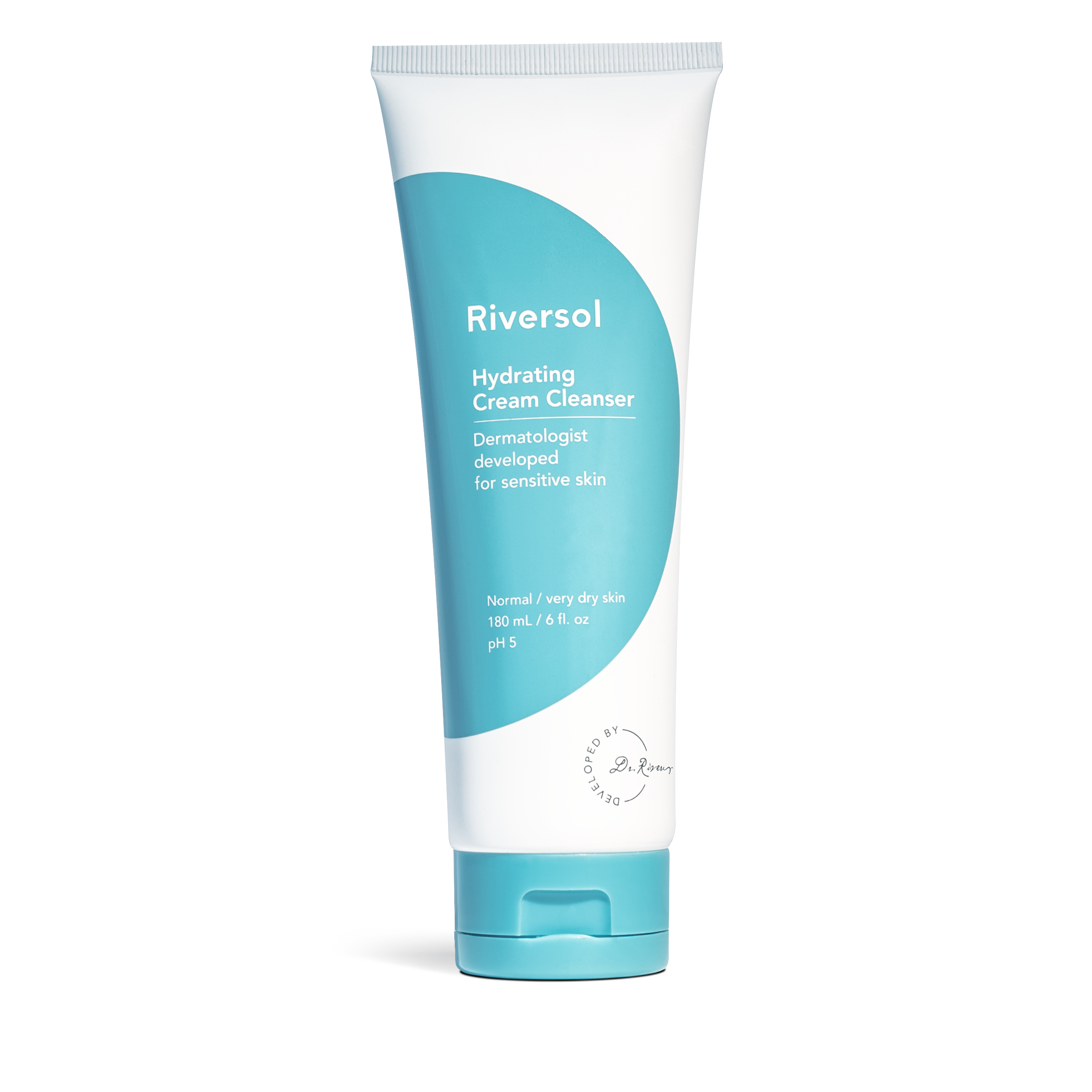
Begin with a gentle, non-foaming cleanser that preserves ceramides and the natural lipid barrier. A cream-based formula like the Hydrating Cream Cleanser removes impurities without compromising barrier integrity, which is essential before applying any active ingredient.
Step 2: Apply Vitamin C Serum to Dry Skin
Apply your Vitamin C serum to fully dry skin. Damp skin can increase penetration speed and, in reactive skin, increase the likelihood of a mild response. Two to three drops is sufficient coverage for the full face.
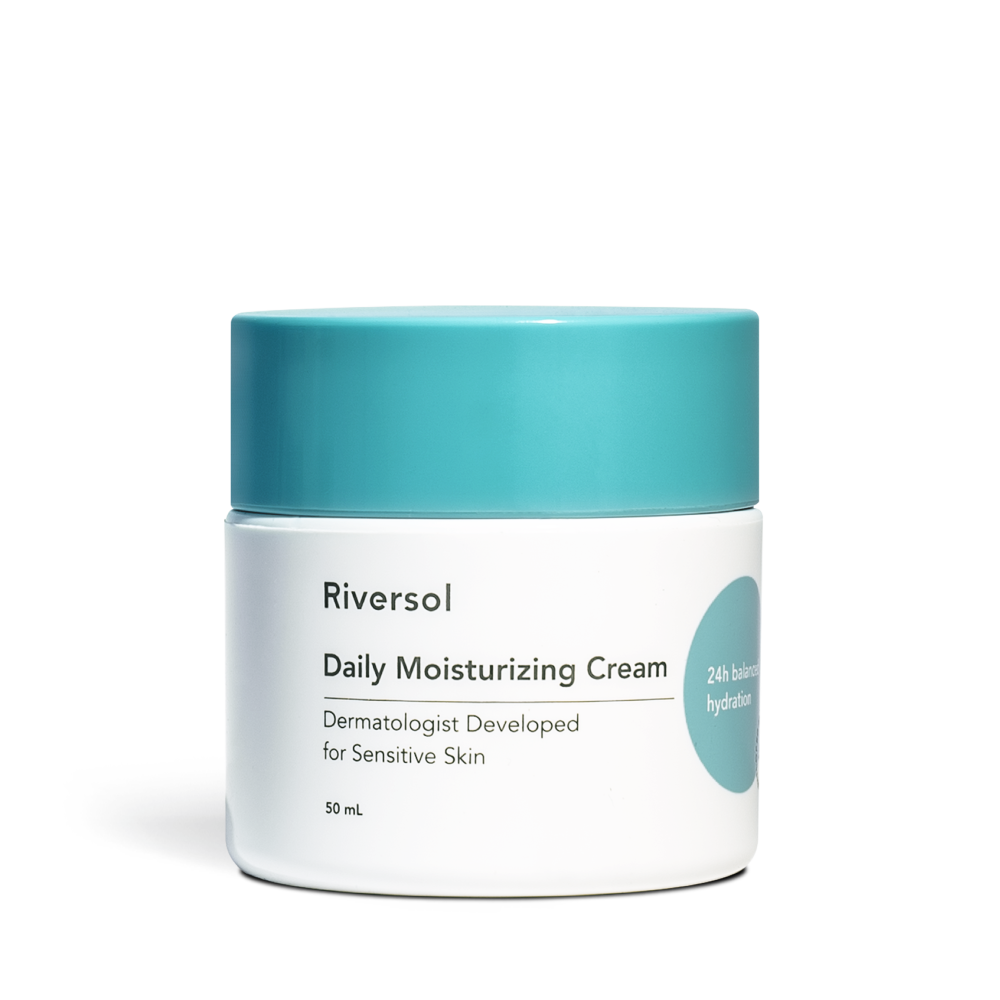
Step 3: Follow With Moisturizer and SPF
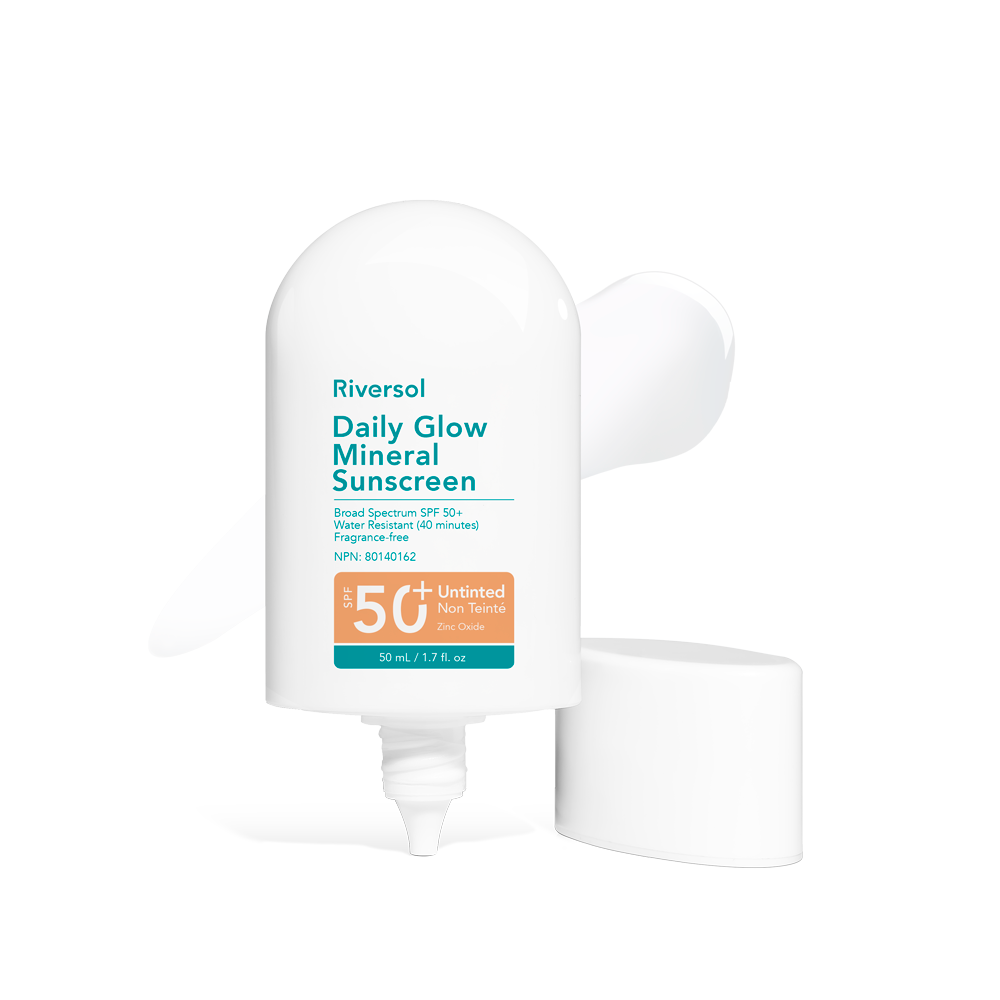
Vitamin C is an antioxidant that works synergistically with sunscreen to reduce UV-induced oxidative stress. Follow with a barrier-supporting moisturizer and finish with broad-spectrum sun protection such as the Daily Glow Mineral Sunscreen SPF 50+ to lock in results and protect your skin throughout the day.

Frequently Asked Questions
What Is the Most Gentle Vitamin C for Sensitive Skin?
Aminopropyl Ascorbyl Phosphate is widely considered among dermatologists as one of the most gentle, skin-tolerant Vitamin C derivatives available. It is effective at a near-neutral pH, which eliminates the acidic sting associated with L-Ascorbic Acid, and its phosphate stabilisation means it remains active in the formula longer without oxidising. For reactive or rosacea-prone skin, it is a reliable starting point for introducing Vitamin C.
What Is the Least Irritating Form of Vitamin C?
Among all Vitamin C derivatives, phosphate-stabilised forms such as Aminopropyl Ascorbyl Phosphate and sodium ascorbyl phosphate tend to cause the least irritation because they function at a higher pH and do not require the acidic environment that triggers burning in sensitive skin. Lipid-soluble options like Tetrahexyldecyl Ascorbate are also generally well-tolerated and worth considering if you prefer an oil-based formula. The best choice depends on your skin type, texture preferences, and any co-existing conditions like rosacea or eczema.
What Is the Most Stable Form of Vitamin C for Skin?
Stability is one of the primary limitations of L-Ascorbic Acid, which oxidises quickly when exposed to light and air. Derivative forms, particularly phosphate-stabilised versions, are significantly more stable. Aminopropyl Ascorbyl Phosphate, for example, is reported to be 10 times more photostable than L-Ascorbic Acid, meaning it retains its potency in the bottle and on the skin for much longer, which translates to more consistent results over time.
What Is the Best Vitamin C Serum for Melasma?
Melasma is a form of hyperpigmentation driven by dysregulated melanogenesis, often triggered or worsened by UV exposure, hormonal changes, and inflammation. Vitamin C helps by interrupting the enzymatic pathway that produces excess melanin, making consistent daily use important. For patients with melasma and sensitive skin, a gentle, photostable Vitamin C derivative paired with broad-spectrum SPF 50 or higher is the approach most consistent with current dermatological guidance. Pairing Vitamin C with an anti-inflammatory co-active like Beta-T may also help reduce the inflammation that can worsen melasma over time.
References
- American Academy of Dermatology. (2024). Skin care basics: Active ingredients and barrier health. aad.org/public/everyday-care/skin-care-basics/care
- American Academy of Dermatology. (2024). Rosacea: Overview, triggers, and treatment approaches. aad.org
- Journal of the American Academy of Dermatology. (2023). Vitamin C in photoaging: A review of clinical evidence for topical ascorbic acid and its derivatives. jaad.org
- American Academy of Dermatology. (2023). Sunscreen FAQs: UV radiation, photoprotection, and ingredient guidance. aad.org/media/stats-sunscreen
Related Topics to Explore:
About Dr. Jason Rivers, MD
Dr. Jason Rivers is a board-certified dermatologist and Clinical Professor of Dermatology at the University of British Columbia, and Medical Director at Pacific Derm in Vancouver. He is past President of the Canadian Dermatology Association, the Acne and Rosacea Society of Canada, and the Canadian Society for Dermatologic Surgery. Dr. Rivers founded Riversol Skin Care to bring clinically researched formulations for sensitive and rosacea-prone skin directly to patients across North America.