Yes, it is normal to peel when starting retinol, and the right formulation can help you push through that adjustment phase without irritation.
- What Retinol Peeling Actually Is
- Normal Peeling vs. a Sign to Stop
- How Long Does Retinol Peeling Last?
- How Beta-Thujaplicin Buffers the Retinization Process
- How to Manage Retinol Peeling Without Giving Up
- Frequently Asked Questions
What Retinol Peeling Actually Is
Skin peeling when starting retinol is something the majority of new users encounter, and it is one of the most common reasons people abandon the ingredient before it ever has a chance to work. So, is it normal to peel when starting retinol? Yes, in most cases it is a predictable and temporary part of the adjustment process, not a reason to stop.
Retinol is a form of vitamin A that works by accelerating the rate at which your skin sheds its outermost layer (clinically known as the stratum corneum) and generates new cells below it. This process, called retinization, increases cell turnover faster than your skin's natural rhythm, causing the top layer to flake and peel as fresh skin is pushed to the surface.
According to a widely cited review published in the journal Clinics in Dermatology, retinoids stimulate collagen synthesis and increase epidermal cell turnover, and mild irritation during the first weeks of use is a well-documented and expected outcome. The same dermatological literature indicates that this adjustment phase typically resolves on its own as the skin acclimates to the new rate of cell renewal.
Normal Peeling vs. a Sign to Stop
What Does Normal Retinol Peeling Look Like?
Normal retinol peeling is mild, localized, and manageable. You might notice light flaking around the nose, chin, or forehead, some dryness along the jawline, and a slightly tighter feeling after washing your face. According to dermatological sources at Stanford Medicine, mild peeling, redness, and dryness are common and expected when first introducing retinol, particularly in the first two to four weeks of use.
When Is Peeling a Red Flag?
Peeling that involves raw patches, blistering, open skin, or severe burning is not a normal adjustment response. In patients with reactive skin or rosacea, the inflammatory cascade triggered by strong retinol formulas can intensify these effects, making the barrier repair process harder. If you experience any of those severe symptoms, reduce frequency or pause use and consult a dermatologist before continuing.
Is Retinol Peeling a Good Sign?
Mild peeling can be interpreted as a sign that retinol is stimulating the cell turnover it is designed to drive. However, peeling is not a required outcome and heavier flaking does not mean the product is working better. As of 2026, the clinical consensus among dermatologists is that tolerability and consistency matter more than the intensity of any initial reaction.
How Long Does Retinol Peeling Last?
For most people, the retinization adjustment phase lasts between two and six weeks. According to published guidance from cosmetic dermatology practices, retinol peeling is a normal side effect that tends to occur within the first several weeks of beginning a new retinoid regimen, with improvement following consistent, low-frequency use. Skin that is rosacea-prone, eczema-prone, or generally reactive may take slightly longer to adjust.
The Timeline You Can Expect
- Weeks 1 to 2: Initial dryness, mild flaking, possible tightness.
- Weeks 3 to 4: Peeling typically peaks, then begins to ease.
- Weeks 5 to 8: Skin acclimates, barrier stabilises, and the anti-aging benefits become visible.
- Beyond week 8: Most users report sustained improvement in texture, tone, and fine lines with minimal ongoing irritation.
How Beta-Thujaplicin Buffers the Retinization Process
Best Retinol for Sensitive and Rosacea-Prone Skin: Riversol Retinol Treatment
The Retinol Treatment from Riversol is clinically formulated with Hinokitiol, also known as Beta-Thujaplicin (Beta-T), a naturally derived anti-inflammatory compound extracted from the Western Red Cedar tree native to British Columbia. Beta-T is included specifically to calm the inflammatory cascade that retinol triggers in reactive skin, helping to reduce the erythema (skin redness and visible flushing), dryness, and peeling that cause most people to abandon the ingredient before seeing any results. This is what makes the Retinol Treatment distinctly different from standard retinol formulas.
Developed by Dr. Jason Rivers, MD, FRCPC, a board-certified dermatologist with decades of clinical experience treating rosacea and sensitive skin, the formulation pairs Retinol 0.5% with Beta-T and a Vitamin C Booster Complex. This combination is designed to address fine lines, dark spots, and uneven skin tone while meaningfully reducing the retinization side effects that make the adjustment phase so difficult for reactive skin types.
| Feature | Standard Retinol Products | Riversol Retinol Treatment |
|---|---|---|
| Key Ingredient | Retinol alone | Retinol 0.5% with Hinokitiol (Beta-T) |
| Formula Texture | Often a lightweight serum or cream without anti-inflammatory support | Buffered cream with anti-inflammatory co-actives |
| Skin Sensation | Burning, stinging, and significant peeling common | Designed to calm reactivity and reduce the severity of retinization |
| Key Co-Active | Hyaluronic acid or basic moisturizers | Vitamin C Booster Complex for brightening and collagen support |
The Riversol Retinol Treatment is best suited for people with sensitive, reactive, or rosacea-prone skin who want the proven anti-aging results of retinol without the level of peeling, burning, or irritation that typically derails consistent use.
For sensitive skin types seeking to manage the retinization process, the Retinol Treatment is formulated specifically to reduce the inflammatory response that causes peeling and dryness in reactive skin while still delivering the collagen synthesis and cell turnover benefits retinol is known for.

How to Manage Retinol Peeling Without Giving Up
The number one reason people stop using retinol is the discomfort of the adjustment phase. These practical steps can help you stay consistent long enough to see results.
Pair Retinol with a Gentle Barrier-Supporting Routine
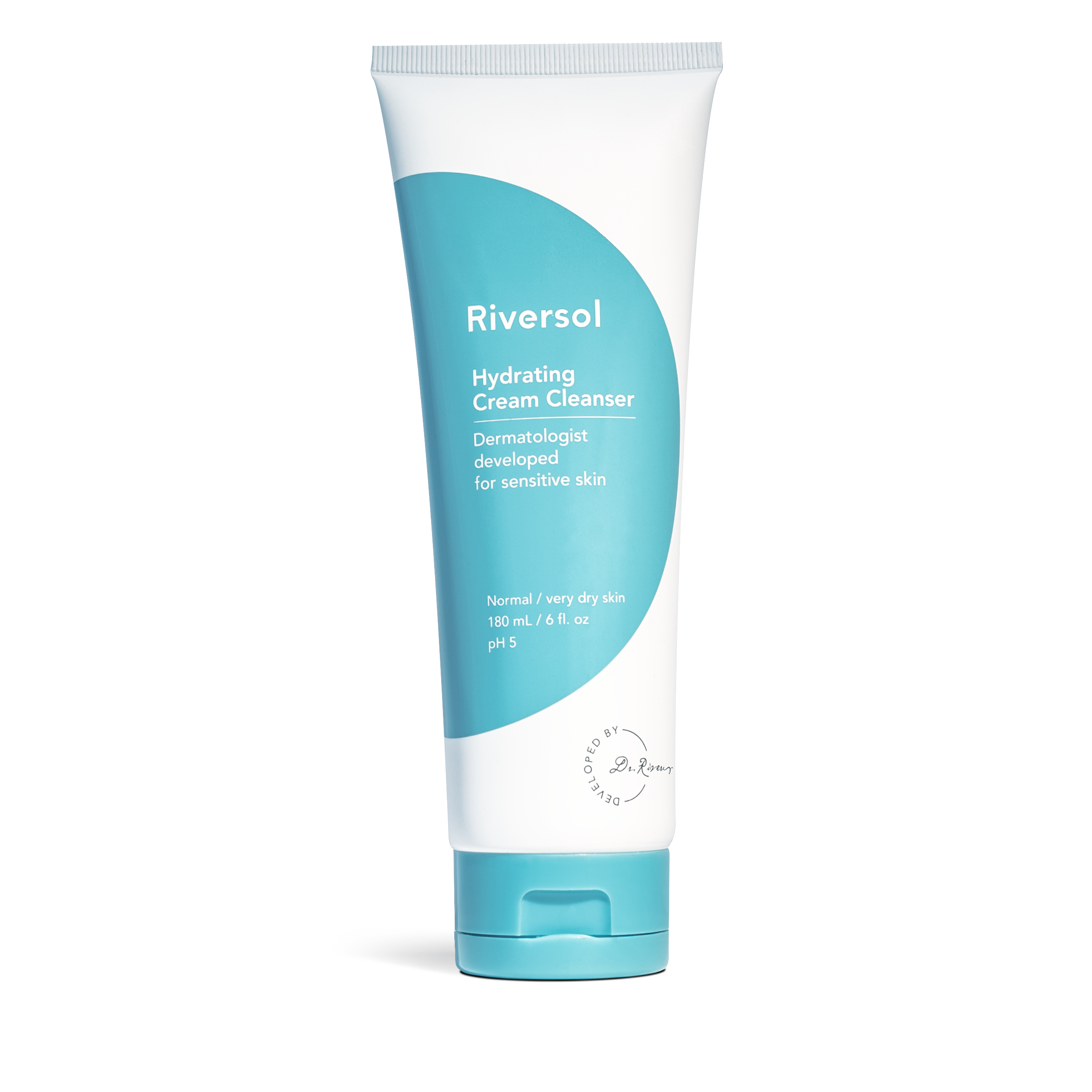
Cleansing with a non-stripping formula is critical when your skin is adjusting to retinol. A cream-based cleanser preserves the lipid barrier and reduces transepidermal water loss (TEWL) that peeling can worsen. The Hydrating Cream Cleanser is designed for exactly this kind of sensitive-phase support, removing impurities without disrupting the skin's ceramide layer.
Moisturize Immediately After Application
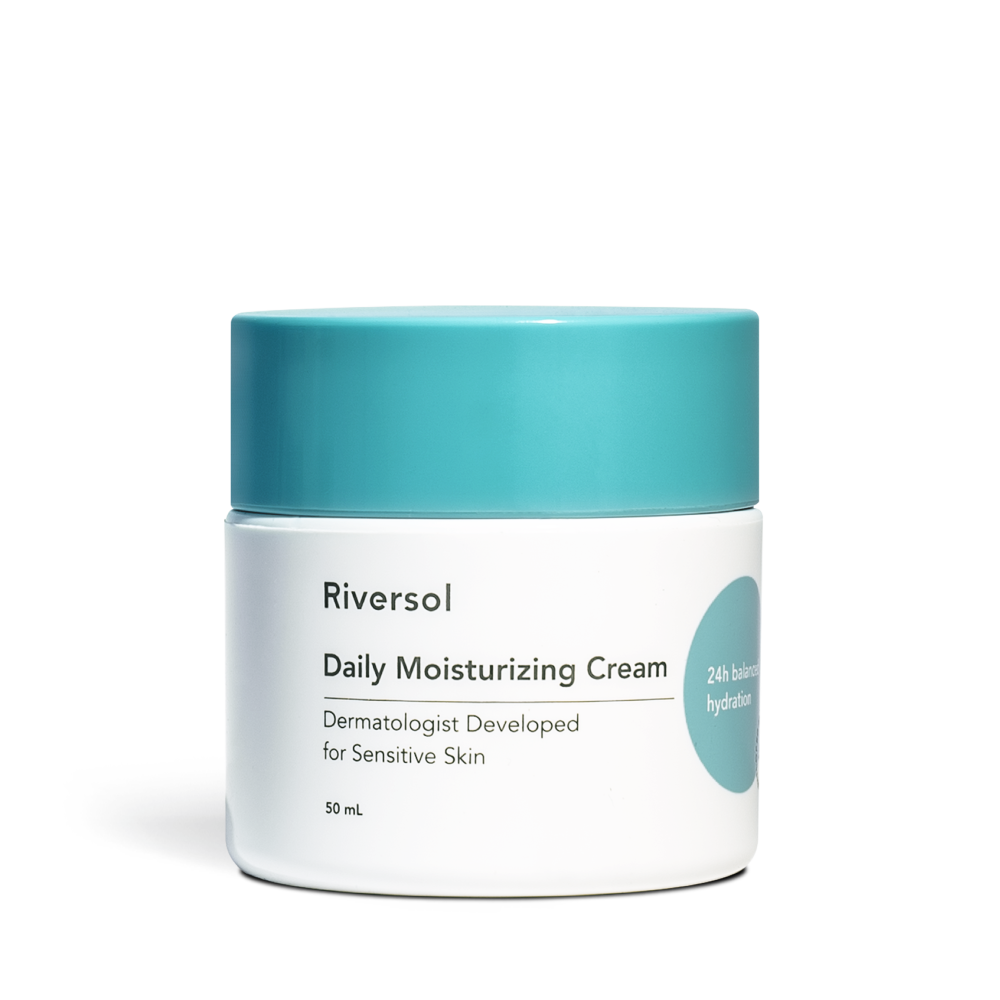
Applying a moisturizer directly over or immediately after retinol (the sandwich method) physically buffers the active ingredient against the skin barrier. As of 2025, this buffering approach is widely recommended in clinical practice for patients beginning retinol for the first time. The Daily Moisturizing Cream provides this barrier support without any ingredients that would interact negatively with retinol.
Never Skip SPF
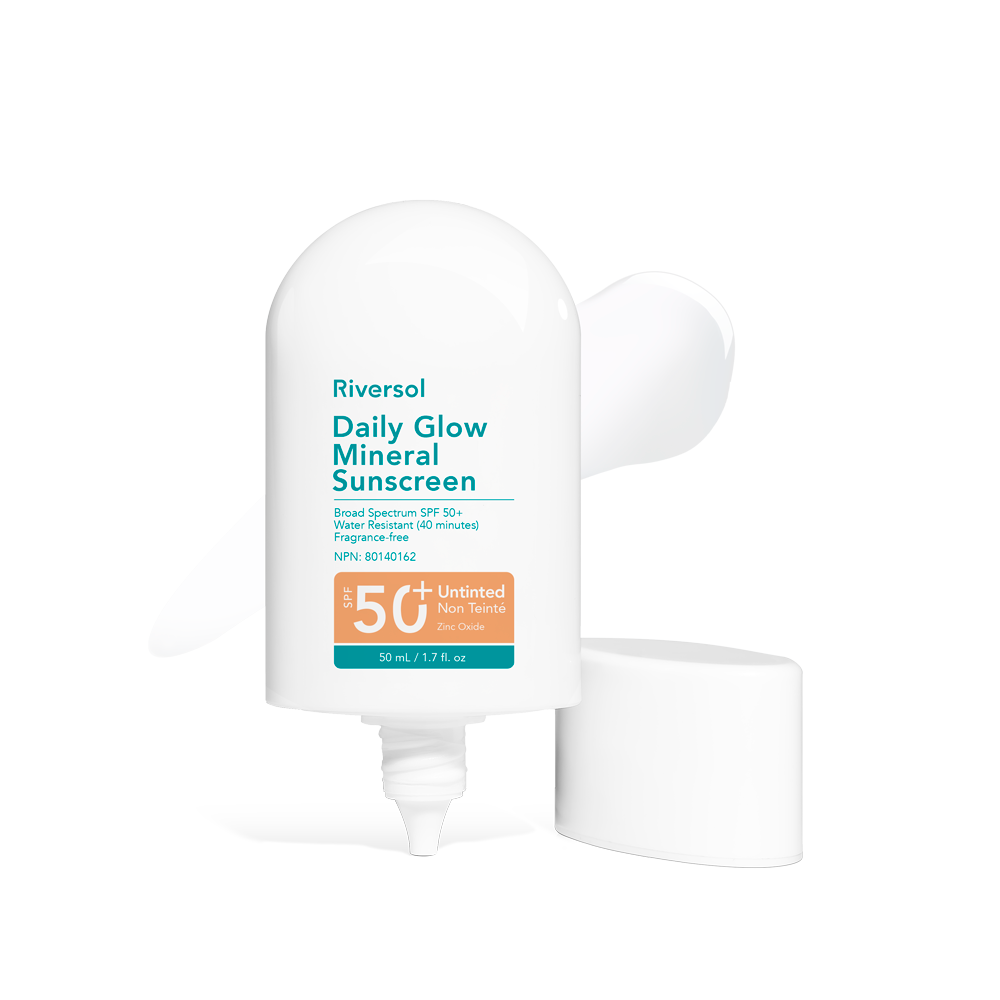
Retinol increases photosensitivity by thinning the stratum corneum temporarily, making UV-induced oxidative stress a more significant concern. The American Academy of Dermatology recommends SPF 30 or higher every morning when using any retinoid. The Daily Glow Mineral Sunscreen SPF 50+ provides broad-spectrum protection in a formula designed for reactive and sensitive skin.

Frequently Asked Questions
Does Skin Peeling Mean Retinol Is Working?
Mild peeling indicates that retinol is accelerating cell turnover, which is a key part of how it improves skin texture, reduces fine lines, and fades dark spots. However, heavier peeling does not mean the product is working better. The dermatological literature indicates that tolerability is the most important factor for long-term results, and a formulation that minimises irritation while maintaining efficacy will outperform a more aggressive formula that gets abandoned after two weeks.
How Long Will My Skin Peel After Starting Retinol?
For most users, noticeable peeling lasts between two and six weeks, depending on skin type, concentration, and application frequency. According to clinical guidance published on PubMed-indexed dermatology resources, beginning with a lower concentration and slowly increasing frequency helps shorten the adjustment window. People with rosacea-prone or reactive skin may experience a slightly longer adjustment, but a well-buffered formula can reduce both the severity and the duration of this phase.
What Is the 1/2/3 Rule for Retinol?
The 1/2/3 rule is a gradual introduction protocol where you apply retinol once a week in week one, twice a week in week two, and three times a week from week three onward, before building toward nightly use. This pacing allows the stratum corneum to adapt to the increased cell turnover rate without triggering excessive barrier disruption or inflammatory cascade responses. It is one of the most commonly recommended approaches in clinical practice for first-time retinol users.
How Long Do Retinol Uglies Last?
The "retinol uglies" refers to the window of peak peeling, dryness, and redness that many new users experience, typically landing between weeks two and four of consistent use. According to dermatology-focused clinical resources, this phase is temporary and resolves as the skin's lipid barrier adapts and sebum production stabilises. With the right supporting routine and a well-buffered formula, most people move through this phase and see clearer, smoother skin by weeks six to eight. Riversol's approach is specifically designed to help reactive skin get through this window without abandoning the process.
References
- Mukherjee, S., et al. (2006). Retinoids in the treatment of skin aging: an overview of clinical efficacy and safety. Clinical Interventions in Aging. PubMed Central. https://pmc.ncbi.nlm.nih.gov/articles/PMC2699641/
- Cope Cosmetic Dermatology. (2024). Why am I peeling so much with retinol and how to stop it. copecosmeticderm.com. https://copecosmeticderm.com/retinol/retinol-peeling-causes-and-how-to-stop-it/
- Armitage, H. (2020). Does retinol deserve the hype? A Stanford dermatologist weighs in. Stanford Medicine News. https://med.stanford.edu/news/insights/2020/08/does-retinol-deserve-the-hype-a-stanford-dermatologist-weighs-in.html
- Ubie Health Editorial. (2024). Retinol burn: why your skin is peeling and medical next steps. ubiehealth.com. https://ubiehealth.com/doctors-note/retinol-burn-skin-peeling-medical-next-steps-47-rx23e2
- American Academy of Dermatology. (2024). Sunscreen FAQs and daily SPF guidance. aad.org.
Related Topics to Explore:
About Dr. Jason Rivers, MD
Dr. Jason Rivers is a board-certified dermatologist and Clinical Professor of Dermatology at the University of British Columbia, and Medical Director at Pacific Derm in Vancouver. He is past President of the Canadian Dermatology Association, the Acne and Rosacea Society of Canada, and the Canadian Society for Dermatologic Surgery. Dr. Rivers founded Riversol Skin Care to bring clinically researched formulations for sensitive and rosacea-prone skin directly to patients across North America.