Your eyes crinkle first. Your neck seems to lose firmness quietly, almost overnight. And your hands, often the most overlooked part of any skincare routine, can give away age long before the face does.
This is not a coincidence. Skin does not age uniformly because skin is not uniform. The areas that show age earliest share something in common: they are naturally thin, frequently exposed, and structurally less equipped to absorb the changes that begin in your twenties.
What “thin skin” actually means
Skin is made up of two main layers: the epidermis on the surface and the dermis beneath it, where collagen and elastin live. The dermis is what gives skin its structure, firmness, and ability to bounce back. Where the dermis is thin, there is simply less buffer against the collagen loss that accumulates with time.
Skin thickness varies significantly across the body, but not always in the ways you might expect. The palms of the hands, for instance, are among the thickest skin on the body, built up by friction and pressure over a lifetime. But the backs of the hands are a different story entirely.
Skin thickness by body area
| Area | Approx. thickness | Why it matters |
|---|---|---|
| Eyelids | 0.3–0.5 mm | The thinnest skin on the body, where fine lines can become visible early. |
| Neck and décolleté | About 1–1.5 mm | Fewer oil glands and less underlying support can make changes in firmness more noticeable. |
| Backs of hands | About 0.5–1 mm | Minimal fat cushioning means veins and tendons sit close to the surface. |
| Face | About 1.5–2 mm | Generally more supported, although thickness varies across different areas of the face. |
| Back | About 3–4 mm | A thicker dermal layer means aging may appear more as changes in texture than fine wrinkling. |
| Palms and soles | Up to 4+ mm | A thick epidermis is built to withstand pressure and friction. |
The collagen timeline
Starting around age 20, the body produces approximately 1–2% less collagen each year. That number sounds small until you consider that the change is cumulative. By the time you reach your forties and fifties, that gradual reduction has had decades to compound.
In thin-skinned areas, this can become visible sooner. There is simply less collagen to lose before a difference in texture, firmness, or volume becomes noticeable.
You are not born with one skin thickness, and you do not age evenly. Thin, exposed areas such as the hands, neck, and eyes often show changes first.
Hormonal shifts can compound this further. The decline in estrogen that comes with menopause can contribute to a significant and sometimes rapid reduction in collagen and skin thickness. It is one reason changes can feel as though they happen quickly rather than gradually.
Why hands are especially vulnerable
The backs of the hands have very little fat cushioning to begin with. Even a modest loss of volume can make a visible difference. Tendons may appear more prominent, veins sit closer to the surface, and the skin can take on a thinner or more crepey texture.
Add constant exposure to the equation. Sun, water, detergents, handwashing, and daily tasks can compromise protection faster here than almost anywhere else. Handwashing removes sunscreen. UV damage accumulates over years. And unlike the face, the hands rarely receive the same level of intentional care.
The result is that hands can show signs of structural change earlier than much of the face, especially when a consistent facial skincare routine has already been in place for years.

What actually helps
The principles are similar to caring for any other part of your skin: protect it consistently and extend your regular routine to areas that often get skipped.
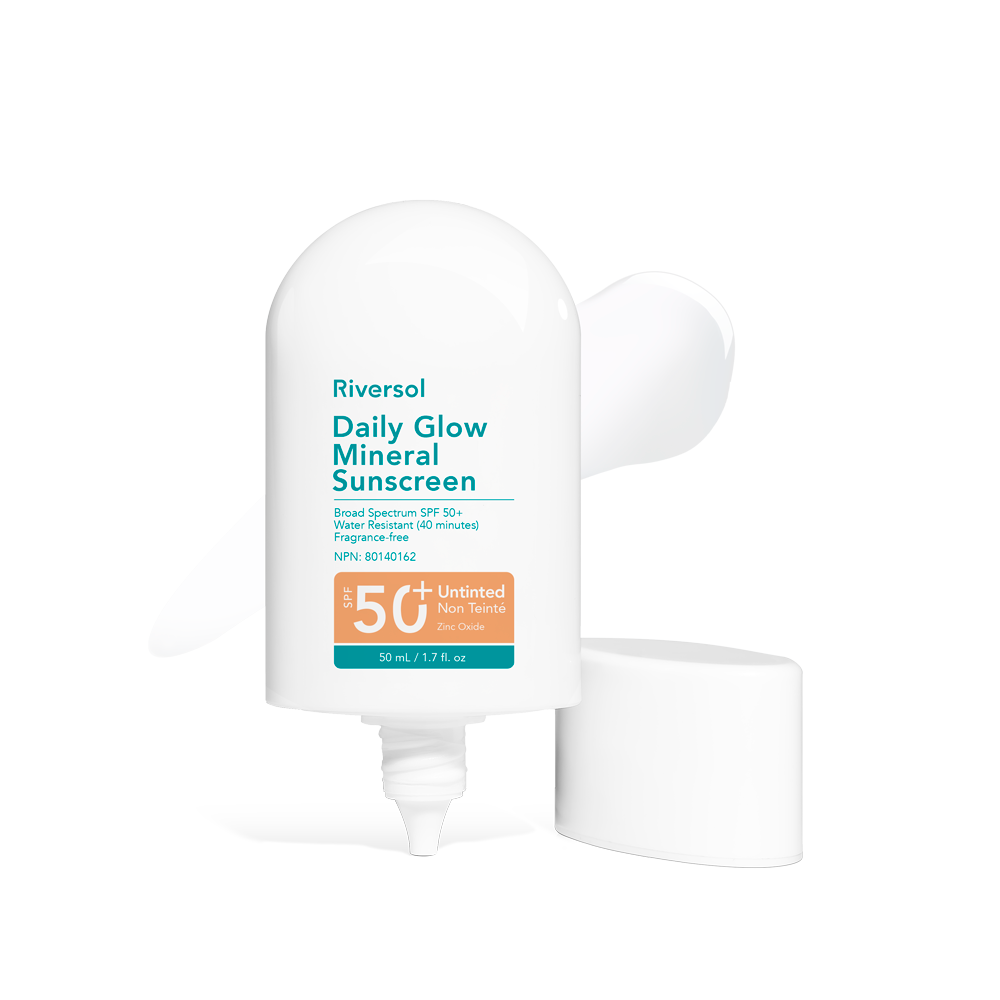
Daily sunscreen on the backs of the hands is one of the most meaningful habits. UV exposure is cumulative, and the hands are exposed every day in ways that are not always obvious, including while driving, sitting near windows, or taking short trips outside. Reapplication is particularly important because sunscreen can be removed when you wash your hands.
For the structural side, look for ingredients that hydrate, support the skin barrier, and improve the appearance of smoother, firmer, and more even-looking skin over time.
The hands age like other thin-skinned areas: often earlier and more visibly than we expect. But that also means they deserve the same consistent, thoughtful care as the rest of your skin.
References
- Forefront Dermatology. Aging, Region by Region: How Different Areas of Your Skin Tell Different Stories. March 2026. View source
- Ambasada Urody. Thin Skin: Causes, Location and Available Treatments. View source
- OneSkin. What Is Epidermal Thickness and Why Does It Matter? April 2022. View source
- Renew Skin Co. Thin Skin: Causes and Treatments. April 2026. View source
- SiPhox Health. Why Is My Skin Getting Thinner? August 2025. View source
- Declerck et al. Microstructurally-Based Constitutive Modelling of the Skin. arXiv, 2017. View source
- West Dermatology. The Skinny on Thinning Skin: The Causes and Treatments for Skin Volume Loss. September 2022.