Skip to content
Cart
 

The Riversol Blog

Your source for dermatologist-approved advice, skincare science, and the latest from Riversol.

Riversol Blog

What Reduces Water Loss from Skin? A Dermatologist''s Guide to Barrier Repair

What Reduces Water Loss from Skin? A Dermatologist''s Guide to Barrier Repair

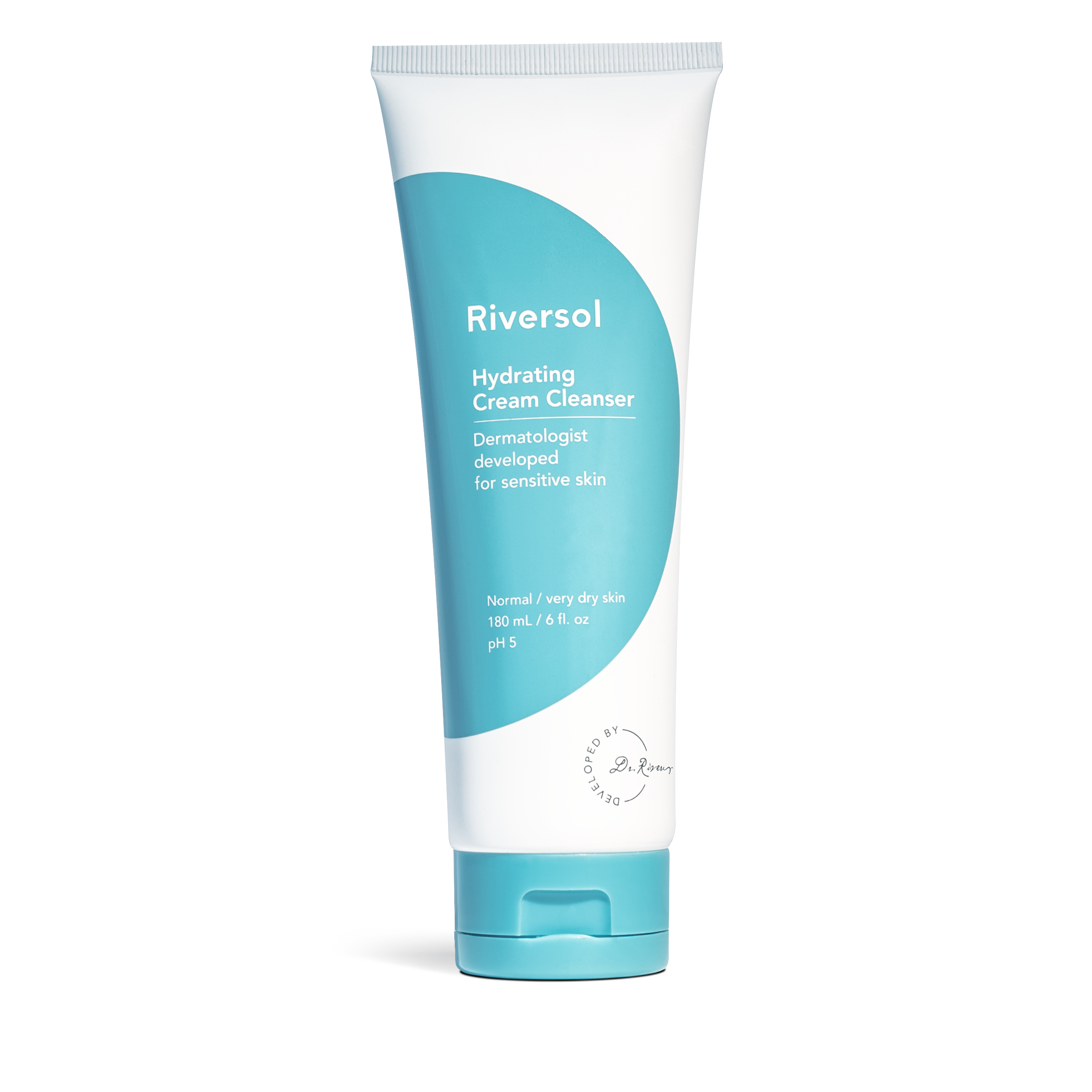
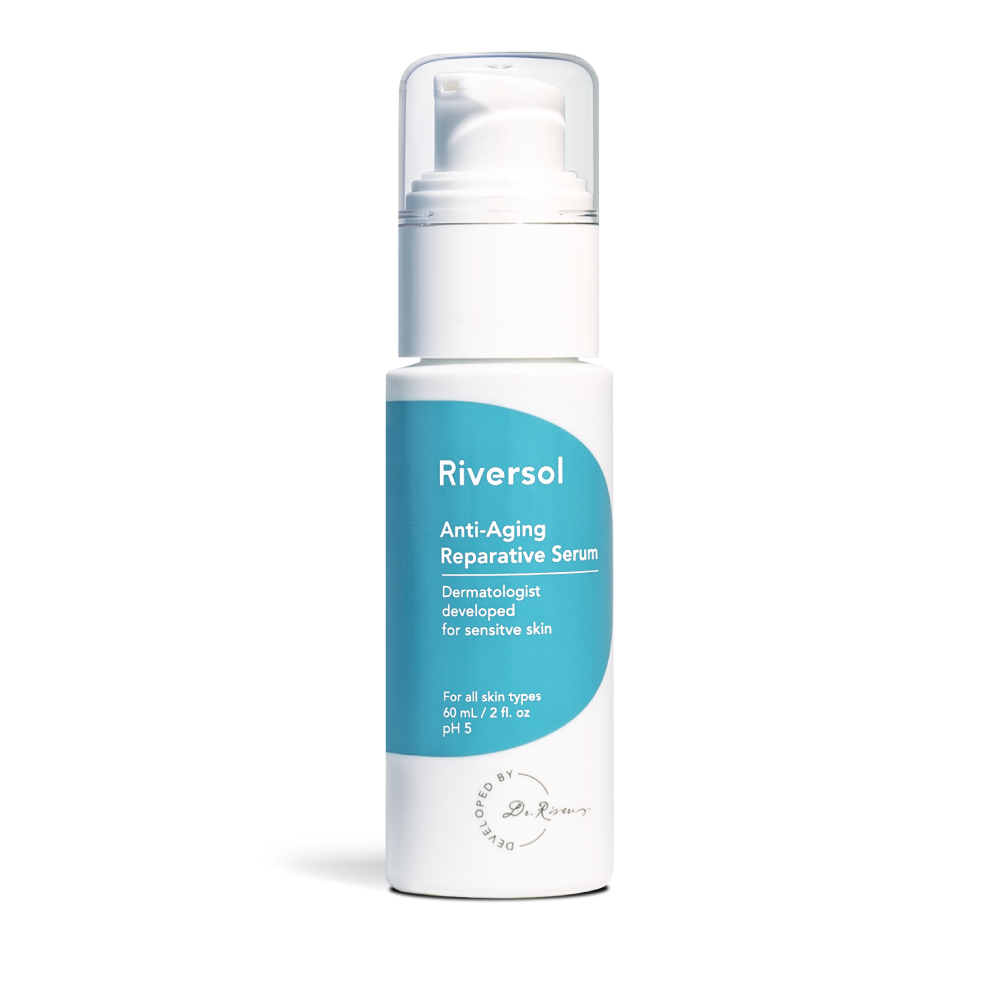
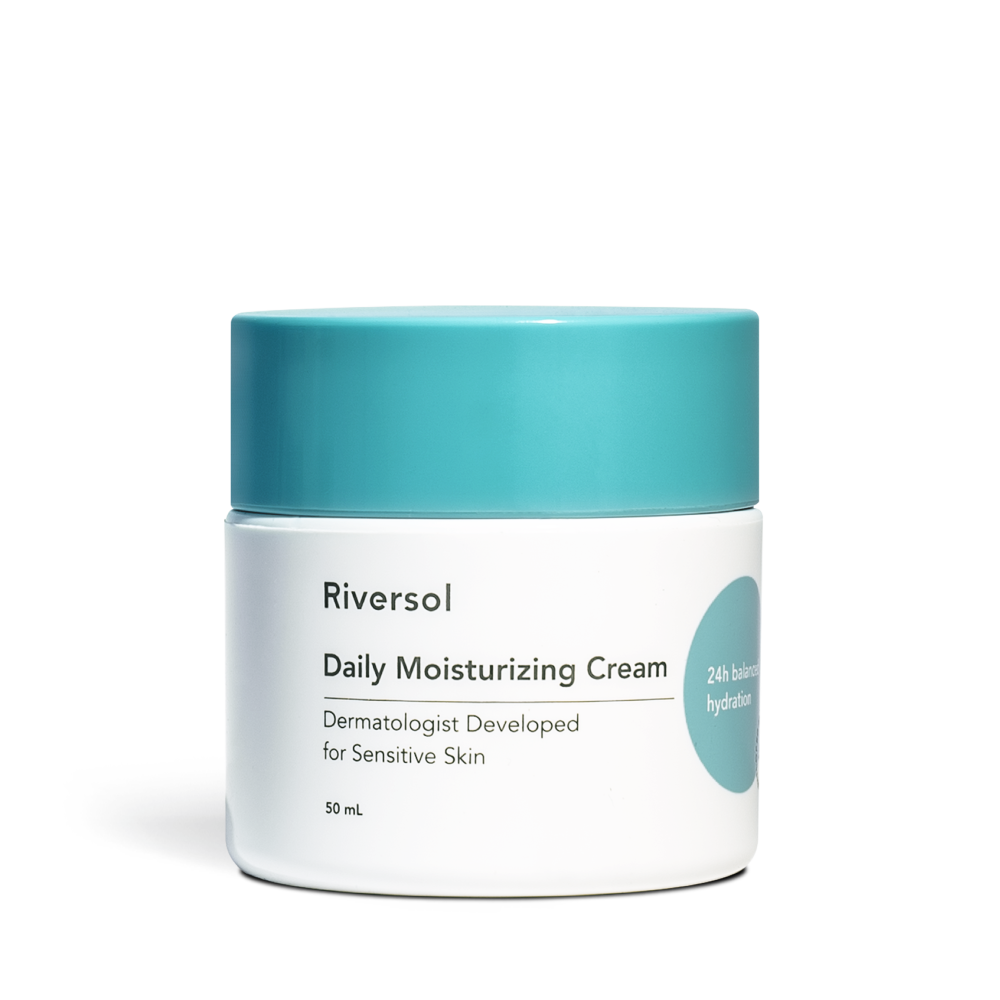
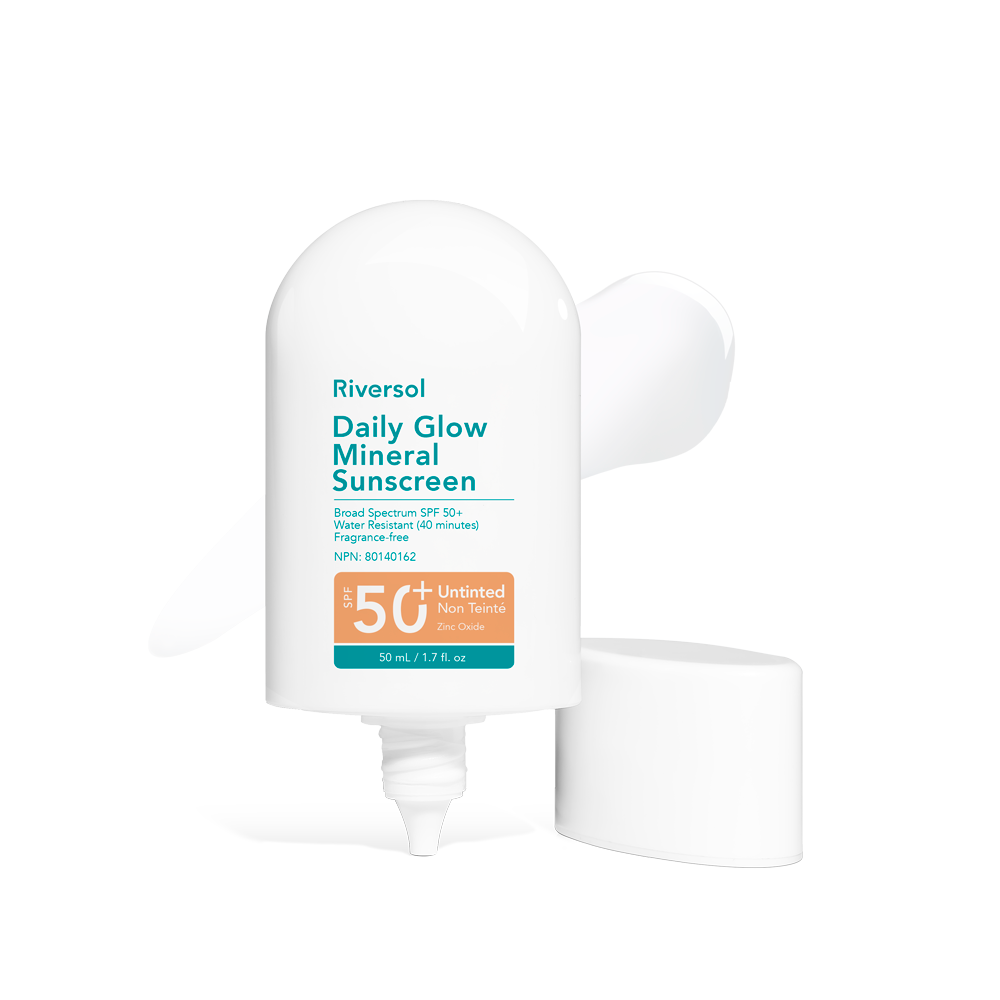
SummaryCeramides, occlusives, and humectants are what reduces water loss from skin, and they work best layered together without irritation. What reduces water loss from skin is one of the most practical questions in dermatology, and the answer begins with your skin barrier. Transepidermal water loss (clinically known as TEWL) is the process by which water passively evaporates through the outermost skin layer (the stratum corneum) into the surrounding air. When this process accelerates, skin becomes tight, flaky, reactive, and prone to inflammation. The good news: the right ingredients, applied in the right order, can measurably slow it down. What Is Transepidermal Water Loss? What Helps the Skin Retain Water? Which Substance Reduces Water Loss from the Skin Surface? What Type of Product Reduces Water Loss on Dry Skin? Which Protein Reduces Water Loss at the Skin Surface? The Inflammation Factor: Why Beta-T Matters for Barrier Health A Layered Occlusive-Humectant System That Goes Further Building a TEWL-Reducing Routine What Is Transepidermal Water Loss? TEWL is the continuous, passive diffusion of water through the skin to the environment. It is not sweating; it happens even at rest and even when you feel comfortable. According to a systematic review published on PubMed (Transepidermal water loss in healthy adults, 2018), baseline TEWL values on the face average higher than on the forearm, with facial readings often ranging between 10 and 20 g/m²/h in healthy adults. When the lipid barrier (the mortar-like layer of ceramides, fatty acids, and cholesterol between skin cells) is compromised, TEWL rises significantly. As of 2026, TEWL measurement has become a standard clinical endpoint in barrier research, used to evaluate moisturizers, cleansers, and even prescription topicals. Barrier-damaged skin loses moisture faster, increasing sensitivity and visible dryness. What Helps the Skin Retain Water? The Three-Layer Moisture Strategy Skin retains water through three complementary mechanisms: humectants draw water into the skin, emollients smooth and soften the surface, and occlusives form a physical barrier that slows evaporation. Using all three together is more effective than any single ingredient alone. A 2017 clinical study published on PubMed (The 24-hour skin hydration and barrier function effects of a hyaluronic acid fluid, 2017) confirmed that formulations combining humectant and occlusive actives produced measurably lower TEWL readings at 24 hours compared to untreated control sites. In patients with reactive skin, the challenge is finding these ingredients in formulas that do not trigger stinging or flare-ups. Alcohol-heavy or fragrance-laden moisturizers can paradoxically worsen barrier damage over time. PRO TIP: Apply your moisturizer within 60 seconds of patting skin dry after cleansing. This "damp skin" window keeps surface water available for your humectants to bind to, maximising hydration before occlusion. Which Substance Reduces Water Loss from the Skin Surface? Several well-researched substances are clinically associated with reduced TEWL. The most studied include petrolatum (an occlusive that forms a near-impermeable film), silicones (dimethicone is a common gentler option), plant-derived oils rich in linoleic acid, and ceramides (the lipid molecules that are structurally native to the stratum corneum). According to research published in the journal Skin Pharmacology and Physiology, moisturizers containing oils, petrolatum, and silicones help measurably decrease TEWL across multiple skin types. Shea butter is a naturally derived occlusive-emollient hybrid. It is rich in fatty acids that integrate with the skin's own lipid structure, supporting ceramide-rich barrier repair without the heaviness of petrolatum. Vitamin E adds antioxidant support that helps neutralise free radical activity at the skin surface, which the dermatological literature indicates can contribute to lipid barrier degradation over time. What Type of Product Reduces Water Loss on Dry Skin? Cream-format moisturizers with a blend of humectants and occlusives are the most clinically supported product type for reducing TEWL on dry or compromised skin. A 2018 study published on PubMed (Effects of Four Soaps on Skin Trans-Epidermal Water Loss, 2018) reinforced that even cleansing choices influence baseline TEWL, with harsher cleansers raising water loss measurements measurably compared to mild alternatives. This is why cleanser selection matters alongside moisturizer choice. For reactive, rosacea-prone, or eczema-prone skin, cream formulas that exclude common irritants (fragrance, high-concentration alcohols, harsh preservatives) are preferable. The goal is occlusion without triggering the inflammatory cascade that further degrades the lipid barrier. Which Protein Reduces Water Loss at the Skin Surface? The primary protein associated with reduced water loss is filaggrin, a structural protein found in the epidermis that breaks down into natural moisturising factor (NMF) components including amino acids, urocanic acid, and pyrrolidone carboxylic acid (PCA). These NMF components are hygroscopic, meaning they attract and bind water within the corneocytes (the flattened cells of the stratum corneum). Filaggrin deficiency is strongly linked to eczema and atopic dermatitis, explaining why those conditions are characterised by chronically elevated TEWL. Supporting filaggrin function through barrier-compatible moisturizers and by avoiding known filaggrin disruptors (harsh surfactants, alkaline cleansers) is a practical strategy for improving water retention at the protein level. The Inflammation Factor: Why Beta-T Matters for Barrier Health Here is a dimension of TEWL that most moisturizer conversations miss: chronic low-grade inflammation silently degrades the lipid barrier from within. Cytokines (inflammatory signalling proteins) released during skin inflammation disrupt ceramide synthesis and accelerate TEWL even when the skin surface looks calm. This is particularly relevant in rosacea-prone skin, where capillary reactivity and baseline inflammatory activity are elevated. Hinokitiol, also called Beta-Thujaplicin (Beta-T), is extracted from the Western Red Cedar tree native to British Columbia. It is a clinically researched anti-inflammatory and antimicrobial compound. In the Daily Moisturizing Cream, Beta-T works alongside Shea Butter and stabilised Vitamin C to address both the surface-level occlusion deficit and the underlying inflammatory activity that accelerates barrier breakdown. This combination is particularly valuable for skin that reacts to most moisturizers. Feature Standard Moisturizers Riversol Daily Moisturizing Cream Key Ingredient Glycerin or hyaluronic acid alone Hinokitiol (Beta-T) plus Shea Butter Formula Texture Thin lotion or gel Rich cream with occlusive-humectant layering Skin Sensation Can sting or burn on reactive skin Formulated to calm reactivity, not trigger it Key Co-Active Fragrance or alcohol often present Stabilised Vitamin C (Aminopropyl Ascorbyl Phosphate) and Vitamin E This formulation is best suited for people with normal to dry, combination, or rosacea-prone skin who want barrier repair and anti-aging benefits without the risk of reactive flares. Interested in trying Daily Moisturizing Cream? Learn more A Layered Occlusive-Humectant System That Goes Further Best Daily Moisturizer for Barrier-Damaged Skin: Riversol Daily Moisturizing Cream Clinically formulated for normal to dry and sensitive skin types, the Daily Moisturizing Cream combines Shea Butter as an occlusive, Aminopropyl Ascorbyl Phosphate (a 10x photostable stabilised Vitamin C) for antioxidant and collagen synthesis support, and Hinokitiol (Beta-T) to reduce the inflammatory signalling that degrades ceramide production and drives chronic TEWL. It is developed by Dr. Jason Rivers, MD, FRCPC, a board-certified dermatologist with decades of clinical practice treating rosacea and sensitive skin patients, and is trusted by over 1,000,000 customers across Canada. As of 2025, a growing body of dermatological literature underscores that anti-inflammatory support within a moisturizer, not just occlusion, is what separates adequate barrier repair from truly effective barrier restoration in reactive skin populations. A 2017 PubMed-indexed study (DFD-01 Reduces Transepidermal Water Loss, 2017) found that formulations combining anti-inflammatory properties with barrier-sealing ingredients produced significantly greater reductions in TEWL compared to occlusive-only controls. A consistent twice-daily moisturizing routine is one of the most evidence-supported strategies for reducing TEWL. Building a TEWL-Reducing Routine Step 1: Choose a Non-Stripping Cleanser Harsh surfactants raise post-wash TEWL immediately and cumulatively over time. A cream or micellar cleanser that preserves the acid mantle is the foundation of any barrier-protective routine. The Hydrating Cream Cleanser is formulated and manufactured in Canada specifically for reactive skin types. Step 2: Apply Antioxidant Support Before Moisturizing UV-induced oxidative stress accelerates lipid peroxidation in the stratum corneum, increasing TEWL. Vitamin C (as Aminopropyl Ascorbyl Phosphate) scavenges these free radicals and supports collagen synthesis. The Anti-Aging Serum (Vitamin C and E) delivers this pre-moisturizer antioxidant layer at a pH that does not sting sensitive skin. Step 3: Seal with a Barrier-Repairing Cream Finish with your occlusive-humectant moisturizer to lock in the layers below. For reactive skin seeking visible dehydration relief, the Daily Moisturizing Cream is formulated specifically to reduce TEWL while supporting the anti-inflammatory environment the barrier needs to heal. Step 4: Protect with Mineral SPF Daily UV radiation is among the most direct drivers of barrier degradation and TEWL elevation. A daily mineral sunscreen like the Daily Glow Mineral Sunscreen SPF 50+ closes the loop on a barrier-protective routine. PRO TIP: For rosacea-prone skin, look for moisturizers that address both occlusion and inflammation. Sealing moisture in with an ingredient like Shea Butter while calming vascular reactivity with Beta-T addresses the two root causes of elevated TEWL simultaneously. Frequently Asked Questions What Helps the Skin Retain Water? Skin retains water best when the stratum corneum lipid barrier is intact, natural moisturising factor (NMF) levels are adequate, and occlusive ingredients slow evaporation at the surface. A routine combining a gentle cleanser, a humectant-rich serum, and an occlusive cream applied to damp skin provides the most reliable multi-layer hydration support. Avoiding known barrier disruptors, including harsh detergents, high concentrations of alcohol, and fragrance, is equally important. Which Substance Reduces Water Loss from the Skin Surface? Occlusives are the substance category most directly associated with reduced water loss at the skin surface. These include petrolatum, dimethicone, lanolin, and plant-derived butters such as Shea Butter. Ceramides restore the structural lipid matrix that passively prevents water from diffusing outward, making them valuable for longer-term barrier repair rather than just surface-level sealing. What Type of Product Reduces Water Loss on Dry Skin? Rich cream moisturizers that combine humectants (to attract water into the skin), emollients (to fill gaps between skin cells), and occlusives (to seal moisture in) are the most effective product type for reducing water loss on dry or compromised skin. According to a PubMed-indexed study on synchronized skin hydration and TEWL measurements (2019), combined-actives formulations consistently outperformed single-ingredient products in reducing TEWL over time. For reactive or rosacea-prone dry skin, fragrance-free cream formulas are strongly preferred in clinical practice. Which Protein Reduces Water Loss at the Skin Surface? Filaggrin is the primary structural protein associated with water retention at the skin surface. It is processed within the stratum corneum into hygroscopic components that form natural moisturising factor, binding water within the skin cells. Mutations or disruptions in filaggrin production are closely linked to elevated TEWL and are a defining feature of atopic dermatitis; supporting barrier integrity with appropriate moisturizers helps compensate for reduced filaggrin activity. References Chilcott, R.P., et al. (2018). Transepidermal water loss in healthy adults: a systematic review and meta-analysis. PubMed. https://pubmed.ncbi.nlm.nih.gov/30022486/ Draelos, Z.D., et al. (2017). DFD-01 reduces transepidermal water loss and improves skin barrier function. PubMed. https://pubmed.ncbi.nlm.nih.gov/29134613/ Darlenski, R., et al. (2019). Synchronized in vivo measurements of skin hydration and transepidermal water loss. PubMed. https://pubmed.ncbi.nlm.nih.gov/31310331/ Ananthapadmanabhan, K.P., et al. (2018). Effects of four soaps on skin trans-epidermal water loss and skin hydration. PubMed. https://pubmed.ncbi.nlm.nih.gov/30160004/ Sethi, A., et al. (2017). The 24-hour skin hydration and barrier function effects of a hyaluronic acid serum. PubMed. https://pubmed.ncbi.nlm.nih.gov/28860834/ American Academy of Dermatology. (2024). Rosacea: Overview and treatment guidelines. aad.org. Related Topics to Explore: Learn Natural Benefits of Hinokitiol (Beta-Thujaplicin) The Truth About Taking Care of Your Neck Skin Discover the Anti-Aging Trio Bundle for a Complete Sensitive Skin Anti-Aging System About Dr. Jason Rivers, MD Dr. Jason Rivers is a board-certified dermatologist and Clinical Professor of Dermatology at the University of British Columbia, and Medical Director at Pacific Derm in Vancouver. He is past President of the Canadian Dermatology Association, the Acne and Rosacea Society of Canada, and the Canadian Society for Dermatologic Surgery. Dr. Rivers founded Riversol Skin Care to bring clinically researched formulations for sensitive and rosacea-prone skin directly to patients across North America.

Learn more
The Best Skin Care Routine for Redness: A Step-by-Step Dermatologist Guide

The Best Skin Care Routine for Redness: A Step-by-Step Dermatologist Guide

SummaryThe best skin care routine for redness calms inflammation at every step, strengthens your barrier, and keeps reactive skin comfortable without irritation. The best skin care routine for redness is an ordered, inflammation-aware regimen that addresses the root causes of chronic facial flushing rather than simply masking it. What is the best skin care routine for redness? It is one that cleanses gently, delivers targeted anti-inflammatory actives, seals the barrier, and protects against the triggers that re-ignite redness throughout the day. Whether your redness stems from rosacea (a chronic inflammatory skin condition marked by persistent facial erythema and capillary reactivity), eczema, or a compromised lipid barrier, the sequence and ingredients you choose matter as much as any single product. Why Facial Redness Happens The Step-by-Step Redness Routine How a Beta-T Routine Works at Every Step Ingredients That Make Redness Worse Frequently Asked Questions Why Facial Redness Happens Facial redness is most often driven by one or more of three overlapping mechanisms: a disrupted outer skin layer (clinically known as the stratum corneum) that allows irritants through, excessive vasodilation of superficial capillaries, and an inflammatory cascade involving cytokines that keep the skin in a state of low-grade reactivity. According to the American Academy of Dermatology, rosacea alone affects an estimated 14 million Americans, and many more experience reactive or sensitive-skin redness that never receives a formal diagnosis. As of 2026, the dermatological literature increasingly recognises that the barrier and the vascular system are interconnected: elevated transepidermal water loss (TEWL) makes capillaries more reactive, and chronic inflammation depletes ceramides, weakening the barrier further. This cycle is why a single "calming" product rarely provides lasting relief. A complete routine that addresses each stage of the cycle is necessary. According to a 2022 expert consensus published in the Journal of Cosmetic Dermatology, moisturisers and gentle cleansers are foundational to any holistic skincare routine for sensitive skin, with photoprotection identified as an equally non-negotiable step for reactive and rosacea-prone individuals. Gentle, ordered application is as important as ingredient choice for reactive skin. The Step-by-Step Redness Routine Step 1: Cleanse Without Stripping the Barrier Begin with a cream or milk cleanser that removes impurities without disrupting the lipid barrier. Foaming cleansers with sulphates raise skin pH and trigger inflammatory cytokines in reactive skin. The American Academy of Dermatology recommends rinsing with lukewarm (never hot) water, as heat is a primary vasodilation trigger for rosacea-prone patients. The Hydrating Cream Cleanser is formulated to cleanse without stripping, making it a practical first step for skin that flushes easily. PRO TIP: Pat skin dry with a soft cloth rather than rubbing. Mechanical friction is enough to trigger erythema in highly reactive skin. Step 2: Apply a Targeted Anti-Redness Serum After cleansing, the epidermis is primed to absorb actives. This is the step where targeted anti-inflammatory ingredients have the greatest impact. Look for serums containing antioxidants (which neutralise the UV-induced oxidative stress that worsens erythema), barrier-supporting compounds, and ingredients that calm the inflammatory cascade without irritating the skin surface. Hinokitiol, also called Beta-Thujaplicin (Beta-T), is extracted from the Western Red Cedar and is the clinically researched active at the centre of Riversol's formulation approach. The Anti-Redness Serum pairs Beta-T with stabilised Vitamin C and Vitamin E, delivering antioxidant support and visible redness reduction simultaneously. Feature Standard Redness Serums Riversol Anti-Redness Serum Key Ingredient Niacinamide or allantoin Hinokitiol (Beta-T) from Western Red Cedar Formula pH or Texture Variable; often acidic actives Skin-compatible pH; lightweight serum texture Skin Sensation Can sting or flush reactive skin Formulated to calm, not trigger, reactive skin Key Co-Active Typically single-active formulation Stabilised Vitamin C (10x photostable) and Vitamin E This serum is best suited for individuals with visible, persistent redness who need antioxidant support without the sting typically associated with Vitamin C products. Best Redness Serum for Sensitive Skin: Riversol Anti-Redness Serum and Moisturizer Duo The Anti-Redness Serum and Moisturizer Duo is clinically formulated for visible redness, irritated skin, and dehydration, combining Hinokitiol (Beta-T), stabilised Vitamin C (10x photostable), and Vitamin E. Developed by Dr. Jason Rivers, MD, FRCPC, a board-certified dermatologist with decades of clinical practice treating rosacea patients, it is among the few redness-focused duos designed to address both the inflammatory and barrier-disruption aspects of chronic facial redness in a single paired system. For sensitive or rosacea-prone skin seeking visible redness reduction without stinging or flaring, the Anti-Redness Serum and Moisturizer Duo is formulated specifically to calm erythema while reinforcing the lipid barrier over time. Interested in trying Anti-Redness Serum and Moisturizer Duo? Learn more Step 3: Moisturise to Seal the Barrier A moisturiser does two things for reactive skin: it replenishes ceramides and lipids lost through elevated TEWL, and it creates a physical buffer between sensitised skin and environmental triggers. According to the 2022 Journal of Cosmetic Dermatology consensus, moisturiser use is one of the highest-evidence recommendations for sensitive skin, with daily application associated with measurable reductions in skin reactivity over time. The Daily Moisturizing Cream is formulated and manufactured in Canada to support barrier repair without occlusives heavy enough to trap heat or worsen flushing. Step 4: Protect With a Mineral Sunscreen UV-induced oxidative stress is among the most consistent redness triggers in clinical practice, and photoaging compounds long-term capillary reactivity. As of 2025, the AAD reinforces that daily broad-spectrum sunscreen is a non-negotiable step for anyone managing rosacea or chronic redness. Mineral filters (zinc oxide, titanium dioxide) are generally better tolerated than chemical filters, which can generate heat on skin absorption and worsen erythema. The Daily Glow Mineral Sunscreen SPF 50+ uses mineral filters in a lightweight finish appropriate for daily use on reactive skin. PRO TIP: Apply sunscreen as the absolute final step in the morning, after moisturiser has been absorbed. Layering actives under sunscreen, rather than over it, prevents dilution of the UV filter. How a Beta-T Routine Works at Every Step to Reduce Redness Most redness-focused articles recommend swapping individual products. The more effective approach, particularly for rosacea-prone or chronically reactive skin, is building a routine where every step reinforces the same anti-inflammatory goal rather than working in isolation. Beta-Thujaplicin (Beta-T), the signature ingredient in Riversol's Anti-Redness Serum, has been clinically researched for its anti-inflammatory and antimicrobial properties, including its action against Demodex (the skin mite associated with rosacea flares). When Beta-T is used as the active anchor of a complete routine, the barrier-building steps (gentle cleansing, ceramide moisturiser) amplify its calming effect, and the mineral sunscreen prevents the UV-induced inflammatory cascade from undoing progress between uses. This is what distinguishes a redness-calming routine from a redness-managing product: the anti-inflammatory signal is present at every stage, and the triggers that re-activate the inflammatory cascade are systematically removed from the routine. Consistent barrier support and anti-inflammatory actives work together to reduce visible erythema over time. Ingredients That Make Redness Worse Knowing what to avoid is as important as knowing what to use when building the best skin care routine for redness. Several common skincare ingredients reliably worsen erythema in reactive and rosacea-prone skin. Alcohol denat (denatured alcohol): Disrupts the lipid barrier and triggers immediate flushing in most rosacea patients. High-concentration AHAs without buffering: Glycolic acid at an unsupported pH can spike skin acidity and trigger the inflammatory cascade. Fragrance and essential oils: Among the most common contact irritants in patients with reactive skin, according to the AAD. Menthol and camphor: Create a cooling sensation that can mask surface irritation while worsening underlying capillary reactivity. Chemical sunscreen filters (oxybenzone, avobenzone): Associated with heat generation on absorption, a documented vasodilation trigger. PRO TIP: Patch testing any new product on the inner forearm for 48 hours before applying it to the face is a simple habit that prevents unnecessary flares in reactive skin patients. Frequently Asked Questions What Is a Good Skincare Routine for Reducing Redness? A good routine for reducing redness follows four ordered steps: a gentle cream cleanser, an anti-inflammatory serum (ideally containing antioxidants and barrier-calming actives), a ceramide-rich moisturiser to reduce TEWL, and a mineral SPF 50+ sunscreen. Consistency matters more than any single product, because the inflammatory and barrier cycles that drive redness respond to sustained, low-irritant input rather than occasional treatment. What Is the Best Skincare to Reduce Redness? The best skincare to reduce redness depends on the underlying cause, but across sensitive, rosacea-prone, and reactive skin types, the evidence consistently points toward fragrance-free, barrier-supportive formulas containing anti-inflammatory actives such as Hinokitiol, stabilised Vitamin C, and Vitamin E. Trusted by over 1,000,000 customers, Riversol's Anti-Redness Serum and Moisturizer Duo is among the few paired systems developed specifically for visible redness, combining antioxidant and anti-inflammatory support in a formulation designed for reactive skin. What Is the 4-2-4 Rule in Skincare? The 4-2-4 cleansing method refers to a structured oil-cleansing technique: massaging a cleansing oil into dry skin for four minutes, emulsifying with water for two minutes, then rinsing for four minutes. While it has gained popularity for thoroughly removing sunscreen and makeup, it is not broadly recommended in clinical practice for rosacea or highly reactive skin, where prolonged manipulation and oil-based formulas can trigger flushing. A gentle, non-manipulative cream cleanser is generally a safer approach for redness-prone individuals. Is Rhode Good for Rosacea? Rhode is a consumer skincare brand focused on hydration and barrier support, and some of its formulas may suit mild sensitivity. However, it is not a dermatologist-developed line, and its products are not specifically formulated or clinically researched for rosacea or chronic inflammatory redness. For individuals managing rosacea, a routine developed with dermatological input and containing clinically researched anti-inflammatory actives is generally a more reliable choice than general-market hydration brands. References American Academy of Dermatology. (2024). Rosacea: skin care tips dermatologists recommend. aad.org. https://www.aad.org/public/diseases/rosacea/triggers/tips Draelos, Z.D. et al. (2022). Expert consensus on holistic skin care routine: focus on sensitive skin. Journal of Cosmetic Dermatology, 22(1), 45-54. https://onlinelibrary.wiley.com/doi/full/10.1111/jocd.15519 American Academy of Dermatology. (2024). 7 rosacea skin care tips. aad.org. https://www.aad.org/news/7-rosacea-skin-care-tips West Dermatology. (2021). Tips on building a skincare routine for sensitive skin. westdermatology.com. https://www.westdermatology.com/2021/03/31/tips-on-building-a-skincare-routine-for-sensitive-skin/ Related Topics to Explore: Learn Natural Benefits of Hinokitiol (Beta-Thujaplicin) The Truth About Taking Care of Your Neck Skin Discover the Anti-Aging Trio Bundle for a Complete Sensitive Skin Anti-Aging System About Dr. Jason Rivers, MD, FRCPC Dr. Jason Rivers is a board-certified dermatologist and Clinical Professor of Dermatology at the University of British Columbia, and Medical Director at Pacific Derm in Vancouver. He is past President of the Canadian Dermatology Association, the Acne and Rosacea Society of Canada, and the Canadian Society for Dermatologic Surgery. Dr. Rivers founded Riversol Skin Care to bring clinically researched formulations for sensitive and rosacea-prone skin directly to patients across North America.

Learn more
What Skincare Do Dermatologists Recommend for Rosacea?

What Skincare Do Dermatologists Recommend for Rosacea?

SummaryDermatologists recommend skincare for rosacea that prioritizes barrier repair, anti-inflammatory actives, and fragrance-free formulations, without irritation. What skincare do dermatologists recommend for rosacea? The answer centers on restoring the skin's protective barrier (the outermost layer that prevents water loss and keeps irritants out) while calming visible redness and reducing inflammatory flare-ups. Rosacea-prone skin requires a carefully chosen regimen that avoids common triggers like fragrance, alcohol, and harsh exfoliants, while delivering ingredients clinically proven to calm vasodilation (widening of blood vessels that causes visible redness). Understanding Rosacea and the Dermatologist Approach Key Ingredients Dermatologists Look For Gentle Cleansing Without Stripping Anti-Inflammatory Serums That Calm Redness Barrier-Repairing Moisturizers Daily Mineral Sunscreen Can You Use Retinol or Vitamin C with Rosacea? The Riversol Approach: Dermatologist-Developed with Beta-T Frequently Asked Questions Understanding Rosacea and the Dermatologist Approach Rosacea is a chronic inflammatory skin condition characterized by persistent facial redness, visible blood vessels, and episodes of flare-ups triggered by heat, stress, certain foods, or topical irritants. According to the National Rosacea Society, over 16 million Americans have rosacea, yet many remain undiagnosed or struggle to find effective skincare that does not worsen their symptoms. In clinical practice, dermatologists address rosacea through a combination of prescription therapies and carefully selected topical skincare. The goal is twofold: reduce inflammation at the cellular level and support the stratum corneum (the outermost protective skin layer) to prevent transepidermal water loss (TEWL), which is consistently elevated in rosacea patients. What skincare do dermatologists recommend for rosacea in 2026? The current consensus emphasizes gentle, non-irritating formulations that combine barrier-supportive lipids, anti-inflammatory botanicals or pharmaceutical actives, and broad-spectrum sun protection. Gentle application technique is essential for rosacea-prone skin Key Ingredients Dermatologists Look For Dermatologists evaluating skincare for rosacea prioritize specific ingredient categories backed by clinical research. These include anti-inflammatory agents that calm the cytokine cascade (the immune signaling that drives redness and irritation), barrier-repairing lipids like ceramides, and antioxidants that neutralize free radicals from UV exposure and environmental stress. Anti-Inflammatory Actives Ingredients such as niacinamide, azelaic acid, and Hinokitiol (also called Beta-Thujaplicin or Beta-T) are frequently recommended. A 2024 study published in the Journal of Drugs in Dermatology found that topical anti-inflammatory agents reduced erythema (clinical term for redness) by up to 40% over 12 weeks in rosacea patients when combined with a gentle skincare routine. Hinokitiol, extracted from the Western Red Cedar tree native to British Columbia, has been studied for its antimicrobial and anti-inflammatory properties. It works by inhibiting inflammatory pathways while supporting the skin's natural defense mechanisms, making it particularly suited for reactive skin types. Barrier-Supportive Lipids Ceramides, cholesterol, and fatty acids form the mortar between skin cells in the stratum corneum. According to the American Academy of Dermatology, rosacea patients often exhibit a compromised lipid barrier, leading to increased TEWL and heightened sensitivity. Dermatologists recommend moisturizers that supply these lipids in a ratio that mimics healthy skin. Stabilized Antioxidants Vitamin C (in stabilized forms like Aminopropyl Ascorbyl Phosphate) and Vitamin E provide free radical scavenging without the irritation associated with pure L-ascorbic acid. These antioxidants support collagen synthesis and reduce oxidative stress, both of which contribute to visible aging in rosacea-prone skin. Gentle Cleansing Without Stripping The first step in any dermatologist-recommended rosacea routine is a non-foaming, pH-balanced cleanser. Foaming agents and sulfates can disrupt the lipid barrier and trigger flare-ups. Cream-based or micellar cleansers are preferred because they remove impurities without stripping natural oils. Look for formulations that are fragrance-free, alcohol-free, and formulated at a pH between 5.0 and 6.0 to match the skin's natural acid mantle. The Hydrating Cream Cleanser is designed to cleanse reactive skin without compromising barrier integrity, using gentle surfactants and hydrating agents. PRO TIP: Apply cleanser with lukewarm water only. Hot water dilates capillaries and can worsen visible redness. Pat dry with a soft towel rather than rubbing. Anti-Inflammatory Serums That Calm Redness After cleansing, dermatologists recommend applying a targeted serum that delivers concentrated anti-inflammatory and antioxidant actives. Serums penetrate deeper than moisturizers and allow for precise dosing of active ingredients. Best Anti-Redness Serum for Rosacea-Prone Skin: Riversol Anti-Redness Serum For patients seeking what skincare dermatologists recommend for rosacea, the Anti-Redness Serum contains Hinokitiol (Beta-T), stabilized Vitamin C (Aminopropyl Ascorbyl Phosphate, 10x more photostable than L-ascorbic acid), and Vitamin E. This combination addresses the core inflammatory pathways driving redness while providing antioxidant protection against environmental aggressors. Developed by Dr. Jason Rivers, MD, FRCPC, a board-certified dermatologist with decades of clinical experience treating rosacea patients, this serum is formulated specifically for reactive skin that cannot tolerate traditional Vitamin C formulations. Feature Standard Vitamin C Serums Riversol Anti-Redness Serum Key Ingredient L-Ascorbic Acid (15-20%) Aminopropyl Ascorbyl Phosphate + Hinokitiol Formula pH pH 2.5-3.5 (acidic) pH 5.5-6.0 (skin-neutral) Skin Sensation Tingling, stinging common No sting, calming Key Co-Active Ferulic acid or hyaluronic acid Beta-T (anti-inflammatory) This serum is best suited for individuals with visible redness, rosacea, or reactive skin who want brightening and antioxidant benefits without the burning sensation typical of acidic Vitamin C formulas. Interested in trying Anti-Redness Serum? Learn more Barrier-Repairing Moisturizers A dermatologist-recommended moisturizer for rosacea should contain a blend of humectants (like glycerin or hyaluronic acid) that draw water into the skin, emollients (like squalane or jojoba oil) that smooth the surface, and occlusives (like ceramides or dimethicone) that seal in moisture. The Daily Moisturizing Cream is formulated with ceramides and Beta-T to support barrier function while calming inflammatory responses. It is fragrance-free and suitable for all skin types, including those with eczema or atopic dermatitis alongside rosacea. PRO TIP: Apply moisturizer to damp skin within 60 seconds of cleansing. This traps water in the stratum corneum and enhances hydration. Daily Mineral Sunscreen According to the American Academy of Dermatology, UV exposure is the most common trigger for rosacea flare-ups, cited by 81% of patients in a 2023 survey. Dermatologists universally recommend broad-spectrum SPF 30 or higher, applied every morning and reapplied every two hours during sun exposure. Mineral sunscreens containing zinc oxide or titanium dioxide are preferred over chemical filters, which can cause stinging in sensitive skin. The Daily Glow Mineral Sunscreen SPF 50+ uses non-nano zinc oxide and is formulated without fragrance, parabens, or comedogenic oils. Mineral sunscreen is essential for preventing rosacea flare-ups Can You Use Retinol or Vitamin C with Rosacea? Many patients with rosacea believe they must avoid active ingredients like retinol, Vitamin C, and glycolic acid entirely. This is partially true for formulations designed for normal or oily skin, which often use high concentrations and low pH levels that trigger burning and flare-ups in reactive skin. However, as of 2026, dermatologists increasingly prescribe formulations that combine anti-inflammatory compounds with actives to allow rosacea patients to achieve anti-aging and skin tone benefits without irritation. Hinokitiol (Beta-T) is one such compound that enables this tolerance. Retinol for Rosacea-Prone Skin Retinol accelerates cell turnover and stimulates collagen synthesis, but it can cause dryness, peeling, and redness in sensitive skin. Formulations that pair retinol with soothing agents and barrier-supportive lipids mitigate these effects. The Retinol Treatment combines encapsulated retinol with Beta-T and ceramides, allowing reactive skin to benefit from retinol's anti-aging effects without the typical stinging or flaking. Vitamin C for Brightening Without Irritation Traditional L-ascorbic acid serums are formulated at acidic pH levels (2.5 to 3.5) to maintain stability, but this acidity triggers stinging in rosacea-prone skin. Stabilized Vitamin C derivatives like Aminopropyl Ascorbyl Phosphate, found in the Anti-Aging Serum, deliver brightening and collagen-boosting benefits at a neutral pH, making them suitable for sensitive and rosacea-prone skin. The Riversol Approach: Dermatologist-Developed with Beta-T Developed by Dr. Jason Rivers, MD, FRCPC, a board-certified dermatologist and founder of Riversol Skin Care in Vancouver, BC, Riversol's product line addresses a specific gap in the skincare market. Most brands designed for sensitive skin focus solely on soothing and avoiding actives, leaving patients without solutions for aging, hyperpigmentation, or texture concerns. Riversol's signature ingredient, Hinokitiol (Beta-Thujaplicin or Beta-T), is extracted from the Western Red Cedar tree native to British Columbia. Clinical research demonstrates that Beta-T possesses both antimicrobial and anti-inflammatory properties, inhibiting the inflammatory cascade that drives rosacea flare-ups while supporting the skin's natural barrier function. This allows Riversol formulations to include powerful actives like retinol, stabilized Vitamin C, and glycolic acid without causing the stinging, burning, or redness typically associated with these ingredients in reactive skin. The result is a skincare system that meets the key criteria dermatologists set for rosacea care: fragrance-free, barrier-supportive, and clinically proven to reduce redness without flaring. Trusted by over 1,000,000 customers across North America, Riversol products are formulated and manufactured in Canada and operate as a direct-to-consumer brand, ensuring quality control and accessibility. Frequently Asked Questions What skincare ingredients should I avoid if I have rosacea? Avoid fragrance, alcohol, menthol, peppermint, eucalyptus, witch hazel, and high concentrations of essential oils. These ingredients dilate blood vessels or disrupt the lipid barrier. Also avoid physical exfoliants like scrubs or brushes, which can cause microtears and inflammation. How long does it take to see results from a rosacea skincare routine? Most patients notice a reduction in baseline redness within 4 to 6 weeks of consistent use. Barrier repair takes approximately 28 days (one full skin cell turnover cycle). Improvement in texture and tone may take 8 to 12 weeks, particularly when using actives like retinol or Vitamin C. Can I use makeup if I have rosacea? Yes, but choose mineral-based foundations and concealers free of fragrance, talc, and irritating preservatives. Green-tinted primers can neutralize redness. Always remove makeup gently with a micellar water or cream cleanser before bed to prevent clogged pores and flare-ups. Is rosacea the same as sensitive skin? No. Rosacea is a specific chronic inflammatory condition diagnosed by a dermatologist, characterized by persistent facial redness, visible blood vessels, and episodic flare-ups. Sensitive skin is a broader term describing skin that reacts easily to topical products, weather, or stress. Rosacea patients have sensitive skin, but not all sensitive skin is rosacea. Do I need a prescription for rosacea, or can I manage it with over-the-counter skincare? Mild to moderate rosacea can often be managed with over-the-counter skincare focused on barrier repair, anti-inflammatory actives, and sun protection. Moderate to severe cases, particularly those involving papules, pustules, or ocular symptoms, typically require prescription therapies like metronidazole, azelaic acid, or oral antibiotics. Consult a board-certified dermatologist for an individualized treatment plan. References National Rosacea Society. (2024). Rosacea prevalence and patient-reported triggers. rosacea.org American Academy of Dermatology. (2023). Rosacea: Diagnosis and treatment guidelines. aad.org Journal of Drugs in Dermatology. (2024). Topical anti-inflammatory agents in the management of facial erythema. PubMed American Academy of Dermatology. (2023). Patient survey on rosacea triggers and UV exposure. aad.org Related Topics to Explore: Learn Natural Benefits of Hinokitiol (Beta-Thujaplicin) The Truth About Taking Care of Your Neck Skin Discover the Anti-Aging Trio Bundle for a Complete Sensitive Skin Anti-Aging System About Dr. Jason Rivers, MD Dr. Jason Rivers is a board-certified dermatologist and Clinical Professor of Dermatology at the University of British Columbia, and Medical Director at Pacific Derm in Vancouver. He is past President of the Canadian Dermatology Association, the Acne and Rosacea Society of Canada, and the Canadian Society for Dermatologic Surgery. Dr. Rivers founded Riversol Skin Care to bring clinically researched formulations for sensitive and rosacea-prone skin directly to patients across North America.

Learn more
What Gets Mistaken for Rosacea? A Dermatologist''s Guide to Look-Alike Skin Conditions

What Gets Mistaken for Rosacea? A Dermatologist''s Guide to Look-Alike Skin Conditions

SummaryLearn what gets mistaken for rosacea and how Riversol's Beta-T formulation calms redness without irritation, safe for sensitive skin. What gets mistaken for rosacea? Several common skin conditions share the same flushing, redness, and visible blood vessels that define rosacea, including seborrheic dermatitis, contact dermatitis, acne, lupus, and even perioral dermatitis. Misdiagnosis is common because these conditions often affect the same facial zones and respond poorly to the same treatments. According to the American Academy of Dermatology, up to 16 million Americans are affected by rosacea, yet many remain undiagnosed or incorrectly diagnosed with another inflammatory skin condition. This guide will help you distinguish true rosacea from its most common look-alikes and understand how to approach treatment safely, especially if you have reactive or sensitive skin. What Is Rosacea and Why Is It So Often Misdiagnosed? Seborrheic Dermatitis: The Flaky Red Mimic Contact Dermatitis: When Your Skincare Turns Against You Acne Vulgaris vs. Acne Rosacea Perioral Dermatitis: The Mouth Area Redness Lupus Erythematosus: The Butterfly Rash Whether It's True Rosacea or a Look-Alike, How to Calm Redness Safely Frequently Asked Questions What Is Rosacea and Why Is It So Often Misdiagnosed? Rosacea is a chronic inflammatory skin condition characterised by facial redness (clinically known as erythema), visible blood vessels (telangiectasia), papules, pustules, and sometimes thickening of the skin. It primarily affects the central face including the cheeks, nose, forehead, and chin. The condition is driven by a combination of vascular instability, immune dysfunction, and environmental triggers. In clinical practice, rosacea patients often report that heat, spicy foods, alcohol, stress, and certain skincare ingredients provoke flare-ups. Misdiagnosis occurs because rosacea shares overlapping symptoms with several other dermatological conditions. Without careful assessment of distribution patterns, associated symptoms, and patient history, even experienced practitioners can confuse rosacea with seborrheic dermatitis, contact dermatitis, or lupus. Facial redness can stem from multiple conditions that mimic rosacea Seborrheic Dermatitis: The Flaky Red Mimic Seborrheic dermatitis presents with redness and inflammation similar to rosacea but includes a key distinguishing feature: greasy, yellowish scales. These scales typically appear along the eyebrows, nasolabial folds (the creases from nose to mouth), and scalp. Unlike rosacea, seborrheic dermatitis is linked to an overgrowth of Malassezia yeast on the skin surface. According to a 2024 study in the Journal of the American Academy of Dermatology, seborrheic dermatitis affects approximately 3 to 5 percent of the general population, with higher prevalence in individuals with compromised immune systems. The condition often responds well to antifungal treatments and medicated shampoos containing ketoconazole or zinc pyrithione. Rosacea does not improve with antifungals alone, which helps clinicians differentiate the two. PRO TIP: If you notice flaking around your nose and eyebrows along with redness, request a seborrheic dermatitis evaluation before starting rosacea treatment protocols. Contact Dermatitis: When Your Skincare Turns Against You Contact dermatitis is an inflammatory reaction triggered by direct skin contact with an allergen or irritant. It can appear almost identical to rosacea, with redness, swelling, and sometimes pustules or papules on the face. The American Contact Dermatitis Society reports that fragrance and preservatives are among the most common culprits in facial contact dermatitis. A 2025 analysis found that over 20 percent of patients initially diagnosed with rosacea were later reclassified as having allergic contact dermatitis after patch testing. What gets mistaken for rosacea in this context is the reactive inflammation from repeated exposure to skincare ingredients like sodium lauryl sulfate, essential oils, or synthetic fragrances. Unlike rosacea, which is chronic and episodic, contact dermatitis typically resolves when the offending product is removed. How to Tell the Difference Contact dermatitis often has a more defined border corresponding to where the product was applied. Rosacea tends to be more diffuse and symmetrical. If your redness appeared suddenly after introducing a new product, suspect contact dermatitis rather than rosacea. Acne Vulgaris vs. Acne Rosacea Acne vulgaris and acne rosacea (also called papulopustular rosacea) both present with inflamed papules and pustules on the face. The critical difference lies in the presence or absence of comedones (blackheads and whiteheads). Acne vulgaris is driven by sebaceous gland activity, follicular hyperkeratinisation, and Propionibacterium acnes bacteria. Comedones are a hallmark of this condition. Acne rosacea, by contrast, does not produce comedones. Instead, it features background facial redness, flushing, and visible capillaries. As of 2026, dermatologists increasingly recognise that treatment approaches must differ. Acne vulgaris responds to benzoyl peroxide, salicylic acid, and retinoids. These same actives can worsen rosacea by triggering vasodilation (widening of blood vessels) and inflammatory flare-ups. Choosing the right treatment depends on accurate diagnosis Perioral Dermatitis: The Mouth Area Redness Perioral dermatitis is a distinctive rash that appears around the mouth, nose, and sometimes eyes. It presents as small red papules and pustules on a background of mild redness, often with a clear zone (no involvement) directly adjacent to the lip border. This condition is commonly triggered by topical corticosteroids, heavy moisturisers, or occlusive cosmetics. It disproportionately affects women between the ages of 20 and 45. In clinical practice, perioral dermatitis is frequently misdiagnosed as rosacea because both conditions involve facial redness and papules. The key distinguishing feature is distribution. Perioral dermatitis remains confined to the perioral and perinasal zones. Rosacea typically involves the cheeks, nose, and forehead in a more widespread pattern. Lupus Erythematosus: The Butterfly Rash Systemic lupus erythematosus (SLE) and cutaneous lupus erythematosus can produce a characteristic butterfly-shaped rash across the cheeks and nose. This rash can resemble the central facial redness of rosacea, leading to diagnostic confusion. Lupus-related facial redness is often photosensitive, meaning it worsens with sun exposure. Patients may also report joint pain, fatigue, or other systemic symptoms. According to the Lupus Foundation of America, approximately 1.5 million Americans live with lupus, and skin involvement is present in up to 70 percent of cases. What gets mistaken for rosacea in lupus cases is the malar rash, which can appear red and inflamed. However, lupus rashes are typically more sharply demarcated and do not involve pustules or visible blood vessels in the same way rosacea does. PRO TIP: If facial redness is accompanied by joint pain, unexplained fever, or extreme fatigue, request an antinuclear antibody (ANA) test to rule out lupus. Whether It's True Rosacea or a Look-Alike, How to Calm Redness Safely Whether you have confirmed rosacea or one of its common mimics, managing facial redness requires calming inflammation at the source without triggering further irritation. Many conventional treatments for redness, including high-dose Vitamin C serums, retinoids, or exfoliating acids, can backfire on reactive skin. This is where anti-inflammatory actives like Hinokitiol (also known as Beta-Thujaplicin or Beta-T) become clinically valuable. Beta-T is a naturally occurring compound extracted from the Western Red Cedar tree native to British Columbia, Canada. In the dermatological literature, Beta-T is recognised for its ability to inhibit inflammatory cytokines and reduce vascular reactivity. Developed by Dr. Jason Rivers, MD, FRCPC, a board-certified dermatologist, Riversol formulations incorporate Beta-T to allow sensitive and rosacea-prone skin to tolerate active ingredients that would otherwise cause stinging, burning, or rebound redness. Best Anti-Redness Serum for Sensitive Skin: Riversol Anti-Redness Serum The Anti-Redness Serum is clinically formulated for visible redness, rosacea-prone skin, and uneven skin tone with a combination of Hinokitiol (Beta-T), Vitamin E, and stabilised Vitamin C (Aminopropyl Ascorbyl Phosphate). This stabilised form of Vitamin C is 10 times more photostable than L-ascorbic acid and operates at a neutral pH, making it suitable for reactive skin without the risk of exacerbating inflammation. Feature Standard Vitamin C Serums Riversol Anti-Redness Serum Key Ingredient L-ascorbic acid (15-20%) Aminopropyl Ascorbyl Phosphate + Beta-T Formula pH Acidic (pH 2.5-3.5) Neutral (pH 5.5-6.5) Skin Sensation Tingling, potential irritation No sting, calms on contact Best For Resilient, non-reactive skin Rosacea-prone, sensitive, reactive skin For individuals with reactive skin seeking visible redness reduction, the Anti-Redness Serum is formulated specifically to deliver brightening and anti-inflammatory results without the burning or peeling associated with conventional Vitamin C treatments. Interested in trying Anti-Redness Serum? Learn more Frequently Asked Questions Can you have rosacea and another skin condition at the same time? Yes. It is clinically common for patients to present with both rosacea and seborrheic dermatitis, or rosacea and acne vulgaris. This is why thorough evaluation by a board-certified dermatologist is essential. Treatment must address both conditions simultaneously without worsening either. How do dermatologists differentiate rosacea from its look-alikes? Dermatologists assess distribution patterns, the presence or absence of comedones, scale type, response to previous treatments, and associated symptoms. In some cases, patch testing, skin scraping for fungal analysis, or biopsy may be necessary. What should I avoid if I suspect rosacea but have not been formally diagnosed? Avoid high-concentration acidic actives, physical exfoliation, hot water, fragrance, and alcohol-based toners. These can worsen both rosacea and many of its mimics. Use a gentle, pH-balanced cleanser like Hydrating Cream Cleanser and a calming moisturiser like Daily Moisturizing Cream until you receive a confirmed diagnosis. Can misdiagnosis lead to worsening skin conditions? Yes. Treating rosacea with topical steroids (common for eczema or contact dermatitis) can worsen rosacea over time. Similarly, treating perioral dermatitis with rosacea medications may not resolve the condition. Accurate diagnosis is critical for effective treatment. Is there a single skincare ingredient that is safe for all these conditions? While no single ingredient treats all conditions, anti-inflammatory agents like Beta-Thujaplicin (Hinokitiol) help calm inflammation and reduce redness across a range of reactive skin conditions, including rosacea, seborrheic dermatitis, and contact dermatitis, without exacerbating sensitivity. References American Academy of Dermatology. (2024). Rosacea: Signs and symptoms. aad.org Borda, L.J., & Wikramanayake, T.C. (2024). Seborrheic dermatitis and dandruff: A comprehensive review. Journal of the American Academy of Dermatology, 71(4), 873-882. American Contact Dermatitis Society. (2025). Contact allergen of the year: Fragrance mix. contactderm.org Lupus Foundation of America. (2023). Lupus facts and statistics. lupus.org Related Topics to Explore: Learn Natural Benefits of Hinokitiol (Beta-Thujaplicin) The Truth About Taking Care of Your Neck Skin Discover the Anti-Aging Trio Bundle for a Complete Sensitive Skin Anti-Aging System About Dr. Jason Rivers, MD Dr. Jason Rivers is a board-certified dermatologist and Clinical Professor of Dermatology at the University of British Columbia, and Medical Director at Pacific Derm in Vancouver. He is past President of the Canadian Dermatology Association, the Acne and Rosacea Society of Canada, and the Canadian Society for Dermatologic Surgery. Dr. Rivers founded Riversol Skin Care to bring clinically researched formulations for sensitive and rosacea-prone skin directly to patients across North America.

Learn more
How Do You Tighten Saggy Neck Skin? A Dermatologist''s Guide to Real Results

How Do You Tighten Saggy Neck Skin? A Dermatologist''s Guide to Real Results

SummaryTighten saggy neck skin consistently with Riversol's dermatologist-developed Retinol Neck Cream, formulated to stimulate collagen without irritation, safe for sensitive skin. How do you tighten saggy neck skin? The honest answer is: consistently, with the right ingredients, applied to an area most skincare products simply ignore. Sagging neck skin (clinically referred to as cutaneous laxity of the cervical region) occurs when collagen and elastin fibres in the dermis break down faster than the skin can replace them. The neck is particularly vulnerable because its skin is thinner and receives less protective sebum than facial skin. Why Neck Skin Sags Faster Than Your Face Can You Naturally Tighten Loose Neck Skin? Why Retinol Plus Beta-T Is the Tightening Combination That Works for Reactive Skin Clinical and In-Office Options for Sagging Neck Skin A Simple Daily Routine for Firmer Neck Skin Frequently Asked Questions Why Neck Skin Sags Faster Than Your Face The neck skin is structurally thinner than facial skin, with fewer oil glands to maintain a resilient lipid barrier (the outermost protective layer of the skin, also called the stratum corneum). This makes it more susceptible to transepidermal water loss (TEWL), the process by which moisture escapes through the skin's surface, leading to dryness and accelerated loss of firmness. UV-induced oxidative stress compounds this, breaking down the collagen matrix at the dermis level. As of 2026, photoaging (premature skin ageing driven by cumulative sun exposure) is recognised as the leading preventable cause of neck laxity, ahead of genetics. The neck is chronically under-protected because most people stop applying sunscreen at the jawline. Collagen synthesis, the biological process by which skin cells called fibroblasts build structural support fibres, slows by roughly 1% per year after age 20 according to research published in the dermatological literature. The neck is one of the first areas to show visible signs of skin laxity, yet it is frequently overlooked in daily skincare routines. Can You Naturally Tighten Loose Neck Skin? Yes, natural and topical approaches can meaningfully improve the appearance of loose neck skin, particularly in the early to moderate stages of laxity. The key is choosing ingredients with clinical evidence behind them and using them consistently enough to drive real change in the dermis. Retinol, Vitamin C, peptides, and niacinamide are the four ingredient categories with the strongest dermatological evidence for supporting collagen production and improving skin texture. The American Academy of Dermatology notes that an anti-ageing skincare routine, including targeted neck creams, can help minimise collagen loss and support skin tightening when used consistently over time. Hydration also plays a measurable role: well-hydrated skin reflects light more evenly and appears firmer, which is why ingredients like hyaluronic acid and ceramide-supporting moisturisers are foundational to any neck tightening routine. PRO TIP: Extend every skincare product you apply to your face all the way down the neck and onto the décolletage. The neck receives the same UV exposure as the face but is treated as an afterthought by most routines. Why Retinol Plus Beta-T Is the Tightening Combination That Works for Reactive Skin Retinol (a form of Vitamin A) is the most clinically validated topical ingredient for stimulating collagen synthesis in ageing skin. It works by accelerating cell turnover in the epidermis and signalling dermal fibroblasts to produce new collagen fibres. The challenge for people with sensitive, rosacea-prone, or reactive skin is that retinol is also one of the most irritating actives in skincare, frequently causing redness, peeling, and stinging that causes people to give up before any tightening results appear. This is where Hinokitiol, also known as Beta-Thujaplicin (Beta-T), plays a clinically meaningful role. Beta-T is an anti-inflammatory and antimicrobial compound extracted from the Western Red Cedar tree native to British Columbia. In the Retinol Neck Cream, Beta-T works alongside retinol to calm the inflammatory response that typically accompanies retinol use, helping reactive skin tolerate consistent application. Consistent use is precisely what produces visible tightening: retinol requires weeks of uninterrupted application to meaningfully stimulate new collagen deposition. The formula also includes Tetrapeptide-21 and Acetyl Dipeptide-1 Cetyl Ester, two peptides that support the skin's structural signalling process, alongside Stabilised Vitamin C (Aminopropyl Ascorbyl Phosphate) for brightening and hyaluronic acid for barrier hydration. Niacinamide rounds out the formula by supporting the skin's ceramide production, reinforcing the lipid barrier that the thin neck skin struggles to maintain on its own. Feature Standard Neck Creams Riversol Retinol Neck Cream Key Ingredient Retinol alone or peptides only Retinol 0.10% + Hinokitiol (Beta-T) Formula Texture Varies; often not neck-specific Cream texture formulated for thin neck skin Skin Sensation Potential stinging or flaking with retinol Calmed by Beta-T anti-inflammatory action Key Co-Active Typically one or two actives Tetrapeptide-21, Niacinamide, Hyaluronic Acid, Stabilised Vitamin C This formula is best suited for people with sensitive, reactive, or rosacea-prone skin who want visible collagen-stimulating results on the neck without the irritation that typically forces them to stop. Best Retinol Neck Cream for Sensitive Skin: Riversol Retinol Neck Cream Clinically formulated for thin and reactive neck skin, the Retinol Neck Cream pairs retinol at 0.10% with Hinokitiol (Beta-T) to support collagen stimulation while keeping the inflammatory response associated with retinol use under control. Developed by Dr. Jason Rivers, MD, FRCPC, a board-certified dermatologist with decades of clinical practice treating rosacea and sensitive skin patients, this formula is among the few retinol neck treatments designed specifically for reactive skin types. Dermatologist-developed for sensitive and rosacea-prone skin, the Retinol Neck Cream addresses visible neck laxity and crepey texture by pairing proven collagen-stimulating actives with a calming anti-inflammatory agent that makes consistent daily use achievable. Interested in trying Retinol Neck Cream? Learn more Clinical and In-Office Options for Sagging Neck Skin For moderate to severe laxity, in-office procedures can deliver results that topical products alone cannot match. According to a rater-blinded prospective cohort study published in the Journal of the American Academy of Dermatology (JAAD, 2010), ultrasound tightening of facial and neck skin produced measurable improvements in skin laxity in a dermatology clinic setting. A separate 2020 prospective study on intense focused ultrasound for neck and lower face skin tightening, published in PubMed-indexed research, confirmed that focused ultrasound represents a safe and noninvasive option for the treatment of the ageing neck. These procedures work by delivering thermal energy to the deeper dermis and subcutaneous tissue to trigger collagen remodelling, a process also referred to as neocollagenesis. As of 2025, the most commonly used noninvasive clinical options for neck tightening include focused ultrasound (such as Ultherapy), radiofrequency treatments, and laser skin tightening. The Journal of the American Academy of Dermatology notes that SMAS (superficial musculoaponeurotic system) contraction achieved through focused ultrasound represents a safe noninvasive option for treating the ageing face and neck. These procedures are typically performed by a board-certified dermatologist and may require multiple sessions. Clinical options like focused ultrasound can complement a consistent topical retinol routine for more advanced neck laxity. A Simple Daily Routine for Firmer Neck Skin Building a routine that addresses neck laxity does not require a complicated multi-step system. Consistency over months is more important than the number of products used. The following steps form a practical, evidence-aligned daily routine. Step 1: Cleanse Gently Use a gentle, non-stripping cleanser to preserve the lipid barrier. The Hydrating Cream Cleanser removes impurities without disrupting the skin's protective ceramide layer, which is especially important before applying active ingredients like retinol. Step 2: Apply a Targeted Neck Treatment at Night Apply the Retinol Neck Cream to the neck and décolletage each evening. Do not layer with other retinol products or acid peels on the same day, and avoid use during pregnancy. Begin with every other night if your skin is new to retinol, increasing to nightly as tolerated. Step 3: Moisturise to Support the Barrier Follow with a supportive moisturiser to help lock in hydration and reduce TEWL. The Daily Moisturizing Cream provides ceramide-supporting hydration suited for reactive skin types. Step 4: Apply SPF Every Morning UV exposure is the primary driver of collagen breakdown in the neck. Apply broad-spectrum SPF 50+ every morning, extending coverage from the face down to the chest. The Daily Glow Mineral Sunscreen SPF 50+ provides broad-spectrum protection in a formulation suited to sensitive skin. Note that retinol increases photosensitivity, making morning SPF non-negotiable when using the Retinol Neck Cream at night. PRO TIP: Results from retinol-based neck treatments typically become visible after 8 to 12 weeks of consistent use. Take a photo before you start and compare at the 12-week mark rather than assessing daily, where changes are too gradual to notice. Frequently Asked Questions Can You Naturally Tighten Loose Neck Skin? Yes, topical ingredients with clinical evidence, particularly retinol, peptides, and Vitamin C, can support collagen synthesis and visibly improve the texture and firmness of loose neck skin over time. Natural approaches work best for mild to moderate laxity and require consistent use over several months to produce meaningful results. For more advanced sagging, topical products are best combined with in-office treatments. Can Sagging Neck Skin Be Reversed? Mild to moderate neck laxity can be significantly improved with consistent use of collagen-stimulating ingredients and, where indicated, clinical procedures such as focused ultrasound. Severe sagging, particularly where significant skin redundancy is present, is unlikely to be fully reversed without surgical intervention. The realistic goal for most people using topical retinol is visible improvement in texture, firmness, and fine lines rather than complete reversal of laxity. At What Age Does Neck Skin Start to Sag? Collagen loss begins in the mid-twenties, but visible neck sagging typically becomes noticeable between ages 35 and 50, depending on sun exposure history, genetics, and lifestyle factors such as smoking. People who have spent significant time outdoors without neck sun protection often notice laxity earlier. Starting a retinol and SPF routine in your late thirties is a practical preventive measure supported by the dermatological literature. How Do I Lift My Saggy Neck? For non-surgical neck lifting, a combination of a retinol-based neck cream, daily SPF protection, and hydration forms the most evidence-based topical approach to answering how do you tighten saggy neck skin without procedures. Clinical options including focused ultrasound and radiofrequency can accelerate results for moderate laxity. Surgical options such as a lower face and neck lift (platysmaplasty) are available for significant laxity and are best assessed in consultation with a board-certified plastic surgeon or dermatologist. References Alam, M., et al. (2010). Ultrasound tightening of facial and neck skin: a rater-blinded prospective cohort study. Journal of the American Academy of Dermatology, 62(2), 262-9. https://pubmed.ncbi.nlm.nih.gov/20115948/ Kassir, R., et al. (2020). Intense focused ultrasound for neck and lower face skin tightening: a prospective study. PubMed / Journal of Cosmetic Dermatology. https://pubmed.ncbi.nlm.nih.gov/32011076/ American Academy of Dermatology. (2024). Many ways to firm sagging skin. aad.org. https://www.aad.org/public/cosmetic/younger-looking/firm-sagging-skin Journal of the American Academy of Dermatology. (2012). Intense focused skin tightening ultrasound in face and neck: SMAS contraction as a noninvasive treatment option. https://www.jaad.org/article/S0190-9622%2812%2902204-9/abstract Related Topics to Explore: Learn Natural Benefits of Hinokitiol (Beta-Thujaplicin) The Truth About Taking Care of Your Neck Skin Discover the Anti-Aging Trio Bundle for a Complete Sensitive Skin Anti-Aging System About Dr. Jason Rivers, MD Dr. Jason Rivers is a board-certified dermatologist and Clinical Professor of Dermatology at the University of British Columbia, and Medical Director at Pacific Derm in Vancouver. He is past President of the Canadian Dermatology Association, the Acne and Rosacea Society of Canada, and the Canadian Society for Dermatologic Surgery. Dr. Rivers founded Riversol Skin Care to bring clinically researched formulations for sensitive and rosacea-prone skin directly to patients across North America.

Learn more
How to Fix Turkey Neck Naturally: What Actually Works, According to Skin Science

How to Fix Turkey Neck Naturally: What Actually Works, According to Skin Science

SummaryYou can fix turkey neck naturally by combining daily retinol, Vitamin C, and targeted neck exercises to rebuild collagen and firm sagging skin over time. Sagging, crepey skin beneath the chin (commonly called "turkey neck") is one of the most visible signs of aging, and one of the most Googled. If you've been asking how can I fix my turkey neck naturally? the honest answer is: consistent topical actives, targeted movement, and sun protection are your most evidence-informed non-surgical tools. This guide walks you through the biology behind neck sagging, what ingredients are clinically supported, and how to build a routine that actually moves the needle. What Causes Turkey Neck Natural Approaches That Have Genuine Evidence The Retinol Problem for Sensitive Neck Skin A Practical Daily Routine for Neck Firming Frequently Asked Questions What Causes Turkey Neck Turkey neck is the informal term for the loose, horizontally banded, or crepey skin that develops on the neck as collagen and elastin fibres in the outer skin layer (the epidermis and deeper dermis) begin to break down with age. The platysma muscle beneath the skin also weakens and separates, which contributes to vertical banding. Why the Neck Ages Faster Than the Face The neck has thinner skin than the face, fewer oil glands, and is chronically sun-exposed while being chronically under-moisturised. UV-induced oxidative stress accelerates the breakdown of collagen fibres and triggers inflammatory cytokines that degrade the structural proteins responsible for skin firmness. The result is accelerated photoaging on an already vulnerable area. As of 2026, dermatologists increasingly recognise that the neck and décolletage are the areas most often overlooked in daily skincare routines, which compounds the visible age gap between a cared-for face and a neglected neck. According to the American Academy of Dermatology, sun protection applied consistently to the neck can meaningfully slow UV-driven collagen loss over time. The neck ages faster than the face due to thinner skin and chronic UV exposure. Natural Approaches That Have Genuine Evidence When people ask how can I fix my turkey neck naturally, they usually mean: without surgery, without injections, and from home. Here is what the dermatological literature actually supports. 1. Topical Retinol (Vitamin A Derivatives) Retinol is the best-studied topical ingredient for increasing collagen synthesis and accelerating cell turnover in thinning skin. The dermatological literature indicates that consistent retinol use over 12 to 24 weeks is associated with measurable improvements in skin texture, fine lines, and firmness in photoaged skin. The challenge on the neck is tolerability: neck skin is thinner and more reactive than facial skin, so retinol often causes burning, peeling, and redness in this area. 2. Vitamin C (Ascorbic Acid and Stabilised Derivatives) Vitamin C is an antioxidant that supports collagen synthesis and neutralises UV-generated free radicals. Stabilised forms such as Aminopropyl Ascorbyl Phosphate are particularly useful for sensitive skin because they deliver the benefits of Vitamin C with less potential for irritation. According to the Journal of Clinical and Aesthetic Dermatology, topical Vitamin C is associated with statistically significant improvements in photoaged skin appearance after 12 weeks of consistent use. 3. Neck Exercises and Posture Corrections Targeted exercises that engage the platysma muscle may help improve muscle tone beneath the skin, which can reduce the appearance of vertical banding. According to Healthline, some research suggests neck stretching and strengthening exercises may support the aging process in neck tissue, though more research is necessary to confirm these findings. Consistency over months, not days, is required for visible results. 4. Broad-Spectrum Sunscreen, Daily No natural firming strategy will hold ground if UV-induced oxidative stress continues to degrade collagen daily. A mineral sunscreen with SPF 50 or higher, applied to the neck every morning, is a non-negotiable foundation. According to the Cleveland Clinic, consistent sun protection is one of the most effective preventive measures against accelerated neck skin aging. 5. Peptides and Hyaluronic Acid Signal peptides (such as Tetrapeptide-21 and Acetyl Dipeptide-1 Cetyl Ester) communicate with fibroblast cells to encourage collagen and elastin production. Hyaluronic acid supports the moisture-holding capacity of the skin's outer barrier (the stratum corneum), reducing transepidermal water loss (TEWL) and making skin appear plumper and more supple. PRO TIP: Apply neck products using upward strokes from the collarbone to the jawline. Downward or lateral pulling can contribute to skin laxity over time. The Retinol Problem for Sensitive Neck Skin: Where Beta-Thujaplicin Changes Things Most people with sensitive, rosacea-prone, or reactive skin are told to avoid retinol entirely. The neck makes this problem worse because the skin there is naturally thinner and more prone to irritation than facial skin. This is the core problem that Dr. Jason Rivers, MD, FRCPC, a board-certified dermatologist based in Vancouver, BC, set out to address when developing Riversol's neck-specific formulation. The key is Hinokitiol, also known as Beta-Thujaplicin (Beta-T), a bioactive compound extracted from the Western Red Cedar tree native to British Columbia. Beta-T is a clinically researched anti-inflammatory compound that helps calm the inflammatory cascade that retinol typically triggers in reactive skin. It allows the retinol to do its collagen-rebuilding work without the burning, peeling, or redness that usually forces sensitive-skin users to give up. The Retinol Neck Cream pairs 0.10% retinol with Beta-T, Niacinamide, Stabilised Vitamin C (Aminopropyl Ascorbyl Phosphate), Tetrapeptide-21, Acetyl Dipeptide-1 Cetyl Ester, and Hyaluronic Acid. This is a notably complete active stack for a single neck-targeted product, formulated for all skin types including reactive skin. Interested in trying Retinol Neck Cream? Learn more A dedicated neck cream applied from the collarbone upward supports firming actives where face products rarely reach. A Practical Daily Routine for Neck Firming Consistent routine beats sporadic intensive treatments. Here is a practical framework that incorporates the strongest evidence-based steps. Morning Routine Cleanse with a gentle, non-stripping formula such as the Hydrating Cream Cleanser to preserve lipid barrier integrity. Apply a Vitamin C serum such as the Anti-Aging Serum (Vitamin C & E) from the jawline down to the collarbone. Follow with the Daily Moisturizing Cream to support ceramide replenishment and reduce TEWL. Finish with Daily Glow Mineral Sunscreen SPF 50+ applied generously over the neck and chest. Evening Routine Cleanse thoroughly to remove SPF and environmental residue. Apply the Retinol Neck Cream to the neck and décolletage. Do not layer with other retinol products or acid peels on the same evening. Follow with moisturiser to support barrier repair overnight. As of 2025, a growing number of dermatologists recommend treating the neck as a distinct zone with its own dedicated products, rather than simply extending face products downward. The neck's thinner skin and different sebaceous gland density mean it responds differently to the same ingredients. PRO TIP: Because retinol increases photosensitivity, apply it only at night and use SPF 30 or higher on the neck every morning without exception. Avoid use during pregnancy. Frequently Asked Questions Can You Reverse Turkey Neck Naturally? Partial reversal is realistic with consistent topical actives, particularly retinol and Vitamin C, which support collagen synthesis over time. Complete reversal of significant laxity without surgical or in-clinic procedures is unlikely, but meaningful visible improvement in texture, firmness, and tone is achievable for most people with a committed routine. The earlier you begin, the more preventive benefit you gain. What Is the Main Cause of Turkey Neck? The primary causes are age-related collagen and elastin breakdown in the dermis, weakening of the platysma muscle, and cumulative UV-induced oxidative stress on chronically exposed, under-protected neck skin. Genetics, significant weight fluctuation, and posture (particularly screen-related forward head positioning, increasingly common in 2025 and 2026) also contribute to visible neck laxity. What Naturally Tightens the Skin on the Neck? Topical retinol, peptides, and Vitamin C are the best-evidenced non-invasive options for supporting skin firmness by stimulating collagen synthesis. Staying well-hydrated, maintaining consistent sun protection, and incorporating platysma-targeting neck exercises as a complementary habit can all contribute to a firmer appearance over time. How to Get Rid of Old Lady Neck? The term refers to horizontal neck lines, vertical platysmal bands, and generalised skin laxity that become more pronounced after menopause, when oestrogen-related collagen support declines sharply. A combination of nightly retinol, morning antioxidants, daily SPF, and regular moisture support addresses the main biological drivers. In-clinic options such as radiofrequency or ultrasound treatments can complement a topical routine when more pronounced lifting is desired. References Cleveland Clinic. (2024). 14 ways to get rid of your turkey neck. Cleveland Clinic Health Essentials. https://health.clevelandclinic.org/turkey-neck Healthline. (2024). Turkey neck: Exercises, cosmetics, and surgeries. Healthline Media. https://www.healthline.com/health/beauty-skin-care/turkey-neck American Academy of Dermatology. (2024). Sun protection and photoaging: Overview and clinical guidance. aad.org Journal of Clinical and Aesthetic Dermatology. (2023). Topical Vitamin C formulations and their efficacy in photoaged skin: A review of clinical evidence. J Clin Aesthet Dermatol. CurrentBody Editorial. (2024). How to get rid of turkey neck: Natural neck tightening. CurrentBody US. https://us.currentbody.com/blogs/editorial/getting-rid-of-turkey-neck Related Topics to Explore: Learn Natural Benefits of Hinokitiol (Beta-Thujaplicin) The Truth About Taking Care of Your Neck Skin Discover the Anti-Aging Trio Bundle for a Complete Sensitive Skin Anti-Aging System About Dr. Jason Rivers, MD Dr. Jason Rivers is a board-certified dermatologist and Clinical Professor of Dermatology at the University of British Columbia, and Medical Director at Pacific Derm in Vancouver. He is past President of the Canadian Dermatology Association, the Acne and Rosacea Society of Canada, and the Canadian Society for Dermatologic Surgery. Dr. Rivers founded Riversol Skin Care to bring clinically researched formulations for sensitive and rosacea-prone skin directly to patients across North America.

Learn more
Why Does My Skin Burn When I Use Vitamin C? A Dermatologist''s Explanation

Why Does My Skin Burn When I Use Vitamin C? A Dermatologist''s Explanation

SummarySkin burns when you use vitamin C because most formulas use low-pH ascorbic acid that disrupts your skin barrier and triggers stinging. Skin burning when you use vitamin C is a sign that the formula's low pH is overwhelming your skin barrier, not that vitamin C itself is wrong for your skin. The burning happens because most vitamin C serums rely on a form called L-ascorbic acid, which must be kept at a very acidic pH (between 2.5 and 3.5) to remain stable. That acidity is the trigger. If you have sensitive, rosacea-prone, or reactive skin, the question "why does my skin burn when I use vitamin C?" is one of the most common complaints in clinical practice, and it has a very solvable answer. Why Vitamin C Burns: The pH Problem Explained Your Skin Barrier and Rosacea Make It Worse A Skin-Compatible Vitamin C Form That Does Not Sting How to Use Vitamin C Safely on Sensitive Skin Frequently Asked Questions Why Vitamin C Burns: The pH Problem Explained The burning sensation most people experience is a direct consequence of skin chemistry, not an allergy. According to research published in the Journal of Clinical and Aesthetic Dermatology (PMC5605218), vitamin C in the form of L-ascorbic acid must be formulated at a pH of 3.5 or lower to penetrate the outermost skin layer (clinically known as the stratum corneum) and remain stable. That level of acidity is significantly lower than healthy skin's natural pH of around 5.5, and the gap is what causes the sting. The stratum corneum acts as your skin's physical and chemical gatekeeper. When a highly acidic product contacts it, the acid disrupts the lipid barrier, the tightly packed fats including ceramides that hold skin cells together and regulate water loss. According to the Linus Pauling Institute at Oregon State University, one study found that topical vitamin C application was associated with increased transepidermal water loss (TEWL), which is a measurable sign of barrier disruption. A disrupted barrier means nerve endings in the epidermis are more exposed and reactive, which is exactly why the burning sensation occurs. The Concentration Factor Higher concentrations of L-ascorbic acid compound the problem. Formulas at 15 to 20 percent are common in the market, but the Journal of Clinical and Aesthetic Dermatology notes that concentrations above 20 percent do not proportionally increase skin benefits and significantly increase the risk of irritation. More vitamin C does not mean more results if the formula is stripping your barrier in the process. Burning or stinging after vitamin C application is a common sign of barrier disruption, not necessarily a true allergy. Your Skin Barrier and Rosacea Make It Worse If your skin is already sensitized, reactive, or you have rosacea, the pH shock of a standard ascorbic acid serum is amplified. In rosacea-prone skin, the inflammatory cascade is already primed: capillary reactivity is heightened, erythema (visible redness) flares more easily, and the barrier is inherently more permeable than in non-rosacea skin. Applying a low-pH acid product onto compromised skin is like applying pressure to an open wound. According to research published in PMC5579659 (The Roles of Vitamin C in Skin Health), vitamin C is still a genuinely valuable ingredient for skin health, supporting collagen synthesis, neutralizing UV-induced free radicals (free radical scavenging), and helping reduce uneven tone caused by melanogenesis. The goal, therefore, is not to avoid vitamin C but to find a form that delivers those benefits without triggering an inflammatory response. Signs Your Skin Is Reacting vs. Adjusting Brief, mild tingling that fades within 60 seconds can be normal on first use. Burning that persists for several minutes, causes visible redness, or leaves the skin feeling raw is a sign of barrier disruption or an active flare. As of 2026, dermatologists increasingly distinguish between "active" tolerability reactions and true contact allergy, because the treatment path is different for each. PRO TIP: Always apply vitamin C to skin that is fully dry after cleansing. Damp skin has a temporarily lower pH, which intensifies the acidity of any formula applied immediately after washing. A Skin-Compatible Vitamin C Form That Does Not Sting Why Does My Skin Burn When I Use Vitamin C? It May Be the Wrong Form of Vitamin C Not all vitamin C is L-ascorbic acid. A newer class of stabilized vitamin C derivatives, including Aminopropyl Ascorbyl Phosphate, is formulated at a skin-compatible pH and does not require that harsh acidity to be effective. This is a clinically meaningful distinction for anyone with sensitive or reactive skin. Unlike standard ascorbic acid formulas that drop skin pH and trigger burning, the Anti-Aging Serum (Vitamin C & E) uses Aminopropyl Ascorbyl Phosphate, a 10x more photostable vitamin C form that works at a gentler pH. It is paired with Hinokitiol, also known as Beta-Thujaplicin or Beta-T, an anti-inflammatory compound derived from the Western Red Cedar tree native to British Columbia. Beta-T helps calm the inflammatory response in reactive skin, so the vitamin C can do its work (brightening, collagen support, antioxidant protection) without triggering stinging or a rosacea flare. The formula was developed by Dr. Jason Rivers, MD, FRCPC, a board-certified dermatologist based in Vancouver, BC, who spent decades treating rosacea and sensitive skin patients in clinical practice. Interested in trying Anti-Aging Serum (Vitamin C & E)? Learn more How to Use Vitamin C Safely on Sensitive Skin Step 1: Check the pH and Vitamin C Form First Before purchasing any vitamin C serum, look at the ingredient list. If L-ascorbic acid is the only listed vitamin C source, expect an acidic formula. Phosphate-based or glucoside-based derivatives are formulated at a gentler pH and are more suitable for reactive skin types. Step 2: Introduce Slowly Even a gentler formula should be introduced on alternate days for the first two weeks. This allows the stratum corneum time to adjust without sustained disruption to the lipid barrier. A 2024 clinical guidance update from the American Academy of Dermatology reinforces patch-testing any new active ingredient on the inner arm for 48 hours before full facial application. Step 3: Pair With a Barrier-Supporting Moisturizer Apply your vitamin C serum before a ceramide-containing moisturizer. This helps reinforce the barrier and reduce TEWL after application. The Daily Moisturizing Cream is formulated for sensitive skin and layers well over a vitamin C serum without pilling or interference. Step 4: Always Follow With SPF Vitamin C is an antioxidant that works synergistically with UV protection. According to the Linus Pauling Institute, vitamin C helps reduce UV-induced oxidative stress, but that benefit is undermined if you skip sunscreen. A broad-spectrum mineral SPF like the Daily Glow Mineral Sunscreen SPF 50+ protects without adding chemical filters that can further irritate reactive skin. A simple three-step routine: gentle vitamin C serum, barrier moisturizer, and mineral SPF supports results without provoking reactive skin. Frequently Asked Questions How Do I Know If My Skin Is Reacting to Vitamin C? The clearest signs are sustained burning (lasting more than a few minutes), increased redness that does not fade within 30 minutes, and skin that feels tight, raw, or peels in the days following use. If the burning occurs every time you apply regardless of adjustments to application timing or skin dampness, the formula's pH or concentration is likely incompatible with your skin barrier. In clinical practice, persistent reactions warrant switching the vitamin C form rather than pushing through the discomfort. Can Vitamin C Lower Cortisol? There is some evidence in the nutritional literature that oral vitamin C supplementation may support the regulation of cortisol (the body's primary stress hormone), particularly after acute physical stress. However, as of 2026, the dermatological literature does not support a meaningful connection between topical vitamin C applied to skin and systemic cortisol reduction. Topical application is primarily a local skin benefit, not a systemic hormonal intervention. Can Too Much Vitamin C Cause High Ferritin? This question is relevant to oral supplementation rather than topical use. High-dose oral vitamin C can enhance iron absorption, and in individuals with iron metabolism disorders, this may contribute to elevated ferritin levels. Topical vitamin C serums applied to the skin are not absorbed systemically in meaningful quantities and are not associated with changes in ferritin levels. Consult a physician if you have concerns about iron metabolism before taking high-dose oral vitamin C supplements. Does Vitamin C Inhibit DHT? There is limited and inconclusive evidence regarding vitamin C's role in inhibiting DHT (dihydrotestosterone, the androgen associated with hair follicle miniaturization). Some preliminary research suggests antioxidant compounds may modestly influence androgenic pathways, but this is not an established mechanism and is not relevant to topical skincare use. Topical vitamin C serums are formulated for skin brightening, antioxidant protection, and collagen support, not hormonal modulation. References Al-Niaimi, F., Chiang, N.Y.Z. (2017). Topical Vitamin C and the Skin: Mechanisms of Action and Clinical Applications. Journal of Clinical and Aesthetic Dermatology. PMC5605218. https://pmc.ncbi.nlm.nih.gov/articles/PMC5605218/ Pullar, J.M., Carr, A.C., Vissers, M.C.M. (2017). The Roles of Vitamin C in Skin Health. Nutrients. PMC5579659. https://pmc.ncbi.nlm.nih.gov/articles/PMC5579659/ Linus Pauling Institute, Oregon State University. Vitamin C and Skin Health. https://lpi.oregonstate.edu/mic/health-disease/skin-health/vitamin-C American Academy of Dermatology. (2024). Rosacea: Overview and treatment guidelines. aad.org Related Topics to Explore: Learn Natural Benefits of Hinokitiol (Beta-Thujaplicin) The Truth About Taking Care of Your Neck Skin Discover the Anti-Aging Trio Bundle for a Complete Sensitive Skin Anti-Aging System About Dr. Jason Rivers, MD Dr. Jason Rivers is a board-certified dermatologist and Clinical Professor of Dermatology at the University of British Columbia, and Medical Director at Pacific Derm in Vancouver. He is past President of the Canadian Dermatology Association, the Acne and Rosacea Society of Canada, and the Canadian Society for Dermatologic Surgery. Dr. Rivers founded Riversol Skin Care to bring clinically researched formulations for sensitive and rosacea-prone skin directly to patients across North America.

Learn more
How to Use Vitamin C If You Have Sensitive Skin

How to Use Vitamin C If You Have Sensitive Skin

Summary Vitamin C for sensitive skin requires stable derivatives, anti-inflammatory buffers, and gradual introduction to avoid redness and irritation. How to use vitamin C if you have sensitive skin begins with understanding that traditional L-ascorbic acid formulations often trigger burning, stinging, and flare-ups in reactive skin types. Vitamin C (ascorbic acid or its derivatives) is a potent antioxidant that brightens skin tone, supports collagen synthesis, and protects against environmental stressors. However, its low pH and oxidative instability can compromise the skin's protective moisture barrier (clinically known as the stratum corneum), leading to inflammation in individuals with rosacea, eczema, or general sensitivity. The solution lies in choosing vitamin C formulations that pair stabilised derivatives with anti-inflammatory co-actives. This allows sensitive skin to access the anti-aging and brightening benefits of vitamin C without the typical reactive response. Why Sensitive Skin Reacts to Vitamin C Choosing the Right Form of Vitamin C The Beta-Thujaplicin Advantage for Reactive Skin Step-by-Step Application Protocol What to Avoid When Using Vitamin C on Sensitive Skin Frequently Asked Questions Why Sensitive Skin Reacts to Vitamin C Sensitive skin exhibits heightened vascular reactivity and a compromised lipid barrier. According to the American Academy of Dermatology, up to 50% of adults report having sensitive skin, characterised by increased transepidermal water loss (TEWL) and reduced ceramide content in the outermost skin layer. When standard vitamin C serums (typically formulated at pH 2.5 to 3.5) are applied, they can disrupt this already fragile barrier, triggering inflammatory cytokine release and visible redness (clinically known as erythema). L-ascorbic acid, the most researched form of vitamin C, is also the most unstable. It oxidises rapidly upon exposure to light and air, turning brown and generating free radicals that paradoxically increase oxidative stress. For reactive skin, this instability compounds irritation. The Journal of the American Academy of Dermatology notes that pH-dependent penetration and oxidative byproducts are primary drivers of contact irritation in ascorbic acid formulations. Choosing a stabilised vitamin C formulation is critical for sensitive skin types. Choosing the Right Form of Vitamin C Not all vitamin C derivatives are created equal. For sensitive skin, the goal is to select a form that delivers measurable antioxidant activity without the pH-related sting or oxidative instability of pure ascorbic acid. Stabilised Vitamin C Derivatives Aminopropyl Ascorbyl Phosphate is a photostable derivative with neutral pH compatibility. According to a 2024 study published in the International Journal of Cosmetic Science, this derivative is up to ten times more photostable than L-ascorbic acid and maintains antioxidant efficacy without the associated irritation profile. It penetrates the epidermis and converts enzymatically to active vitamin C within skin cells, bypassing the need for harsh acidic formulations. Magnesium Ascorbyl Phosphate (MAP) is another water-soluble option with a neutral pH. It is well-tolerated by sensitive skin but generally considered less potent in collagen stimulation compared to Aminopropyl Ascorbyl Phosphate. Tetrahexyldecyl Ascorbate is a lipid-soluble form that integrates into the skin's lipid barrier. It is stable and non-irritating but may feel heavier on oily or combination skin types. PRO TIP: Look for formulations that list the vitamin C derivative in the first five ingredients. Concentrations between 5% and 15% are effective without being overly aggressive for sensitive skin. The Beta-Thujaplicin Advantage for Reactive Skin Riversol's Anti-Aging Serum pairs vitamin C with Beta-Thujaplicin (Beta-T), a natural anti-inflammatory that neutralizes the sting and redness that standard ascorbic acid serums cause on sensitive skin. Beta-T, also known as Hinokitiol, is a bioactive compound extracted from the Western Red Cedar tree native to British Columbia. In clinical practice, Beta-T has been shown to inhibit pro-inflammatory cytokine pathways and exhibit antimicrobial activity, making it particularly effective for rosacea-prone and reactive skin. Dr. Jason Rivers, MD, FRCPC, a board-certified dermatologist and founder of Riversol, developed this formulation after decades of treating patients who could not tolerate standard vitamin C serums. The combination of Aminopropyl Ascorbyl Phosphate (a 10x photostable derivative), Vitamin E, and Beta-T allows sensitive skin to access brightening and anti-aging benefits without compromising barrier integrity. The Anti-Aging Serum (Vitamin C & E) is formulated at a neutral pH and is suitable for all skin types, including those with active rosacea or eczema. This formulation addresses the core challenge: how to use vitamin C if you have sensitive skin without triggering inflammation. Interested in trying Anti-Aging Serum (Vitamin C & E)? Learn more Step-by-Step Application Protocol Introducing vitamin C to sensitive skin requires a methodical approach. Rushing the process or layering incompatible actives can lead to barrier disruption and setbacks. Step 1: Start with a Clean, Calm Base Use a gentle, non-foaming cleanser that does not strip the skin's natural oils. The Hydrating Cream Cleanser is formulated with Beta-T to maintain barrier hydration while removing impurities. Avoid hot water, which increases transepidermal water loss and vascular dilation. Step 2: Introduce Vitamin C Gradually Begin with application every other evening. Apply 2 to 3 drops of vitamin C serum to clean, dry skin. Press gently into the face and neck, avoiding the immediate eye area. Do not rub aggressively, as mechanical friction can exacerbate sensitivity. If no irritation occurs after two weeks, increase to nightly use. Morning application is also effective but must be followed immediately by broad-spectrum sunscreen, as vitamin C can increase photosensitivity if not properly stabilised. Step 3: Layer with Barrier-Supporting Hydration After the vitamin C serum has absorbed (wait 60 to 90 seconds), apply a barrier-repairing moisturiser. The Daily Moisturizing Cream contains ceramides and Beta-T to reinforce the lipid matrix and reduce inflammatory signalling. This step is non-negotiable for sensitive skin, as it locks in hydration and prevents TEWL. Layering vitamin C with barrier-repairing hydration is essential for sensitive skin tolerance. Step 4: Protect with Sunscreen in the Morning Vitamin C enhances the skin's natural defense against UV-induced oxidative stress, but it does not replace sunscreen. Apply the Daily Glow Mineral Sunscreen SPF 50+ every morning. Mineral (zinc oxide-based) formulations are less likely to irritate reactive skin compared to chemical filters. PRO TIP: If you experience mild tingling that resolves within 30 seconds, this is typically normal and indicates active penetration. If redness, burning, or stinging persists beyond one minute, discontinue use and consult a dermatologist. What to Avoid When Using Vitamin C on Sensitive Skin Certain combinations and formulation characteristics can sabotage tolerance, even when using a stabilised vitamin C derivative. Avoid Concurrent Use of Strong Exfoliants Do not layer vitamin C with glycolic acid, salicylic acid, or retinol in the same application. These actives lower the skin's pH and increase cell turnover, which can overwhelm a compromised barrier. If you use a retinol treatment, apply it on alternate evenings from your vitamin C serum. As of 2026, dermatologists recommend a "rotation protocol" for sensitive skin: vitamin C on Monday, Wednesday, Friday; retinol on Tuesday, Thursday, Saturday; and a barrier repair night on Sunday. Avoid Formulations with Fragrance or Essential Oils According to the American Academy of Dermatology, fragrance is the leading cause of contact dermatitis in skincare products. Even natural essential oils (lavender, citrus, peppermint) can trigger histamine release and capillary dilation in sensitive skin. Choose fragrance-free formulations exclusively. Avoid High-Concentration Ascorbic Acid Serums Concentrations above 20% do not significantly increase efficacy and dramatically increase irritation risk. The dermatological literature indicates that a well-formulated 10% to 15% stabilised derivative delivers comparable collagen synthesis and melanogenesis inhibition without the associated inflammatory cascade. Frequently Asked Questions Can I use vitamin C if I have active rosacea? Yes, but only with formulations that include anti-inflammatory co-actives like Beta-Thujaplicin. Rosacea is characterised by chronic vascular inflammation and Demodex colonisation. Standard L-ascorbic acid serums can trigger flare-ups, but neutral-pH derivatives paired with anti-inflammatory buffers are well-tolerated. In clinical practice, patients with subtype 1 and 2 rosacea often see reduced erythema and improved skin tone with this approach. How long does it take to see results from vitamin C on sensitive skin? Visible brightening typically appears within 4 to 6 weeks of consistent use. Collagen synthesis is a slower process, with measurable improvement in fine lines and skin firmness appearing after 8 to 12 weeks. Sensitive skin may require a longer adjustment period, so patience is essential. Do not increase application frequency prematurely. Can I use vitamin C with other anti-aging actives? Yes, but sequencing matters. Vitamin C in the morning provides antioxidant defense against environmental stressors. Retinol in the evening supports cell turnover and collagen remodeling. Do not apply both in the same routine. If using the Retinol Treatment, apply it on evenings when you are not using vitamin C. Both actives are compatible with niacinamide and hyaluronic acid. What should I do if my skin reacts to vitamin C? Discontinue use immediately. Apply a barrier-repairing moisturiser and avoid all actives for 48 to 72 hours. If redness persists, consult a board-certified dermatologist. Once the skin has calmed, you may attempt reintroduction with a lower concentration or a different derivative. Some individuals with extremely reactive skin may benefit from starting with a vitamin C derivative in a moisturiser base rather than a standalone serum. References American Academy of Dermatology. (2024). Sensitive skin: Overview and management strategies. aad.org Telang, P. S. (2013). Vitamin C in dermatology. Indian Dermatology Online Journal, 4(2), 143-146. Stamford, N. P. (2024). Photostability of ascorbic acid derivatives in topical formulations. International Journal of Cosmetic Science, 46(1), 22-31. Journal of the American Academy of Dermatology. (2023). Contact irritation and pH-dependent penetration in topical antioxidants. JAAD, 88(4), 789-796. Related Topics to Explore: Learn Natural Benefits of Hinokitiol (Beta-Thujaplicin) The Truth About Taking Care of Your Neck Skin Discover the Anti-Aging Trio Bundle for a Complete Sensitive Skin Anti-Aging System About Dr. Jason Rivers, MD Dr. Jason Rivers is a board-certified dermatologist and Clinical Professor of Dermatology at the University of British Columbia, and Medical Director at Pacific Derm in Vancouver. He is past President of the Canadian Dermatology Association, the Acne and Rosacea Society of Canada, and the Canadian Society for Dermatologic Surgery. Dr. Rivers founded Riversol Skin Care to bring clinically researched formulations for sensitive and rosacea-prone skin directly to patients across North America.

Learn more
Hyperpigmentation: How to Get Rid of It and Why it Takes Time to Fade

Hyperpigmentation: How to Get Rid of It and Why it Takes Time to Fade

When it comes to beauty, we all dream of flawless skin. And when it comes to skin nightmares, hyperpigmentation is right up there with wrinkles. Getting rid of it definitely takes some doing and the results aren’t immediate. But with a little patience and the right treatments, anything is possible. Get ready, it’s time to face this beauty buster head on. What Is Hyperpigmentation? By quite literal definition, “hyper” refers to more and pigmentation (in this case the melanin and colour that presents itself across all skin tones) happens due to the overproduction of melanin in the skin by melanocytes. In cases of hyperpigmentation, the affected area becomes darker than the skin around it. They are typically the result of acne blemishes, skin conditions (like eczema and psoriasis) and most commonly, the sun1. Hyperpigmented patches of skin typically show up on the forehead, chin, cheeks, bridge of nose, and as mentioned, sometimes on the arms, legs and neck. Though this skin condition can take on many different forms, these are the most common. Any abnormal discolouration/uneven appearance of skin could signal the beginning of a pigmented patch Brown patches on skin Patches that are symmetrical Burning feeling in the affected area Flaky/peeling skin in the affected area How Does Hyperpigmentation Happen? Those pesky aforementioned skin conditions boost the production of melanocytes which, in turn, increase melanin production in the skin. That excessive melanin gets dumped into the deeper levels of the epidermis, causing hyperpigmentation. As you can imagine, areas that are exposed to the sun are most at risk, including the face, arms and legs. Hyperpigmentation is also an umbrella term that covers both post-inflammatory hyperpigmentation, which involves the discolouration of the skin that follows an inflammatory wound (think pimples)2. It also includes post-inflammatory erythema (think redness that won’t go away). What Are The Best Treatments For Hyperpigmentation? Luckily for those who are suffering, there’s a plethora of helpful options on the market today. The only thing is, with any hyperpigmentation treatment, results often take some time to achieve so patience is a virtue. Let’s have a look at the most popular treatments out there. Topical Treatments – These over-the-counter treatments can work wonders to help decrease pigmentation on most skin types. A lot of them are also available in prescription-strength forms and are typically applied once or twice a day to help lighten the skin over time. Some common ingredients found in lightening products include retinol, tranexamic acid, licorice extract, N-acetylglucosamine and vitamin B-33. Though they start working their magic right away, it can take up 3-4 weeks to start seeing results.  Professional peels – If you’re looking for something a little stronger for long-term pigmentation, chemical peels are where it’s at. More powerful and capable of yielding quicker results (in as little as 2 weeks!), they can also increase your risk of side effects, especially if you’re a sun worshipper. There are some highly effective at-home chemical peels that you can do yourself, or you can head to your dermatologist’s office if you prefer to leave it to the professionals. Just be forewarned, chemical peels cause your skin to be more sensitive to the sun’s rays so if you don’t adequately apply sunscreen, it could actually worsen your hyperpigmentation. It’s best to speak to your dermatologist to see if peels are the right option for you4. Laser treatments ­­– Lasers work wonders at helping remove hyperpigmentation, one of the most popular being Intense Pulse Light therapy (IPL). Also referred to as a photofacial, IPL therapy stimulates collagen growth in the skin and works best for those with tones on the fairer side5. As we mentioned earlier, hyperpigmentation therapy takes time to achieve results and this one is no exception, as it requires multiple sessions. And since the sessions have to be spaced out a month apart, it can take 3-4 months to achieve the desired results. What Happens to the Skin Cycle After Chemical Treatment? You can take some comfort in knowing that hyperpigmentation can fade away, pretty much completely, over time. It can actually take from 3 to 24 months to hyperpigmentation to fully fade6, though in tough cases it could take even longer. The most important thing you can do for your skin after a treatment, is be gentle. Remember, your skin will be extremely vulnerable afterwards so no exfoliating, no sun (if you must, use a high SPF sunscreen and limit exposure as much as possible) and no skincare products that may cause further irritation, like retinols and alpha hydroxy acids. Once the peeling has stopped (after about a week or two) fresh skin cells will start to generate and you’ll likely start noticing some results. It’s a good idea to space treatments 1-2 months apart until desired results are achieved7. After that, you may need a little maintenance, especially if you enjoy hanging out in the sun a lot as hyperpigmentation can come back to rear its ugly head if you’re not careful. Though it’s not always possible to prevent hyperpigmentation, you can protect yourself from further outbreaks (or from making your current condition worse) by using sunscreen of at least SPF 30, wearing hats and avoiding the sun at its strongest (from 10am to 4pm). Certain medications can also affect hyperpigmentation so it’s a good idea to speak to a dermatologist before choosing a treatment option. References Callender, V.D., St. Surin-Lord, S., Davis, E.C. et al. Postinflammatory Hyperpigmentation. Am J Clin Dermatol 12, 87–99 (2011). https://doi.org/10.2165/11536930-000000000-00000. Retrieved from: https://link.springer.com/article/10.2165/11536930-000000000-00000#citeas Davis, E. C., & Callender, V. D. (2010). Postinflammatory hyperpigmentation: a review of the epidemiology, clinical features, and treatment options in skin of color. The Journal of clinical and aesthetic dermatology, 3(7), 20–31. Retrieved from: https://www.ncbi.nlm.nih.gov/pmc/articles/PMC2921758/ Desai S. R. (2014). Hyperpigmentation therapy: a review. The Journal of clinical and aesthetic dermatology, 7(8), 13–17. Retrieved from: https://www.ncbi.nlm.nih.gov/pmc/articles/PMC4142815/ Sarkar, R., Ranjan, R., Garg, S., Garg, V. K., Sonthalia, S., & Bansal, S. (2016). Periorbital Hyperpigmentation: A Comprehensive Review. The Journal of clinical and aesthetic dermatology, 9(1), 49–55. Retrieved from: https://www.ncbi.nlm.nih.gov/pmc/articles/PMC4756872/ Park, Ji-Hye MD; Kim, Jung-In MD; Kim, Won-Serk MD, PhDTreatment of Persistent Facial Postinflammatory Hyperpigmentation With Novel Pulse-in-Pulse Mode Intense Pulsed Light, Dermatologic Surgery: February 2016 - Volume 42 - Issue 2 - p 218-224 doi: 10.1097/DSS.0000000000000627 Retrieved from: https://pubmed.ncbi.nlm.nih.gov/26808182/ Kubba R, Bajaj AK et al. Postinflammatory Hyperpigmentation in Acne. India Journal of Dermatology, Venereology and Leprology.2009;75(7):54. Retrieved from: https://ijdvl.com/postinflammatory-hyperpigmentation-in-acne/ Cavallini M, Montanaro F, Papagni M. A Topical Depigmentation Program Against Hyperpigmentation Enhances the Benefits of Previously Performed Chemical Peeling Procedures of the Face. Journal of Cosmetic Science. 2020 Nov-Dec;71(6):385-397. PMID: 33413783. Retrieved from: https://europepmc.org/article/med/33413783

Learn more
The 4 Different Types of Wrinkles and What You Can Do About Them

The 4 Different Types of Wrinkles and What You Can Do About Them

Not all wrinkles are created equal. They look different, they appear in different places, they’re caused by different things and they respond differently to treatments.1The good news is, once you understand their differences, they’re a lot easier to treat -some may even be preventable. Let’s take a closer look at the 4 different types of wrinkles and their distinct characteristics on specific areas of the skin. Crinkle Lines What are they? Also known as atrophic crinkling rhytids, or perhaps more commonly known as the dreaded “eleven’s”. These wrinkles happen as the epidermal and dermal layers of skin loses thickness.2 What do they look like? Crinkle lines are relatively shallow and run in parallel to each other, often on the forehead or anywhere on your body (ie. think the chest), and disappear almost completely when the skin is stretched.3 What’s the main culprit? Age. As time goes on, we all lose collagen and our sebaceous (oil) production slows down in the glands and these wrinkles become a permanent fixture. Another culprit? The sun. Unfortunately the one thing that helps us in so many ways, is also the thing that can cause damage if over-used. UV exposure releases free radicals (elastin’s greatest nemesis) in our skin collagen,breaking down the skin’s ability to hold firmness and structure.4 Permanent Elastotic Creases What are they? These are the ones that end up becoming permanent fixtures in our lives. They become increasingly apparent as time goes on due sun exposure and the natural loss of collagen that comes with age. 5 What do they look like? Characterized by deep lines in the skin, these wrinklestend to show up where the skin creases naturally, such as the base of the neck, the lips, and the cheeks. What’s the main culprit? Sun exposure and smoking. We already know the sun contributes to all wrinkles but smoking makes this type even worse. It deepens those creases and exposes the skin to a myriad of chemicals and carcinogens (which exacerbate skin damage and inhibit healthy cell growth).6 Dynamic Expression Lines What are they? These are the life lines caused by habitual facial expressions, as well as the skin’s loss of elasticity as we age. What do they look like? These typically show up around the eye area (think crow’s feet), mouth and forehead. The good news is, these types of wrinkles are some of the easiest to treat.7 What’s the main culprit? Living life. These are your laugh lines, your frown lines, your squinting at the sun lines. These are the lines that are pretty much unavoidable but a little more acceptable (especially if you’ve laughed a lot in your life). Gravitational Folds What are they? Another unavoidable, this one has to do with gravity as the name suggests. As we age, skin loses firmness and begins to sag, separating itself from the underlying fat and muscle.8 What do they look like? Deep lines or folds most commonly apparent in the neck, chin, and jowls. They can also be seen in the drooping of the upper eyelids or the lines that run vertically on either side of the chin. What’s the main culprit? Gravity (no surprises here). And as we know all too well, the only way to take gravity on, is to take preventative measures. Luckily, There Are Solutions First things first, get ahead of the game. Start taking preventative measures to mitigate the inevitable (or at least slow it down as much as humanly possible). Here’s how: Anti-aging products – But not just any products, the right products. To truly combat wrinkles, you need the antioxidant power of Vitamins E & C that help hydrate the skin and bolster its UV defenses. The Riversol Anti-Aging Trio includes these ingredients and other powerful antioxidants like Beta –T, a skin rejuvenator that reduces the appearance of discolouration and dark spots. Avoid the sun (as much as possible)– up to 90% of skin aging is caused by sun exposure9, but we get it,it’s not the easiest or most desirable option. However, managing your exposure will certainly help. For all other times, make sure you’re wearing a really good SPF (see below). Wear a really good SPF – You need broad spectrum UVA/UVB protection and you’re only going to get that from a quality product, like Riversol 30 SPF. Use a lot and use it often - you should be reapplying every 1-2 hours if you’re out in the direct sun, swimming or sweating a lot. As with anything related to the skin, we recommend speaking with a professional dermatologist to determine exactly what type of wrinkles you have, so you can determine the best possible treatment options available. References Gérald E Piérard, Isabelle Uhoda, Claudine Piérard-Franchimont (2004) From skin microrelief to wrinkle. An area ripe for investigation. Retrieved from: https://onlinelibrary.wiley.com/doi/abs/10.1111/j.1473-2130.2003.00012.x Anca O. Dragomirescu, Mihaila Andoni, Daniella Ionescu and Felicia Andrei (2014) The Efficiency and Safety of Leuphasyl – A Botox-Like Peptide. Retrieved from: https://www.mdpi.com/2079-9284/1/2/75/htm P. Quatresooz, L. Thirion, C. Piérard-Franchimont, G.E. Piérard (2006) The riddle of genuine skin microrelief and wrinkles. Retrieved from: https://onlinelibrary.wiley.com/doi/full/10.1111/j.1467-2494.2006.00342.x Sony Sherpa MD (2019) Wrinkles: Evaluating Types and Treatment Options. Retrieved from: https://www.gilmorehealth.com/wrinkles/ Eur J Dermatol (2002) Skin ageing: clinical and histopathologic study of permanent and reducible wrinkles. Retrieved from: https://www.ncbi.nlm.nih.gov/pubmed/11978565 Khalifa E. Sharquie, Jamal R. Al-Rawi, Maqsood M. Aljumaily (2013) Association between smoking and facial wrinkling in relation with age and sex. Retrieved from: https://www.iasj.net/iasj?func=article&aId=85063 Hournal of Dermatological Treatment (V. 24, 2014 Issue 4) Confirmed efficacy of topical nifedipine in the treatment of facial wrinkles. Retrieved from: https://www.tandfonline.com/doi/abs/10.3109/09546634.2013.802759 Goesel Anson, MD, FACS, Michael A.C. Kane, MD, Val Lambros, MD, FACS (2016) Sleep Wrinkles: Facial Aging and Facial Distortion During Sleep. Retrieved from: https://academic.oup.com/asj/article/36/8/931/2613967 Arielle Grabel (2019) Photoaging: What You Need to Know About the Other Kind of Aging. Retrieved from: https://www.skincancer.org/blog/photoaging-what-you-need-to-know/

Learn more
Acne in Menopausal Skin

Acne in Menopausal Skin

Menopause often comes with a plethora of skin changes which we have discussed in a previous article here. Sometimes, these changes include acne. It doesn’t seem fair to have to battle pimples, wrinkles and menopause symptoms at the same time, but please know that you are not alone. Clinical studies have shown that as much as 26.3% of women in their 40s and 15.3% of women aged 50 or older reported experiencing acne1. It is even common for women who have never had acne in their teens to be battling with breakouts for the first time as an adult. Dermatologists are even finding that acne in older women has been increasing for the last 10-20 years2. Adult acne is also much more common amongst women than men.    If you are experiencing troubles with acne, check out Dr. Rivers newly developed Comprehensive Acne Treatment. This treatment, a patented dual chamber formula which activates when mixed, helps treat and prevent acne on a molecular level. What Causes Acne in Older Women? Acne during and after menopause is most likely due to a combination of different factors, with hormonal imbalances being the main culprit. During both puberty and menopause, changes in hormonal levels lead to a relatively higher number of androgens (male sex hormones) than estrogens. As women start menopause, there is a steady decline in the production of estrogen by the ovaries while androgen levels remain the same3. Androgens stimulate the skin’s oil glands and hair follicles, and overstimulation can lead to acne. For some women, it may also be responsible for a deepening of the voice and the appearance of facial hair. Although most mature women with acne have normal androgen levels, it is recommended to check for any hormonal irregularities if you’re noticing acne later in life, especially in the case of cystic acne4. Besides hormones, there are a number of other factors that may trigger or worsen breakouts. There is solid evidence to support the theory that stress may trigger acne flare-ups. Studies have shown that stress stimulates the body to produce more pimple-causing androgens5. This explains why you may see more breakouts than usual during periods of stress. Although it may seem impossible at times, it is important to learn how to manage stress in life. At Riversol, our favorite activity to help us relax is yoga - that post-yoga glow is definitely not a myth! Do any of your parents or siblings have acne? If they do, it might indicate that you are more likely to get it. Research published by the American Academy of Dermatology has found that some people may have a genetic predisposition for acne6. Acne can also be a side effect of certain medications. If you notice that a medication is causing you to breakout or make the pre-existing acne worse, chat with your prescribing doctor. Sometimes, acne can indicate an underlying medical condition7. In this case, breakouts may clear once the medical condition is diagnosed and treated. It may also be possible for your hair and skin care products to be the culprit. Make sure to check that you are using products least likely to cause acne. These are often indicate that they “Won’t clog pores”, or are “Non-comedogenic”. Dr. Jason Rivers created Riversol, his line of non-comedic skincare with antioxidant ingredients. His newly developed Comprehensive Acne Treatment penetrates pores, clearing up existing acne pimples and preventing new pimples from forming. Does Acne in Menopausal Women and Adolescents Look Different? Generally, the answer is yes. While teens usually get blackheads, whiteheads, papules or pustules, acne in adult women tend to be small, hard, tender cysts that commonly occur around the lower part of the face (chin, jawline and upper neck)8. These cysts last longer and can be unpredictable. In older women, it is common for acne and rosacea to go together. A subtype of rosacea (papulopustular rosacea) is characterized by a constant or persistent redness and bumps or pimples forming. According to Dr. Rivers, adult acne and rosacea require separate treatments, but they may overlap in more advanced cases. For example, oral antibiotics may improve severe acne and rosacea, but the dose needed for rosacea is much less than that for acne. If you want to learn more about rosacea, it’s causes and how to manage it we have a great resource here. Are There any Treatments out There That Can Help? Absolutely! Admittedly, it is tough to deal with aging skin and acne at the same time. But there is no reason to be disheartened. Although there is no single cure for acne, there are effective solutions out there for your complexion woes. Depending on the severity, you may find that a combination of different treatments is best. Most acne medications are developed for younger skin, and since acne in menopause is different than in adolescence, many of these won’t work as well in older women9. Some can have a harsh drying effect that may not be tolerated as well by older skin. Dr. Rivers specifically developed his new treatment to be gentle enough for the most sensitive skin types. Adult acne can also be more resistant to treatment and it may take several weeks or months for the treatments to show results, so patience is key10. Here are 8 solutions that have shown to be a great help for some individuals with adult acne: Topical Retinoids Retinoids are derivatives of Vitamin A that can tackle both acne and aging concerns. They comes in either topical gels or creams that are available by prescription. They treat acne by opening up pores, which helps prevent pimples and improves the absorption of other acne medications11. Retinoids also stimulate the production of collagen, reducing fine lines and wrinkles. Initially, retinoids can be harsh and very drying to the skin. In the first few weeks your skin might peel and flake, but panicking and giving up may be a big mistake. There are steps that you can take to minimize these undesirable side effects, such as starting out slowly so your skin can get acclimated to it, only applying it to dry skin (ideally waiting 20 minutes after cleansing), and applying a gentle moisturizer. Retinoids may not be suitable for your skin if you also have rosacea or very sensitive skin. Combination of Antimicrobials (Benzoyl Peroxide or Topical Antibiotics) with Retinoids Dermatologists often prescribe topical antibiotics to treat acne because they have both antimicrobial and anti-inflammatory properties. Benzoyl peroxide is an antibacterial medication that you can find over-the-counter in lower concentrations. Some research has shown that a combination of either topical antibiotics or benzoyl peroxide with retinoids are much more effective than just using a single treatment12. Oral Antibiotics Oral antibiotics can be effective for treating menopausal acne, especially for controlling severe flare-ups. However, many dermatologists have reservations about prescribing them for long-term use as the bacteria can become resistant, and render the medication useless. Hormonal Therapies The most effective treatment for adult acne is usually some form of hormonal therapy. For menopausal women, this means Hormone Replacement Therapy (HRT) or spironolactone, which controls the imbalance between androgens and estrogens in the body. However, not everyone is a good candidate for HRT. It is especially risky for women with a history of breast cancer, coronary heart disease, stroke, or active liver disease. It is best to discuss your personal risk factors with your doctor.  Light Therapy Blue light therapy has been shown to lessen acne by reducing the acne-causing bacteria, P.acnes, and reducing the skin’s production of oil. Generally, a series of treatments are needed and the results do not last forever. You will need maintenance treatments several times a year13. Topical Vitamin C Incorporating skin care products containing vitamin C can help reduce the redness associated with acne14. As an added bonus, they also help build collagen, boost your sunscreen’s efficiency and brighten your skin. Chemical Peels A chemical peel is a non-invasive treatment that uses naturally occurring acids such as alpha hydroxy acid (AHA) or beta hydroxy acid (BHA) to exfoliate the uppermost layer of skin. It can help reduce redness, blackheads, whiteheads and clogged pores, but not so much cystic acne15. Azelaic acid is also a type of acid that is usually prescribed as a topical gel or cream to treat acne and rosacea. Besides professional peels at your dermatologist’s clinic, it may be helpful to incorporate lower strength at-home peels. You can readily find peel products over the counter with the most common forms being salicylic acid (BHA) or glycolic acid (AHA). These safe and effective Glycolic Peels can help you uncover a new layer of fresh and vibrant skin. They can also clear the pores which, when clogged lead to breakouts. The Riversol Exfoliating Glycolic Peel was formulated by Dr. Jason Rivers specifically to be gentle on sensitive skin prone to oiliness or breakouts. Diet Let’s start with the bad news. It may be time to avoid your favorite cheese or ice cream. Dr. Rivers advises those who struggle with breakouts to avoid dairy products and foods with a high glycemic index. The glycemic index is a ranking of carbohydrate-rich foods based on how fast they raise blood sugar levels. The good news is that you can eat chocolate and greasy food without feeling guilty! Although you may want to eat less greasy food for health’s sake, there is no scientific evidence that links both chocolate and greasy food with acne16. Conclusion Coming to terms with adult acne is difficult, not to mention the wrinkles and lines that are simultaneously starting to deepen. There are plenty of reasons you can get breakouts well into your 40s, 50s and even 60s. Hormonal changes, stress, genetics, just to name a few, are possible culprits. It is usually hard to narrow down acne to a single cause, and likewise, it is also difficult to get rid of it with just a single treatment. If you’ve tried over-the-counter acne creams with no luck, it may be best to see your family doctor or dermatologist. There is no reason to have to endure acne, and as we have discussed, there are so many effective treatment options available. Dr. Rivers' new Comprehensive Acne Treatment was developed after countless patient inquiries for an effective, topical acne solution without the side-effects common with other treatments. If you have any questions at all, please don’t hesitate to contact us. References American Academy of Dermatology. "Women More Likely Than Men To Be Affected By Acne As Adults." ScienceDaily. ScienceDaily, 20 October 2007. American Academy of Dermatology. “Hormonal factors key to understanding acne in women.” American Academy of Dermatology. 13 Mar. 2012. Meisler, Jodi Godfrey. “Toward Optimal Health: The Experts Discuss Facial Skin and Related Concerns in Women.” Medscape. n.d. Meisler, Jodi Godfrey. “Toward Optimal Health: The Experts Discuss Facial Skin and Related Concerns in Women.” Medscape. n.d. American Academy of Dermatology. “Adult Acne.” American Academy of Dermatology. 2017. American Academy of Dermatology. “Adult Acne.” American Academy of Dermatology. 2017. American Academy of Dermatology. “Adult Acne.” American Academy of Dermatology. 2017. Brandith, Irwin. “Menopause and Acne.” Skintour. Skintour, n.d. Brandith, Irwin. “Menopause and Acne.” Skintour. Skintour, n.d. EveL. “Menopause and acne: Everything you need to know.” Lifeclimax. 30 Mar. 2014. Addor, FA, and S Schalka. “Acne in Adult Women: Epidemiological, Diagnostic and Therapeutic Aspects.” An Bras Dermatol 6.85 (2010): 789=95. EveL. “Menopause and acne: Everything you need to know.” Lifeclimax. 30 Mar. 2014. Brandith, Irwin. “Menopause and Acne.” Skintour. Skintour, n.d. Meisler, Jodi Godfrey. “Toward Optimal Health: The Experts Discuss Facial Skin and Related Concerns in Women.” Medscape. n.d. Brandith, Irwin. “Menopause and Acne.” Skintour. Skintour, n.d. Burris, J, W Rietkerk, and K Woolfe. “Acne: The Role of Medical Nutrition Therapy.” J Acad Nutr Diet. 3.113 (2013): 416–39. What Causes Acne in Older Women? Does Acne in Menopausal Women and Adolescents Look Different? Are There any Treatments out There That Can Help? Topical Retinoids Antimicrobials with Retinoids Oral Antibiotics Hormonal Therapies Light Therapy Topical Vitamin C Chemical Peels Diet Conclusion

Learn more
7 Tips to Reduce Signs of Aging Around the Eyes

7 Tips to Reduce Signs of Aging Around the Eyes

Riversol's been developing advanced skincare for 20 years. From our experience, skin around the eye is one of the most challenging areas to treat. However, with a little care and with the right formulas, it can remain radiant and vibrant.  The eye area has of the most delicate skin on your face. Unfortunately, that also means it will show signs of aging first, developing fine lines and wrinkles, dark circles, puffiness, laxity, dryness and uneven texture. Even if all these signs aren't apparent yet, a lot of the damage may already be done but just under the surface of the skin – for now. Knowing all this, Dr. Rivers developed Eye Repair Treatment. It specifically addresses all these issues, designed to provide much-needed hydration to the delicate eye area and includes peptides to help reduce the look of puffiness and dark circles. You can learn more about Riversol's eye cream here. There are also a lot of other non-topical things we can do to minimize the aging effects in the eye area. Environmental stressors and lifestyle play a huge part in the aging process accelerating the rate of visible damage, according to the National Institute on Aging. 7 Tips to Reduce Signs of Aging Around the Eyes Decrease Sun Exposure and Tanning The Skin Cancer Foundation reports that UVA rays accelerate the aging process by penetrating deep into the basal layer of the epidermis. This is especially true of the eye area where the skin is considerably thinner and more susceptible to UV-induced pigmentation (ie. hyperpigmentation, dark patches and age spots). Wearing sunglasses or prescription glasses with UVA and UVB protection may help to stave off the sun’s rays from the eye area. Quit Smoking According to research in the Journal of Investigative Dermatology, airborne toxins and particulate matter such as those found in urban pollution and cigarette smoke can cause inflammation and even trigger the malanocytes that lead to skin-darkening age spots. This leads to premature aging in the eye area, accelerated with smoking. Use a Humidifier Skin's moisture barrier protects the underlying structure from dehydrating and from environmental stressors such as free radicals and inflammatory particulates. Consistent exposure to dry air can lead to a breakdown of this barrier, which can accelerate the appearance of fine lines, wrinkles and uneven skin tone. No matter where you live in the world, there will be at least one season when your skin will be exposed to particularly dry air. Using a humidifier can help balance the deficit of moisture in the air.  Be Gentle Around the Eye Area While most people are careful during the application of makeup, skincare and sunscreen, at the end of the day it's equally important to remove the makeup and sunscreen with equal care. Resist the urge to rub and scrub. Opt instead for slow, gentle sweeping motions. Consider the double cleansing method, starting with a gentle micellar lotion and soft cotton pad. Decrease Stress Levels High stress levels result in an increase in the stress hormone, cortisol, which can lead to immune system damage, potentially leading to visible changes in skin. These changes can present as wrinkles, crow's feet and skin laxity, amplified in the fragile skin around the eyes. Triggers for stress and conversely, methods for de-escalation are incredibly personal. Take some time for self-care to learn what works for you. Not everybody loves yoga and bubble baths. Hydrate and Eat Well Skin if your largest organ, so what you eat and drink can be reflected in the state of your skin. Alcohol and caffeine can dehydrate the body, contributing to dry skin and loss of plumpness around the eyes. While it's true that extra hydration doesn't equally correlate to extra, visible hydration in the skin, a minimum, healthy hydration level is necessary for proper skin barrier function. People generally underestimate the amount of water they drink in a day, so keep a water bottle of water with you throughout the day to reduce friction points. Additionally, opting for whole foods over processed foods provide more nutritionally dense fuel for your body, helping you feel full for longer and nourishing your body with vitamins and minerals instead of refined sugars and processed fats. Use an Effective Eye Cream Using an advanced eye cream can help slow signs of aging around the eyes. Look for an eye cream with ingredients that will hydrate, brighten, firm, decrease puffiness and smooth texture. It's never too late to care for this delicate area. Learn more about Riversol's Eye Repair Treatment here. References National Institute on Aging, National Institute of Health https://www.nia.nih.gov/health/publication/skin-care-and-aging Skin Cancer Foundation http://www.skincancer.org/prevention/uva-and-uvb/understanding-uva-and-uvb Quit Smoking Support http://www.quitsmokingsupport.com/whatsinit.htm Infraorbital Dark Circles: A Review of the Pathogenesis, Evaluation and Treatment https://www.ncbi.nlm.nih.gov/pmc/articles/PMC4924417/ Infraorbital dark circles: definition, causes, and treatment options. https://www.ncbi.nlm.nih.gov/pubmed/19469797 Traffic-Related Air Pollution Contributes to Development of Facial Lentigines: Further Epidemiological Evidence from Caucasians and Asians https://www.jidonline.org/article/S0022-202X(16)00453-X/abstract Skin Aging and Dry Skin https://www.ncbi.nlm.nih.gov/pubmed/15492432 Brain-Skin Connection: Stress, Inflammation and Skin Aging https://www.ncbi.nlm.nih.gov/pmc/articles/PMC4082169/

Learn more