Learn what gets mistaken for rosacea and how Riversol's Beta-T formulation calms redness without irritation, safe for sensitive skin.
What gets mistaken for rosacea? Several common skin conditions share the same flushing, redness, and visible blood vessels that define rosacea, including seborrheic dermatitis, contact dermatitis, acne, lupus, and even perioral dermatitis. Misdiagnosis is common because these conditions often affect the same facial zones and respond poorly to the same treatments.
According to the American Academy of Dermatology, up to 16 million Americans are affected by rosacea, yet many remain undiagnosed or incorrectly diagnosed with another inflammatory skin condition. This guide will help you distinguish true rosacea from its most common look-alikes and understand how to approach treatment safely, especially if you have reactive or sensitive skin.
- What Is Rosacea and Why Is It So Often Misdiagnosed?
- Seborrheic Dermatitis: The Flaky Red Mimic
- Contact Dermatitis: When Your Skincare Turns Against You
- Acne Vulgaris vs. Acne Rosacea
- Perioral Dermatitis: The Mouth Area Redness
- Lupus Erythematosus: The Butterfly Rash
- Whether It's True Rosacea or a Look-Alike, How to Calm Redness Safely
- Frequently Asked Questions
What Is Rosacea and Why Is It So Often Misdiagnosed?
Rosacea is a chronic inflammatory skin condition characterised by facial redness (clinically known as erythema), visible blood vessels (telangiectasia), papules, pustules, and sometimes thickening of the skin. It primarily affects the central face including the cheeks, nose, forehead, and chin.
The condition is driven by a combination of vascular instability, immune dysfunction, and environmental triggers. In clinical practice, rosacea patients often report that heat, spicy foods, alcohol, stress, and certain skincare ingredients provoke flare-ups.
Misdiagnosis occurs because rosacea shares overlapping symptoms with several other dermatological conditions. Without careful assessment of distribution patterns, associated symptoms, and patient history, even experienced practitioners can confuse rosacea with seborrheic dermatitis, contact dermatitis, or lupus.

Seborrheic Dermatitis: The Flaky Red Mimic
Seborrheic dermatitis presents with redness and inflammation similar to rosacea but includes a key distinguishing feature: greasy, yellowish scales. These scales typically appear along the eyebrows, nasolabial folds (the creases from nose to mouth), and scalp.
Unlike rosacea, seborrheic dermatitis is linked to an overgrowth of Malassezia yeast on the skin surface. According to a 2024 study in the Journal of the American Academy of Dermatology, seborrheic dermatitis affects approximately 3 to 5 percent of the general population, with higher prevalence in individuals with compromised immune systems.
The condition often responds well to antifungal treatments and medicated shampoos containing ketoconazole or zinc pyrithione. Rosacea does not improve with antifungals alone, which helps clinicians differentiate the two.
Contact Dermatitis: When Your Skincare Turns Against You
Contact dermatitis is an inflammatory reaction triggered by direct skin contact with an allergen or irritant. It can appear almost identical to rosacea, with redness, swelling, and sometimes pustules or papules on the face.
The American Contact Dermatitis Society reports that fragrance and preservatives are among the most common culprits in facial contact dermatitis. A 2025 analysis found that over 20 percent of patients initially diagnosed with rosacea were later reclassified as having allergic contact dermatitis after patch testing.
What gets mistaken for rosacea in this context is the reactive inflammation from repeated exposure to skincare ingredients like sodium lauryl sulfate, essential oils, or synthetic fragrances. Unlike rosacea, which is chronic and episodic, contact dermatitis typically resolves when the offending product is removed.
How to Tell the Difference
Contact dermatitis often has a more defined border corresponding to where the product was applied. Rosacea tends to be more diffuse and symmetrical. If your redness appeared suddenly after introducing a new product, suspect contact dermatitis rather than rosacea.
Acne Vulgaris vs. Acne Rosacea
Acne vulgaris and acne rosacea (also called papulopustular rosacea) both present with inflamed papules and pustules on the face. The critical difference lies in the presence or absence of comedones (blackheads and whiteheads).
Acne vulgaris is driven by sebaceous gland activity, follicular hyperkeratinisation, and Propionibacterium acnes bacteria. Comedones are a hallmark of this condition. Acne rosacea, by contrast, does not produce comedones. Instead, it features background facial redness, flushing, and visible capillaries.
As of 2026, dermatologists increasingly recognise that treatment approaches must differ. Acne vulgaris responds to benzoyl peroxide, salicylic acid, and retinoids. These same actives can worsen rosacea by triggering vasodilation (widening of blood vessels) and inflammatory flare-ups.

Perioral Dermatitis: The Mouth Area Redness
Perioral dermatitis is a distinctive rash that appears around the mouth, nose, and sometimes eyes. It presents as small red papules and pustules on a background of mild redness, often with a clear zone (no involvement) directly adjacent to the lip border.
This condition is commonly triggered by topical corticosteroids, heavy moisturisers, or occlusive cosmetics. It disproportionately affects women between the ages of 20 and 45. In clinical practice, perioral dermatitis is frequently misdiagnosed as rosacea because both conditions involve facial redness and papules.
The key distinguishing feature is distribution. Perioral dermatitis remains confined to the perioral and perinasal zones. Rosacea typically involves the cheeks, nose, and forehead in a more widespread pattern.
Lupus Erythematosus: The Butterfly Rash
Systemic lupus erythematosus (SLE) and cutaneous lupus erythematosus can produce a characteristic butterfly-shaped rash across the cheeks and nose. This rash can resemble the central facial redness of rosacea, leading to diagnostic confusion.
Lupus-related facial redness is often photosensitive, meaning it worsens with sun exposure. Patients may also report joint pain, fatigue, or other systemic symptoms. According to the Lupus Foundation of America, approximately 1.5 million Americans live with lupus, and skin involvement is present in up to 70 percent of cases.
What gets mistaken for rosacea in lupus cases is the malar rash, which can appear red and inflamed. However, lupus rashes are typically more sharply demarcated and do not involve pustules or visible blood vessels in the same way rosacea does.
Whether It's True Rosacea or a Look-Alike, How to Calm Redness Safely
Whether you have confirmed rosacea or one of its common mimics, managing facial redness requires calming inflammation at the source without triggering further irritation. Many conventional treatments for redness, including high-dose Vitamin C serums, retinoids, or exfoliating acids, can backfire on reactive skin.
This is where anti-inflammatory actives like Hinokitiol (also known as Beta-Thujaplicin or Beta-T) become clinically valuable. Beta-T is a naturally occurring compound extracted from the Western Red Cedar tree native to British Columbia, Canada. In the dermatological literature, Beta-T is recognised for its ability to inhibit inflammatory cytokines and reduce vascular reactivity.
Developed by Dr. Jason Rivers, MD, FRCPC, a board-certified dermatologist, Riversol formulations incorporate Beta-T to allow sensitive and rosacea-prone skin to tolerate active ingredients that would otherwise cause stinging, burning, or rebound redness.
Best Anti-Redness Serum for Sensitive Skin: Riversol Anti-Redness Serum
The Anti-Redness Serum is clinically formulated for visible redness, rosacea-prone skin, and uneven skin tone with a combination of Hinokitiol (Beta-T), Vitamin E, and stabilised Vitamin C (Aminopropyl Ascorbyl Phosphate). This stabilised form of Vitamin C is 10 times more photostable than L-ascorbic acid and operates at a neutral pH, making it suitable for reactive skin without the risk of exacerbating inflammation.
| Feature | Standard Vitamin C Serums | Riversol Anti-Redness Serum |
|---|---|---|
| Key Ingredient | L-ascorbic acid (15-20%) | Aminopropyl Ascorbyl Phosphate + Beta-T |
| Formula pH | Acidic (pH 2.5-3.5) | Neutral (pH 5.5-6.5) |
| Skin Sensation | Tingling, potential irritation | No sting, calms on contact |
| Best For | Resilient, non-reactive skin | Rosacea-prone, sensitive, reactive skin |
For individuals with reactive skin seeking visible redness reduction, the Anti-Redness Serum is formulated specifically to deliver brightening and anti-inflammatory results without the burning or peeling associated with conventional Vitamin C treatments.

Frequently Asked Questions
Can you have rosacea and another skin condition at the same time?
Yes. It is clinically common for patients to present with both rosacea and seborrheic dermatitis, or rosacea and acne vulgaris. This is why thorough evaluation by a board-certified dermatologist is essential. Treatment must address both conditions simultaneously without worsening either.
How do dermatologists differentiate rosacea from its look-alikes?
Dermatologists assess distribution patterns, the presence or absence of comedones, scale type, response to previous treatments, and associated symptoms. In some cases, patch testing, skin scraping for fungal analysis, or biopsy may be necessary.
What should I avoid if I suspect rosacea but have not been formally diagnosed?
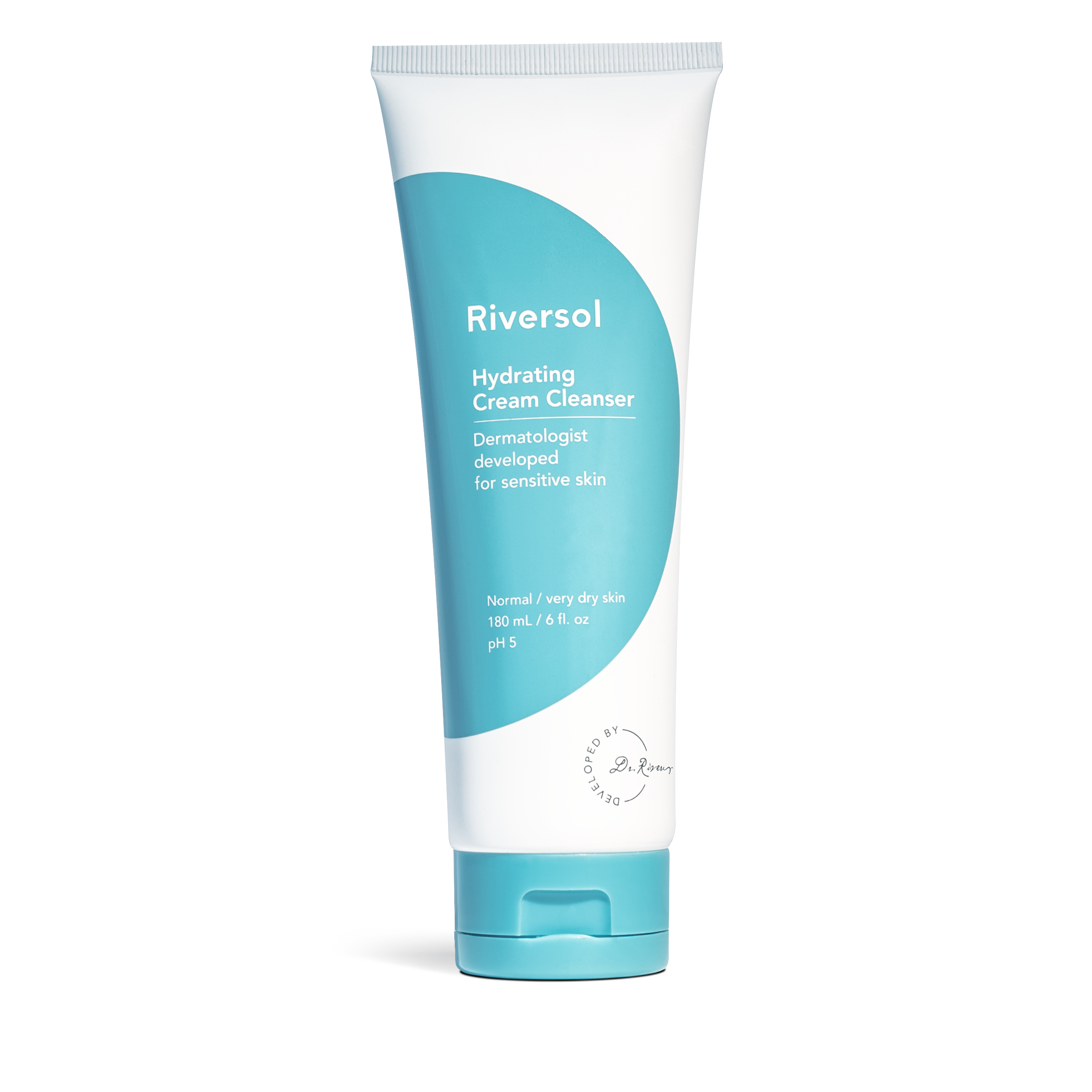
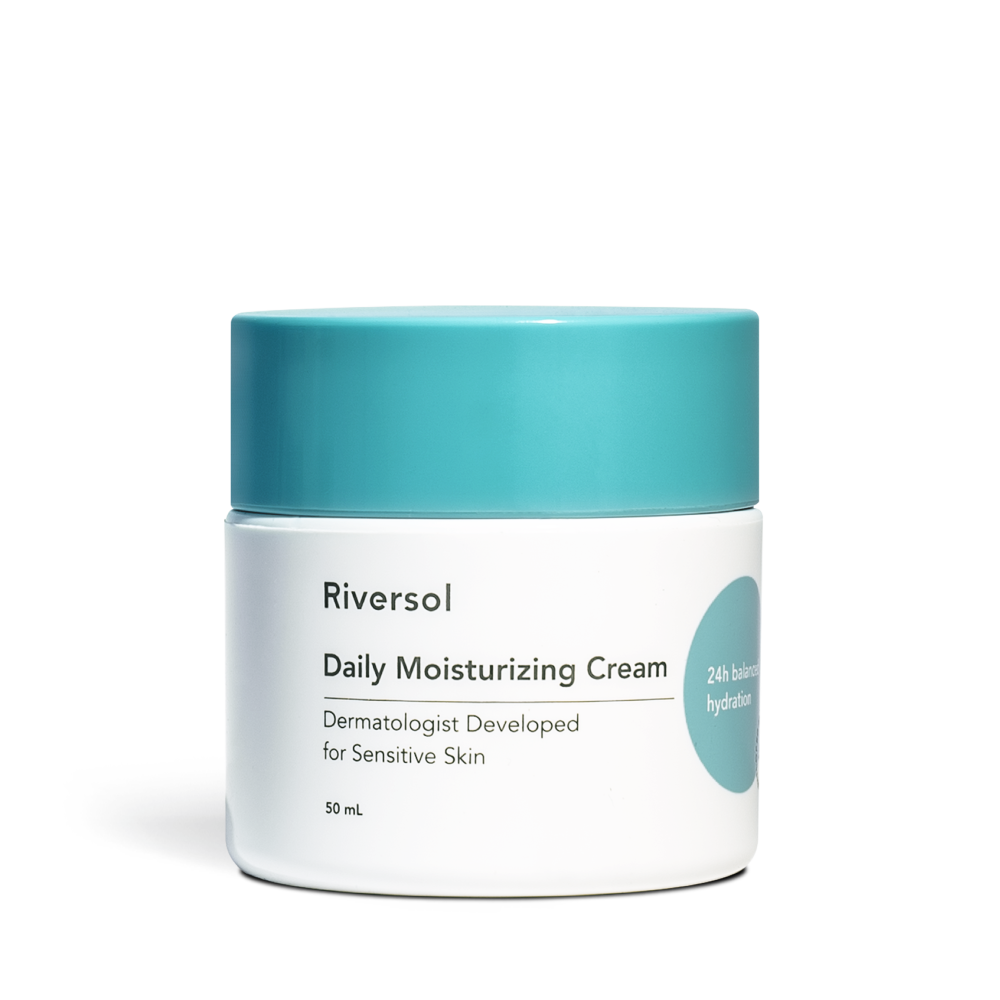
Avoid high-concentration acidic actives, physical exfoliation, hot water, fragrance, and alcohol-based toners. These can worsen both rosacea and many of its mimics. Use a gentle, pH-balanced cleanser like Hydrating Cream Cleanser and a calming moisturiser like Daily Moisturizing Cream until you receive a confirmed diagnosis.
Can misdiagnosis lead to worsening skin conditions?
Yes. Treating rosacea with topical steroids (common for eczema or contact dermatitis) can worsen rosacea over time. Similarly, treating perioral dermatitis with rosacea medications may not resolve the condition. Accurate diagnosis is critical for effective treatment.
Is there a single skincare ingredient that is safe for all these conditions?
While no single ingredient treats all conditions, anti-inflammatory agents like Beta-Thujaplicin (Hinokitiol) help calm inflammation and reduce redness across a range of reactive skin conditions, including rosacea, seborrheic dermatitis, and contact dermatitis, without exacerbating sensitivity.
References
- American Academy of Dermatology. (2024). Rosacea: Signs and symptoms. aad.org
- Borda, L.J., & Wikramanayake, T.C. (2024). Seborrheic dermatitis and dandruff: A comprehensive review. Journal of the American Academy of Dermatology, 71(4), 873-882.
- American Contact Dermatitis Society. (2025). Contact allergen of the year: Fragrance mix. contactderm.org
- Lupus Foundation of America. (2023). Lupus facts and statistics. lupus.org
Related Topics to Explore:
About Dr. Jason Rivers, MD
Dr. Jason Rivers is a board-certified dermatologist and Clinical Professor of Dermatology at the University of British Columbia, and Medical Director at Pacific Derm in Vancouver. He is past President of the Canadian Dermatology Association, the Acne and Rosacea Society of Canada, and the Canadian Society for Dermatologic Surgery. Dr. Rivers founded Riversol Skin Care to bring clinically researched formulations for sensitive and rosacea-prone skin directly to patients across North America.