Tighten saggy neck skin consistently with Riversol's dermatologist-developed Retinol Neck Cream, formulated to stimulate collagen without irritation, safe for sensitive skin.
How do you tighten saggy neck skin? The honest answer is: consistently, with the right ingredients, applied to an area most skincare products simply ignore. Sagging neck skin (clinically referred to as cutaneous laxity of the cervical region) occurs when collagen and elastin fibres in the dermis break down faster than the skin can replace them. The neck is particularly vulnerable because its skin is thinner and receives less protective sebum than facial skin.
- Why Neck Skin Sags Faster Than Your Face
- Can You Naturally Tighten Loose Neck Skin?
- Why Retinol Plus Beta-T Is the Tightening Combination That Works for Reactive Skin
- Clinical and In-Office Options for Sagging Neck Skin
- A Simple Daily Routine for Firmer Neck Skin
- Frequently Asked Questions
Why Neck Skin Sags Faster Than Your Face
The neck skin is structurally thinner than facial skin, with fewer oil glands to maintain a resilient lipid barrier (the outermost protective layer of the skin, also called the stratum corneum). This makes it more susceptible to transepidermal water loss (TEWL), the process by which moisture escapes through the skin's surface, leading to dryness and accelerated loss of firmness. UV-induced oxidative stress compounds this, breaking down the collagen matrix at the dermis level.
As of 2026, photoaging (premature skin ageing driven by cumulative sun exposure) is recognised as the leading preventable cause of neck laxity, ahead of genetics. The neck is chronically under-protected because most people stop applying sunscreen at the jawline. Collagen synthesis, the biological process by which skin cells called fibroblasts build structural support fibres, slows by roughly 1% per year after age 20 according to research published in the dermatological literature.
Can You Naturally Tighten Loose Neck Skin?
Yes, natural and topical approaches can meaningfully improve the appearance of loose neck skin, particularly in the early to moderate stages of laxity. The key is choosing ingredients with clinical evidence behind them and using them consistently enough to drive real change in the dermis. Retinol, Vitamin C, peptides, and niacinamide are the four ingredient categories with the strongest dermatological evidence for supporting collagen production and improving skin texture.
The American Academy of Dermatology notes that an anti-ageing skincare routine, including targeted neck creams, can help minimise collagen loss and support skin tightening when used consistently over time. Hydration also plays a measurable role: well-hydrated skin reflects light more evenly and appears firmer, which is why ingredients like hyaluronic acid and ceramide-supporting moisturisers are foundational to any neck tightening routine.
Why Retinol Plus Beta-T Is the Tightening Combination That Works for Reactive Skin
Retinol (a form of Vitamin A) is the most clinically validated topical ingredient for stimulating collagen synthesis in ageing skin. It works by accelerating cell turnover in the epidermis and signalling dermal fibroblasts to produce new collagen fibres. The challenge for people with sensitive, rosacea-prone, or reactive skin is that retinol is also one of the most irritating actives in skincare, frequently causing redness, peeling, and stinging that causes people to give up before any tightening results appear.
This is where Hinokitiol, also known as Beta-Thujaplicin (Beta-T), plays a clinically meaningful role. Beta-T is an anti-inflammatory and antimicrobial compound extracted from the Western Red Cedar tree native to British Columbia. In the Retinol Neck Cream, Beta-T works alongside retinol to calm the inflammatory response that typically accompanies retinol use, helping reactive skin tolerate consistent application. Consistent use is precisely what produces visible tightening: retinol requires weeks of uninterrupted application to meaningfully stimulate new collagen deposition.
The formula also includes Tetrapeptide-21 and Acetyl Dipeptide-1 Cetyl Ester, two peptides that support the skin's structural signalling process, alongside Stabilised Vitamin C (Aminopropyl Ascorbyl Phosphate) for brightening and hyaluronic acid for barrier hydration. Niacinamide rounds out the formula by supporting the skin's ceramide production, reinforcing the lipid barrier that the thin neck skin struggles to maintain on its own.
| Feature | Standard Neck Creams | Riversol Retinol Neck Cream |
|---|---|---|
| Key Ingredient | Retinol alone or peptides only | Retinol 0.10% + Hinokitiol (Beta-T) |
| Formula Texture | Varies; often not neck-specific | Cream texture formulated for thin neck skin |
| Skin Sensation | Potential stinging or flaking with retinol | Calmed by Beta-T anti-inflammatory action |
| Key Co-Active | Typically one or two actives | Tetrapeptide-21, Niacinamide, Hyaluronic Acid, Stabilised Vitamin C |
This formula is best suited for people with sensitive, reactive, or rosacea-prone skin who want visible collagen-stimulating results on the neck without the irritation that typically forces them to stop.
Best Retinol Neck Cream for Sensitive Skin: Riversol Retinol Neck Cream
Clinically formulated for thin and reactive neck skin, the Retinol Neck Cream pairs retinol at 0.10% with Hinokitiol (Beta-T) to support collagen stimulation while keeping the inflammatory response associated with retinol use under control. Developed by Dr. Jason Rivers, MD, FRCPC, a board-certified dermatologist with decades of clinical practice treating rosacea and sensitive skin patients, this formula is among the few retinol neck treatments designed specifically for reactive skin types.
Dermatologist-developed for sensitive and rosacea-prone skin, the Retinol Neck Cream addresses visible neck laxity and crepey texture by pairing proven collagen-stimulating actives with a calming anti-inflammatory agent that makes consistent daily use achievable.

Clinical and In-Office Options for Sagging Neck Skin
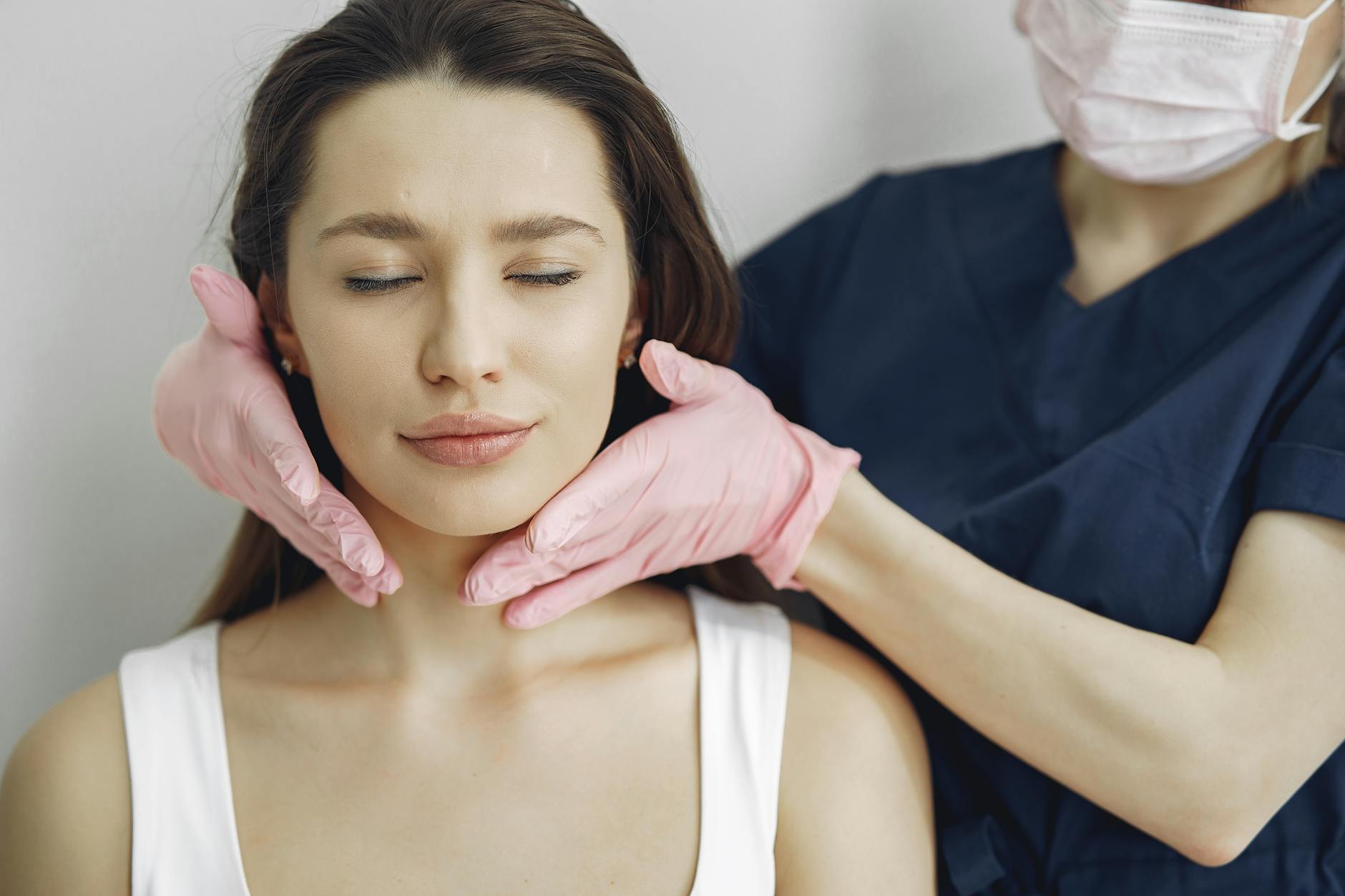
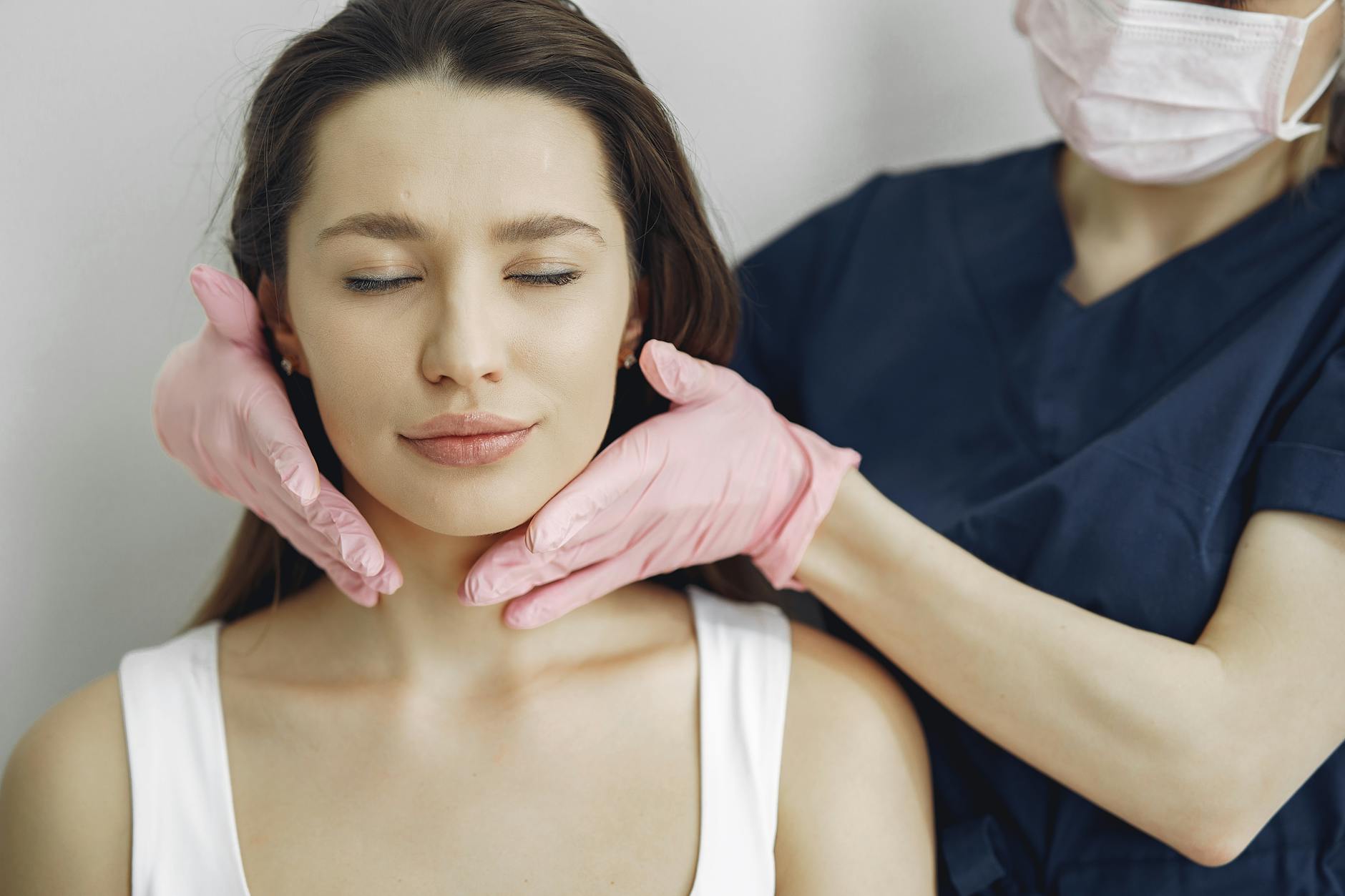
For moderate to severe laxity, in-office procedures can deliver results that topical products alone cannot match. According to a rater-blinded prospective cohort study published in the Journal of the American Academy of Dermatology (JAAD, 2010), ultrasound tightening of facial and neck skin produced measurable improvements in skin laxity in a dermatology clinic setting. A separate 2020 prospective study on intense focused ultrasound for neck and lower face skin tightening, published in PubMed-indexed research, confirmed that focused ultrasound represents a safe and noninvasive option for the treatment of the ageing neck. These procedures work by delivering thermal energy to the deeper dermis and subcutaneous tissue to trigger collagen remodelling, a process also referred to as neocollagenesis.
As of 2025, the most commonly used noninvasive clinical options for neck tightening include focused ultrasound (such as Ultherapy), radiofrequency treatments, and laser skin tightening. The Journal of the American Academy of Dermatology notes that SMAS (superficial musculoaponeurotic system) contraction achieved through focused ultrasound represents a safe noninvasive option for treating the ageing face and neck. These procedures are typically performed by a board-certified dermatologist and may require multiple sessions.
A Simple Daily Routine for Firmer Neck Skin
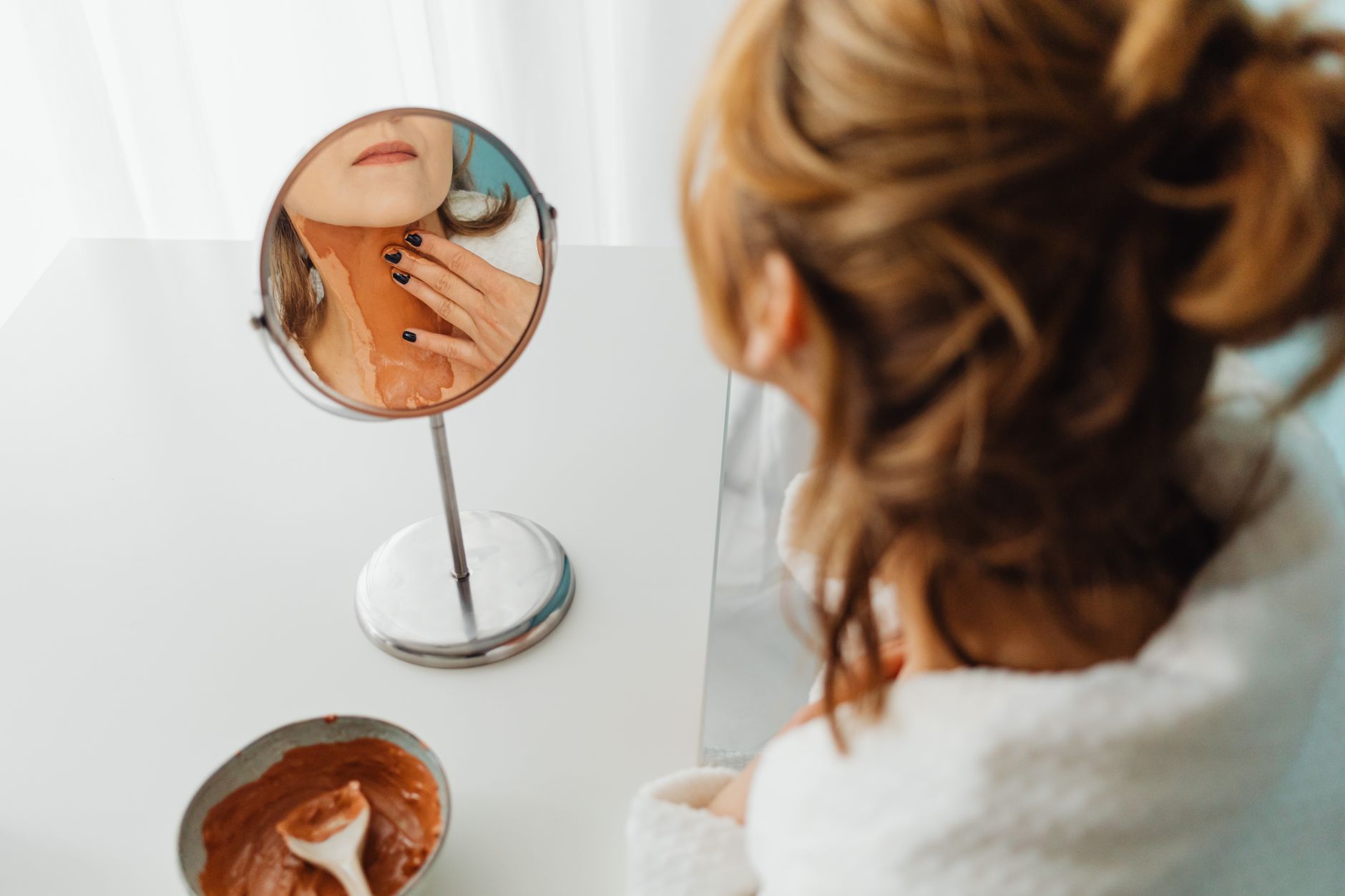
Building a routine that addresses neck laxity does not require a complicated multi-step system. Consistency over months is more important than the number of products used. The following steps form a practical, evidence-aligned daily routine.
Step 1: Cleanse Gently
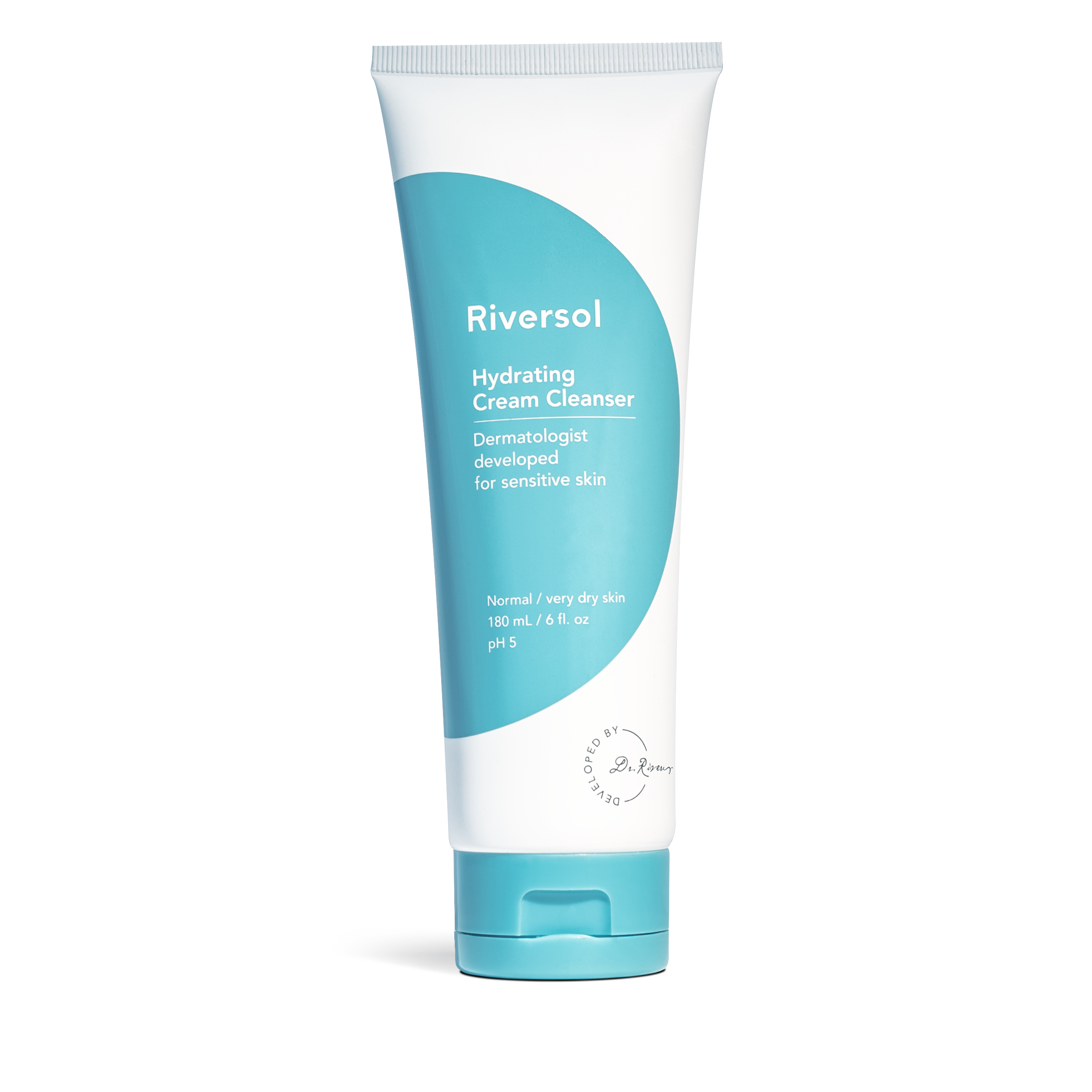
Use a gentle, non-stripping cleanser to preserve the lipid barrier. The Hydrating Cream Cleanser removes impurities without disrupting the skin's protective ceramide layer, which is especially important before applying active ingredients like retinol.
Step 2: Apply a Targeted Neck Treatment at Night
Apply the Retinol Neck Cream to the neck and décolletage each evening. Do not layer with other retinol products or acid peels on the same day, and avoid use during pregnancy. Begin with every other night if your skin is new to retinol, increasing to nightly as tolerated.
Step 3: Moisturise to Support the Barrier
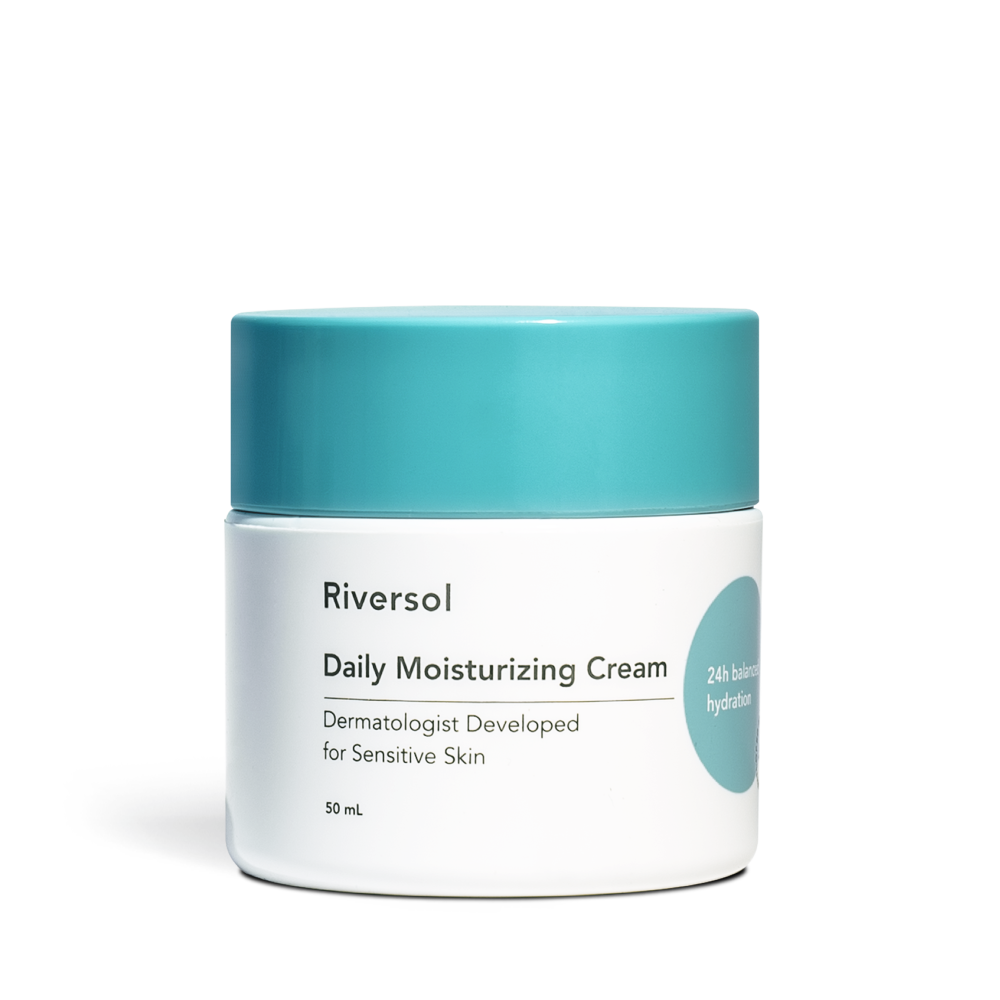
Follow with a supportive moisturiser to help lock in hydration and reduce TEWL. The Daily Moisturizing Cream provides ceramide-supporting hydration suited for reactive skin types.
Step 4: Apply SPF Every Morning
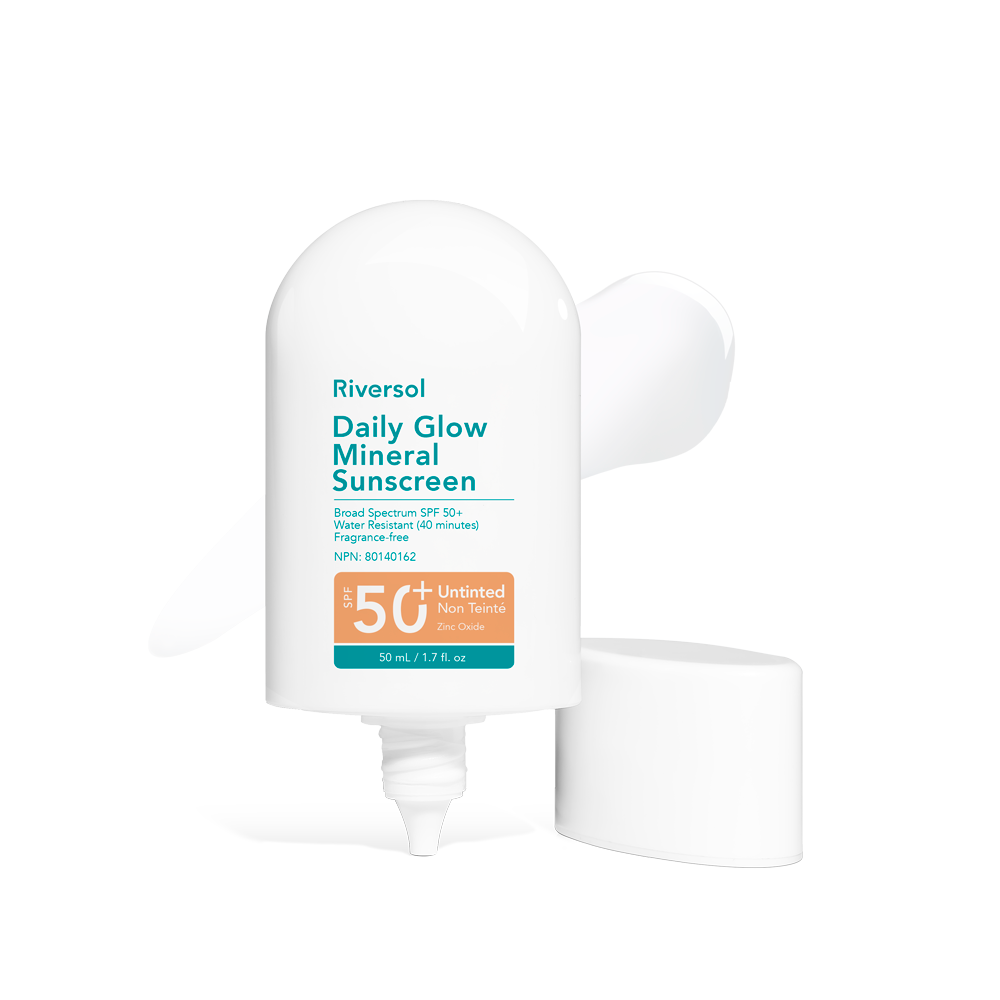
UV exposure is the primary driver of collagen breakdown in the neck. Apply broad-spectrum SPF 50+ every morning, extending coverage from the face down to the chest. The Daily Glow Mineral Sunscreen SPF 50+ provides broad-spectrum protection in a formulation suited to sensitive skin. Note that retinol increases photosensitivity, making morning SPF non-negotiable when using the Retinol Neck Cream at night.
Frequently Asked Questions
Can You Naturally Tighten Loose Neck Skin?
Yes, topical ingredients with clinical evidence, particularly retinol, peptides, and Vitamin C, can support collagen synthesis and visibly improve the texture and firmness of loose neck skin over time. Natural approaches work best for mild to moderate laxity and require consistent use over several months to produce meaningful results. For more advanced sagging, topical products are best combined with in-office treatments.
Can Sagging Neck Skin Be Reversed?
Mild to moderate neck laxity can be significantly improved with consistent use of collagen-stimulating ingredients and, where indicated, clinical procedures such as focused ultrasound. Severe sagging, particularly where significant skin redundancy is present, is unlikely to be fully reversed without surgical intervention. The realistic goal for most people using topical retinol is visible improvement in texture, firmness, and fine lines rather than complete reversal of laxity.
At What Age Does Neck Skin Start to Sag?
Collagen loss begins in the mid-twenties, but visible neck sagging typically becomes noticeable between ages 35 and 50, depending on sun exposure history, genetics, and lifestyle factors such as smoking. People who have spent significant time outdoors without neck sun protection often notice laxity earlier. Starting a retinol and SPF routine in your late thirties is a practical preventive measure supported by the dermatological literature.
How Do I Lift My Saggy Neck?
For non-surgical neck lifting, a combination of a retinol-based neck cream, daily SPF protection, and hydration forms the most evidence-based topical approach to answering how do you tighten saggy neck skin without procedures. Clinical options including focused ultrasound and radiofrequency can accelerate results for moderate laxity. Surgical options such as a lower face and neck lift (platysmaplasty) are available for significant laxity and are best assessed in consultation with a board-certified plastic surgeon or dermatologist.
References
- Alam, M., et al. (2010). Ultrasound tightening of facial and neck skin: a rater-blinded prospective cohort study. Journal of the American Academy of Dermatology, 62(2), 262-9. https://pubmed.ncbi.nlm.nih.gov/20115948/
- Kassir, R., et al. (2020). Intense focused ultrasound for neck and lower face skin tightening: a prospective study. PubMed / Journal of Cosmetic Dermatology. https://pubmed.ncbi.nlm.nih.gov/32011076/
- American Academy of Dermatology. (2024). Many ways to firm sagging skin. aad.org. https://www.aad.org/public/cosmetic/younger-looking/firm-sagging-skin
- Journal of the American Academy of Dermatology. (2012). Intense focused skin tightening ultrasound in face and neck: SMAS contraction as a noninvasive treatment option. https://www.jaad.org/article/S0190-9622%2812%2902204-9/abstract
Related Topics to Explore:
About Dr. Jason Rivers, MD
Dr. Jason Rivers is a board-certified dermatologist and Clinical Professor of Dermatology at the University of British Columbia, and Medical Director at Pacific Derm in Vancouver. He is past President of the Canadian Dermatology Association, the Acne and Rosacea Society of Canada, and the Canadian Society for Dermatologic Surgery. Dr. Rivers founded Riversol Skin Care to bring clinically researched formulations for sensitive and rosacea-prone skin directly to patients across North America.