You can fix turkey neck naturally by combining daily retinol, Vitamin C, and targeted neck exercises to rebuild collagen and firm sagging skin over time.
Sagging, crepey skin beneath the chin (commonly called "turkey neck") is one of the most visible signs of aging, and one of the most Googled. If you've been asking how can I fix my turkey neck naturally? the honest answer is: consistent topical actives, targeted movement, and sun protection are your most evidence-informed non-surgical tools. This guide walks you through the biology behind neck sagging, what ingredients are clinically supported, and how to build a routine that actually moves the needle.
- What Causes Turkey Neck
- Natural Approaches That Have Genuine Evidence
- The Retinol Problem for Sensitive Neck Skin
- A Practical Daily Routine for Neck Firming
- Frequently Asked Questions
What Causes Turkey Neck
Turkey neck is the informal term for the loose, horizontally banded, or crepey skin that develops on the neck as collagen and elastin fibres in the outer skin layer (the epidermis and deeper dermis) begin to break down with age. The platysma muscle beneath the skin also weakens and separates, which contributes to vertical banding.
Why the Neck Ages Faster Than the Face
The neck has thinner skin than the face, fewer oil glands, and is chronically sun-exposed while being chronically under-moisturised. UV-induced oxidative stress accelerates the breakdown of collagen fibres and triggers inflammatory cytokines that degrade the structural proteins responsible for skin firmness. The result is accelerated photoaging on an already vulnerable area.
As of 2026, dermatologists increasingly recognise that the neck and décolletage are the areas most often overlooked in daily skincare routines, which compounds the visible age gap between a cared-for face and a neglected neck. According to the American Academy of Dermatology, sun protection applied consistently to the neck can meaningfully slow UV-driven collagen loss over time.

Natural Approaches That Have Genuine Evidence
When people ask how can I fix my turkey neck naturally, they usually mean: without surgery, without injections, and from home. Here is what the dermatological literature actually supports.
1. Topical Retinol (Vitamin A Derivatives)
Retinol is the best-studied topical ingredient for increasing collagen synthesis and accelerating cell turnover in thinning skin. The dermatological literature indicates that consistent retinol use over 12 to 24 weeks is associated with measurable improvements in skin texture, fine lines, and firmness in photoaged skin. The challenge on the neck is tolerability: neck skin is thinner and more reactive than facial skin, so retinol often causes burning, peeling, and redness in this area.
2. Vitamin C (Ascorbic Acid and Stabilised Derivatives)
Vitamin C is an antioxidant that supports collagen synthesis and neutralises UV-generated free radicals. Stabilised forms such as Aminopropyl Ascorbyl Phosphate are particularly useful for sensitive skin because they deliver the benefits of Vitamin C with less potential for irritation. According to the Journal of Clinical and Aesthetic Dermatology, topical Vitamin C is associated with statistically significant improvements in photoaged skin appearance after 12 weeks of consistent use.
3. Neck Exercises and Posture Corrections
Targeted exercises that engage the platysma muscle may help improve muscle tone beneath the skin, which can reduce the appearance of vertical banding. According to Healthline, some research suggests neck stretching and strengthening exercises may support the aging process in neck tissue, though more research is necessary to confirm these findings. Consistency over months, not days, is required for visible results.
4. Broad-Spectrum Sunscreen, Daily
No natural firming strategy will hold ground if UV-induced oxidative stress continues to degrade collagen daily. A mineral sunscreen with SPF 50 or higher, applied to the neck every morning, is a non-negotiable foundation. According to the Cleveland Clinic, consistent sun protection is one of the most effective preventive measures against accelerated neck skin aging.
5. Peptides and Hyaluronic Acid
Signal peptides (such as Tetrapeptide-21 and Acetyl Dipeptide-1 Cetyl Ester) communicate with fibroblast cells to encourage collagen and elastin production. Hyaluronic acid supports the moisture-holding capacity of the skin's outer barrier (the stratum corneum), reducing transepidermal water loss (TEWL) and making skin appear plumper and more supple.
The Retinol Problem for Sensitive Neck Skin: Where Beta-Thujaplicin Changes Things
Most people with sensitive, rosacea-prone, or reactive skin are told to avoid retinol entirely. The neck makes this problem worse because the skin there is naturally thinner and more prone to irritation than facial skin. This is the core problem that Dr. Jason Rivers, MD, FRCPC, a board-certified dermatologist based in Vancouver, BC, set out to address when developing Riversol's neck-specific formulation.
The key is Hinokitiol, also known as Beta-Thujaplicin (Beta-T), a bioactive compound extracted from the Western Red Cedar tree native to British Columbia. Beta-T is a clinically researched anti-inflammatory compound that helps calm the inflammatory cascade that retinol typically triggers in reactive skin. It allows the retinol to do its collagen-rebuilding work without the burning, peeling, or redness that usually forces sensitive-skin users to give up.
The Retinol Neck Cream pairs 0.10% retinol with Beta-T, Niacinamide, Stabilised Vitamin C (Aminopropyl Ascorbyl Phosphate), Tetrapeptide-21, Acetyl Dipeptide-1 Cetyl Ester, and Hyaluronic Acid. This is a notably complete active stack for a single neck-targeted product, formulated for all skin types including reactive skin.


A Practical Daily Routine for Neck Firming
Consistent routine beats sporadic intensive treatments. Here is a practical framework that incorporates the strongest evidence-based steps.
Morning Routine
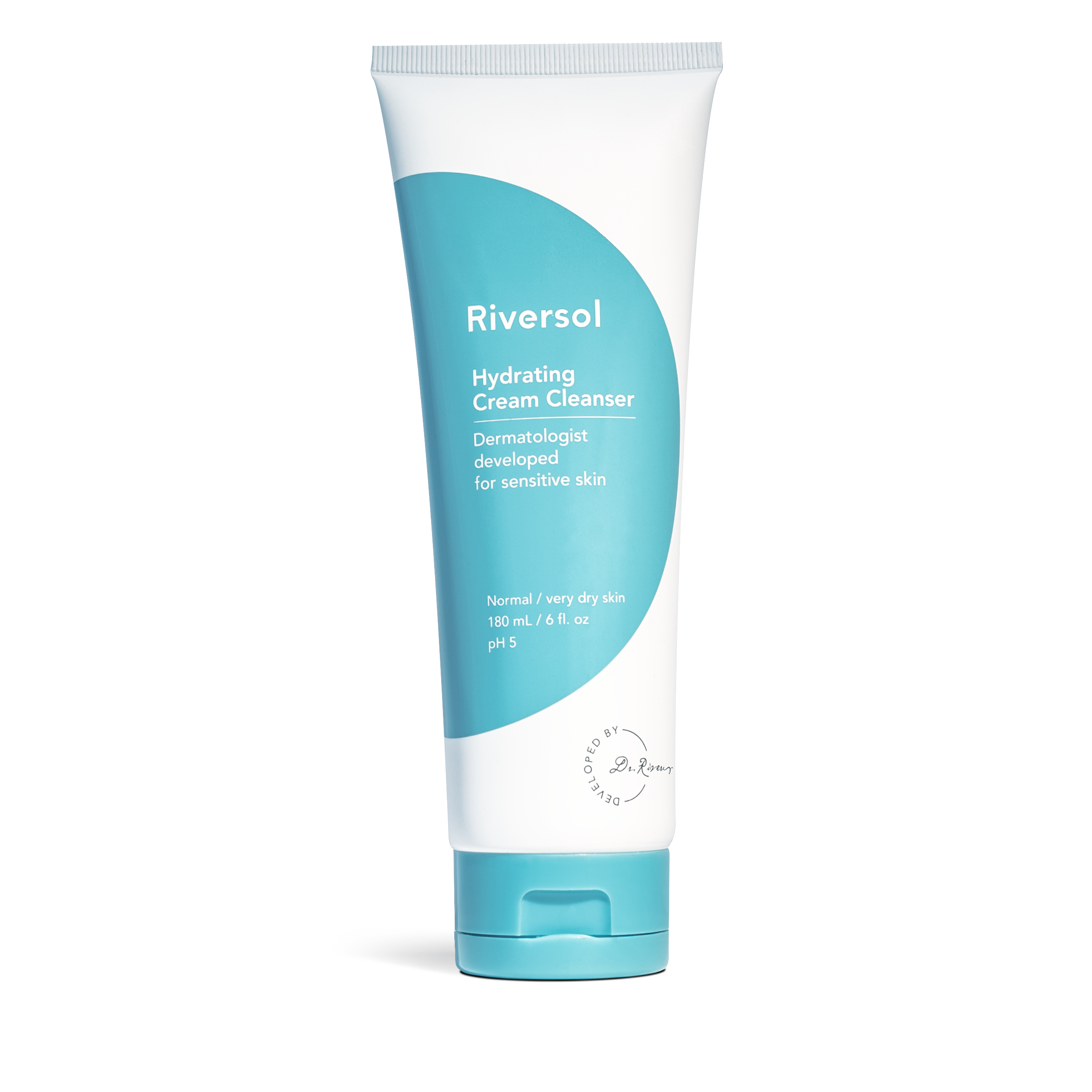
- Cleanse with a gentle, non-stripping formula such as the Hydrating Cream Cleanser to preserve lipid barrier integrity.
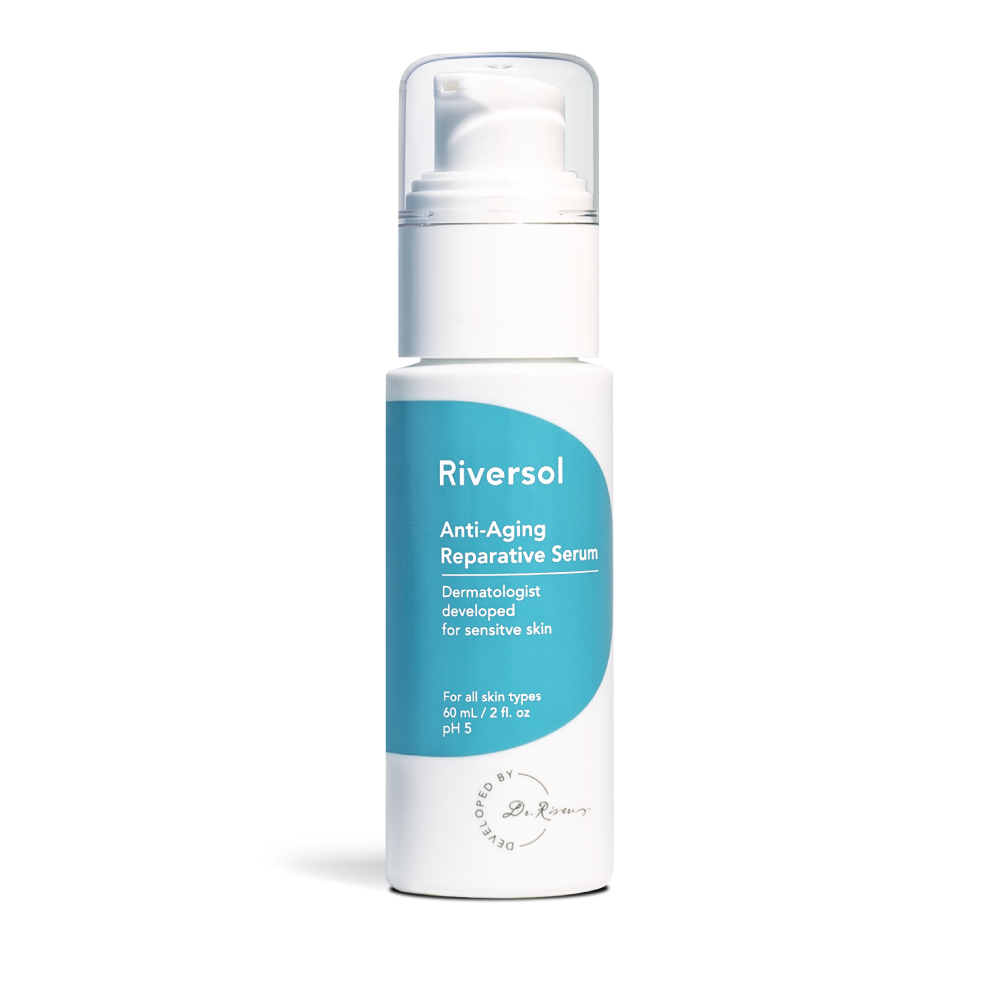
- Apply a Vitamin C serum such as the Anti-Aging Serum (Vitamin C & E) from the jawline down to the collarbone.
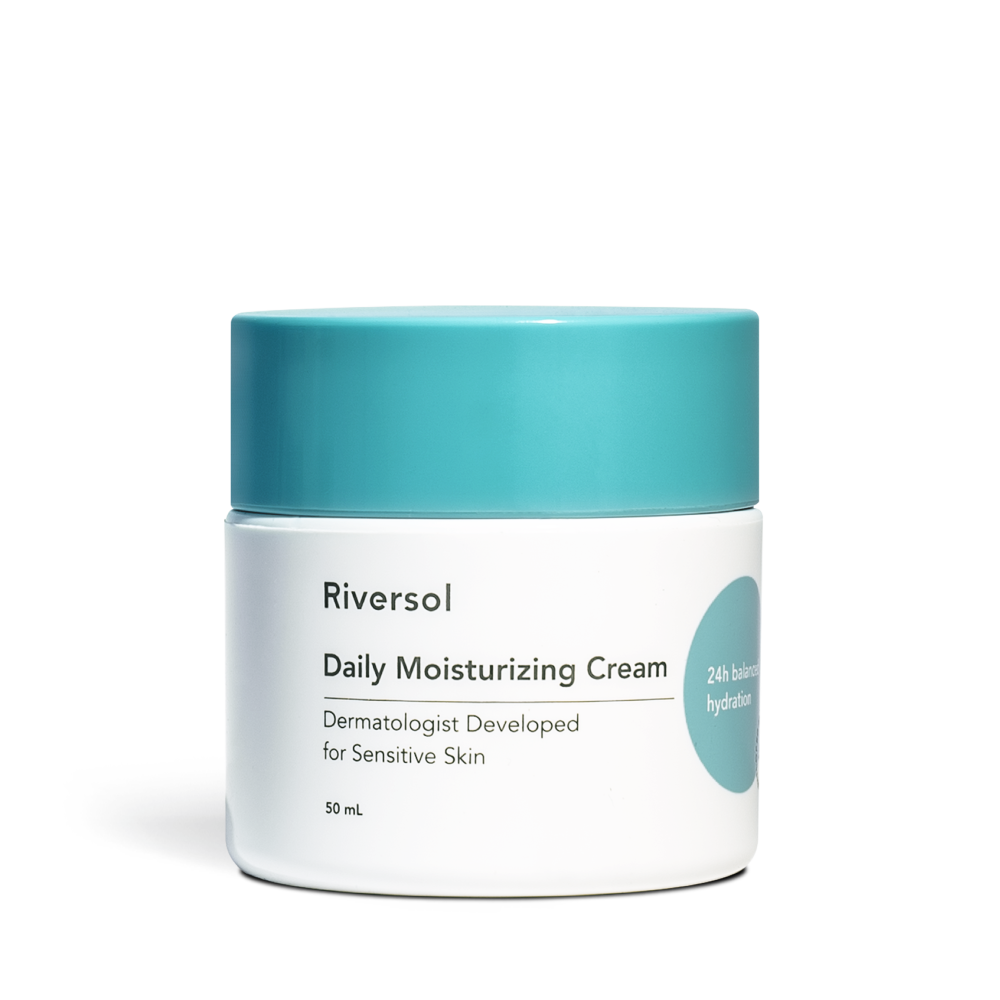
- Follow with the Daily Moisturizing Cream to support ceramide replenishment and reduce TEWL.
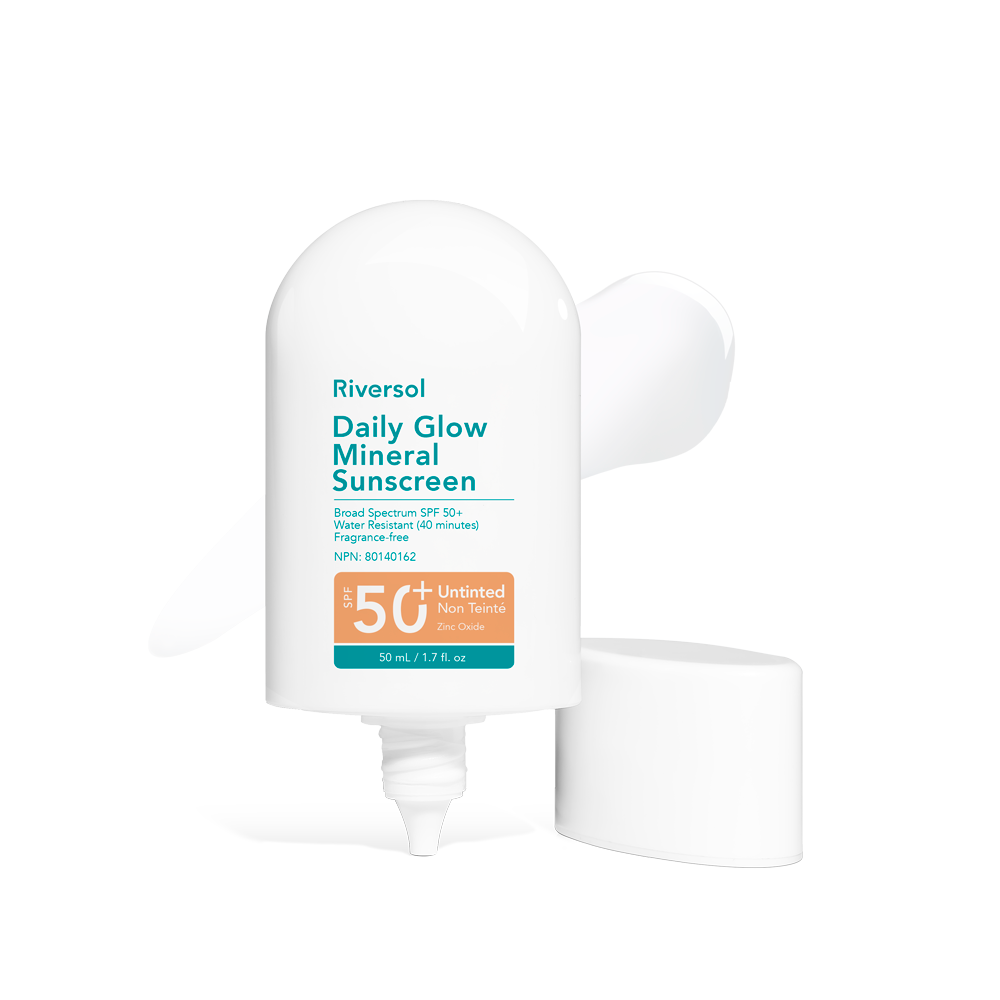
- Finish with Daily Glow Mineral Sunscreen SPF 50+ applied generously over the neck and chest.
Evening Routine
- Cleanse thoroughly to remove SPF and environmental residue.
- Apply the Retinol Neck Cream to the neck and décolletage. Do not layer with other retinol products or acid peels on the same evening.
- Follow with moisturiser to support barrier repair overnight.
As of 2025, a growing number of dermatologists recommend treating the neck as a distinct zone with its own dedicated products, rather than simply extending face products downward. The neck's thinner skin and different sebaceous gland density mean it responds differently to the same ingredients.
Frequently Asked Questions
Can You Reverse Turkey Neck Naturally?
Partial reversal is realistic with consistent topical actives, particularly retinol and Vitamin C, which support collagen synthesis over time. Complete reversal of significant laxity without surgical or in-clinic procedures is unlikely, but meaningful visible improvement in texture, firmness, and tone is achievable for most people with a committed routine. The earlier you begin, the more preventive benefit you gain.
What Is the Main Cause of Turkey Neck?
The primary causes are age-related collagen and elastin breakdown in the dermis, weakening of the platysma muscle, and cumulative UV-induced oxidative stress on chronically exposed, under-protected neck skin. Genetics, significant weight fluctuation, and posture (particularly screen-related forward head positioning, increasingly common in 2025 and 2026) also contribute to visible neck laxity.
What Naturally Tightens the Skin on the Neck?
Topical retinol, peptides, and Vitamin C are the best-evidenced non-invasive options for supporting skin firmness by stimulating collagen synthesis. Staying well-hydrated, maintaining consistent sun protection, and incorporating platysma-targeting neck exercises as a complementary habit can all contribute to a firmer appearance over time.
How to Get Rid of Old Lady Neck?
The term refers to horizontal neck lines, vertical platysmal bands, and generalised skin laxity that become more pronounced after menopause, when oestrogen-related collagen support declines sharply. A combination of nightly retinol, morning antioxidants, daily SPF, and regular moisture support addresses the main biological drivers. In-clinic options such as radiofrequency or ultrasound treatments can complement a topical routine when more pronounced lifting is desired.
References
- Cleveland Clinic. (2024). 14 ways to get rid of your turkey neck. Cleveland Clinic Health Essentials. https://health.clevelandclinic.org/turkey-neck
- Healthline. (2024). Turkey neck: Exercises, cosmetics, and surgeries. Healthline Media. https://www.healthline.com/health/beauty-skin-care/turkey-neck
- American Academy of Dermatology. (2024). Sun protection and photoaging: Overview and clinical guidance. aad.org
- Journal of Clinical and Aesthetic Dermatology. (2023). Topical Vitamin C formulations and their efficacy in photoaged skin: A review of clinical evidence. J Clin Aesthet Dermatol.
- CurrentBody Editorial. (2024). How to get rid of turkey neck: Natural neck tightening. CurrentBody US. https://us.currentbody.com/blogs/editorial/getting-rid-of-turkey-neck
Related Topics to Explore:
About Dr. Jason Rivers, MD
Dr. Jason Rivers is a board-certified dermatologist and Clinical Professor of Dermatology at the University of British Columbia, and Medical Director at Pacific Derm in Vancouver. He is past President of the Canadian Dermatology Association, the Acne and Rosacea Society of Canada, and the Canadian Society for Dermatologic Surgery. Dr. Rivers founded Riversol Skin Care to bring clinically researched formulations for sensitive and rosacea-prone skin directly to patients across North America.