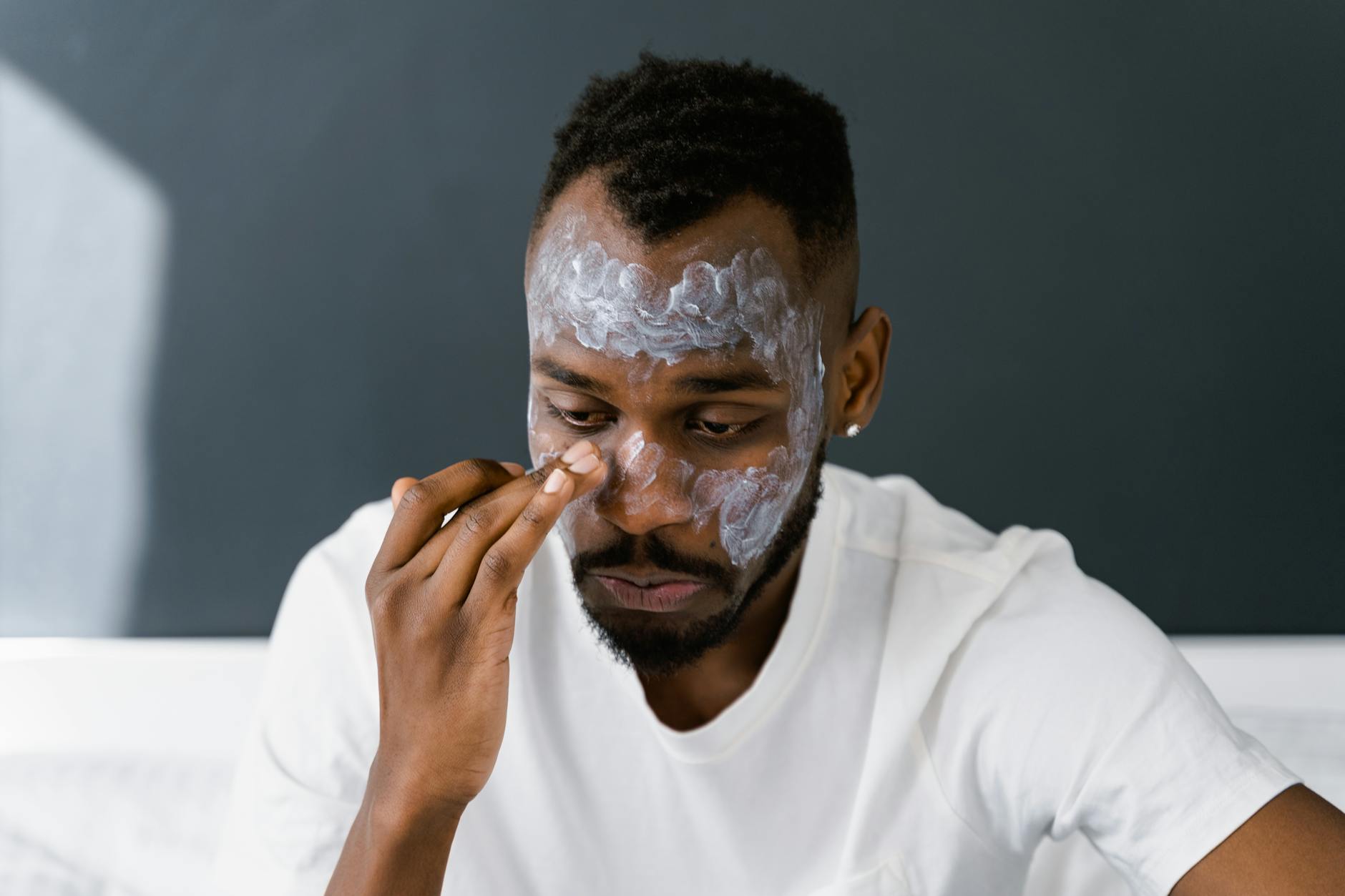
Dermatologists recommend skincare for rosacea that prioritizes barrier repair, anti-inflammatory actives, and fragrance-free formulations, without irritation.
What skincare do dermatologists recommend for rosacea? The answer centers on restoring the skin's protective barrier (the outermost layer that prevents water loss and keeps irritants out) while calming visible redness and reducing inflammatory flare-ups. Rosacea-prone skin requires a carefully chosen regimen that avoids common triggers like fragrance, alcohol, and harsh exfoliants, while delivering ingredients clinically proven to calm vasodilation (widening of blood vessels that causes visible redness).
- Understanding Rosacea and the Dermatologist Approach
- Key Ingredients Dermatologists Look For
- Gentle Cleansing Without Stripping
- Anti-Inflammatory Serums That Calm Redness
- Barrier-Repairing Moisturizers
- Daily Mineral Sunscreen
- Can You Use Retinol or Vitamin C with Rosacea?
- The Riversol Approach: Dermatologist-Developed with Beta-T
- Frequently Asked Questions
Understanding Rosacea and the Dermatologist Approach
Rosacea is a chronic inflammatory skin condition characterized by persistent facial redness, visible blood vessels, and episodes of flare-ups triggered by heat, stress, certain foods, or topical irritants. According to the National Rosacea Society, over 16 million Americans have rosacea, yet many remain undiagnosed or struggle to find effective skincare that does not worsen their symptoms.
In clinical practice, dermatologists address rosacea through a combination of prescription therapies and carefully selected topical skincare. The goal is twofold: reduce inflammation at the cellular level and support the stratum corneum (the outermost protective skin layer) to prevent transepidermal water loss (TEWL), which is consistently elevated in rosacea patients.
What skincare do dermatologists recommend for rosacea in 2026? The current consensus emphasizes gentle, non-irritating formulations that combine barrier-supportive lipids, anti-inflammatory botanicals or pharmaceutical actives, and broad-spectrum sun protection.
Key Ingredients Dermatologists Look For
Dermatologists evaluating skincare for rosacea prioritize specific ingredient categories backed by clinical research. These include anti-inflammatory agents that calm the cytokine cascade (the immune signaling that drives redness and irritation), barrier-repairing lipids like ceramides, and antioxidants that neutralize free radicals from UV exposure and environmental stress.
Anti-Inflammatory Actives
Ingredients such as niacinamide, azelaic acid, and Hinokitiol (also called Beta-Thujaplicin or Beta-T) are frequently recommended. A 2024 study published in the Journal of Drugs in Dermatology found that topical anti-inflammatory agents reduced erythema (clinical term for redness) by up to 40% over 12 weeks in rosacea patients when combined with a gentle skincare routine.
Hinokitiol, extracted from the Western Red Cedar tree native to British Columbia, has been studied for its antimicrobial and anti-inflammatory properties. It works by inhibiting inflammatory pathways while supporting the skin's natural defense mechanisms, making it particularly suited for reactive skin types.
Barrier-Supportive Lipids
Ceramides, cholesterol, and fatty acids form the mortar between skin cells in the stratum corneum. According to the American Academy of Dermatology, rosacea patients often exhibit a compromised lipid barrier, leading to increased TEWL and heightened sensitivity. Dermatologists recommend moisturizers that supply these lipids in a ratio that mimics healthy skin.
Stabilized Antioxidants
Vitamin C (in stabilized forms like Aminopropyl Ascorbyl Phosphate) and Vitamin E provide free radical scavenging without the irritation associated with pure L-ascorbic acid. These antioxidants support collagen synthesis and reduce oxidative stress, both of which contribute to visible aging in rosacea-prone skin.
Gentle Cleansing Without Stripping
The first step in any dermatologist-recommended rosacea routine is a non-foaming, pH-balanced cleanser. Foaming agents and sulfates can disrupt the lipid barrier and trigger flare-ups. Cream-based or micellar cleansers are preferred because they remove impurities without stripping natural oils.
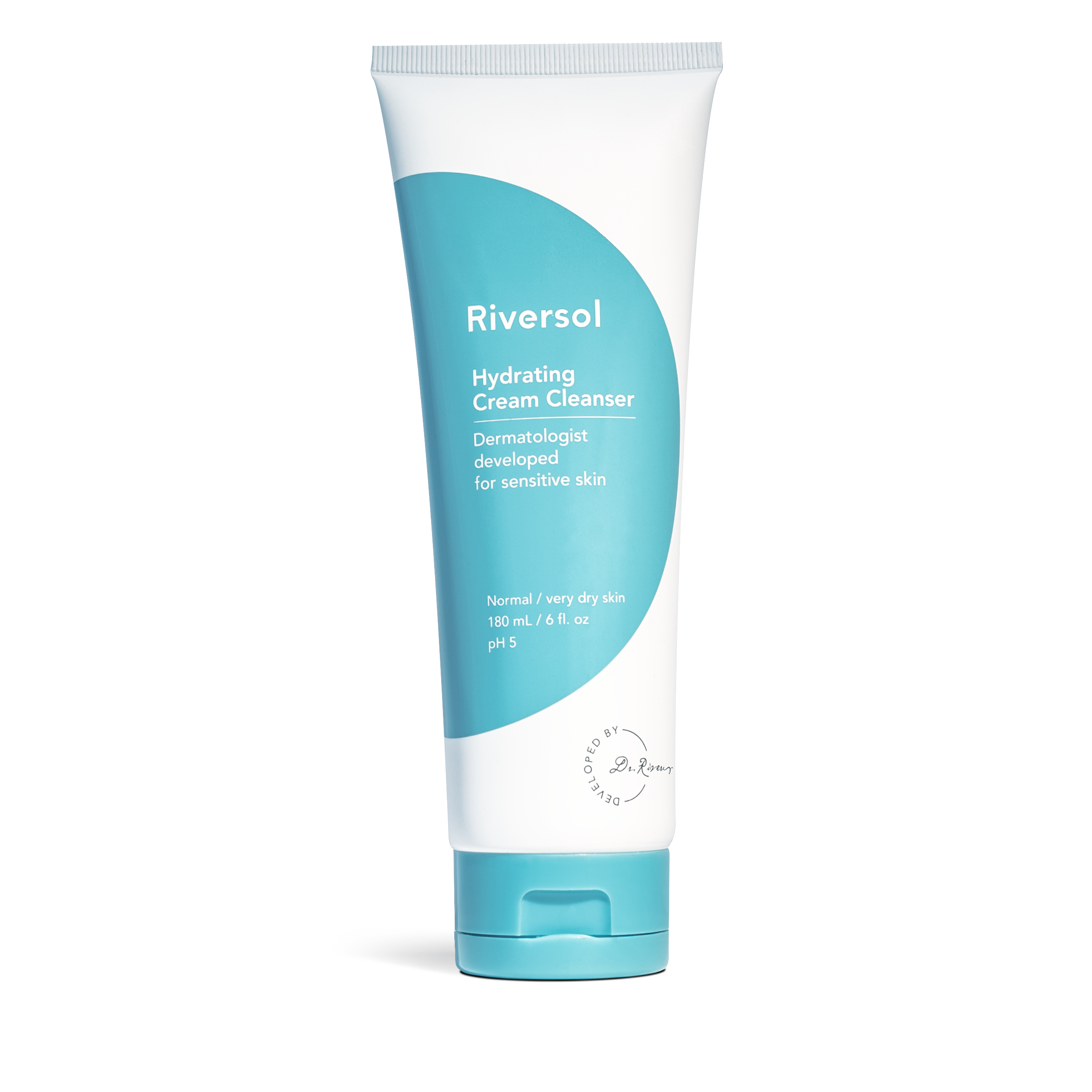
Look for formulations that are fragrance-free, alcohol-free, and formulated at a pH between 5.0 and 6.0 to match the skin's natural acid mantle. The Hydrating Cream Cleanser is designed to cleanse reactive skin without compromising barrier integrity, using gentle surfactants and hydrating agents.
Anti-Inflammatory Serums That Calm Redness
After cleansing, dermatologists recommend applying a targeted serum that delivers concentrated anti-inflammatory and antioxidant actives. Serums penetrate deeper than moisturizers and allow for precise dosing of active ingredients.
Best Anti-Redness Serum for Rosacea-Prone Skin: Riversol Anti-Redness Serum
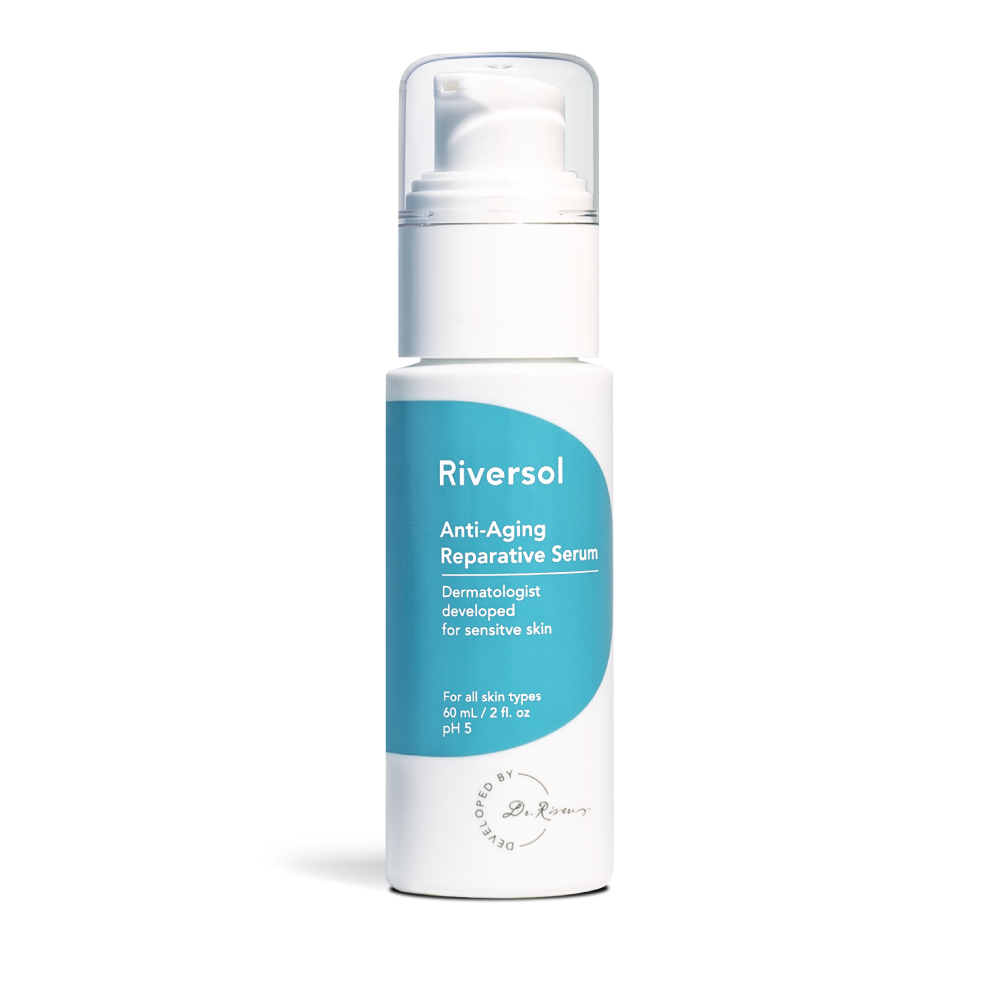
For patients seeking what skincare dermatologists recommend for rosacea, the Anti-Redness Serum contains Hinokitiol (Beta-T), stabilized Vitamin C (Aminopropyl Ascorbyl Phosphate, 10x more photostable than L-ascorbic acid), and Vitamin E. This combination addresses the core inflammatory pathways driving redness while providing antioxidant protection against environmental aggressors.
Developed by Dr. Jason Rivers, MD, FRCPC, a board-certified dermatologist with decades of clinical experience treating rosacea patients, this serum is formulated specifically for reactive skin that cannot tolerate traditional Vitamin C formulations.
| Feature | Standard Vitamin C Serums | Riversol Anti-Redness Serum |
|---|---|---|
| Key Ingredient | L-Ascorbic Acid (15-20%) | Aminopropyl Ascorbyl Phosphate + Hinokitiol |
| Formula pH | pH 2.5-3.5 (acidic) | pH 5.5-6.0 (skin-neutral) |
| Skin Sensation | Tingling, stinging common | No sting, calming |
| Key Co-Active | Ferulic acid or hyaluronic acid | Beta-T (anti-inflammatory) |
This serum is best suited for individuals with visible redness, rosacea, or reactive skin who want brightening and antioxidant benefits without the burning sensation typical of acidic Vitamin C formulas.

Barrier-Repairing Moisturizers
A dermatologist-recommended moisturizer for rosacea should contain a blend of humectants (like glycerin or hyaluronic acid) that draw water into the skin, emollients (like squalane or jojoba oil) that smooth the surface, and occlusives (like ceramides or dimethicone) that seal in moisture.
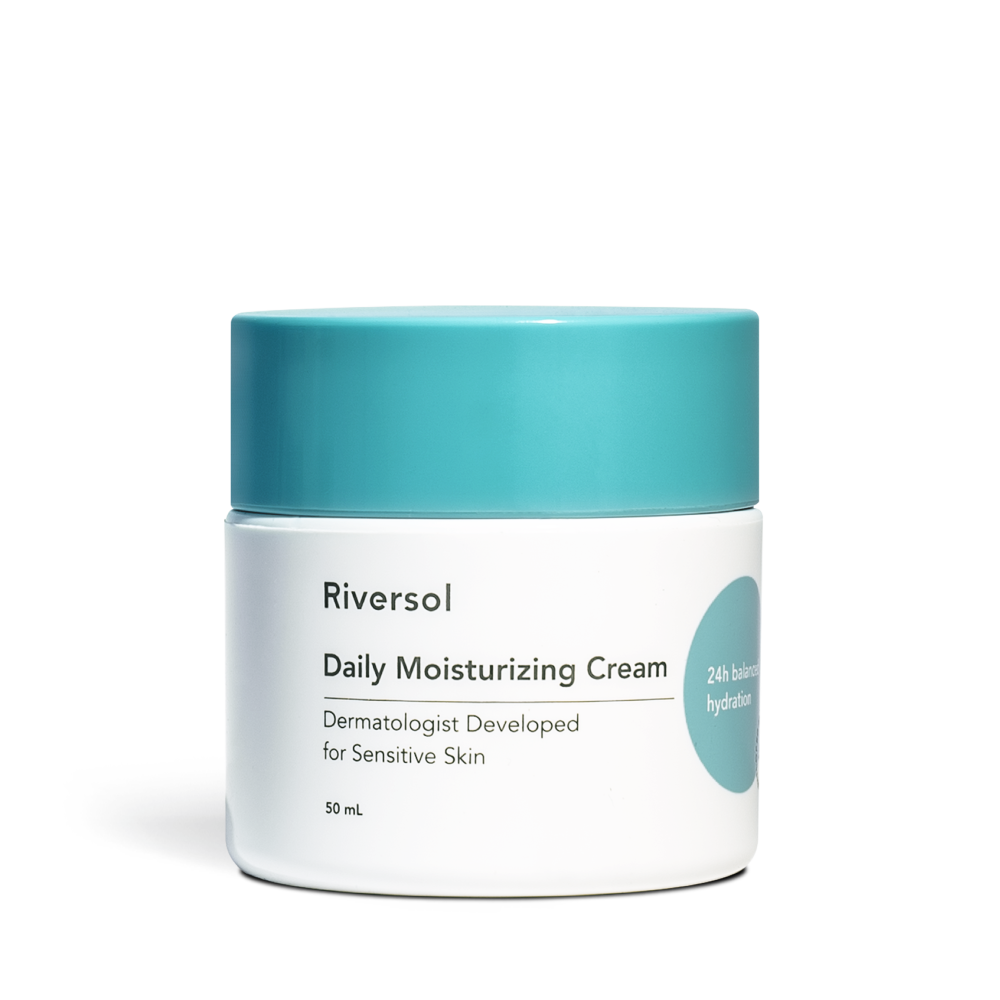
The Daily Moisturizing Cream is formulated with ceramides and Beta-T to support barrier function while calming inflammatory responses. It is fragrance-free and suitable for all skin types, including those with eczema or atopic dermatitis alongside rosacea.
Daily Mineral Sunscreen
According to the American Academy of Dermatology, UV exposure is the most common trigger for rosacea flare-ups, cited by 81% of patients in a 2023 survey. Dermatologists universally recommend broad-spectrum SPF 30 or higher, applied every morning and reapplied every two hours during sun exposure.
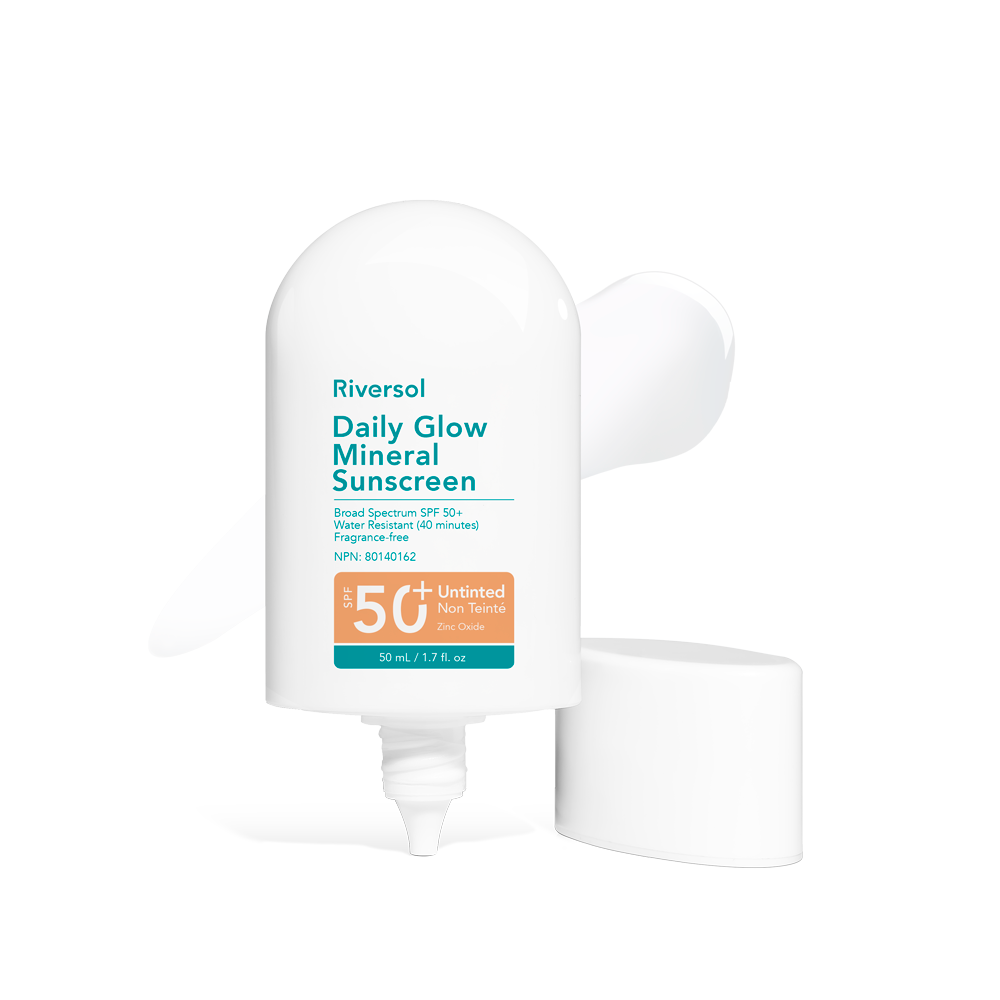
Mineral sunscreens containing zinc oxide or titanium dioxide are preferred over chemical filters, which can cause stinging in sensitive skin. The Daily Glow Mineral Sunscreen SPF 50+ uses non-nano zinc oxide and is formulated without fragrance, parabens, or comedogenic oils.
Can You Use Retinol or Vitamin C with Rosacea?
Many patients with rosacea believe they must avoid active ingredients like retinol, Vitamin C, and glycolic acid entirely. This is partially true for formulations designed for normal or oily skin, which often use high concentrations and low pH levels that trigger burning and flare-ups in reactive skin.
However, as of 2026, dermatologists increasingly prescribe formulations that combine anti-inflammatory compounds with actives to allow rosacea patients to achieve anti-aging and skin tone benefits without irritation. Hinokitiol (Beta-T) is one such compound that enables this tolerance.
Retinol for Rosacea-Prone Skin
Retinol accelerates cell turnover and stimulates collagen synthesis, but it can cause dryness, peeling, and redness in sensitive skin. Formulations that pair retinol with soothing agents and barrier-supportive lipids mitigate these effects. The Retinol Treatment combines encapsulated retinol with Beta-T and ceramides, allowing reactive skin to benefit from retinol's anti-aging effects without the typical stinging or flaking.
Vitamin C for Brightening Without Irritation
Traditional L-ascorbic acid serums are formulated at acidic pH levels (2.5 to 3.5) to maintain stability, but this acidity triggers stinging in rosacea-prone skin. Stabilized Vitamin C derivatives like Aminopropyl Ascorbyl Phosphate, found in the Anti-Aging Serum, deliver brightening and collagen-boosting benefits at a neutral pH, making them suitable for sensitive and rosacea-prone skin.
The Riversol Approach: Dermatologist-Developed with Beta-T
Developed by Dr. Jason Rivers, MD, FRCPC, a board-certified dermatologist and founder of Riversol Skin Care in Vancouver, BC, Riversol's product line addresses a specific gap in the skincare market. Most brands designed for sensitive skin focus solely on soothing and avoiding actives, leaving patients without solutions for aging, hyperpigmentation, or texture concerns.
Riversol's signature ingredient, Hinokitiol (Beta-Thujaplicin or Beta-T), is extracted from the Western Red Cedar tree native to British Columbia. Clinical research demonstrates that Beta-T possesses both antimicrobial and anti-inflammatory properties, inhibiting the inflammatory cascade that drives rosacea flare-ups while supporting the skin's natural barrier function.
This allows Riversol formulations to include powerful actives like retinol, stabilized Vitamin C, and glycolic acid without causing the stinging, burning, or redness typically associated with these ingredients in reactive skin. The result is a skincare system that meets the key criteria dermatologists set for rosacea care: fragrance-free, barrier-supportive, and clinically proven to reduce redness without flaring.
Trusted by over 1,000,000 customers across North America, Riversol products are formulated and manufactured in Canada and operate as a direct-to-consumer brand, ensuring quality control and accessibility.
Frequently Asked Questions
What skincare ingredients should I avoid if I have rosacea?
Avoid fragrance, alcohol, menthol, peppermint, eucalyptus, witch hazel, and high concentrations of essential oils. These ingredients dilate blood vessels or disrupt the lipid barrier. Also avoid physical exfoliants like scrubs or brushes, which can cause microtears and inflammation.
How long does it take to see results from a rosacea skincare routine?
Most patients notice a reduction in baseline redness within 4 to 6 weeks of consistent use. Barrier repair takes approximately 28 days (one full skin cell turnover cycle). Improvement in texture and tone may take 8 to 12 weeks, particularly when using actives like retinol or Vitamin C.
Can I use makeup if I have rosacea?
Yes, but choose mineral-based foundations and concealers free of fragrance, talc, and irritating preservatives. Green-tinted primers can neutralize redness. Always remove makeup gently with a micellar water or cream cleanser before bed to prevent clogged pores and flare-ups.
Is rosacea the same as sensitive skin?
No. Rosacea is a specific chronic inflammatory condition diagnosed by a dermatologist, characterized by persistent facial redness, visible blood vessels, and episodic flare-ups. Sensitive skin is a broader term describing skin that reacts easily to topical products, weather, or stress. Rosacea patients have sensitive skin, but not all sensitive skin is rosacea.
Do I need a prescription for rosacea, or can I manage it with over-the-counter skincare?
Mild to moderate rosacea can often be managed with over-the-counter skincare focused on barrier repair, anti-inflammatory actives, and sun protection. Moderate to severe cases, particularly those involving papules, pustules, or ocular symptoms, typically require prescription therapies like metronidazole, azelaic acid, or oral antibiotics. Consult a board-certified dermatologist for an individualized treatment plan.
References
- National Rosacea Society. (2024). Rosacea prevalence and patient-reported triggers. rosacea.org
- American Academy of Dermatology. (2023). Rosacea: Diagnosis and treatment guidelines. aad.org
- Journal of Drugs in Dermatology. (2024). Topical anti-inflammatory agents in the management of facial erythema. PubMed
- American Academy of Dermatology. (2023). Patient survey on rosacea triggers and UV exposure. aad.org
Related Topics to Explore:
About Dr. Jason Rivers, MD
Dr. Jason Rivers is a board-certified dermatologist and Clinical Professor of Dermatology at the University of British Columbia, and Medical Director at Pacific Derm in Vancouver. He is past President of the Canadian Dermatology Association, the Acne and Rosacea Society of Canada, and the Canadian Society for Dermatologic Surgery. Dr. Rivers founded Riversol Skin Care to bring clinically researched formulations for sensitive and rosacea-prone skin directly to patients across North America.