The best skin care routine for redness calms inflammation at every step, strengthens your barrier, and keeps reactive skin comfortable without irritation.
The best skin care routine for redness is an ordered, inflammation-aware regimen that addresses the root causes of chronic facial flushing rather than simply masking it. What is the best skin care routine for redness? It is one that cleanses gently, delivers targeted anti-inflammatory actives, seals the barrier, and protects against the triggers that re-ignite redness throughout the day. Whether your redness stems from rosacea (a chronic inflammatory skin condition marked by persistent facial erythema and capillary reactivity), eczema, or a compromised lipid barrier, the sequence and ingredients you choose matter as much as any single product.
- Why Facial Redness Happens
- The Step-by-Step Redness Routine
- How a Beta-T Routine Works at Every Step
- Ingredients That Make Redness Worse
- Frequently Asked Questions
Why Facial Redness Happens
Facial redness is most often driven by one or more of three overlapping mechanisms: a disrupted outer skin layer (clinically known as the stratum corneum) that allows irritants through, excessive vasodilation of superficial capillaries, and an inflammatory cascade involving cytokines that keep the skin in a state of low-grade reactivity. According to the American Academy of Dermatology, rosacea alone affects an estimated 14 million Americans, and many more experience reactive or sensitive-skin redness that never receives a formal diagnosis.
As of 2026, the dermatological literature increasingly recognises that the barrier and the vascular system are interconnected: elevated transepidermal water loss (TEWL) makes capillaries more reactive, and chronic inflammation depletes ceramides, weakening the barrier further. This cycle is why a single "calming" product rarely provides lasting relief. A complete routine that addresses each stage of the cycle is necessary.
According to a 2022 expert consensus published in the Journal of Cosmetic Dermatology, moisturisers and gentle cleansers are foundational to any holistic skincare routine for sensitive skin, with photoprotection identified as an equally non-negotiable step for reactive and rosacea-prone individuals.

The Step-by-Step Redness Routine
Step 1: Cleanse Without Stripping the Barrier
Begin with a cream or milk cleanser that removes impurities without disrupting the lipid barrier. Foaming cleansers with sulphates raise skin pH and trigger inflammatory cytokines in reactive skin. The American Academy of Dermatology recommends rinsing with lukewarm (never hot) water, as heat is a primary vasodilation trigger for rosacea-prone patients.
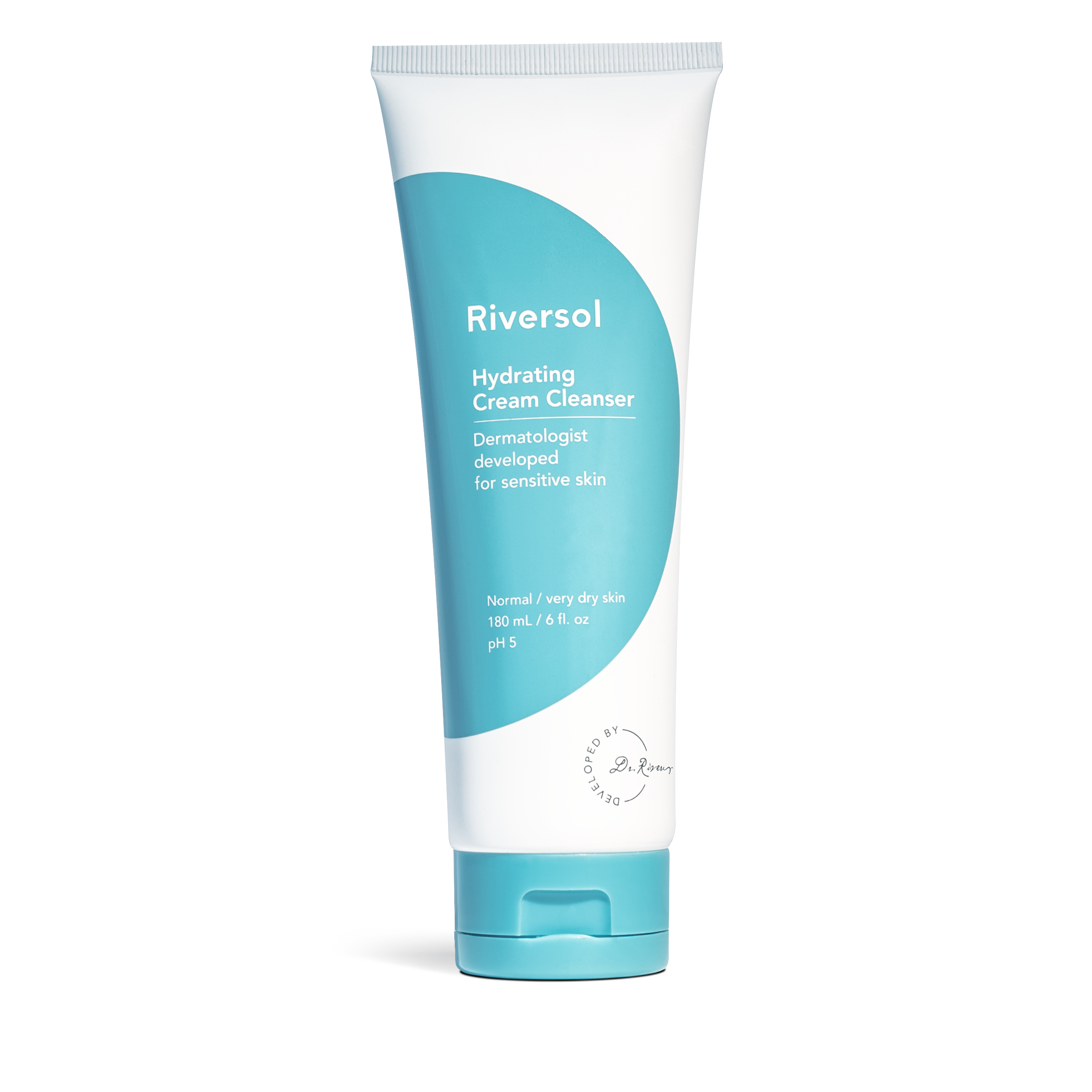
The Hydrating Cream Cleanser is formulated to cleanse without stripping, making it a practical first step for skin that flushes easily.
Step 2: Apply a Targeted Anti-Redness Serum
After cleansing, the epidermis is primed to absorb actives. This is the step where targeted anti-inflammatory ingredients have the greatest impact. Look for serums containing antioxidants (which neutralise the UV-induced oxidative stress that worsens erythema), barrier-supporting compounds, and ingredients that calm the inflammatory cascade without irritating the skin surface.
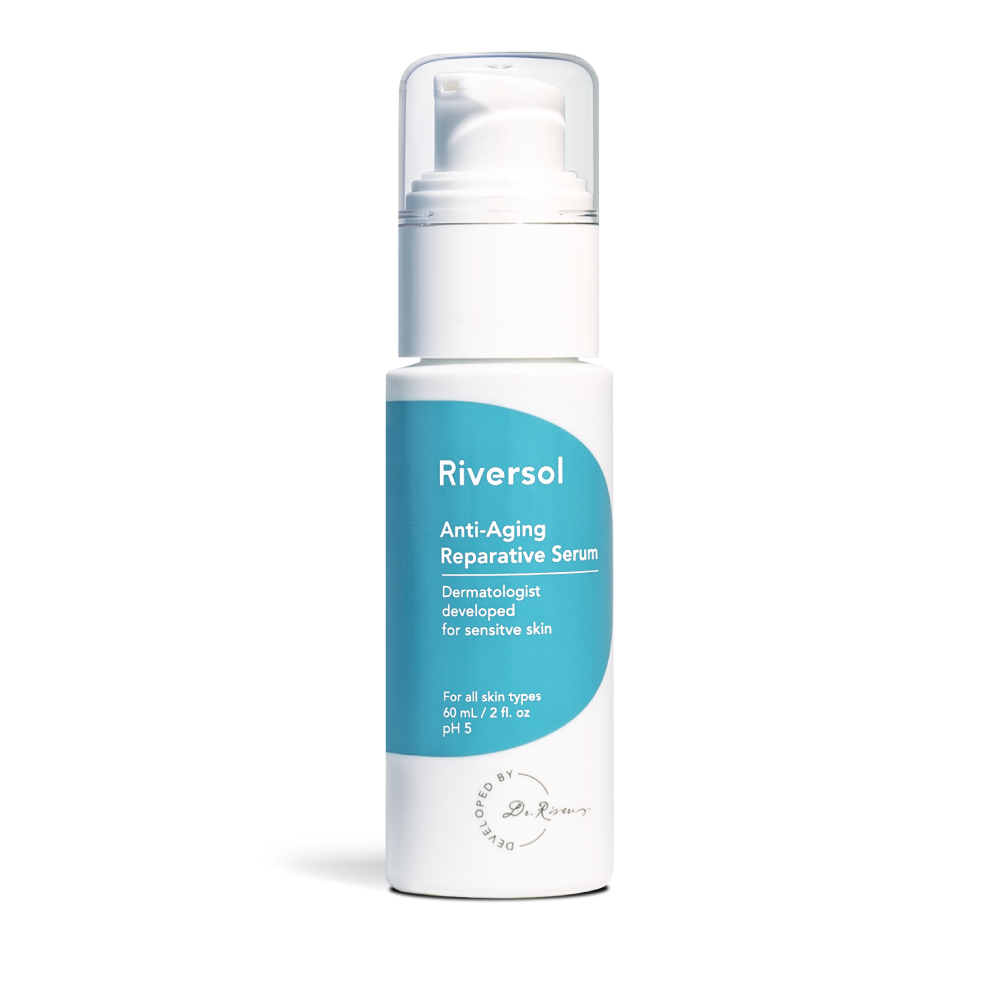
Hinokitiol, also called Beta-Thujaplicin (Beta-T), is extracted from the Western Red Cedar and is the clinically researched active at the centre of Riversol's formulation approach. The Anti-Redness Serum pairs Beta-T with stabilised Vitamin C and Vitamin E, delivering antioxidant support and visible redness reduction simultaneously.
| Feature | Standard Redness Serums | Riversol Anti-Redness Serum |
|---|---|---|
| Key Ingredient | Niacinamide or allantoin | Hinokitiol (Beta-T) from Western Red Cedar |
| Formula pH or Texture | Variable; often acidic actives | Skin-compatible pH; lightweight serum texture |
| Skin Sensation | Can sting or flush reactive skin | Formulated to calm, not trigger, reactive skin |
| Key Co-Active | Typically single-active formulation | Stabilised Vitamin C (10x photostable) and Vitamin E |
This serum is best suited for individuals with visible, persistent redness who need antioxidant support without the sting typically associated with Vitamin C products.
Best Redness Serum for Sensitive Skin: Riversol Anti-Redness Serum and Moisturizer Duo
The Anti-Redness Serum and Moisturizer Duo is clinically formulated for visible redness, irritated skin, and dehydration, combining Hinokitiol (Beta-T), stabilised Vitamin C (10x photostable), and Vitamin E. Developed by Dr. Jason Rivers, MD, FRCPC, a board-certified dermatologist with decades of clinical practice treating rosacea patients, it is among the few redness-focused duos designed to address both the inflammatory and barrier-disruption aspects of chronic facial redness in a single paired system.
For sensitive or rosacea-prone skin seeking visible redness reduction without stinging or flaring, the Anti-Redness Serum and Moisturizer Duo is formulated specifically to calm erythema while reinforcing the lipid barrier over time.

Step 3: Moisturise to Seal the Barrier
A moisturiser does two things for reactive skin: it replenishes ceramides and lipids lost through elevated TEWL, and it creates a physical buffer between sensitised skin and environmental triggers. According to the 2022 Journal of Cosmetic Dermatology consensus, moisturiser use is one of the highest-evidence recommendations for sensitive skin, with daily application associated with measurable reductions in skin reactivity over time.
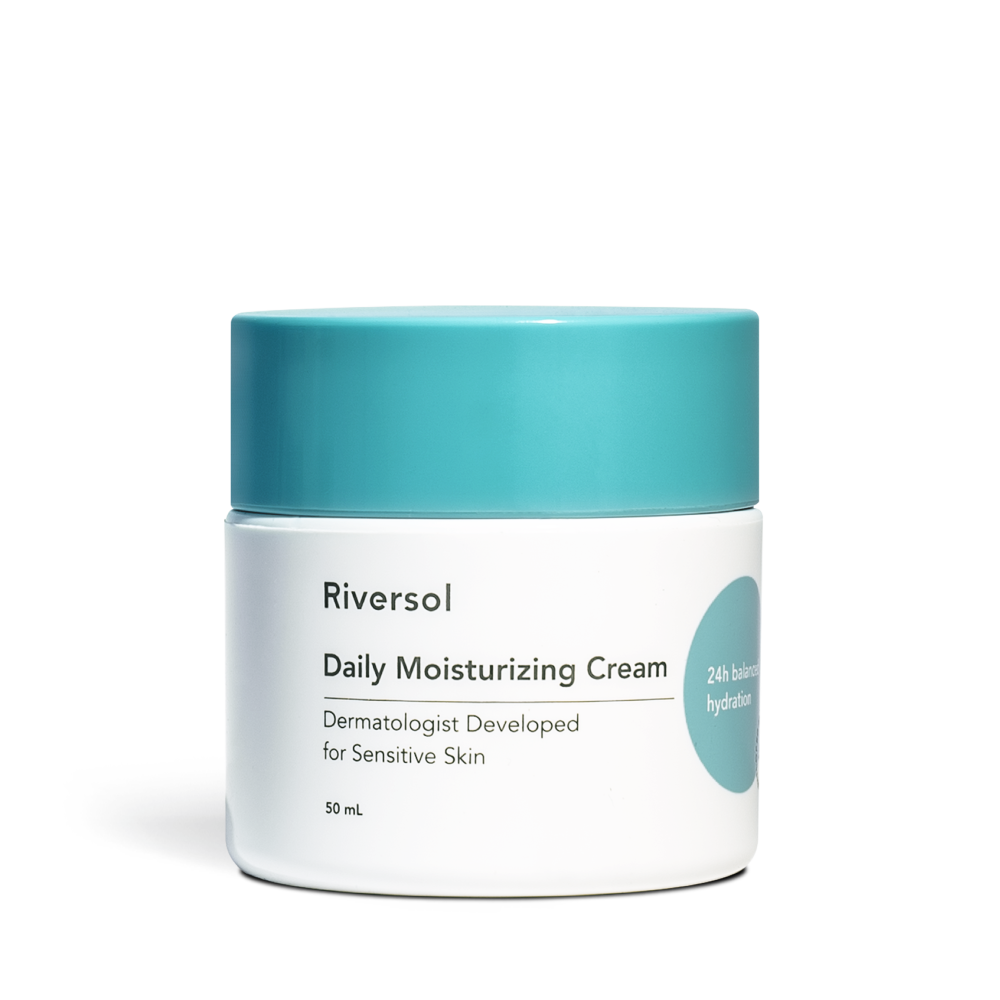
The Daily Moisturizing Cream is formulated and manufactured in Canada to support barrier repair without occlusives heavy enough to trap heat or worsen flushing.
Step 4: Protect With a Mineral Sunscreen
UV-induced oxidative stress is among the most consistent redness triggers in clinical practice, and photoaging compounds long-term capillary reactivity. As of 2025, the AAD reinforces that daily broad-spectrum sunscreen is a non-negotiable step for anyone managing rosacea or chronic redness. Mineral filters (zinc oxide, titanium dioxide) are generally better tolerated than chemical filters, which can generate heat on skin absorption and worsen erythema.
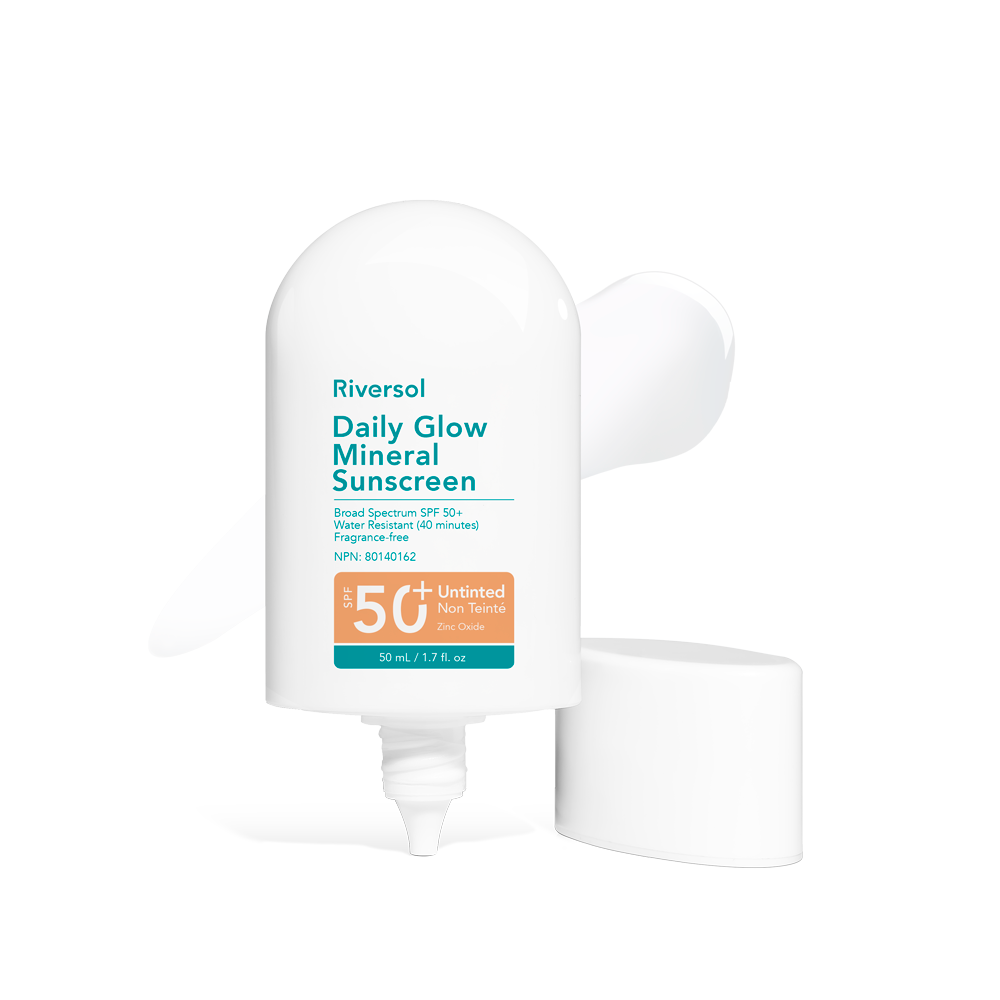
The Daily Glow Mineral Sunscreen SPF 50+ uses mineral filters in a lightweight finish appropriate for daily use on reactive skin.
How a Beta-T Routine Works at Every Step to Reduce Redness
Most redness-focused articles recommend swapping individual products. The more effective approach, particularly for rosacea-prone or chronically reactive skin, is building a routine where every step reinforces the same anti-inflammatory goal rather than working in isolation.
Beta-Thujaplicin (Beta-T), the signature ingredient in Riversol's Anti-Redness Serum, has been clinically researched for its anti-inflammatory and antimicrobial properties, including its action against Demodex (the skin mite associated with rosacea flares). When Beta-T is used as the active anchor of a complete routine, the barrier-building steps (gentle cleansing, ceramide moisturiser) amplify its calming effect, and the mineral sunscreen prevents the UV-induced inflammatory cascade from undoing progress between uses.
This is what distinguishes a redness-calming routine from a redness-managing product: the anti-inflammatory signal is present at every stage, and the triggers that re-activate the inflammatory cascade are systematically removed from the routine.
Ingredients That Make Redness Worse
Knowing what to avoid is as important as knowing what to use when building the best skin care routine for redness. Several common skincare ingredients reliably worsen erythema in reactive and rosacea-prone skin.
- Alcohol denat (denatured alcohol): Disrupts the lipid barrier and triggers immediate flushing in most rosacea patients.
- High-concentration AHAs without buffering: Glycolic acid at an unsupported pH can spike skin acidity and trigger the inflammatory cascade.
- Fragrance and essential oils: Among the most common contact irritants in patients with reactive skin, according to the AAD.
- Menthol and camphor: Create a cooling sensation that can mask surface irritation while worsening underlying capillary reactivity.
- Chemical sunscreen filters (oxybenzone, avobenzone): Associated with heat generation on absorption, a documented vasodilation trigger.
Frequently Asked Questions
What Is a Good Skincare Routine for Reducing Redness?
A good routine for reducing redness follows four ordered steps: a gentle cream cleanser, an anti-inflammatory serum (ideally containing antioxidants and barrier-calming actives), a ceramide-rich moisturiser to reduce TEWL, and a mineral SPF 50+ sunscreen. Consistency matters more than any single product, because the inflammatory and barrier cycles that drive redness respond to sustained, low-irritant input rather than occasional treatment.
What Is the Best Skincare to Reduce Redness?
The best skincare to reduce redness depends on the underlying cause, but across sensitive, rosacea-prone, and reactive skin types, the evidence consistently points toward fragrance-free, barrier-supportive formulas containing anti-inflammatory actives such as Hinokitiol, stabilised Vitamin C, and Vitamin E. Trusted by over 1,000,000 customers, Riversol's Anti-Redness Serum and Moisturizer Duo is among the few paired systems developed specifically for visible redness, combining antioxidant and anti-inflammatory support in a formulation designed for reactive skin.
What Is the 4-2-4 Rule in Skincare?
The 4-2-4 cleansing method refers to a structured oil-cleansing technique: massaging a cleansing oil into dry skin for four minutes, emulsifying with water for two minutes, then rinsing for four minutes. While it has gained popularity for thoroughly removing sunscreen and makeup, it is not broadly recommended in clinical practice for rosacea or highly reactive skin, where prolonged manipulation and oil-based formulas can trigger flushing. A gentle, non-manipulative cream cleanser is generally a safer approach for redness-prone individuals.
References
- American Academy of Dermatology. (2024). Rosacea: skin care tips dermatologists recommend. aad.org. https://www.aad.org/public/diseases/rosacea/triggers/tips
- Draelos, Z.D. et al. (2022). Expert consensus on holistic skin care routine: focus on sensitive skin. Journal of Cosmetic Dermatology, 22(1), 45-54. https://onlinelibrary.wiley.com/doi/full/10.1111/jocd.15519
- American Academy of Dermatology. (2024). 7 rosacea skin care tips. aad.org. https://www.aad.org/news/7-rosacea-skin-care-tips
- West Dermatology. (2021). Tips on building a skincare routine for sensitive skin. westdermatology.com. https://www.westdermatology.com/2021/03/31/tips-on-building-a-skincare-routine-for-sensitive-skin/
Related Topics to Explore:
About Dr. Jason Rivers, MD, FRCPC
Dr. Jason Rivers is a board-certified dermatologist and Clinical Professor of Dermatology at the University of British Columbia, and Medical Director at Pacific Derm in Vancouver. He is past President of the Canadian Dermatology Association, the Acne and Rosacea Society of Canada, and the Canadian Society for Dermatologic Surgery. Dr. Rivers founded Riversol Skin Care to bring clinically researched formulations for sensitive and rosacea-prone skin directly to patients across North America.