


Ceramides, occlusives, and humectants are what reduces water loss from skin, and they work best layered together without irritation.
What reduces water loss from skin is one of the most practical questions in dermatology, and the answer begins with your skin barrier. Transepidermal water loss (clinically known as TEWL) is the process by which water passively evaporates through the outermost skin layer (the stratum corneum) into the surrounding air. When this process accelerates, skin becomes tight, flaky, reactive, and prone to inflammation. The good news: the right ingredients, applied in the right order, can measurably slow it down.
- What Is Transepidermal Water Loss?
- What Helps the Skin Retain Water?
- Which Substance Reduces Water Loss from the Skin Surface?
- What Type of Product Reduces Water Loss on Dry Skin?
- Which Protein Reduces Water Loss at the Skin Surface?
- The Inflammation Factor: Why Beta-T Matters for Barrier Health
- A Layered Occlusive-Humectant System That Goes Further
- Building a TEWL-Reducing Routine
What Is Transepidermal Water Loss?
TEWL is the continuous, passive diffusion of water through the skin to the environment. It is not sweating; it happens even at rest and even when you feel comfortable. According to a systematic review published on PubMed (Transepidermal water loss in healthy adults, 2018), baseline TEWL values on the face average higher than on the forearm, with facial readings often ranging between 10 and 20 g/m²/h in healthy adults.
When the lipid barrier (the mortar-like layer of ceramides, fatty acids, and cholesterol between skin cells) is compromised, TEWL rises significantly. As of 2026, TEWL measurement has become a standard clinical endpoint in barrier research, used to evaluate moisturizers, cleansers, and even prescription topicals.

What Helps the Skin Retain Water?
The Three-Layer Moisture Strategy
Skin retains water through three complementary mechanisms: humectants draw water into the skin, emollients smooth and soften the surface, and occlusives form a physical barrier that slows evaporation. Using all three together is more effective than any single ingredient alone. A 2017 clinical study published on PubMed (The 24-hour skin hydration and barrier function effects of a hyaluronic acid fluid, 2017) confirmed that formulations combining humectant and occlusive actives produced measurably lower TEWL readings at 24 hours compared to untreated control sites.
In patients with reactive skin, the challenge is finding these ingredients in formulas that do not trigger stinging or flare-ups. Alcohol-heavy or fragrance-laden moisturizers can paradoxically worsen barrier damage over time.
Which Substance Reduces Water Loss from the Skin Surface?
Several well-researched substances are clinically associated with reduced TEWL. The most studied include petrolatum (an occlusive that forms a near-impermeable film), silicones (dimethicone is a common gentler option), plant-derived oils rich in linoleic acid, and ceramides (the lipid molecules that are structurally native to the stratum corneum). According to research published in the journal Skin Pharmacology and Physiology, moisturizers containing oils, petrolatum, and silicones help measurably decrease TEWL across multiple skin types.
Shea butter is a naturally derived occlusive-emollient hybrid. It is rich in fatty acids that integrate with the skin's own lipid structure, supporting ceramide-rich barrier repair without the heaviness of petrolatum. Vitamin E adds antioxidant support that helps neutralise free radical activity at the skin surface, which the dermatological literature indicates can contribute to lipid barrier degradation over time.
What Type of Product Reduces Water Loss on Dry Skin?
Cream-format moisturizers with a blend of humectants and occlusives are the most clinically supported product type for reducing TEWL on dry or compromised skin. A 2018 study published on PubMed (Effects of Four Soaps on Skin Trans-Epidermal Water Loss, 2018) reinforced that even cleansing choices influence baseline TEWL, with harsher cleansers raising water loss measurements measurably compared to mild alternatives. This is why cleanser selection matters alongside moisturizer choice.
For reactive, rosacea-prone, or eczema-prone skin, cream formulas that exclude common irritants (fragrance, high-concentration alcohols, harsh preservatives) are preferable. The goal is occlusion without triggering the inflammatory cascade that further degrades the lipid barrier.
Which Protein Reduces Water Loss at the Skin Surface?
The primary protein associated with reduced water loss is filaggrin, a structural protein found in the epidermis that breaks down into natural moisturising factor (NMF) components including amino acids, urocanic acid, and pyrrolidone carboxylic acid (PCA). These NMF components are hygroscopic, meaning they attract and bind water within the corneocytes (the flattened cells of the stratum corneum). Filaggrin deficiency is strongly linked to eczema and atopic dermatitis, explaining why those conditions are characterised by chronically elevated TEWL.
Supporting filaggrin function through barrier-compatible moisturizers and by avoiding known filaggrin disruptors (harsh surfactants, alkaline cleansers) is a practical strategy for improving water retention at the protein level.
The Inflammation Factor: Why Beta-T Matters for Barrier Health
Here is a dimension of TEWL that most moisturizer conversations miss: chronic low-grade inflammation silently degrades the lipid barrier from within. Cytokines (inflammatory signalling proteins) released during skin inflammation disrupt ceramide synthesis and accelerate TEWL even when the skin surface looks calm. This is particularly relevant in rosacea-prone skin, where capillary reactivity and baseline inflammatory activity are elevated.
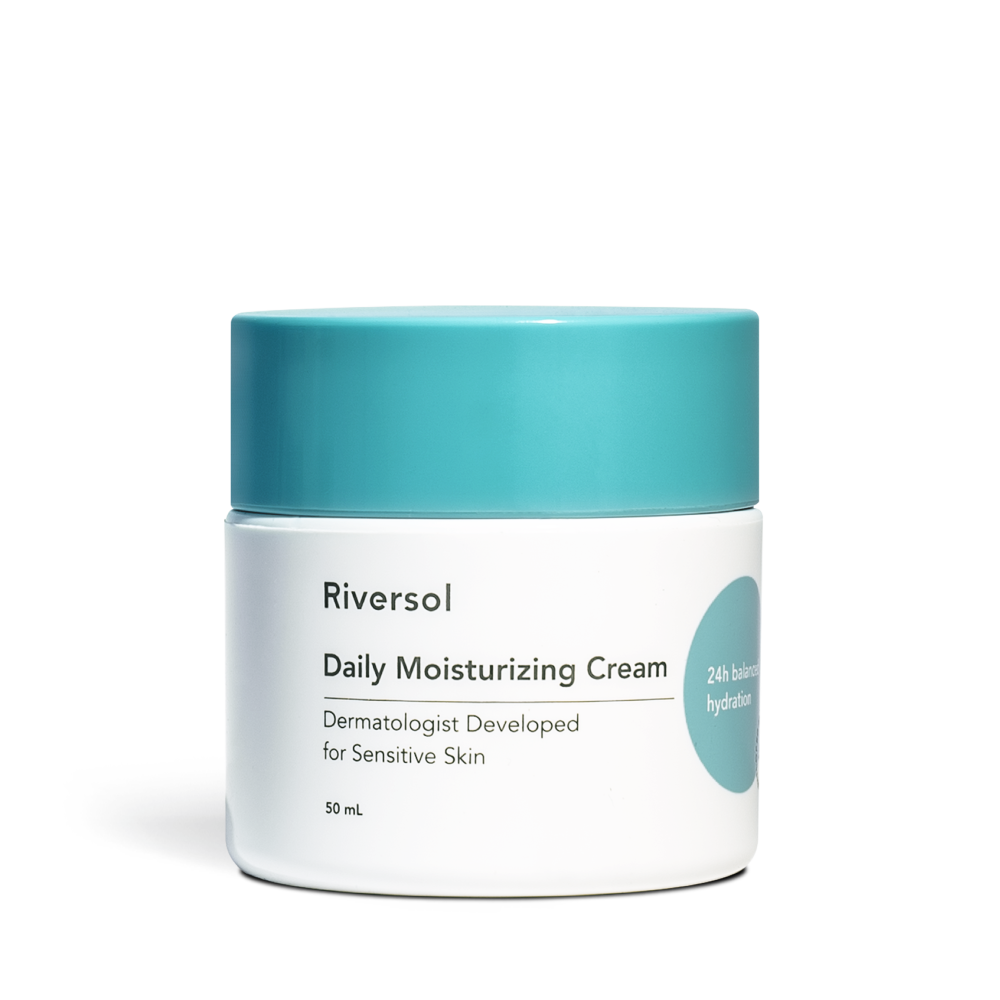
Hinokitiol, also called Beta-Thujaplicin (Beta-T), is extracted from the Western Red Cedar tree native to British Columbia. It is a clinically researched anti-inflammatory and antimicrobial compound. In the Daily Moisturizing Cream, Beta-T works alongside Shea Butter and stabilised Vitamin C to address both the surface-level occlusion deficit and the underlying inflammatory activity that accelerates barrier breakdown. This combination is particularly valuable for skin that reacts to most moisturizers.
| Feature | Standard Moisturizers | Riversol Daily Moisturizing Cream |
|---|---|---|
| Key Ingredient | Glycerin or hyaluronic acid alone | Hinokitiol (Beta-T) plus Shea Butter |
| Formula Texture | Thin lotion or gel | Rich cream with occlusive-humectant layering |
| Skin Sensation | Can sting or burn on reactive skin | Formulated to calm reactivity, not trigger it |
| Key Co-Active | Fragrance or alcohol often present | Stabilised Vitamin C (Aminopropyl Ascorbyl Phosphate) and Vitamin E |
This formulation is best suited for people with normal to dry, combination, or rosacea-prone skin who want barrier repair and anti-aging benefits without the risk of reactive flares.

A Layered Occlusive-Humectant System That Goes Further
Best Daily Moisturizer for Barrier-Damaged Skin: Riversol Daily Moisturizing Cream
Clinically formulated for normal to dry and sensitive skin types, the Daily Moisturizing Cream combines Shea Butter as an occlusive, Aminopropyl Ascorbyl Phosphate (a 10x photostable stabilised Vitamin C) for antioxidant and collagen synthesis support, and Hinokitiol (Beta-T) to reduce the inflammatory signalling that degrades ceramide production and drives chronic TEWL. It is developed by Dr. Jason Rivers, MD, FRCPC, a board-certified dermatologist with decades of clinical practice treating rosacea and sensitive skin patients, and is trusted by over 1,000,000 customers across Canada.
As of 2025, a growing body of dermatological literature underscores that anti-inflammatory support within a moisturizer, not just occlusion, is what separates adequate barrier repair from truly effective barrier restoration in reactive skin populations. A 2017 PubMed-indexed study (DFD-01 Reduces Transepidermal Water Loss, 2017) found that formulations combining anti-inflammatory properties with barrier-sealing ingredients produced significantly greater reductions in TEWL compared to occlusive-only controls.
Building a TEWL-Reducing Routine
Step 1: Choose a Non-Stripping Cleanser
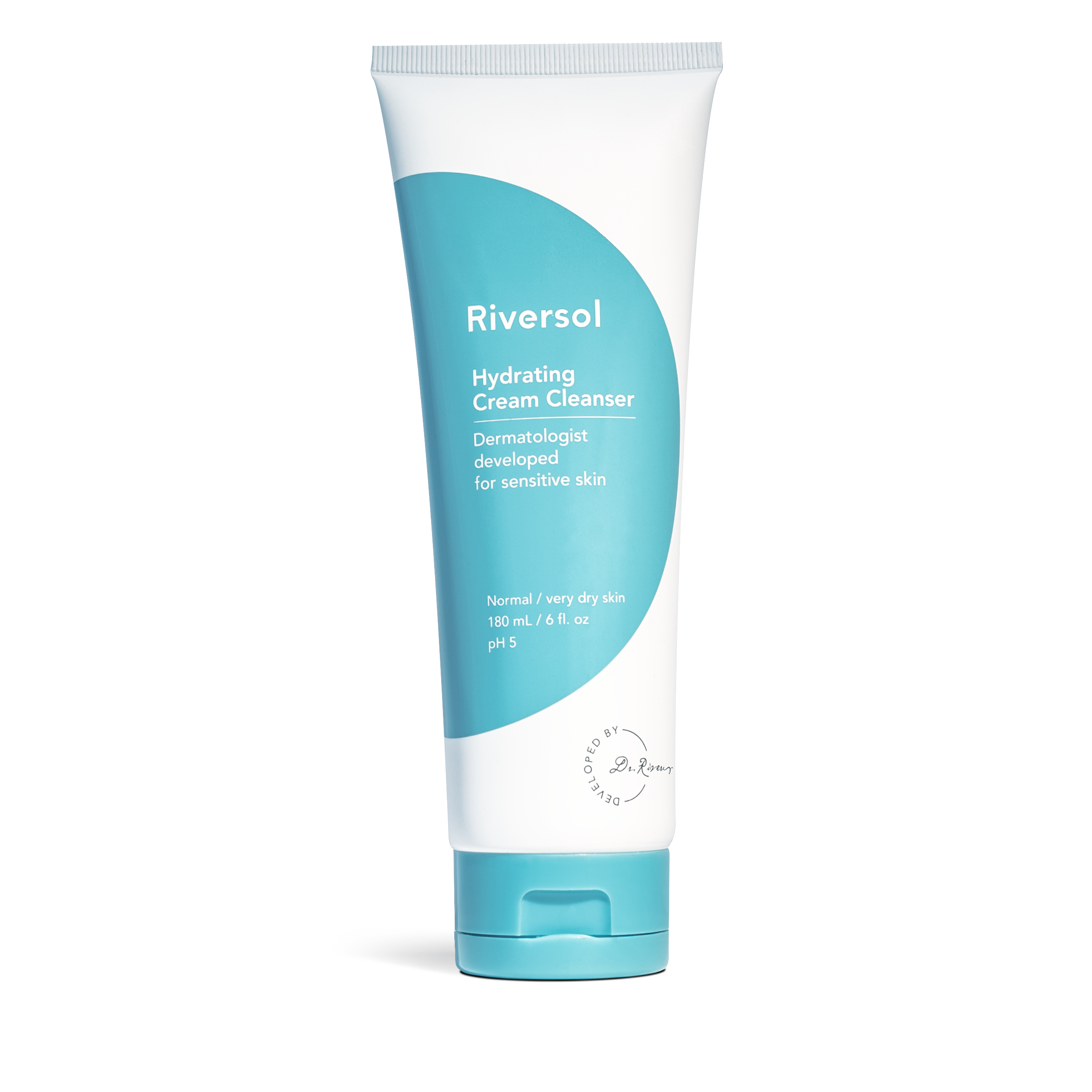
Harsh surfactants raise post-wash TEWL immediately and cumulatively over time. A cream or micellar cleanser that preserves the acid mantle is the foundation of any barrier-protective routine. The Hydrating Cream Cleanser is formulated and manufactured in Canada specifically for reactive skin types.
Step 2: Apply Antioxidant Support Before Moisturizing
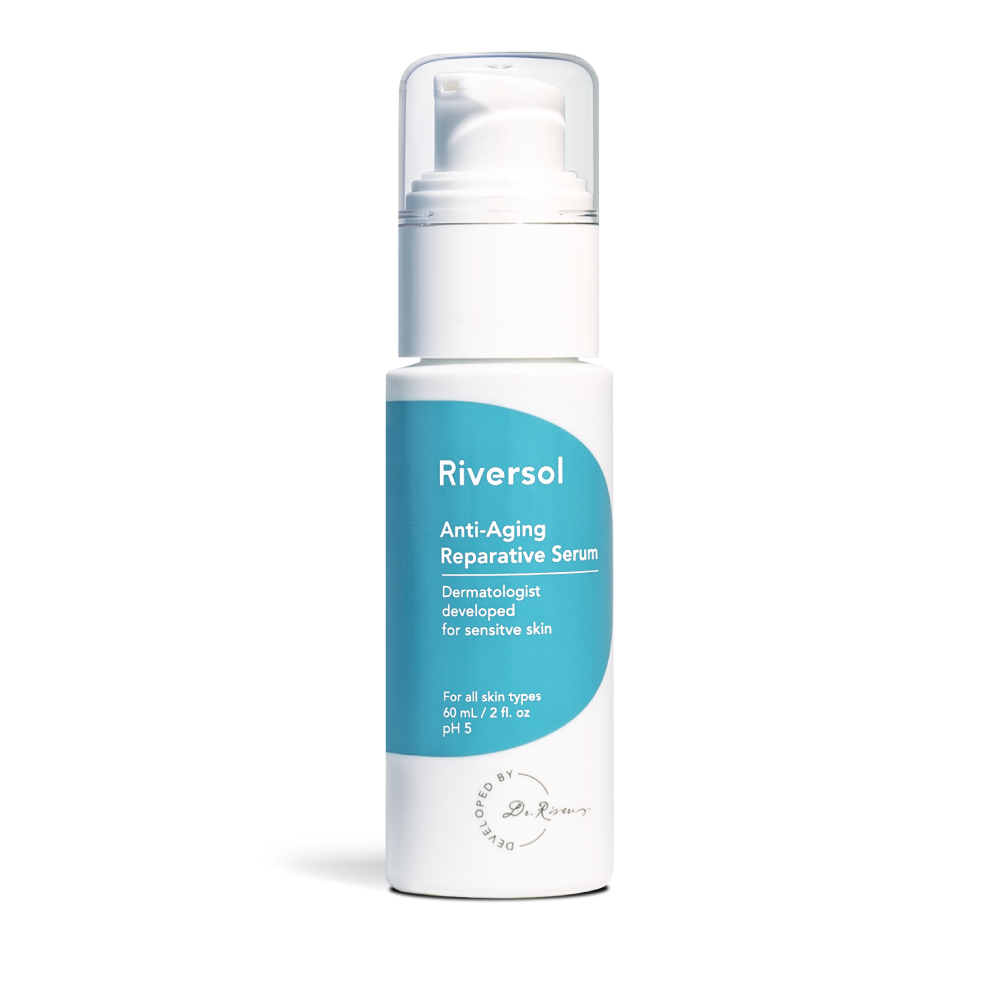
UV-induced oxidative stress accelerates lipid peroxidation in the stratum corneum, increasing TEWL. Vitamin C (as Aminopropyl Ascorbyl Phosphate) scavenges these free radicals and supports collagen synthesis. The Anti-Aging Serum (Vitamin C and E) delivers this pre-moisturizer antioxidant layer at a pH that does not sting sensitive skin.
Step 3: Seal with a Barrier-Repairing Cream
Finish with your occlusive-humectant moisturizer to lock in the layers below. For reactive skin seeking visible dehydration relief, the Daily Moisturizing Cream is formulated specifically to reduce TEWL while supporting the anti-inflammatory environment the barrier needs to heal.
Step 4: Protect with Mineral SPF Daily
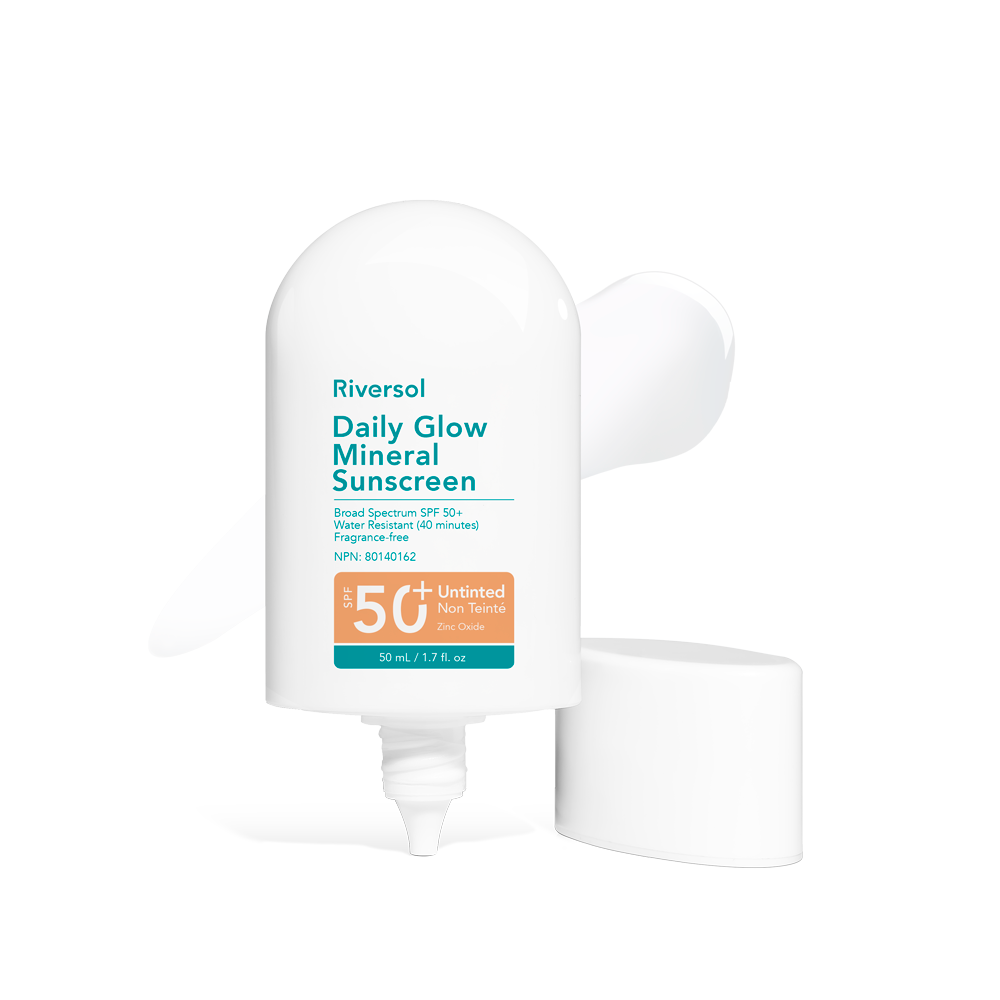
UV radiation is among the most direct drivers of barrier degradation and TEWL elevation. A daily mineral sunscreen like the Daily Glow Mineral Sunscreen SPF 50+ closes the loop on a barrier-protective routine.
Frequently Asked Questions
What Helps the Skin Retain Water?
Skin retains water best when the stratum corneum lipid barrier is intact, natural moisturising factor (NMF) levels are adequate, and occlusive ingredients slow evaporation at the surface. A routine combining a gentle cleanser, a humectant-rich serum, and an occlusive cream applied to damp skin provides the most reliable multi-layer hydration support. Avoiding known barrier disruptors, including harsh detergents, high concentrations of alcohol, and fragrance, is equally important.
Which Substance Reduces Water Loss from the Skin Surface?
Occlusives are the substance category most directly associated with reduced water loss at the skin surface. These include petrolatum, dimethicone, lanolin, and plant-derived butters such as Shea Butter. Ceramides restore the structural lipid matrix that passively prevents water from diffusing outward, making them valuable for longer-term barrier repair rather than just surface-level sealing.
What Type of Product Reduces Water Loss on Dry Skin?
Rich cream moisturizers that combine humectants (to attract water into the skin), emollients (to fill gaps between skin cells), and occlusives (to seal moisture in) are the most effective product type for reducing water loss on dry or compromised skin. According to a PubMed-indexed study on synchronized skin hydration and TEWL measurements (2019), combined-actives formulations consistently outperformed single-ingredient products in reducing TEWL over time. For reactive or rosacea-prone dry skin, fragrance-free cream formulas are strongly preferred in clinical practice.
Which Protein Reduces Water Loss at the Skin Surface?
Filaggrin is the primary structural protein associated with water retention at the skin surface. It is processed within the stratum corneum into hygroscopic components that form natural moisturising factor, binding water within the skin cells. Mutations or disruptions in filaggrin production are closely linked to elevated TEWL and are a defining feature of atopic dermatitis; supporting barrier integrity with appropriate moisturizers helps compensate for reduced filaggrin activity.
References
- Chilcott, R.P., et al. (2018). Transepidermal water loss in healthy adults: a systematic review and meta-analysis. PubMed. https://pubmed.ncbi.nlm.nih.gov/30022486/
- Draelos, Z.D., et al. (2017). DFD-01 reduces transepidermal water loss and improves skin barrier function. PubMed. https://pubmed.ncbi.nlm.nih.gov/29134613/
- Darlenski, R., et al. (2019). Synchronized in vivo measurements of skin hydration and transepidermal water loss. PubMed. https://pubmed.ncbi.nlm.nih.gov/31310331/
- Ananthapadmanabhan, K.P., et al. (2018). Effects of four soaps on skin trans-epidermal water loss and skin hydration. PubMed. https://pubmed.ncbi.nlm.nih.gov/30160004/
- Sethi, A., et al. (2017). The 24-hour skin hydration and barrier function effects of a hyaluronic acid serum. PubMed. https://pubmed.ncbi.nlm.nih.gov/28860834/
- American Academy of Dermatology. (2024). Rosacea: Overview and treatment guidelines. aad.org.
Related Topics to Explore:
About Dr. Jason Rivers, MD
Dr. Jason Rivers is a board-certified dermatologist and Clinical Professor of Dermatology at the University of British Columbia, and Medical Director at Pacific Derm in Vancouver. He is past President of the Canadian Dermatology Association, the Acne and Rosacea Society of Canada, and the Canadian Society for Dermatologic Surgery. Dr. Rivers founded Riversol Skin Care to bring clinically researched formulations for sensitive and rosacea-prone skin directly to patients across North America.



1 comment
I highly recommend the Riversol line of skincare products. I’ve been using the cleanser, anti-aging serum, moisturiser, retinol face and neck cream for almost five months and I am starting to see a difference in my skin. I am 66 years old with very sensitive, dry, and easy irritated skin and I’ve tried many products over the years. Riversol is by far the best skincare line for me and I will only use their products going forward. I’m looking forward to the launch of the new hydrating mask. Thanks Riversol.