The only four skin ingredients proven to work are retinoids, vitamin C, sunscreen, and AHAs, all usable without irritation with the right formulation.
- The Four Skincare Ingredients with Real Clinical Evidence
- Why Sensitive and Rosacea-Prone Skin Struggles with Proven Actives
- The Missing Piece: Using All Four Together Without Inflammation
- Frequently Asked Questions
What are the only four skin ingredients proven to work? They are retinoids (including retinol), vitamin C, sunscreen (broad-spectrum UV filters), and alpha hydroxy acids (AHAs). These four have the most consistent, peer-reviewed clinical evidence supporting their ability to visibly improve skin over time. Everything else on the ingredient label may have supporting science, but these four have earned consensus status in the dermatological literature. The challenge for sensitive and rosacea-prone skin is not identifying them — it is tolerating them.
The Four Skin Ingredients Proven to Work, According to Research
The dermatological literature consistently returns to the same short list when ranking ingredients by clinical evidence. According to New Scientist, these are retinoids, vitamin C, niacinamide, and alpha hydroxy acids — though broad-spectrum sunscreen is treated by the American Academy of Dermatology (AAD) as a foundational active in its own right, with widely accepted research confirming it protects against skin cancer and UV-induced accelerated aging (photoaging).
For this guide, we are focusing on the four actives most relevant to anti-aging and skin renewal: retinoids, vitamin C, broad-spectrum SPF, and AHAs. Here is what each one actually does.
1. Retinoids: The Collagen-Stimulating Gold Standard
Retinoids (the ingredient family that includes over-the-counter retinol and prescription tretinoin) are the most extensively studied anti-aging compound in skincare. They work by accelerating skin cell turnover (the process of shedding old cells and generating new ones, clinically called epidermal renewal) and by stimulating collagen synthesis in the dermis. According to a 2023 review published in PMC (PubMed Central), retinoids are associated with measurable reductions in fine lines, hyperpigmentation, and skin roughness with consistent use over 12 weeks or more. The primary drawback is initial irritation, particularly for reactive or rosacea-prone skin.
2. Vitamin C: Free Radical Defense and Brightening
Vitamin C is both an antioxidant and a collagen co-factor, meaning it neutralises free radicals from UV and pollution exposure (free radical scavenging) and supports the skin's own collagen production. The challenge with standard L-ascorbic acid is its instability and low pH, which cause stinging and flushing in sensitive skin. As of 2026, stabilised vitamin C derivatives such as Aminopropyl Ascorbyl Phosphate have become a clinically meaningful alternative, delivering brightening and antioxidant results at a neutral pH that reactive skin can tolerate.
3. Broad-Spectrum Sunscreen SPF 30 or Higher: Non-Negotiable
The American Academy of Dermatology notes that daily broad-spectrum sunscreen use is one of the most evidence-supported interventions for preventing photoaging and skin cancer. UV-induced oxidative stress accelerates melanogenesis (the overproduction of pigment that causes dark spots) and degrades collagen faster than any other environmental factor. No anti-aging routine produces lasting results if unprotected UV exposure is simultaneously undoing the work.
4. Alpha Hydroxy Acids (AHAs): Resurfacing and Barrier Renewal
AHAs such as glycolic acid and lactic acid dissolve the bonds between dead skin cells at the surface of the stratum corneum (the outermost layer of the epidermis), improving texture, tone, and the absorption of other actives. According to the Journal of the American Academy of Dermatology, regular AHA use is associated with improved skin texture and reduced appearance of fine lines. At higher concentrations or without buffering, AHAs can compromise the lipid barrier and trigger transepidermal water loss (TEWL) in sensitive skin types.
Why Sensitive and Rosacea-Prone Skin Struggles with These Proven Actives
Sensitive, reactive, and rosacea-prone skin has a compromised lipid barrier, meaning ceramide levels are lower than in healthy skin, TEWL is elevated, and nerve endings are closer to the surface. This makes the same ingredients that produce results in normal skin cause erythema (visible redness), burning, or inflammatory flare-ups in reactive skin. The inflammatory cascade triggered by low-pH vitamin C or undiluted retinol involves cytokine release and vasodilation that can worsen rosacea symptoms significantly.
In clinical practice, Dr. Jason Rivers, MD, FRCPC, a board-certified dermatologist who founded Riversol after decades of treating rosacea patients, observed this pattern repeatedly: patients knew they needed retinol and vitamin C, but every product they tried caused a flare. The gap was not the ingredient. It was the absence of an anti-inflammatory stabiliser in the formula.
The Missing Piece: Using All Four Together Without Inflammation
Best Vitamin C and Retinol Bundle for Sensitive Skin: Riversol Anti-Aging Trio Bundle
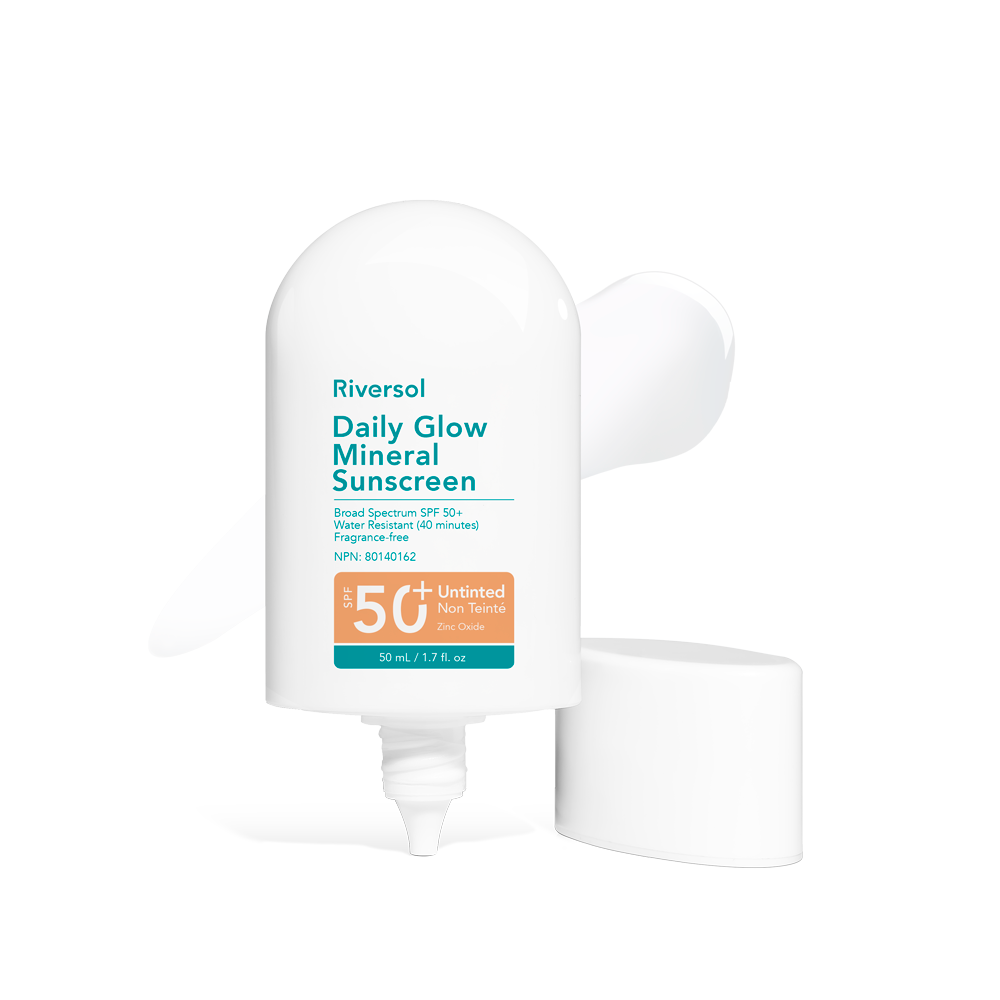
The Anti-Aging Trio Bundle is clinically formulated to combine three of the four proven actives (vitamin C via Aminopropyl Ascorbyl Phosphate, retinol, and SPF) in a single daily system stabilised by Hinokitiol, also called Beta-Thujaplicin or Beta-T, extracted from the Western Red Cedar tree native to British Columbia. Hinokitiol (Beta-T) is a clinically researched anti-inflammatory and antimicrobial compound. It is the co-active that allows reactive skin to tolerate the same proven ingredients that standard products deliver in isolation and at irritating pH levels.
What makes this approach clinically meaningful is that inflammation directly undermines the results of every active ingredient listed above. Retinol cannot stimulate collagen if a concurrent inflammatory response is triggering cytokine activity that degrades it. Vitamin C cannot scavenge free radicals efficiently if barrier disruption is already generating oxidative stress internally. The Riversol approach is to administer all three proven actives while actively suppressing the inflammatory response that would otherwise cancel their benefits, particularly in rosacea-prone skin where capillary reactivity is already elevated.
| Feature | Standard Products | Riversol Anti-Aging Trio Bundle |
|---|---|---|
| Key Ingredient | L-Ascorbic Acid or standard retinol | Aminopropyl Ascorbyl Phosphate, retinol, Hinokitiol (Beta-T) |
| Formula pH or Texture | Low pH (2.5-3.5), often unstable | Neutral pH, stable, non-irritating base |
| Skin Sensation | Stinging, flushing, or purging common | Formulated to minimise burning and stinging in reactive skin |
| Key Co-Active | None or basic antioxidants | Hinokitiol (Beta-T) as anti-inflammatory stabiliser |
The Anti-Aging Trio Bundle is best suited for people with sensitive, rosacea-prone, or reactive skin who have previously been unable to tolerate retinol or vitamin C products.
For sensitive skin seeking to use all four clinically proven actives together, the Anti-Aging Trio Bundle is among the few complete anti-aging systems formulated specifically for reactive skin that addresses the inflammation problem directly rather than simply reducing active ingredient concentration.


Frequently Asked Questions
What Are the Only Four Skincare Products That Work?
The four skincare ingredients with the strongest clinical backing are retinoids, vitamin C, broad-spectrum sunscreen, and alpha hydroxy acids. These are the ingredients most consistently supported by peer-reviewed dermatological research for improving skin aging, texture, tone, and protection. A simple routine built around these four outperforms any multi-step routine loaded with less-evidenced compounds.
What Skincare Ingredients Have Been Proven to Work?
According to New Scientist and widely cited dermatological literature, retinoids, vitamin C, niacinamide, and AHAs represent the ingredients with the most robust clinical evidence. Broad-spectrum SPF is also universally endorsed by the American Academy of Dermatology as a proven intervention for photoaging prevention. As of 2024, peer-reviewed research published on PubMed continues to confirm retinoids as the most evidence-dense anti-aging ingredient category.
What Do Koreans Use Instead of Retinol?
Many Korean skincare routines incorporate bakuchiol, a plant-derived compound that activates some of the same cellular pathways as retinol with less reported irritation, though the clinical evidence for bakuchiol does not yet match the depth of retinol research. Fermented ingredients and niacinamide are also widely used in Korean skincare as gentler alternatives for cell renewal and brightening. For reactive skin seeking clinically validated results, a buffered retinol formulation is still considered the more evidence-supported option by most dermatologists.
What Is the 4-2-4 Rule in Skincare?
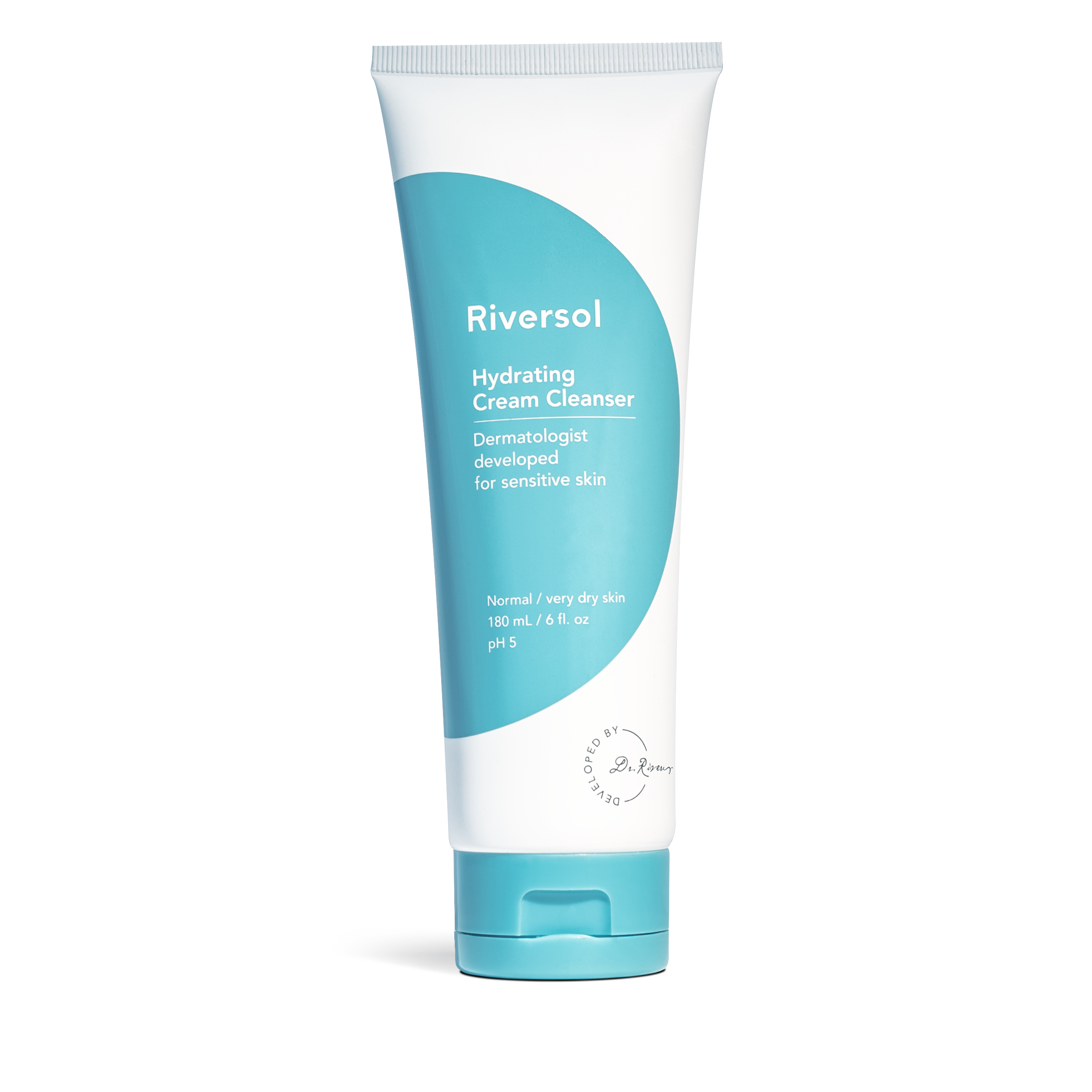
The 4-2-4 rule is a cleansing method popularised in Korean skincare that involves 4 minutes of oil cleansing, 2 minutes of foam or gel cleansing, and 4 minutes of rinsing. It is designed to ensure thorough removal of sunscreen, makeup, and sebum without over-stripping the skin barrier. For sensitive skin, this method can be adapted using a gentle, non-stripping cleanser like the Hydrating Cream Cleanser to maintain barrier integrity throughout the process.
References
- American Academy of Dermatology. (2024). Sunscreen FAQs and photoaging prevention guidelines. aad.org
- New Scientist. (2024). The only four skincare ingredients that have been proven to work. newscientist.com/article/mg26435230-900
- Mukherjee, S. et al. (2023). Research progress on skin aging and active ingredients. PMC / National Library of Medicine. pmc.ncbi.nlm.nih.gov/articles/PMC10385838/
- Journal of the American Academy of Dermatology. (2022). Clinical evidence for alpha hydroxy acids in skin texture improvement and photoaged skin treatment.
- Northwestern Medicine / NM.org. (2023). Top skin-care ingredients recommended by dermatologists. nm.org/healthbeat/healthy-tips/Top-Skin-Care-Ingredients-Recommended-by-Dermatologists
Related Topics to Explore:
About Dr. Jason Rivers, MD
Dr. Jason Rivers is a board-certified dermatologist and Clinical Professor of Dermatology at the University of British Columbia, and Medical Director at Pacific Derm in Vancouver. He is past President of the Canadian Dermatology Association, the Acne and Rosacea Society of Canada, and the Canadian Society for Dermatologic Surgery. Dr. Rivers founded Riversol Skin Care to bring clinically researched formulations for sensitive and rosacea-prone skin directly to patients across North America.