Summary
Hyperpigmentation refers to areas of skin that produce excess melanin, resulting in patches darker than the surrounding tissue. If you have hyperpigmentation, understanding what worsens hyperpigmentation is essential to preventing new dark spots and treating existing ones without triggering further discoloration.
Discover what worsens hyperpigmentation and how to treat dark spots without irritation using clinically researched anti-inflammatory ingredients.
- What Is Hyperpigmentation?
- What Worsens Hyperpigmentation? The Primary Triggers
- Why Inflammation Is the Hidden Driver
- How Harsh Actives Can Backfire
- Best Vitamin C Serum for Hyperpigmentation-Prone Skin: Riversol Anti-Aging Serum
- Daily Routine to Prevent Worsening Hyperpigmentation
- Frequently Asked Questions
What Is Hyperpigmentation?
Hyperpigmentation is a condition in which localized areas of skin overproduce melanin, creating brown, gray, or dark patches. Common types include melasma (hormonal darkening), post-inflammatory hyperpigmentation (PIH), and sun-induced lentigines (age spots). According to the American Academy of Dermatology, hyperpigmentation affects individuals of all skin tones, but it is more persistent and visible in Fitzpatrick skin types III through VI. The visible darkening occurs when melanocytes, the pigment-producing cells in the epidermis, become overactive. This overproduction can be triggered by ultraviolet radiation, hormonal fluctuations, physical trauma, or inflammatory cascades within the skin.What Worsens Hyperpigmentation? The Primary Triggers
Understanding what worsens hyperpigmentation allows you to adjust your routine and avoid the most damaging habits. The following factors are well-documented in dermatological literature as accelerating or intensifying melanin overproduction.Unprotected Sun Exposure
Ultraviolet radiation is the single most significant environmental trigger for worsening hyperpigmentation. UV light activates melanocytes directly and generates free radicals that stimulate inflammatory pathways. According to a 2024 study published in the Journal of the American Academy of Dermatology, even incidental sun exposure (such as through windows or on cloudy days) can reactivate dormant pigment in previously treated areas. Daily broad-spectrum sunscreen with SPF 30 or higher is non-negotiable. Mineral formulas containing zinc oxide or titanium dioxide provide physical UV blockade without chemical filters that may irritate reactive skin.
Inflammation and Skin Trauma
Any injury to the skin (breakouts, eczema flares, rosacea episodes, aggressive exfoliation, or picking) can trigger post-inflammatory hyperpigmentation. When the skin sustains damage, immune cells release cytokines that signal melanocytes to produce excess pigment as part of the healing response. This explains why individuals with chronic inflammatory conditions like rosacea or atopic dermatitis often struggle with persistent dark spots. Minimizing inflammation is therefore as important as sun protection. Ingredients that calm inflammatory pathways, such as Beta-Thujaplicin (also called Hinokitiol), help interrupt the signals that lead to PIH formation.Hormonal Fluctuations
Estrogen and progesterone influence melanocyte activity. Pregnancy, oral contraceptives, and hormone replacement therapy are all associated with melasma, a symmetric darkening pattern often seen on the cheeks, forehead, and upper lip. According to the Skin of Color Society, melasma is notoriously difficult to treat and highly prone to recurrence when the triggering hormone exposure continues.Harsh or Irritating Skincare Ingredients
Products intended to treat hyperpigmentation can paradoxically worsen it if they cause irritation. High-strength retinoids, glycolic acid peels, and unstabilized Vitamin C formulations can all provoke erythema (redness), dryness, or peeling that leads to rebound pigmentation, especially in sensitive or reactive skin types.
PRO TIP: If a brightening product causes stinging, burning, or visible redness, discontinue use immediately. The inflammation itself can trigger new dark spots.
Why Inflammation Is the Hidden Driver
Inflammation is not just a secondary consequence of hyperpigmentation. It is a primary driver of melanogenesis (melanin production). When skin becomes inflamed, keratinocytes and fibroblasts release signaling molecules that activate melanocytes. This inflammatory cascade explains why individuals with rosacea, acne, or eczema often see dark spots appear weeks after the visible redness has resolved. As of 2026, dermatologists increasingly recognize that controlling inflammation early in the skin barrier is more effective than attempting to bleach pigment after it has already formed. Beta-Thujaplicin, a naturally occurring compound with documented anti-inflammatory and antimicrobial properties, has been shown in clinical studies to calm cytokine release and reduce erythema without suppressing skin barrier function. Developed by Dr. Jason Rivers, MD, FRCPC, a board-certified dermatologist and Clinical Professor of Dermatology at the University of British Columbia, Riversol formulations incorporate Beta-Thujaplicin to allow reactive skin to tolerate brightening actives like Vitamin C and retinol without the inflammatory rebound that typically worsens hyperpigmentation.How Harsh Actives Can Backfire
Many hyperpigmentation treatments rely on exfoliating acids (glycolic, salicylic), retinoids, or high-concentration Vitamin C. These actives accelerate cell turnover and inhibit melanin production. However, they also disrupt the stratum corneum (the outermost protective layer), increase transepidermal water loss (TEWL), and can provoke visible irritation. For individuals with sensitive or rosacea-prone skin, this irritation triggers exactly the inflammatory response that worsens hyperpigmentation. The result is a frustrating cycle in which treatment itself causes new dark spots.The pH Problem
Many Vitamin C serums use L-ascorbic acid, which requires a low pH (below 3.5) for stability and penetration. This acidic environment can compromise the lipid barrier and cause stinging or redness. Aminopropyl Ascorbyl Phosphate, a stabilized Vitamin C derivative, delivers comparable antioxidant and brightening benefits at a neutral pH, making it suitable for reactive skin.Best Vitamin C Serum for Hyperpigmentation-Prone Skin: Riversol Anti-Aging Serum
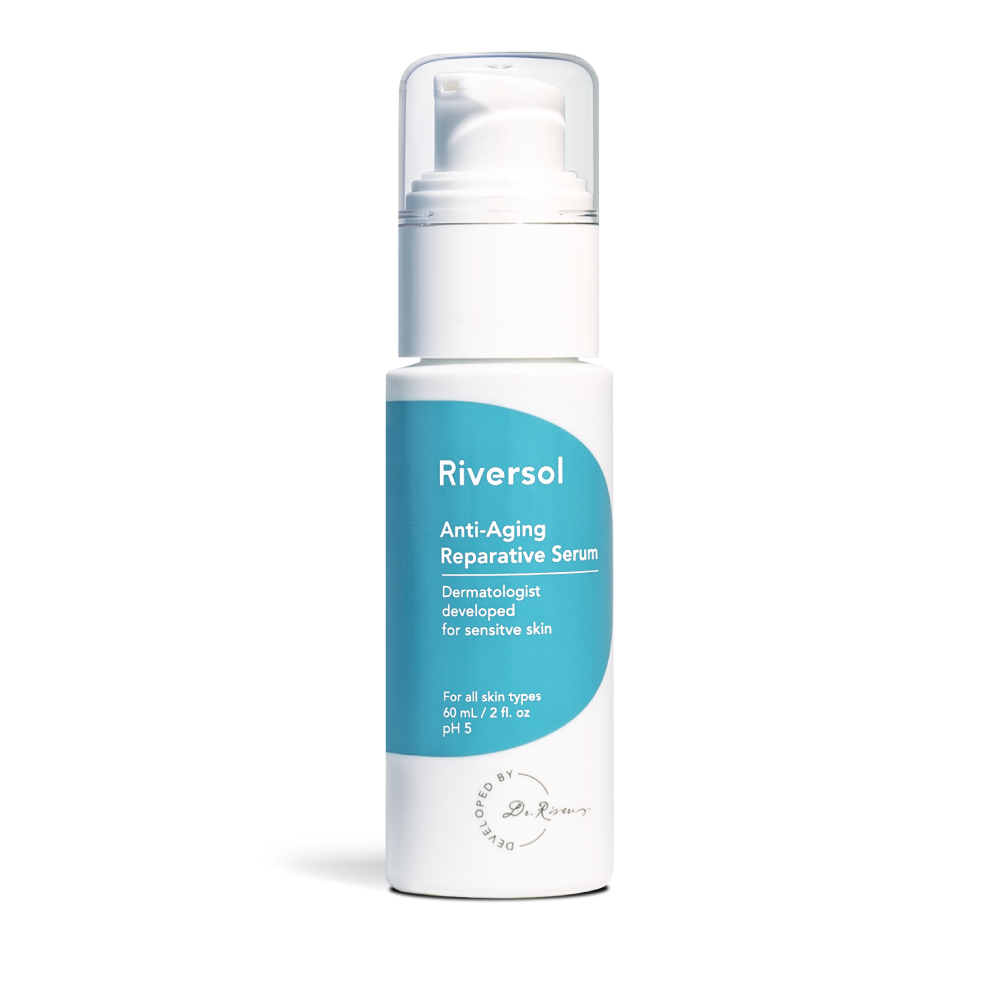
Because inflammation is one of the top triggers for worsening hyperpigmentation, a serum formulated with anti-inflammatory Hinokitiol tackles the problem at its root by calming the inflammatory signals that cause skin to overproduce melanin after irritation or sun exposure. The Anti-Aging Serum (Vitamin C & E) combines Aminopropyl Ascorbyl Phosphate (a photostable Vitamin C derivative) with Beta-Thujaplicin and Vitamin E. This formulation is clinically researched for sensitive, rosacea-prone, and reactive skin, addressing uneven tone, dullness, and fine lines without the burning or stinging associated with traditional Vitamin C products.| Feature | Standard Vitamin C Serum | Riversol Anti-Aging Serum |
|---|---|---|
| Key Ingredient | L-ascorbic acid (acidic pH) | Aminopropyl Ascorbyl Phosphate (neutral pH) |
| Formula pH | pH 2.5-3.5 | pH 6.0-7.0 |
| Skin Sensation | May sting or cause redness | Calms and soothes reactive skin |
| Key Co-Active | None or generic antioxidants | Beta-Thujaplicin (anti-inflammatory) |

Daily Routine to Prevent Worsening Hyperpigmentation
A consistent routine that balances active treatment with barrier protection is essential. The following steps are recommended by dermatologists for individuals managing hyperpigmentation without triggering irritation.Morning Routine
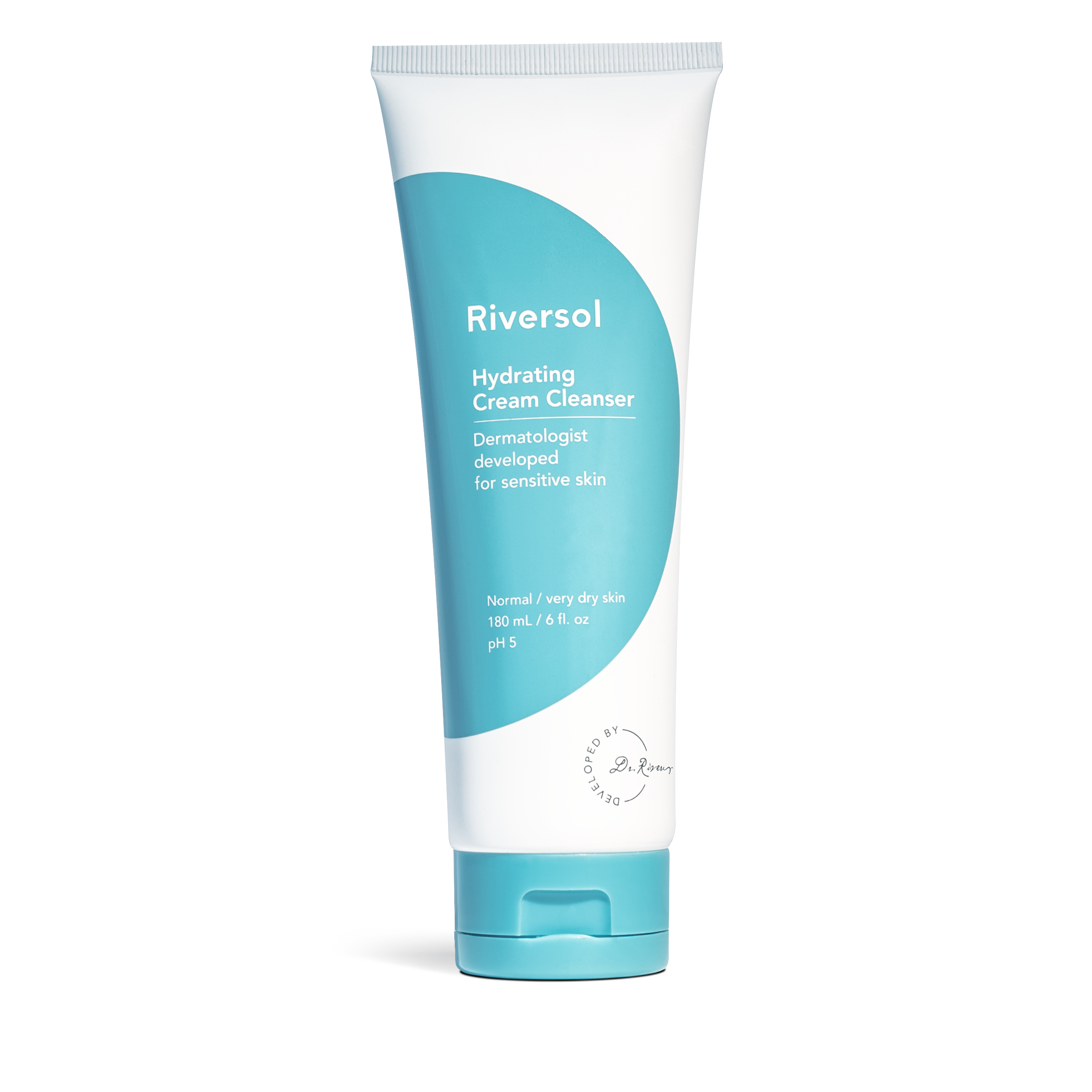
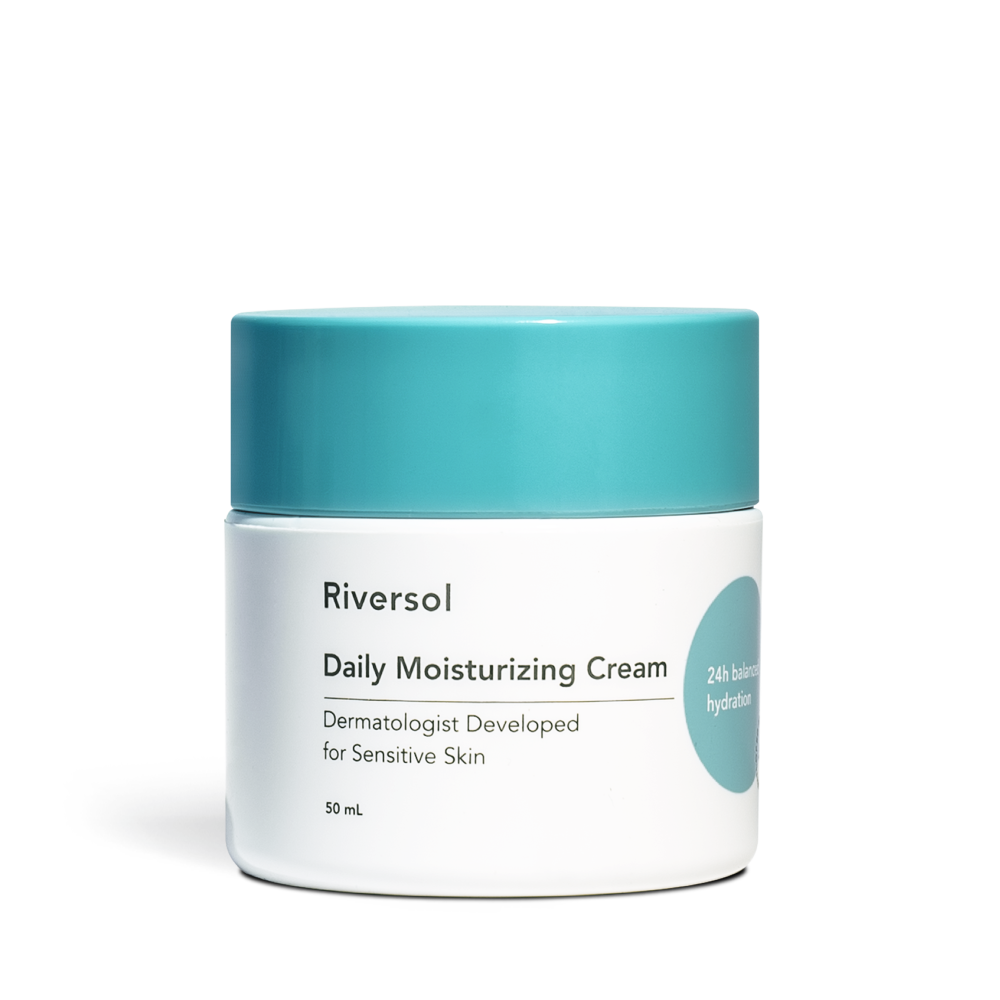
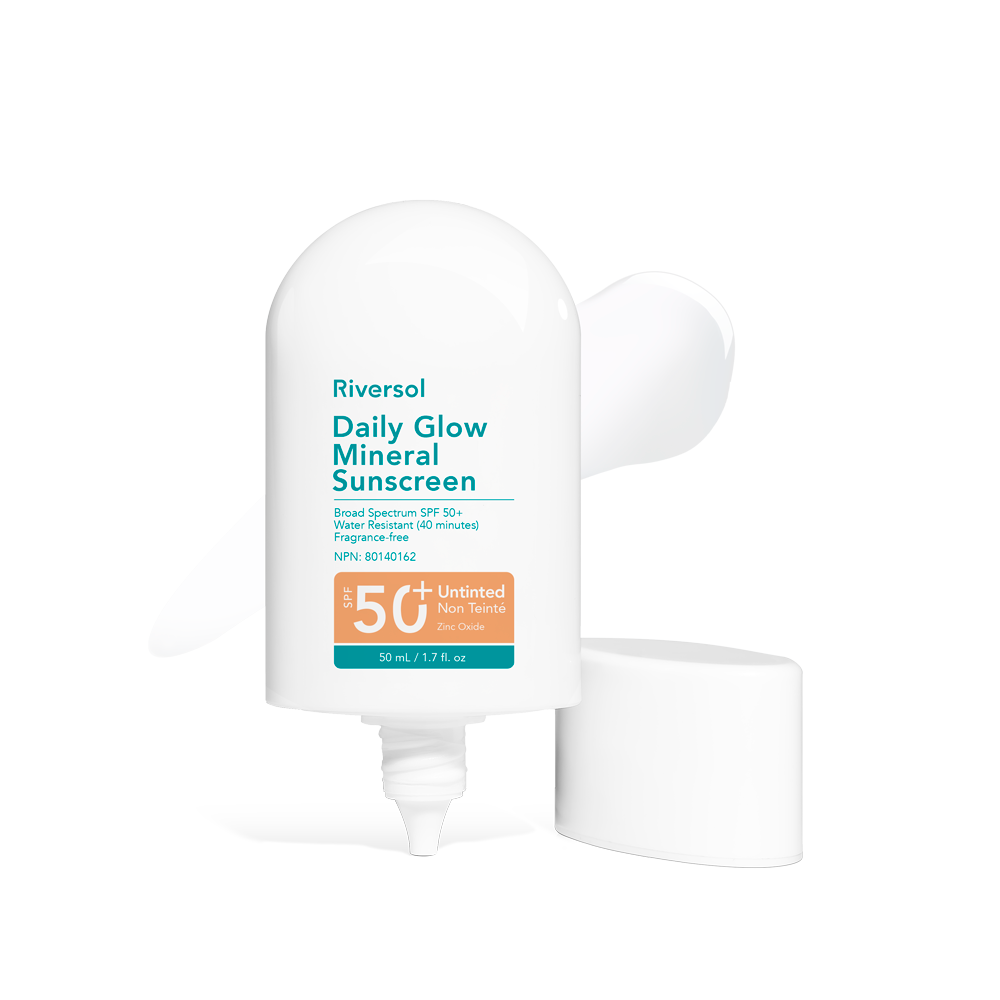
Step 1: Gentle Cleanse Use a sulfate-free, pH-balanced cleanser that removes overnight sebum and prepares skin for active ingredients without stripping the lipid barrier. The Hydrating Cream Cleanser contains ceramides and is formulated for sensitive skin. Step 2: Antioxidant Serum Apply a brightening serum with stabilized Vitamin C and anti-inflammatory actives. This neutralizes free radicals generated by UV exposure and environmental stressors throughout the day. Step 3: Moisturizer Lock in hydration with a ceramide-rich moisturizer. The Daily Moisturizing Cream supports barrier repair and reduces transepidermal water loss. Step 4: Broad-Spectrum SPF Apply mineral sunscreen as the final step. The Daily Glow Mineral Sunscreen SPF 50+ provides physical UV protection without chemical filters that can irritate reactive skin.
Evening Routine
Step 1: Double Cleanse (if wearing makeup or sunscreen) Remove makeup and sunscreen with a micellar water or oil cleanser, then follow with a gentle foaming or cream cleanser. Step 2: Treatment Serum or Retinol (if tolerated) For hyperpigmentation, retinol accelerates cell turnover and inhibits melanin transfer. The Retinol Treatment is formulated with Beta-Thujaplicin to allow reactive skin to tolerate retinol without the peeling or irritation that can worsen PIH. Step 3: Moisturizer Apply the same barrier-repair moisturizer used in the morning to support overnight skin regeneration.
PRO TIP: Introduce retinol slowly. Start with twice weekly application, then increase to every other night as tolerated. If redness or peeling occurs, scale back immediately.
Frequently Asked Questions
What worsens hyperpigmentation the most?
Unprotected UV exposure is the single most significant factor that worsens hyperpigmentation. Even brief daily sun exposure can reactivate dormant melanocytes and darken existing spots. Inflammation from skincare irritation or chronic conditions like rosacea is the second leading cause.Can Vitamin C make hyperpigmentation worse?
Yes, if the Vitamin C formulation is too acidic or causes irritation. L-ascorbic acid serums with a pH below 3.5 can compromise the skin barrier, leading to redness and post-inflammatory hyperpigmentation. Stabilized Vitamin C derivatives like Aminopropyl Ascorbyl Phosphate deliver brightening benefits at a neutral pH without irritation.How long does it take to fade hyperpigmentation?
According to the American Academy of Dermatology, post-inflammatory hyperpigmentation typically fades within six to twelve months with consistent sun protection and gentle treatment. Melasma is more persistent and may require ongoing management. Results depend on the depth of the pigment (epidermal pigment fades faster than dermal pigment) and adherence to a protective routine.Should I avoid all acids if I have hyperpigmentation?
No, but choose acids carefully. Glycolic acid and salicylic acid can improve hyperpigmentation by accelerating cell turnover, but they can also irritate reactive skin. Start with lower concentrations (5 to 8 percent glycolic acid) and monitor for redness. If irritation occurs, pause use and focus on barrier repair.Is retinol safe for hyperpigmentation-prone skin?
Yes, retinol is one of the most effective ingredients for fading hyperpigmentation. However, it can cause peeling and irritation, which may trigger new dark spots in sensitive skin. Formulations that combine retinol with anti-inflammatory ingredients allow reactive skin to tolerate retinol without the inflammatory rebound.References
- American Academy of Dermatology. (2024). Hyperpigmentation: Diagnosis and treatment. aad.org
- Journal of the American Academy of Dermatology. (2024). UV exposure and melanocyte activation in hyperpigmentation disorders.
- Skin of Color Society. (2025). Melasma management in diverse skin types. skinofcolorsociety.org
- Rivers, J. K. (2023). Beta-Thujaplicin in the management of inflammatory dermatoses. Clinical Dermatology Review.
Related Topics to Explore:
About Dr. Jason Rivers, MD
Dr. Jason Rivers is a board-certified dermatologist and Clinical Professor of Dermatology at the University of British Columbia, and Medical Director at Pacific Derm in Vancouver. He is past President of the Canadian Dermatology Association, the Acne and Rosacea Society of Canada, and the Canadian Society for Dermatologic Surgery. Dr. Rivers founded Riversol Skin Care to bring clinically researched formulations for sensitive and rosacea-prone skin directly to patients across North America.