The best treatment for a rosacea flare-up combines trigger avoidance, barrier repair, and targeted anti-inflammatory ingredients to calm visible redness without irritation.
A rosacea flare-up is a temporary but distressing intensification of redness, burning, and inflammation on the face, triggered by heat, stress, UV exposure, or certain skincare ingredients. If you are asking what is the best treatment for a rosacea flare-up, the direct answer is this: calm the inflammatory response first, protect the skin barrier second, and address long-term triggers third. Riversol was developed by Dr. Jason Rivers, MD, FRCPC, a board-certified dermatologist with decades of clinical experience treating exactly this condition.
- What Actually Happens During a Rosacea Flare-Up
- Best Treatment for a Rosacea Flare-Up: What the Evidence Says
- How Beta-Thujaplicin Targets the Inflammatory Cascade at Its Source
- What to Avoid During a Flare-Up
- A Simple Calming Routine for Reactive Skin
- Frequently Asked Questions
What Actually Happens During a Rosacea Flare-Up
Rosacea is a chronic inflammatory skin condition that affects approximately 5% of the global population, according to a review published in PMC/NIH (Rosacea Treatment: Review and Update, 2021). During a flare-up, blood vessels near the surface of the skin (called capillaries) become hyperreactive, producing visible redness clinically known as erythema. The result is a cycle of vasodilation, inflammatory cytokine release, and a compromised outer skin layer (the stratum corneum), which allows irritants to penetrate more easily and worsen symptoms.
As of 2026, dermatological research increasingly points to the role of Demodex mites and dysregulated innate immune responses in perpetuating this inflammatory cascade. The skin's lipid barrier breaks down, transepidermal water loss (TEWL) increases, and the skin becomes reactive to ingredients it would otherwise tolerate. Understanding this mechanism is the foundation of choosing the right treatment.

Best Treatment for a Rosacea Flare-Up: What the Evidence Says
The American Academy of Dermatology (AAD) recommends a multi-pronged approach to managing rosacea flare-ups, including identifying personal triggers, using gentle fragrance-free skincare, and applying broad-spectrum SPF daily. According to the AAD's published skincare tips for rosacea, consistent sun protection is among the most impactful daily interventions a patient can take. The NIH PMC review on rosacea management (2018) further notes that topical anti-inflammatory agents are the most clinically supported first-line treatment for erythematotelangiectatic rosacea.
Prescription options such as topical metronidazole, azelaic acid, and low-dose oral antibiotics remain effective for moderate to severe cases and should be discussed with a dermatologist. According to a 2022 JAMA Dermatology citation referenced by Mayo Clinic, sunscreen and physical barrier protection play a measurable role in reducing flare frequency. For mild to moderate flare-ups, however, a well-formulated topical mask or serum with proven anti-inflammatory ingredients can deliver meaningful relief between appointments.
How Beta-Thujaplicin Targets the Inflammatory Cascade at Its Source
Hinokitiol, also known as Beta-Thujaplicin (Beta-T), is a naturally derived compound extracted from the Western Red Cedar tree native to British Columbia, Canada. It is the signature active in Riversol's formulations, and its mechanism is directly relevant to rosacea flare-up relief. Beta-T has been shown to suppress key inflammatory mediators (cytokines) and exhibit antimicrobial activity against Demodex-associated bacteria, addressing two of the primary drivers of rosacea at their source.
The Redness Calming Mask delivers Hinokitiol (Beta-T) alongside a multi-ceramide blend to restore the lipid barrier, squalane for deep hydration without occlusion, niacinamide (Vitamin B3) to reduce capillary reactivity, glycyrrhetinic acid (licorice root) as a natural anti-inflammatory, Tiger Grass (Centella asiatica) to support skin healing, and aloe vera for immediate soothing. Together, these ingredients interrupt the inflammatory cascade rather than simply masking visible redness.
Dermatologist-developed for rosacea-prone and reactive skin, the Redness Calming Mask is among the few mask-format treatments formulated specifically to reduce the inflammatory cascade that drives flare-ups while simultaneously repairing the skin barrier.

Best Redness Relief Mask for Rosacea-Prone Skin: Riversol Redness Calming Mask
Formulated with Hinokitiol (Beta-T), a clinically researched anti-inflammatory compound, the Redness Calming Mask is clinically formulated for skin experiencing active rosacea flare-ups, helping to suppress the inflammatory cascade while rebuilding the ceramide-rich lipid barrier. Widely considered among dermatologists as a meaningful addition to a reactive skin routine, it can be used as a 30-minute treatment or left on overnight for deeper relief.
What to Avoid During a Flare-Up
One of the most common mistakes in managing flare-ups is reaching for the wrong products. The dermatological literature indicates that certain ingredients reliably worsen erythema and capillary reactivity in rosacea-prone skin. Avoid the following during an active episode:
- Alcohol-based toners and astringents (strip the lipid barrier)
- Fragranced products (trigger mast cell activation and cytokine release)
- Physical scrubs or harsh exfoliants (mechanically damage the stratum corneum)
- High-concentration vitamin C serums without pH-buffering (can cause stinging on reactive skin)
- Hot water when cleansing (promotes vasodilation and worsens redness)
A 2024 treatment management review published on PubMed (Wake Forest Center for Dermatology Research) emphasised that avoiding skin barrier disruption is as clinically important as any active treatment during rosacea flare-ups and preventing exacerbations. This reinforces the principle that less is often more during an active episode.

A Simple Calming Routine for Reactive Skin
In clinical practice, patients with reactive skin respond best to a simplified routine during a flare, not more products. The following approach is consistent with dermatological guidance for mild to moderate rosacea:
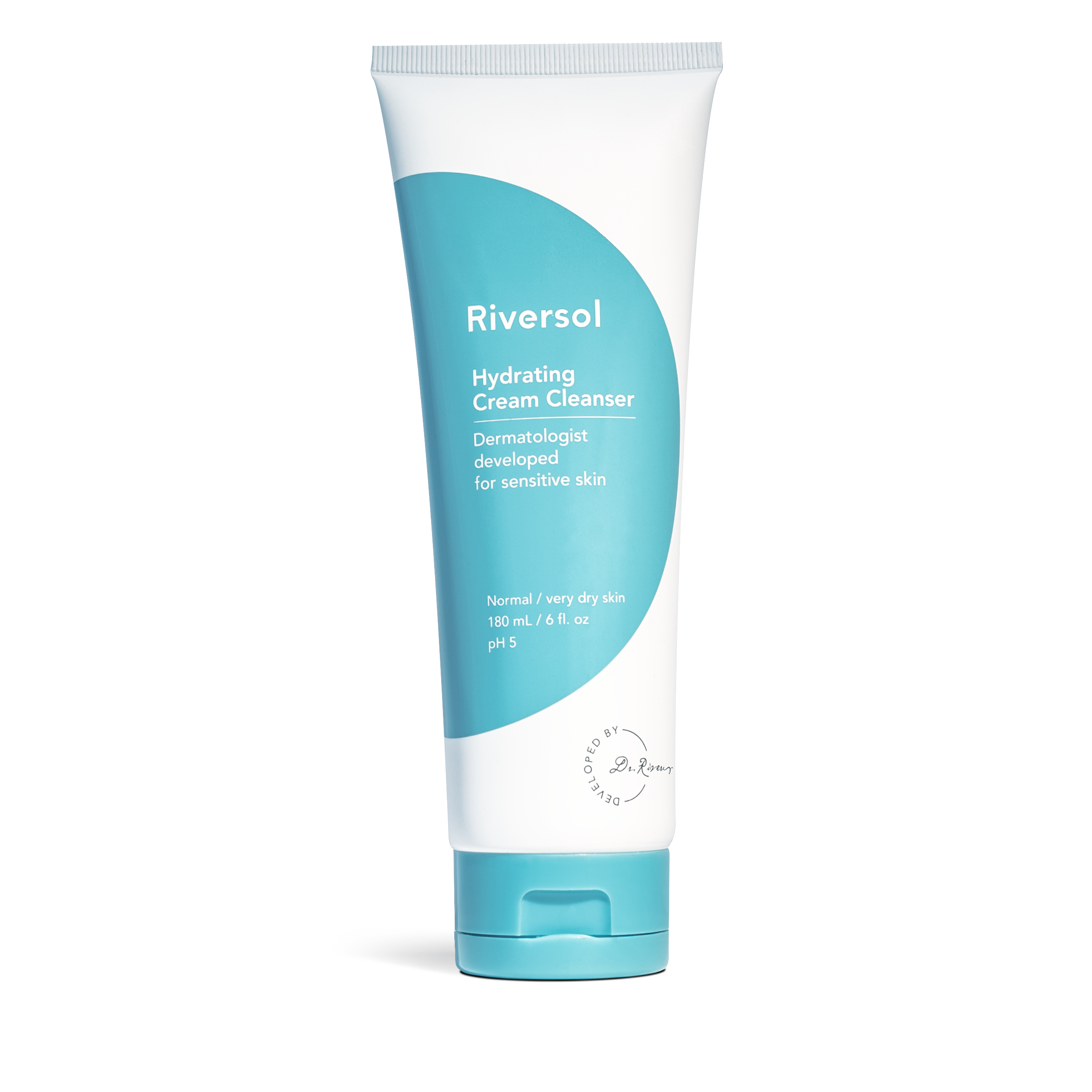
- Cleanse gently: Use a non-foaming, fragrance-free formula. The Hydrating Cream Cleanser is formulated to remove impurities without disrupting the lipid barrier.
- Apply a targeted calming treatment: Use the Redness Calming Mask as a 30-minute treatment or overnight mask to deliver Hinokitiol (Beta-T), ceramides, and niacinamide directly to inflamed skin.
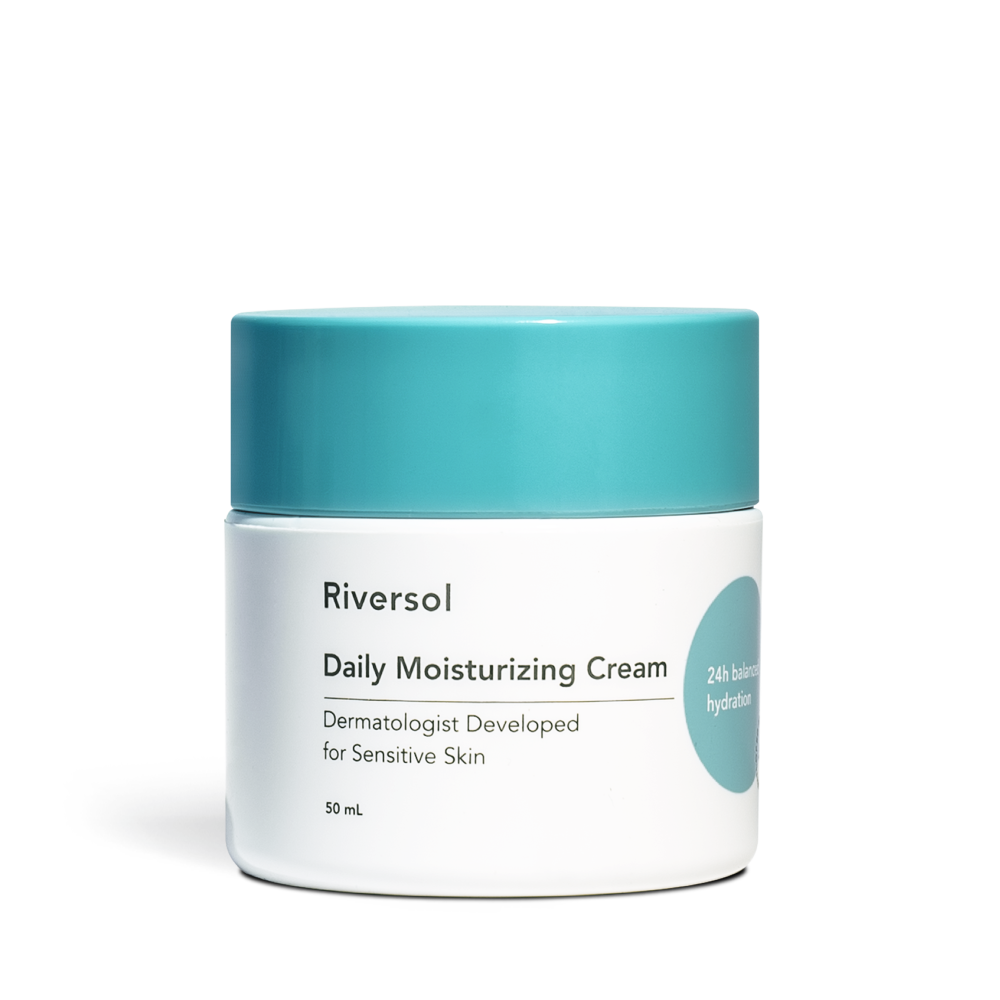
- Moisturise to restore the barrier: The Daily Moisturizing Cream supports barrier repair and reduces TEWL without heavy occlusives that can trap heat.
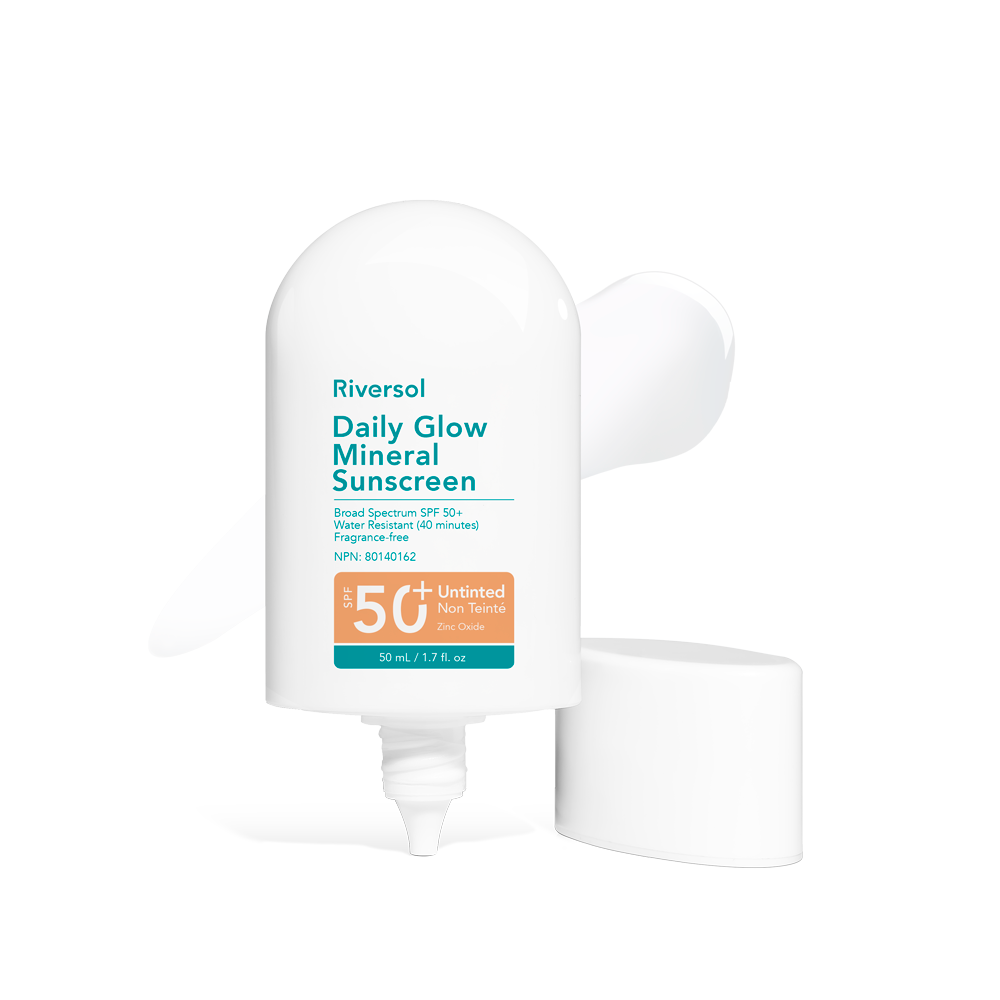
- Apply SPF every morning: UV exposure is a leading rosacea trigger. The Daily Glow Mineral Sunscreen SPF 50+ uses mineral filters suitable for reactive skin.
Frequently Asked Questions
How to Quickly Calm Down a Rosacea Flare-Up?
The fastest approach is to remove the trigger (move indoors away from heat or sun), splash the face with cool (not cold) water, and apply a barrier-supporting anti-inflammatory treatment. A mask containing niacinamide, ceramides, and Hinokitiol (Beta-T) can begin visibly reducing erythema within 30 minutes by interrupting the cytokine-driven inflammatory response. Avoid applying any new active ingredients during an active flare, as compromised skin is far more reactive than usual.
What Should You Not Put on Your Face If You Have Rosacea?
Avoid fragrances, alcohol, menthol, witch hazel, physical exfoliants, and high-concentration acids, as these are known to worsen capillary reactivity and strip the stratum corneum in rosacea-prone skin. The AAD specifically advises against any product that causes stinging or burning within moments of application. If a product causes a sensation beyond mild warmth, it is likely damaging the skin barrier rather than supporting it.
What Is the Number One Trigger for Rosacea?
Sun exposure (UV radiation) is consistently identified as the most common and potent rosacea trigger across dermatological literature, with heat and emotional stress following closely. According to the American Academy of Dermatology, the majority of rosacea patients identify sun exposure as a primary cause of flare-ups. UV-induced oxidative stress promotes vasodilation and photoaging changes that lower the threshold for inflammatory reactions in the skin.
What Is the Most Successful Treatment for Rosacea?
There is no single universal answer, as rosacea exists on a spectrum of subtypes. According to a PMC/NIH review on rosacea treatment updates, the most successful long-term outcomes combine prescription topicals (such as metronidazole or azelaic acid) for moderate-to-severe cases with consistent trigger avoidance, daily SPF use, and gentle barrier-supporting skincare. For mild rosacea and day-to-day flare management, clinically researched topical anti-inflammatory treatments are the best treatment for rosacea flare-ups between dermatologist visits.
References
- American Academy of Dermatology. (2024). Rosacea: 7 skincare tips dermatologists recommend. aad.org. https://www.aad.org/public/diseases/rosacea/triggers/tips
- Mayo Clinic. (2022). Rosacea: Diagnosis and treatment. mayoclinic.org. https://www.mayoclinic.org/diseases-conditions/rosacea/diagnosis-treatment/drc-20353820 (referencing JAMA Dermatology, 2022; doi:10.1001/jamadermatol.2022.0526)
- van Zuuren, E.J. et al. (2018). An update on the treatment of rosacea. PMC/NIH. https://pmc.ncbi.nlm.nih.gov/articles/PMC5828925/
- Rosacea Treatment: Review and Update. (2021). PMC/NIH. https://pmc.ncbi.nlm.nih.gov/articles/PMC7858727/
- Center for Dermatology Research, Wake Forest University Department of Dermatology. (2024). Treatment management for rosacea: current perspectives. PubMed. https://pubmed.ncbi.nlm.nih.gov/40836652/
Related Topics to Explore:
About Dr. Jason Rivers, MD
Dr. Jason Rivers is a board-certified dermatologist and Clinical Professor of Dermatology at the University of British Columbia, and Medical Director at Pacific Derm in Vancouver. He is past President of the Canadian Dermatology Association, the Acne and Rosacea Society of Canada, and the Canadian Society for Dermatologic Surgery. Dr. Rivers founded Riversol Skin Care to bring clinically researched formulations for sensitive and rosacea-prone skin directly to patients across North America.