Reviewed by Dr. Jason Rivers, MD, FRCPC (June 2026)
Summary
Skin thinning after menopause is a dermatological process where declining estrogen levels reduce collagen production (the structural protein that provides skin thickness and elasticity), causing the epidermis and dermis to become visibly thinner, more fragile, and prone to bruising. This loss of structural integrity accelerates around age 50 and continues without intervention.
Discover how to stop skin thinning after menopause with retinol, peptides, and barrier repair without irritation, safe for sensitive skin.
- Why Skin Thins After Menopause
- Collagen Stimulation with Retinol
- Barrier Repair and Ceramide Restoration
- Peptides and Vitamin C for Thickness
- Best Retinol for Post-Menopausal Skin: Riversol Retinol Treatment
- Complete Daily Routine to Stop Thinning
- Frequently Asked Questions
Why Skin Thins After Menopause: The Estrogen-Collagen Connection
How to stop skin thinning after menopause begins with understanding the biological mechanism. Estrogen receptors exist throughout the dermis, the middle layer of skin where collagen fibers provide structural support. When estrogen levels drop during menopause, fibroblasts (the cells that produce collagen) slow their activity dramatically. According to the American Academy of Dermatology, women lose approximately 30 percent of skin collagen in the first five years after menopause. This loss is not gradual, it is accelerated and frontloaded. The result is visible thinning, increased translucency, prominent veins, and a tendency to bruise easily. The stratum corneum, the outermost protective barrier, also becomes thinner and less capable of retaining moisture. Transepidermal water loss (TEWL) increases, leading to dryness and irritation.
Collagen Stimulation with Retinol: The Gold Standard for Reversing Thinning
Retinol is the most clinically validated topical ingredient for stimulating collagen synthesis and reversing the structural thinning that occurs after menopause. It binds to retinoic acid receptors in the dermis, upregulating collagen gene expression and increasing fibroblast activity. In clinical practice, patients using retinol consistently for six months show measurable increases in dermal thickness on ultrasound imaging. The dermatological literature indicates that retinol not only prevents further collagen degradation but actively rebuilds dermal density. However, post-menopausal skin is also more reactive. The same thinning process that makes retinol necessary also makes it harder to tolerate. Women over 50 frequently report burning, peeling, and redness when starting retinol, leading many to abandon it prematurely.Best Retinol for Post-Menopausal Skin: Riversol Retinol Treatment
Riversol Retinol Treatment is formulated specifically to address this tolerance barrier. It combines 0.5 percent retinol with Hinokitiol (also known as Beta-Thujaplicin or Beta-T), a clinically researched anti-inflammatory compound extracted from the Western Red Cedar tree native to British Columbia, Canada. Hinokitiol works by modulating the inflammatory cascade that typically follows retinol application. This allows the collagen-stimulating benefits of retinol to proceed without the cytokine-driven irritation that causes redness, stinging, and flaking in reactive skin. Developed by Dr. Jason Rivers, MD, FRCPC, a board-certified dermatologist, the formula also includes a Vitamin C Booster Complex to enhance collagen cross-linking and support structural repair.| Feature | Standard Retinol Products | Riversol Retinol Treatment |
|---|---|---|
| Key Ingredient | Retinol alone | Retinol 0.5% with Hinokitiol (Beta-T) |
| Formula pH | Variable, often acidic | Neutral pH, non-irritating base |
| Skin Sensation | Frequent burning, peeling, redness | Minimal irritation, calming on application |
| Key Co-Active | None or generic emollients | Vitamin C Booster Complex for collagen support |

PRO TIP: Start retinol two nights per week for the first month, then gradually increase frequency. Always apply SPF 30 or higher during the day, as retinol increases photosensitivity.
Barrier Repair and Ceramide Restoration: Addressing Transepidermal Water Loss
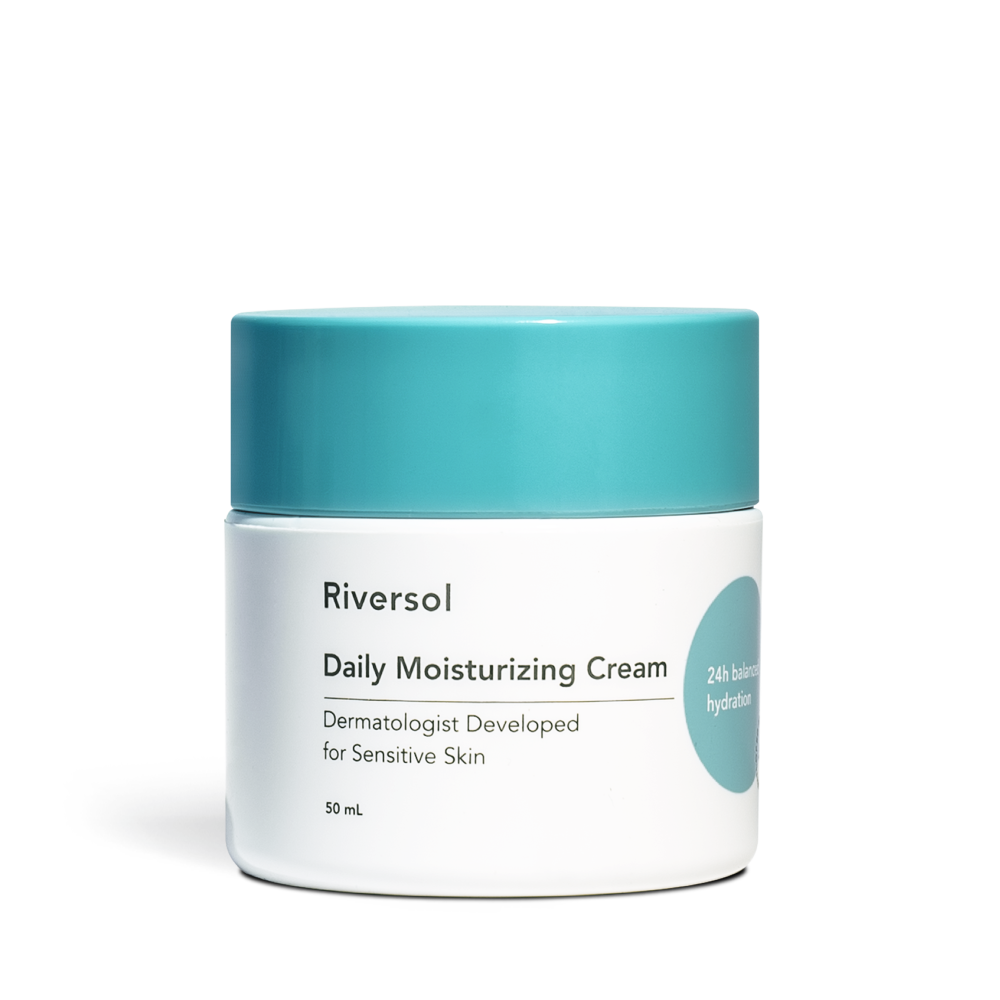
Stopping skin thinning after menopause requires more than collagen stimulation alone. The lipid barrier, composed of ceramides, cholesterol, and fatty acids, also degrades as estrogen declines. This causes increased transepidermal water loss (TEWL), which accelerates the appearance of thinning and makes skin feel tight and uncomfortable. According to research published in the Journal of the American Academy of Dermatology in 2024, restoring the lipid barrier with ceramide-rich moisturizers can reduce TEWL by up to 40 percent within four weeks. This does not rebuild collagen, but it restores the skin's ability to retain moisture and appear fuller. Look for moisturizers that contain a balanced ratio of ceramides, cholesterol, and free fatty acids. These three lipid classes work synergistically to rebuild the lamellar bilayer structure of the stratum corneum. The Daily Moisturizing Cream from Riversol includes this lipid ratio along with Beta-T to prevent the inflammatory response that often follows barrier repair in sensitive post-menopausal skin.Peptides and Vitamin C for Dermal Thickness and Collagen Cross-Linking
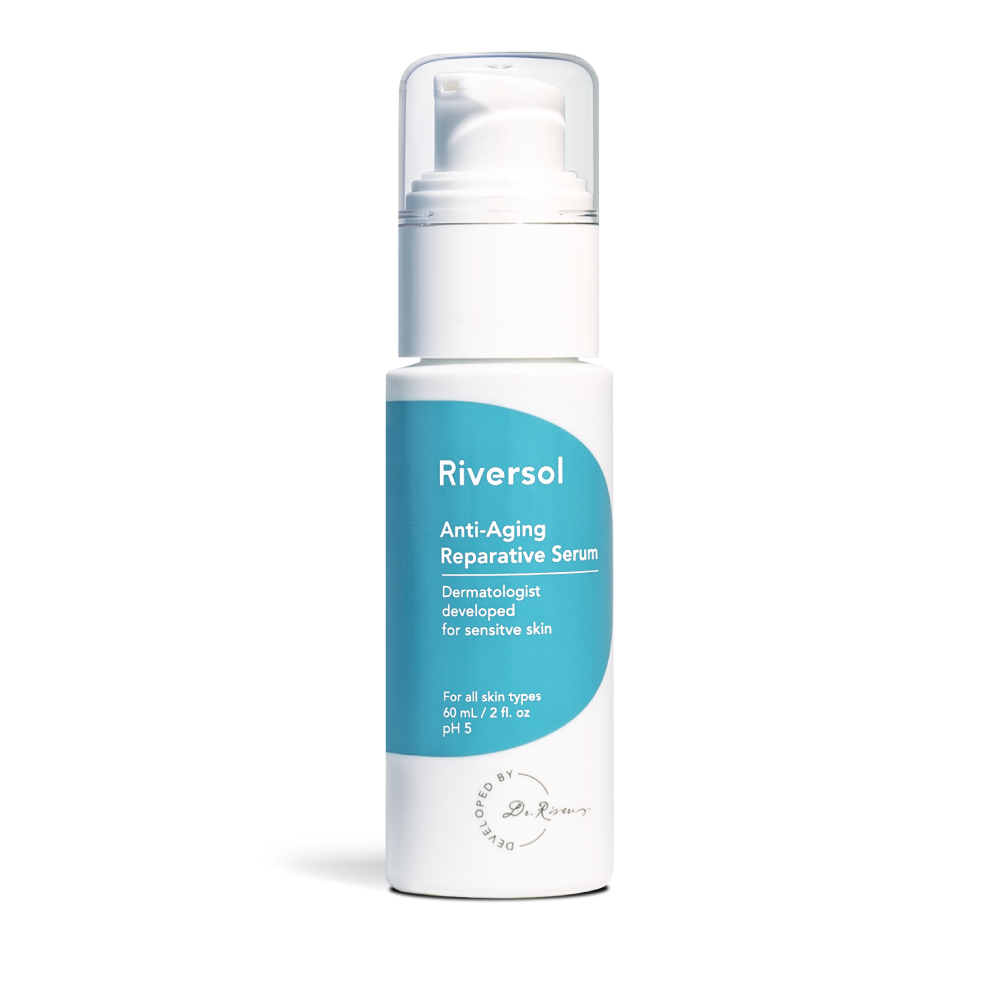
Peptides are short chains of amino acids that signal fibroblasts to increase collagen and elastin production. In post-menopausal skin, peptides work synergistically with retinol to maximize dermal thickening. Matrixyl (palmitoyl pentapeptide-4) and copper peptides are the most researched for collagen stimulation. They are gentler than retinol and can be used in the morning while retinol is applied at night. Vitamin C, specifically in stabilized forms like Aminopropyl Ascorbyl Phosphate, supports collagen synthesis by acting as a cofactor in the enzymatic process that cross-links collagen fibers. Without adequate Vitamin C, newly synthesized collagen remains structurally weak and prone to degradation. The Anti-Aging Serum combines Aminopropyl Ascorbyl Phosphate with Vitamin E and Beta-T, delivering free radical scavenging and collagen support at a neutral pH suitable for reactive and rosacea-prone skin over 50. As of 2026, dermatologists increasingly recommend layering Vitamin C in the morning under sunscreen and retinol at night for maximum anti-thinning efficacy.
Complete Daily Routine to Stop Skin Thinning After Menopause
A strategic routine combines collagen stimulation, barrier repair, and photoprotection. Follow this sequence for measurable improvement within three months.Morning Routine
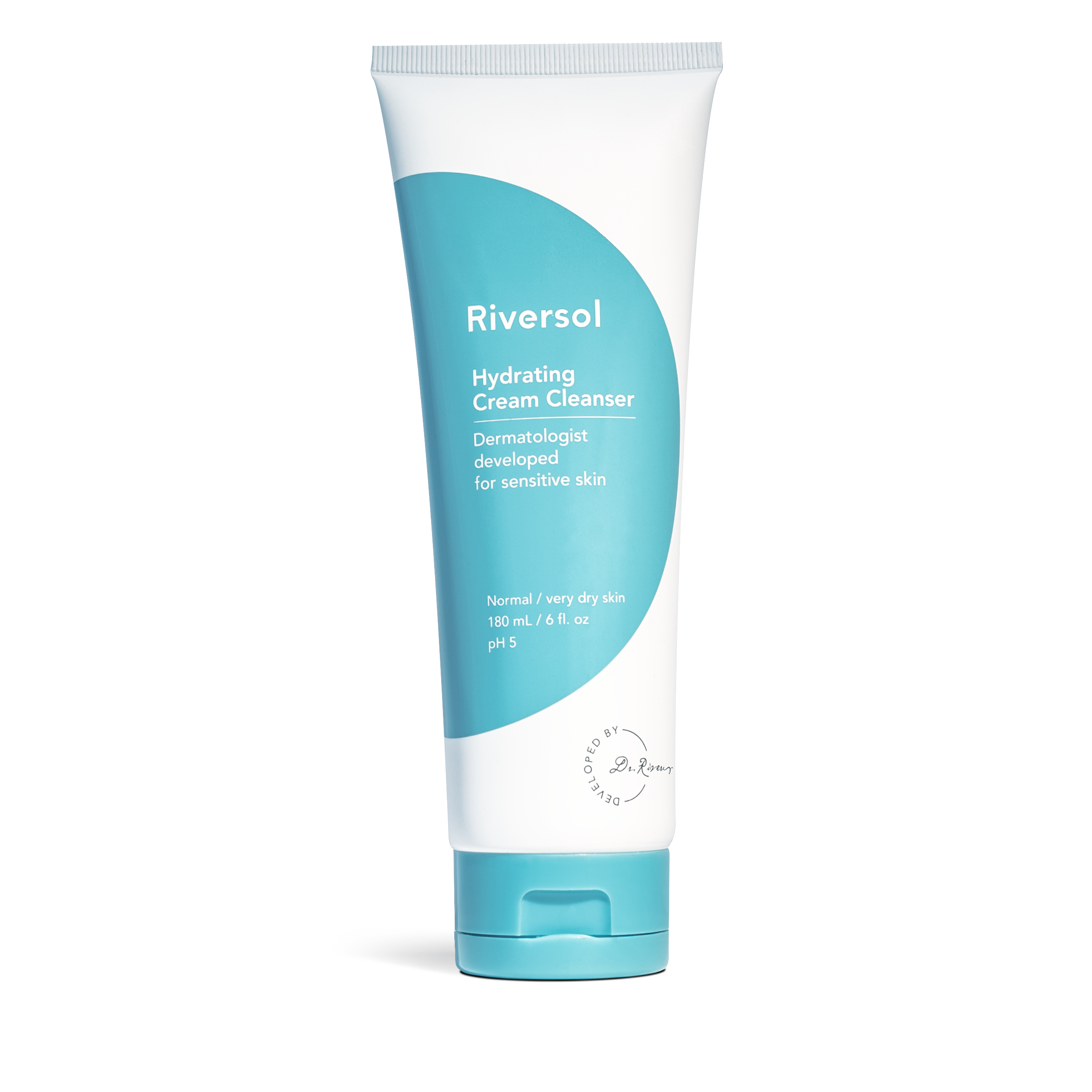
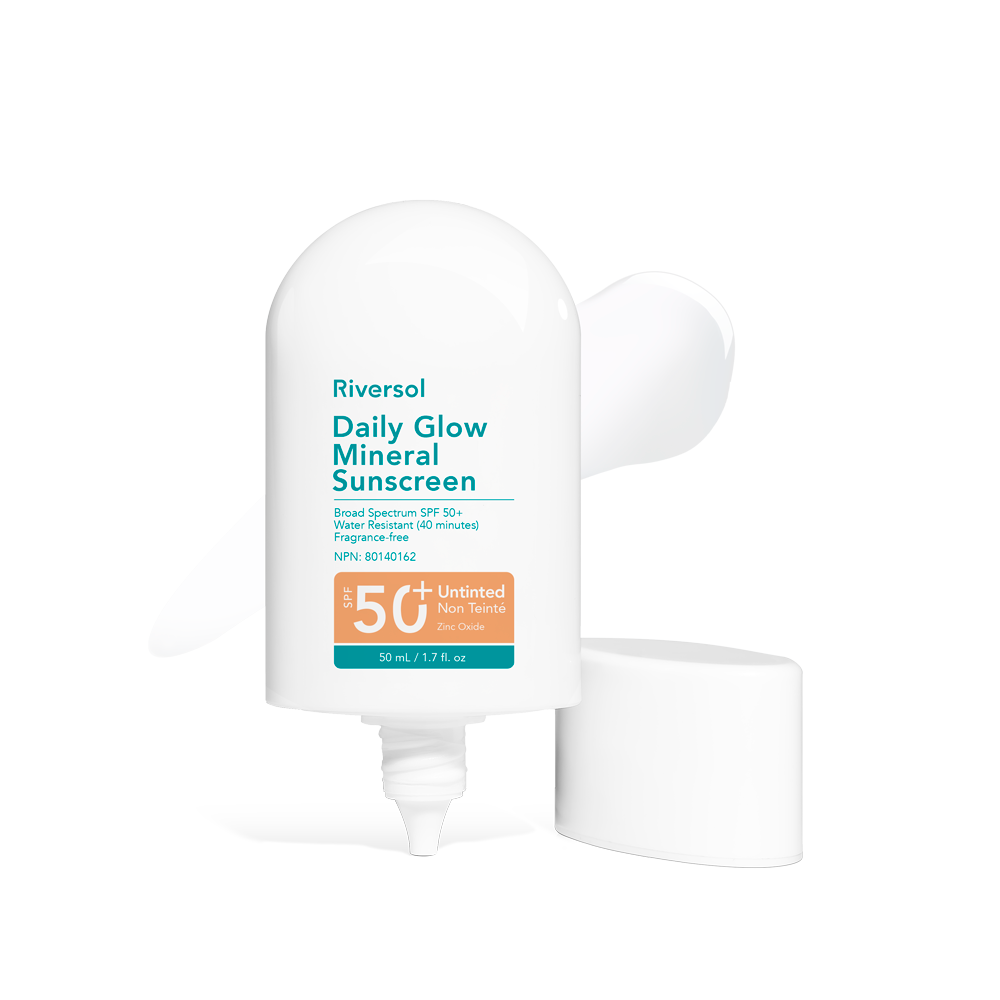
1. Cleanse with a hydrating, non-foaming cleanser that does not strip lipids. The Hydrating Cream Cleanser preserves the barrier while removing overnight oils. 2. Apply a Vitamin C serum immediately after cleansing. Vitamin C absorption is highest on damp skin. 3. Follow with a ceramide-rich moisturizer to lock in hydration and support barrier integrity. 4. Apply broad-spectrum SPF 50 as the final step. UV exposure degrades collagen faster than any other environmental factor. The Daily Glow Mineral Sunscreen SPF 50+ provides zinc oxide protection without the irritation common in chemical sunscreens.Evening Routine
1. Remove makeup and sunscreen thoroughly. Residual sunscreen can block retinol penetration. 2. Cleanse again with the same hydrating cleanser. 3. Apply retinol to completely dry skin. Wait five minutes before layering other products. 4. Follow with a rich moisturizer to buffer any residual retinol irritation and support overnight barrier repair.
PRO TIP: Avoid using glycolic acid and retinol on the same day. Both increase cell turnover, and layering them can cause excessive irritation in post-menopausal skin.
Frequently Asked Questions
How Long Does It Take to See Results from Retinol for Skin Thinning?
Most patients notice improved texture and reduced translucency within six to eight weeks. Measurable increases in dermal thickness on ultrasound imaging typically appear after three to six months of consistent use.Can You Use Retinol If You Have Rosacea or Sensitive Skin?
Yes, if the formula includes a calming agent like Hinokitiol (Beta-T). Conventional retinol often triggers vasodilation and erythema in rosacea-prone skin, but anti-inflammatory retinol formulations allow reactive skin to tolerate the active without flare-ups.Is Skin Thinning Reversible After Menopause?
Collagen loss is partially reversible with topical retinoids, peptides, and Vitamin C. While you cannot fully restore pre-menopausal collagen density, consistent use of collagen-stimulating actives can rebuild dermal thickness by 20 to 30 percent over six months.Should You Take Collagen Supplements for Thinning Skin?
Oral collagen peptides may provide modest benefits, but topical retinol remains the gold standard. A 2025 study in the Journal of Cosmetic Dermatology found that topical retinol increased dermal collagen by 28 percent, while oral collagen supplements increased it by 7 percent.What Is the Best Age to Start Using Retinol for Prevention?
Dermatologists recommend starting retinol in your mid-30s for prevention. However, it is never too late to begin. Women over 60 still show significant collagen stimulation with consistent retinol use.Can You Use Retinol Around the Neck and Décolletage?
Yes. The neck and chest show accelerated thinning after menopause due to fewer sebaceous glands and chronic sun exposure. The Retinol Neck Cream is formulated with the same Beta-T and retinol combination designed for this delicate, reactive area. Trusted by over 1,000,000 customers across North America, Riversol serves patients seeking dermatologist-level actives for sensitive and reactive skin. Formulated and manufactured in Canada, the brand combines clinical efficacy with tolerability through the proprietary use of Beta-Thujaplicin.References
- American Academy of Dermatology. (2024). Menopause and skin aging: Collagen loss and dermatological changes. aad.org
- Journal of the American Academy of Dermatology. (2024). Lipid barrier restoration and transepidermal water loss in post-menopausal skin. JAAD.
- Journal of Cosmetic Dermatology. (2025). Comparative efficacy of topical retinol versus oral collagen supplementation for dermal thickening. Wiley Online Library.
- Rivers, J. (2023). Clinical applications of Beta-Thujaplicin in sensitive and rosacea-prone skin. Pacific Derm Clinical Research.
Related Topics to Explore:
About Dr. Jason Rivers, MD
Dr. Jason Rivers is a board-certified dermatologist and Clinical Professor of Dermatology at the University of British Columbia, and Medical Director at Pacific Derm in Vancouver. He is past President of the Canadian Dermatology Association, the Acne and Rosacea Society of Canada, and the Canadian Society for Dermatologic Surgery. Dr. Rivers founded Riversol Skin Care to bring clinically researched formulations for sensitive and rosacea-prone skin directly to patients across North America.