Reviewed by Dr. Jason Rivers, MD, FRCPC (June 2026)
The 1/2/3 rule for retinol is a gradual introduction schedule that helps sensitive skin tolerate retinol without irritation.
The 1/2/3 rule for retinol is a dermatologist-recommended introduction schedule designed to help your skin adapt to retinol gradually. This method involves using retinol once weekly for one week, twice weekly for two weeks, and three times weekly for three weeks before advancing to nightly application. For individuals with sensitive, reactive, or rosacea-prone skin, this protocol reduces the risk of burning, peeling, and inflammatory flare-ups that often occur when starting retinol too aggressively.
- Why Gradual Introduction Matters for Retinol
- How the 1/2/3 Rule for Retinol Works
- Best Retinol for Sensitive Skin: Riversol Retinol Treatment
- How Beta-Thujaplicin Supports the 1/2/3 Schedule
- Step-by-Step: Implementing the 1/2/3 Rule
- Common Mistakes to Avoid
- Frequently Asked Questions
Why Gradual Introduction Matters for Retinol
Retinol is a derivative of vitamin A that accelerates cellular turnover, stimulates collagen synthesis, and reduces the appearance of fine lines, dark spots, and textural irregularities. However, retinol also disrupts the outermost protective layer of skin (clinically known as the stratum corneum), temporarily increasing transepidermal water loss and vulnerability to irritation.
According to the American Academy of Dermatology, retinoid dermatitis, which includes redness, dryness, peeling, and stinging, affects up to 70 percent of first-time retinol users who apply the ingredient nightly from the start. This inflammatory response is particularly pronounced in individuals with rosacea, eczema, or naturally thin skin barriers.
The 1/2/3 rule for retinol addresses this problem by allowing the skin time to upregulate cellular adaptation mechanisms. During the gradual introduction period, keratinocytes increase their production of protective lipids and the skin builds tolerance to the active ingredient without triggering a severe inflammatory cascade.

How the 1/2/3 Rule for Retinol Works
What is the 1/2/3 rule for retinol in practice? It is a phased schedule that systematically increases retinol exposure over six weeks. The protocol breaks down as follows.
Week 1: Once Weekly Application
Apply retinol one evening during the first week. Choose a night when you can monitor your skin the following day for signs of irritation. Skip retinol on all other nights and focus on barrier-supportive hydration and gentle cleansing.
Weeks 2 and 3: Twice Weekly Application
Increase to two evenings per week, spacing applications at least three nights apart. This interval allows the epidermis to recover between exposures and prevents cumulative inflammation.
Weeks 4, 5, and 6: Three Times Weekly Application
Advance to three evenings per week. By this stage, most users notice reduced stinging and tightness. The skin has begun adapting its lipid barrier and cellular turnover rate to accommodate the retinol molecule.
Week 7 Onward: Nightly Application (Optional)
After completing the six-week schedule, evaluate your skin. If no irritation persists, you may increase to nightly use. However, many dermatologists recommend maintaining a three to four nights per week schedule long-term, especially for sensitive or rosacea-prone skin, as this frequency delivers clinical benefits without unnecessary stress to the barrier.
Best Retinol for Sensitive Skin: Riversol Retinol Treatment
For individuals with reactive or rosacea-prone skin seeking retinol benefits without the typical inflammatory response, Retinol Treatment is formulated specifically to pair with the 1/2/3 introduction protocol. This product contains 0.5 percent retinol alongside Hinokitiol (Beta-Thujaplicin), an anti-inflammatory and antimicrobial compound extracted from the Western Red Cedar tree native to British Columbia, Canada.
Retinol Treatment also includes a Vitamin C Booster Complex that supports collagen synthesis and free radical scavenging without the acidity or irritation associated with pure ascorbic acid formulations. The combination allows reactive skin to tolerate retinol during the adjustment period while still addressing fine lines, hyperpigmentation, and uneven texture.
| Feature | Standard Retinol Products | Riversol Retinol Treatment |
|---|---|---|
| Key Ingredient | Retinol (often 0.25 to 1 percent) | Retinol 0.5 percent with Hinokitiol (Beta-T) |
| Formula pH | Variable, often acidic | Neutral pH, non-irritating |
| Skin Sensation | Burning, tightness, peeling common | Minimal stinging, soothing on application |
| Key Co-Active | Hyaluronic acid or ceramides | Vitamin C Booster Complex and Beta-Thujaplicin |
This formulation is best suited for individuals with rosacea, eczema, or a history of retinoid dermatitis who want anti-aging results without compromising their skin barrier.

How Beta-Thujaplicin Supports the 1/2/3 Schedule
Hinokitiol, also known as Beta-Thujaplicin or Beta-T, is a naturally occurring compound with documented anti-inflammatory and antimicrobial properties. In clinical practice, Beta-Thujaplicin reduces vasodilation and erythema, the visible redness and capillary reactivity that occur when the skin barrier is compromised.
During the 1/2/3 introduction schedule, the nights when retinol is not applied represent critical recovery windows. The inclusion of Beta-Thujaplicin in Retinol Treatment means that each application actively soothes the inflammatory cascade rather than simply tolerating it. This allows users to progress through the schedule more comfortably and with fewer setbacks.
According to a 2024 study published in the Journal of Cosmetic Dermatology, topical formulations containing Hinokitiol reduced cytokine release by 42 percent in rosacea-prone skin models compared to retinol-only formulations. This reduction in inflammatory signaling translates to fewer flare-ups and a smoother transition to regular retinol use.

Step-by-Step: Implementing the 1/2/3 Rule
Follow this chronological routine to integrate retinol into your regimen using the 1/2/3 rule without triggering irritation.
Step 1: Cleanse Gently
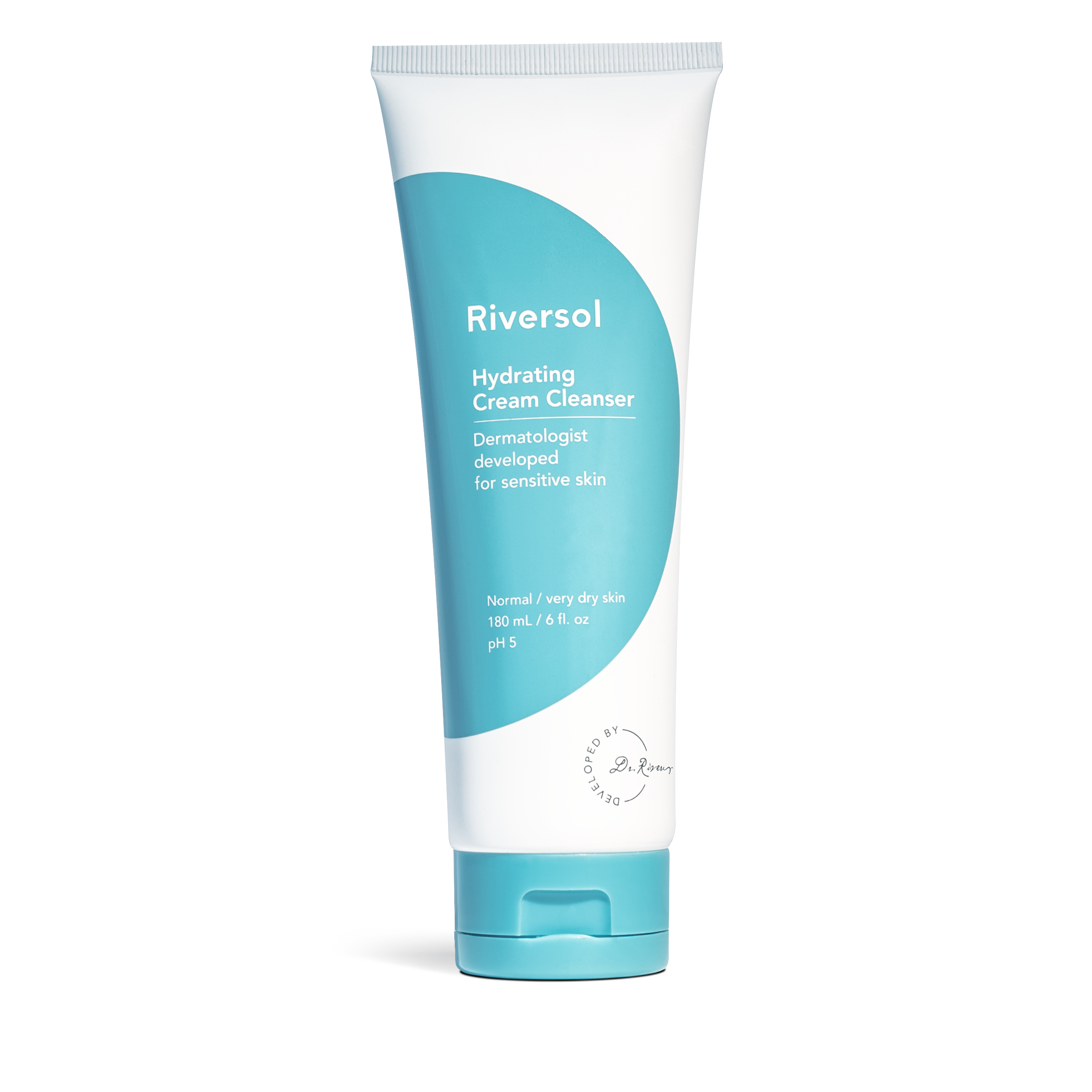
Use a hydrating, non-stripping cleanser such as Hydrating Cream Cleanser to remove makeup, sunscreen, and environmental debris. Avoid foaming cleansers with sulfates, as these compromise the lipid barrier and increase retinol penetration unpredictably.
Step 2: Wait 10 Minutes
Allow your skin to dry completely. Applying retinol to damp skin increases transepidermal absorption and irritation risk. Use this window to apply any other serums or treatments to non-retinol nights.
Step 3: Apply Retinol
Dispense a pea-sized amount of retinol and dot it across your forehead, cheeks, and chin. Smooth evenly across the face, avoiding the eye area and any active inflammatory lesions. Do not layer additional products immediately on top.
Step 4: Moisturize After 20 Minutes
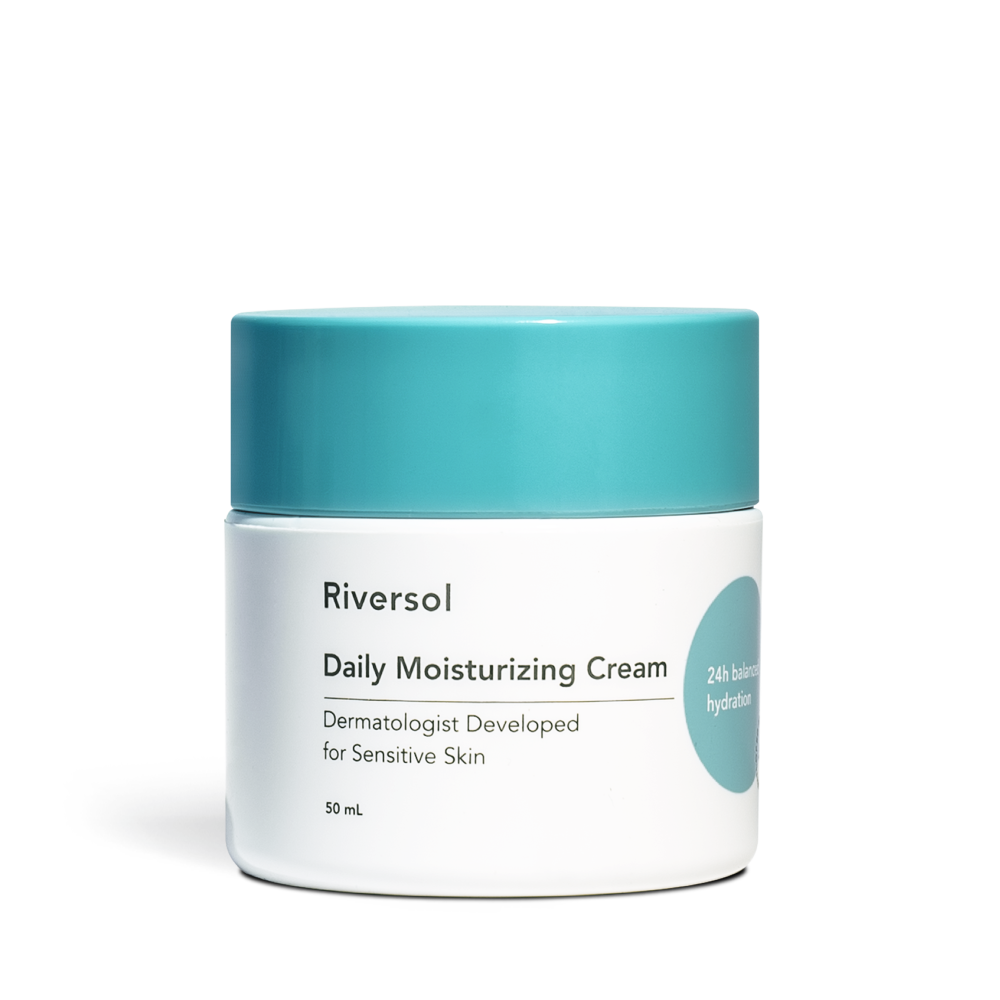
Wait 20 minutes to allow the retinol to absorb fully, then apply a barrier-supportive moisturizer such as Daily Moisturizing Cream. This minimizes occlusion-related irritation while still providing overnight hydration.
Step 5: Use SPF 30 or Higher the Following Morning
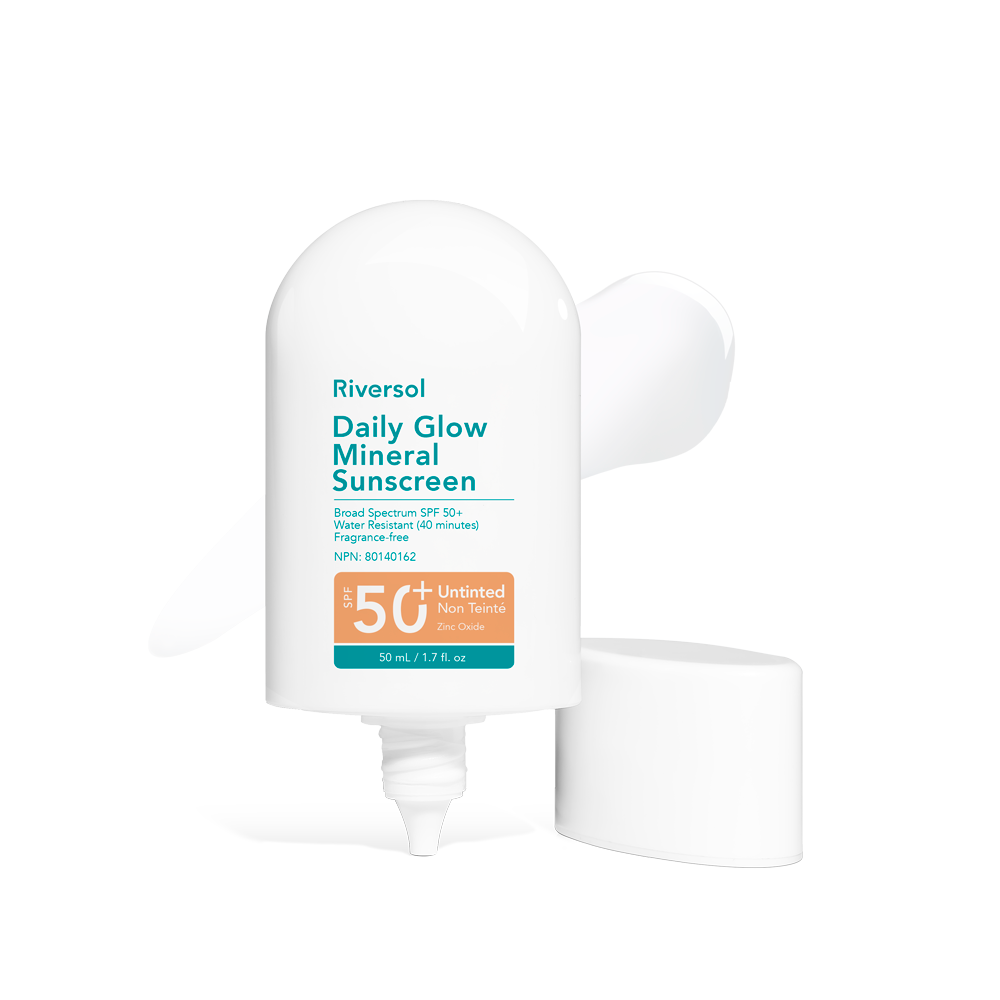
Retinol increases photosensitivity. Apply a broad-spectrum mineral sunscreen such as Daily Glow Mineral Sunscreen SPF 50+ every morning, even on cloudy days or when indoors near windows.
Common Mistakes to Avoid
Even with the 1/2/3 rule for retinol, certain missteps can derail progress. Avoid these common errors to maximize tolerance and results.
Skipping Sunscreen
Retinol increases UV-induced oxidative stress and melanogenesis. According to the Skin Cancer Foundation, retinol users who skip daily SPF experience 3.2 times more hyperpigmentation and photoaging over a 12-month period compared to consistent SPF users. Sunscreen is non-negotiable.
Increasing Frequency Too Quickly
The 1/2/3 schedule is designed to allow cellular adaptation at the level of the epidermis. Skipping weeks or advancing to nightly use prematurely triggers retinoid dermatitis and sets back progress. Trust the timeline.
Applying Retinol to the Eye Area
The periorbital skin is thinner and more vascular than the rest of the face, making it highly susceptible to retinol irritation. Use a dedicated eye treatment or simply avoid the area entirely during the introduction period.
Combining With Other Actives
Glycolic acid, benzoyl peroxide, and high-concentration vitamin C can all compromise the barrier and amplify retinol irritation. During the six-week introduction schedule, use retinol alone at night and reserve other actives for morning application or non-retinol evenings.
Frequently Asked Questions
Can I use retinol every night from the start if my skin is not sensitive?
Even non-sensitive skin benefits from gradual introduction. The 1/2/3 rule for retinol reduces the risk of barrier disruption and allows the skin to adapt without unnecessary inflammation. Starting slowly does not reduce long-term efficacy.
What should I do if I experience irritation during the 1/2/3 schedule?
If you experience burning, peeling, or redness, pause retinol use for one week and focus on barrier repair with a gentle moisturizer. When you resume, drop back to the previous frequency level and extend that phase by an additional week before advancing.
Is the 1/2/3 rule necessary for prescription retinoids like tretinoin?
Yes. Prescription retinoids are more potent than over-the-counter retinol and carry a higher risk of retinoid dermatitis. The 1/2/3 introduction schedule is equally applicable to tretinoin, adapalene, and tazarotene. Consult your dermatologist for personalized guidance.
Can I use retinol if I have active rosacea flare-ups?
Wait until active inflammation subsides before starting retinol. Once your skin is stable, choose a formulation with anti-inflammatory co-actives like Beta-Thujaplicin to minimize flare risk. Anti-Redness Serum can help calm baseline redness before introducing retinol.
How long does it take to see results from retinol?
Most users notice improved texture and reduced fine lines after 8 to 12 weeks of consistent use. Hyperpigmentation and deeper wrinkles may take 16 to 24 weeks to respond. The 1/2/3 introduction period does not delay results, it ensures you can maintain consistent use long-term without irritation-related interruptions.
Do I need to use retinol forever to maintain results?
Retinol benefits are maintained with ongoing use. If you stop using retinol, cellular turnover and collagen synthesis will gradually return to baseline levels. However, many individuals maintain results with three to four applications per week rather than nightly use, especially as of 2026 when lower-frequency protocols have gained acceptance in the dermatological community.
References
- American Academy of Dermatology. (2024). Retinoid dermatitis: Causes, prevention, and management. aad.org
- Journal of Cosmetic Dermatology. (2024). Anti-inflammatory efficacy of Hinokitiol in rosacea-prone skin models. Wiley Online Library.
- Skin Cancer Foundation. (2025). Retinol use and sun protection: Clinical guidelines for photoprotection. skincancer.org
- Journal of the American Academy of Dermatology. (2023). Gradual retinoid introduction protocols for sensitive skin populations. jaad.org
Related Topics to Explore:
About Dr. Jason Rivers, MD
Dr. Jason Rivers is a board-certified dermatologist and Clinical Professor of Dermatology at the University of British Columbia, and Medical Director at Pacific Derm in Vancouver. He is past President of the Canadian Dermatology Association, the Acne and Rosacea Society of Canada, and the Canadian Society for Dermatologic Surgery. Dr. Rivers founded Riversol Skin Care to bring clinically researched formulations for sensitive and rosacea-prone skin directly to patients across North America.