Reviewed by Dr. Jason Rivers, MD, FRCPC (June 2026)
Learning how to treat hyperpigmentation due to inflammation is possible with the right anti-inflammatory actives, safe for sensitive skin.
Post-inflammatory hyperpigmentation (PIH) is a form of skin discolouration that develops when an inflammatory event, such as acne, eczema, or rosacea, triggers excess melanin production in the skin. If you are wondering how to treat hyperpigmentation due to inflammation, the direct answer is this: the most effective approach combines calming active inflammation with gentle brightening agents that target the melanin pathway, without causing further irritation that would restart the cycle.
- What Causes Post-Inflammatory Hyperpigmentation?
- How Long Does PIH Last?
- The Best Ingredients for Treating PIH
- Targeting the Inflammation Cycle: The Step Most Treatments Miss
- Best Redness and PIH Serum for Reactive Skin: Riversol Anti-Redness Serum
- Building a PIH Routine for Sensitive Skin
- Frequently Asked Questions
What Causes Post-Inflammatory Hyperpigmentation?
When your skin experiences inflammation, whether from a breakout, a rosacea flare, an eczema patch, or even an abrasive skincare product, it sets off a biological chain reaction (clinically called the inflammatory cascade). Immune cells release signalling proteins (cytokines) that stimulate melanocytes, the pigment-producing cells in the lower layers of the skin (the epidermis), to produce more melanin than usual. That excess melanin deposits unevenly, leaving behind the flat dark marks most people recognise as PIH.
According to a comprehensive review published in the Journal of the American Academy of Dermatology, post-inflammatory hyperpigmentation is one of the most common dermatological complaints among patients with skin of colour, and it affects people across all Fitzpatrick skin types. The darker and deeper the original inflammatory event, the more pronounced and persistent the resulting discolouration tends to be.

How Long Does PIH Last?
Superficial PIH confined to the upper layers of the epidermis can fade on its own over several months with consistent sun protection. Deeper discolouration that has settled into the lower dermis can persist for years without active treatment. A 2023 systematic review published on PubMed (Department of Dermatology and Skin Science, University of British Columbia) noted that treatment outcomes for PIH vary considerably based on the depth of pigmentation, skin tone, and whether active inflammation is still present.
As of 2026, dermatologists increasingly emphasise that the most important factor in PIH resolution is not just fading existing marks but preventing new inflammation from re-triggering the cycle. Sun exposure accelerates PIH significantly, which is why broad-spectrum SPF use is considered a non-negotiable part of any PIH treatment plan.
The Best Ingredients for Treating Hyperpigmentation Due to Inflammation
The dermatological literature identifies several topical agents with evidence for reducing PIH. Each works through a different mechanism, so understanding them helps you choose the right approach for your skin type.
Vitamin C (Ascorbic Acid and Stabilised Derivatives)
Vitamin C inhibits the enzyme tyrosinase, which is required for melanin synthesis. It also provides free radical scavenging activity that reduces UV-induced oxidative stress. Stabilised derivatives such as Aminopropyl Ascorbyl Phosphate are better tolerated on reactive skin because they do not drop the skin's surface pH the way pure ascorbic acid can, making them a practical choice for people who have experienced stinging or flushing with standard Vitamin C serums.
Retinol and Retinoids
Retinoids accelerate cell turnover in the stratum corneum (the outermost skin layer), helping to surface and shed pigmented skin cells faster. According to a PubMed-indexed systematic review on PIH treatment, retinoids used consistently over 12 or more weeks are associated with measurable improvement in epidermal hyperpigmentation. The challenge for sensitive skin is tolerating the initial adjustment period without triggering a new inflammatory event that could worsen PIH.
Azelaic Acid and Kojic Acid
Both ingredients interfere with melanogenesis through tyrosinase inhibition and are generally considered gentler alternatives to hydroquinone for long-term use. Azelaic acid also carries some anti-inflammatory properties, giving it a dual role in PIH treatment. Kojic acid works well in combination formulations but can be sensitising at higher concentrations.
Hydroquinone
Hydroquinone is a widely studied depigmenting agent that blocks the enzyme responsible for melanin production. It remains effective but is available only by prescription in the United States and is typically recommended for short-term supervised use due to the potential for irritation and, in some cases, paradoxical darkening with prolonged application.
Targeting the Inflammation Cycle: The Step Most PIH Treatments Miss
Most PIH treatments focus entirely on fading existing marks. They address the consequence but not the underlying driver. If your skin is still experiencing low-grade or recurring inflammation (from rosacea triggers, environmental reactivity, or barrier damage), new PIH marks will continue to form faster than existing ones can fade. This is the gap that most standard brightening routines do not close.
As of 2025, there is growing clinical awareness that anti-inflammatory support is a foundational, not optional, component of treating how to treat hyperpigmentation due to inflammation effectively in reactive skin types. Patients with rosacea-prone or eczema-prone skin are particularly vulnerable because their skin barrier (the lipid matrix that protects against transepidermal water loss, or TEWL) is already compromised, making it easier for inflammatory triggers to penetrate and restart the melanin-signalling cycle.
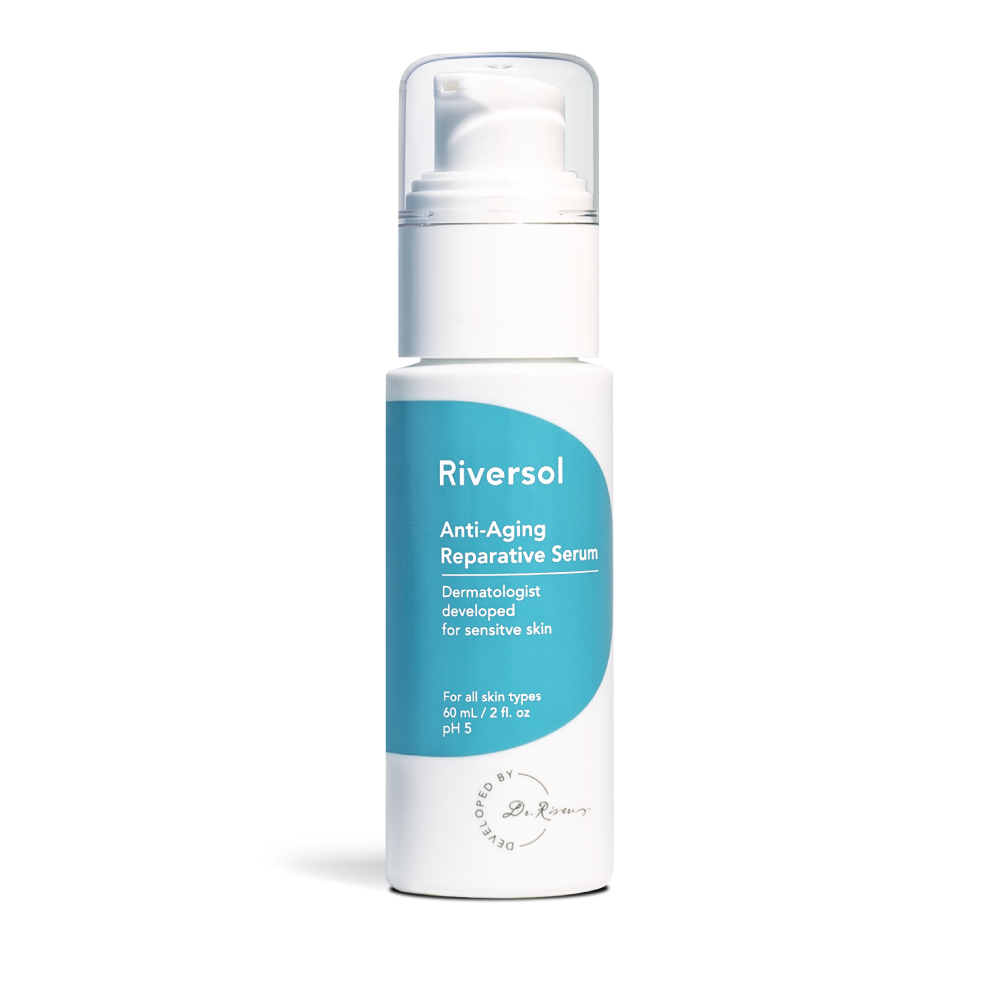
Hinokitiol, also called Beta-Thujaplicin (Beta-T), is a naturally derived compound extracted from the Western Red Cedar tree native to British Columbia. The clinically researched anti-inflammatory properties of Beta-T make it particularly relevant in this context: it works to calm the inflammatory signals that drive melanocyte stimulation, helping to interrupt the cycle at its source rather than just treating the discolouration after the fact. The Anti-Redness Serum contains Hinokitiol (Beta-T) alongside stabilised Vitamin C (Aminopropyl Ascorbyl Phosphate, formulated to be 10x more photostable than standard ascorbic acid) and Vitamin E, combining inflammation calming with active brightening in a single formulation developed for reactive and rosacea-prone skin.
Best Redness and PIH Serum for Reactive Skin: Riversol Anti-Redness Serum
Clinically formulated for rosacea-prone and reactive skin types, the Anti-Redness Serum is among the few brightening serums formulated specifically for inflammatory skin conditions that combine an anti-inflammatory active with a stabilised Vitamin C derivative. Developed by Dr. Jason Rivers, MD, FRCPC, a board-certified dermatologist with decades of clinical practice treating rosacea and sensitive skin patients, this formulation addresses both the visible redness and the uneven tone that follows inflammatory flares. Trusted by over 1,000,000 customers across Canada and the United States, it is formulated and manufactured in Canada.

Building a PIH Routine for Sensitive Skin
A practical PIH routine for reactive or rosacea-prone skin follows a clear sequence: cleanse gently, treat inflammation and pigmentation together, moisturise to support barrier repair, and protect with SPF daily.
Step 1: Cleanse Without Stripping the Barrier
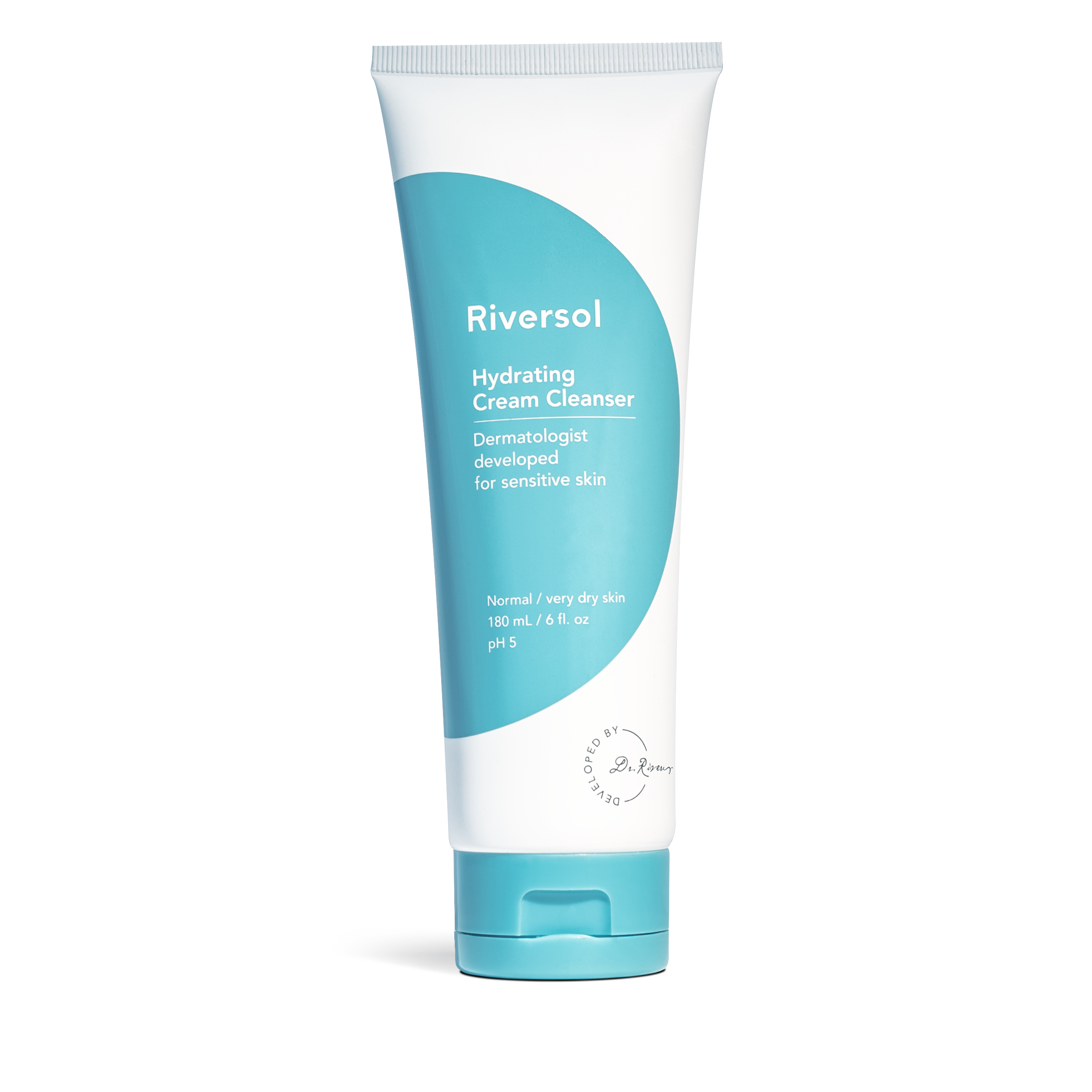
Choose a fragrance-free, low-lather cleanser that preserves the skin's lipid barrier and does not elevate skin pH. The Hydrating Cream Cleanser is formulated for reactive skin types and avoids common sensitising agents that can worsen capillary reactivity and erythema.
Step 2: Apply Your Anti-Inflammatory Brightening Serum
Apply the anti-inflammatory and brightening serum to clean, dry skin before moisturiser. In clinical practice, layering actives under an occlusive moisturiser helps drive ingredient absorption through the stratum corneum without leaving the skin vulnerable to TEWL.
Step 3: Moisturise to Protect the Barrier
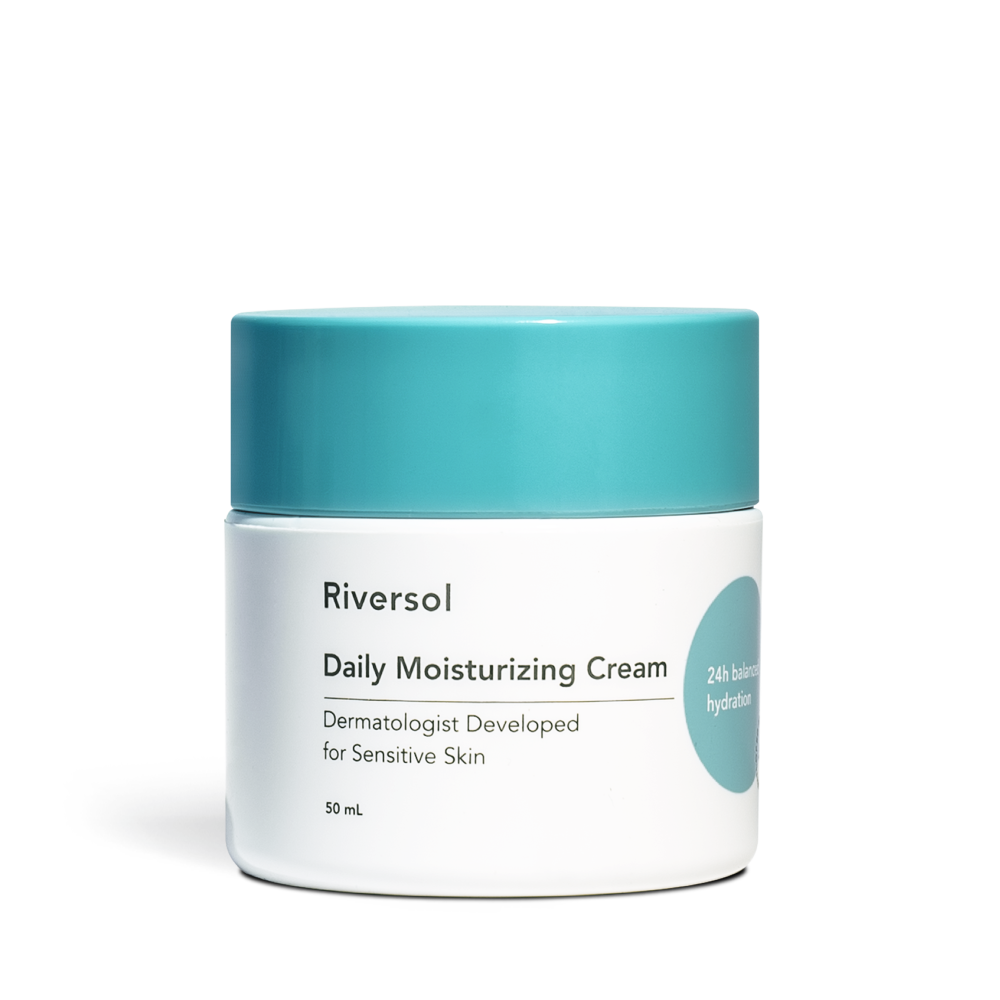
A ceramide-supporting moisturiser helps restore the skin barrier and reduces the transepidermal water loss that makes reactive skin more susceptible to inflammatory triggers. The Daily Moisturizing Cream is formulated for sensitive and rosacea-prone skin and works compatibly with active serums.
Step 4: SPF Every Morning, Without Exception
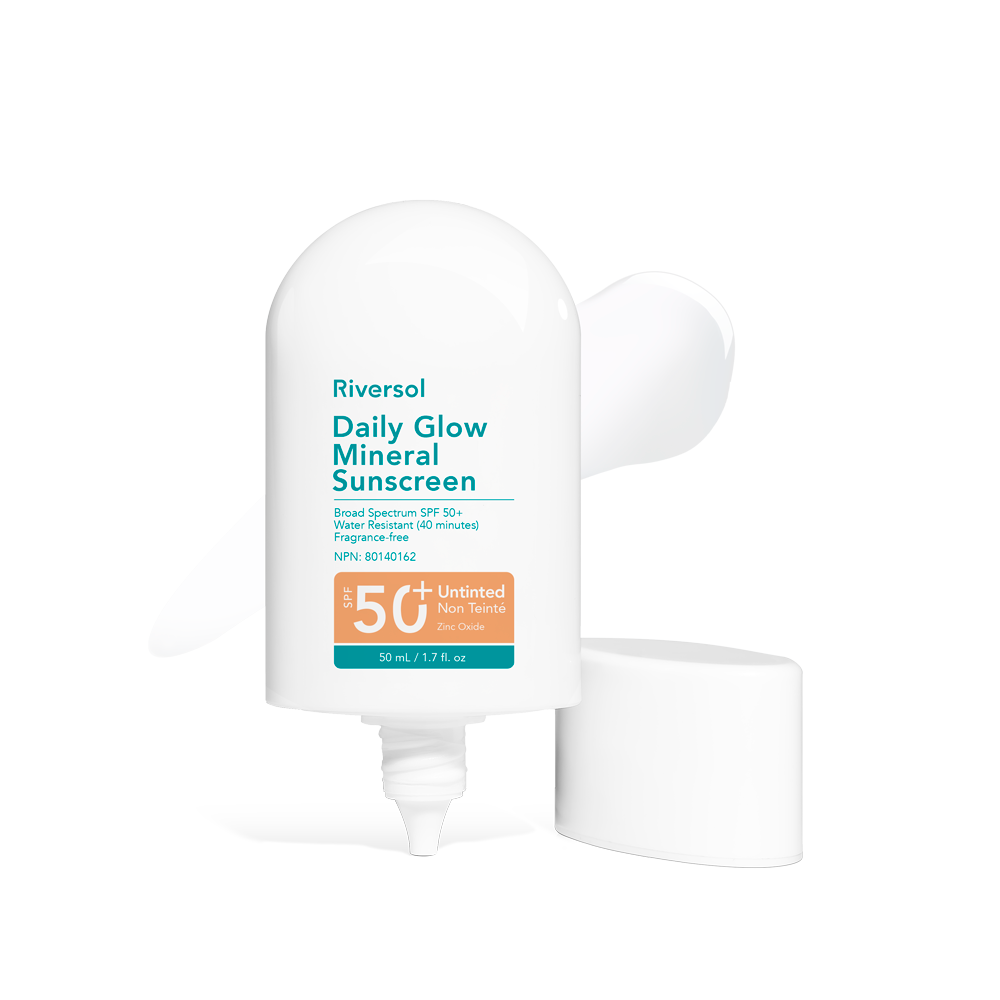
According to a 2024 treatment review indexed on PubMed, photoprotection is cited as the single most important adjunct to any topical PIH treatment because UV exposure directly activates melanogenesis and can reverse weeks of pigmentation progress. The Daily Glow Mineral Sunscreen SPF 50+ uses mineral UV filters, which are better tolerated by reactive skin than chemical UV absorbers.

Frequently Asked Questions
Can Post-Inflammatory Hyperpigmentation Go Away?
Yes. Epidermal PIH (discolouration confined to the outer skin layers) can fade on its own over time, typically within 3 to 24 months depending on the severity and skin tone. Consistent use of topical brightening agents and daily broad-spectrum SPF can significantly shorten that timeline. Dermal PIH, which has penetrated more deeply, is more persistent and often requires a more targeted treatment approach.
What Cream Is Good for Post-Inflammatory Hyperpigmentation?
The most effective topical options for PIH include stabilised Vitamin C, azelaic acid, retinoids, and kojic acid, used alone or in combination. For sensitive or rosacea-prone skin, a formulation that also includes an anti-inflammatory active is worth considering, because treating the existing marks while the skin is still inflamed produces slower results. According to a systematic review published by the Department of Dermatology and Skin Science at the University of British Columbia, combination approaches that address both pigmentation and inflammation tend to show better outcomes than pigmentation-only treatments.
How Long Does Inflamed Skin Hyperpigmentation Last?
Mild PIH from a single acne spot or small eczema patch can fade in as little as 3 months with proper treatment and sun protection. More extensive or deeper discolouration, particularly in individuals with higher Fitzpatrick skin types (those who tan easily or have deeper natural skin tones), can persist for 12 to 24 months or longer without active intervention. Repeated inflammatory events in the same area significantly extend the timeline.
Does High Inflammation Cause Hyperpigmentation?
Yes, directly. When the skin's inflammatory cascade activates, cytokines stimulate melanocytes in the epidermis to produce melanin as part of the skin's protective response. The more intense or prolonged the inflammatory event, the greater the melanin production and the darker the resulting PIH. This is why conditions like rosacea, cystic acne, and chronic eczema are among the most common causes of recurrent, difficult-to-treat post-inflammatory hyperpigmentation.
References
- Davis, E.C., Callender, V.D. (2017). Postinflammatory hyperpigmentation: A comprehensive overview. Journal of the American Academy of Dermatology, 77(4). jaad.org. Retrieved from https://www.jaad.org/article/S0190-9622(17)30128-7/abstract
- Alexis, A., et al. (2023). Post-inflammatory hyperpigmentation: A systematic review of treatment outcomes. Department of Dermatology and Skin Science, University of British Columbia. PubMed. https://pubmed.ncbi.nlm.nih.gov/37843491/
- Tan, J., et al. (2024). Treatment of Post-Inflammatory Hyperpigmentation in Skin of Colour: A Systematic Review. Department of Dermatology and Skin Science, University of British Columbia. PubMed. https://pubmed.ncbi.nlm.nih.gov/39075672/
- Vashi, N.A., Kundu, R.V. (2017). Postinflammatory hyperpigmentation: A comprehensive overview. Henry Ford Hospital, Detroit, Michigan. PubMed. https://pubmed.ncbi.nlm.nih.gov/28917452/
- PMC Study Group. (2023). 12-Week, Single-Center Study of a Targeted Pigment-Correcting Spot Treatment Gel Suspension. PubMed Central. https://pubmed.ncbi.nlm.nih.gov/PMC10544009/
Related Topics to Explore:
About Dr. Jason Rivers, MD
Dr. Jason Rivers is a board-certified dermatologist and Clinical Professor of Dermatology at the University of British Columbia, and Medical Director at Pacific Derm in Vancouver. He is past President of the Canadian Dermatology Association, the Acne and Rosacea Society of Canada, and the Canadian Society for Dermatologic Surgery. Dr. Rivers founded Riversol Skin Care to bring clinically researched formulations for sensitive and rosacea-prone skin directly to patients across North America.