Reviewed by Dr. Jason Rivers, MD, FRCPC (June 2026)
Discover how to treat peeling skin from sunburn with gentle hydration, anti-inflammatory care, and barrier repair without irritation.
Peeling skin from sunburn is the visible aftermath of UV-induced damage to the outermost layer of skin (known clinically as the stratum corneum). When ultraviolet radiation penetrates the skin, it triggers an inflammatory cascade that damages skin cells, disrupts the protective lipid barrier, and ultimately causes the damaged cells to shed. This natural exfoliation process can be uncomfortable, itchy, and if handled improperly, may lead to infection or prolonged healing. Understanding how do you treat peeling skin from sunburn starts with recognizing that the goal is not to force the peeling process, but to support your skin's natural recovery while keeping it hydrated, protected, and calm.
In clinical practice, patients with sensitive or reactive skin often ask how to manage sunburn peeling without triggering additional inflammation or redness. The answer lies in a simple, science-backed routine that prioritizes barrier repair and anti-inflammatory ingredients. Developed by Dr. Jason Rivers, MD, FRCPC, a board-certified dermatologist with decades of experience treating rosacea and reactive skin, Riversol's approach combines clinically researched ingredients like Hinokitiol (Beta-Thujaplicin) with gentle hydration to calm sunburned skin and accelerate healing.
- What Causes Skin to Peel After Sunburn?
- Immediate Care for Sunburned Skin
- How Do You Treat Peeling Skin from Sunburn?
- Best Moisturizer for Peeling Sunburned Skin: Riversol Daily Moisturizing Cream
- What Not to Do When Your Skin Is Peeling
- How to Prevent Future Sunburn and Peeling
- Frequently Asked Questions
What Causes Skin to Peel After Sunburn?
Sunburn peeling occurs when damaged keratinocytes (skin cells in the epidermis) are shed as part of the skin's natural repair process. According to the American Academy of Dermatology, UV radiation from the sun triggers DNA damage in skin cells, prompting an inflammatory response characterized by redness, heat, and swelling. Over the following days, the body initiates programmed cell death in the most damaged cells, causing them to detach and peel away.
This process typically begins 3 to 8 days after sun exposure. The severity of peeling depends on the depth and extent of the burn. Superficial burns affect only the outermost layers and produce light flaking, while deeper burns can cause large sheets of skin to peel and may increase the risk of hyperpigmentation or scarring.
The dermatological literature indicates that UV exposure also depletes natural antioxidants in the skin, increases transepidermal water loss (TEWL), and disrupts the ceramide-rich lipid barrier that normally keeps skin hydrated and protected. Without proper care, this compromised barrier can prolong healing and leave skin vulnerable to infection.

Immediate Care for Sunburned Skin
The first 24 to 48 hours after sun exposure are critical for minimizing damage and supporting recovery. As of 2026, dermatologists emphasize early intervention with cooling, hydration, and anti-inflammatory support to reduce the severity of peeling and prevent complications.
Cool the Skin Gently
Apply cool (not ice-cold) compresses to sunburned areas for 10 to 15 minutes several times daily. This helps reduce vasodilation and calms the inflammatory cascade. Avoid ice directly on the skin, which can cause additional trauma to already damaged tissue.
Hydrate from the Inside
Sunburn increases fluid loss through damaged skin. Drink plenty of water to support systemic hydration and help the skin maintain moisture balance during the healing phase.
Avoid Further Sun Exposure
Stay out of the sun entirely until the burn has healed. Even brief exposure can deepen the damage and prolong peeling. If you must go outside, cover the affected area with loose, breathable clothing.
How Do You Treat Peeling Skin from Sunburn?
Once peeling begins, the goal is to support the natural shedding process without forcing it. Aggressive exfoliation, picking, or peeling can damage the new skin underneath, increase infection risk, and lead to scarring or post-inflammatory hyperpigmentation.
Step 1: Cleanse with a Gentle, Hydrating Formula
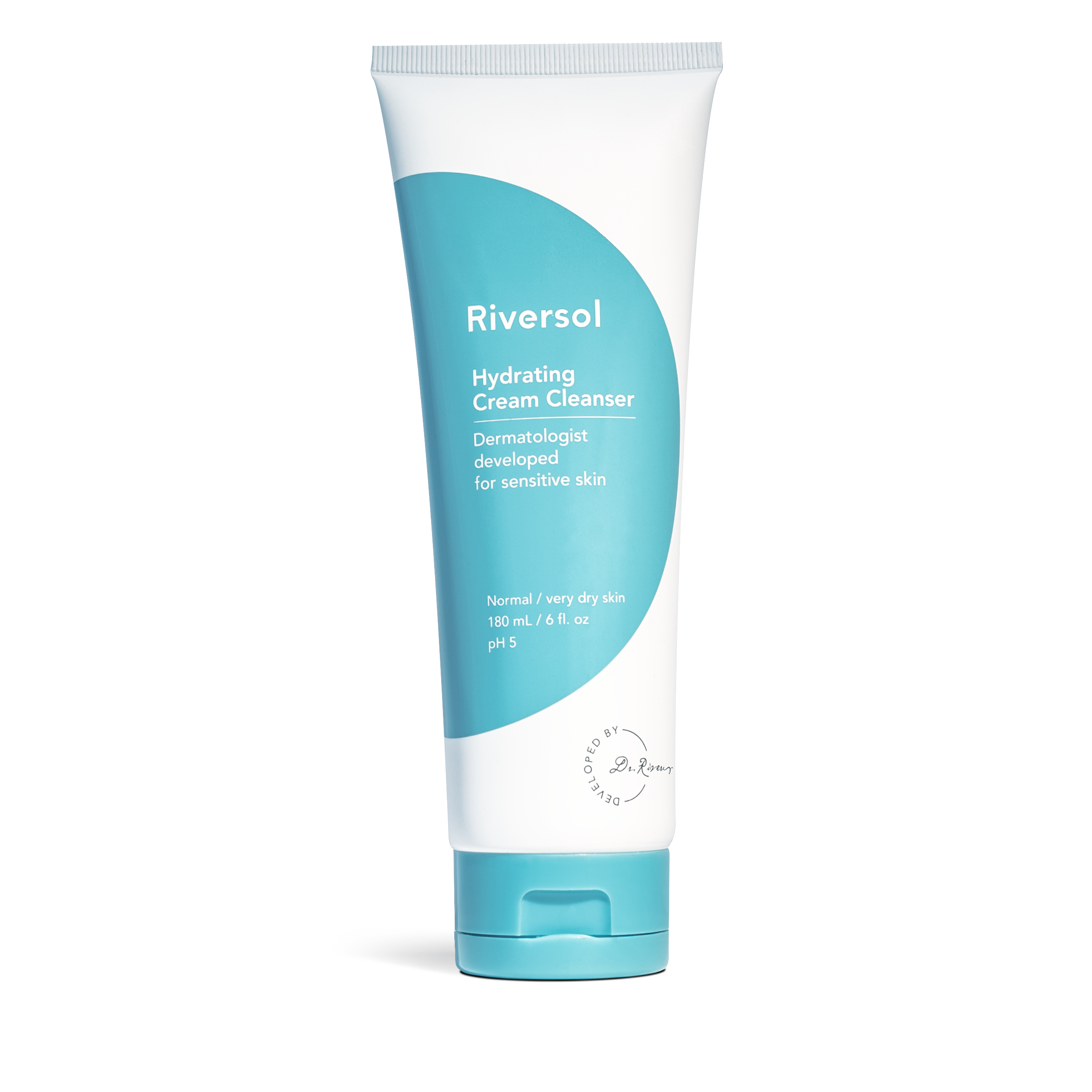
Use a non-foaming, fragrance-free cleanser that will not strip the compromised barrier. The Hydrating Cream Cleanser is formulated for sensitive and reactive skin and contains Beta-Thujaplicin (Beta-T), a naturally derived anti-inflammatory compound that calms irritation while gently removing impurities. Avoid harsh surfactants, scrubs, or exfoliating acids during the peeling phase.
Step 2: Apply a Barrier-Repair Moisturizer
Immediately after cleansing, apply a rich moisturizer to lock in hydration and support lipid barrier repair. Look for formulas with ceramides, Shea Butter, and antioxidants like Vitamin E. For patients with reactive or rosacea-prone skin, a moisturizer that combines these ingredients with an anti-inflammatory active can significantly reduce discomfort and speed healing.
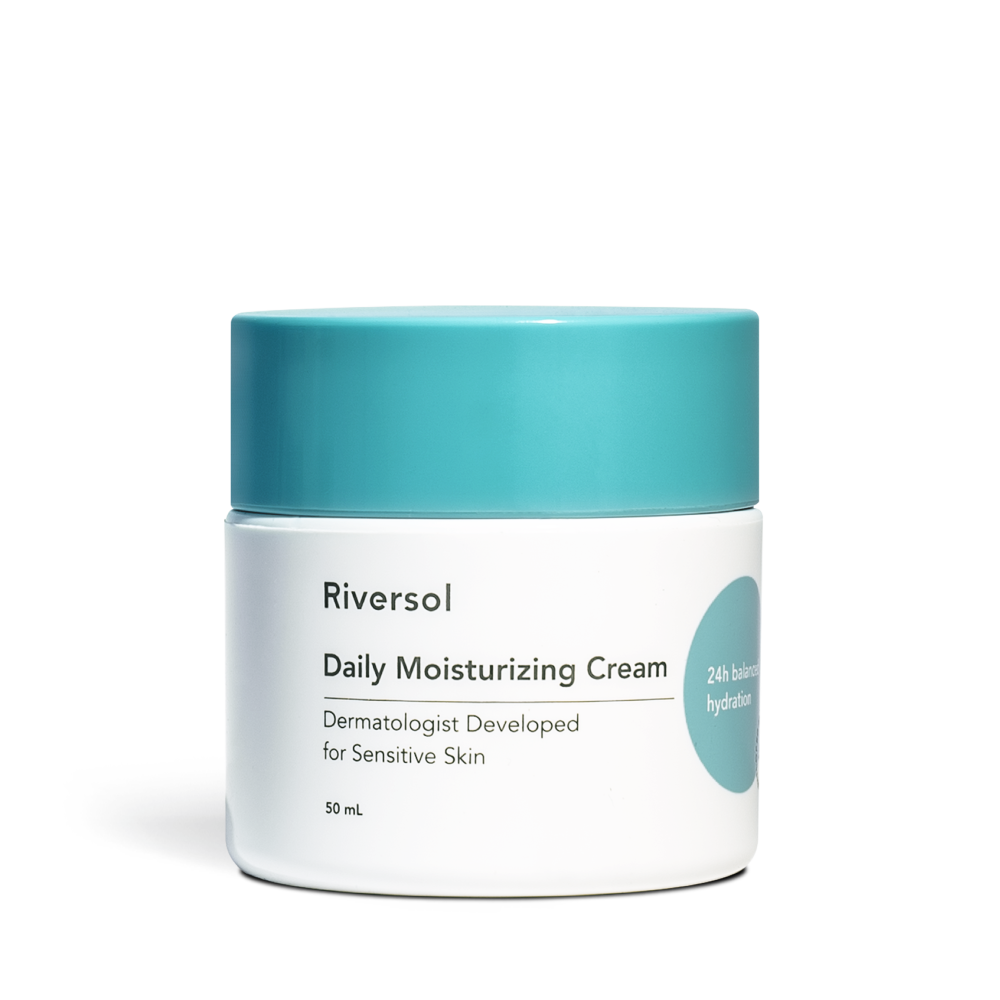
The Daily Moisturizing Cream contains Hinokitiol (Beta-T), Vitamin E, and stabilized Vitamin C (Aminopropyl Ascorbyl Phosphate, 10 times more photostable than standard ascorbic acid). This combination calms inflammation, hydrates deeply, and supports cell turnover without causing stinging or irritation on fragile, peeling skin.
Step 3: Reapply Throughout the Day
Peeling skin loses moisture rapidly. Reapply your moisturizer every 4 to 6 hours, or whenever the skin feels tight or dry. This consistent hydration prevents excessive flaking and keeps the new skin underneath soft and protected.
Step 4: Use Sun Protection
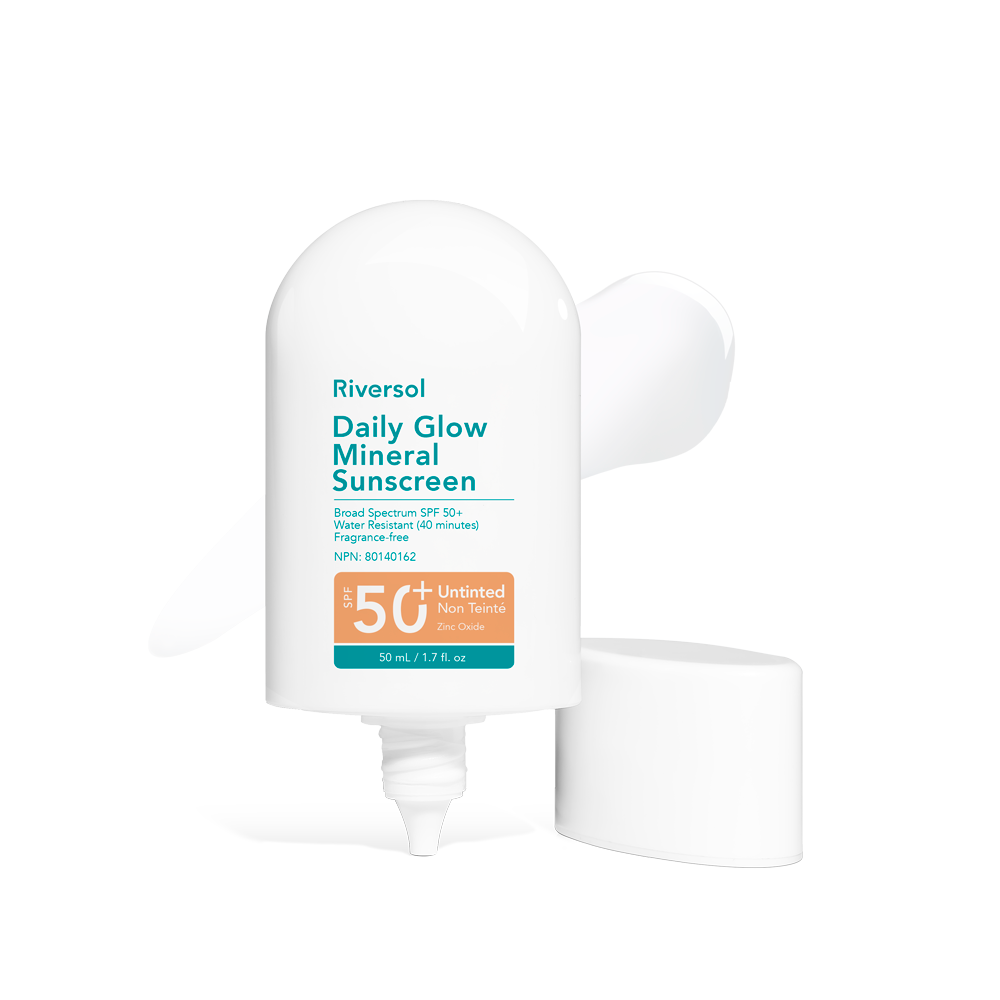
The new skin revealed beneath peeling layers is extremely vulnerable to UV damage. Apply a mineral-based sunscreen with SPF 50 or higher daily, even if you are staying indoors near windows. The Daily Glow Mineral Sunscreen SPF 50+ is formulated with zinc oxide and is gentle enough for use on healing, sensitive skin.
Best Moisturizer for Peeling Sunburned Skin: Riversol Daily Moisturizing Cream
For individuals with sensitive, reactive, or rosacea-prone skin, finding a moisturizer that hydrates without triggering further redness or irritation can be challenging. Standard drugstore options often contain fragrances, dyes, or comedogenic emollients that can aggravate sunburned skin. Riversol Daily Moisturizing Cream is dermatologist-developed for normal to dry skin and combination skin experiencing dehydration, fine lines, or barrier damage.
| Feature | Standard Drugstore Option | Riversol Daily Moisturizing Cream |
|---|---|---|
| Key Ingredient | Generic humectants (glycerin, hyaluronic acid) | Hinokitiol (Beta-T), Vitamin E, stabilized Vitamin C |
| Formula pH | Variable (often alkaline or acidic) | Neutral, non-irritating pH |
| Skin Sensation | May sting or feel greasy on compromised skin | Instantly soothing, no sting or burn |
| Key Co-Active | None or synthetic fragrance | Shea Butter for deep moisture retention |
Riversol Daily Moisturizing Cream is best suited for individuals with reactive, sensitive, or sunburned skin who need intensive hydration and barrier repair without the risk of irritation or breakouts. Trusted by over 1,000,000 customers, it is formulated and manufactured in Canada under strict dermatological standards.

What Not to Do When Your Skin Is Peeling
Improper care during the peeling phase can worsen inflammation, delay healing, and increase the risk of scarring or hyperpigmentation. Avoid these common mistakes.
Do Not Pick or Peel the Skin
Forcibly removing peeling skin disrupts the new epidermis forming underneath and can introduce bacteria, leading to infection. Let the skin shed on its own timeline.
Do Not Use Exfoliating Products
Scrubs, brushes, glycolic acid, salicylic acid, and retinol should all be avoided until the skin is fully healed. These actives can cause further irritation and damage to the compromised barrier.
Do Not Take Hot Showers
Hot water increases transepidermal water loss and can intensify stinging and redness. Use lukewarm water and pat the skin dry gently with a soft towel.
Do Not Skip Sunscreen
Even minimal UV exposure during the healing phase can deepen pigmentation and slow recovery. Apply a broad-spectrum mineral sunscreen daily and reapply every two hours if outdoors.
How to Prevent Future Sunburn and Peeling
The best treatment for sunburn peeling is prevention. According to a 2024 study published in the Journal of the American Academy of Dermatology, regular sunscreen use reduces the risk of UV-induced DNA damage by up to 90 percent and significantly lowers the incidence of both acute burns and long-term photoaging.
Apply Broad-Spectrum SPF 50+ Daily
Use a mineral-based sunscreen with zinc oxide or titanium dioxide every day, even on cloudy days or when indoors near windows. Apply at least 15 minutes before sun exposure and reapply every two hours, or immediately after swimming or sweating.
Seek Shade During Peak Hours
UV radiation is strongest between 10 a.m. and 4 p.m. Limit outdoor activities during these hours, or stay in the shade under an umbrella, tree, or covered structure.
Wear Protective Clothing
Long sleeves, wide-brimmed hats, and UV-blocking sunglasses provide physical barriers against UV exposure and are especially important for individuals with fair skin or a history of sunburn.
Support Your Skin's Antioxidant Defense
A 2025 study from the Journal of Clinical and Aesthetic Dermatology found that topical Vitamin C and Vitamin E work synergistically to neutralize free radicals generated by UV exposure, reducing oxidative stress and supporting the skin's natural repair mechanisms. Aminopropyl Ascorbyl Phosphate, the stabilized Vitamin C derivative in Riversol Daily Moisturizing Cream, delivers these benefits at a neutral pH, making it suitable for reactive and sunburn-prone skin.

Frequently Asked Questions
How long does sunburn peeling last?
Peeling typically begins 3 to 8 days after sun exposure and continues for 1 to 2 weeks, depending on the severity of the burn. Keeping the skin hydrated and protected can help speed the process and minimize discomfort.
Can I speed up the peeling process?
No. Attempting to speed up peeling by picking, exfoliating, or using harsh products will damage the new skin underneath and increase the risk of scarring and infection. Support the natural process with gentle hydration and sun protection.
Should I use aloe vera on peeling skin?
Pure aloe vera gel can provide cooling relief in the early stages of sunburn, but it is not a substitute for a barrier-repair moisturizer during the peeling phase. Look for products with ceramides, Shea Butter, and anti-inflammatory actives for more comprehensive healing support.
Will peeling skin leave scars?
Superficial sunburn peeling does not typically cause scarring if the skin is allowed to shed naturally. However, picking or forcibly removing peeling skin can damage the dermis and lead to permanent scarring or hyperpigmentation.
Can I wear makeup over peeling skin?
It is best to avoid makeup until peeling has stopped, as it can clog pores and irritate compromised skin. If you must wear makeup, use a lightweight mineral foundation and cleanse gently at the end of the day.
References
- American Academy of Dermatology. (2024). Sunburn: Overview and prevention guidelines. aad.org
- Journal of the American Academy of Dermatology. (2024). UV-induced DNA damage and sunscreen efficacy: A prospective cohort study.
- Journal of Clinical and Aesthetic Dermatology. (2025). Synergistic effects of topical Vitamin C and E on UV-induced oxidative stress.
Related Topics to Explore:
About Dr. Jason Rivers, MD
Dr. Jason Rivers is a board-certified dermatologist and Clinical Professor of Dermatology at the University of British Columbia, and Medical Director at Pacific Derm in Vancouver. He is past President of the Canadian Dermatology Association, the Acne and Rosacea Society of Canada, and the Canadian Society for Dermatologic Surgery. Dr. Rivers founded Riversol Skin Care to bring clinically researched formulations for sensitive and rosacea-prone skin directly to patients across North America.