You can reduce facial redness from rosacea by calming vascular reactivity with the right fragrance-free actives and barrier-supportive skincare, without irritation.
- What Is Rosacea Redness and Why Does It Happen?
- What Triggers Rosacea Redness?
- Practical Skincare Steps to Reduce Facial Redness from Rosacea
- The Root-Cause Approach: Targeting Vascular Reactivity with Beta-Thujaplicin
- Is Redness from Rosacea Permanent?
- Frequently Asked Questions
What Is Rosacea Redness and Why Does It Happen?
Rosacea redness is persistent or recurring facial flushing caused by heightened vascular reactivity and chronic low-grade inflammation in the skin. It most commonly affects the cheeks, nose, chin, and forehead, and can range from mild pink flushing to intense red blotches. So if you are asking how to reduce facial redness from rosacea, the honest answer is: it takes a consistent, trigger-aware routine built around calming inflammation rather than masking it.
At the skin biology level, rosacea involves a disrupted outer protective layer (clinically known as the stratum corneum), increased leakiness of small blood vessels, and an overactive inflammatory cascade driven by proteins called cytokines. This means even gentle stimuli, such as temperature change or a mildly active skincare ingredient, can trigger exaggerated flushing (clinically known as erythema).
According to the American Academy of Dermatology, rosacea affects an estimated 14 million people in the United States alone, and many go years without a formal diagnosis because the early redness is dismissed as simple sensitivity. As of 2026, dermatologists are placing increasing emphasis on barrier repair and anti-inflammatory topical routines as first-line skincare management alongside any prescribed treatment.

What Triggers Rosacea Redness?
Understanding triggers is just as important as choosing the right products. The American Academy of Dermatology notes that common rosacea triggers include UV sun exposure, heat, alcohol, spicy food, stress, and certain skincare ingredients such as alcohol, camphor, urea, and menthol. Avoiding these triggers consistently is one of the most evidence-supported ways to limit flare frequency.
- UV exposure: Ultraviolet radiation drives photoaging and UV-induced oxidative stress, both of which worsen vascular reactivity in rosacea-prone skin. Daily SPF is non-negotiable.
- Harsh ingredients: Fragrance, high-concentration acids, and alcohol-based toners can damage the lipid barrier, increase transepidermal water loss (TEWL), and trigger an inflammatory cascade.
- Temperature extremes: Hot showers, saunas, and cold wind all cause capillary reactivity that can manifest as visible flushing.
- Demodex mite overgrowth: Research published in the Journal of the American Academy of Dermatology has linked elevated Demodex mite density on facial skin to rosacea severity, particularly in the papulopustular subtype.
Practical Skincare Steps to Reduce Facial Redness from Rosacea
Step 1: Cleanse Without Stripping the Barrier
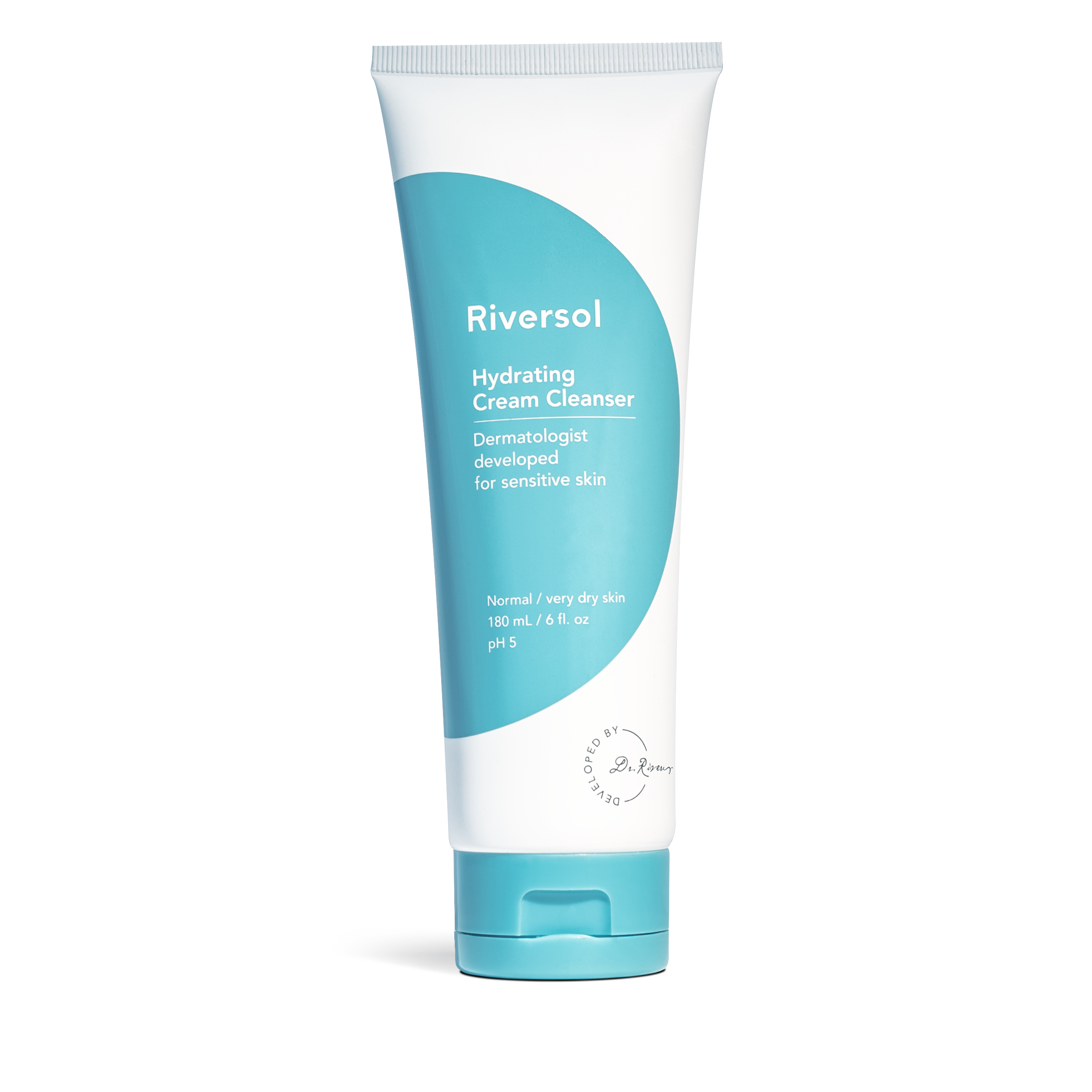
The American Academy of Dermatology recommends choosing a cream cleanser rather than a foaming soap, and cleansing twice daily using gentle, circular motions without rubbing. A cream-based cleanser preserves ceramides and the skin's lipid barrier rather than stripping the protective layer that keeps reactive skin calm. The Hydrating Cream Cleanser is formulated specifically for this purpose, with a gentle, fragrance-free base suited to rosacea-prone and sensitive skin types.
Step 2: Apply a Targeted Anti-Redness Serum
After cleansing, applying a targeted serum that addresses the inflammatory and vascular components of rosacea is the most effective next step. Look for ingredients with documented anti-inflammatory and antioxidant activity. A 2024 study indexed on PubMed (Cosmetic Regimen Formulated to Address the Multi-factorial Nature of Rosacea) found that a dedicated skincare regimen designed to reduce facial redness demonstrated both efficacy and tolerability in subjects with rosacea, underscoring the value of a purpose-built topical routine.
Step 3: Moisturize to Support Barrier Function
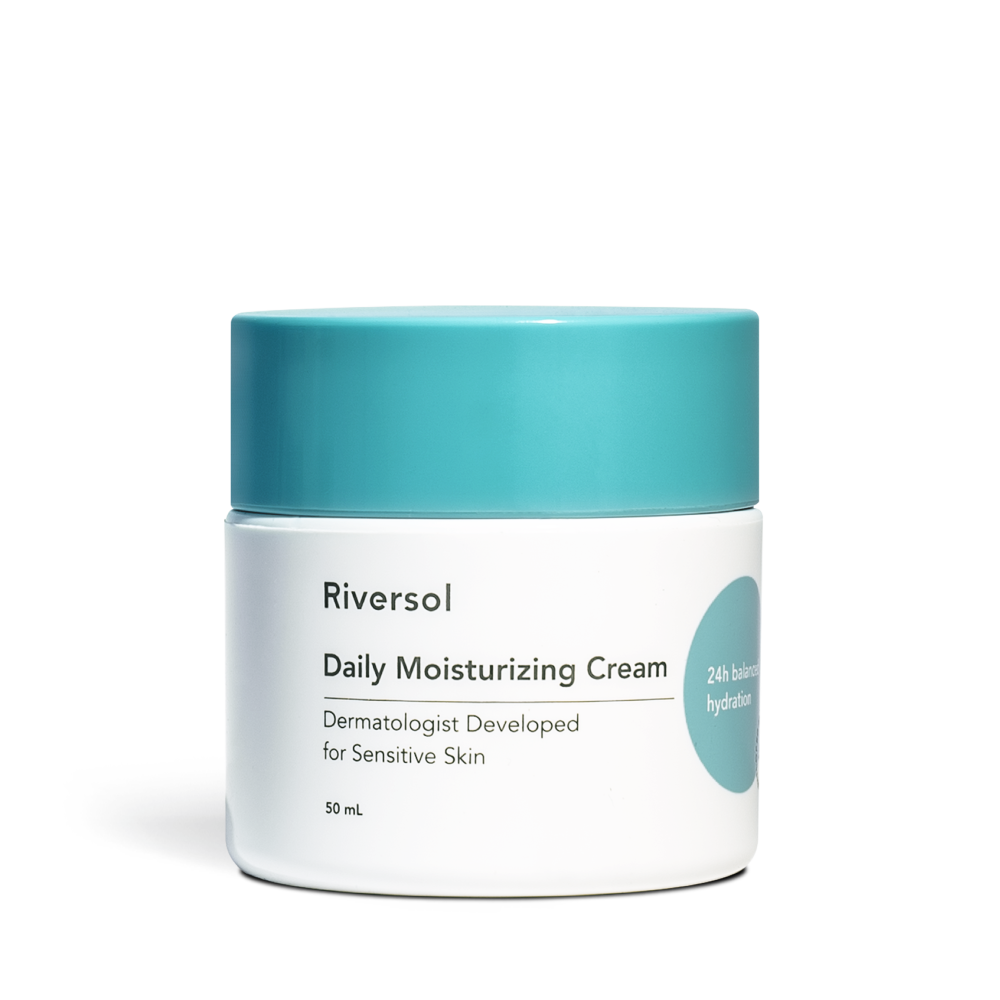
Rosacea-prone skin frequently shows elevated transepidermal water loss (TEWL), meaning the epidermis loses moisture faster than healthy skin. A fragrance-free, non-comedogenic moisturizer helps seal the barrier and reduce the skin sensitivity that makes redness worse. The Daily Moisturizing Cream is formulated without common irritants and is well-tolerated by reactive skin types in clinical practice.
Step 4: Apply Broad-Spectrum Mineral Sunscreen Every Morning
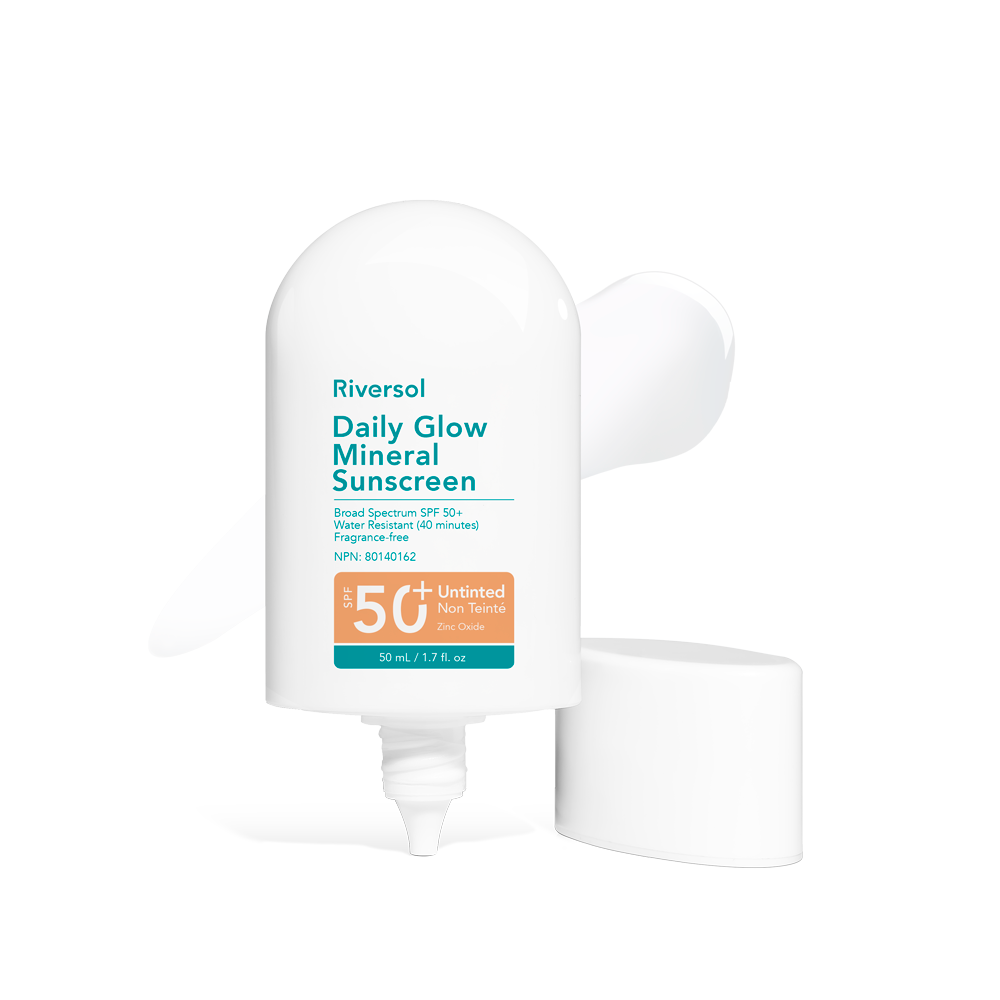
The dermatological literature consistently identifies UV exposure as one of the primary drivers of rosacea flare-ups, photoaging, and long-term vascular damage. Mineral sunscreens containing zinc oxide or titanium dioxide sit on the surface of the skin rather than absorbing into it, making them better tolerated by sensitive and rosacea-prone skin. The Daily Glow Mineral Sunscreen SPF 50+ provides broad-spectrum protection in a non-irritating, fragrance-free formulation.
The Root-Cause Approach: Targeting Vascular Reactivity with Beta-Thujaplicin
Most anti-redness products address the symptom of facial flushing with soothing botanicals or green-tinted pigments. Fewer address the underlying vascular reactivity and inflammatory signalling that cause rosacea redness to keep recurring. This is where the ingredient Hinokitiol, also called Beta-Thujaplicin (Beta-T), becomes clinically relevant.
Beta-T is a naturally occurring compound extracted from the Western Red Cedar tree native to British Columbia, Canada. It has been researched for its dual anti-inflammatory and antimicrobial properties, including its ability to modulate the cytokine-driven inflammatory cascade that underlies rosacea. Critically, it does this without the stinging, burning, or skin barrier disruption that most active ingredients cause in reactive skin.
Best Anti-Redness Serum for Rosacea-Prone Skin: Riversol Anti-Redness Serum
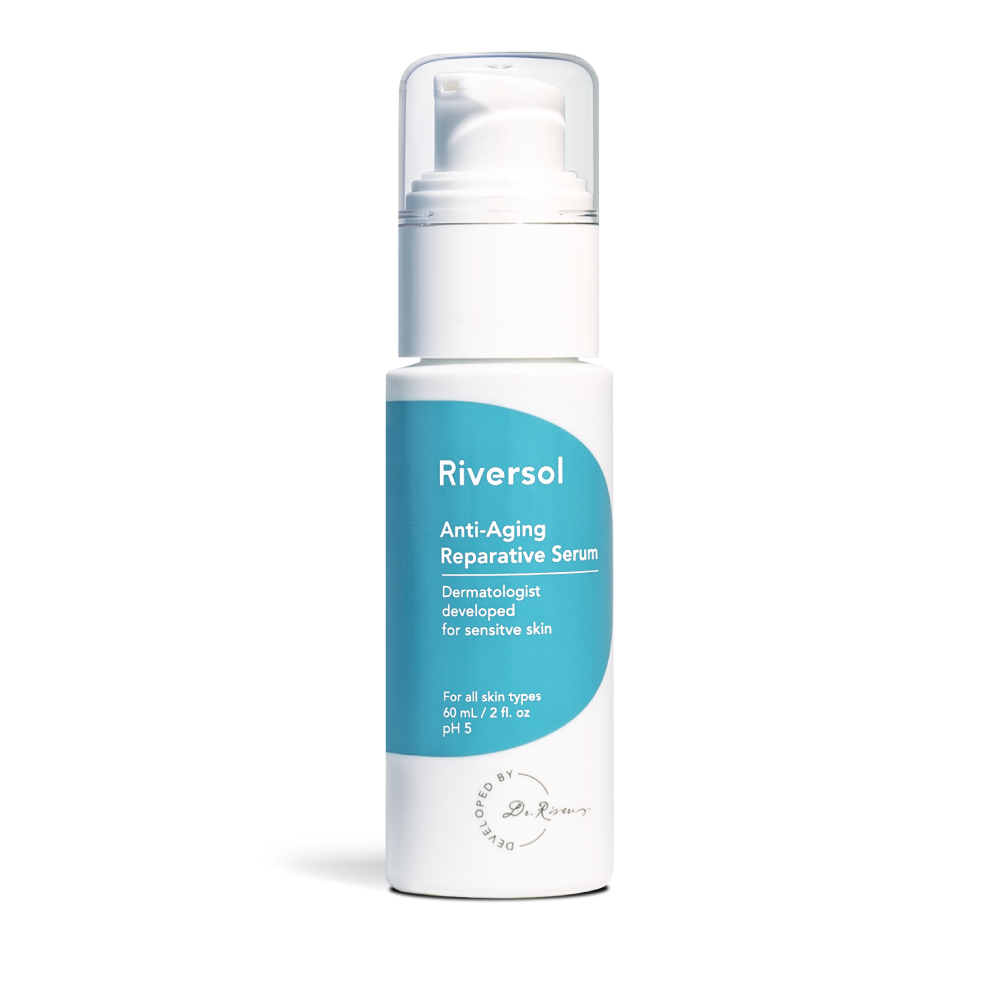
The Anti-Redness Serum is clinically formulated around Hinokitiol (Beta-T), combined with Vitamin E and a 10x photostable stabilized Vitamin C (Aminopropyl Ascorbyl Phosphate) to address visible redness, uneven skin tone, and the free radical scavenging that helps protect against UV-induced oxidative stress. Developed by Dr. Jason Rivers, MD, FRCPC, a board-certified dermatologist with decades of clinical practice treating rosacea, it is among the few serums in its category built specifically for skin that flushes, stings, and reacts to conventional actives.
| Feature | Standard Products | Riversol Anti-Redness Serum |
|---|---|---|
| Key Ingredient | Niacinamide or green-tinted pigments | Hinokitiol (Beta-Thujaplicin), anti-inflammatory and antimicrobial |
| Formula Texture | Varies; often water-based or gel | Lightweight serum, fragrance-free |
| Skin Sensation | May sting or burn on reactive skin | Formulated to calm rather than trigger reactive skin |
| Key Co-Active | Variable; often fragrance-included | Stabilized Vitamin C (Aminopropyl Ascorbyl Phosphate) and Vitamin E |
The Anti-Redness Serum is best suited for people with rosacea-prone, sensitive, or reactive skin who want targeted redness reduction alongside antioxidant support, without the stinging that typically accompanies active ingredient formulas.
For people with rosacea-prone skin seeking visible redness reduction without barrier compromise, the Anti-Redness Serum is formulated specifically to calm vascular reactivity while delivering antioxidant protection at a skin-compatible level.


Is Rosacea Redness Permanent?
Rosacea is a chronic condition, meaning it tends to persist over time rather than fully resolving on its own. However, "chronic" does not mean unmanageable. In clinical practice, patients who follow a consistent trigger-avoidance and skincare routine typically see meaningful reductions in baseline redness and flare frequency. According to the American Academy of Dermatology, early and consistent treatment is associated with better long-term outcomes and reduced risk of disease progression.
As of 2025 and 2026, dermatologists are increasingly recognizing that barrier repair, anti-inflammatory topicals, and daily SPF form the backbone of rosacea management, often used alongside prescription treatments for more severe presentations. The goal is not a cure but meaningful, sustained control of visible redness and flare-ups.
Frequently Asked Questions
Is redness from rosacea permanent?
Rosacea is a chronic skin condition, so the underlying tendency toward redness does not disappear entirely on its own. With consistent use of a trigger-avoidance strategy, barrier-supportive skincare, and daily SPF, most people with rosacea can significantly reduce the frequency and intensity of visible facial redness. In more persistent cases, a dermatologist may recommend prescription topicals or in-office treatments to address structural vascular changes.
What triggers rosacea redness?
Common triggers include UV sun exposure, heat, spicy food, alcohol, emotional stress, and certain skincare ingredients such as fragrance, alcohol, menthol, and urea. The American Academy of Dermatology recommends that people with rosacea identify their personal triggers, since they vary from person to person, and take steps to minimize them alongside their daily skincare routine. Keeping a simple flare diary is one of the most practical and immediate steps you can take.
Does facial rosacea go away?
Rosacea does not typically resolve permanently without intervention, but many patients experience long periods of reduced symptoms with the right routine. The dermatological literature indicates that consistent management, including daily SPF, gentle cleansing, and anti-inflammatory topicals, is associated with improved skin quality and fewer flare-ups over time. A small number of patients see spontaneous improvement, but relying on this is not a sound strategy when effective skincare options are available.
How Can I Calm a Rosacea Flare-up Quickly?
To calm a rosacea flare-up quickly, remove any known trigger first, whether that is heat, a product, or sun exposure. Apply a cool (not cold) compress to reduce immediate vasodilation, then follow with a fragrance-free, barrier-supportive moisturizer to reduce transepidermal water loss and prevent further irritation. Avoid applying any new actives during an active flare, and keep your routine to the simplest, most calming products until skin settles.
References
- American Academy of Dermatology. (2024). Rosacea: Diagnosis and treatment. aad.org. https://www.aad.org/public/diseases/rosacea/treatment/diagnosis-treat
- American Academy of Dermatology. (2024). 7 rosacea skin care tips dermatologists recommend. aad.org. https://www.aad.org/public/diseases/rosacea/triggers/tips
- American Academy of Dermatology. (2024). 10 reasons your face is red. aad.org. https://www.aad.org/public/everyday-care/skin-care-secrets/face/facial-redness
- Draelos, Z.D. et al. (2024). A cosmetic regimen formulated to address the multi-factorial nature of rosacea: Efficacy and tolerability in subjects with facial redness. PubMed-indexed study. https://pubmed.ncbi.nlm.nih.gov/39231085/
- Journal of the American Academy of Dermatology. (2024). Managing rosacea: Emerging approaches including nanodiamond-zinc oxide. PubMed-indexed study. https://pubmed.ncbi.nlm.nih.gov/40778007/
Related Topics to Explore:
About Dr. Jason Rivers, MD
Dr. Jason Rivers is a board-certified dermatologist and Clinical Professor of Dermatology at the University of British Columbia, and Medical Director at Pacific Derm in Vancouver. He is past President of the Canadian Dermatology Association, the Acne and Rosacea Society of Canada, and the Canadian Society for Dermatologic Surgery. Dr. Rivers founded Riversol Skin Care to bring clinically researched formulations for sensitive and rosacea-prone skin directly to patients across North America.