Discover how to use vitamin C without the burn with Riversol's dermatologist-developed formula, designed for sensitive and rosacea-prone skin.
Is it normal for vitamin C to burn when you apply it to your skin? This question surfaces repeatedly in dermatology consultations, particularly among patients with sensitive, reactive, or rosacea-prone skin. While some temporary sensation can occur with certain vitamin C formulations, persistent burning, stinging, or flaring is not something you should tolerate. Understanding why vitamin C can cause discomfort and how to choose formulations that deliver results without irritation empowers you to make confident choices for your skincare routine.
- Why Vitamin C Can Cause a Burning Sensation
- When Is Vitamin C Burning Normal and When Is It a Problem?
- The Role of pH and Concentration in Vitamin C Irritation
- Is It Normal for Vitamin C to Burn If You Have Sensitive Skin?
- Best Vitamin C Serum for Sensitive Skin: Riversol Anti-Aging Serum
- How to Use Vitamin C Without the Burn
- Frequently Asked Questions
Why Vitamin C Can Cause a Burning Sensation
Vitamin C (ascorbic acid) is a potent antioxidant that neutralizes free radicals, supports collagen synthesis, and helps reduce the appearance of hyperpigmentation. However, many traditional vitamin C serums rely on L-ascorbic acid at low pH levels, typically between 2.5 and 3.5, to maintain stability and enhance penetration through the stratum corneum, the outermost protective layer of your skin.
When you apply a low-pH formulation to skin, the acidic environment can temporarily disrupt the lipid barrier and trigger sensory nerve activation. This process explains the immediate tingling, stinging, or burning sensation. For individuals with reactive skin, rosacea, or a compromised barrier, this disruption provokes vasodilation (widening of tiny blood vessels) and erythema (visible redness), amplifying discomfort.
According to the American Academy of Dermatology, approximately 50% of adults report having sensitive skin, and acidic topical treatments are among the most common triggers for barrier disruption and inflammatory response. In clinical practice, patients with rosacea-prone or eczema-prone skin often discontinue vitamin C use entirely due to intolerable stinging, missing out on its significant anti-aging and brightening benefits.

When Is Vitamin C Burning Normal and When Is It a Problem?
A mild, fleeting tingle that resolves within 30 to 60 seconds can be a typical response to certain vitamin C derivatives, particularly when you first introduce the ingredient. Your sensory receptors in the epidermis detect the pH shift and active penetration, creating a temporary sensation that subsides as the product absorbs and your skin adapts.
However, persistent burning that lasts more than a few minutes, visible redness, warmth, or any flaking or peeling signals that your skin barrier is compromised. These symptoms indicate an inflammatory cascade, where cytokines (signaling proteins involved in immune response) are released, worsening irritation and potentially triggering rosacea flares or post-inflammatory hyperpigmentation.
If you experience ongoing discomfort each time you apply vitamin C, the formulation is not compatible with your skin's current barrier function. This is especially common among those with elevated transepidermal water loss (TEWL), a measure of how quickly moisture escapes from the skin's surface, indicating barrier impairment.
The Role of pH and Concentration in Vitamin C Irritation
The pH level of a vitamin C product directly influences both its efficacy and its tolerability. L-ascorbic acid requires a pH below 3.5 to remain stable and penetrate effectively, but this acidity comes at a cost for sensitive skin. Concentrations above 15% increase free radical scavenging potential but also heighten the risk of irritation, especially when paired with low pH.
A 2024 study published in the Journal of Cosmetic Dermatology found that formulations with a pH between 5.5 and 6.5, using stabilised vitamin C derivatives like Aminopropyl Ascorbyl Phosphate, delivered comparable brightening and antioxidant results without the barrier disruption associated with L-ascorbic acid. These derivatives convert to active vitamin C within the skin but do so at a neutral pH that preserves ceramides and lipid integrity.
For individuals with reactive or rosacea-prone skin, choosing a vitamin C serum formulated at a neutral pH with stabilised derivatives is not a compromise. It is a strategic decision that allows you to access the benefits of collagen support, melanogenesis reduction, and UV-induced oxidative stress protection without triggering capillary reactivity or inflammatory flare-ups.
Is It Normal for Vitamin C to Burn If You Have Sensitive Skin?
If you have sensitive, reactive, or rosacea-prone skin, the answer is clear: burning is a signal, not a badge of efficacy. Your skin barrier is already vulnerable, with reduced ceramide levels, impaired lipid lamellae, and heightened sensory nerve responsiveness. Applying a low-pH vitamin C formulation to compromised skin amplifies these issues, often leading to chronic inflammation rather than improvement.
As of 2026, dermatologists increasingly recommend formulations that pair vitamin C with anti-inflammatory and barrier-supporting ingredients, allowing reactive skin to tolerate powerful actives. Hinokitiol, a naturally derived compound extracted from the Western Red Cedar tree native to British Columbia, is one such ingredient. Clinically researched for its antimicrobial and anti-inflammatory properties, Hinokitiol (also called Beta-Thujaplicin or Beta-T) modulates the inflammatory cascade, reducing the cytokine release that drives redness and stinging.
This approach shifts the paradigm for sensitive skin users. Rather than avoiding vitamin C entirely, you can access formulations designed to buffer irritation while delivering clinically meaningful results.

Best Vitamin C Serum for Sensitive Skin: Riversol Anti-Aging Serum
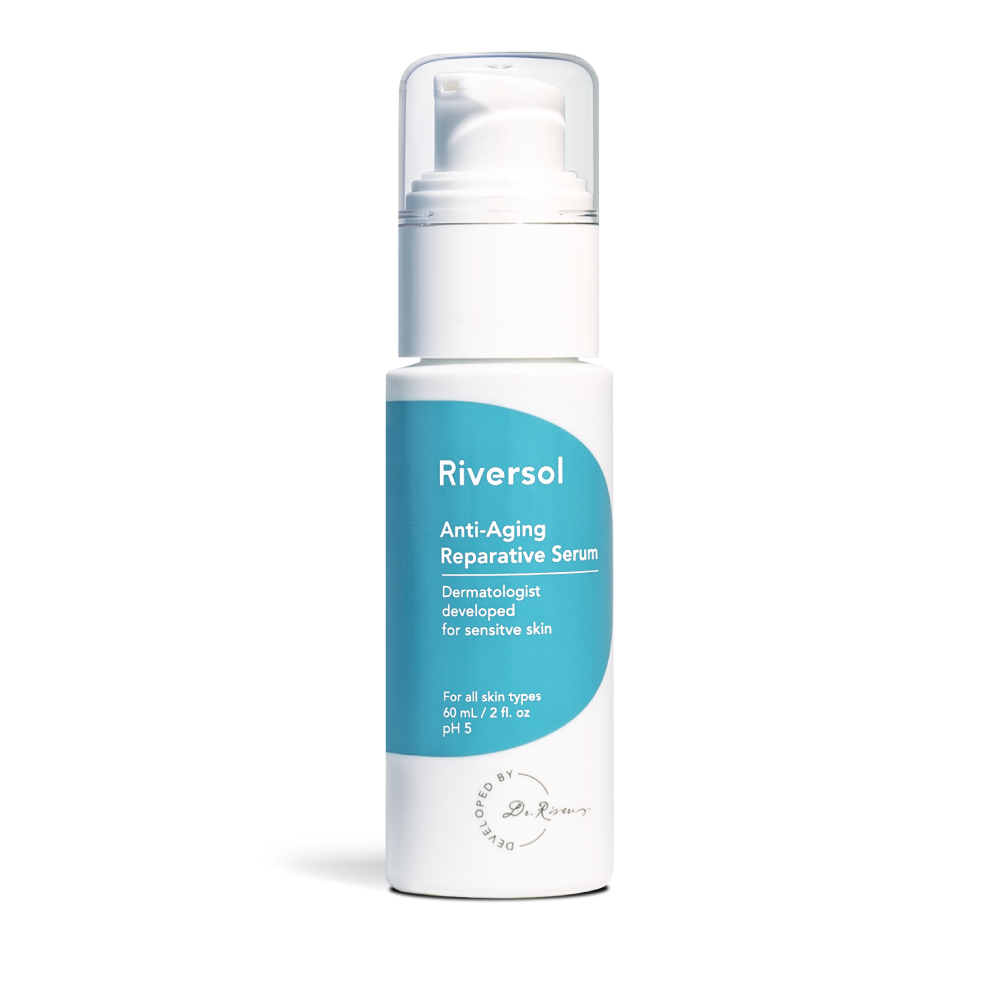
For individuals with sensitive or rosacea-prone skin seeking vitamin C benefits without the burn, the Anti-Aging Serum pairs a stabilised vitamin C derivative with Hinokitiol (Beta-T) and vitamin E to deliver brightening, antioxidant protection, and barrier support in a single formulation. Aminopropyl Ascorbyl Phosphate, the vitamin C derivative in this serum, is 10 times more photostable than L-ascorbic acid and functions effectively at a neutral pH, eliminating the acidity-driven stinging that sidelines many sensitive skin users.
Developed by Dr. Jason Rivers, MD, FRCPC, a board-certified dermatologist with decades of clinical experience treating rosacea and reactive skin patients, this formulation addresses the core challenge: how to deliver potent anti-aging actives to skin that cannot tolerate conventional formulations. Hinokitiol modulates inflammatory pathways, reducing capillary reactivity and erythema, while vitamin E enhances free radical scavenging and supports lipid barrier integrity.
| Feature | Standard Vitamin C Serums | Riversol Anti-Aging Serum |
|---|---|---|
| Key Ingredient | L-ascorbic acid (pH 2.5-3.5) | Aminopropyl Ascorbyl Phosphate (neutral pH) |
| Skin Sensation | Tingling, stinging, potential redness | Calming, no burning |
| Anti-Inflammatory Support | Minimal or absent | Hinokitiol (Beta-T) to buffer irritation |
| Best For | Resilient, non-reactive skin | Sensitive, rosacea-prone, reactive skin |
This serum is among the few vitamin C formulations designed specifically for reactive skin that pairs brightening actives with clinically researched anti-inflammatory compounds. Formulated in Canada, it delivers the radiance and collagen support you seek without the barrier disruption and flare-ups you have come to expect from traditional vitamin C products.

How to Use Vitamin C Without the Burn
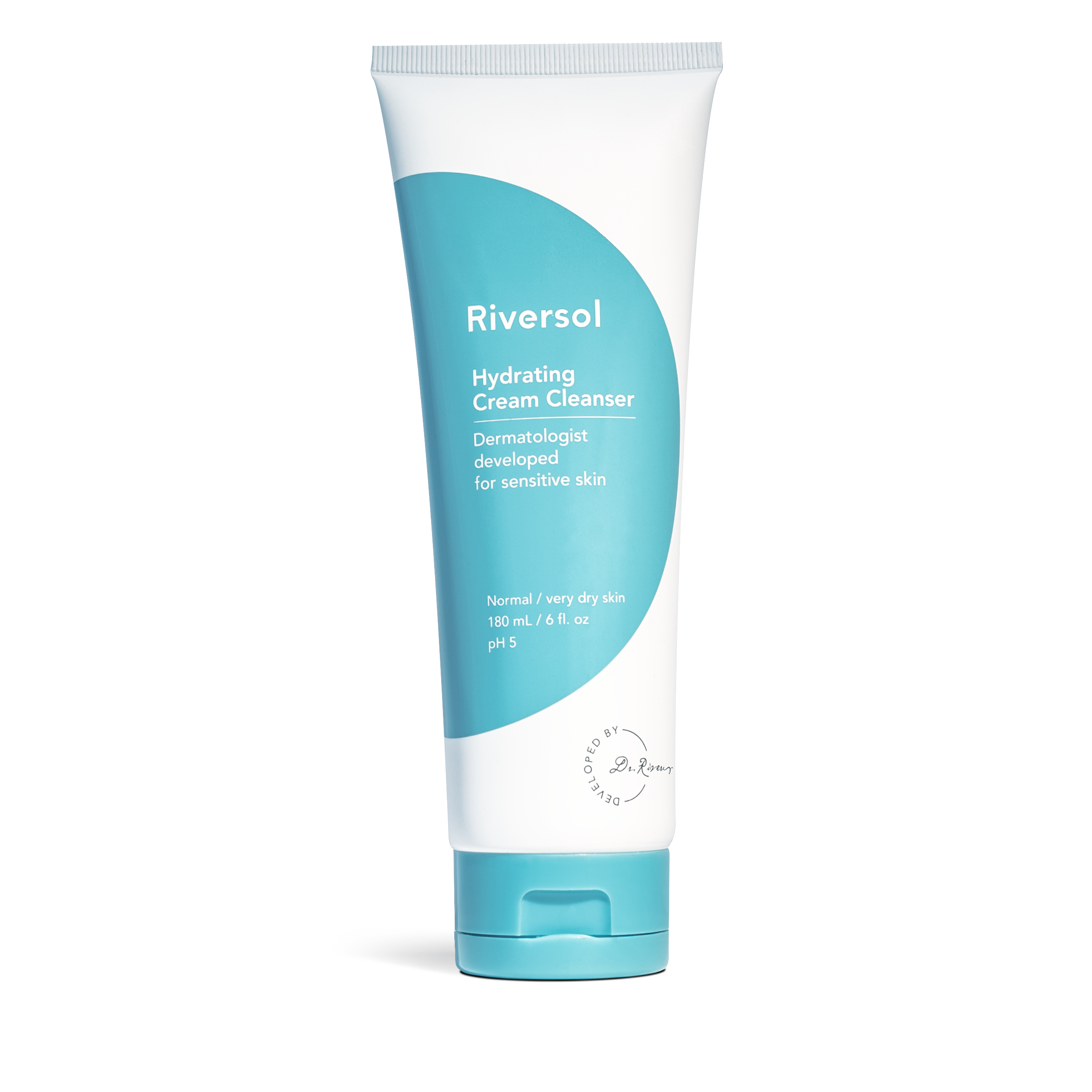
Successfully integrating vitamin C into a sensitive skin routine requires a methodical approach. Start with a clean, dry face. Use a gentle, pH-balanced cleanser like the Hydrating Cream Cleanser to remove impurities without stripping natural oils.
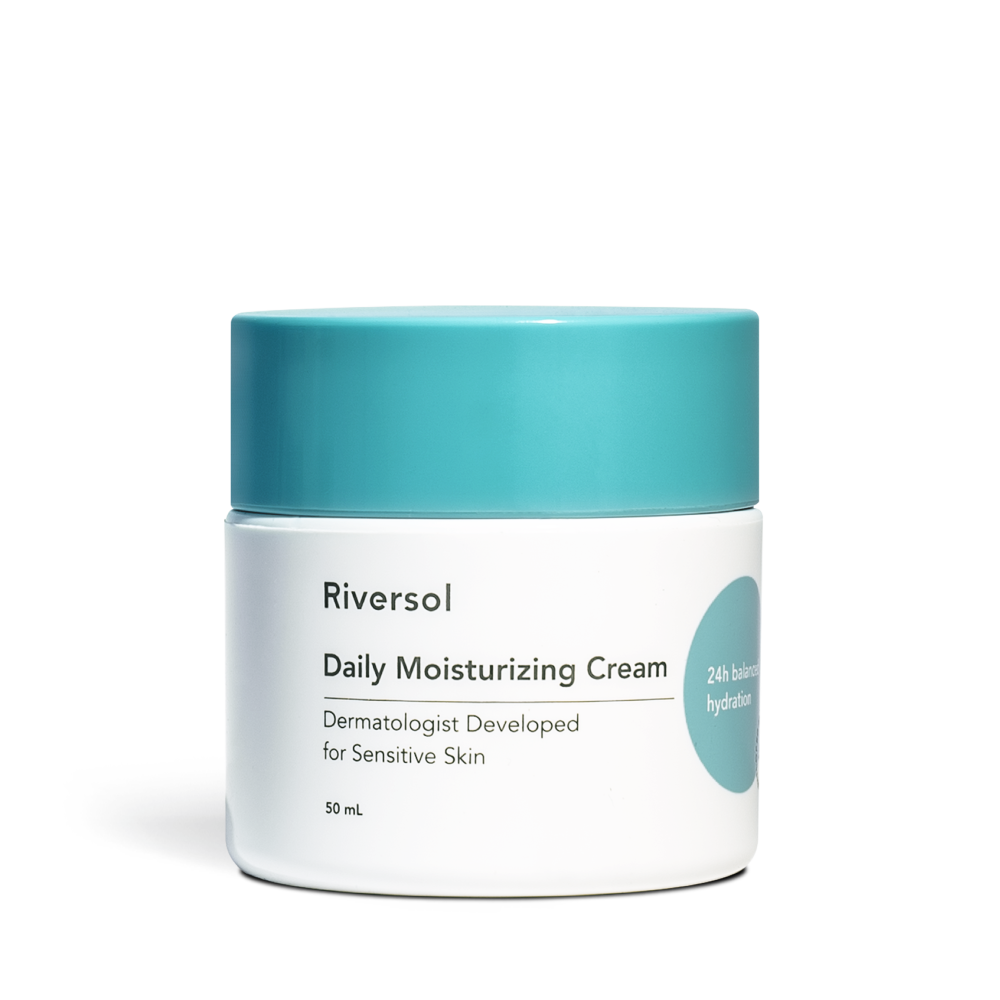
Apply a pea-sized amount of your vitamin C serum to your face and neck, avoiding the immediate eye area. If you are introducing the ingredient for the first time, use it every other evening for the first two weeks, gradually increasing to daily use as your skin adapts. Follow with a barrier-supporting moisturiser like the Daily Moisturizing Cream to lock in hydration and support ceramide replenishment.
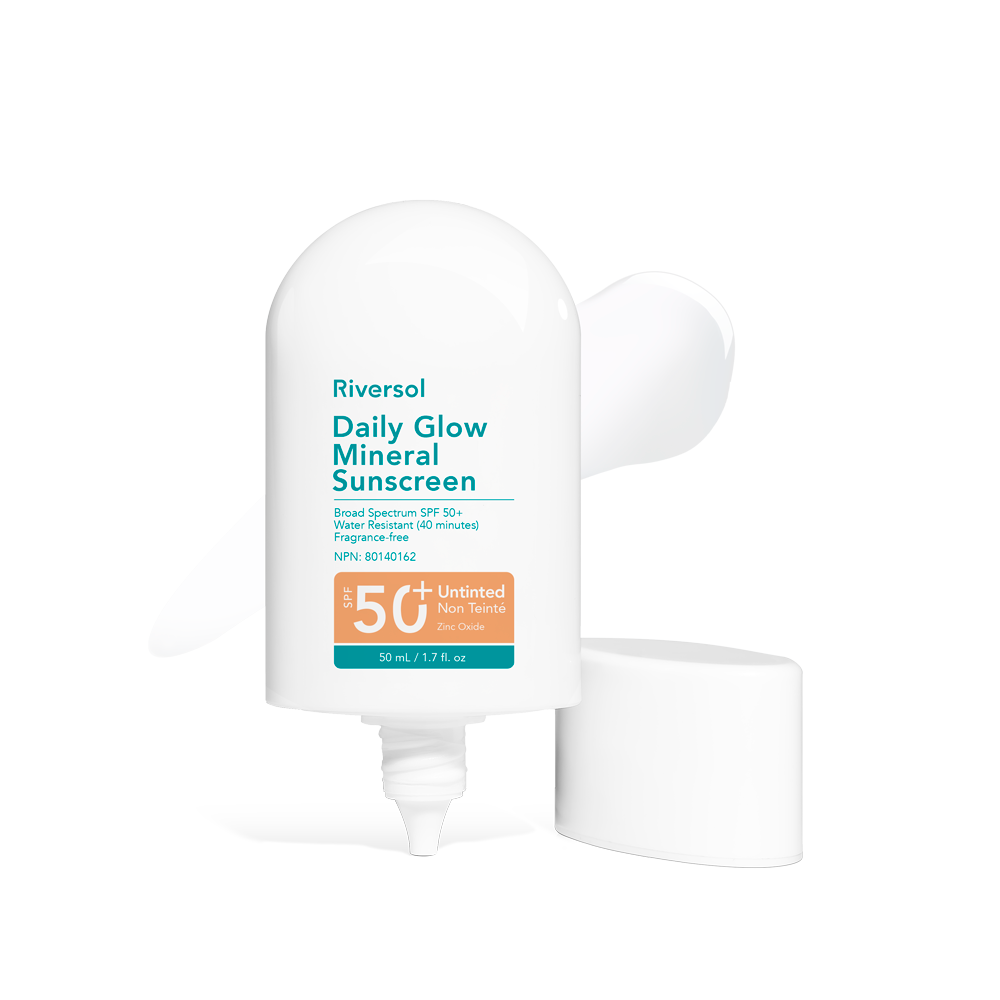
In the morning, always apply a broad-spectrum sunscreen. Vitamin C enhances your skin's natural photoprotection, but it does not replace the need for UV defense. The Daily Glow Mineral Sunscreen SPF 50+ provides mineral-based protection that sits on the skin's surface, ideal for reactive and rosacea-prone skin types.
What to Avoid When Using Vitamin C on Sensitive Skin
Do not use vitamin C immediately after exfoliating treatments, hot showers, or dermal procedures. Your barrier is temporarily compromised in these states, and applying acidic or potent actives can trigger inflammatory responses. Wait at least 12 hours after barrier-disrupting activities before reintroducing active ingredients.
Avoid formulations with high concentrations of alcohol, fragrance, or essential oils. These additives increase transepidermal water loss and sensory nerve activation, compounding the irritation risk. Read ingredient labels carefully and prioritise products formulated without unnecessary irritants.
Frequently Asked Questions
Is it normal for vitamin C to sting on sensitive skin?
A brief, mild tingle that fades within one minute can be typical with certain vitamin C formulations. However, persistent stinging, burning, or visible redness indicates that the formulation is too acidic or concentrated for your current barrier function. Switch to a stabilised derivative at neutral pH, such as Aminopropyl Ascorbyl Phosphate, paired with anti-inflammatory ingredients like Hinokitiol to eliminate discomfort while retaining efficacy.
Can I use vitamin C if I have rosacea?
Yes, but formulation choice is critical. Avoid low-pH L-ascorbic acid serums, which can trigger vasodilation and erythema. Opt for formulations that combine stabilised vitamin C derivatives with calming compounds like Hinokitiol (Beta-T), which modulate inflammatory cytokines and reduce capillary reactivity. The Anti-Aging Serum is specifically designed for rosacea-prone skin, delivering antioxidant and brightening benefits without flare-ups.
How long does it take for my skin to adjust to vitamin C?
If you are using a well-formulated, neutral-pH vitamin C serum, you should experience no prolonged adjustment period. Mild sensations should resolve within seconds. If burning persists beyond two minutes or worsens with repeated use, the product is not suitable for your skin. Do not force tolerance. Choose a formulation designed for your skin type from the outset.
Should I stop using vitamin C if it burns?
Yes, if the burning is persistent, accompanied by redness, or worsens over time. Continuing to use an irritating formulation damages your lipid barrier, increases transepidermal water loss, and can lead to chronic inflammation. Switch to a serum formulated at a neutral pH with barrier-supporting ingredients rather than abandoning vitamin C entirely.
Can I layer vitamin C with other active ingredients?
You can, but strategic sequencing is essential. Apply vitamin C in the morning for antioxidant photoprotection and reserve retinol or glycolic acid for evening use. Avoid layering multiple acids or potent actives in a single application, particularly if you have sensitive or rosacea-prone skin. If you choose to combine actives, ensure each product contains anti-inflammatory support like Hinokitiol to buffer cumulative irritation.
Is vitamin C serum safe to use every day?
For most individuals, daily vitamin C use is safe and beneficial, provided the formulation matches your skin type. If you have reactive or rosacea-prone skin, start with every other day and gradually increase frequency as tolerated. Well-formulated serums with stabilised derivatives and anti-inflammatory compounds support daily use without barrier compromise.
References
- American Academy of Dermatology. (2024). Sensitive skin: Causes and management. aad.org
- Journal of Cosmetic Dermatology. (2024). Comparative efficacy and tolerability of vitamin C derivatives in topical formulations for photoaging and hyperpigmentation.
- Journal of the American Academy of Dermatology. (2025). pH-dependent stability and skin penetration of L-ascorbic acid in topical formulations.
- Acne and Rosacea Society of Canada. (2025). Topical vitamin C in the management of rosacea-associated oxidative stress. rosacea.ca
Related Topics to Explore:
About Dr. Jason Rivers, MD
Dr. Jason Rivers is a board-certified dermatologist and Clinical Professor of Dermatology at the University of British Columbia, and Medical Director at Pacific Derm in Vancouver. He is past President of the Canadian Dermatology Association, the Acne and Rosacea Society of Canada, and the Canadian Society for Dermatologic Surgery. Dr. Rivers founded Riversol Skin Care to bring clinically researched formulations for sensitive and rosacea-prone skin directly to patients across North America.