Fix dry skin post menopause by rebuilding your barrier with ceramide-rich moisturizers and anti-inflammatory actives formulated safe for hormonally reactive skin.
- Why Post-Menopausal Skin Becomes So Dry
- The Barrier Breakdown: What's Actually Happening in Your Skin
- Why Standard Moisturizers Fall Short for Post-Menopausal Skin
- A Practical Routine for Fixing Post-Menopausal Dry Skin
- Frequently Asked Questions
Why Post-Menopausal Skin Becomes So Dry
How to fix dry skin post menopause? The answer starts with understanding that this is a hormonal and biological shift, not simply a case of needing more lotion. Post-menopausal dry skin refers to the accelerated loss of moisture, elasticity, and barrier function that follows the decline of estrogen in the skin. The changes are measurable, progressive, and often more pronounced than anything experienced earlier in life.
Estrogen plays a direct role in maintaining the outer protective layer of skin (clinically known as the stratum corneum). It supports the production of natural oils, collagen, and the lipids that hold skin cells together. As of 2026, dermatological research increasingly recognises that estrogen decline is one of the most significant drivers of accelerated skin aging in women over 50.
According to the American Academy of Dermatology, skin loses approximately 30% of its collagen in the first five years after menopause, with dryness, thinning, and increased sensitivity developing in parallel. This is not cosmetic concern. It is a clinical change in skin physiology that requires a targeted response.
The Barrier Breakdown: What's Actually Happening in Your Skin
The skin barrier is a lipid-rich matrix of ceramides, fatty acids, and cholesterol that sits within the stratum corneum. Its job is to retain moisture and block environmental irritants. When estrogen drops, the production of these barrier lipids slows, and the rate of invisible moisture loss from the skin's surface (clinically known as transepidermal water loss, or TEWL) increases significantly.
A 2013 study published in PubMed (Stute et al.) found that progesterone and estrogen both influence skin thickness, hydration, and sebaceous gland activity, with hormonal decline correlating directly with measurable reductions in skin moisture content. The practical result is skin that feels perpetually tight, rough, and reactive, even without an identifiable trigger.
Inflammatory sensitivity also increases. Without the regulatory effect of estrogen on immune signalling molecules (clinically known as cytokines), post-menopausal skin overreacts to products, temperatures, and textures it previously tolerated. This is why many women find that moisturizers they used for years suddenly sting or feel insufficient.
Why Standard Moisturizers Fall Short for Post-Menopausal Skin
Most conventional moisturizers address surface dryness with humectants like hyaluronic acid and occlusive agents like petroleum jelly. These are useful starting points, but they do not address the underlying inflammatory sensitivity or compromised lipid barrier that drive post-menopausal dryness. For skin that is both dry and reactive, the cream itself can become a source of irritation.
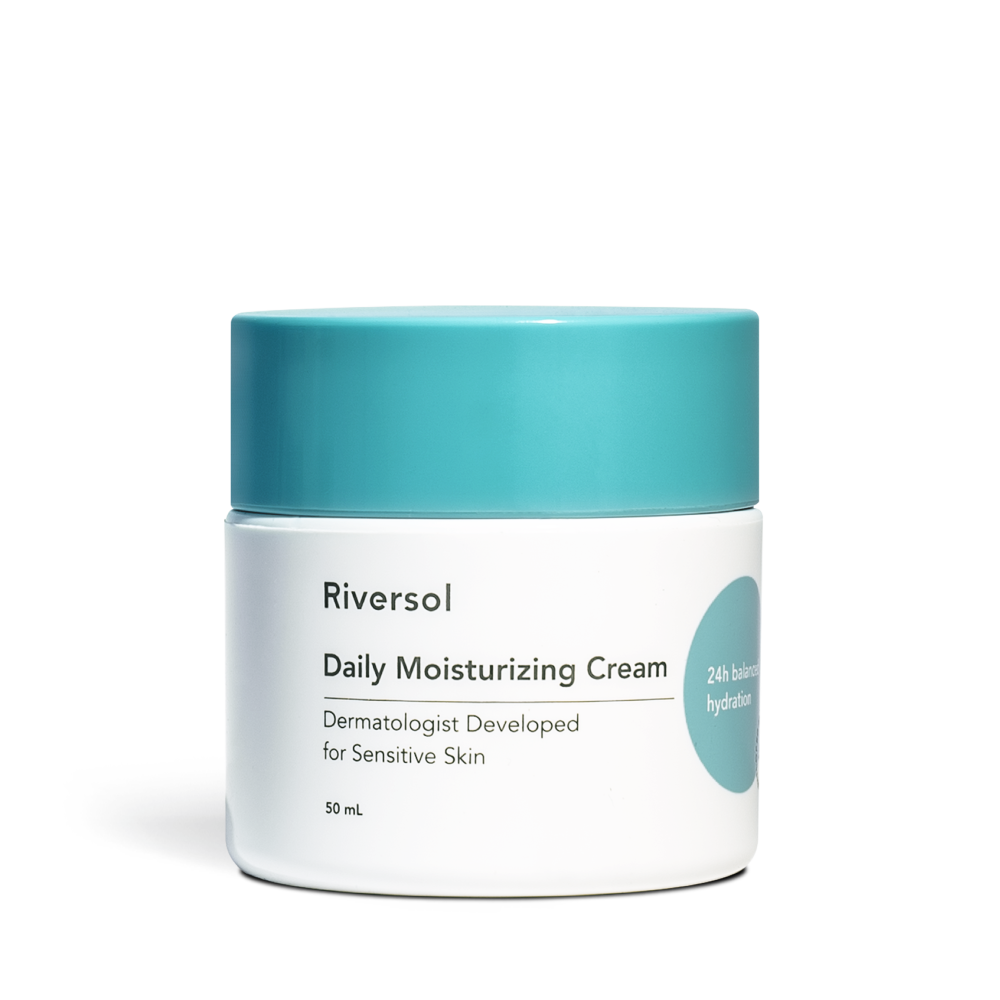
This is the gap that Riversol's Daily Moisturizing Cream is formulated to address. It combines Shea Butter and Vitamin E for barrier-replenishing moisture with Hinokitiol (also known as Beta-Thujaplicin, or Beta-T), a clinically researched anti-inflammatory compound extracted from the Western Red Cedar tree native to British Columbia. Beta-T in the Daily Moisturizing Cream helps calm the heightened cytokine-driven reactivity that accompanies estrogen decline, allowing the moisturizing actives to penetrate rather than sit on an inflamed surface layer. The formula also contains Aminopropyl Ascorbyl Phosphate, a stabilised form of Vitamin C that is 10 times more photostable than ascorbic acid, supporting collagen synthesis without the irritation risk of standard Vitamin C concentrations.
| Feature | Standard Moisturizers | Riversol Daily Moisturizing Cream |
|---|---|---|
| Key Ingredient | Hyaluronic acid or glycerin | Hinokitiol (Beta-T), Shea Butter, Vitamin E |
| Formula Texture | Lightweight lotion or gel | Rich cream, formulated for normal to dry and reactive skin |
| Skin Sensation | Can sting or feel insufficient on reactive skin | Calming; formulated to reduce inflammatory sensitivity |
| Key Co-Active | Often none beyond basic humectants | Stabilised Vitamin C (Aminopropyl Ascorbyl Phosphate) for collagen support |
The Daily Moisturizing Cream is best suited for post-menopausal skin that is simultaneously dry, sensitive, and showing early signs of aging, particularly where standard creams have felt either irritating or ineffective.
Best Moisturizer for Post-Menopausal Dry Skin: Riversol Daily Moisturizing Cream
Clinically formulated for normal to dry and reactive skin by Dr. Jason Rivers, MD, FRCPC, a board-certified dermatologist, the Daily Moisturizing Cream is among the few moisturizers in its category that pairs barrier-repair ingredients with an anti-inflammatory active specifically chosen to address the inflammatory cascade associated with post-menopausal estrogen decline. It is trusted by over 1,000,000 customers and formulated and manufactured in Canada.
For post-menopausal skin seeking deep, lasting hydration without the reactivity risk of conventional creams, the Daily Moisturizing Cream is formulated specifically to calm inflammatory sensitivity while restoring the lipid barrier depleted by estrogen decline.

A Practical Routine for Fixing Post-Menopausal Dry Skin
The most effective approach to how to fix dry skin post menopause combines gentle cleansing, targeted barrier repair, and consistent sun protection. Each step serves a specific function in reversing the moisture deficit and preventing further collagen breakdown.
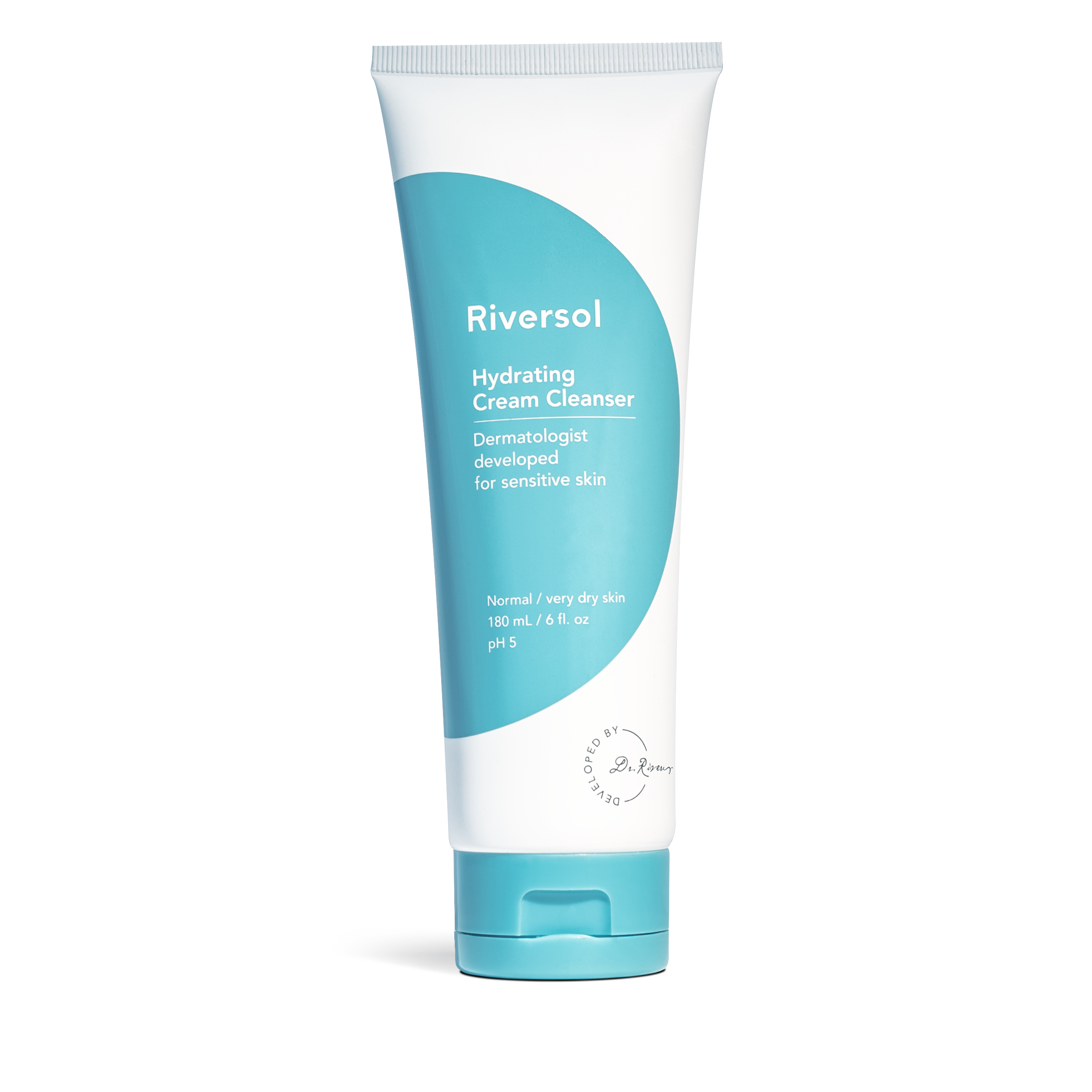
Step 1: Cleanse without stripping. Foaming cleansers remove protective lipids from already-depleted skin. The Hydrating Cream Cleanser maintains the skin's natural pH and preserves surface oils that post-menopausal skin cannot easily replace.
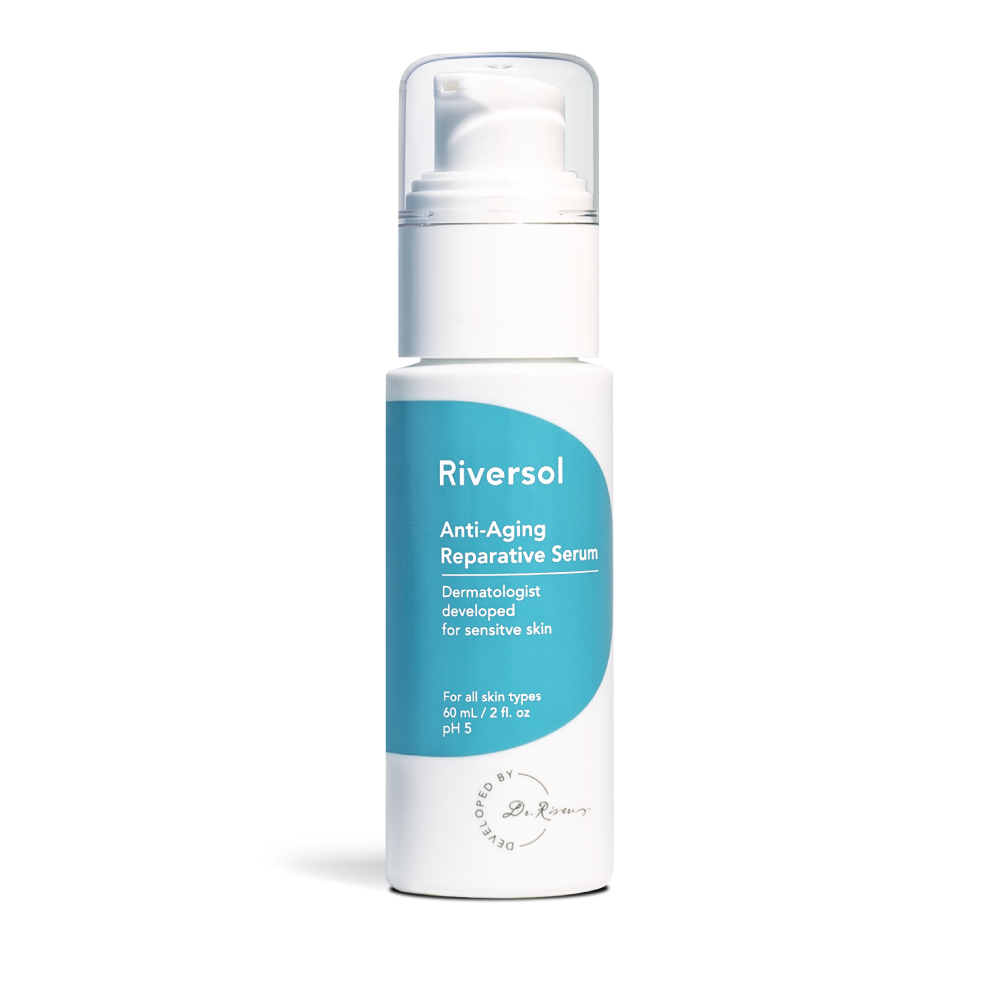
Step 2: Apply an antioxidant serum. A 2024 review in the Journal of the American Academy of Dermatology confirmed that topical antioxidants, particularly stabilised Vitamin C, are among the most evidence-supported interventions for UV-induced oxidative stress and collagen loss in aging skin. The Anti-Aging Serum (Vitamin C and E) delivers this in a format that is formulated for reactive and sensitive skin.
Step 3: Seal with a barrier-repair moisturizer. Apply the Daily Moisturizing Cream immediately after your serum while skin is still slightly damp to maximise absorption and reduce TEWL.
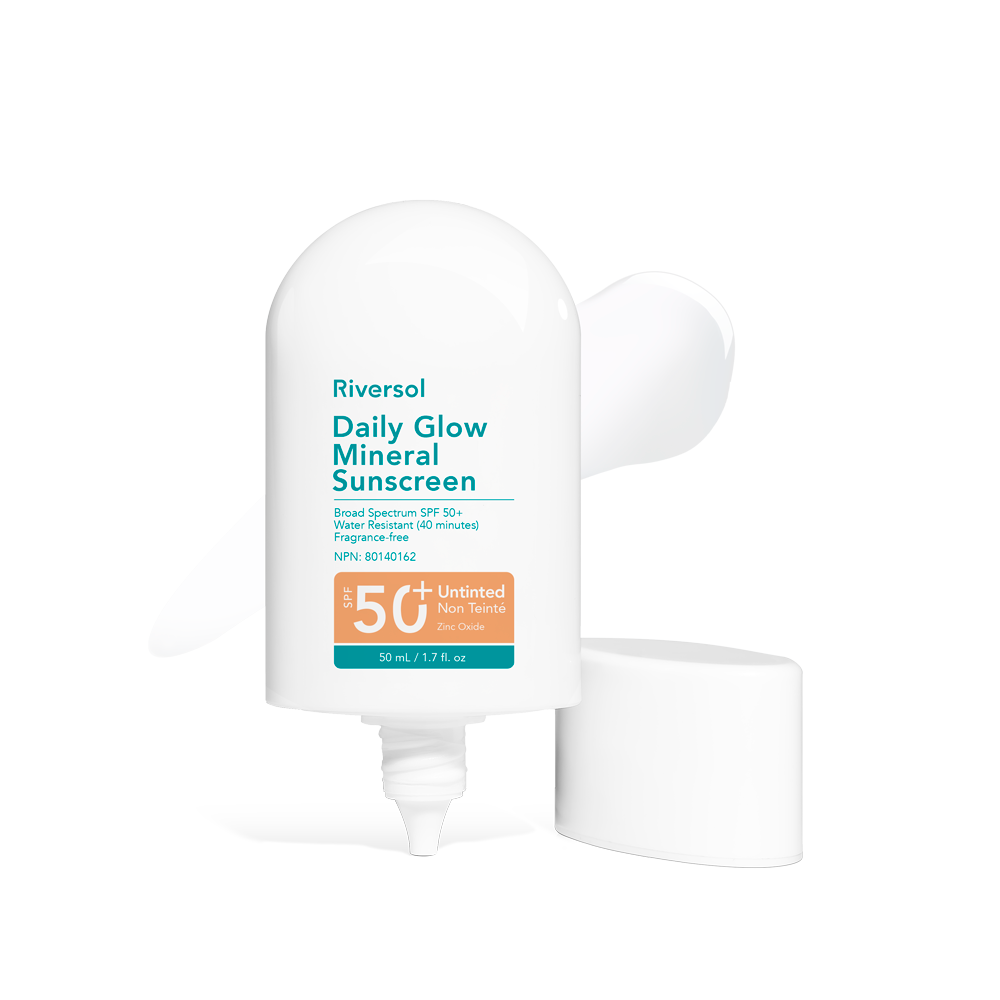
Step 4: Protect daily with mineral SPF. Post-menopausal skin is more susceptible to UV-induced collagen degradation and erythema (clinically known as redness caused by vasodilation in surface capillaries). The Daily Glow Mineral Sunscreen SPF 50+ provides broad-spectrum protection without chemical filter irritants that reactive skin commonly rejects.
Frequently Asked Questions
How Do I Get Rid of Menopausal Dry Skin?
Rebuilding the lipid barrier with ceramide and fatty-acid-rich moisturizers is the clinical foundation. Supporting this with topical antioxidants like Vitamin C and avoiding stripping cleansers creates measurable improvement in skin hydration and texture. As of 2025, the dermatological literature increasingly supports combining barrier repair with anti-inflammatory actives for women whose skin has also become reactive post-menopause.
What Vitamins Am I Lacking If My Skin Is Dry?
Vitamins C, E, and D are most commonly associated with skin dryness and barrier compromise when depleted. Vitamin C supports collagen synthesis, Vitamin E acts as a lipid-soluble antioxidant within the skin membrane, and Vitamin D plays a role in skin cell turnover and immune regulation. Topical delivery of Vitamins C and E, as found in formulas designed for reactive skin, can complement dietary intake when absorption is a concern.
Does Dry Skin Mean Low Estrogen?
Not always, but the correlation is strong in post-menopausal women. According to a PubMed-indexed study (Dunn et al., 1997), hormone replacement therapy was associated with improvement in sebaceous gland function and skin moisture in post-menopausal patients, directly implicating estrogen in skin hydration regulation. Sudden-onset dryness alongside other menopausal symptoms is a clinical indicator worth discussing with your physician.
How to Treat Post-Menopausal Dryness?
How to treat post-menopausal dryness effectively requires addressing both moisture loss and the underlying inflammatory sensitivity that prevents standard creams from working. A layered routine of antioxidant serum, barrier-repair moisturizer, and daily mineral SPF, combined with gentle cleansing, is the approach most supported by the dermatological literature. If skin remains reactive despite this routine, a formula containing an anti-inflammatory active such as Hinokitiol (Beta-T) may help the skin tolerate and absorb moisturizing ingredients more effectively.
References
- American Academy of Dermatology. (2024). Caring for your skin in menopause. aad.org. https://www.aad.org/public/everyday-care/skin-care-secrets/anti-aging/skin-care-during-menopause
- Dunn, L.B., Damesyn, M., Moore, A.A., Reuben, D.B., and Greendale, G.A. (1997). Does estrogen prevent skin aging? Results from the First National Health and Nutrition Examination Survey (NHANES I). Archives of Dermatology, 133(3), 339-342. PubMed PMID: 8762222.
- Stute, P., Neulen, J., and Wildt, L. (2021). Impact of progesterone on skin and hair in menopause: A comprehensive review. Climacteric, PubMed PMID: 33527841.
- Journal of the American Academy of Dermatology. (2024). Topical antioxidants and UV-induced oxidative stress in photoaged skin: A clinical review.
Related Topics to Explore:
About Dr. Jason Rivers, MD
Dr. Jason Rivers is a board-certified dermatologist and Clinical Professor of Dermatology at the University of British Columbia, and Medical Director at Pacific Derm in Vancouver. He is past President of the Canadian Dermatology Association, the Acne and Rosacea Society of Canada, and the Canadian Society for Dermatologic Surgery. Dr. Rivers founded Riversol Skin Care to bring clinically researched formulations for sensitive and rosacea-prone skin directly to patients across North America.