Reviewed by Dr. Jason Rivers, MD, FRCPC (June 2026)
Fix your sensitive skin barrier by stripping back your routine, switching to gentle actives, and restoring ceramide-rich hydration without stinging or sensitizing your skin.
- What Is the Skin Barrier and Why Does It Break Down?
- Signs Your Skin Barrier Is Compromised
- How to Fix a Sensitive Skin Barrier: Step-by-Step
- Repairing a Sensitive Skin Barrier Without Stinging or Irritation
- Frequently Asked Questions
What Is the Skin Barrier and Why Does It Break Down?
The skin barrier (clinically known as the stratum corneum) is the outermost layer of the epidermis, made up of flattened skin cells held together by a lipid matrix of ceramides, fatty acids, and cholesterol. Its job is to lock moisture in and keep environmental aggressors, allergens, and microbes out. When this structure is intact, skin looks calm, feels comfortable, and can tolerate everyday stressors.
So how do you fix a sensitive skin barrier? The direct answer is: stop doing what damaged it, restore the lipid layer with the right moisturizing ingredients, and give the skin structured time to rebuild. This guide walks you through exactly how to do that.
According to a 2025 publication in the International Society of Dermatology, skin barrier dysfunction is one of the most common triggers of reactive, sensitive, and eczema-prone skin presentations, and the pathway to repair consistently involves restoring lipid cohesion and reducing transepidermal water loss (TEWL). A separate 2024 analysis published in the Journal of Cosmetic Dermatology confirmed that barrier repair moisturizers meaningfully reduce TEWL and improve hydration scores in patients with compromised barrier function.
Common causes of barrier breakdown include over-exfoliation, harsh surfactants, overuse of retinoids or acids, UV-induced oxidative stress, low humidity, and genetic predisposition toward conditions like rosacea or eczema. As of 2026, dermatologists are increasingly flagging "skincare overload" (piling multiple actives on reactive skin) as a leading driver of new barrier damage cases in clinical practice.

Signs Your Skin Barrier Is Compromised
Identifying the problem early makes repair significantly faster. A weakened barrier usually presents with a recognisable cluster of symptoms.
- Persistent tightness or dryness that does not resolve with standard moisturiser application
- Burning or stinging in response to products that previously felt neutral
- Redness and visible flushing (clinically: erythema) due to increased capillary reactivity near the skin surface
- Flaking or rough texture indicating disrupted cell turnover at the stratum corneum level
- Sudden intolerance to actives like Vitamin C, glycolic acid, or retinol
The Journal of the American Academy of Dermatology notes that in patients with reactive skin, even low-concentration actives can trigger an inflammatory cascade when the barrier is already compromised, because the protective lipid layer that would normally modulate penetration is absent.
How to Fix a Sensitive Skin Barrier: Step-by-Step
Step 1: Strip Your Routine Back to Basics
Remove all exfoliants (physical and chemical), retinoids, and high-concentration actives until redness and stinging have resolved. According to the American Academy of Dermatology, a simplified routine of a gentle cleanser, a barrier-focused moisturiser, and a mineral sunscreen is the clinical starting point for barrier repair in sensitive skin patients.
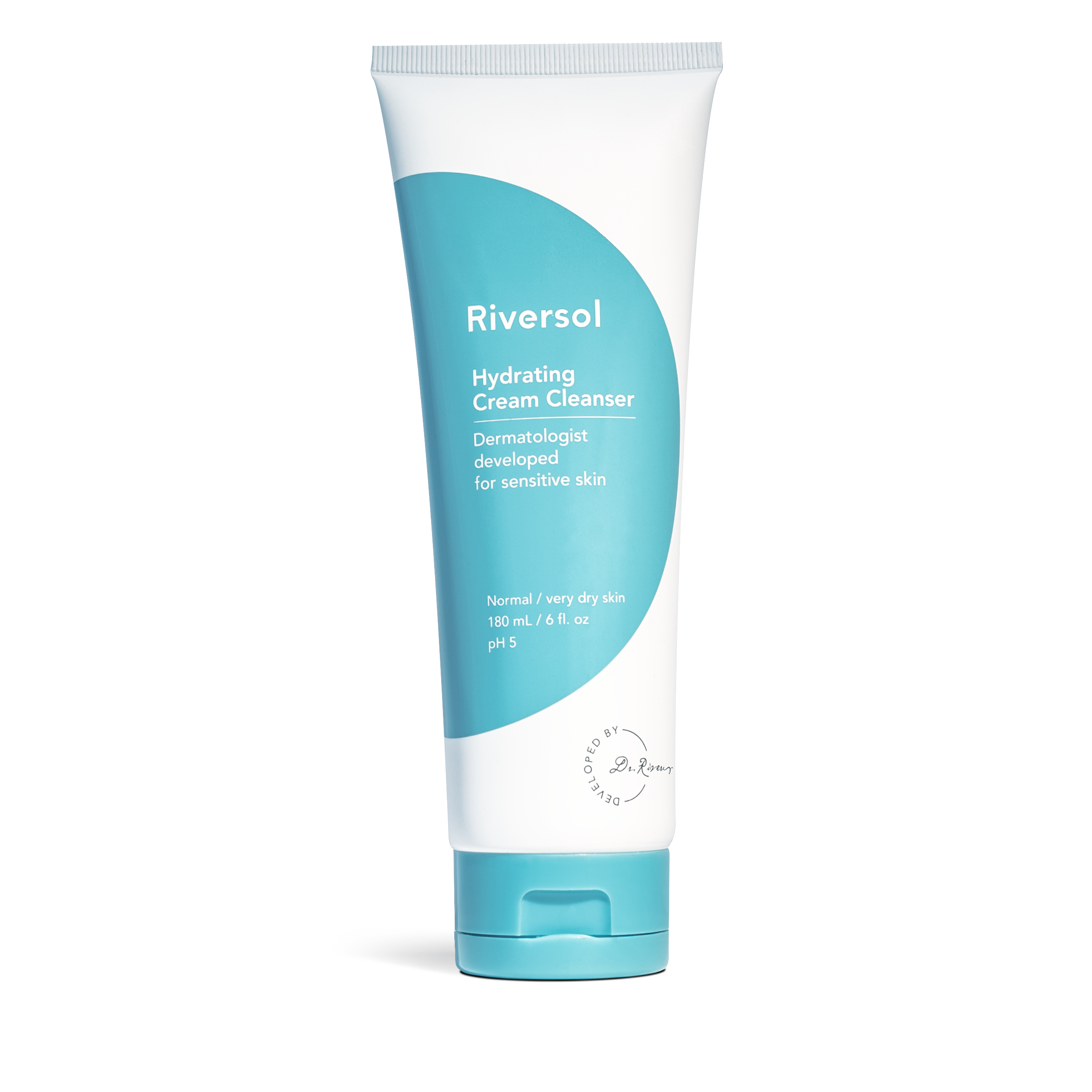
Use lukewarm (never hot) water for cleansing. Avoid abrasive scrubs entirely, as they cause micro-tears in an already thinned stratum corneum. A mild, cream-based cleanser with a near-neutral pH supports the skin's acid mantle (the slightly acidic film on the skin surface that inhibits pathogen growth).
Step 2: Prioritise Occlusive and Humectant Ingredients
The two mechanisms your barrier needs most during repair are: drawing water into the skin (humectancy) and sealing it there (occlusion). Ingredients like hyaluronic acid, glycerin, shea butter, and ceramides support both. A 2024 study from the Department of Dermatology at Northwestern University Feinberg School of Medicine confirmed that moisturisers targeting multiple skin barrier repair pathways simultaneously show superior outcomes over single-mechanism formulations.
Cream textures outperform lotions for barrier repair because they deliver a higher concentration of lipid-replenishing ingredients per application. Look for formulations that specifically address transepidermal water loss reduction.
Step 3: Protect the Barrier Daily With Mineral SPF
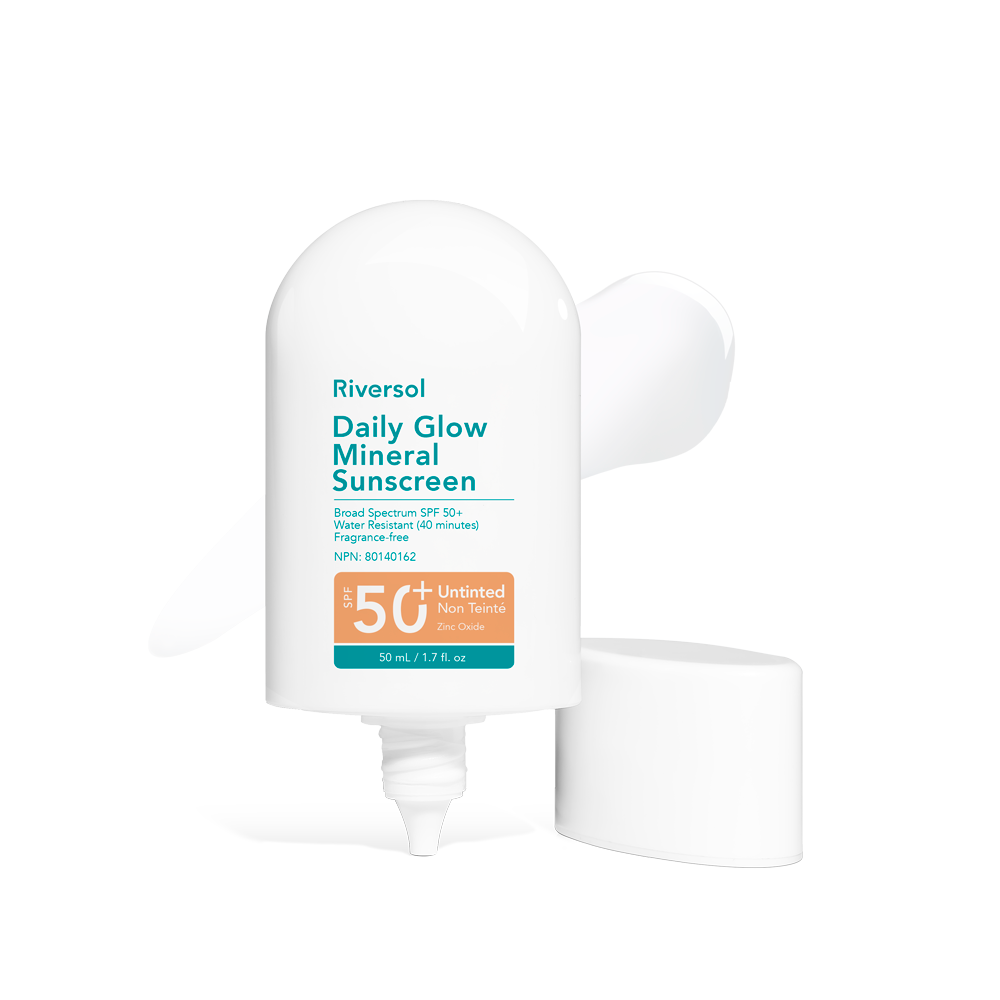
UV-induced oxidative stress accelerates barrier degradation and drives inflammatory cytokine activity in the epidermis. A broad-spectrum mineral sunscreen applied daily is not optional during repair. It is part of the repair mechanism itself, particularly for skin prone to photoaging or rosacea-related erythema.
Repairing a Sensitive Skin Barrier Without Stinging or Irritation
This is the part most generic advice misses: sensitive skin that also wants anti-aging results faces a real dilemma. The ingredients best suited to repair and rejuvenation (Vitamin C, retinol, glycolic acid) are exactly the ones that cause stinging, burning, and flare-ups on a compromised barrier.
The dermatological literature indicates that the key variable is not whether to use actives, but whether the formulation environment can buffer skin reactivity enough to allow those actives to do their job. This is where hinokitiol (also called Beta-Thujaplicin, or Beta-T), a naturally derived anti-inflammatory compound isolated from the Western Red Cedar tree, is attracting clinical interest. Research into its antimicrobial and anti-inflammatory properties suggests it may help reduce the inflammatory cascade that typically makes reactive skin intolerant to actives.
As of 2025, a growing body of published dermatology research continues to explore how formulation co-actives can meaningfully expand what sensitive and rosacea-prone skin can tolerate without compromising barrier recovery. A 2025 study evaluating a multi-targeted barrier repair moisturiser from the Department of Dermatology, Huashan Hospital, Fudan University, found significant improvements in barrier function scores when occlusive and anti-inflammatory co-actives were combined in a single formulation.

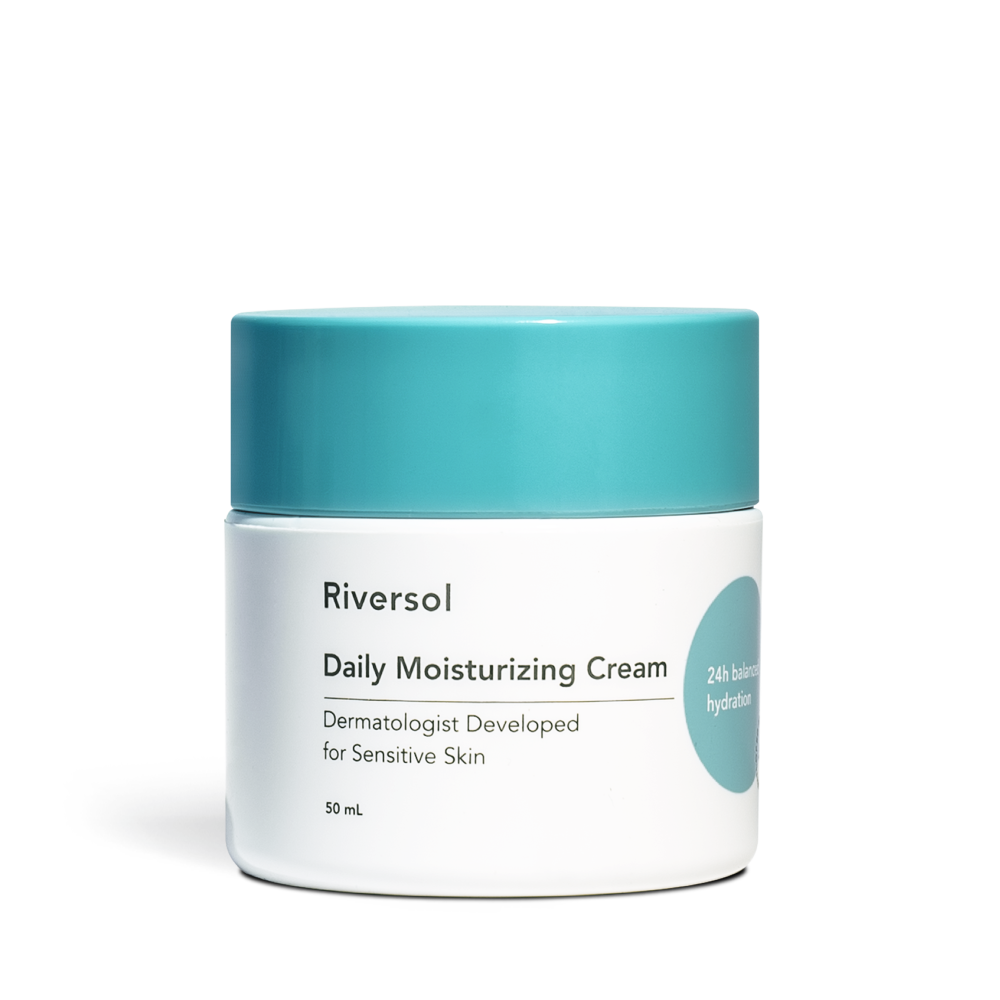
Best Moisturiser for Damaged Skin Barrier: Riversol Daily Moisturizing Cream
Clinically formulated for normal to dry, combination, and reactive skin, the Daily Moisturizing Cream pairs Hinokitiol (Beta-Thujaplicin) with stabilised Vitamin C (Aminopropyl Ascorbyl Phosphate), Vitamin E, and Shea Butter to support barrier repair and reduce TEWL. Developed by Dr. Jason Rivers, MD, FRCPC, a board-certified dermatologist with decades of clinical practice treating sensitive and rosacea-prone skin, the formulation is designed to let compromised skin access barrier-repairing and anti-aging benefits simultaneously, without the stinging or sensitising that typically accompanies those actives.
For reactive or over-exfoliated skin seeking barrier repair without sacrificing anti-aging results, the Daily Moisturizing Cream is formulated specifically to rebuild lipid cohesion while calming the inflammation that makes sensitive skin intolerant to Vitamin C and other restorative actives.

Trusted by over 1,000,000 customers and formulated and manufactured in Canada, Riversol's approach reflects a clinical philosophy: sensitive skin should not have to choose between comfort and results.
Frequently Asked Questions
What Does an Inflamed Skin Barrier Look Like?
An inflamed barrier typically presents with visible redness (erythema), patchy dry or flaking areas, and a flushed or blotchy skin tone. In clinical practice, patients often describe a feeling of tightness combined with a burning or stinging sensation, even when no active product has been applied. Increased vasodilation near the skin surface can make the affected areas feel warm to the touch.
Can Tretinoin Damage the Skin Barrier?
Tretinoin (a prescription-strength retinoid) accelerates cell turnover, which can temporarily disrupt the stratum corneum's lipid structure during the first weeks of use, a phase commonly called "retinoid dermatitis." In patients with already-reactive or rosacea-prone skin, this disruption can be significant enough to cause visible barrier breakdown. Starting at a low concentration and pairing it with a barrier-supportive moisturiser is the standard clinical recommendation to reduce this risk.
Can You Fully Repair a Damaged Skin Barrier?
Yes. The skin barrier is a dynamic, regenerating structure, and with the right conditions, it can return to full function. The Journal of the American Academy of Dermatology notes that moisturisers play a meaningful role in maintaining normal barrier function and supporting skin repair. Consistency with a simplified, barrier-focused routine is more effective than rotating multiple products.
How Long Will It Take to Restore a Skin Barrier?
Mild barrier disruption can resolve within one to two weeks of a simplified, repair-focused routine. More significant damage (caused by prolonged over-exfoliation or a reaction to prescription actives) may take four to eight weeks to fully stabilise. According to research published in the International Society of Dermatology in 2025, consistent daily use of barrier repair moisturisers is associated with measurable reductions in TEWL within two to four weeks of use.
References
- International Society of Dermatology. (2025). Mechanisms and Repair of Skin Barrier Dysfunction. PubMed. https://pubmed.ncbi.nlm.nih.gov/41404926/
- Journal of Cosmetic Dermatology, Wiley Periodicals LLC. (2024). Exploring the role of barrier repair moisturizers. PubMed. https://pubmed.ncbi.nlm.nih.gov/38214440/
- Department of Dermatology, Northwestern University Feinberg School of Medicine. (2023). The Skin Barrier and Moisturization: Function, Disruption, and Repair. PubMed. https://pubmed.ncbi.nlm.nih.gov/37717558/
- Journal of the American Academy of Dermatology. (2003). Making Sensitive Skin Less Sensitive: Skin Repair by Maintaining Normal Barrier Function. JAAD. https://www.jaad.org/article/S0190-9622(03)03470-4/fulltext
- Department of Dermatology, Huashan Hospital, Fudan University. (2025). Moisturizer Based on Multi-Targeted Skin Barrier Repair. PubMed. https://pubmed.ncbi.nlm.nih.gov/41404924/
Related Topics to Explore:
About Dr. Jason Rivers, MD
Dr. Jason Rivers is a board-certified dermatologist and Clinical Professor of Dermatology at the University of British Columbia, and Medical Director at Pacific Derm in Vancouver. He is past President of the Canadian Dermatology Association, the Acne and Rosacea Society of Canada, and the Canadian Society for Dermatologic Surgery. Dr. Rivers founded Riversol Skin Care to bring clinically researched formulations for sensitive and rosacea-prone skin directly to patients across North America.