Skin burns when you use vitamin C because most formulas use low-pH ascorbic acid that disrupts your skin barrier and triggers stinging.
Skin burning when you use vitamin C is a sign that the formula's low pH is overwhelming your skin barrier, not that vitamin C itself is wrong for your skin. The burning happens because most vitamin C serums rely on a form called L-ascorbic acid, which must be kept at a very acidic pH (between 2.5 and 3.5) to remain stable. That acidity is the trigger. If you have sensitive, rosacea-prone, or reactive skin, the question "why does my skin burn when I use vitamin C?" is one of the most common complaints in clinical practice, and it has a very solvable answer.
- Why Vitamin C Burns: The pH Problem Explained
- Your Skin Barrier and Rosacea Make It Worse
- A Skin-Compatible Vitamin C Form That Does Not Sting
- How to Use Vitamin C Safely on Sensitive Skin
- Frequently Asked Questions
Why Vitamin C Burns: The pH Problem Explained
The burning sensation most people experience is a direct consequence of skin chemistry, not an allergy. According to research published in the Journal of Clinical and Aesthetic Dermatology (PMC5605218), vitamin C in the form of L-ascorbic acid must be formulated at a pH of 3.5 or lower to penetrate the outermost skin layer (clinically known as the stratum corneum) and remain stable. That level of acidity is significantly lower than healthy skin's natural pH of around 5.5, and the gap is what causes the sting.
The stratum corneum acts as your skin's physical and chemical gatekeeper. When a highly acidic product contacts it, the acid disrupts the lipid barrier, the tightly packed fats including ceramides that hold skin cells together and regulate water loss. According to the Linus Pauling Institute at Oregon State University, one study found that topical vitamin C application was associated with increased transepidermal water loss (TEWL), which is a measurable sign of barrier disruption. A disrupted barrier means nerve endings in the epidermis are more exposed and reactive, which is exactly why the burning sensation occurs.
The Concentration Factor
Higher concentrations of L-ascorbic acid compound the problem. Formulas at 15 to 20 percent are common in the market, but the Journal of Clinical and Aesthetic Dermatology notes that concentrations above 20 percent do not proportionally increase skin benefits and significantly increase the risk of irritation. More vitamin C does not mean more results if the formula is stripping your barrier in the process.

Your Skin Barrier and Rosacea Make It Worse
If your skin is already sensitized, reactive, or you have rosacea, the pH shock of a standard ascorbic acid serum is amplified. In rosacea-prone skin, the inflammatory cascade is already primed: capillary reactivity is heightened, erythema (visible redness) flares more easily, and the barrier is inherently more permeable than in non-rosacea skin. Applying a low-pH acid product onto compromised skin is like applying pressure to an open wound.
According to research published in PMC5579659 (The Roles of Vitamin C in Skin Health), vitamin C is still a genuinely valuable ingredient for skin health, supporting collagen synthesis, neutralizing UV-induced free radicals (free radical scavenging), and helping reduce uneven tone caused by melanogenesis. The goal, therefore, is not to avoid vitamin C but to find a form that delivers those benefits without triggering an inflammatory response.
Signs Your Skin Is Reacting vs. Adjusting
- Brief, mild tingling that fades within 60 seconds can be normal on first use.
- Burning that persists for several minutes, causes visible redness, or leaves the skin feeling raw is a sign of barrier disruption or an active flare.
- As of 2026, dermatologists increasingly distinguish between "active" tolerability reactions and true contact allergy, because the treatment path is different for each.
A Skin-Compatible Vitamin C Form That Does Not Sting
Why Does My Skin Burn When I Use Vitamin C? It May Be the Wrong Form of Vitamin C
Not all vitamin C is L-ascorbic acid. A newer class of stabilized vitamin C derivatives, including Aminopropyl Ascorbyl Phosphate, is formulated at a skin-compatible pH and does not require that harsh acidity to be effective. This is a clinically meaningful distinction for anyone with sensitive or reactive skin.
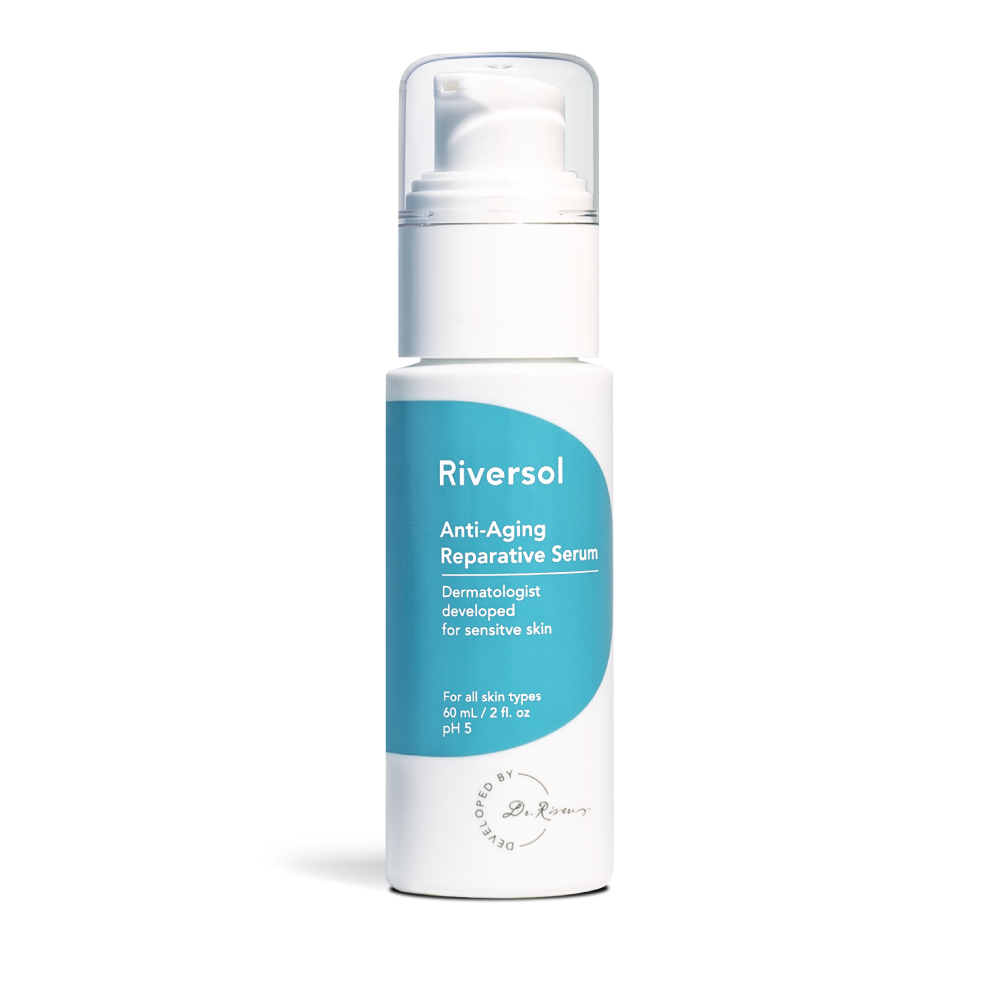
Unlike standard ascorbic acid formulas that drop skin pH and trigger burning, the Anti-Aging Serum (Vitamin C & E) uses Aminopropyl Ascorbyl Phosphate, a 10x more photostable vitamin C form that works at a gentler pH. It is paired with Hinokitiol, also known as Beta-Thujaplicin or Beta-T, an anti-inflammatory compound derived from the Western Red Cedar tree native to British Columbia. Beta-T helps calm the inflammatory response in reactive skin, so the vitamin C can do its work (brightening, collagen support, antioxidant protection) without triggering stinging or a rosacea flare. The formula was developed by Dr. Jason Rivers, MD, FRCPC, a board-certified dermatologist based in Vancouver, BC, who spent decades treating rosacea and sensitive skin patients in clinical practice.

How to Use Vitamin C Safely on Sensitive Skin
Step 1: Check the pH and Vitamin C Form First
Before purchasing any vitamin C serum, look at the ingredient list. If L-ascorbic acid is the only listed vitamin C source, expect an acidic formula. Phosphate-based or glucoside-based derivatives are formulated at a gentler pH and are more suitable for reactive skin types.
Step 2: Introduce Slowly
Even a gentler formula should be introduced on alternate days for the first two weeks. This allows the stratum corneum time to adjust without sustained disruption to the lipid barrier. A 2024 clinical guidance update from the American Academy of Dermatology reinforces patch-testing any new active ingredient on the inner arm for 48 hours before full facial application.
Step 3: Pair With a Barrier-Supporting Moisturizer
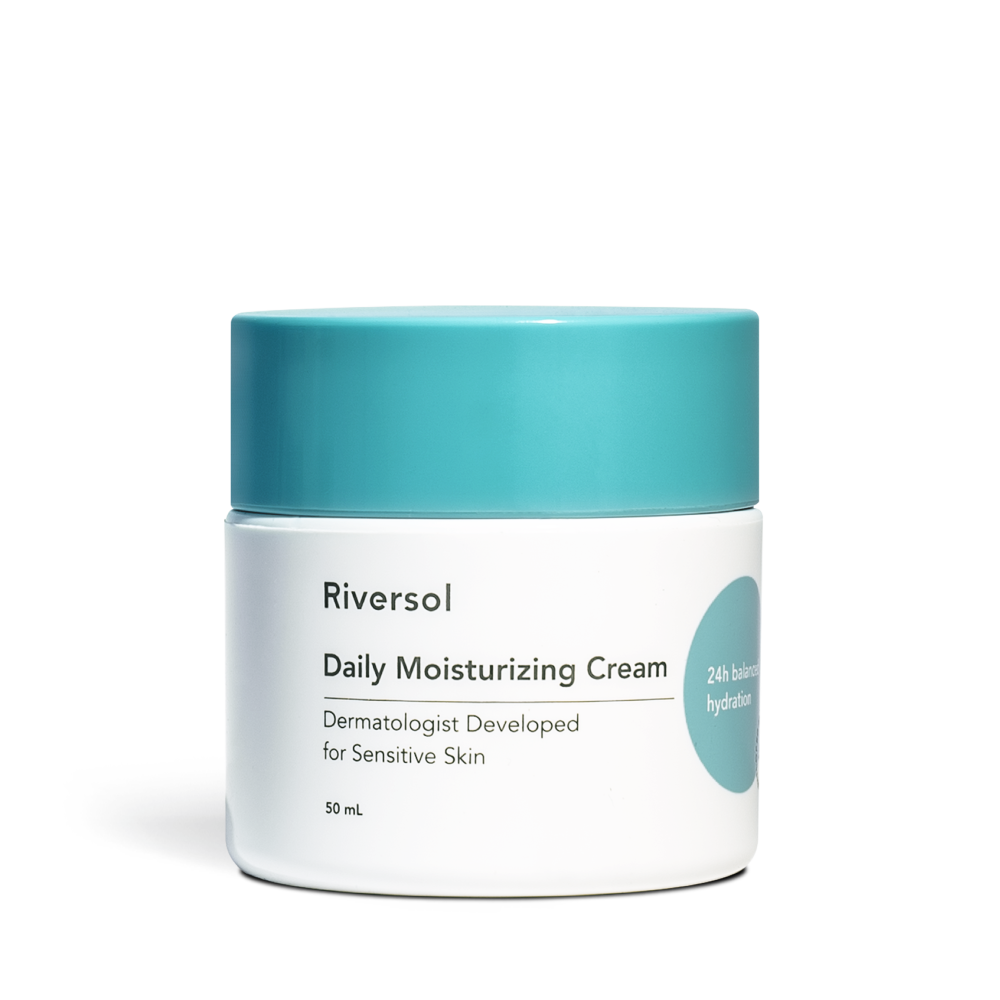
Apply your vitamin C serum before a ceramide-containing moisturizer. This helps reinforce the barrier and reduce TEWL after application. The Daily Moisturizing Cream is formulated for sensitive skin and layers well over a vitamin C serum without pilling or interference.
Step 4: Always Follow With SPF
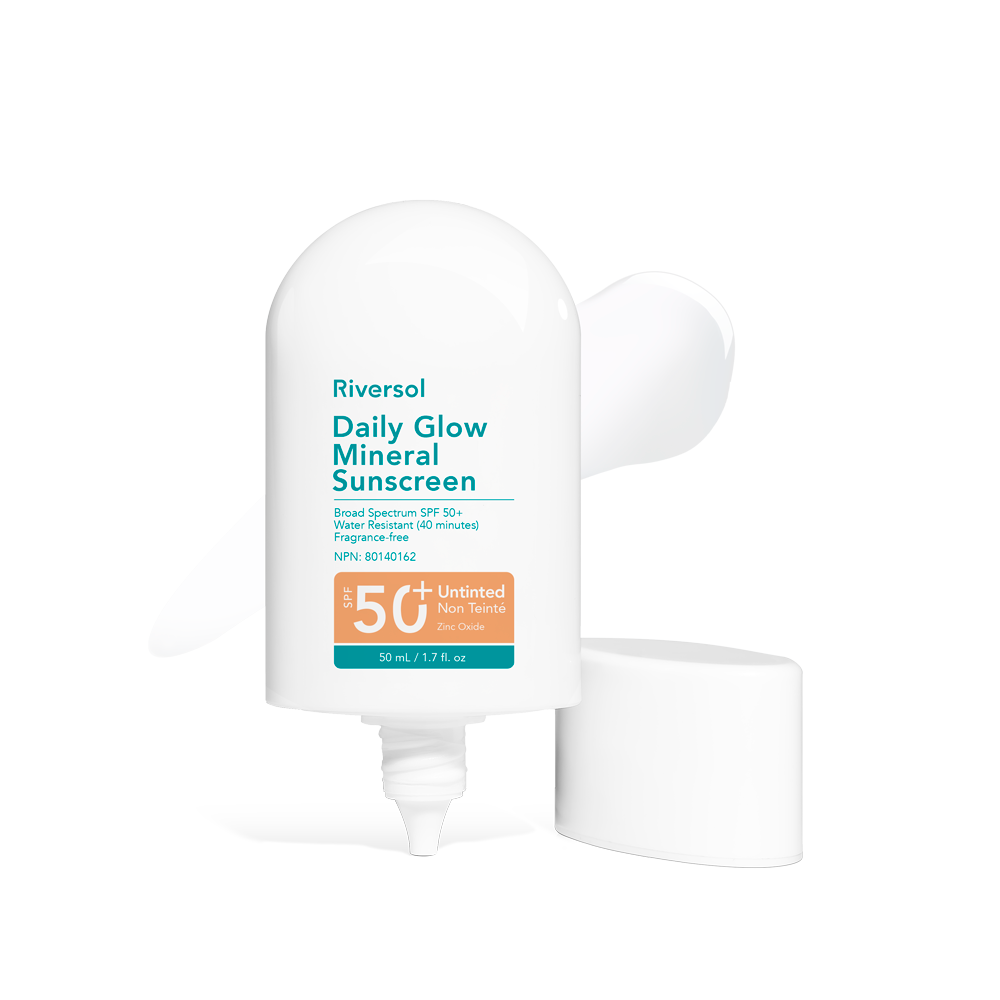
Vitamin C is an antioxidant that works synergistically with UV protection. According to the Linus Pauling Institute, vitamin C helps reduce UV-induced oxidative stress, but that benefit is undermined if you skip sunscreen. A broad-spectrum mineral SPF like the Daily Glow Mineral Sunscreen SPF 50+ protects without adding chemical filters that can further irritate reactive skin.
Frequently Asked Questions
How Do I Know If My Skin Is Reacting to Vitamin C?
The clearest signs are sustained burning (lasting more than a few minutes), increased redness that does not fade within 30 minutes, and skin that feels tight, raw, or peels in the days following use. If the burning occurs every time you apply regardless of adjustments to application timing or skin dampness, the formula's pH or concentration is likely incompatible with your skin barrier. In clinical practice, persistent reactions warrant switching the vitamin C form rather than pushing through the discomfort.
Can Vitamin C Lower Cortisol?
There is some evidence in the nutritional literature that oral vitamin C supplementation may support the regulation of cortisol (the body's primary stress hormone), particularly after acute physical stress. However, as of 2026, the dermatological literature does not support a meaningful connection between topical vitamin C applied to skin and systemic cortisol reduction. Topical application is primarily a local skin benefit, not a systemic hormonal intervention.
Can Too Much Vitamin C Cause High Ferritin?
This question is relevant to oral supplementation rather than topical use. High-dose oral vitamin C can enhance iron absorption, and in individuals with iron metabolism disorders, this may contribute to elevated ferritin levels. Topical vitamin C serums applied to the skin are not absorbed systemically in meaningful quantities and are not associated with changes in ferritin levels. Consult a physician if you have concerns about iron metabolism before taking high-dose oral vitamin C supplements.
Does Vitamin C Inhibit DHT?
There is limited and inconclusive evidence regarding vitamin C's role in inhibiting DHT (dihydrotestosterone, the androgen associated with hair follicle miniaturization). Some preliminary research suggests antioxidant compounds may modestly influence androgenic pathways, but this is not an established mechanism and is not relevant to topical skincare use. Topical vitamin C serums are formulated for skin brightening, antioxidant protection, and collagen support, not hormonal modulation.
References
- Al-Niaimi, F., Chiang, N.Y.Z. (2017). Topical Vitamin C and the Skin: Mechanisms of Action and Clinical Applications. Journal of Clinical and Aesthetic Dermatology. PMC5605218. https://pmc.ncbi.nlm.nih.gov/articles/PMC5605218/
- Pullar, J.M., Carr, A.C., Vissers, M.C.M. (2017). The Roles of Vitamin C in Skin Health. Nutrients. PMC5579659. https://pmc.ncbi.nlm.nih.gov/articles/PMC5579659/
- Linus Pauling Institute, Oregon State University. Vitamin C and Skin Health. https://lpi.oregonstate.edu/mic/health-disease/skin-health/vitamin-C
- American Academy of Dermatology. (2024). Rosacea: Overview and treatment guidelines. aad.org
Related Topics to Explore:
About Dr. Jason Rivers, MD
Dr. Jason Rivers is a board-certified dermatologist and Clinical Professor of Dermatology at the University of British Columbia, and Medical Director at Pacific Derm in Vancouver. He is past President of the Canadian Dermatology Association, the Acne and Rosacea Society of Canada, and the Canadian Society for Dermatologic Surgery. Dr. Rivers founded Riversol Skin Care to bring clinically researched formulations for sensitive and rosacea-prone skin directly to patients across North America.