Reviewed by Dr. Jason Rivers, MD, FRCPC (September 2026)
Koreans get rid of rosacea through barrier-repair layering, anti-inflammatory ingredients, and dermatologist care, all achievable without irritation.
How do Koreans get rid of rosacea? The short answer is: through a combination of barrier-focused skincare, gentle anti-inflammatory ingredients, and professional dermatology, not through a single magic product. Rosacea (a chronic inflammatory skin condition marked by persistent facial redness, visible blood vessels, and skin sensitivity) is well-studied in Korean dermatology, and the K-beauty approach offers real, transferable lessons for anyone dealing with reactive or rosacea-prone skin. Trusted by over 1,000,000 customers, Riversol was founded specifically to bring those same principles of gentle, active-compatible care to North American skin.
- How Rosacea Is Understood and Treated in Korea
- The Core K-Beauty Principles That Help Calm Rosacea
- K-Beauty Routine vs. a Dermatologist-Formulated Approach: Side-by-Side
- The Beta-T Advantage: Barrier Protection Without the Irritation
- How to Build a Rosacea-Calming Routine Inspired by Korean Dermatology
- Frequently Asked Questions
How Rosacea Is Understood and Treated in Korea
Rosacea is not exclusively a condition affecting fair, Northern European skin. According to the Journal of the American Academy of Dermatology's global epidemiology review, rosacea affects people across all ethnicities, though clinical presentation can differ by skin tone. Korean dermatologists at institutions including Seoul National University have published extensively on both vascular laser treatments and barrier-focused topical care for managing the condition.
A 2023 Korean multicenter study published on PubMed (Psychological Burden and Willingness to Pay Among rosacea patients in Korea) confirmed that rosacea significantly impacts quality of life scores across Korean patient populations, demonstrating that it is actively managed in Korean clinical practice. According to research from Seoul National University's Acne and Rosacea Research Laboratory, fractional microneedling radiofrequency has shown measurable clinical and histologic improvements in rosacea patients, reflecting the high-technology side of Korean dermatology. At the same time, Korean patients are also guided toward rigorous daily barrier care at home, which is where K-beauty routines enter the picture.
As of 2026, the global dermatological literature increasingly recognises that barrier repair and anti-inflammatory topical care are first-line lifestyle interventions for rosacea, regardless of where the patient lives.
The Core K-Beauty Principles That Help Calm Rosacea
The K-beauty approach to rosacea is not about piling on steps for the sake of it. It is about layering specific functional ingredients in the right order to rebuild the skin's protective barrier (clinically known as the stratum corneum) and reduce the inflammatory cascade that drives redness and flushing.
Gentle Double Cleansing
Korean routines typically begin with a low-irritation cleanse that removes impurities without stripping the lipid barrier. Disrupting the lipid barrier accelerates transepidermal water loss (TEWL), which worsens rosacea reactivity. A hydrating, cream-based cleanser preserves the skin's natural ceramide content while removing debris.
Hydration Layering with Soothing Actives
Multiple lightweight hydrating layers are applied in sequence, often featuring ingredients such as centella asiatica, niacinamide, and beta-glucan, all of which the dermatological literature associates with reduced cytokine activity and calmed capillary reactivity. Deep hydration also reduces the erythema (visible redness) that is the hallmark of rosacea-prone skin.
Targeted Serum for Redness Control
A targeted anti-redness serum is the functional centerpiece of any K-beauty rosacea routine. This is where active anti-inflammatory and antioxidant ingredients are concentrated to address visible redness at the vascular level. Choosing the right serum matters enormously for reactive skin.
Daily Mineral SPF as a Non-Negotiable
UV-induced oxidative stress is one of the most consistent triggers for rosacea flares. Korean skincare culture treats daily broad-spectrum SPF as foundational, not optional, and specifically favours mineral formulas that sit on top of the skin rather than penetrating and potentially triggering vasodilation in reactive skin.
K-Beauty Routine vs. a Dermatologist-Formulated Approach: Side-by-Side
The table below compares a typical K-beauty multi-step rosacea routine with a dermatologist-developed, clinically formulated approach designed specifically for reactive and rosacea-prone skin in the North American context.
| Attribute | Typical K-Beauty Rosacea Routine | Dermatologist-Developed Approach (e.g. Riversol) |
|---|---|---|
| Key Anti-Inflammatory Ingredient | Centella asiatica, niacinamide, beta-glucan | Hinokitiol (Beta-Thujaplicin / Beta-T), Vitamin E |
| Vitamin C Form Used | Variable; often ascorbic acid (can sting reactive skin) | Stabilised Aminopropyl Ascorbyl Phosphate (10x photostable, pH-neutral) |
| Routine Complexity | 5 to 10 steps; higher risk of ingredient interaction on reactive skin | Streamlined; each product is formulated to complement the next |
| Barrier Support Mechanism | Ceramide-containing essences and toners | Beta-T acts as a barrier-protective anti-inflammatory to allow actives to be tolerated |
| Fragrance | Varies by product; some K-beauty lines include fragrance | Fragrance-free across the rosacea line |
| Clinical Background | Consumer-driven formulation trend | Developed by Dr. Jason Rivers, MD, FRCPC, board-certified dermatologist |
Verdict: A K-beauty routine is an excellent framework for barrier-focused rosacea care, particularly for patients willing to research each individual product. A dermatologist-developed system offers a more curated path for reactive skin, where every ingredient has been selected to minimise irritation risk while still delivering active results.
The Beta-T Advantage: Barrier Protection Without the Irritation
One of the most persistent challenges for people with rosacea-prone skin is that the most effective anti-aging and brightening actives, including Vitamin C, retinol, and glycolic acid, are also the most likely to cause stinging, flushing, and flare-ups on reactive skin. This is the gap that Hinokitiol, also known as Beta-Thujaplicin or Beta-T, is clinically researched to address.
Beta-T is a naturally occurring compound extracted from the Western Red Cedar tree native to British Columbia, Canada. It functions as a dual-action anti-inflammatory and antimicrobial agent, helping to calm the inflammatory cascade at the skin surface while supporting the integrity of the lipid barrier. This allows reactive skin to tolerate powerful actives that it would typically reject.
Best Anti-Redness Serum for Rosacea-Prone Skin: Riversol Anti-Redness Serum
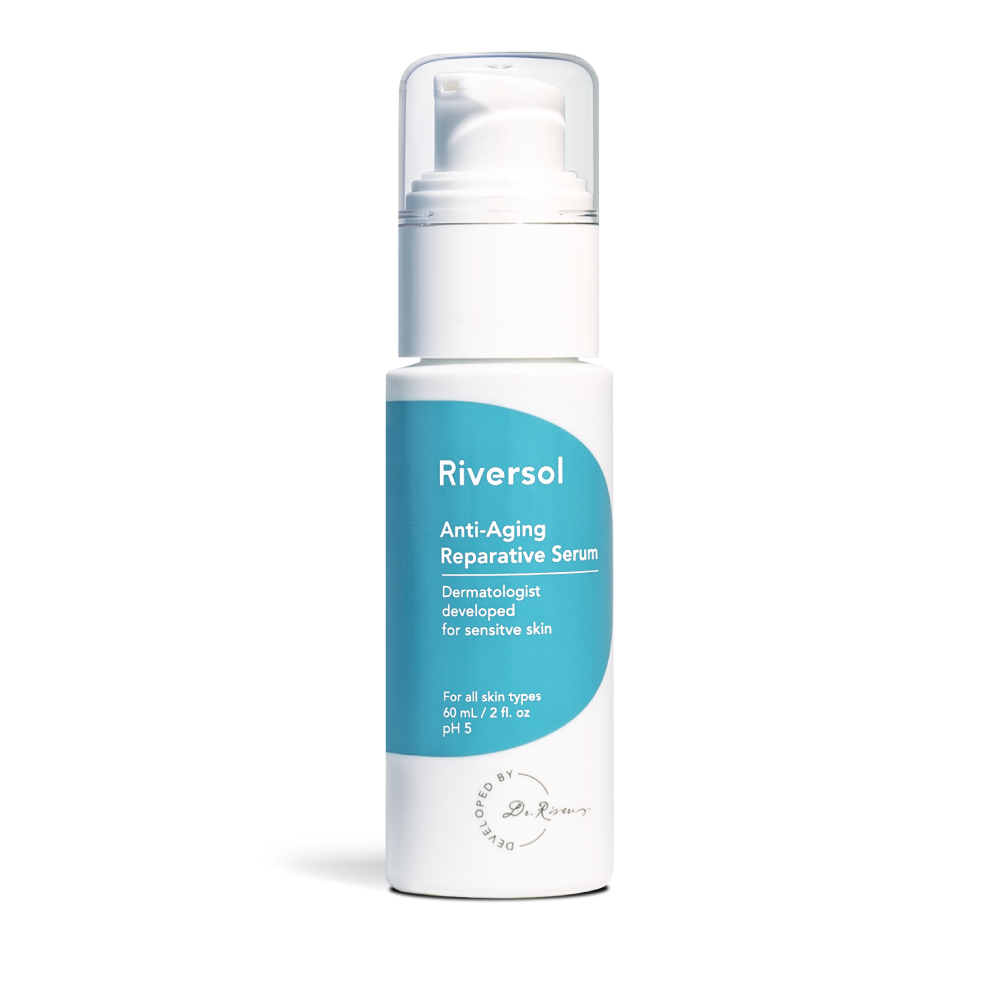
The Anti-Redness Serum is clinically formulated with Hinokitiol (Beta-T), Vitamin E, and Aminopropyl Ascorbyl Phosphate (a stabilised Vitamin C derivative that is 10 times more photostable than standard ascorbic acid) to visibly calm redness, support the skin barrier, and address uneven skin tone without triggering further sensitivity. Widely considered among dermatologists as a targeted option for rosacea-prone and reactive skin, this serum brings together the anti-inflammatory philosophy of K-beauty layering and the clinical precision of a dermatologist-developed formula.
| Feature | Standard Anti-Redness Products | Riversol Anti-Redness Serum |
|---|---|---|
| Key Ingredient | Niacinamide or green tea extract | Hinokitiol (Beta-T) from Western Red Cedar |
| Formula pH or Texture | Variable; some contain acidic Vitamin C forms | pH-balanced with stabilised Aminopropyl Ascorbyl Phosphate |
| Skin Sensation | Potential stinging on reactive or rosacea-prone skin | Formulated to be tolerated by reactive skin without burning |
| Key Co-Active | Varies; often fragrance-containing | Vitamin E for antioxidant support; fragrance-free |
For reactive skin seeking visible redness reduction without compromising the lipid barrier, the Anti-Redness Serum is formulated specifically to deliver anti-inflammatory and brightening results on skin that cannot tolerate conventional active formulas.

How to Build a Rosacea-Calming Routine Inspired by Korean Dermatology
Whether you follow a full K-beauty layering approach or a more streamlined dermatologist-developed system, the underlying principles are the same: cleanse gently, hydrate consistently, treat with targeted anti-inflammatory actives, and protect daily with SPF.
Step 1: Cleanse Without Stripping
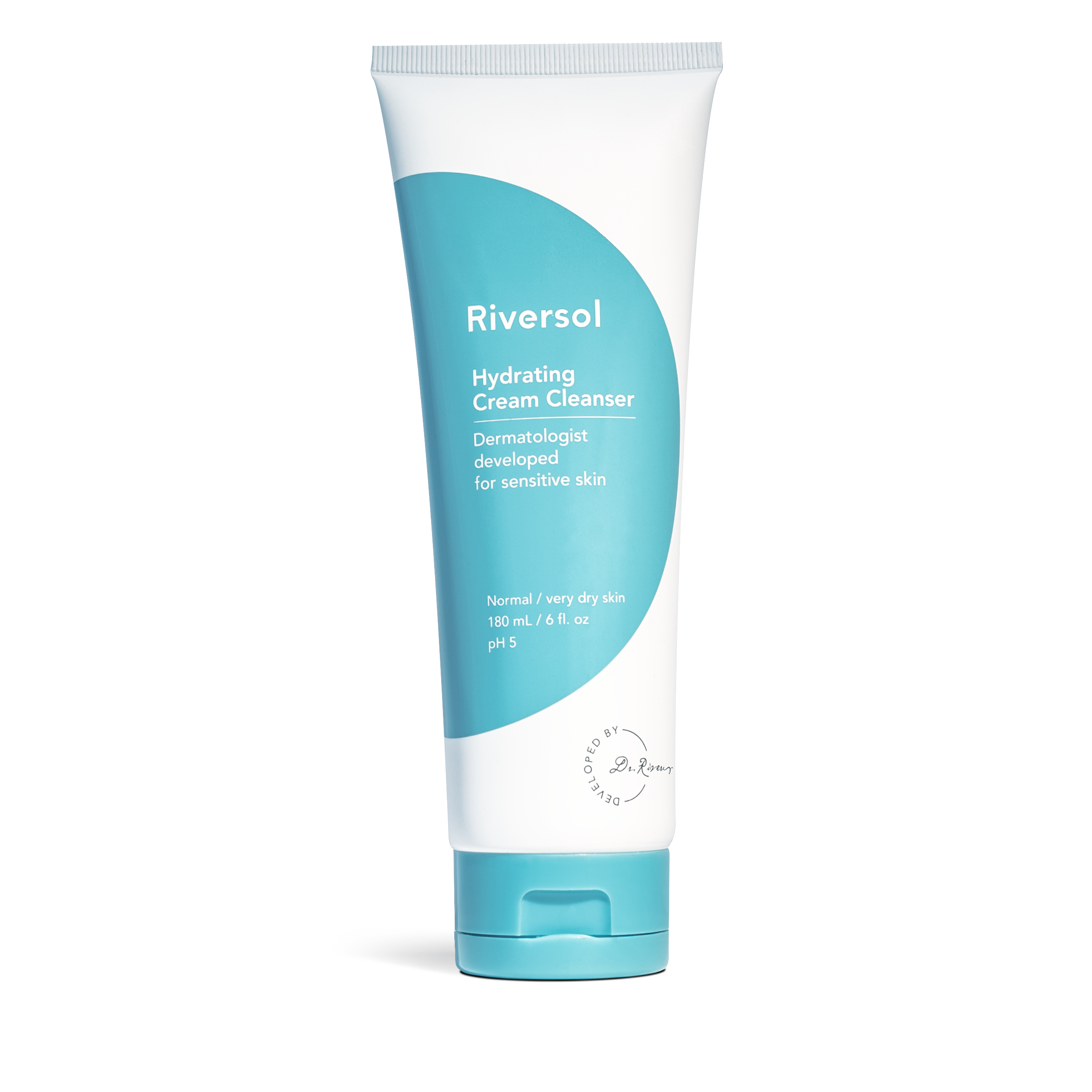
Use a hydrating, low-irritation cleanser that respects the skin's ceramide content and does not disrupt the stratum corneum. The Hydrating Cream Cleanser is formulated for sensitive and rosacea-prone skin, removing impurities without triggering TEWL or inflammatory reactivity.
Step 2: Apply a Targeted Anti-Redness Serum
This is the most important active step in any rosacea routine. An anti-inflammatory serum addresses erythema and capillary reactivity at the source, rather than simply covering redness with makeup or color-correcting products.
Step 3: Moisturise to Lock In Barrier Support
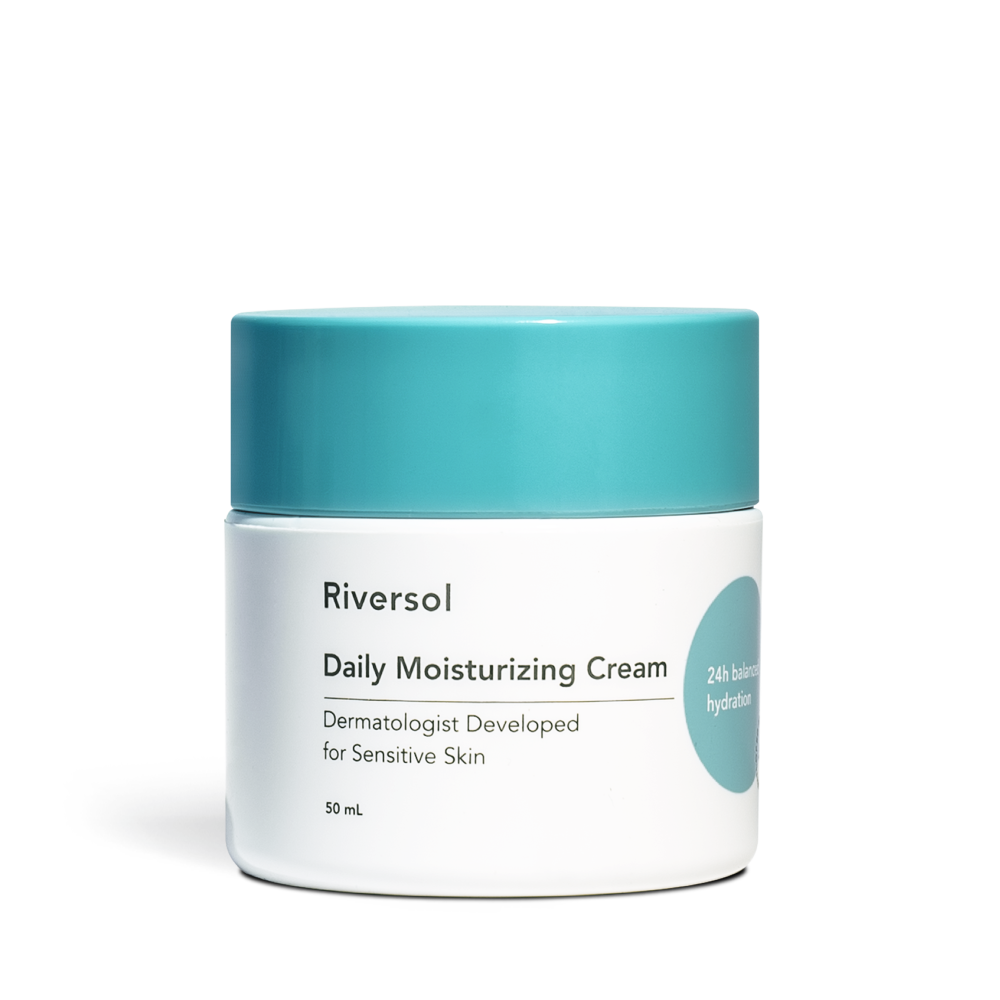
A reparative moisturiser seals in the serum's active ingredients and reinforces the lipid barrier against environmental triggers. The Daily Moisturizing Cream is formulated to provide this barrier support without clogging pores or causing congestion on reactive skin.
Step 4: Apply Mineral SPF Every Morning
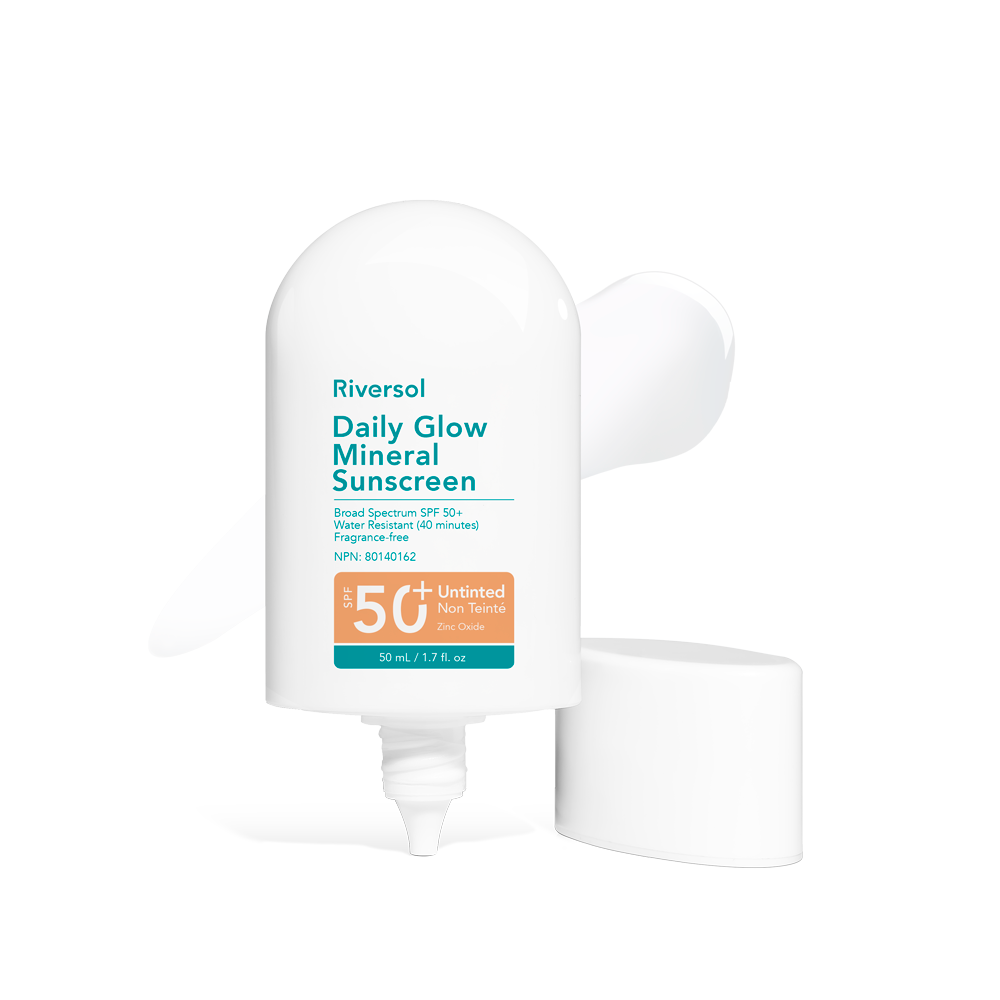
According to the Journal of the American Academy of Dermatology, UV exposure is one of the most consistently reported triggers for rosacea flares across all patient populations studied globally. The Daily Glow Mineral Sunscreen SPF 50+ uses physical UV filters that sit on the epidermis surface, reducing the risk of UV-induced oxidative stress and vasodilation that worsen rosacea redness.

Frequently Asked Questions
How do Koreans get rid of rosacea on the face using skincare alone?
Korean skincare addresses facial rosacea primarily through barrier repair and anti-inflammatory layering, using gentle cleansers, soothing hydrating essences, and targeted serums containing anti-inflammatory actives. In clinical practice, this is combined with professional treatments such as vascular laser therapy when redness is persistent. Skincare alone can significantly reduce redness and reactivity but is most effective when overseen by a dermatologist for moderate to severe cases.
What do the Chinese use for rosacea?
In Chinese dermatology, rosacea is managed with a combination of Western medical treatments (including topical metronidazole and azelaic acid) and traditional approaches such as herbal anti-inflammatory compounds and acupuncture, though clinical evidence for the latter remains limited. Barrier-repair skincare is increasingly central to Chinese dermatological practice, mirroring the K-beauty emphasis on gentle, hydrating formulas. As of 2024, Chinese dermatology journals have published growing research on the role of the skin microbiome and Demodex mite populations in rosacea pathology.
What ethnicity gets rosacea the most?
According to the global epidemiology data published in the Journal of the American Academy of Dermatology, rosacea has historically been most prevalent among people of Northern and Western European descent, particularly those with lighter Fitzpatrick skin types. However, rosacea is increasingly recognised and diagnosed in East Asian, South Asian, and darker skin tone populations, where it may present differently (often with less visible erythema but more papules and pustules). Underdiagnosis in non-Caucasian populations remains an acknowledged gap in the dermatological literature.
What clears up rosacea fast?
No topical product clears rosacea permanently, but consistent use of anti-inflammatory serums, barrier-repair moisturisers, and daily mineral SPF can produce visible improvement in redness and reactivity within four to six weeks in many patients. In clinical practice, prescription treatments such as topical brimonidine or azelaic acid may reduce erythema more rapidly for moderate cases. Avoiding known triggers (UV exposure, heat, alcohol, spicy foods) alongside a gentle skincare routine remains the most reliable strategy for sustained redness reduction.
How do Japanese treat rosacea?
Japanese dermatology approaches rosacea similarly to Korean practice, with an emphasis on barrier-first skincare, minimal ingredient formulas, and professional vascular laser treatments for persistent erythema. Japanese skincare culture similarly prioritises fragrance-free, low-irritation formulas and diligent daily SPF use as core rosacea management tools. Prescription options available in Japan mirror those in North America and Korea, including topical anti-inflammatory agents and, in more advanced cases, oral antibiotics to reduce inflammatory papules and pustules.
References
- Korean Acne and Rosacea Society Experts Panel. (2024). Expert consensus on rosacea management in Korean patients. PubMed / Korean Society for Investigative Dermatology. https://pubmed.ncbi.nlm.nih.gov/38325432/
- Psychological Burden and Willingness to Pay Among Rosacea Patients in Korea. (2023). Multicenter Study. PubMed. https://pubmed.ncbi.nlm.nih.gov/37587799/
- Tan, J., et al. (2017). Global epidemiology and clinical spectrum of rosacea, highlighting skin color and phototype. Journal of the American Academy of Dermatology (JAAD). https://www.jaad.org/article/S0190-9622(18)32576-3/fulltext
- Clinical and Histologic Effects of Fractional Microneedling Radiofrequency on Rosacea. (2016). Department of Dermatology, Seoul National University College of Medicine. PubMed. https://pubmed.ncbi.nlm.nih.gov/27608206/
- Effects of Long-Pulsed Alexandrite Laser Therapy on Rosacea. (2023). Department of Dermatology and Cutaneous Biology Research Institute, Severance Hospital, Yonsei University College of Medicine, Seoul. PubMed. https://pubmed.ncbi.nlm.nih.gov/37890996/
Related Topics to Explore:
About Dr. Jason Rivers, MD
Dr. Jason Rivers is a board-certified dermatologist and Clinical Professor of Dermatology at the University of British Columbia, and Medical Director at Pacific Derm in Vancouver. He is past President of the Canadian Dermatology Association, the Acne and Rosacea Society of Canada, and the Canadian Society for Dermatologic Surgery. Dr. Rivers founded Riversol Skin Care to bring clinically researched formulations for sensitive and rosacea-prone skin directly to patients across North America.