Reviewed by Dr. Jason Rivers, MD, FRCPC (August 2026)
Recognize the signs of too much sun exposure, from tightness and redness to fever and blistering, so you can respond fast and soothe skin without irritation.
- The Main Signs You Have Had Too Much Sun
- How Do You Know If You've Been in the Sun Too Long?
- How to Recover After Too Much Sun
- Calming Post-Sun Redness Without Aggravating Compromised Skin
- Frequently Asked Questions
If you're asking yourself, how do I know I've had too much sun? the answer starts with your skin. Too much sun exposure is a spectrum of overexposure ranging from mild surface inflammation to a systemic reaction sometimes called sun poisoning, and the symptoms your body sends are surprisingly specific. Knowing how to read them determines whether you need a cool shower and a calming serum or a call to your doctor.
The Main Signs You Have Had Too Much Sun
Sun overexposure triggers a predictable biological sequence. Ultraviolet radiation (UV) penetrates the outermost skin layer (clinically known as the stratum corneum) and causes oxidative stress, setting off an inflammatory cascade that produces the visible and physical symptoms below.
Skin Tightness, Even Without a Visible Burn
One of the earliest signals is a sensation of tightness or subtle pulling across sun-exposed areas. This happens because UV damage disrupts the skin's lipid barrier, accelerating transepidermal water loss (TEWL) and leaving the epidermis dehydrated long before redness fully develops.
Redness and Warmth (Erythema)
The characteristic redness of a sunburn is called erythema, caused by vasodilation of superficial blood vessels. The skin feels warm or hot to the touch, and colour can deepen significantly over the 12 to 24 hours after exposure ends. According to the American Academy of Dermatology, research shows it only takes one blistering sunburn during childhood or adolescence to nearly double the lifetime risk of melanoma.
Blistering Skin
Blistering signals a second-degree burn and means UV radiation has reached the deeper layers of the epidermis. Do not pop blisters. They act as a sterile barrier against infection, and breaking them prematurely slows healing and raises the risk of a skin infection.
Fever, Chills, and Nausea
When a sunburn crosses into systemic territory (sometimes called sun poisoning), your immune system responds as it would to any significant tissue injury. A body temperature at or above 38°C (100.4°F), chills, headache, nausea, or vomiting means the overexposure is no longer just a skin problem. Seek medical attention promptly if these symptoms appear.
Uneven Skin Tone and Dark Spots
Repeated overexposure accelerates a process called melanogenesis, where pigment-producing cells (melanocytes) overproduce melanin in concentrated patches, resulting in hyperpigmentation (post-inflammatory dark spots). This is also a core driver of photoaging, the premature aging caused by cumulative UV exposure rather than the biological clock.

How Do You Know If You've Been in the Sun Too Long?
A useful clinical rule of thumb: if your skin looks or feels noticeably different within two to six hours of sun exposure, you have likely crossed the threshold from safe exposure into overexposure. The American Academy of Dermatology notes in its 2024 sun exposure survey that a significant proportion of U.S. adults report experiencing sunburn at least once per year, many of them underestimating how quickly UV index levels can cause damage.
Mild overexposure typically presents as tight, pink skin with no systemic symptoms. Moderate overexposure produces red, warm, painful skin that may swell. Severe overexposure or sun poisoning adds blistering, fever, and full-body symptoms. As of 2026, dermatologists increasingly emphasise that even "mild" burns are not benign, since cumulative UV-induced oxidative stress contributes to collagen breakdown and long-term skin cancer risk.
How to Recover After Too Much Sun
Step 1: Cool the Skin Immediately
Move indoors and apply cool (not ice-cold) water compresses to affected areas. Ice can cause additional vascular shock to already-stressed skin, so avoid direct ice contact. Drink water to begin replacing fluids lost through the skin's compromised barrier.
Step 2: Restore the Barrier Gently
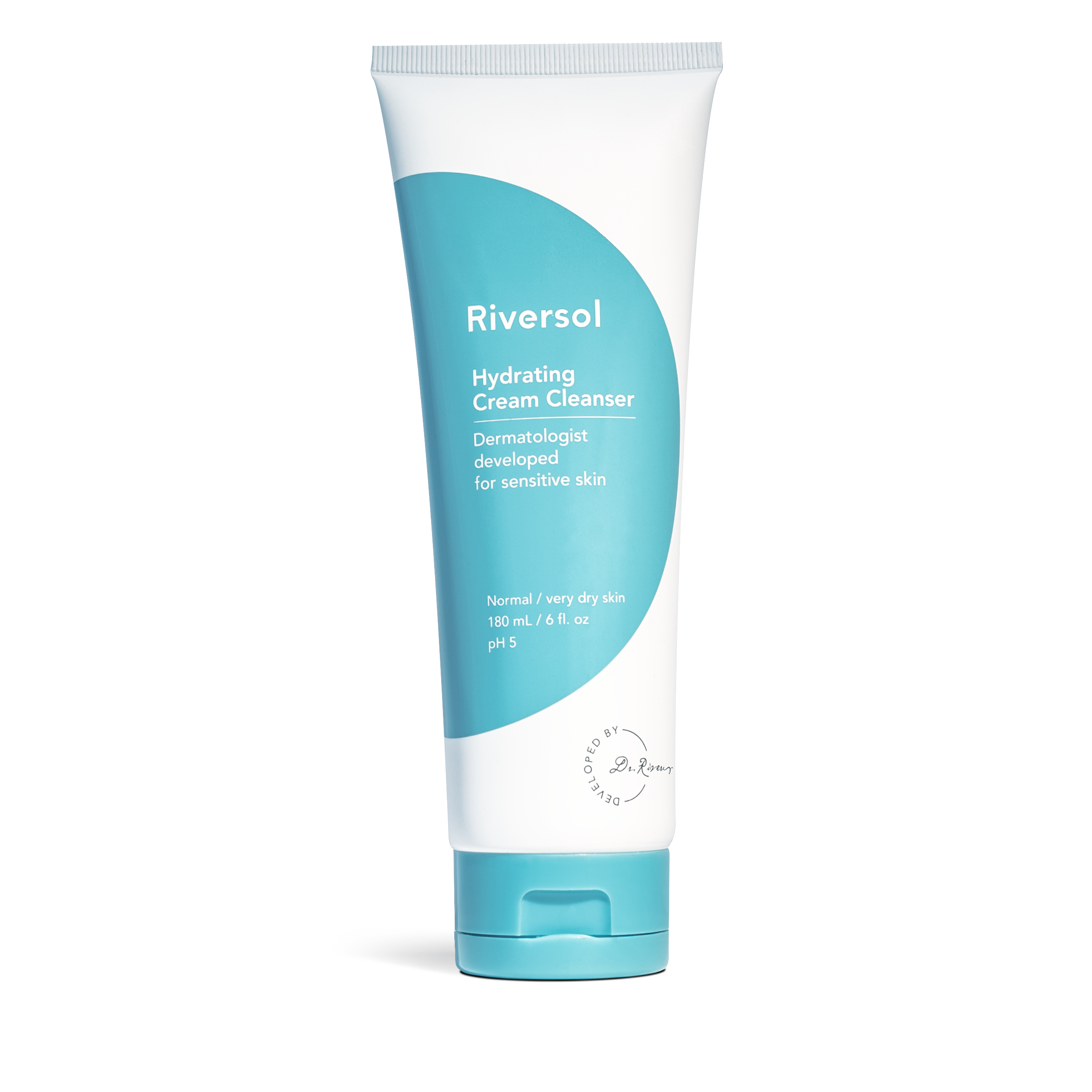
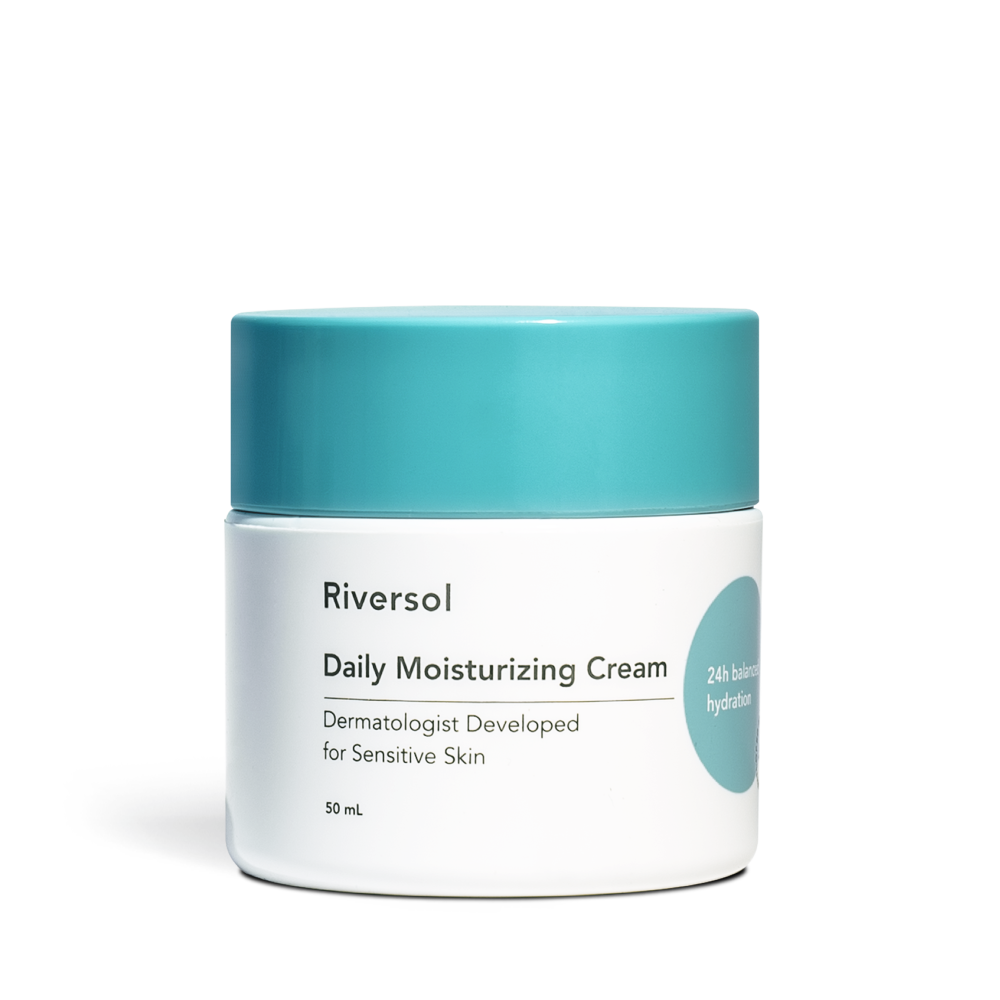
Use a fragrance-free, gentle cleanser (avoiding scrubbing motions) and follow with a ceramide-containing moisturizer to support barrier repair. Avoid any active ingredients (exfoliating acids, retinol, or strong Vitamin C) on acutely burned skin in the first 24 to 48 hours.
Step 3: Calm Surface Inflammation
Once the acute heat has reduced (usually 24 to 48 hours post-exposure), focus shifts from cooling to calming the residual inflammatory response, including persistent redness, capillary reactivity, and surface sensitivity. This is where targeted anti-redness ingredients play a meaningful clinical role.
Step 4: Protect While Healing
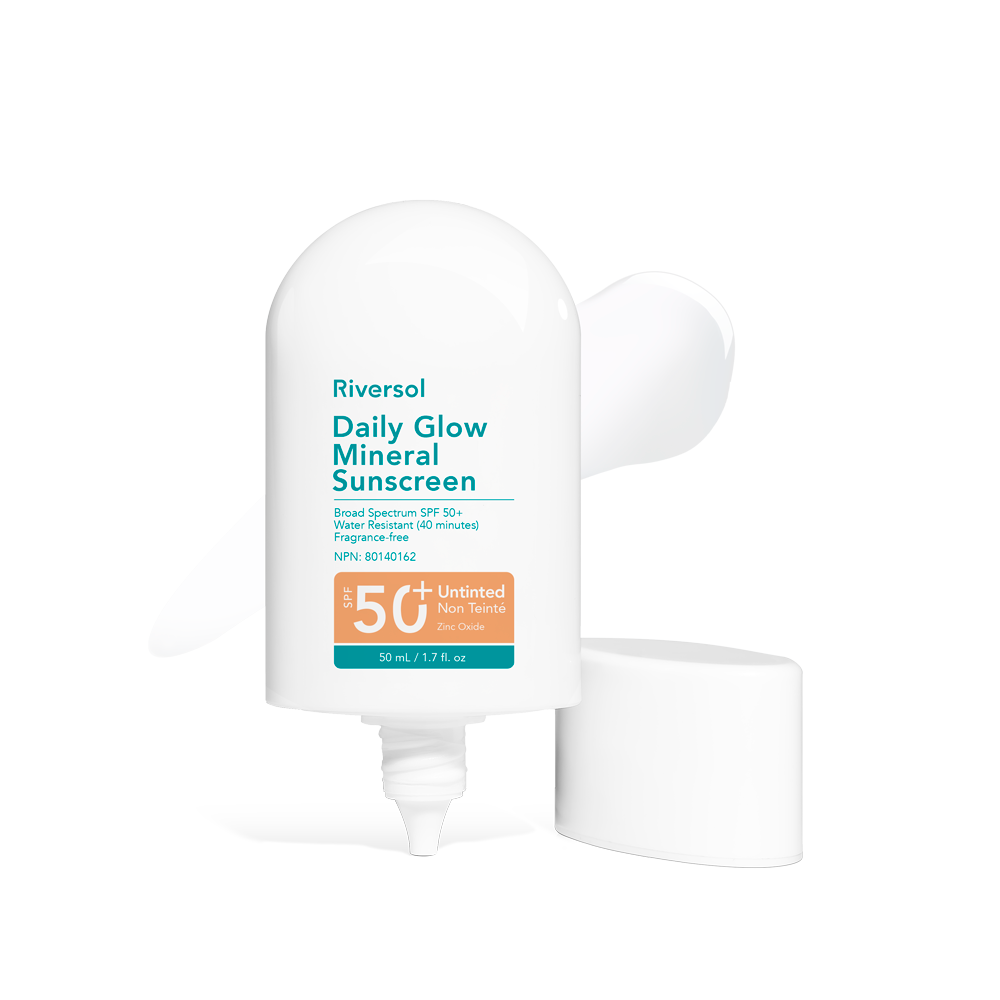
Sun-damaged skin is more photosensitive than healthy skin. Apply a broad-spectrum mineral sunscreen daily during recovery. A formulation designed for sensitive or reactive skin is preferable, since chemically compromised skin is prone to stinging from certain UV filters. The Daily Glow Mineral Sunscreen SPF 50+ offers broad-spectrum protection in a format well-suited to reactive, post-sun skin.
Best Redness Serum for Post-Sun and Rosacea-Prone Skin: Riversol Anti-Redness Serum
Once you've confirmed you've had too much sun and the acute phase is managed, the lingering redness and reactive sensitivity are where dermatology-grade calming actives become relevant. Clinically formulated for sensitive and rosacea-prone skin, the Anti-Redness Serum by Riversol is built around Hinokitiol, also known as Beta-Thujaplicin (Beta-T), extracted from the Western Red Cedar tree native to British Columbia. Beta-T is a clinically researched anti-inflammatory and antimicrobial compound that helps reduce surface erythema and capillary reactivity without the stinging or aggravation common with other actives on compromised skin. It is paired with stabilised Vitamin C (Aminopropyl Ascorbyl Phosphate, 10 times more photostable than standard ascorbic acid) and Vitamin E for free radical scavenging support.
For reactive or rosacea-prone skin seeking post-sun redness relief, the Anti-Redness Serum is formulated specifically to calm visible erythema and inflammatory cytokine activity without disrupting a fragile post-burn barrier. Trusted by over 1,000,000 customers and developed by Dr. Jason Rivers, MD, FRCPC, a board-certified dermatologist with decades of clinical practice treating sensitive and rosacea-prone skin, it is formulated and manufactured in Canada.
| Feature | Standard Redness-Calming Products | Riversol Anti-Redness Serum |
|---|---|---|
| Key Ingredient | Niacinamide or generic botanical extract | Hinokitiol (Beta-Thujaplicin, Beta-T) from Western Red Cedar |
| Formula Texture | Varies; often alcohol-based or heavily fragranced | Lightweight serum, fragrance-free, formulated for reactive skin |
| Skin Sensation | May sting or burn on post-sun compromised skin | Clinically formulated to calm without stinging or aggravating |
| Key Co-Active | Variable; often unstable Vitamin C (ascorbic acid) | Aminopropyl Ascorbyl Phosphate (10x more photostable) plus Vitamin E |
This serum is particularly well suited to anyone whose skin regularly reacts to sun exposure with prolonged redness, flushing, or sensitivity typical of rosacea-prone or reactive skin.


Frequently Asked Questions
What Are the Symptoms of Having Too Much Sun?
Symptoms range from mild to severe depending on duration and UV intensity. Mild overexposure produces skin tightness, pinkness, and dryness. Moderate to severe overexposure causes bright red erythema, pain, swelling, and in serious cases, blistering, fever, chills, headache, nausea, and dehydration. The American Academy of Dermatology reports that repeated sunburn significantly elevates the cumulative risk of skin cancers, including basal cell carcinoma and melanoma, making it important not to dismiss even moderate burns as harmless.
How Do You Know If You've Been in the Sun Too Long?
The clearest indicator is a change in how your skin looks and feels within two to six hours of outdoor exposure: tightness, warmth, or a shift in colour from normal to pink or red. As of 2025, dermatological guidelines consistently flag the UV index as an underused tool, with a UV index of 3 or higher already sufficient to cause skin damage in unprotected skin. If symptoms worsen over the following 12 to 24 hours or systemic symptoms (fever, nausea) appear, the overexposure has moved beyond a simple surface burn.
How to Recover After Too Much Sun?
Start with cool compresses and oral hydration to address immediate fluid loss and surface heat. Cleanse gently with a non-stripping, fragrance-free cleanser, then apply a barrier-supportive moisturizer containing ceramides. Once acute redness stabilises (typically 24 to 48 hours later), adding a calming serum containing anti-inflammatory actives can help address residual erythema and capillary reactivity without aggravating compromised skin.
What Do I Do If I Got Too Much Sun?
Move out of direct sunlight immediately and cool the skin with water compresses. Drink fluids to combat dehydration. Avoid further sun exposure until the skin has fully healed, and apply a mineral-based broad-spectrum sunscreen once barrier integrity is restored. Seek medical care promptly if you develop blistering over a large area, fever above 38°C, significant swelling, or signs of heat exhaustion, since these indicate the overexposure has become a medical concern requiring clinical assessment.
References
- American Academy of Dermatology. (2024). Sun exposure taking a toll: New AAD survey shows sharp increase in sun damage. aad.org. https://www.aad.org/news/new-survey-shows-sharp-increase-in-sun-damage
- American Academy of Dermatology. (2023). AAD survey shows Gen Z sun protection and tanning knowledge lacking. aad.org. https://www.aad.org/news/survey-shows-gen-z-sun-protection-tanning-knowledge-lacking
- American Academy of Dermatology. (2024). Skin cancer: Symptoms, diagnosis, and causes. aad.org. https://www.aad.org/public/diseases/skin-cancer
- American Academy of Dermatology. (2024). Basal cell carcinoma: From symptoms to treatments. aad.org. https://www.aad.org/public/diseases/skin-cancer/basal-cell-carcinoma
Related Topics to Explore:
About Dr. Jason Rivers, MD
Dr. Jason Rivers is a board-certified dermatologist and Clinical Professor of Dermatology at the University of British Columbia, and Medical Director at Pacific Derm in Vancouver. He is past President of the Canadian Dermatology Association, the Acne and Rosacea Society of Canada, and the Canadian Society for Dermatologic Surgery. Dr. Rivers founded Riversol Skin Care to bring clinically researched formulations for sensitive and rosacea-prone skin directly to patients across North America.