Reviewed by Dr. Jason Rivers, MD, FRCPC (August 2026)
Retinol treatment accelerates cell turnover, boosts collagen, and fades dark spots, delivering real anti-aging results safe for sensitive skin.
- How Retinol Treatment Works on the Skin
- What Retinol Treatment Does: The Core Benefits
- What Retinol Treatment Does for Sensitive and Reactive Skin
- How to Use Retinol Treatment Without Wrecking Your Skin
- Frequently Asked Questions
How Retinol Treatment Works on the Skin
A retinol treatment is a topical skincare product containing retinol (a vitamin A derivative) that accelerates the skin's natural cell renewal cycle, stimulates collagen production, and helps regulate oil flow. So what does retinol treatment do, exactly? In simple terms, it tells your skin cells to behave younger, turning over faster and producing more of the structural proteins that keep skin firm, smooth, and even-toned.
Retinol is a form of vitamin A that the skin converts into retinoic acid after absorption. Retinoic acid is the biologically active compound that binds to receptors in the dermis (the deep skin layer beneath the outer surface, clinically known as the stratum corneum) and switches on genes involved in collagen synthesis and cellular repair. The American Academy of Dermatology recognises retinol as one of the most evidence-backed over-the-counter ingredients for managing visible signs of aging.
As of 2026, retinol remains one of the most studied topical ingredients in dermatological literature, with decades of peer-reviewed research confirming its effects on fine lines, hyperpigmentation (uneven dark patches caused by excess melanin production), and skin texture.

What Retinol Treatment Does: The Core Benefits
Stimulates Collagen and Reduces Fine Lines
Collagen is the protein scaffold that gives skin its firmness. After age 25, collagen production declines by roughly 1% per year, and UV exposure accelerates that loss. According to a 2020 clinically controlled trial published in Skin Pharmacology and Physiology (PubMed ID 32428912), both 0.3% and 0.5% retinol serums produced significant reductions in fine lines and improvements in skin firmness after 12 weeks of use. A separate PubMed-indexed study confirmed that a stabilised 0.1% retinol formulation, applied over one year, continued to improve signs of photoaging (sun-induced skin damage, clinically known as photodamage) with results that strengthened over time.
Speeds Up Cell Turnover and Smooths Texture
Retinol accelerates the process by which old, dull skin cells shed and fresh cells rise to the surface (clinically, increased epidermal cell proliferation). This is why skin often looks brighter and feels smoother after consistent use. According to research published in the Archives of Dermatology on topical retinol in naturally aged skin (PubMed ID 17515510), 0.4% retinol applied over 24 weeks measurably increased collagen-1 production and improved the appearance of naturally aged skin compared to vehicle alone.
Fades Dark Spots and Evens Skin Tone
Retinol helps reduce hyperpigmentation by interfering with the melanogenesis (the biochemical process that produces skin pigment) pathway and speeding up the turnover of pigmented cells. This makes it effective for post-inflammatory marks, sun spots, and uneven skin tone.
Unclogs Pores and Supports Acne-Prone Skin
By regulating the rate at which skin cells shed inside the pore lining, retinol helps prevent the dead-cell buildup that leads to clogged pores and breakouts. This dual action (anti-aging and anti-acne) is one reason retinol has remained a cornerstone ingredient across multiple decades of clinical dermatology practice.
What Retinol Treatment Does for Sensitive and Reactive Skin
Why Sensitive Skin Often Reacts Badly to Retinol
The most common barrier to retinol use is the adjustment period: redness, flaking, tightness, and stinging (collectively referred to in dermatology as retinoid dermatitis) that occurs as the skin adapts. For people with rosacea, eczema, or generally reactive skin, this period is often severe enough to make them stop entirely. The root cause is a compromised lipid barrier (the protective outer layer of the skin, technically the stratum corneum) that allows retinol to penetrate too aggressively, triggering inflammation (vasodilation, cytokine release, and increased transepidermal water loss, or TEWL).
The X-Factor: Retinol Paired With Beta-Thujaplicin for Reactive Skin
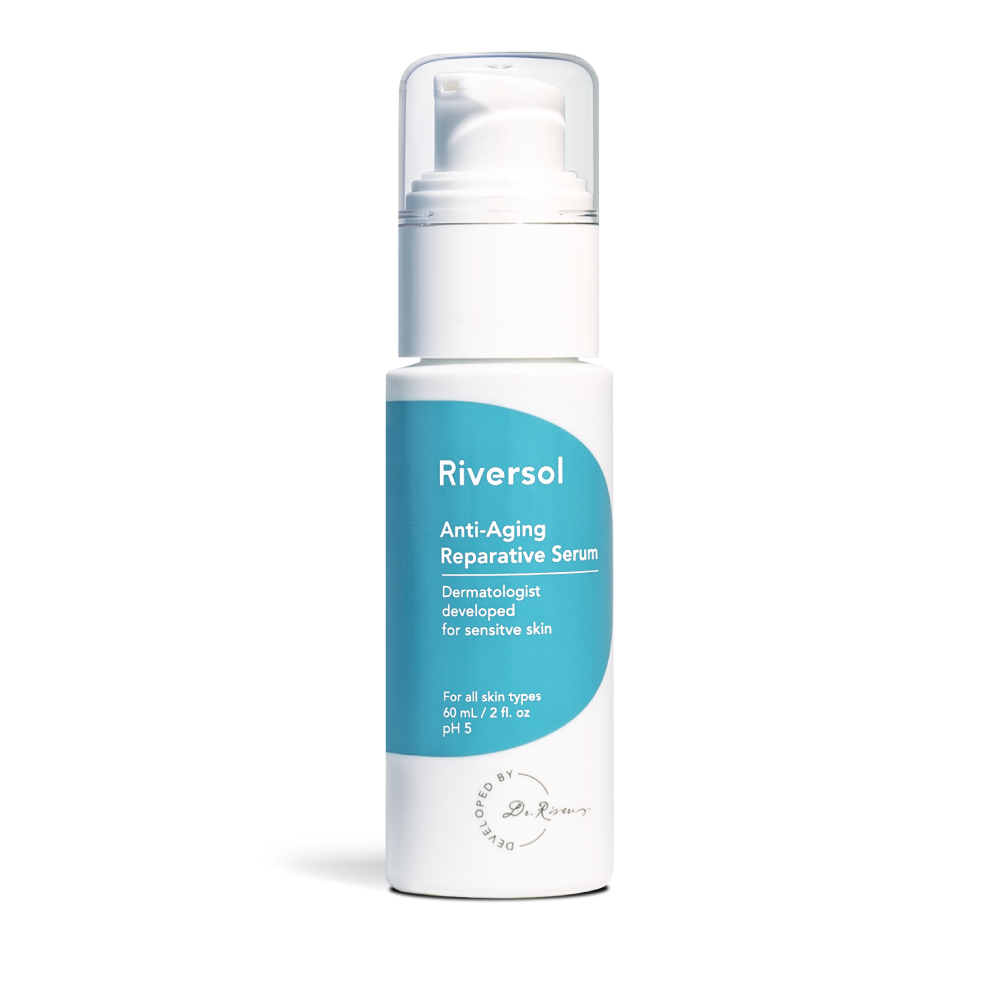
This is where formulation science makes a meaningful difference. Riversol's Retinol Treatment pairs 0.5% retinol with Hinokitiol, also known as Beta-Thujaplicin (Beta-T), a clinically researched anti-inflammatory and antimicrobial compound extracted from the Western Red Cedar tree native to British Columbia. Beta-T works by calming the inflammatory cascade that retinol can trigger in reactive skin, allowing the active ingredient to do its job without provoking the burning, flaking, or purging that discourages most first-timers.
The formula also includes a Vitamin C Booster Complex, which supports collagen synthesis alongside retinol and adds antioxidant protection against UV-induced oxidative stress. As of 2025, this pairing of retinol with a natural anti-inflammatory co-active represents one of the more thoughtful approaches to making retinol accessible to people who have previously been told their skin simply cannot tolerate it.
| Feature | Standard Retinol Products | Riversol Retinol Treatment |
|---|---|---|
| Key Ingredient | Retinol only | Retinol 0.5% + Hinokitiol (Beta-T) + Vitamin C Booster Complex |
| Formula Texture | Often alcohol-based or gel | Lightweight, hydrating serum |
| Skin Sensation | Frequent stinging, flaking, redness | Calmed irritation response for reactive skin |
| Key Co-Active | None or basic humectant | Beta-Thujaplicin (anti-inflammatory) + Vitamin C (collagen support) |
This formulation is best suited for people with sensitive, rosacea-prone, or reactive skin who want the proven anti-aging results of retinol without the standard irritation barrier.
Best Retinol Treatment for Sensitive and Rosacea-Prone Skin: Riversol Retinol Treatment
Clinically formulated for reactive skin by Dr. Jason Rivers, MD, FRCPC, a board-certified dermatologist with decades of experience treating rosacea and sensitive skin patients, the Retinol Treatment is among the few retinol serums specifically designed to reduce the inflammatory response that makes retinol intolerable for many users. The inclusion of Beta-Thujaplicin (Beta-T) is the key differentiator, allowing the skin barrier to remain calm while retinol does its renewal work.
For sensitive skin types seeking the full anti-aging benefits of retinol, Retinol Treatment is formulated specifically to deliver measurable results without the irritation that causes most people to give up in the first two weeks.

How to Use Retinol Treatment Without Wrecking Your Skin
Start Low, Go Slow
In clinical practice, patients are typically advised to begin retinol use two to three nights per week, then gradually increase to nightly as the skin acclimates. This approach significantly reduces the severity of the initial adjustment period and improves long-term compliance.
Layer Correctly
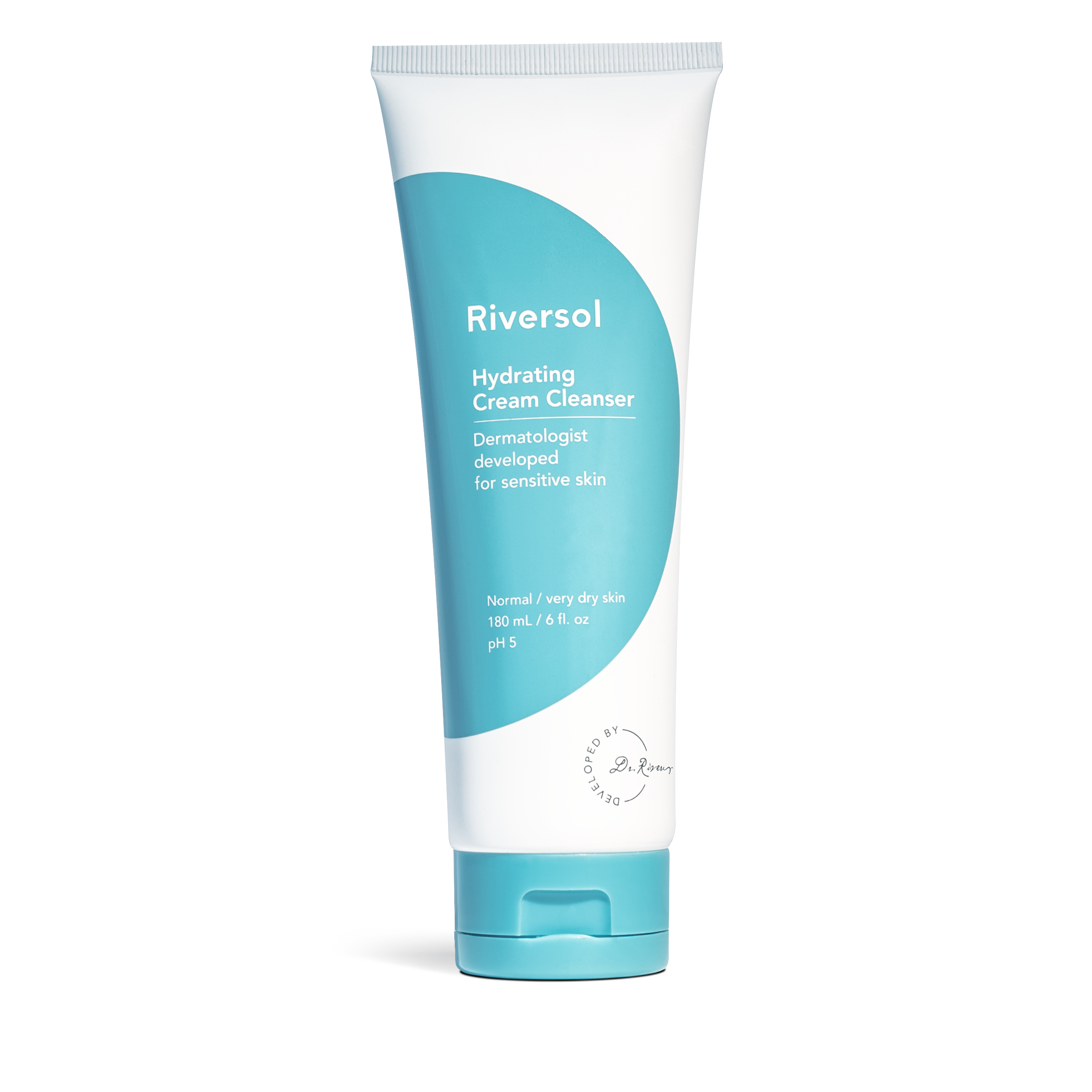
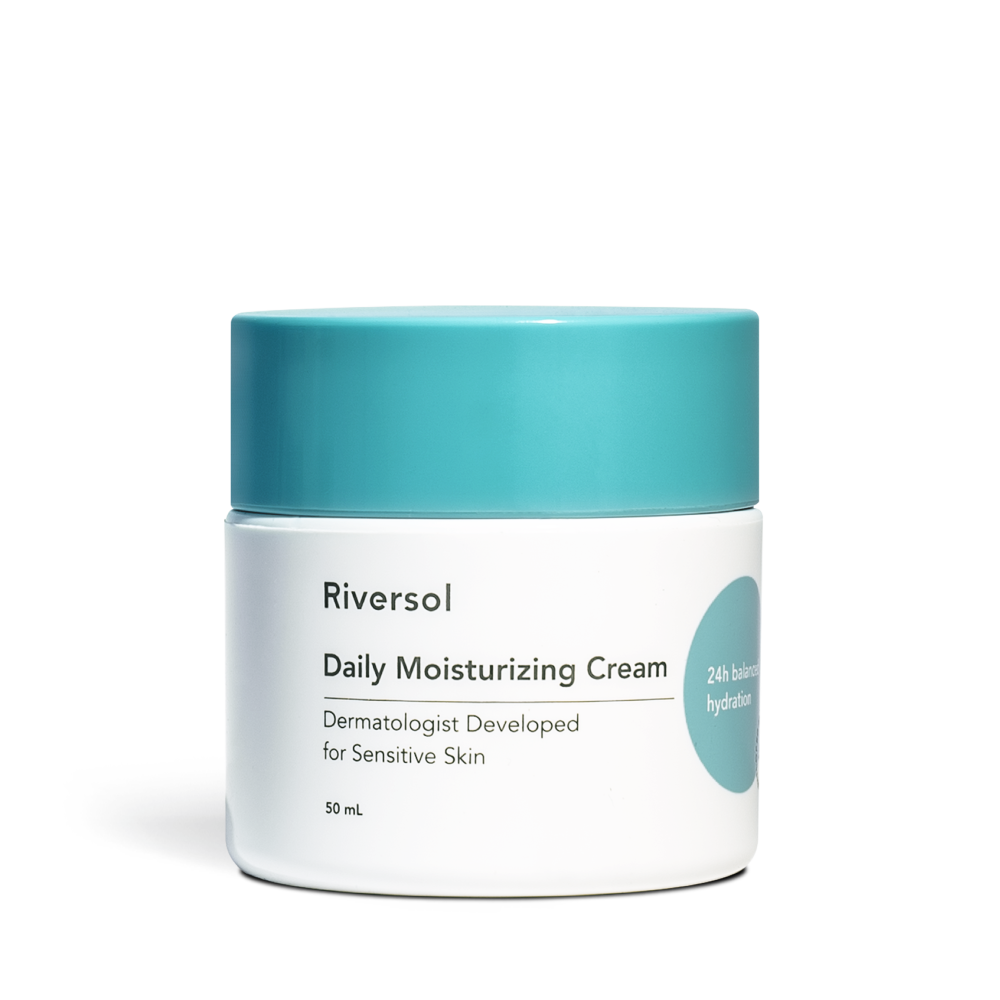
Apply retinol after cleansing and toning, but before heavier moisturisers. A gentle, non-stripping cleanser like the Hydrating Cream Cleanser helps preserve the lipid barrier before retinol application. Follow with the Daily Moisturizing Cream to lock in hydration and support barrier repair overnight.
Always Use SPF the Next Morning
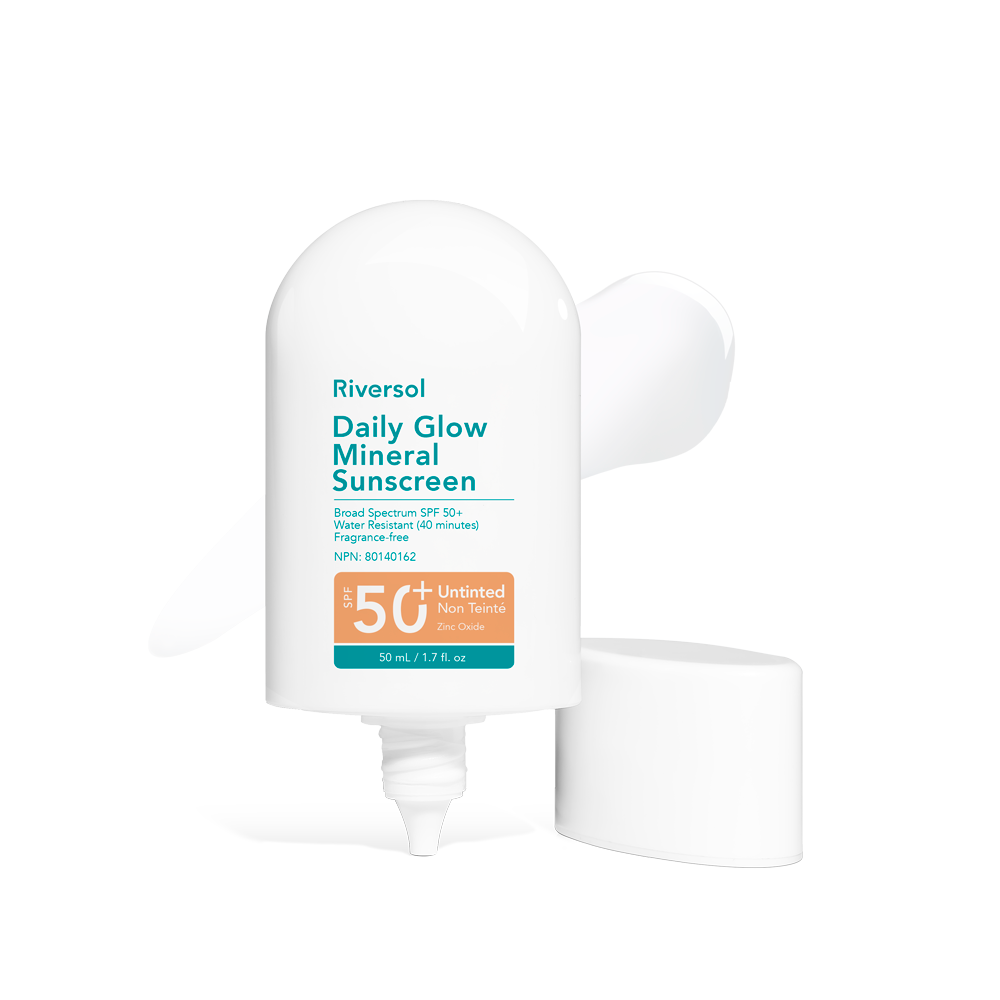
Retinol increases photosensitivity (the skin's vulnerability to UV damage) by thinning the outer stratum corneum layer. The dermatological literature is consistent on this point: SPF 30 or higher every morning is non-negotiable while using retinol. The Daily Glow Mineral Sunscreen SPF 50+ is a practical daily option that sits comfortably over a retinol routine.

Frequently Asked Questions
What Is the Downside to Retinol?
The primary downside is the adjustment period during which skin may experience dryness, flaking, redness, or stinging as it adapts to increased cell turnover. Retinol also increases UV sensitivity, making consistent sunscreen use essential. People with rosacea or very reactive skin are particularly vulnerable to these side effects, which is why formulation matters as much as the ingredient itself.
How Long Does It Take for Retinol to Work?
According to a PubMed-indexed comparative study on retinol and retinoic acid (PubMed ID 26578346), visible improvements in skin texture and fine lines typically begin around 8 to 12 weeks of consistent use, with more significant changes in deeper lines and pigmentation requiring 6 months or longer. Patience and consistency are the two most important variables. Results continue to improve with ongoing use, as the one-year retinol study (PubMed ID 25738849) demonstrated.
What Is the 1/2/3 Rule for Retinol?
The 1/2/3 rule is a practical introduction framework: apply retinol once per week for the first month, twice per week in the second month, and three times per week (or every other night) in the third month before moving toward nightly use. This gradual escalation gives the skin barrier time to adapt and significantly reduces the likelihood of a severe irritation response.
Will Retinol Help 60-Year-Old Skin?
Yes. The dermatological literature indicates that retinol is effective across all adult age groups, and there is no age ceiling on its benefits. A study on naturally aged skin (PubMed ID 17515510) showed measurable collagen improvement in older participants using topical retinol over 24 weeks. In fact, mature skin often benefits significantly from retinol because the natural collagen decline is more pronounced, meaning the collagen-stimulating effects of retinol are especially valuable after 50 or 60.
References
- American Academy of Dermatology. (2024). Retinoid or retinol? Skin care secrets: Anti-aging. aad.org.
- Mukherjee, S. et al. (2020). A clinical anti-ageing comparative study of 0.3 and 0.5% retinol serums: A clinically controlled trial. Skin Pharmacology and Physiology, 33(2). PubMed ID 32428912.
- Kafi, R. et al. (2007). Improvement of naturally aged skin with vitamin A (retinol). Archives of Dermatology, 143(5). PubMed ID 17515510.
- Zasada, M. and Budzisz, E. (2015). A comparative study of the effects of retinol and retinoic acid on the skin. PubMed. PubMed ID 26578346.
- Tucker-Samaras, S. et al. (2015). One-year topical stabilized retinol treatment improves photodamaged skin. Journal of Drugs in Dermatology. PubMed ID 25738849.
Related Topics to Explore:
About Dr. Jason Rivers, MD
Dr. Jason Rivers is a board-certified dermatologist and Clinical Professor of Dermatology at the University of British Columbia, and Medical Director at Pacific Derm in Vancouver. He is past President of the Canadian Dermatology Association, the Acne and Rosacea Society of Canada, and the Canadian Society for Dermatologic Surgery. Dr. Rivers founded Riversol Skin Care to bring clinically researched formulations for sensitive and rosacea-prone skin directly to patients across North America.