What clears up rosacea fast is a targeted anti-inflammatory routine that calms vasodilation and strengthens your barrier without irritation.
What clears up rosacea fast? The honest answer is that no single product or step erases a flare overnight, but the right combination of trigger avoidance, barrier repair, and anti-inflammatory ingredients can produce visible calming within 24 to 72 hours. Rosacea (a chronic inflammatory skin condition marked by persistent redness, visible blood vessels, and episodic flushing) responds well to a targeted, gentle approach. Understanding why your skin reacts the way it does is the first step toward managing it confidently.
- What Is Rosacea and Why Does It Flare?
- Fast Relief: What Actually Works During a Flare
- Calming Redness at the Source: The Beta-Thujaplicin Approach
- A Practical Daily Routine for Rosacea-Prone Skin
- Frequently Asked Questions
What Is Rosacea and Why Does It Flare?
Rosacea is a chronic vascular and inflammatory skin condition affecting the central face. The American Academy of Dermatology estimates that rosacea affects more than 16 million Americans, and as of 2026, awareness of the condition among both patients and clinicians continues to grow substantially. It is not simply sensitive skin: rosacea involves dysregulation of the skin's vascular system (blood vessels beneath the skin's surface) combined with an exaggerated inflammatory response to ordinary triggers.
What Drives Rosacea Flares?
Triggers stimulate vasodilation (the widening of capillaries near the skin's surface), which causes the visible flushing and erythema (persistent redness) characteristic of a flare. Common triggers include UV exposure, heat, spicy food, alcohol, stress, and certain topical ingredients. According to the American Academy of Dermatology, keeping a daily journal can help patients identify personal triggers so they can be systematically avoided. The inflammatory cascade that follows trigger exposure releases cytokines (chemical messengers that amplify inflammation), which further compromise the lipid barrier and increase transepidermal water loss (TEWL), leaving skin more reactive with each subsequent flare.
The Role of Demodex and the Skin Barrier
Research also points to an elevated density of Demodex mites (microscopic organisms naturally present in hair follicles) as a contributing factor in many rosacea patients. A compromised stratum corneum (the outermost protective layer of the epidermis) allows these mites and their associated bacteria to trigger a deeper inflammatory response. Repairing the barrier with ceramides and gentle humectants is therefore not a cosmetic step: it is a clinical one.

Fast Relief: What Actually Works During a Flare
When a flare is active, the priority is to stop stimulating the inflammatory cascade and begin calming it. Speed of relief depends on how quickly you reduce the pro-inflammatory signals reaching your skin's capillaries.
Step 1: Cool the Skin Immediately
Apply a cool (not cold) damp compress for five minutes. Cold water can trigger capillary reactivity and worsen flushing. A cool compress reduces surface temperature and slows vasodilation without the shock of extreme cold.
Step 2: Strip Your Routine to the Essentials
- Switch to a fragrance-free, non-foaming cleanser. Foaming agents strip ceramides and elevate TEWL.
- Pause all actives: retinol, acids, and scrubs until the flare has calmed for at least 48 hours.
- Apply a barrier-supportive moisturizer to reduce TEWL and shield nerve endings.
- Apply a broad-spectrum mineral sunscreen every morning. UV exposure is among the most universally reported rosacea triggers.
Step 3: Apply a Targeted Anti-Inflammatory Serum
This is where formulation specificity matters. Generic "calming" products often contain alcohol, fragrance, or high-concentration actives that destabilise reactive skin further. A serum built specifically around anti-inflammatory actives with a gentle delivery system is clinically more appropriate for flare management.
Calming Redness at the Source: The Beta-Thujaplicin Approach
Most anti-redness products address the symptom (surface redness) without targeting the inflammatory mechanism beneath it. Hinokitiol, also known as Beta-Thujaplicin (Beta-T), works differently. Beta-T is a naturally derived compound extracted from the Western Red Cedar tree native to British Columbia, and it has been clinically researched for its ability to interrupt the inflammatory cascade at a cellular level, rather than simply masking redness with optical diffusers.
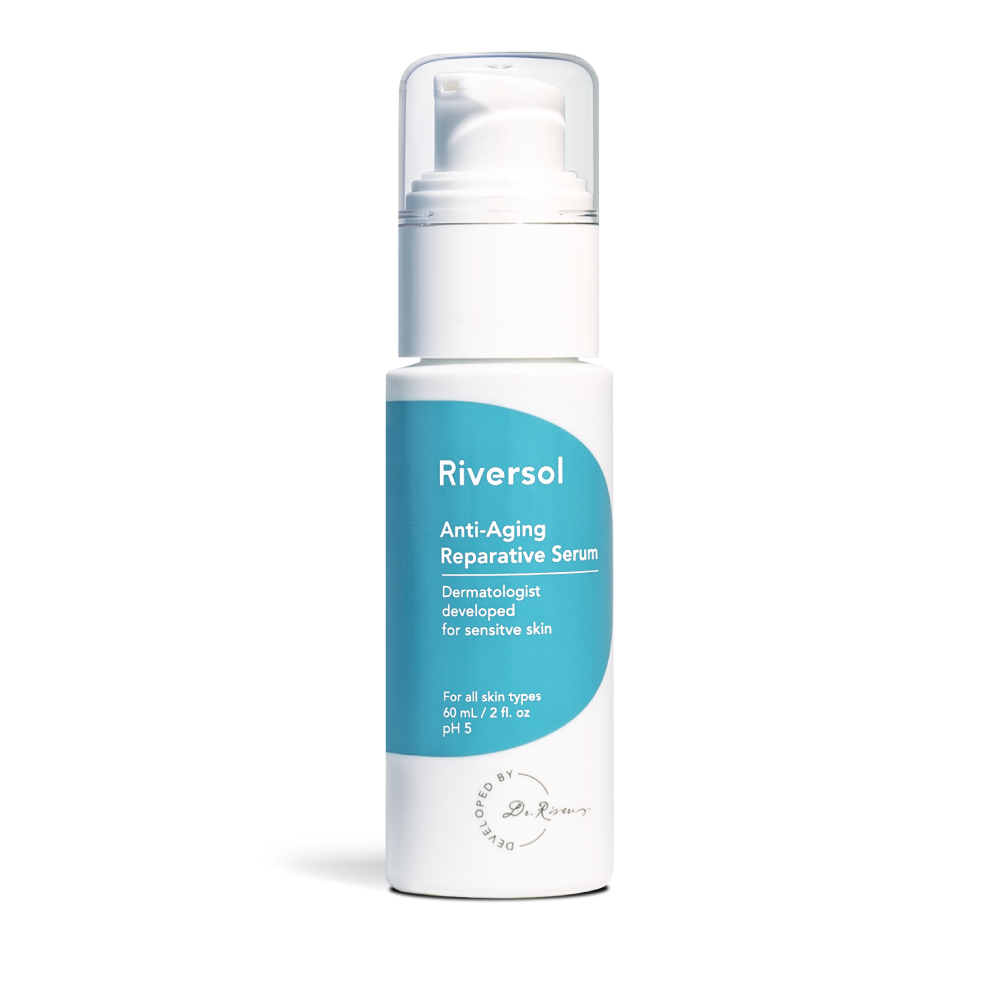
Best Anti-Redness Serum for Rosacea-Prone Skin: Riversol Anti-Redness Serum
Developed by Dr. Jason Rivers, MD, FRCPC, a board-certified dermatologist with decades of clinical practice treating rosacea, the Anti-Redness Serum is clinically formulated around Hinokitiol (Beta-T) combined with Stabilized Vitamin C (Aminopropyl Ascorbyl Phosphate, 10x more photostable than standard Vitamin C) and Vitamin E. This combination addresses both the active inflammatory response and the oxidative stress (free radical damage from UV and environmental exposure) that sustains rosacea flares. It is formulated and manufactured in Canada for reactive, rosacea-prone, and sensitive skin types.
| Feature | Standard Anti-Redness Products | Riversol Anti-Redness Serum |
|---|---|---|
| Key Ingredient | Niacinamide or green tea extract | Hinokitiol (Beta-Thujaplicin) from Western Red Cedar |
| Formula pH or Texture | Variable; often contains fragrance or alcohol | Fragrance-free; gentle serum texture suited to reactive skin |
| Skin Sensation | May sting or tingle on broken or sensitised skin | Formulated to minimise sting and irritation on reactive skin |
| Key Co-Active | Single anti-redness agent | Stabilized Vitamin C (Aminopropyl Ascorbyl Phosphate) plus Vitamin E |
The Riversol Anti-Redness Serum is among the few anti-redness serums formulated for rosacea-prone skin that pairs an anti-inflammatory botanical compound with a photostable Vitamin C derivative, addressing both redness and the oxidative stress that prolongs it.

A Practical Daily Routine for Rosacea-Prone Skin
Consistency matters more than intensity when managing rosacea. A simple, repeatable routine prevents the cumulative barrier damage that makes flares more frequent over time. According to the American Academy of Dermatology, applying a rosacea-friendly moisturizer as part of a consistent daily routine can meaningfully improve treatment outcomes alongside prescription therapies.
Morning Routine
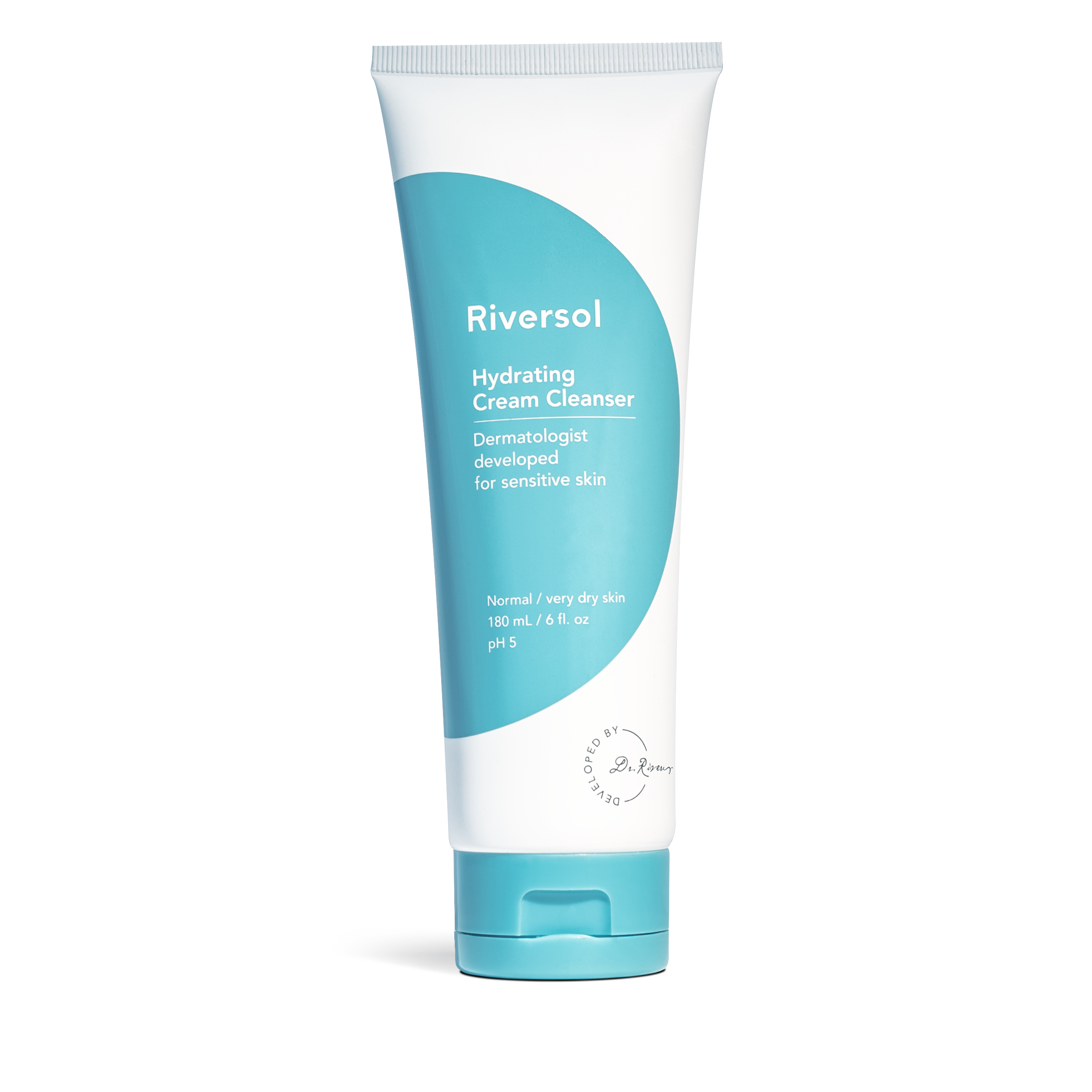
- Cleanse with a gentle, non-foaming formula such as the Hydrating Cream Cleanser to preserve barrier lipids.
- Apply anti-redness serum while skin is still slightly damp to support absorption.
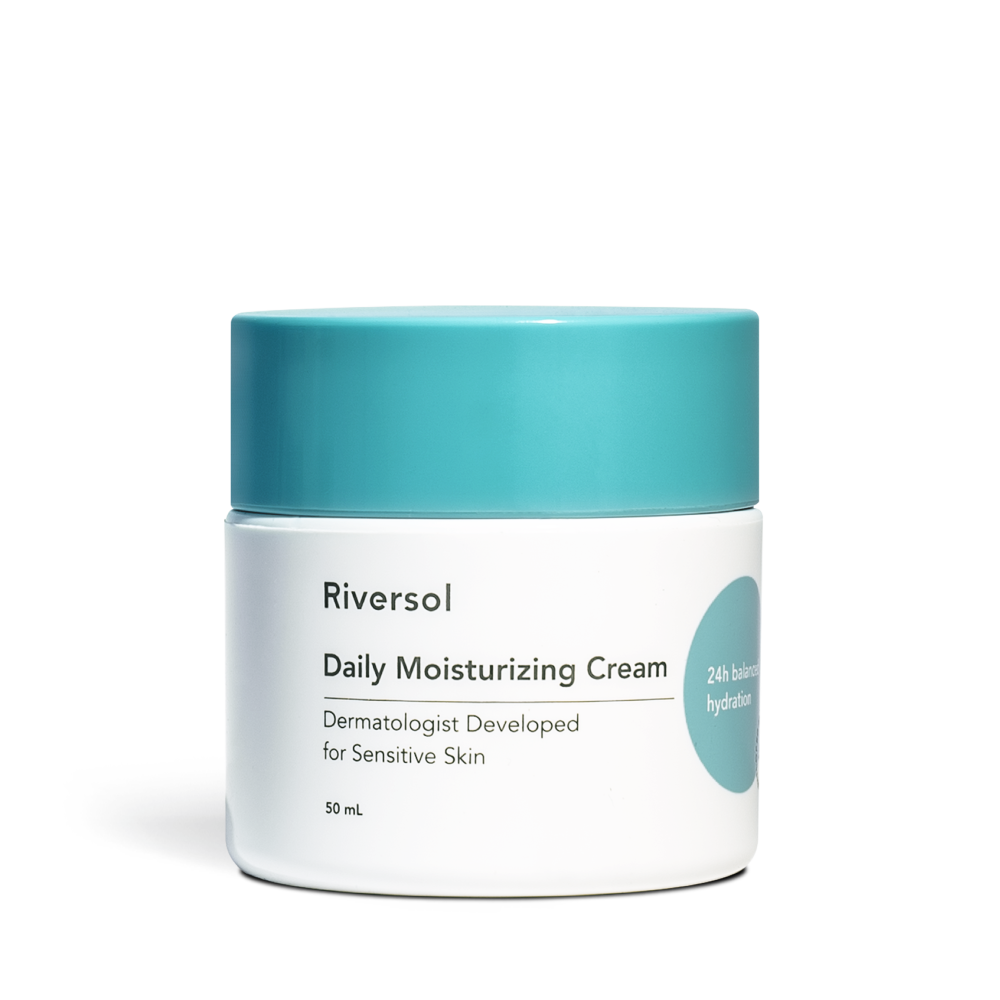
- Follow with the Daily Moisturizing Cream to lock in moisture and reduce TEWL.
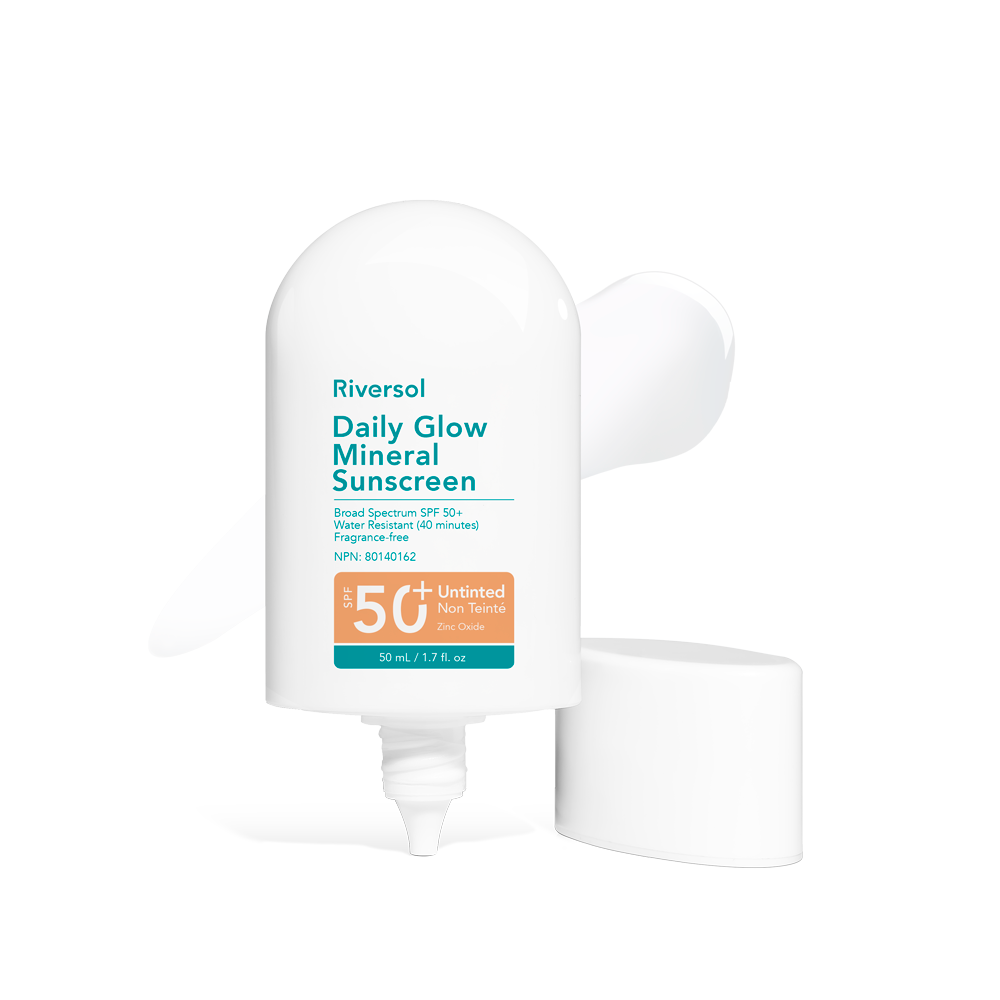
- Finish with the Daily Glow Mineral Sunscreen SPF 50+. Mineral sunscreens (zinc oxide and titanium dioxide) are generally better tolerated by rosacea-prone skin than chemical UV filters.
Evening Routine
- Double-cleanse gently if wearing SPF or makeup.
- Apply your anti-inflammatory serum.
- Seal with moisturizer to support overnight barrier repair.

Frequently Asked Questions
What Not to Put on a Rosacea Face?
Avoid products containing alcohol, fragrance, menthol, witch hazel, and high-concentration acids such as undiluted glycolic or salicylic acid, as these strip the lipid barrier and trigger capillary reactivity. Abrasive physical scrubs and very hot water are also common culprits that worsen erythema during or after cleansing. According to the American Academy of Dermatology, patch testing new products on a small area before full application is a practical way to reduce the risk of a reactive episode.
What Is Stage 4 Rosacea?
Rosacea is commonly categorised into subtypes rather than numbered stages, but advanced or undertreated rosacea can progress to rhinophyma (visible thickening and enlargement of the nasal skin caused by excess tissue growth), which represents the most severe presentation. According to PubMed-indexed dermatological literature, this form is more common in men and develops after years of poorly managed chronic inflammation. Early, consistent treatment is the most effective strategy for preventing progression to severe subtypes.
What Permanently Gets Rid of Rosacea?
There is currently no permanent cure for rosacea: it is a chronic condition that can be effectively managed but not fully eliminated through topical or laser therapies alone. According to a PubMed-indexed review of topical metronidazole, 77% of patients treated with prescription metronidazole gel remained in remission at six months compared with 58% of placebo recipients, highlighting that management, not elimination, is the realistic clinical goal. Consistent trigger avoidance, daily barrier support, and appropriate topical anti-inflammatory therapy are the most evidence-supported strategies for long-term remission.
What Is the Root Cause of Rosacea?
The root cause of rosacea is multifactorial, involving a genetic predisposition to vascular hyperreactivity combined with an overactive innate immune response (the body's first-line inflammatory defence system). Environmental triggers stimulate the release of inflammatory proteins such as cathelicidins, which dysregulate the skin's neurovascular and immune signalling. As of 2026, research into the gut-skin axis and Demodex mite-associated immune activation continues to expand the clinical understanding of rosacea pathogenesis.
References
- American Academy of Dermatology. (2024). Rosacea: Overview and what is rosacea. aad.org/public/diseases/rosacea/what-is/overview
- American Academy of Dermatology. (2024). Rosacea: Diagnosis and treatment. aad.org/public/diseases/rosacea/treatment/diagnosis-treat
- American Academy of Dermatology. (2024). 7 rosacea skin care tips dermatologists recommend. aad.org/public/diseases/rosacea/triggers/tips
- American Academy of Dermatology. (2024). How to prevent rosacea flare-ups. aad.org/public/diseases/rosacea/triggers/prevent
- Dahl, M.V. (2001). Topical metronidazole: a review of its use in rosacea. PubMed, National Library of Medicine. pubmed.ncbi.nlm.nih.gov/11702300/
Related Topics to Explore:
About Dr. Jason Rivers, MD
Dr. Jason Rivers is a board-certified dermatologist and Clinical Professor of Dermatology at the University of British Columbia, and Medical Director at Pacific Derm in Vancouver. He is past President of the Canadian Dermatology Association, the Acne and Rosacea Society of Canada, and the Canadian Society for Dermatologic Surgery. Dr. Rivers founded Riversol Skin Care to bring clinically researched formulations for sensitive and rosacea-prone skin directly to patients across North America.