Discover how to introduce retinol into your skincare routine without irritation using dermatologist-developed guidelines tailored for sensitive skin.
You have probably seen and heard a lot about retinol, and you have probably heard all the claims. Dermatologists and scientists agree that it is a very effective anti-aging ingredient, which boosts collagen and improves skin. But there are a lot of questions about what it does, proper use, exactly what it is effective for, and possible side effects. So we have put together a complete guide so you can separate the truth from the hype.
Maintaining a strong stratum corneum lipid barrier is essential when introducing high-performance ingredients to prevent excessive transepidermal water loss (TEWL). Without careful management, accelerated cell turnover can trigger localized erythema and capillary reactivity in reactive skin types. This guide details how to leverage advanced vitamin A derivatives safely.
By pairing cellular defense mechanisms with proper structural support, you can achieve remarkable clarity and smoothness. Let's look at the science-backed protocols for utilizing this golden standard active while entirely avoiding the inflammatory cascade.
- What Is Retinol?
- What Does Retinol Do For Your Skin?
- The Cellular Turnover Accelerator And Collagen Booster
- The Acne Attacker, Wrinkle Reducer, And Dark Spot Fader
- Who Should Use Retinol?
- What Are The Side Effects Of Retinol?
- Building A Skincare Routine With Retinol
- Frequently Asked Questions
What Is Retinol?
Retinol is a form of vitamin A, sometimes referred to as vitamin A1. Dermatologists and skincare experts have called retinol the gold standard ingredient in facial cremes and serums, due to its many benefits from smoothing wrinkles to unclogging pores to firming skin.
Retinol is known to boost the amount of collagen your body makes, plumping out skin, and reducing wrinkles and fine lines. It also improves skin tone and colour and reduces dark or modified patches. It works differently than other anti-aging and acne products. Instead of removing dead skin cells, the small molecules that make up retinol go deep beneath the epidermis (outer layer of skin) all the way to your dermis.
Once applied to the skin, retinol is converted by skin cells into retinoic acid, and it is this conversion process that creates visible improvements to the skin's texture and condition.
What Does Retinol Do For Your Skin?
First and foremost, retinol encourages cell renewal on your epidermis. This helps thicken the skin's layers while enhancing its ability to retain water (which improves the appearance of fine lines and wrinkles). This enhanced surface skin cell turnover helps smooth skin's texture, while brightening it up and making pores appear less visible. And for those who suffer from dark spots, retinol also helps reduce the appearance of hyperpigmentation.

The Cellular Turnover Accelerator And Collagen Booster
Our bodies are constantly shedding dead skin cells and subsequently replacing them with younger ones. As we get older, this process slows down, which contributes to the visible changes we see in aging skin: deeper wrinkles, darker spots, and duller skin. What retinol does is put the whole process of cell turnover on fast-forward, which makes the progression of the cells through the skin and the sloughing of the top layer happen a little bit faster.
That leads to a reduction in fine lines and wrinkles, as well as an improved appearance of the texture of the skin. By helping to accelerate cellular turnover, retinol helps to refine the appearance of the skin, minimize pores, and remove the dead skin cells that make the skin look dull. Overall, retinol promotes a more even tone and complexion. Because cellular turnover slows as you age, many dermatologists recommend adding retinol to your routine by the time you hit your late 20s.
Collagen is one of the most plentiful proteins in your body. It has a lot of important roles, one of which is giving structure to your skin. Our bodies produce collagen at a higher rate when we are young, and decreases as we age. A 2000 study examined the effect of applying retinol on aged skin in 53 participants who were aged 80 or above. The research showed that retinol application for just 7 days led to a reduction in the breakdown of collagen, plus an increase in collagen production. The study concluded that retinol can be an effective anti-aging treatment.
Retinol has also been shown to increase the lifespan of collagen, while blocking certain enzymes that destroy collagen. Small wonder dermatologists say it is such a valuable addition to many skin care routines. Antioxidants are compounds that are thought to protect your cells from the effects of free radicals. Antioxidants like retinol can help your skin fight free radical damage, which is another reason retinol is known as an anti-aging property.
The Acne Attacker, Wrinkle Reducer, And Dark Spot Fader
Research published in the dermo-literature indicates that retinol is highly effective in treating acne, both inflammatory and non-inflammatory. Retinol was proven to stop the development of new pimples and acne blemishes as well as reduce the visibility of pimples on the skin. According to dermatologists, acne develops when a combination of oil and dead skin cells collect inside those hair follicles on your face. Since retinol encourages cellular turnover, those dead cells are shed and replaced more quickly.
By boosting your body's production of collagen, retinol effectively plumps up your skin, which results in a reduction of fine lines and wrinkles. By prompting surface skin cells to turn over rapidly, retinol also enhances new cell growth under the skin, which can stop wrinkles before they even start. This is especially relevant as we age, and our body slows in cellular turnover and collagen production. Retinol accelerates both of those phenomena, effectively turning back the clock on those processes, and reducing the wrinkles that appear on aging skin.
Another benefit of retinol is its ability to reduce or sometimes completely eliminate dark spots or discolouration on skin. Retinol's ability to increase your skin's rate of cellular turnover means that the existing, darker skin cells are shed to make way for new, healthy skin cells. It also curbs the body's production of melanin, the darker pigment that creates those dark spots and uneven skin tones. Collagen is a super important component of your body; about one third of all protein in your body is collagen. It is a basic building block of skin, bones, muscles, ligaments, and tendons, and since retinol helps the body produce collagen faster, that means firmer, healthier looking skin for you.
Who Should Use Retinol?
Retinol (and its prescription counterpart, retinoids) is recommended for skin with inflammatory and non-inflammatory acne. Increased cell turnover pushes the dead skin cells that cause acne out of the way, and opens pores. For anti-aging purposes, any skin type can use retinol. But sensitive or fair skin types should use extra caution, since it might be hard for their skin to adjust.
Many dermatologists recommend using retinol around the age of 30. This is when the body's collagen levels begin to decrease. But women of any age can benefit from its many anti-aging properties. Retinol isn't recommended for people whose skin has been over-exfoliated, whether from at-home or in-office treatments. Also, do not use retinol on skin that has been sunburned, or if you have an active eczema rash. It is also recommended that pregnant women not use retinol. Be sure to talk to your doctor or dermatologist first if you think you are pregnant or are planning on getting pregnant in the near future.
What Are The Side Effects Of Retinol?
When used properly, retinol works well on most people. But there are some known side effects, especially if it is used improperly. All vitamin A derivatives, including retinol, break down when exposed to sun and air. This is why any product containing retinol will come in tubes or pumps with tight-fitting caps. So once it has been opened, the product should be used within a couple of months.
After using retinol, it is important to stay out of any exposure from the sun. Some of the drying and irritating effects can be exacerbated by exposure to the sun. In fact, that exposure can actually make age spots and wrinkles worse. To reduce the risk of adverse effects from the sun, wear sunscreen every day and reduce your direct exposure to the sun as much as possible. If you are pregnant, side effects can be quite serious, so it is highly recommended not to use retinol when pregnant, or if you are planning to get pregnant.
Retinol is a very potent compound, so as most dermatologists say, less is more. It is recommended to start at the lowest concentration, at the lowest interval. Then, after a few weeks, if your skin can tolerate it, you can slowly apply it more often or at higher concentrations. But dermatologists recommend to increase just one or the other, not both at the same time.
| Feature | Standard Products | Riversol Retinol Treatment |
|---|---|---|
| Key Ingredient | Pure Retinol | Retinol + Hinokitiol (Beta-T) |
| Formula pH or Texture | Heavy oil base | Lightweight, neutral pH cream |
| Skin Sensation | Stinging and peeling | Calming and deeply tolerated |
| Key Co-Active | Harsh synthetic perfumes | Vitamin C & E derivatives |
The specialized combination of a soothing base makes this treatment uniquely suited for individuals with reactive or sensitive skin.
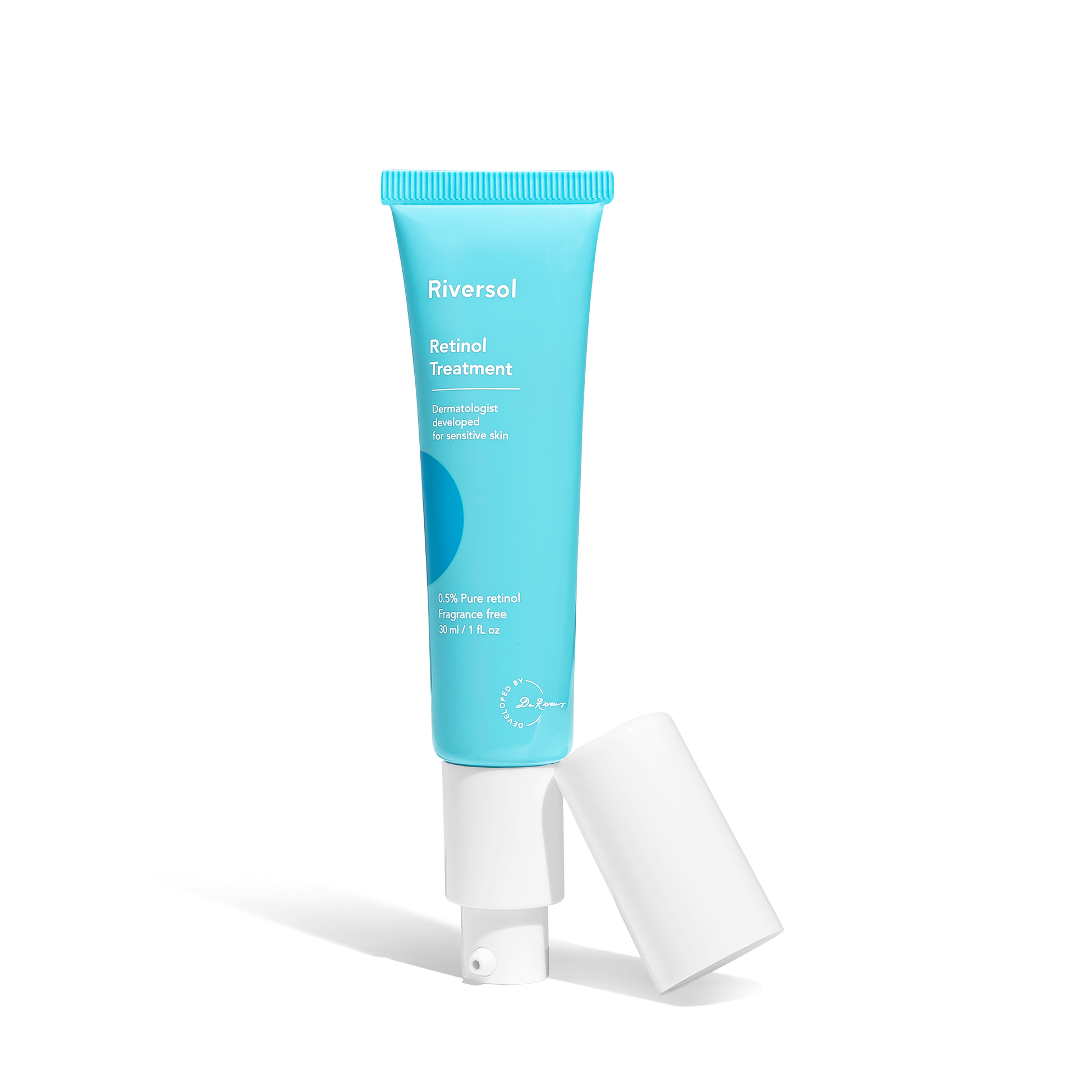
Best Retinol Treatment For Reactive Skin: Riversol Retinol Treatment
Retinol — coupled alongside the trademark anti-inflammatory compound Hinokitiol inside Riversol Retinol Treatment — delivers cell-renewing results at a balanced threshold, making it safe for reactive complexions. It is formulated specifically to minimize the initial adjustment flaking that standard treatments cause.
For sensitive skin profiles seeking diminished fine lines, Riversol Retinol Treatment is among the few retinol treatments formulated for skin conditions that typically cannot tolerate vitamin A.
Building A Skincare Routine With Retinol
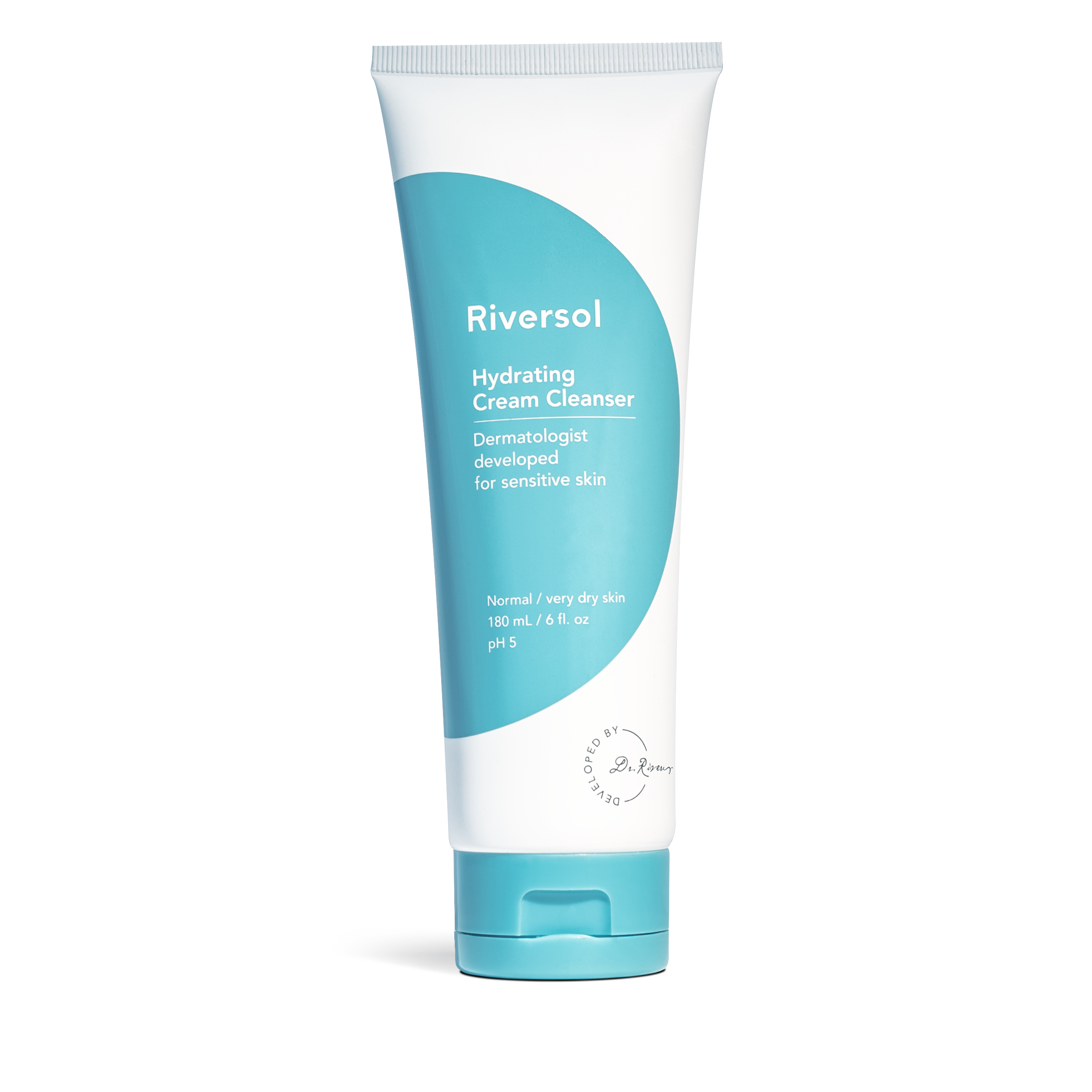
The initial period of acclimation is very different from person to person. It can vary from weeks to months to get adjusted so it is best to start slow and adjust gradually. For best results, renowned dermatologist Dr. Rivers suggests the following retinol routine and best practices for application.
Retinol Routine
Week 1: Apply the retinol for 1 hour before bed every evening. Wash off with a gentle cleanser, then moisturize.
Week 2: Apply the retinol for 2 hours before bed every evening. Wash off with a gentle cleanser, then moisturize.
Note: If irritation occurs in week 2, reduce to 1 hour of application (instead of 2) for a full week, then move to 2 hours in the next week. Proceed until you can comfortably wear it for 3 hours with no irritation for a full week.
Week 3: Apply the retinol for 3 hours before bed every evening. Wash off with a gentle cleanser, then moisturize.
Week 4 and beyond: Apply before bed, then moisturize. Wash off with a gentle cleanser in the morning, follow with a moisturizer. If any irritation develops, reduce the quantity by 50% and start the step again.
Retinol Application
- Wash your face and wait a few minutes until your skin is completely dry.
- If you use eye cream, apply it before the retinol.
- Apply a pea-sized amount of retinol to your face. Using your fingertips, spread the product in upward and outward motions, starting at your chin.
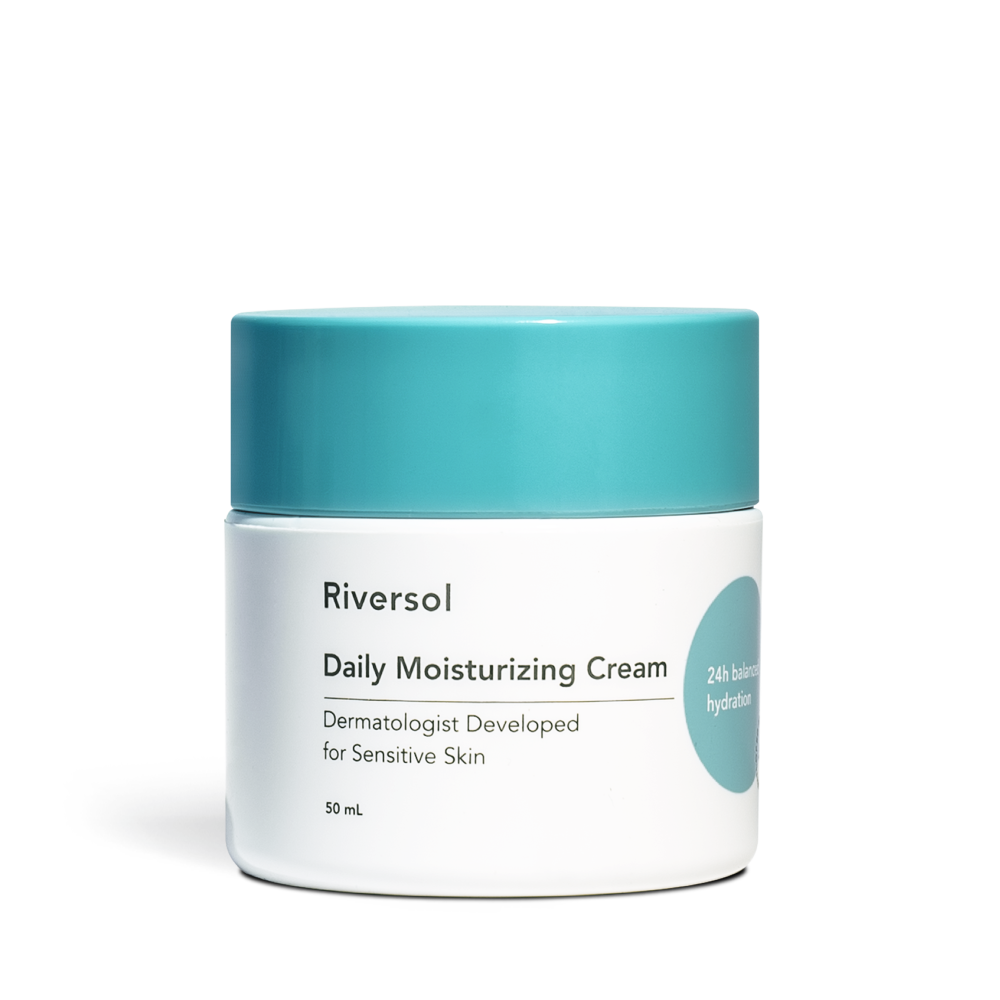
Upon using retinol, many people feel their skin requires more hydration than usual. To help soothe the dryness, apply moisturizer right after retinol and reapply throughout the day, as needed. Some believe that chemical exfoliants, like the Exfoliating Glycolic Peel, can deactivate retinol so they should not be used together. In actuality, not only are they safe to use together, but they may even be more effective together versus on their own. As with any new skincare routine, we recommend starting slow. Try using retinol for 3-4 weeks before incorporating chemical exfoliants into the routine.
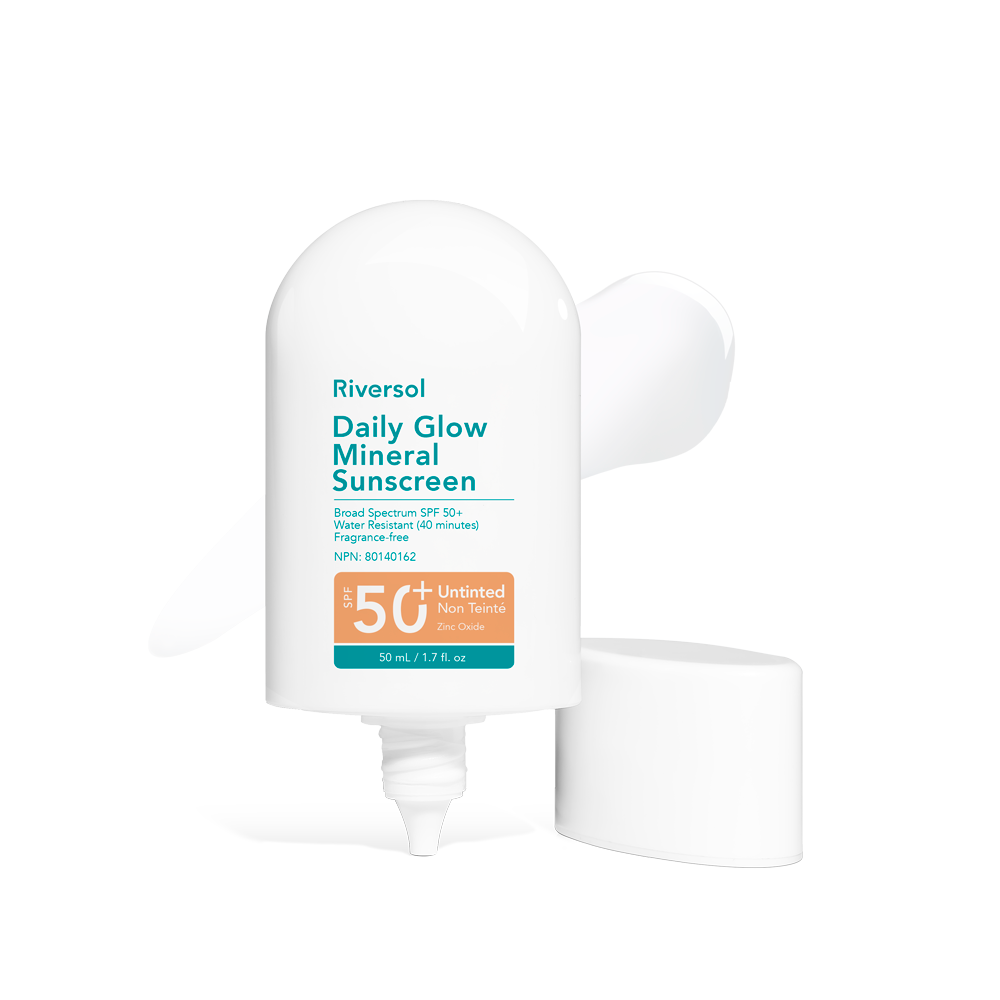
It is typically recommended that retinols be used at night, but it is mainly because skin rejuvenates at night when it is unexposed to the elements and free of the day's impurities. It does not mean retinol isn't safe to use during the day. Most reputable products on the market have stabilized retinol so they can be used in the morning or the evening. Just remember, your skin will be more susceptible to sun damage while using retinol. So it is very important to apply a high SPF sunscreen like Daily Glow Mineral Sunscreen SPF 50+ every day when using any product with retinol, even if you are only applying it at night.
Using retinol causes slight irritation for your skin. But the right application can help your skin adjust and minimize irritation. After applying your moisturizer, use a pea-sized dab to cover your whole face. For even gentler application, mix the retinol product with a moisturizer in your hand and then apply to your face. Another method is to sandwich the product between two layers of moisturizer.
There you have it: your complete guide to retinol, all its anti-aging properties, and how to use it properly, so you can have younger, firmer skin. As we mentioned earlier, it is a good idea to talk to your dermatologist first before incorporating any new product or starting any kind of new routine, especially if you suffer from any skin conditions.
Frequently Asked Questions
At What Age Should I Start Incorporating Retinol?
Many dermatologists recommend introducing a retinol treatment to your skincare regimen by your late 20s or around the age of 30. This timing aligns with the period when natural cellular turnover slows down and your body's intrinsic collagen production begins to steadily decrease.
Can I Layer Chemical Peels And Retinol Together?
Yes, combining chemical exfoliants like glycolic acid with retinol is safe and can increase overall efficacy. However, to prevent barrier disruption, it is highly recommended to start slow by letting your skin adjust to retinol for 3 to 4 weeks before introducing alpha-hydroxy acids (AHAs).
Is It Safe To Wear Stabilized Retinol In the Morning?
Yes, modern reputable formulations utilize highly stabilized retinol that can safely be applied in either the morning or the evening. Because accelerated cell turnover leaves new skin more susceptible to UV damage, you must apply a broad-spectrum high SPF sunscreen daily.
References
- Journal of Investigative Dermatology. (1982). Vitamin A in Human Skin: Concentrations of Carotene, Retinol and DehydroRetinol.
- Archives of Dermatology. (2007). Improvement of Naturally Aged Skin With Vitamin A (Retinol).
- Journal of the American Academy of Dermatology. (1986). Epidermal effects of retinoids: Clinical implications.
About Dr. Jason Rivers, MD
Dr. Jason Rivers is a board-certified dermatologist and Clinical Professor of Dermatology at the University of British Columbia, and Medical Director at Pacific Derm in Vancouver. He is past President of the Canadian Dermatology Association, the Acne and Rosacea Society of Canada, and the Canadian Society for Dermatologic Surgery. Dr. Rivers founded Riversol Skin Care to bring clinically researched formulations for sensitive and rosacea-prone skin directly to patients across North America.