Table of Contents
- Why Winter Is So Hard on Your Skin and Causes Dryness
- Dry Winter Skin Isn’t Just Dry, It’s a Weakened Skin Barrier
- Common Winter Skincare Mistakes That Make Dryness Worse
- How to Fix Dry Winter Skin Without Irritating Your Skin Barrier
- Best Ingredients for Dry Winter Skin and Barrier Repair
- How to Adjust Your Skincare Routine for Winter
- Frequently Asked Questions About Dry Winter Skin
- Final Takeaway: Calm, Protect, and Support Your Skin
Dry winter skin is a common concern as temperatures drop and humidity levels fall. Many people notice their skin feeling tight, flaky, or itchy during winter, even when their skincare routine hasn’t changed. This isn’t just a seasonal coincidence, it’s a direct response to how winter conditions affect the skin’s ability to retain moisture.
Cold outdoor air holds far less humidity than warm air, and indoor heating further dries the environment. Together, these factors increase water loss from the skin, making dry skin during winter feel more persistent and harder to manage than dryness at other times of the year. Skin may also become more sensitive, reacting to products that once felt comfortable.
Understanding why dry winter skin happens is essential to treating it effectively. Rather than focusing only on heavier products, a science-backed approach prioritizes supporting the skin barrier so hydration can actually last.
Why Winter Is So Hard on Your Skin and Causes Dryness
Winter creates conditions that interfere with the skin’s natural ability to stay hydrated. Unlike warmer months, when ambient humidity helps slow moisture evaporation, winter environments accelerate water loss from the skin’s surface.
Several factors work together to dry out the skin in winter:
-
Cold air that holds less moisture
-
Indoor heating that lowers humidity even further
-
Wind exposure that increases surface dehydration
-
Frequent transitions between indoor and outdoor temperatures
Healthy skin relies on a balance of water and lipids to remain comfortable. In winter, this balance is disrupted, leading to increased transepidermal water loss (TEWL), the process by which water evaporates from the skin faster than it can be replaced.
This is why dry winter skin often feels tight shortly after cleansing, rough by the end of the day, or itchy despite regular moisturizing. The issue isn’t just a lack of hydration, it’s the skin losing its ability to hold onto it.
Dry Winter Skin Isn’t Just Dry, It’s a Weakened Skin Barrier
Dry winter skin is often mistaken for a simple lack of moisture. In reality, it frequently reflects a weakened skin barrier.
The skin barrier is the outermost layer of the skin. Its role is to keep water in and protect against irritants and environmental stressors. When it’s functioning well, skin feels smooth, resilient, and comfortable. When it’s compromised, moisture escapes more easily and sensitivity increases.
Signs that dry winter skin may be linked to barrier disruption include:
-
Tightness soon after washing
-
Persistent flaking or rough texture
-
Redness, itchiness, or irritation
-
Products that suddenly sting or feel uncomfortable
Cold weather, low humidity, and indoor heating disrupt the lipids that hold the barrier together. Once these lipids are depleted, hydration becomes temporary rather than long-lasting. Supporting barrier repair is what allows moisture to stay where it belongs.
When dryness is accompanied by visible redness or irritation, focusing on calming and restoring the skin is often more effective than adding stronger actives. Occasional soothing treatments, such as Riversol’s Redness Calming Mask, can help support skin comfort while the barrier recovers.
Common Winter Skincare Mistakes That Make Dryness Worse
Some winter habits unintentionally worsen dry skin and slow barrier recovery.
Common mistakes include:
-
Hot showers, which strip away protective lipids
-
Over-exfoliating, especially with scrubs or frequent acids
-
Using strong actives without enough hydration, increasing irritation
-
Relying on a single product, instead of layering hydration properly
-
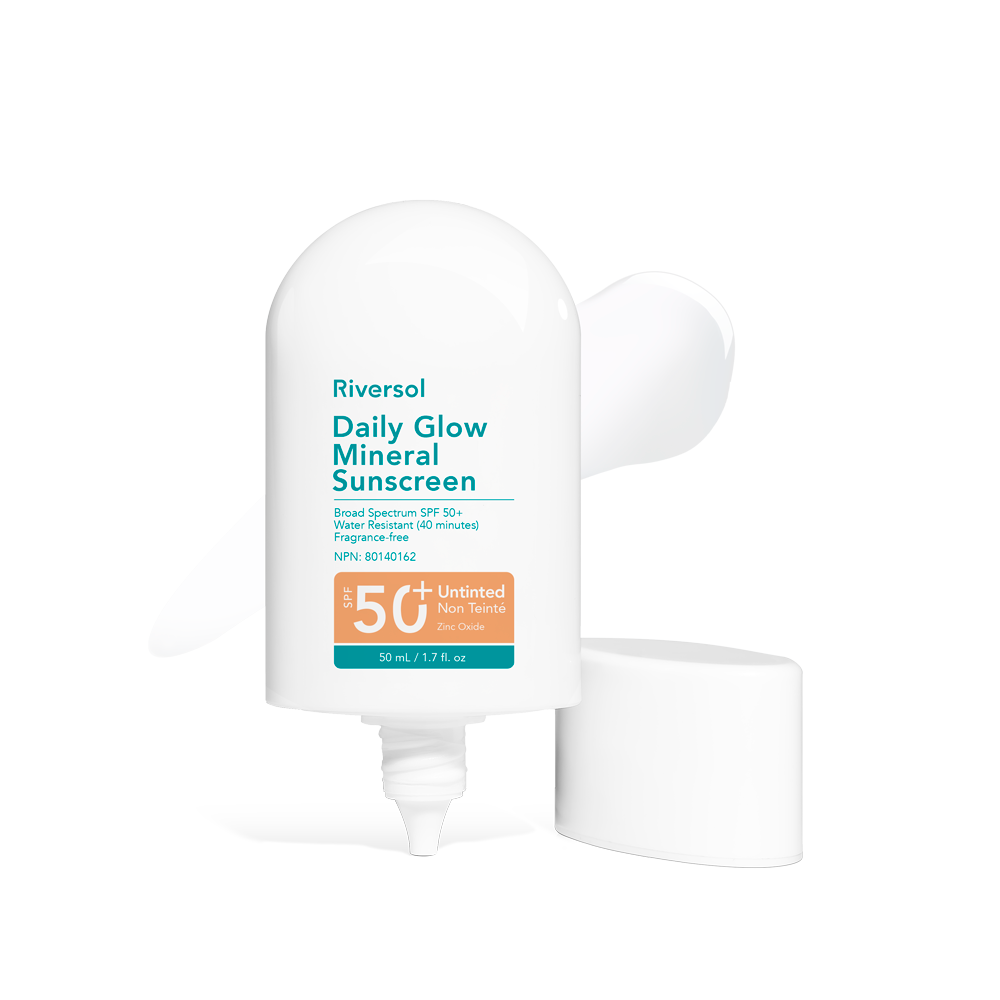
Skipping sunscreen, allowing ongoing UV-related barrier damage
These habits don’t cause dry winter skin on their own, but they can prevent the skin from repairing itself once dryness sets in.
How to Fix Dry Winter Skin Without Irritating Your Skin Barrier
Fixing dry winter skin requires a barrier-first approach. The goal isn’t to overwhelm the skin with products, but to reduce moisture loss while supporting the skin’s natural repair processes.
This approach focuses on:
-
Gentle cleansing that doesn’t strip natural oils
-
Adding hydration in lightweight layers
-
Sealing moisture to prevent evaporation
-
Protecting the skin from ongoing environmental stress
This is why richer, barrier-supportive moisturizers are often needed during winter. Formulas like Riversol’s Moisturizing Concentrate are designed specifically for seasonal dryness, helping reinforce the skin barrier when hydration alone isn’t enough.
Consistency matters more than complexity. When the skin barrier is supported, hydration lasts longer and sensitivity gradually decreases.
 *Layered hydration helps support the skin barrier in winter.
Best Ingredients for Dry Winter Skin and Barrier Repair
Certain ingredients are particularly helpful for dry skin during winter because they support both hydration and barrier repair.
Ceramides help replenish the lipids that hold the skin barrier together, improving moisture retention over time. Humectants such as glycerin attract water into the skin and support surface hydration when layered correctly. Hyaluronic acid helps bind water within the skin and works best when sealed with a moisturizer to prevent evaporation.
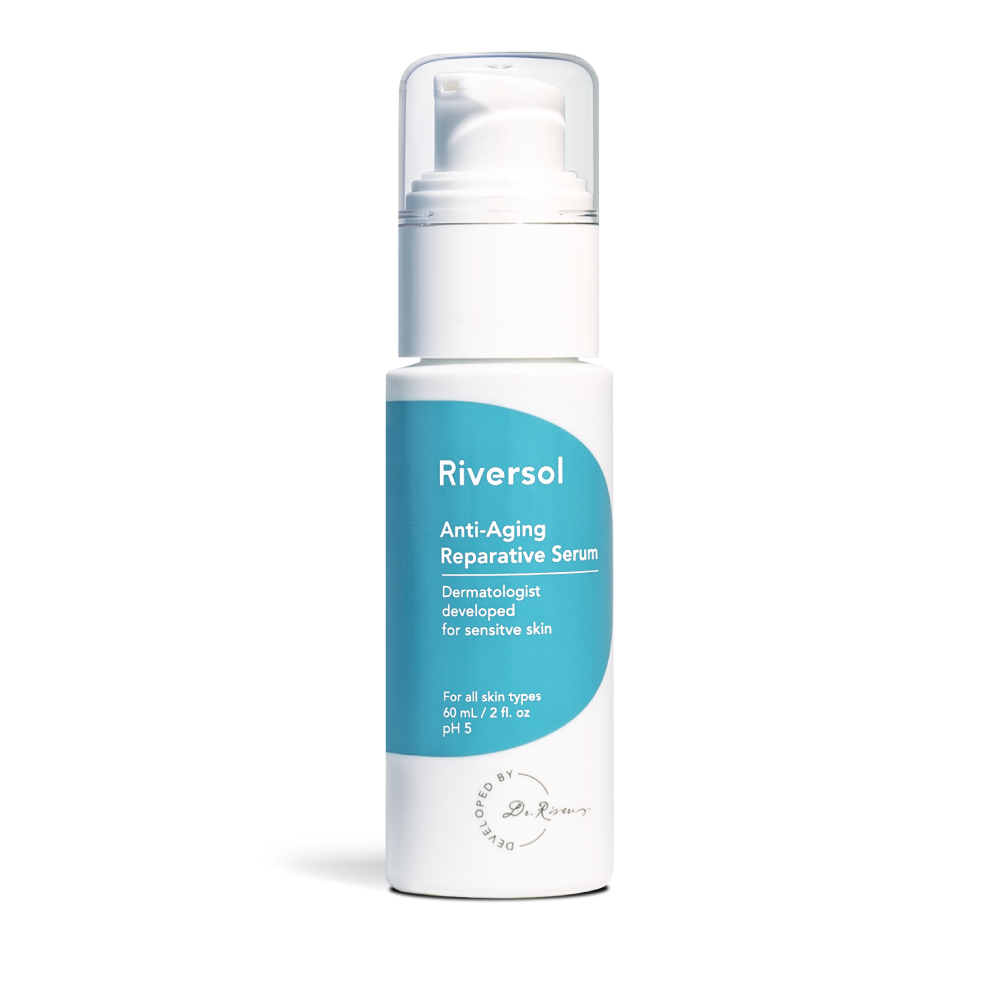
Hydration layers can also play an important role. Lightweight, water-based serums, such as the Anti-Aging Reparative Serum, can help support skin comfort and improve how subsequent products absorb, which is especially helpful when skin feels dry but easily irritated in winter.
Niacinamide supports barrier repair and helps calm visible irritation, though lower concentrations are often better tolerated when the skin barrier is compromised.
Read more about skin's barrier here ->
How to Adjust Your Skincare Routine for Winter
Winter skincare doesn’t require a complete routine overhaul. Small, thoughtful adjustments are often enough to improve comfort.
Helpful changes include:
If skin becomes irritated or reactive, simplifying the routine often restores balance faster than adding new active ingredients.
Winter dryness also isn’t limited to the face. Frequent hand washing and cold exposure can leave hands especially dry and uncomfortable. Using a barrier-rich product like Riversol’s Hand Balm helps protect the skin on hands, which often shows dryness first in winter.
Frequently Asked Questions About Dry Winter Skin
Why does my skin get so dry in winter even when I moisturize?
Cold air and indoor heating increase water loss from the skin. If the skin barrier is weakened, moisture evaporates quickly, making dryness feel persistent even with regular moisturizing.
Is dry winter skin the same as dehydrated skin?
No. Dry skin lacks oil, while dehydrated skin lacks water. In winter, many people experience both due to increased moisture loss and barrier disruption.
How can I tell if my skin barrier is damaged?
Common signs include tightness after washing, flaking, redness, itchiness, and products that suddenly sting or feel irritating.
Should I exfoliate dry skin in winter?
Exfoliation should be reduced in winter. Over-exfoliating can worsen dryness and delay skin barrier repair, especially when skin feels sensitive.
What ingredients are best for dry winter skin?
Ceramides support the skin barrier, glycerin attracts hydration, and hyaluronic acid helps bind moisture when sealed with a moisturizer. Lower levels of niacinamide can also help calm and repair the skin.
How long does it take to repair dry winter skin?
Many people notice improved comfort within one to two weeks with a consistent, barrier-supportive routine, though full repair may take longer.
Read more about The Optimal Riversol Routine here.
Final Takeaway: Calm, Protect, and Support Your Skin
Dry winter skin isn’t just about needing a heavier moisturizer. It’s a sign that the skin barrier is under stress from cold air, low humidity, and constant environmental changes. When the barrier is weakened, moisture escapes more easily, and skin becomes more reactive and uncomfortable.
The most effective way to manage dry skin in winter is to focus on calm, consistent care. Gentle cleansing, layered hydration, and barrier-supportive moisturizers help reduce water loss and give the skin what it needs to recover. Avoiding over-exfoliation and harsh actives allows the barrier to repair itself naturally over time.
Winter skincare doesn’t need to be complicated. Small adjustments, made consistently, can make a noticeable difference in how skin feels and functions throughout the colder months. When the skin barrier is supported, hydration lasts longer, sensitivity decreases, and skin feels more resilient.
By calming irritation, protecting against moisture loss, and supporting the skin barrier, dry winter skin becomes easier to manage, even in harsh winter conditions.