Reviewed by Dr. Jason Rivers, MD, FRCPC (August 2026)
After a glycolic acid peel, layer a gentle cleanser, a calming moisturizer, and SPF 50+ to rebuild your barrier and recover without irritation.
- Why Your Skin Needs Recovery After a Glycolic Peel
- The Step-by-Step Post-Peel Routine
- The Ideal Recovery Step for Reactive Skin
- What to Avoid After a Glycolic Peel
- Frequently Asked Questions
So you have just finished a glycolic acid peel and your skin feels tight, a little raw, and possibly flushed. The most common question at this moment is exactly what should you put on your face after a glycolic acid peel? The short answer: a gentle, fragrance-free cleanser followed immediately by a barrier-repairing moisturizer and a broad-spectrum sunscreen. What you apply in the next 24 to 72 hours determines how well your skin heals and how much of that brightening, resurfacing result actually sticks.
Why Your Skin Needs Recovery After a Glycolic Peel
Glycolic acid (clinically known as a superficial alpha-hydroxy acid or AHA peel) works by loosening the bonds between dead skin cells in the outermost layer of the skin (the stratum corneum), accelerating cellular turnover and revealing fresher tissue beneath. That process is genuinely effective, but it temporarily disrupts the lipid barrier, the tightly arranged layer of ceramides and fatty acids that keeps moisture in and irritants out.
According to a review published in the PMC-NIH database on glycolic acid peel therapy, superficial glycolic acid peels are among the most widely performed in-office procedures precisely because they deliver measurable improvements in texture and pigmentation at concentrations that preserve patient safety. However, that same review confirms the epidermis (the skin's surface layer) is in a heightened reactive state immediately post-treatment. Transepidermal water loss (TEWL), meaning the rate at which moisture escapes through the skin, rises significantly when the stratum corneum is compromised.
A 2019 PubMed-indexed clinical study assessing topical moisturizers following chemical peels found that applying a hydrating moisturizer immediately after a superficial peel measurably reduced TEWL and improved skin tolerance scores compared with no post-peel moisturizer. The data reinforces what dermatologists have long observed in clinical practice: barrier repair is not optional after a peel. It is the step that preserves your results.

The Step-by-Step Post-Peel Routine
Step 1: Cleanse Gently Within the First Few Hours
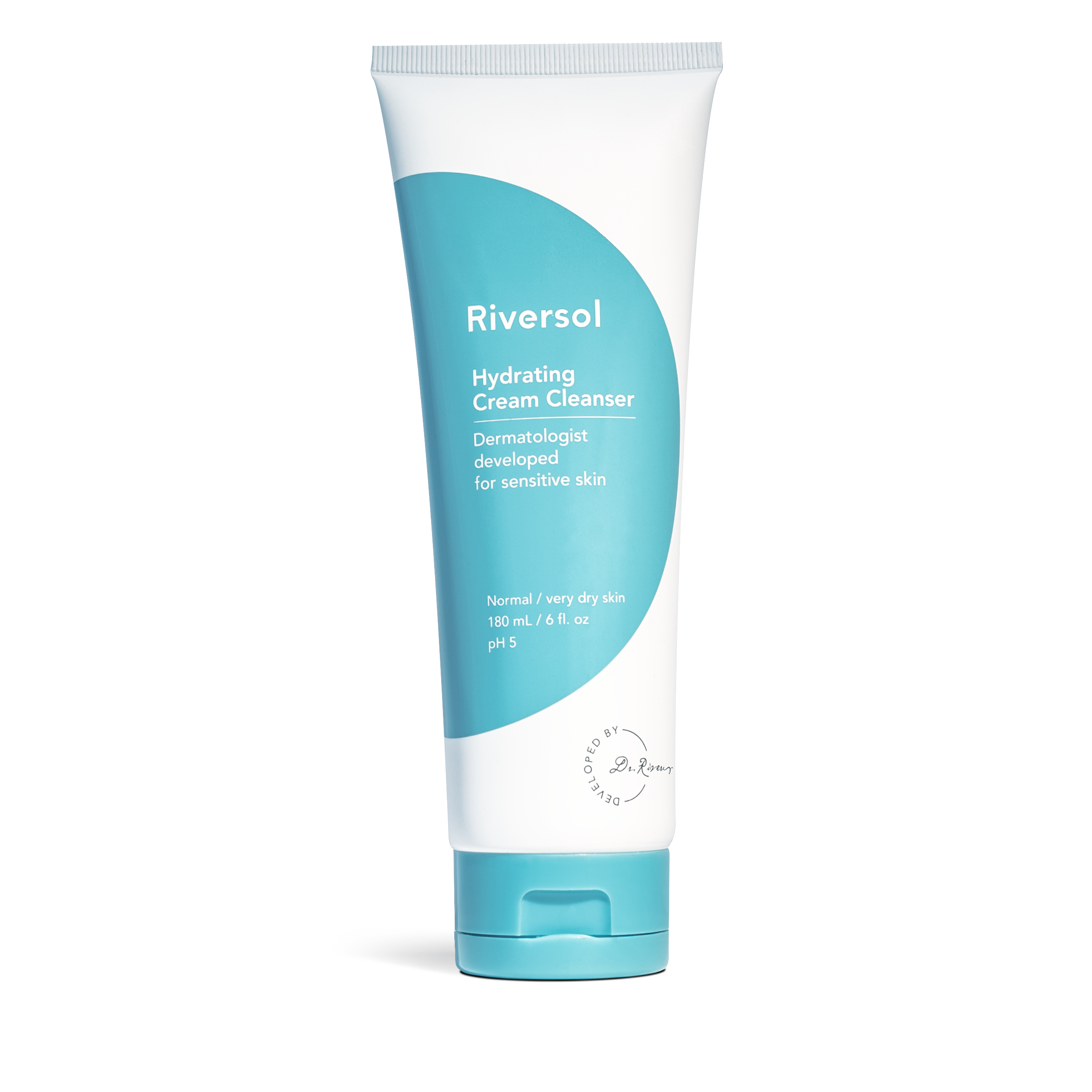
Within two to four hours of your peel (or the following morning if it was an at-home evening treatment), rinse your face with cool or lukewarm water. Use a cream-based, non-foaming cleanser that does not contain sulfates, fragrance, or exfoliating acids. The goal is purely to remove residue without further stripping. A gentle cream cleanser is the right format here, not a foaming gel or a micellar water used with vigorous rubbing. The Hydrating Cream Cleanser is formulated for this kind of minimal-disruption cleanse, leaving the barrier intact rather than squeaky-clean.
Step 2: Apply a Calming, Barrier-Repairing Moisturizer Immediately
This is the most important step. Your freshly exfoliated skin is absorbing topicals more readily than usual, so everything you apply penetrates deeper and acts faster. Choose a moisturizer that is free of alcohol, fragrance, retinol, and additional acids. Look for ingredients that actively support ceramide synthesis, reduce inflammatory signaling (cytokines), and slow TEWL. Apply generously and let it absorb fully before moving on.
Step 3: Broad-Spectrum SPF 50+ Every Morning Without Exception
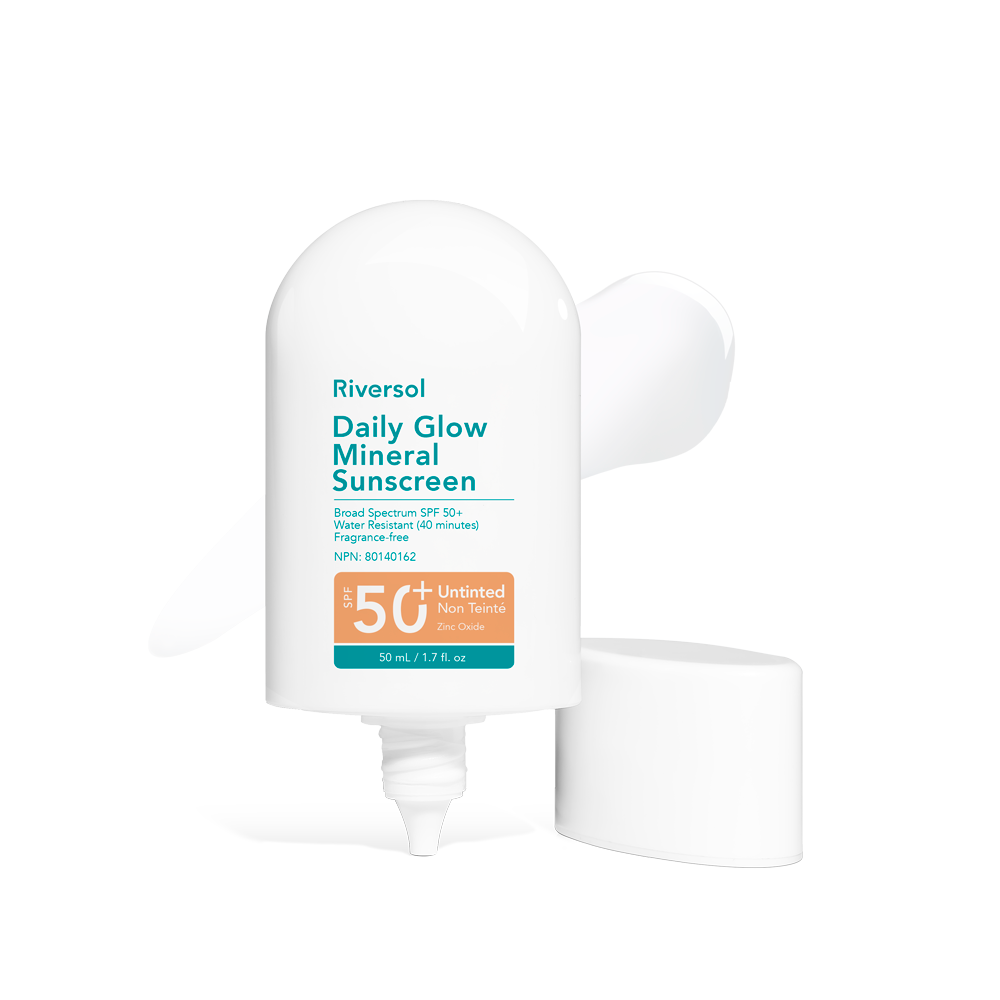
Post-peel skin is acutely vulnerable to UV-induced oxidative stress and photoaging. According to StatPearls (NCBI, NIH), UV exposure after a chemical peel is one of the leading causes of post-inflammatory hyperpigmentation (PIH), particularly in medium and deeper skin tones. The American Academy of Dermatology recommends avoiding direct sun exposure for at least two weeks following any AHA or chemical peel, and applying an SPF 30 or higher every morning regardless of weather. In clinical practice, SPF 50 or above is the standard recommendation. The Daily Glow Mineral Sunscreen SPF 50+ uses physical (mineral) UV filters, which sit on top of the skin rather than being absorbed, making them better tolerated on freshly treated skin.
Step 4: Reapply Moisturizer as Needed Throughout the Day
Do not wait until your skin feels tight or dry to reapply. As of 2026, dermatological consensus increasingly supports proactive barrier maintenance rather than reactive moisturizing, especially in the 48 to 72 hours following any exfoliating treatment. Apply moisturizer two to three times daily for the first three days.
The Ideal Recovery Step for Reactive Skin After a Glycolic Peel
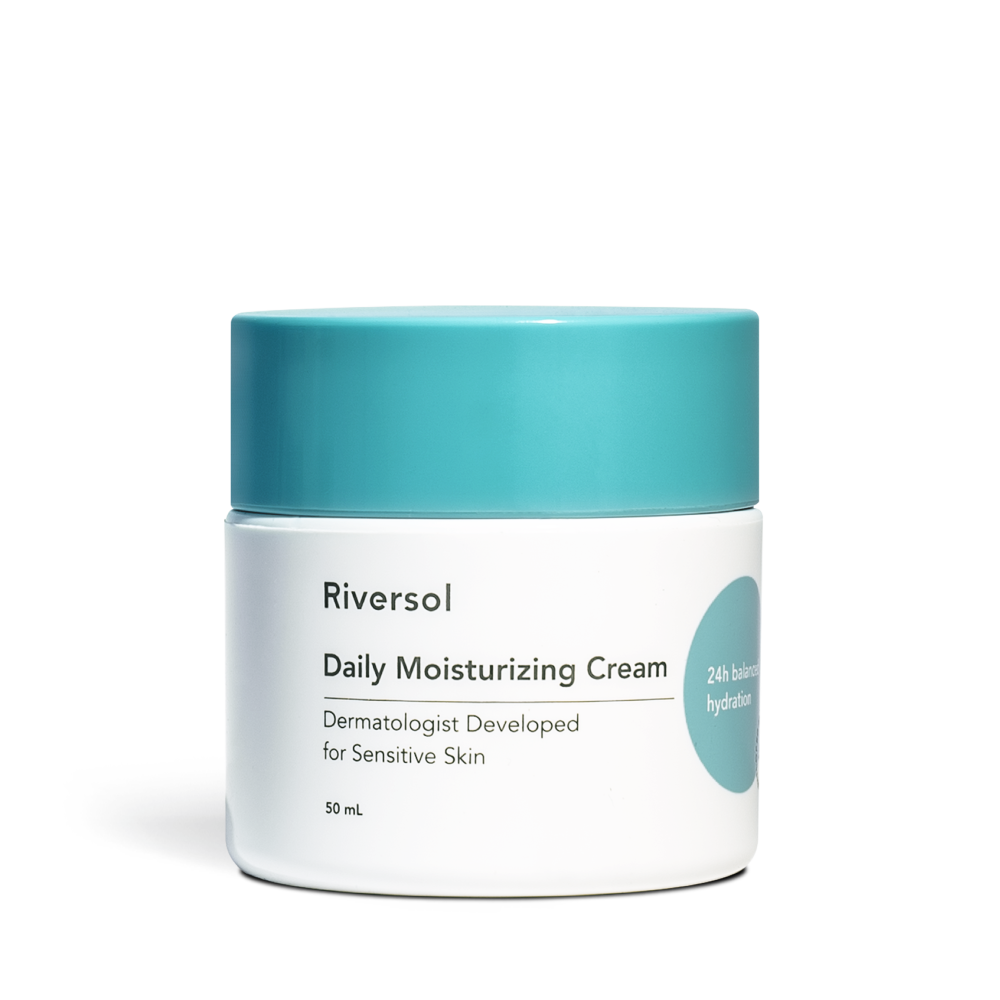
Best Moisturizer for Post-Peel Sensitive Skin: Riversol Daily Moisturizing Cream
Clinically formulated for sensitive, reactive, and rosacea-prone skin, the Daily Moisturizing Cream is built around Hinokitiol (also called Beta-Thujaplicin, or Beta-T), an anti-inflammatory and antimicrobial compound extracted from the Western Red Cedar tree native to British Columbia. Beta-T is widely regarded among dermatologists who treat reactive skin as a key calming co-active because it helps interrupt the inflammatory cascade (the chain of cytokine signals that produces redness, stinging, and swelling) without disrupting the skin's own repair process. In patients with rosacea, eczema, or habitually reactive skin, this makes a meaningful difference when the barrier is already compromised from exfoliation.
The formula also contains Vitamin E, Shea Butter, and a stabilized form of Vitamin C (Aminopropyl Ascorbyl Phosphate, which is 10x more photostable than standard ascorbic acid). Together these co-actives support collagen synthesis and free radical scavenging during the skin's repair window, without the sting that standard Vitamin C preparations can cause on freshly peeled skin. Aminopropyl Ascorbyl Phosphate, the stabilized Vitamin C derivative in the Daily Moisturizing Cream, delivers brightening support at a skin-compatible pH that does not provoke the stinging reactive skin is prone to after exfoliation.
| Feature | Standard Post-Peel Moisturizer | Riversol Daily Moisturizing Cream |
|---|---|---|
| Key Ingredient | Generic ceramide or glycerin blend | Hinokitiol (Beta-Thujaplicin, Beta-T) plus Vitamin E and Shea Butter |
| Formula Texture | Varies; often thick occlusive or thin gel | Lightweight cream; absorbs without occlusive heaviness |
| Skin Sensation | Neutral to mild sting on freshly peeled skin | Calming; formulated to avoid sting on reactive skin |
| Key Co-Active | No active anti-inflammatory co-ingredient | Stabilized Vitamin C (Aminopropyl Ascorbyl Phosphate, 10x photostable) |
The Daily Moisturizing Cream is best suited for anyone with sensitive, rosacea-prone, or reactive skin who wants the recovery benefits of a barrier-repairing moisturizer without triggering a flare during the post-peel window.
For sensitive skin seeking barrier repair after exfoliation, the Daily Moisturizing Cream is formulated specifically to calm the inflammatory cascade while restoring moisture without stinging compromised skin. Trusted by over 1,000,000 customers and developed by Dr. Jason Rivers, MD, FRCPC, a board-certified dermatologist, it is formulated and manufactured in Canada with reactive skin as the central design criterion.


What to Avoid After a Glycolic Peel
Ingredients That Can Set Back Your Recovery
- Additional exfoliants: Do not layer retinol, additional glycolic acid, salicylic acid, or physical scrubs for at least five to seven days post-peel. The dermatological literature indicates that stacking exfoliating actives onto compromised skin significantly raises the risk of contact dermatitis and prolonged erythema.
- Fragrance and essential oils: These are among the most common contact sensitizers. On freshly peeled skin, the penetration rate is higher, making a reaction more likely.
- Alcohol-based toners: Denatured alcohol disrupts the lipid barrier and accelerates TEWL at exactly the moment you are trying to slow it.
- Standard Vitamin C serums (L-ascorbic acid at low pH): The low pH required to stabilize conventional ascorbic acid can sting severely on freshly exfoliated skin. Wait until the skin has fully recovered before reintroducing these.
- Direct sun exposure without SPF: According to the PMC-NIH review on prevention of complications in chemical peeling, unprotected UV exposure after a peel is the single most preventable cause of post-treatment hyperpigmentation.
Frequently Asked Questions
What Should I Do After a Glycolic Peel?
Immediately after a glycolic peel, rinse your face with cool water if needed to remove any remaining product, then apply a calming, fragrance-free moisturizer to rebuild the lipid barrier and reduce transepidermal water loss. For the first 48 to 72 hours, keep your routine minimal: gentle cleanser, barrier moisturizer, and mineral SPF 50+ every morning. Avoid all active ingredients, heat, and direct sun exposure during this window.
What Not to Do After a Glycolic Peel?
Do not apply retinol, additional AHA or BHA exfoliants, fragrance, alcohol-based toners, or physical scrubs for at least five to seven days. Do not pick at or manually remove any flaking skin, as this disrupts the natural cell turnover process the peel initiated and can lead to scarring. Avoid saunas, steam rooms, and vigorous exercise that raises core body temperature significantly for the first 48 hours.
How Long Does a Glycolic Peel Take to Heal?
A superficial glycolic acid peel (the most common at-home and many in-office strengths) typically resolves within three to five days, with any flaking or mild peeling appearing on days two through four. As of 2026, clinical dermatology practice generally considers the stratum corneum fully reformed within seven days for most patients, though those with rosacea-prone or highly reactive skin may experience sensitivity for slightly longer. Medium-depth peels performed in a clinical setting take longer and require professional aftercare guidance.
How to Neutralize After a Glycolic Peel?
At-home glycolic acid peel formulas are typically self-neutralizing or buffered, meaning they stop working once they are rinsed off with water. If you are using a professional-grade peel that requires active neutralization, the standard clinical method is to apply a dilute sodium bicarbonate (baking soda) solution or a purpose-formulated neutralizing solution provided by your practitioner, then rinse thoroughly with cool water. Never attempt to neutralize a professional-strength peel at home without explicit guidance from the clinician who administered it.
Putting It All Together: What to Put on Your Face After a Glycolic Acid Peel
The answer to what should you put on your face after a glycolic acid peel comes down to three non-negotiables: a gentle cream cleanser, a calming barrier-repair moisturizer, and a mineral SPF 50+ applied every morning for at least two weeks. Everything else, including your Vitamin C serums, retinol, and exfoliating toners, goes on pause until your stratum corneum has had time to rebuild. According to the NIH-published glycolic acid peel therapy review, patients who follow proper post-peel aftercare protocols see significantly better long-term outcomes than those who resume their full routine too quickly.
For patients with reactive, rosacea-prone, or sensitive skin, the recovery window after a glycolic peel requires even more care. The inflammatory cascade that leads to erythema, stinging, and flares is easier to prevent than to reverse. A moisturizer formulated with Beta-Thujaplicin (Beta-T) as an anti-inflammatory co-active, alongside proven barrier ingredients like Shea Butter and stabilized Vitamin C, gives reactive skin the recovery environment it actually needs.
References
- Sharad, J. (2013). Glycolic acid peel therapy: a current review. PMC, National Institutes of Health. https://pmc.ncbi.nlm.nih.gov/articles/PMC3875240/
- Khunger, N. (2011). Prevention of complications in chemical peeling. Journal of Cutaneous and Aesthetic Surgery / PMC, National Institutes of Health. https://pmc.ncbi.nlm.nih.gov/articles/PMC3047741/
- Lio, P., et al. (2019). Cosmetic use of three topical moisturizers following glycolic acid treatment. PubMed, National Library of Medicine. https://pubmed.ncbi.nlm.nih.gov/31322804/
- Soleymani, T., Lanoue, J., and Rahman, Z. (2018). Chemical peels for skin resurfacing. StatPearls, NCBI Bookshelf, National Institutes of Health. https://www.ncbi.nlm.nih.gov/books/NBK547752/
- American Academy of Dermatology. (2024). Chemical peels: overview, aftercare, and sun protection guidelines. aad.org
Related Topics to Explore:
About Dr. Jason Rivers, MD
Dr. Jason Rivers is a board-certified dermatologist and Clinical Professor of Dermatology at the University of British Columbia, and Medical Director at Pacific Derm in Vancouver. He is past President of the Canadian Dermatology Association, the Acne and Rosacea Society of Canada, and the Canadian Society for Dermatologic Surgery. Dr. Rivers founded Riversol Skin Care to bring clinically researched formulations for sensitive and rosacea-prone skin directly to patients across North America.