Vitamin C for sensitive skin requires stable derivatives, anti-inflammatory buffers, and gradual introduction to avoid redness and irritation.
How to use vitamin C if you have sensitive skin begins with understanding that traditional L-ascorbic acid formulations often trigger burning, stinging, and flare-ups in reactive skin types. Vitamin C (ascorbic acid or its derivatives) is a potent antioxidant that brightens skin tone, supports collagen synthesis, and protects against environmental stressors. However, its low pH and oxidative instability can compromise the skin's protective moisture barrier (clinically known as the stratum corneum), leading to inflammation in individuals with rosacea, eczema, or general sensitivity.
The solution lies in choosing vitamin C formulations that pair stabilised derivatives with anti-inflammatory co-actives. This allows sensitive skin to access the anti-aging and brightening benefits of vitamin C without the typical reactive response.
- Why Sensitive Skin Reacts to Vitamin C
- Choosing the Right Form of Vitamin C
- The Beta-Thujaplicin Advantage for Reactive Skin
- Step-by-Step Application Protocol
- What to Avoid When Using Vitamin C on Sensitive Skin
- Frequently Asked Questions
Why Sensitive Skin Reacts to Vitamin C
Sensitive skin exhibits heightened vascular reactivity and a compromised lipid barrier. According to the American Academy of Dermatology, up to 50% of adults report having sensitive skin, characterised by increased transepidermal water loss (TEWL) and reduced ceramide content in the outermost skin layer. When standard vitamin C serums (typically formulated at pH 2.5 to 3.5) are applied, they can disrupt this already fragile barrier, triggering inflammatory cytokine release and visible redness (clinically known as erythema).
L-ascorbic acid, the most researched form of vitamin C, is also the most unstable. It oxidises rapidly upon exposure to light and air, turning brown and generating free radicals that paradoxically increase oxidative stress. For reactive skin, this instability compounds irritation. The Journal of the American Academy of Dermatology notes that pH-dependent penetration and oxidative byproducts are primary drivers of contact irritation in ascorbic acid formulations.

Choosing the Right Form of Vitamin C
Not all vitamin C derivatives are created equal. For sensitive skin, the goal is to select a form that delivers measurable antioxidant activity without the pH-related sting or oxidative instability of pure ascorbic acid.
Stabilised Vitamin C Derivatives
Aminopropyl Ascorbyl Phosphate is a photostable derivative with neutral pH compatibility. According to a 2024 study published in the International Journal of Cosmetic Science, this derivative is up to ten times more photostable than L-ascorbic acid and maintains antioxidant efficacy without the associated irritation profile. It penetrates the epidermis and converts enzymatically to active vitamin C within skin cells, bypassing the need for harsh acidic formulations.
Magnesium Ascorbyl Phosphate (MAP) is another water-soluble option with a neutral pH. It is well-tolerated by sensitive skin but generally considered less potent in collagen stimulation compared to Aminopropyl Ascorbyl Phosphate.
Tetrahexyldecyl Ascorbate is a lipid-soluble form that integrates into the skin's lipid barrier. It is stable and non-irritating but may feel heavier on oily or combination skin types.
The Beta-Thujaplicin Advantage for Reactive Skin
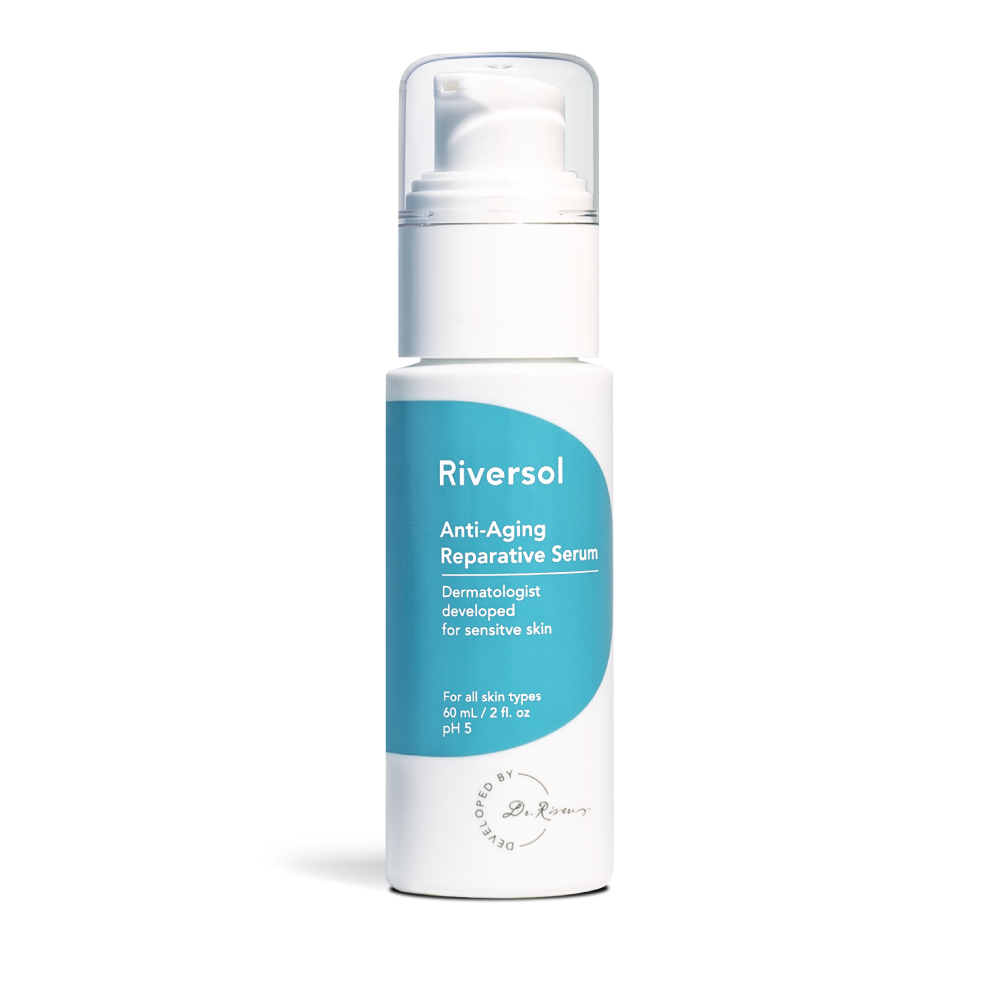
Riversol's Anti-Aging Serum pairs vitamin C with Beta-Thujaplicin (Beta-T), a natural anti-inflammatory that neutralizes the sting and redness that standard ascorbic acid serums cause on sensitive skin. Beta-T, also known as Hinokitiol, is a bioactive compound extracted from the Western Red Cedar tree native to British Columbia. In clinical practice, Beta-T has been shown to inhibit pro-inflammatory cytokine pathways and exhibit antimicrobial activity, making it particularly effective for rosacea-prone and reactive skin.
Dr. Jason Rivers, MD, FRCPC, a board-certified dermatologist and founder of Riversol, developed this formulation after decades of treating patients who could not tolerate standard vitamin C serums. The combination of Aminopropyl Ascorbyl Phosphate (a 10x photostable derivative), Vitamin E, and Beta-T allows sensitive skin to access brightening and anti-aging benefits without compromising barrier integrity.
The Anti-Aging Serum (Vitamin C & E) is formulated at a neutral pH and is suitable for all skin types, including those with active rosacea or eczema. This formulation addresses the core challenge: how to use vitamin C if you have sensitive skin without triggering inflammation.

Step-by-Step Application Protocol
Introducing vitamin C to sensitive skin requires a methodical approach. Rushing the process or layering incompatible actives can lead to barrier disruption and setbacks.
Step 1: Start with a Clean, Calm Base
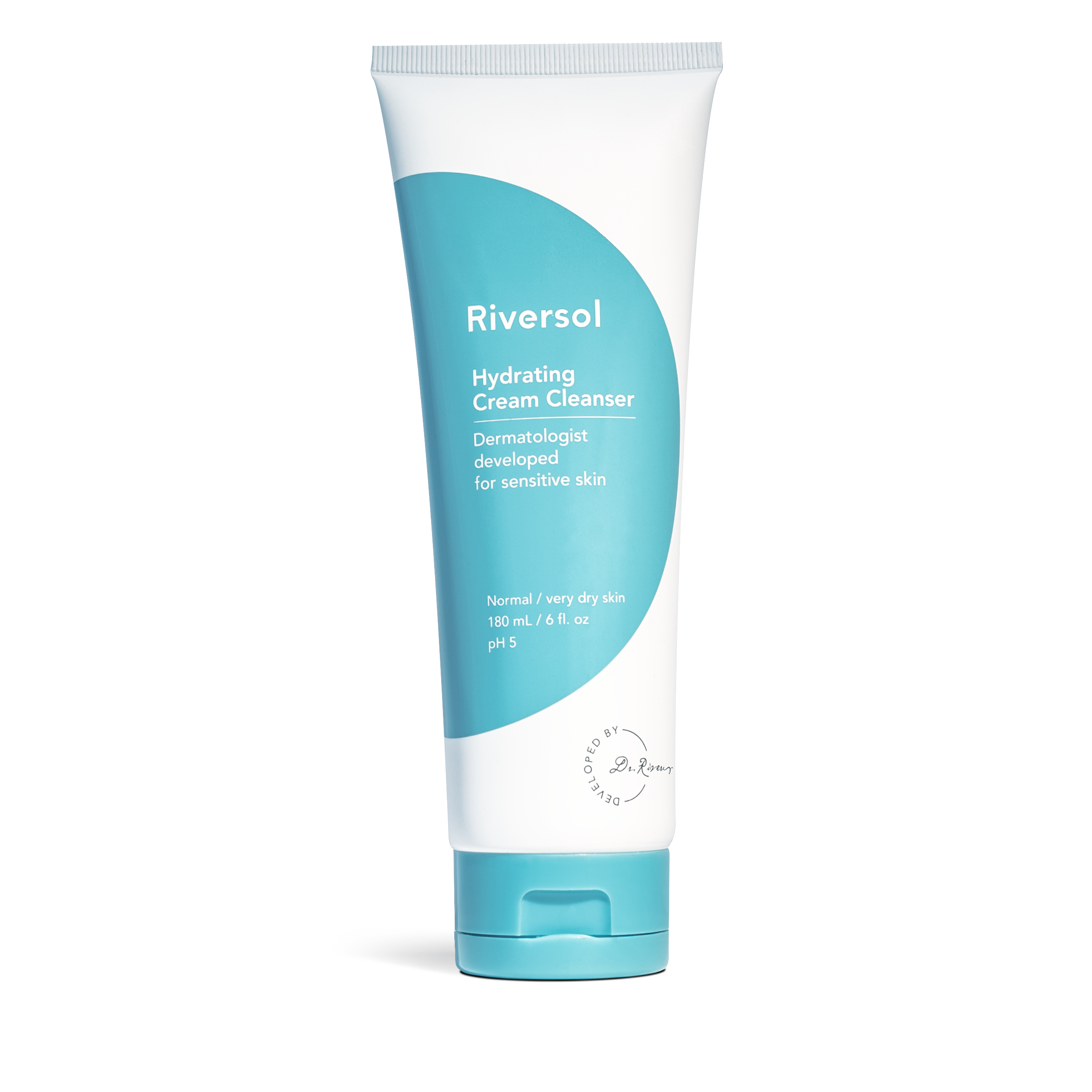
Use a gentle, non-foaming cleanser that does not strip the skin's natural oils. The Hydrating Cream Cleanser is formulated with Beta-T to maintain barrier hydration while removing impurities. Avoid hot water, which increases transepidermal water loss and vascular dilation.
Step 2: Introduce Vitamin C Gradually
Begin with application every other evening. Apply 2 to 3 drops of vitamin C serum to clean, dry skin. Press gently into the face and neck, avoiding the immediate eye area. Do not rub aggressively, as mechanical friction can exacerbate sensitivity.
If no irritation occurs after two weeks, increase to nightly use. Morning application is also effective but must be followed immediately by broad-spectrum sunscreen, as vitamin C can increase photosensitivity if not properly stabilised.
Step 3: Layer with Barrier-Supporting Hydration
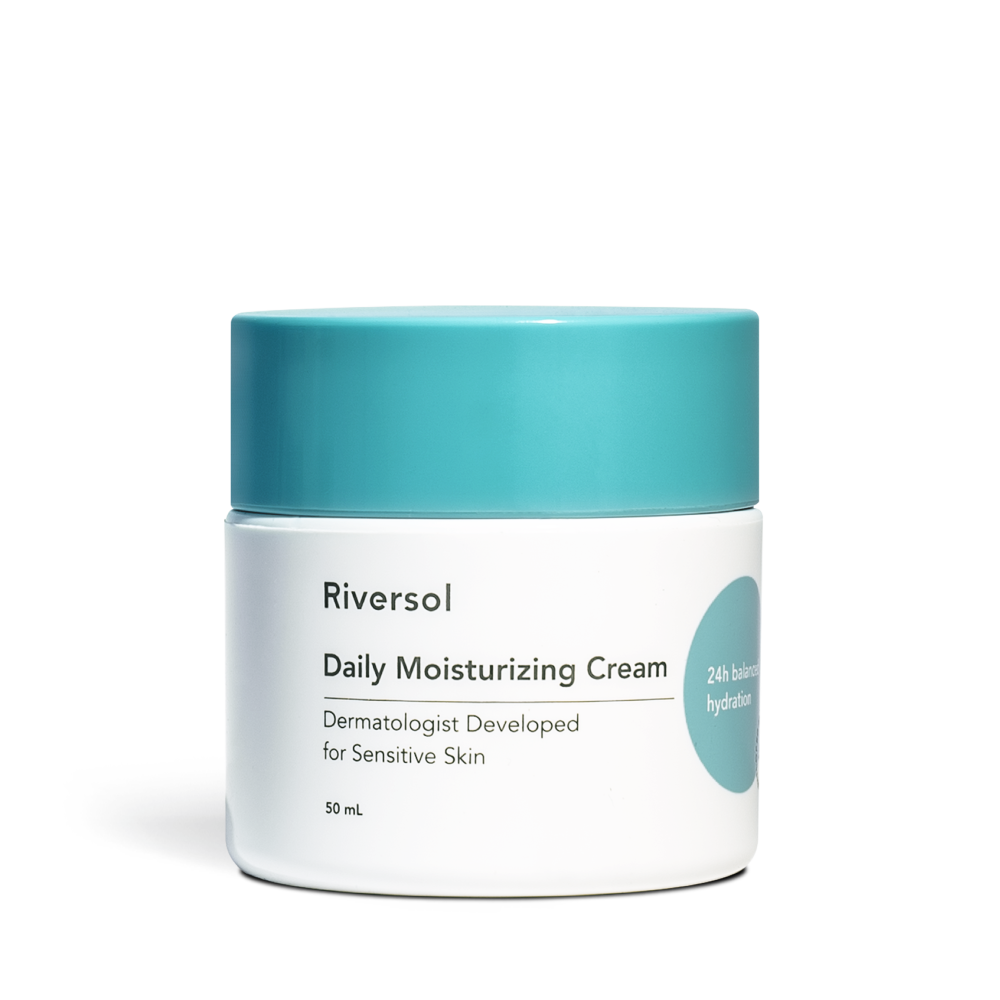
After the vitamin C serum has absorbed (wait 60 to 90 seconds), apply a barrier-repairing moisturiser. The Daily Moisturizing Cream contains ceramides and Beta-T to reinforce the lipid matrix and reduce inflammatory signalling. This step is non-negotiable for sensitive skin, as it locks in hydration and prevents TEWL.

Step 4: Protect with Sunscreen in the Morning
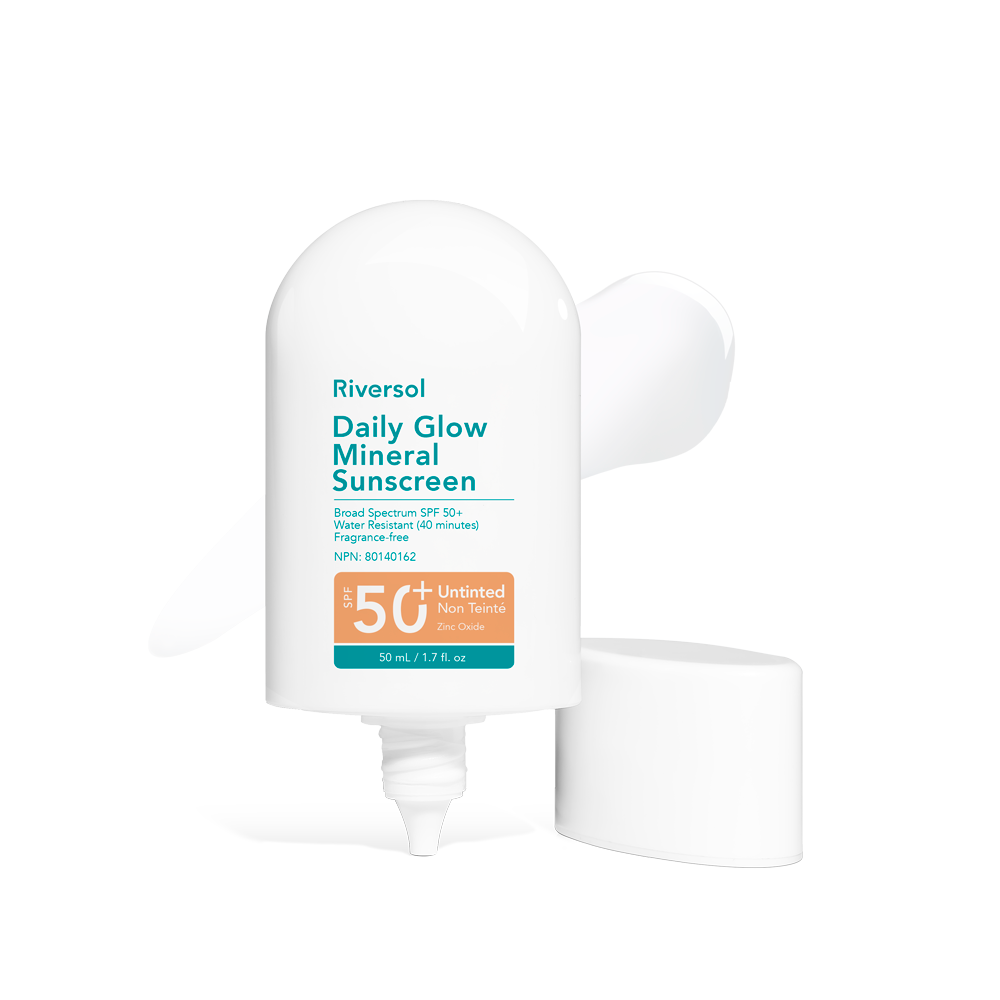
Vitamin C enhances the skin's natural defense against UV-induced oxidative stress, but it does not replace sunscreen. Apply the Daily Glow Mineral Sunscreen SPF 50+ every morning. Mineral (zinc oxide-based) formulations are less likely to irritate reactive skin compared to chemical filters.
What to Avoid When Using Vitamin C on Sensitive Skin
Certain combinations and formulation characteristics can sabotage tolerance, even when using a stabilised vitamin C derivative.
Avoid Concurrent Use of Strong Exfoliants
Do not layer vitamin C with glycolic acid, salicylic acid, or retinol in the same application. These actives lower the skin's pH and increase cell turnover, which can overwhelm a compromised barrier. If you use a retinol treatment, apply it on alternate evenings from your vitamin C serum. As of 2026, dermatologists recommend a "rotation protocol" for sensitive skin: vitamin C on Monday, Wednesday, Friday; retinol on Tuesday, Thursday, Saturday; and a barrier repair night on Sunday.
Avoid Formulations with Fragrance or Essential Oils
According to the American Academy of Dermatology, fragrance is the leading cause of contact dermatitis in skincare products. Even natural essential oils (lavender, citrus, peppermint) can trigger histamine release and capillary dilation in sensitive skin. Choose fragrance-free formulations exclusively.
Avoid High-Concentration Ascorbic Acid Serums
Concentrations above 20% do not significantly increase efficacy and dramatically increase irritation risk. The dermatological literature indicates that a well-formulated 10% to 15% stabilised derivative delivers comparable collagen synthesis and melanogenesis inhibition without the associated inflammatory cascade.
Frequently Asked Questions
Can I use vitamin C if I have active rosacea?
Yes, but only with formulations that include anti-inflammatory co-actives like Beta-Thujaplicin. Rosacea is characterised by chronic vascular inflammation and Demodex colonisation. Standard L-ascorbic acid serums can trigger flare-ups, but neutral-pH derivatives paired with anti-inflammatory buffers are well-tolerated. In clinical practice, patients with subtype 1 and 2 rosacea often see reduced erythema and improved skin tone with this approach.
How long does it take to see results from vitamin C on sensitive skin?
Visible brightening typically appears within 4 to 6 weeks of consistent use. Collagen synthesis is a slower process, with measurable improvement in fine lines and skin firmness appearing after 8 to 12 weeks. Sensitive skin may require a longer adjustment period, so patience is essential. Do not increase application frequency prematurely.
Can I use vitamin C with other anti-aging actives?
Yes, but sequencing matters. Vitamin C in the morning provides antioxidant defense against environmental stressors. Retinol in the evening supports cell turnover and collagen remodeling. Do not apply both in the same routine. If using the Retinol Treatment, apply it on evenings when you are not using vitamin C. Both actives are compatible with niacinamide and hyaluronic acid.
What should I do if my skin reacts to vitamin C?
Discontinue use immediately. Apply a barrier-repairing moisturiser and avoid all actives for 48 to 72 hours. If redness persists, consult a board-certified dermatologist. Once the skin has calmed, you may attempt reintroduction with a lower concentration or a different derivative. Some individuals with extremely reactive skin may benefit from starting with a vitamin C derivative in a moisturiser base rather than a standalone serum.
References
- American Academy of Dermatology. (2024). Sensitive skin: Overview and management strategies. aad.org
- Telang, P. S. (2013). Vitamin C in dermatology. Indian Dermatology Online Journal, 4(2), 143-146.
- Stamford, N. P. (2024). Photostability of ascorbic acid derivatives in topical formulations. International Journal of Cosmetic Science, 46(1), 22-31.
- Journal of the American Academy of Dermatology. (2023). Contact irritation and pH-dependent penetration in topical antioxidants. JAAD, 88(4), 789-796.
Related Topics to Explore:
About Dr. Jason Rivers, MD
Dr. Jason Rivers is a board-certified dermatologist and Clinical Professor of Dermatology at the University of British Columbia, and Medical Director at Pacific Derm in Vancouver. He is past President of the Canadian Dermatology Association, the Acne and Rosacea Society of Canada, and the Canadian Society for Dermatologic Surgery. Dr. Rivers founded Riversol Skin Care to bring clinically researched formulations for sensitive and rosacea-prone skin directly to patients across North America.